What Is Marley Hair? A Complete Guide to This Popular Hair Extension
Marley hair is a specific type of synthetic hair extension that mimics the natural, coarser texture of African hair. It is commonly used for protective hairstyles such as twists and braids because its coarse texture blends well with natural hair, giving a realistic look and feel.
This hair type is favored for its thick, kinky curly strands that hold styles longer and maintain volume and softness without constant maintenance. Unlike smoother synthetic options, Marley hair easily replicates the natural look and versatility of Afro-textured hair, which is why it has become a popular choice in the hair extension and protective styling community.
This article will cover the characteristics that set Marley hair apart, how to install and care for it properly, and the best ways to style it. Additionally, we'll explore the differences between Marley hair and other synthetic or natural hair extensions and provide insights to help you decide if Marley hair extensions suit your styling needs.
Understanding Marley Hair: Texture and Origin
What Makes Marley Hair Unique
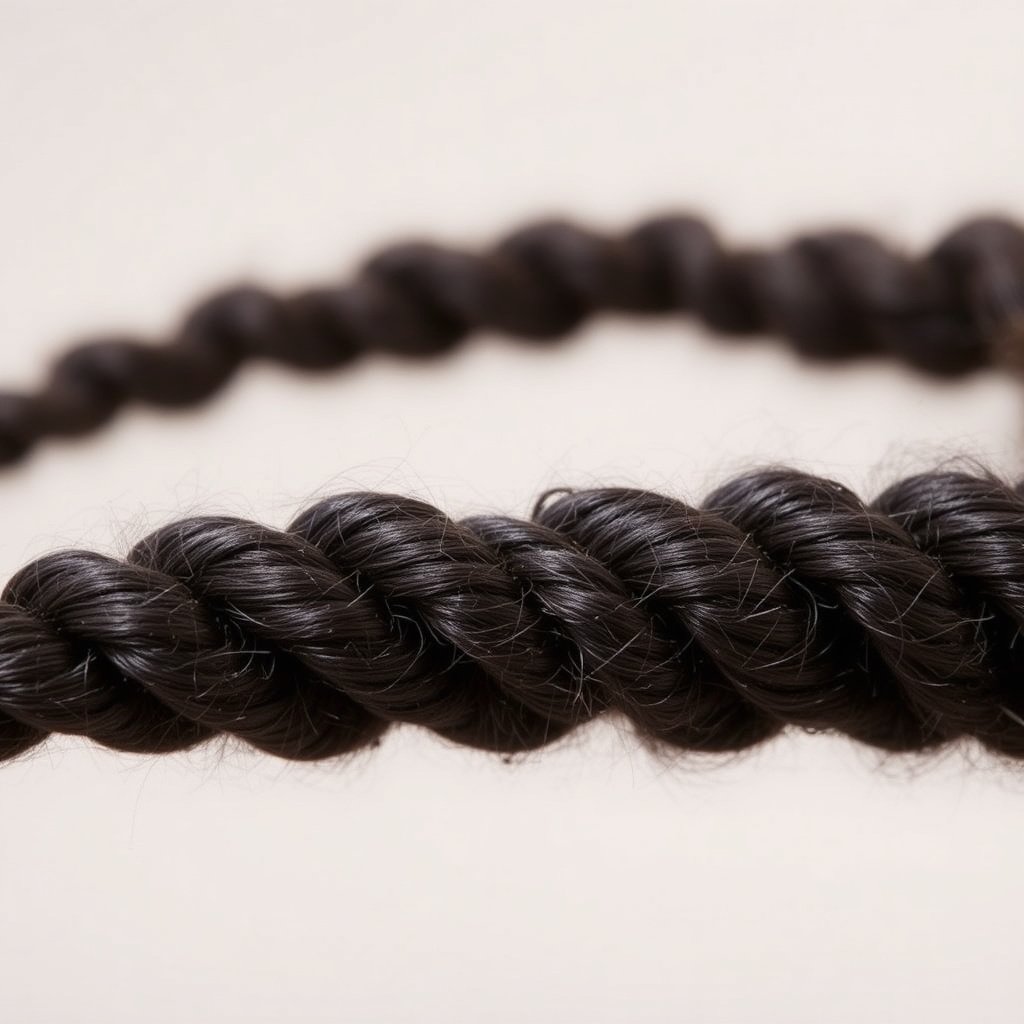
Marley hair stands out because of its coarse and kinky texture, designed to mimic the natural Afro hair pattern. Its thick, matte strands have a less shiny appearance compared to other synthetic hair types, adding to its natural look.
The material used to make Marley hair is a high-quality synthetic fiber, often Kanekalon or similar, crafted to take well to styling methods such as twists, braids, and locs.
Origins and Popularity
Marley hair gets its name from its resemblance to the hair of the famous musician Bob Marley, who sported a thick, natural dreadlock style. This extension type has become popular among people seeking protective styles that look authentic and maintain a lot of volume.
Its use has grown significantly in afro-textured hair care circles where maintaining natural hair health and length is prioritized. Protective styles with Marley hair allow rest from harsh styling and chemical treatments.
Benefits of Using Marley Hair Extensions
Protective Styling Advantages
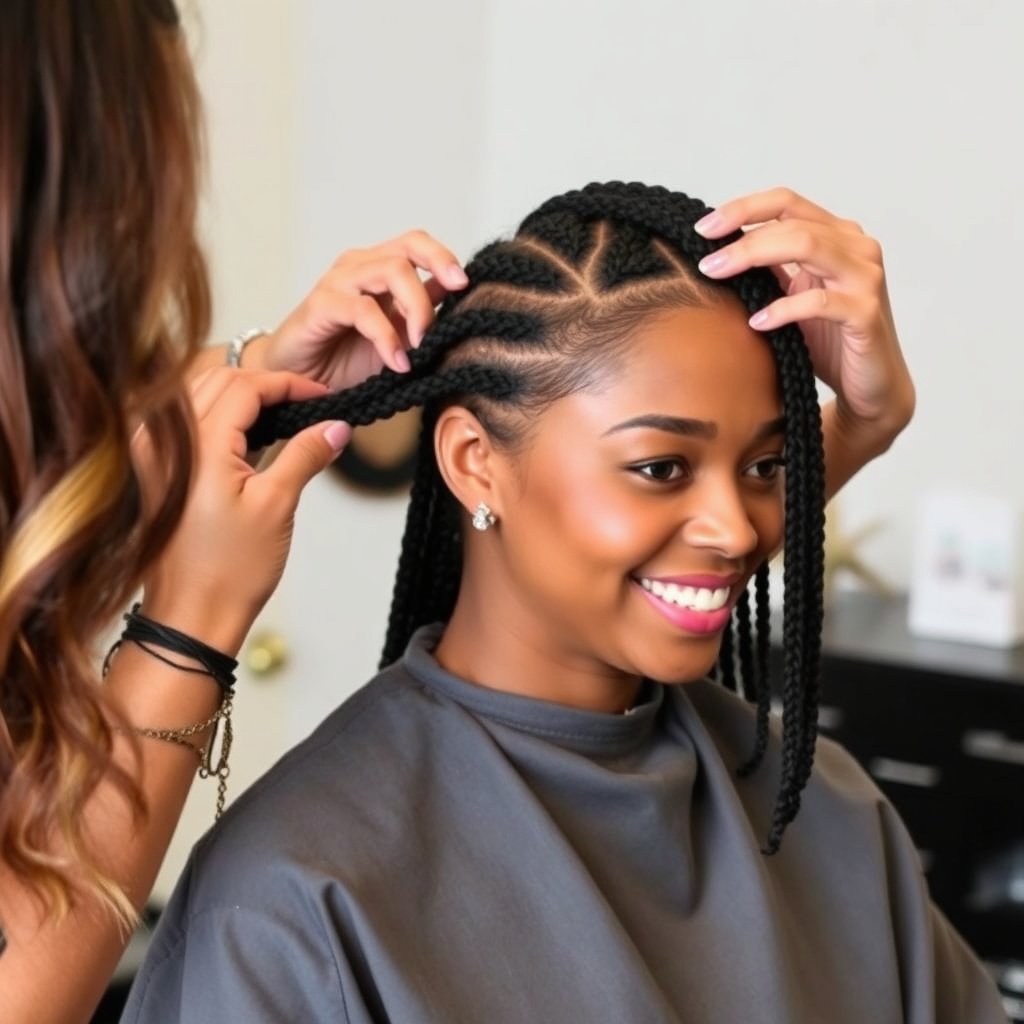
Marley hair extensions serve as an excellent protective style option, shielding natural hair from environmental damage and manipulation. The coarse texture helps retain moisture in natural hair underneath by reducing friction and tangling.
It allows for styles like twists and braids that promote hair growth retention by minimizing breakage and the need for frequent styling adjustments.
- Reduces daily hair manipulation
- Protects natural hair from harsh weather
- Maintains moisture balance
- Long-lasting style retention
Styling Flexibility
Despite being synthetic, Marley hair extensions are versatile. They handle styles such as Senegalese twists, locs, and updos well due to the hair’s coil structure and thickness.
This flexibility allows wearers to enjoy a variety of looks that align with cultural styles or personal fashion statements.
How to Install Marley Hair
Preparation Steps
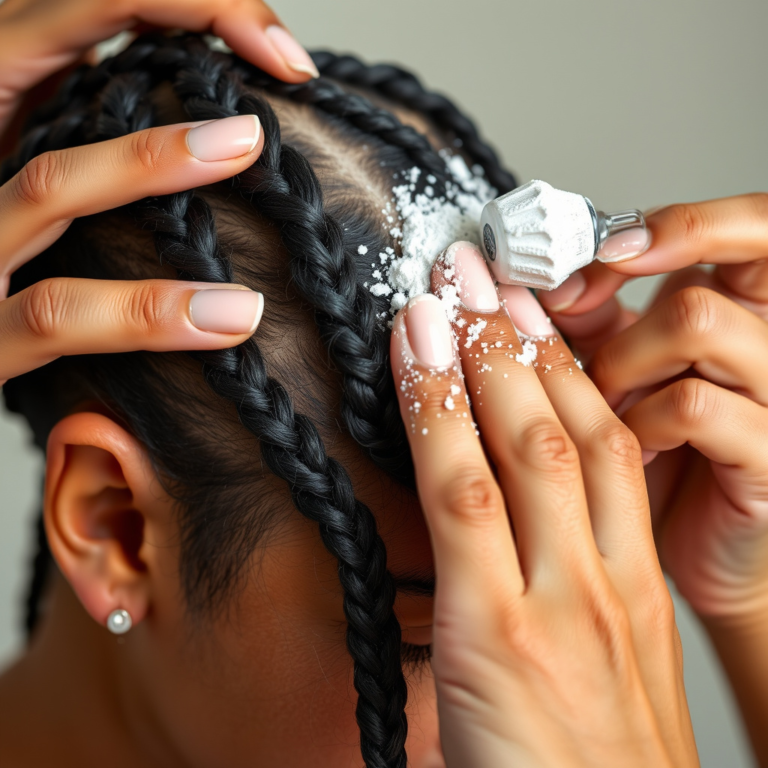
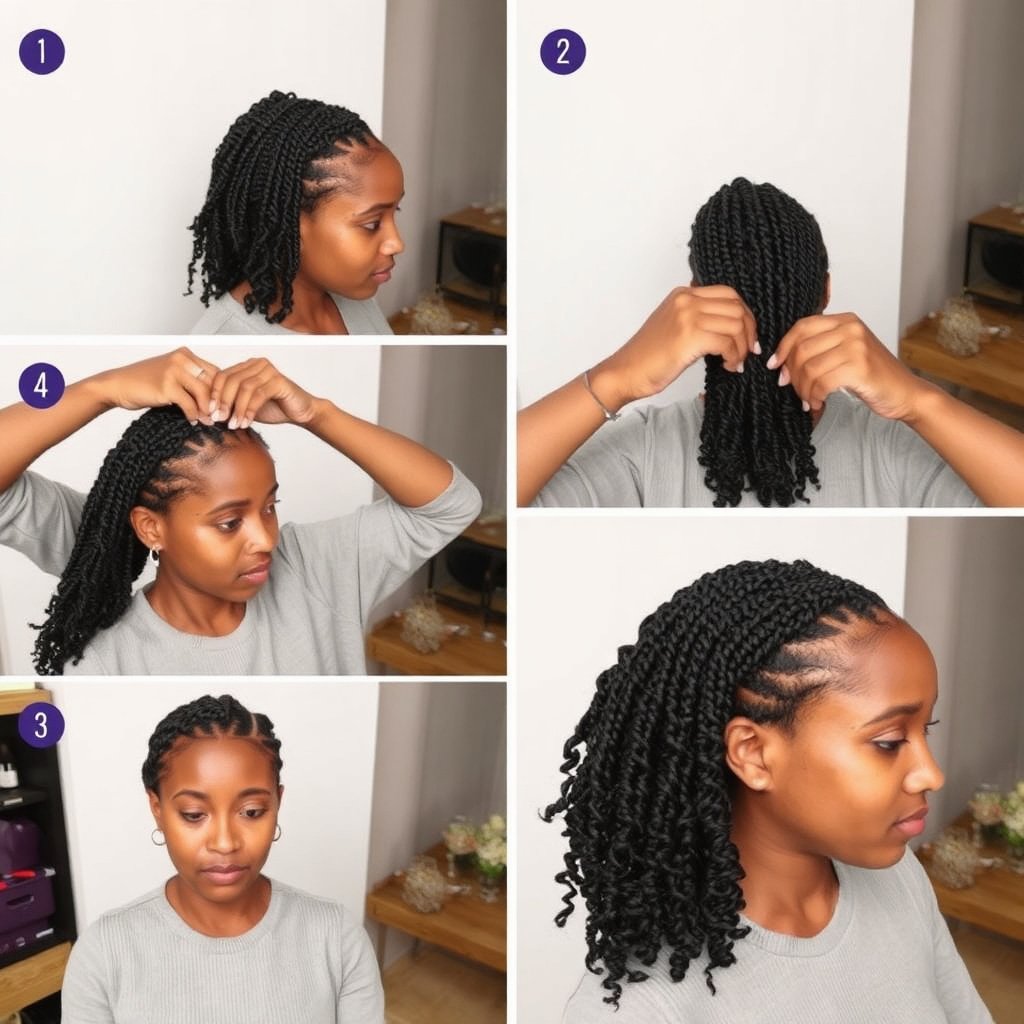
Before installing Marley hair, the natural hair should be clean, moisturized, and detangled to ensure smooth installation and minimize scalp irritation. Sectioning hair properly helps achieve neat, even twists or braids.
Using a leave-in conditioner or light oil on natural hair can improve grip and reduce tension during the installation.
For more on this, see our related guide: Marley Hair: A Complete Buying Guide.
Installation Techniques
Common installation methods include two-strand twists, single braids, or faux locs using Marley hair as the extension fiber. Marley hair can be pre-separated or twisted directly onto the roots depending on desired style complexity.
The hair is wrapped or braided firmly but not tightly to avoid scalp strain while securing the extension for durability.
- Two-strand twists for volume
- Braids for sleekness
- Faux locs for dreadlock styles
Caring for Marley Hair Extensions
Cleaning and Maintenance
Marley hair extensions require gentle washing using sulfate-free shampoos and conditioners to avoid drying out the synthetic fibers. Washing every 2-3 weeks is generally recommended to maintain cleanliness without causing frizz.
After washing, it's best to allow the hair to air dry naturally to preserve the texture and prevent fuzziness.
- Use gentle shampoo and conditioner
- Wash every 2-3 weeks
- Avoid excessive rubbing or tangling
- Air dry to keep texture intact
Long-Term Care Tips
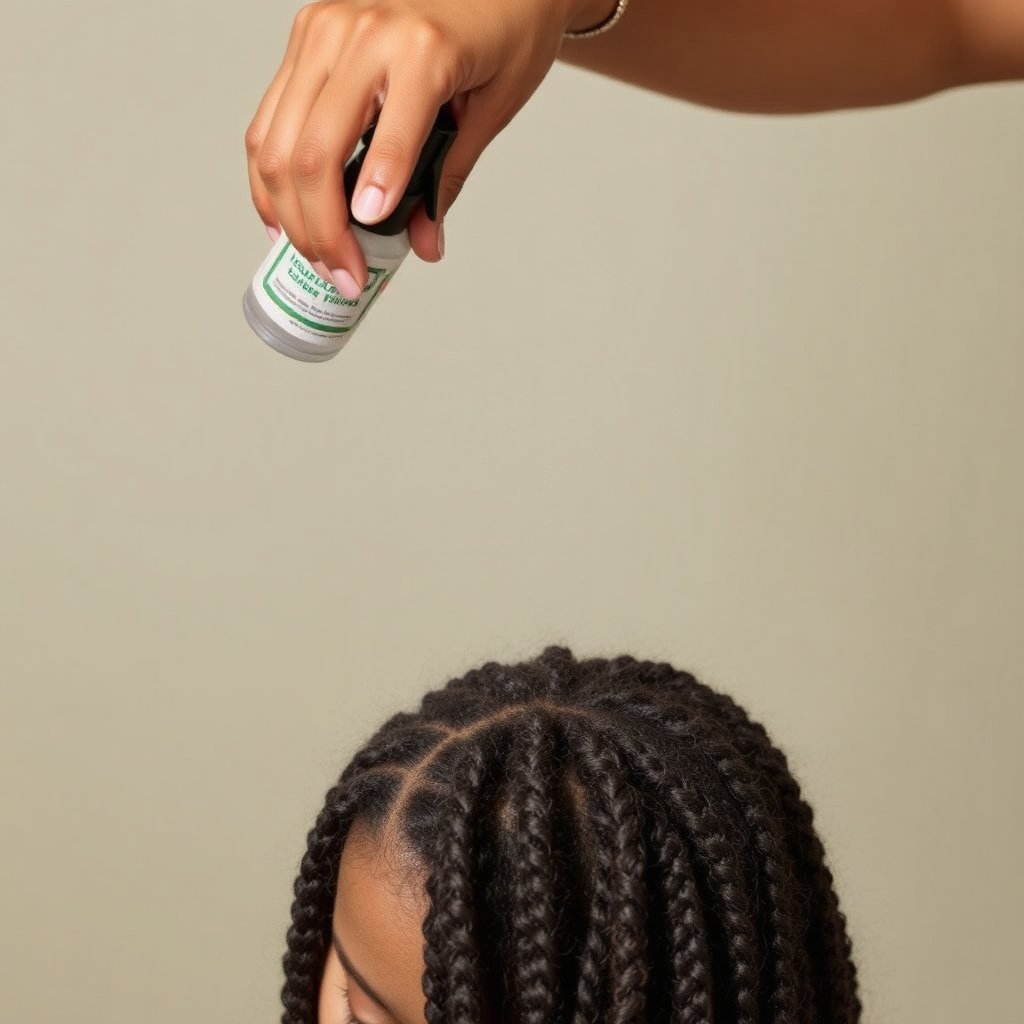
To keep Marley hair looking fresh, regular moisturizing with light sprays or oils that don’t weigh down the strands is beneficial. Avoid heat styling tools as Marley hair is synthetic and can melt or frizz easily.
When not in use, store Marley hair in a cool, dry place preferably in a mesh bag or wrapped in a satin scarf to maintain shape and texture.
Comparing Marley Hair to Other Hair Extension Types
Marley Hair vs. Kanekalon Hair
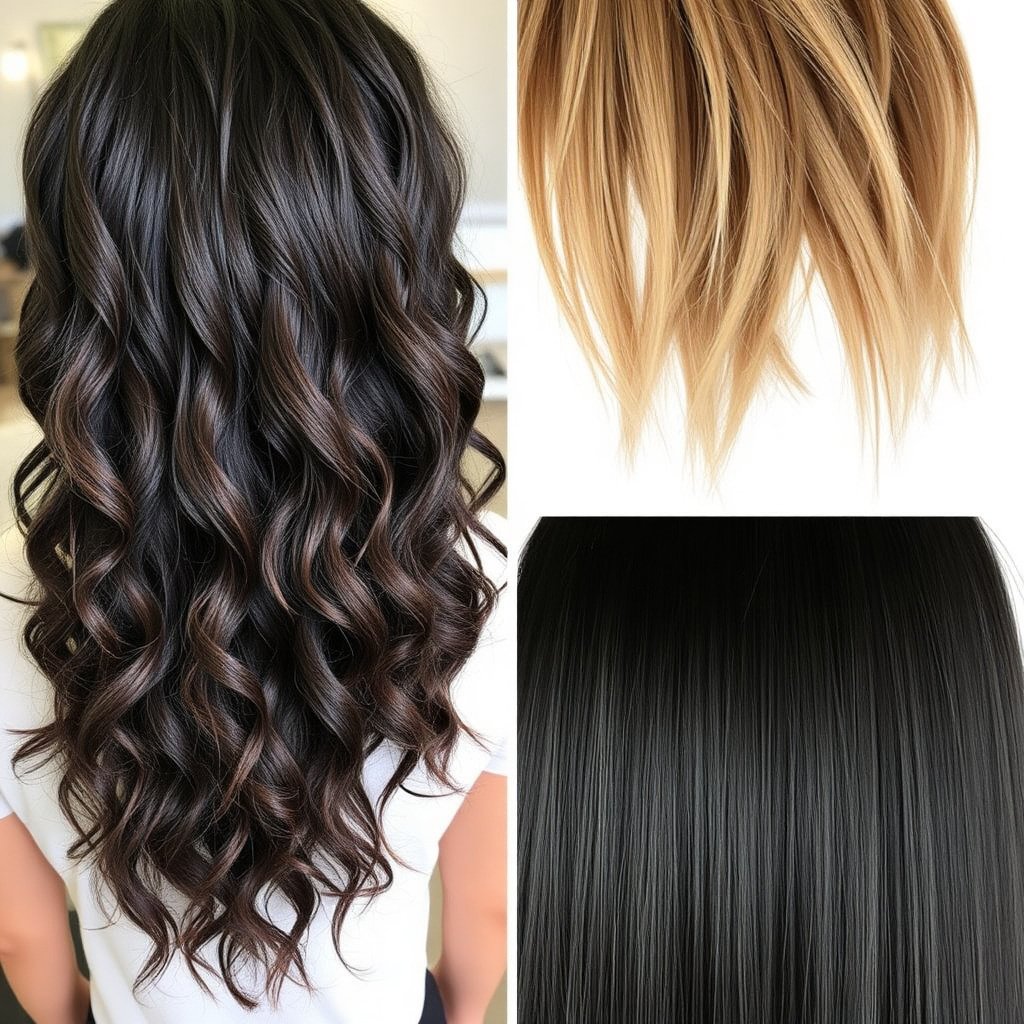
While Marley hair and Kanekalon both use synthetic fibers, Marley hair features a coarser, kinkier texture to better imitate natural afro-textured hair. Kanekalon tends to have a smoother, silkier feel, often used for sleek braids or twists.
Marley hair's matte finish contrasts with Kanekalon's sometimes shinier strands, affecting the final appearance of the hairstyle.
For more on this, see our related guide: Best Braiding Hair: Top Picks and Buying Tips.
Marley Hair vs. Human Hair Extensions
Human hair extensions offer the most natural look and can be styled with heat, but they require more maintenance and are more expensive. Marley hair is more budget-friendly, holds styles longer, and offers a unique texture synthetic hair can’t easily replicate.
However, Marley hair doesn’t allow heat styling and has a synthetic feel that might not match every wearer’s preference.
Styling Ideas and Trends with Marley Hair Extensions
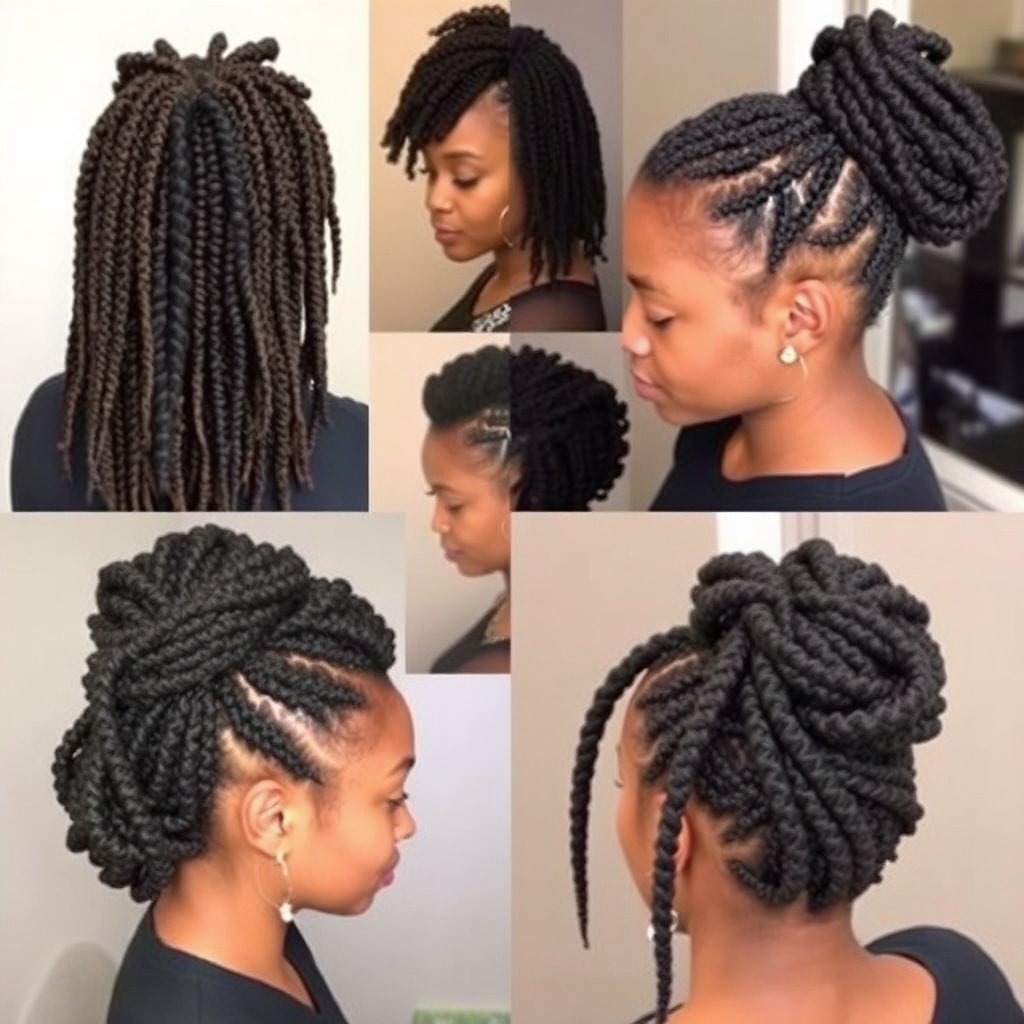
Popular Marley Hair Hairstyles
Chunky two-strand twists have become a staple when using Marley hair extensions, providing volume and a natural appearance. Faux locs are another popular style, achieved by wrapping Marley hair around braids for dreadlock effects.
Braided updos and half-up, half-down looks take advantage of Marley hair’s thick, textured strands to create statement hairstyles that stand out.
- Chunky twists
- Faux locs
- Braided updos
- Half-up half-down styles
For a broader understanding of hair extensions including Marley hair, visit the Marley hair information on Wikipedia. Marley hair information on Wikipedia.
Careful Styling to Preserve the Hair
To keep Marley hair looking its best when styled, avoid excessive manipulation and tension that can cause frizz or breakage. Moisturizing and protective styling caps at night help maintain curls and reduce tangling.
Refreshing twists with a light leave-in spray can revive curls and extend the lifespan of your Marley hair style.
Marley Hair Extensions Category Comparison
This table compares popular Marley hair extension categories to help you choose the best option based on texture, price, and versatility.
| Category | Texture | Price Range | Styling Options | Durability |
|---|---|---|---|---|
| Standard Marley Hair | Coarse, kinky | $15-$30 per bundle | Twists, braids, faux locs | 4-6 weeks |
| Pre-Looped Marley Hair | Coarse, kinky | $20-$35 per bundle | Loop twist styles, locs | 4-6 weeks |
| Lightweight Marley Hair | Softer kink pattern | $25-$40 per bundle | Twists, braids, updos | 3-5 weeks |
| Blended Marley and Human Hair | Coarse to soft blend | $40-$70 per bundle | Heat styling allowed | 6-8 weeks |
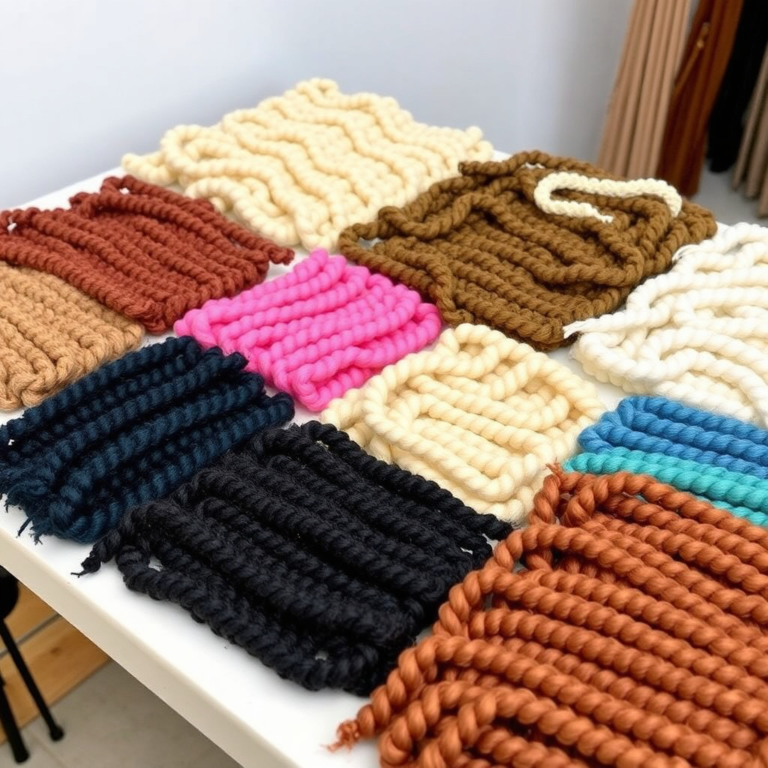
| Colored Marley Hair | Coarse, kinky | $20-$45 per bundle | Fashion colors, twists, braids | 4-6 weeks |
Frequently Asked Questions
Is Marley hair synthetic or natural?
Marley hair is synthetic, made from fibers like Kanekalon that mimic the coarse texture of natural African hair.
How long does Marley hair last?
With proper care, Marley hair extensions typically last 4 to 6 weeks, depending on styling and maintenance.
Can Marley hair be heat styled?
Marley hair is synthetic and should not be heat styled, as it can melt or become damaged from heat exposure.
How do I care for Marley hair extensions?
Wash Marley hair gently with sulfate-free shampoo every few weeks, moisturize lightly, and air dry to maintain texture and prevent frizz.
Who should use Marley hair extensions?
Marley hair is ideal for people looking for protective styles with a natural, coarser texture that blends well with Afro-textured hair.
Key Takeaways
- Marley hair is a coarse, synthetic hair extension mimicking natural Afro hair texture.
- It excels in protective styling with long-lasting twists and locs.
- Proper washing, moisturizing, and gentle handling extend the life of Marley hair extensions.
- Marley hair offers a more affordable and textured alternative to human hair extensions.
Conclusion
Choosing the right hair extension involves balancing look, feel, and maintenance needs. Marley hair stands out because of its realistic texture and protective styling benefits. This makes it a practical option for those wanting a natural appearance with minimal upkeep and the ability to try versatile styles like twists and faux locs that hold well.
For individuals wanting a budget-friendly extension that mimics natural Afro hair, Marley hair extensions offer a great solution. Those who prefer heat-friendly or human hair may consider blended options, but Marley hair works especially well when you want to promote natural hair health while enjoying textured protective styles that last several weeks.
If you decide Marley hair fits your styling goals, the next step is to select the right category—whether standard, pre-looped, or colored Marley hair—to match your styling preferences and budget. Experiment with low-manipulation styles and follow gentle care practices to maximize the lifespan and beauty of your Marley hair extensions.