How to Wear a Hair Piece: A Complete Guide for a Natural Look
Wearing a hair piece properly involves selecting the right type, preparing your hair, securing the piece firmly, and styling it to blend seamlessly with your natural hair. This ensures a comfortable fit and a realistic appearance from day one.
Hair pieces can transform your look, boost confidence, and offer styling versatility. Understanding how to wear a hair piece correctly is essential to avoid discomfort, detectability, and damage to your own hair. With the right techniques, you can enjoy all the benefits without any hassle.
This guide breaks down each step of wearing hair pieces, covering types, application methods, styling tips, maintenance, and troubleshooting. Whether you’re trying a clip-in or full lace front, these insights will help you achieve a natural and comfortable look.
Types of Hair Pieces and Their Wear Methods
Clip-in Hair Pieces
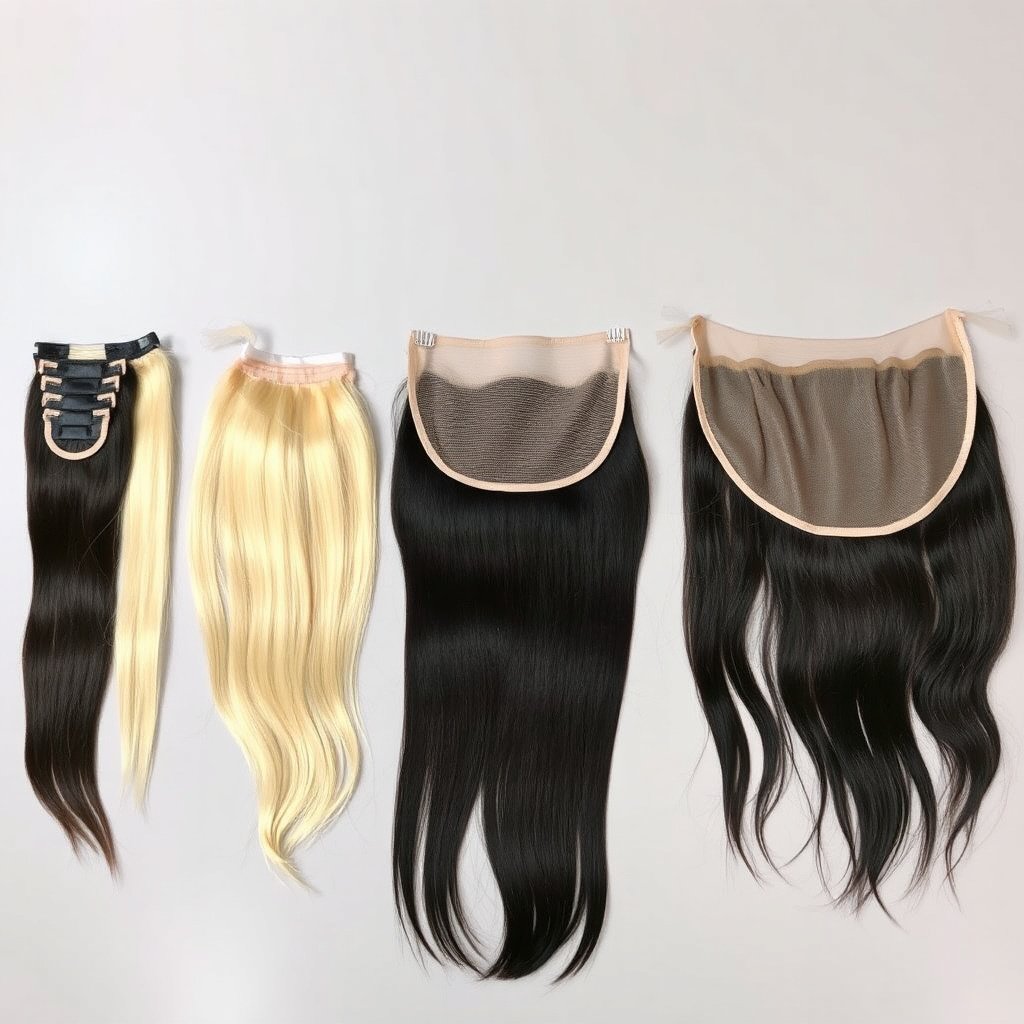
Clip-in hair pieces are easy to wear and ideal for beginners. They attach quickly by snapping small clips into your natural hair near the roots, providing a temporary volume boost or length extension.
These hair pieces are perfect for daily changes since they can be removed and reapplied without adhesives or professional help.
- Secure clips close to scalp
- Avoid clipping too tightly to prevent damage
- Suitable for short-term use
Tape-in and Lace Front Hair Pieces
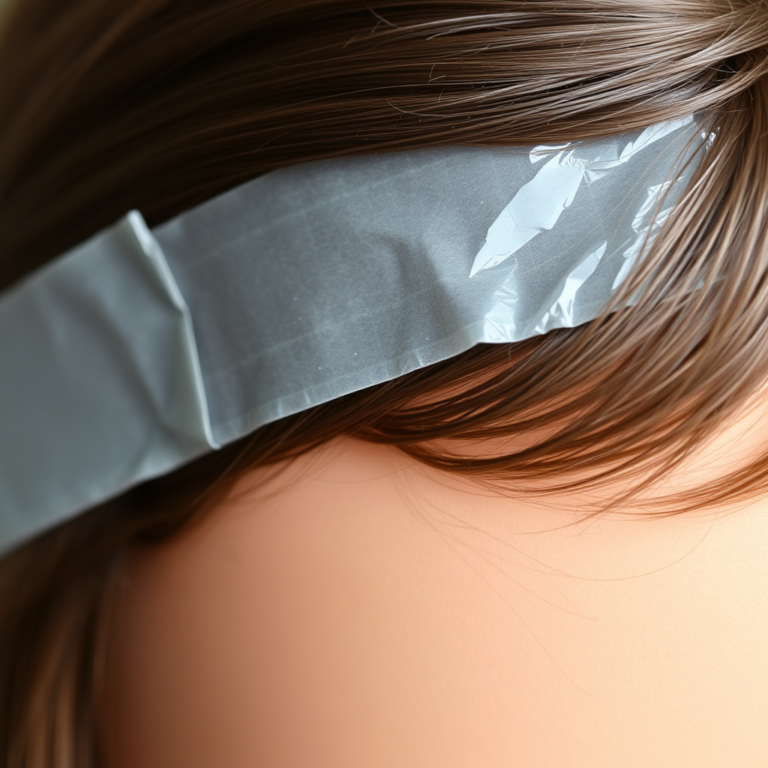
Tape-in hair pieces use double-sided adhesive strips to lay flat against your scalp, creating a semi-permanent style that can last several weeks. Preparation like oil removal from your hair and scalp increases adhesion.
Lace front hair pieces simulate a natural hairline and are often attached with special glue or tape around the edges, requiring more careful placement and maintenance for realistic appearance.
- Clean hair base before applying tape
- Use skin-safe adhesive for lace fronts
- Professional application recommended for lace fronts
Preparing Your Hair and Scalp

Cleaning and Drying Your Hair
Start by washing your hair thoroughly to remove oils, dirt, and styling products. Clean hair improves grip for adhesives or clips and prevents slipping.
Make sure your hair is completely dry before applying any hair piece. Damp hair may cause adhesives to fail or clips to slide out prematurely.
- Use sulfate-free shampoo
- Avoid heavy conditioners near roots
- Blow dry or air dry until hair is fully dry
For more on this, see our related guide: Salon Services Hair Clips: Which Ones Do Stylists Use?.
Protecting Your Scalp
If you have sensitive skin, consider applying a barrier spray or powder to prevent irritation caused by adhesives or tapes. This also helps extend the wear time of tape-ins and lace fronts.
Regularly moisturize your scalp but avoid oily products before attaching any type of hair piece, as excess oil can weaken adhesion.
- Use scalp-safe barrier products
- Avoid applying creams right before wear
Securing the Hair Piece Safely and Comfortably
Applying Clip-in Extensions
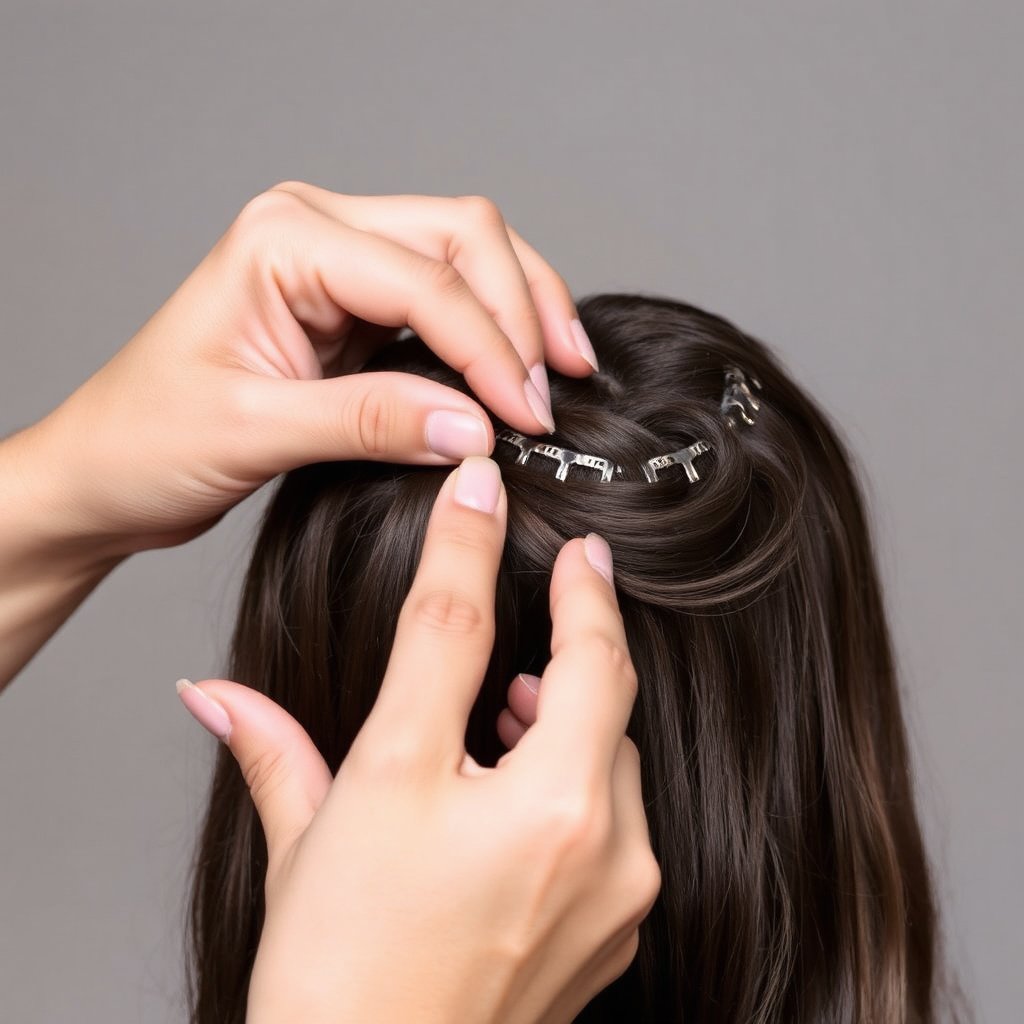
Section your hair horizontally and clip in the hair piece close to your scalp for natural volume. Make sure clips snap securely but don’t pull on your hair follicles.
Distribute multiple clip-ins evenly for balanced fullness and avoid white spaces. Adjust placement to hide clips beneath hair layers.
- Section hair in layers
- Attach clips facing downward for a natural fall
Using Adhesives for Tape-in and Lace Fronts
Apply adhesive carefully along the edges of the tape-in or lace front piece. Press firmly for even contact but avoid excess glue that may seep onto skin or hair.
Check alignment to achieve a natural hairline and blend seamlessly with your own hair texture and color.
- Use gentle, skin-safe adhesive
- Avoid pulling hair pieces when removing
Styling Hair Pieces for a Natural Appearance

Blending Hair Pieces with Natural Hair
Use a comb or brush to blend the hair piece strands with your natural hair. Trimming the edges or layering may be necessary for seamless integration.
Apply products like texturizers or lightweight mousse to eliminate shine differences between synthetic or processed hair pieces and natural hair.
- Avoid heavy gels that look unnatural
- Trim hair piece ends for better blending
For more on this, see our related guide: What Is a Full Service Hair Salon?.
Heat Styling and Maintenance
Choose heat tools compatible with the hair piece fiber type. Human hair pieces tolerate curling irons and straighteners better than synthetic ones.
Regularly detangle hair pieces and use heat protectants to prolong lifespan and maintain softness.
- Test low heat settings first
- Keep hair pieces clean from product buildup
Caring for and Maintaining Your Hair Piece

Cleaning and Storing Hair Pieces
Wash your hair piece with sulfate-free, gentle shampoos to prevent fiber damage. Avoid excessive scrubbing and use lukewarm water to preserve texture.
After drying, store the piece on a mannequin head or in breathable packaging to maintain shape and protect from dust.
- Avoid using regular hair care products on synthetic pieces
- Dry completely before storage
For more information on different hair piece types and history, see this detailed overview on hair extensions and wigs. Hair extensions and wigs overview.
Regular Health Checks for Your Scalp and Hair Piece
Inspect your scalp regularly for irritation or damage caused by adhesives or clips. Give your scalp breaks between wears to allow recovery.
Check your hair piece for tangling, shedding, or changes in texture and address issues promptly to extend wear life.
- Schedule breaks for scalp breathing
- Use conditioners designed for hair pieces
Hair Piece Types Category Comparison
Here’s a quick comparison of common hair piece types, their ease of use, duration of wear, and typical cost ranges.
| Type | Ease of Use | Wear Duration | Cost Range | Maintenance Level |
|---|---|---|---|---|
| Clip-in | Very Easy | Daily (removable) | $20-$150 | Low |
| Tape-in | Moderate | 4–8 weeks | $100-$300 | Medium |
| Lace Front | Difficult | 2–4 weeks | $150-$500 | High |
| Hand-tied Extensions | Moderate | 6–12 weeks | $200-$600 | Medium |
| Synthetic Clip-on | Easy | Daily (removable) | $15-$80 | Low |
Frequently Asked Questions
Can I sleep with a hair piece on?
It’s best to remove most hair pieces before sleeping to prevent tangling, breakage, or irritation. Some lace front pieces may be worn overnight with proper care, but check manufacturer guidelines.
How often should I clean my hair piece?
Clean your hair piece every 10–15 wears or sooner if it accumulates product or dirt. Follow specific washing instructions to maintain texture and longevity.
Will wearing a hair piece damage my natural hair?
Proper use typically doesn’t damage natural hair, but tight clips or harsh adhesives can cause breakage or scalp irritation if worn excessively or incorrectly.
Are hair pieces noticeable to others?
With accurate color matching, secure attachment, and good styling, modern hair pieces are virtually undetectable to others in everyday settings.
How do I choose the best hair piece for beginners?
For beginners, clip-in hair pieces are easiest to use and remove without adhesives, making them ideal for learning how to wear and style extensions.
Key Takeaways
- Choose a hair piece type that fits your lifestyle and skill level.
- Proper preparation of hair and scalp improves comfort and wear time.
- Secure attachment is vital for a natural and lasting look.
- Regular care extends the lifespan of your hair piece.
Conclusion
Understanding how to wear a hair piece starts with knowing your options and recognizing the importance of proper application and care. Selecting the right type—whether clip-in, tape-in, or lace front—depends on your schedule, experience, and desired duration of wear. Each requires specific preparation and security methods to ensure the hair piece feels comfortable while appearing natural. Paying attention to scalp health and following maintenance routines helps preserve both your natural hair and the piece itself.
For those new to hair pieces, clip-in extensions offer a straightforward and low-commitment way to add length or volume, as they can be effortlessly clipped in and removed daily. If you want longer wear and seamless blending, tape-in extensions provide moderate permanence but demand careful preparation and removal. Lace fronts deliver the most realistic hairline but require professional application and attentive care. Assess your lifestyle and hair goals carefully to match the best option to your needs and abilities.
After deciding on a hair piece, take time to properly secure and style it, blending it naturally with your hair using trimming and product techniques. Regular cleaning and scalp care prevent irritation and prolong use. Starting with simple clip-in pieces or consulting with a hair specialist can help you achieve success quickly. The next step is to experiment with application methods and styling until you find a routine that feels comfortable and boosts your confidence effortlessly.