How to Wash Hair Extensions Without Damaging Them
Washing hair extensions the right way involves using gentle, sulfate-free shampoo and lukewarm water to avoid drying or tangling the fibers. Rinse thoroughly, apply a moisturizing conditioner, and avoid rubbing or wringing the extensions to maintain their quality.
Proper care when washing hair extensions matters because they don’t receive natural oils from your scalp like your real hair does. If cleaned too harshly or too often, extensions can dry out or become matted, shortening their lifespan and affecting how natural they look when styled.
This article will explain step-by-step how to wash hair extensions safely at home. It will cover selecting suitable cleansing products, preparing the extensions before washing, and the best drying and maintenance practices to help keep your extensions soft and lasting longer.
Preparing Hair Extensions for Washing
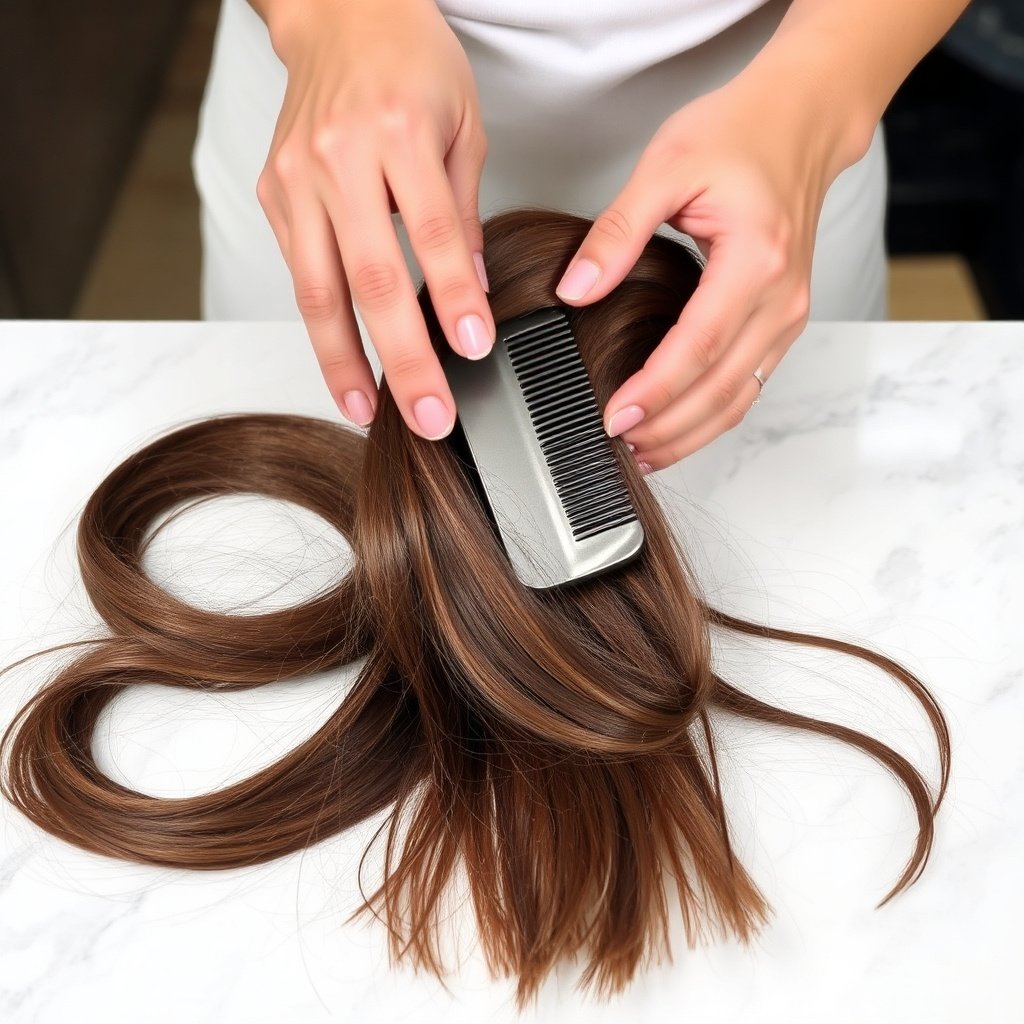
Detangling Before Washing
Before you wash hair extensions, make sure to remove any knots or tangles with a wide-tooth comb or a brush specifically designed for extensions. Start combing from the tips and work upward to the roots to minimize breakage and shedding.
Detangling helps prevent further matting during the shampooing process, which could cause damage or loss of strands. Use slow and careful strokes to protect the delicate fibers, especially if the extensions are curly or wavy.
- Use a wide-tooth comb
- Comb gently from tips to roots
- Avoid tugging or pulling sharply
Pre-wash Treatment
Applying a small amount of detangling spray or leave-in conditioner before washing can add slip to the hair extensions, making it easier to clean without causing friction. This step is particularly useful for synthetic or dry human hair extensions.
Also, check if the extensions are sewn or glued in, and if so, take care to avoid soaking the attachment points excessively. Handle them carefully to prevent loosening or damage during washing.
- Apply detangling spray lightly
- Protect attachment areas
- Avoid heavy product buildup before wash
Choosing Products That Are Hair Extension Friendly

Best Shampoos for Hair Extensions
Select shampoos that are free from sulfates, parabens, and alcohols, which can strip moisture and cause the extensions to dry out quickly. Mild, moisturizing formulas help maintain softness and shine in both synthetic and human hair extensions.
Many brands now offer shampoos specifically designed for extensions. These shampoos typically cleanse gently while preserving the hair’s natural texture and preventing tangling.
- Look for sulfate-free labels
- Use moisturizing shampoo formulas
- Avoid heavy fragrances or dyes
For more on this, see our related guide: How to Wash Human Hair Extensions Without Damage.
Conditioners and Leave-In Treatments
After shampooing, apply a lightweight conditioner or leave-in treatment to the mid-lengths and ends of the extensions. This prevents dryness and keeps the strands silky and manageable without weighing them down.
Avoid applying conditioner directly to the bonds or attachment points to prevent slippage. Some leave-in sprays are formulated to protect from heat and environmental damage, which is beneficial if you style extensions regularly.
- Use lightweight moisturizing conditioners
- Focus on mid-lengths and ends
- Avoid conditioner near glue or bonds
Proper Washing Technique for Hair Extensions
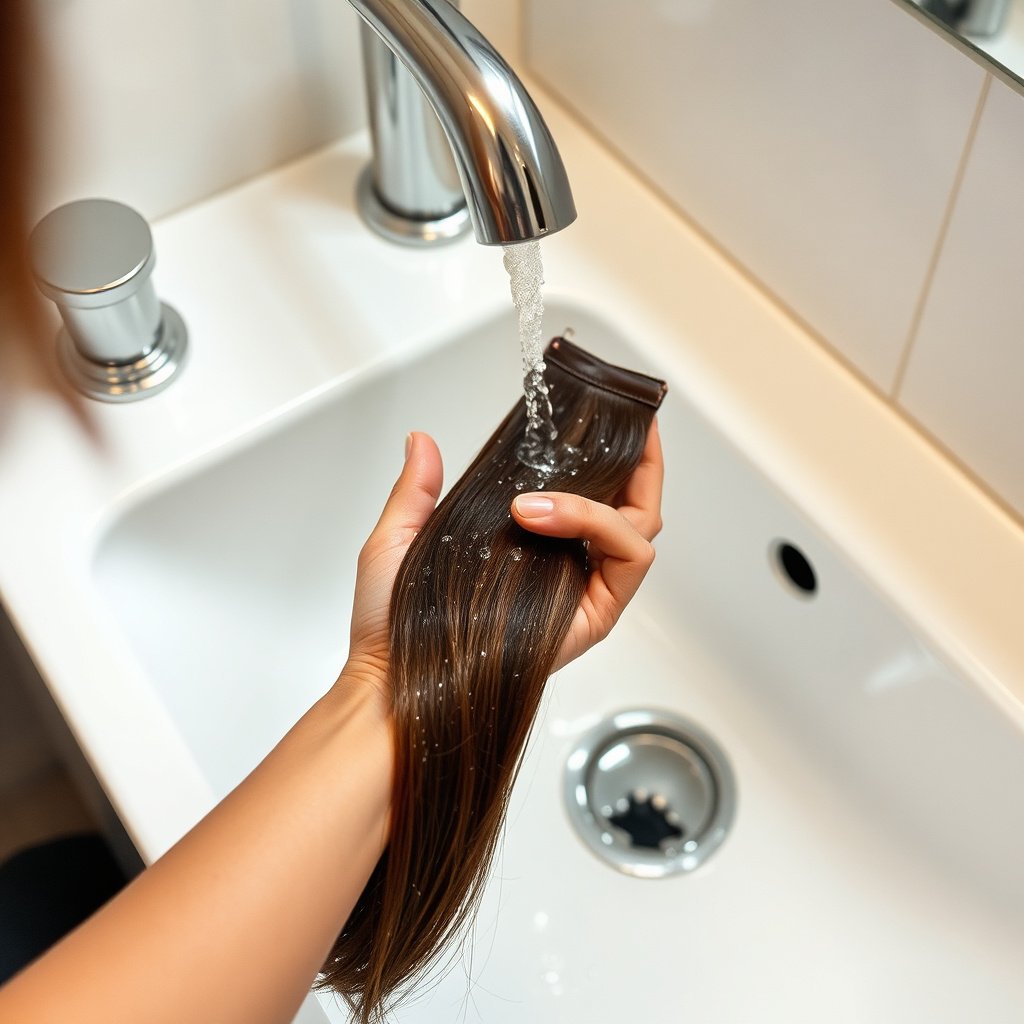
Washing Method
Rinse extensions thoroughly with lukewarm water before applying shampoo to remove surface dirt and oils. Work the shampoo gently into the hair with your fingers without rubbing aggressively or scrubbing the fibers.
For clip-in or loose extensions, hold the wefts flat and avoid twisting or rough handling. For attached extensions, wash the natural hair gently around the bonds to avoid loosening.
- Use lukewarm water only
- Gently massage scalp-less areas
- Avoid rubbing or twisting extensions
Rinsing and Conditioning
Rinse out shampoo completely to prevent residue buildup, which can cause dullness and tangling. Follow up with conditioner, evenly distributing it without disturbing the attachment points.
Leave the conditioner on for a few minutes to hydrate the hair before rinsing with cool water to seal the cuticles, which enhances shine and smoothness.
- Rinse thoroughly to remove all shampoo
- Leave conditioner for 3–5 minutes
- Finish with a cool water rinse
Drying and Styling Hair Extensions
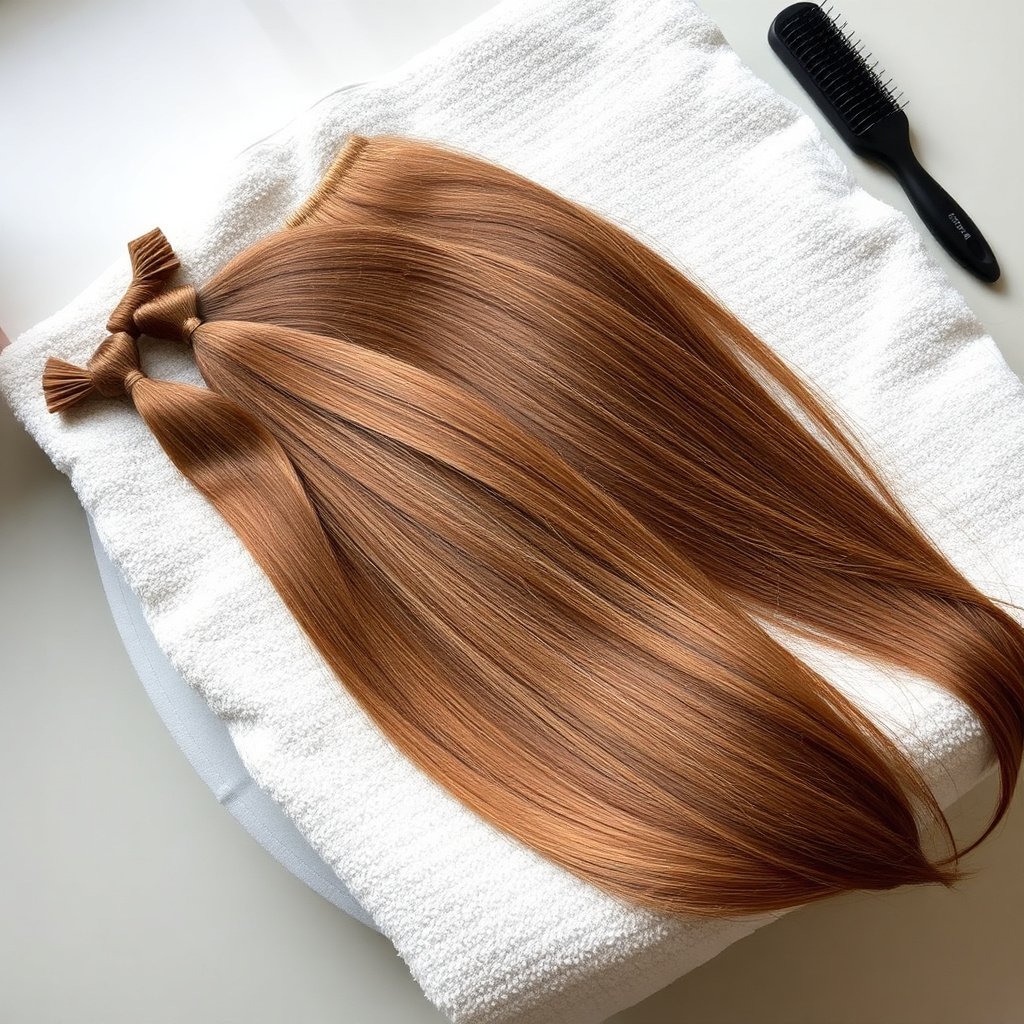
Gentle Drying Techniques
After washing, softly blot hair extensions with a microfiber towel or a soft cotton t-shirt to absorb excess water. Avoid wringing or twisting hair to prevent breakage and tangling.
For clip-ins or removable extensions, allow them to air dry completely on a flat surface before styling. Avoid direct sunlight or high heat, which can damage the fibers.
- Use microfiber towel or soft t-shirt
- Avoid rubbing or twisting hair
- Air dry on a flat surface
For more on this, see our related guide: UK Hair Full Service Salon: What Services Can You Expect?.
Styling Tips to Protect Extensions
If heat styling is necessary, always use a heat protectant spray to minimize damage. Use low to medium heat settings on flat irons or curling wands compatible with the extension type.
Limit chemical treatments and frequent heat styling to extend the lifespan of hair extensions. Brushing gently from ends upward after drying keeps the hair smooth and tangle-free.
- Use heat protectants before styling
- Set styling tools to moderate temperatures
- Brush carefully, starting at the ends
Maintaining Hair Extension Health Between Washes

Daily Care Practices
To keep hair extensions looking fresh longer, avoid sleeping with them wet and gently detangle daily with a suitable brush. Use silk or satin pillowcases to reduce friction that causes tangling and breakage overnight.
Protect your extensions from chlorine, salt water, and harsh weather by using protective hairstyles or covering hair when swimming or outside for extended periods.
- Brush extensions daily
- Sleep on silk or satin pillowcases
- Protect hair when swimming outdoors
For more detailed background on different types of hair extensions and their maintenance, visit these hair extensions care guidelines. hair extensions care guidelines.
Storage and Handling Tips
Store clip-in or loose hair extensions in a breathable bag or on a hanger to keep their shape and avoid tangles. Avoid leaving extensions in direct sunlight or damp areas, which can degrade the hair quality.
Handle with clean hands when putting in or removing extensions to prevent transferring oils and dirt that can cause buildup and damage.
- Use breathable storage bags
- Keep extensions dry and shaded
- Avoid touching hair with dirty hands
Types of Hair Extensions and Their Care Needs
Here’s a comparison of popular hair extension types and what their washing and maintenance requirements typically involve.
| Extension Type | Washing Frequency | Preferred Shampoo Type | Drying Method | Styling Durability |
|---|---|---|---|---|
| Clip-in | Every 10-15 wears | Sulfate-free moisturizing | Air dry preferred | High if properly cared for |
| Tape-in | Every 1-2 weeks | Mild gentle shampoo | Air dry, avoid wetting bonds | Moderate to high |
| Sewn-in Wefts | Every 2 weeks | Sulfate-free mild | Gentle towel dry, air dry | High with cautious styling |
| Fusion/Bonded | Every 1-2 weeks | Sulfate and alcohol free | Air dry, avoid soaking bonds | Moderate, avoid heat near bonds |
| Halo Extensions | When visibly dirty | Any gentle shampoo | Air dry or low heat | High, easy to manage |
Frequently Asked Questions
Can I use regular shampoo on hair extensions?
Regular shampoos often contain sulfates and harsh chemicals that can dry out hair extensions quickly. Using sulfate-free and moisturizing shampoos is better to keep extensions soft and extend their life.
How often should I wash hair extensions?
Washing frequency depends on the extension type and usage but generally ranges from every 10 wears to every 1-2 weeks. Washing too often can lead to dryness, while washing too rarely may cause buildup.
Is it okay to blow-dry hair extensions?
Blow-drying is acceptable if done on low heat and with a heat protectant spray. However, air drying is gentler and helps maintain the extensions’ health and shine longer.
How do I avoid tangling after washing hair extensions?
Gently detangle with a wide-tooth comb starting from the ends while hair is damp and use leave-in detanglers to improve slip. Avoid rubbing extensions with towels and protect them while sleeping.
Can washing damage glued or bonded extensions?
Excessive soaking or harsh rubbing can weaken bonds and cause extensions to slip. Using gentle washing methods and avoiding direct water pressure on attachment points helps preserve glued or bonded extensions.
Key Takeaways
- Use sulfate-free, moisturizing shampoos when washing hair extensions
- Always detangle extensions gently before washing to prevent damage
- Avoid wetting bond attachment points excessively to maintain extensions
- Air drying is safest; limit heat styling and always use heat protectant
Conclusion
Washing hair extensions correctly is essential for preserving their softness, shine, and lifespan. Approaching the process with gentle products and careful techniques avoids drying out the fibers or causing tangling. Detangling before washing and choosing appropriate shampoos help maintain the extensions’ texture and appearance. Understanding different extension types guides how frequently and how you should wash them, ensuring you retain their natural look as long as possible.
For those working with clip-in extensions, washing every 10 to 15 wears with a sulfate-free shampoo and air drying will keep the hair smooth without loosening the clips. Tape-in and bonded extensions require more cautious cleansing around the attachment points to prevent slipping, often entailing less direct water exposure. Using lightweight conditioners and leave-in treatments focused on the mid-lengths and ends prevents dryness across all extension types. Styling with heat protectants and limiting high temperatures prevents breakage and heat damage.
The next step for anyone owning hair extensions is to establish a routine tailored to their specific extension type and lifestyle needs. Invest in gentle, nourishing products identified as best shampoos for hair extensions and adopt drying and storing habits that minimize friction and moisture damage. Regularly monitoring the extensions' condition will help catch issues early, keeping your hair looking fresh and beautiful.