How to Store Hair Extensions for Long-Lasting Quality
Properly storing hair extensions keeps them tangle-free, clean, and ready to wear, extending their lifespan. The best way to store hair extensions involves cleaning them, detangling gently, and placing them in a breathable container away from moisture and direct sunlight.
Hair extensions, whether synthetic or human hair, can easily get damaged if stored incorrectly. Storing them properly not only protects the strands from breakage and dust but also preserves their texture and appearance, saving you money in the long run.
This article will explore key methods to store hair extensions, tailored storage solutions for different extension types, tips to avoid common storage mistakes, and recommendations for caring for your extensions between uses.
Preparing Hair Extensions for Storage
Cleaning and Drying Extensions Before Storage
Before storing hair extensions, it’s essential to wash them with a gentle shampoo suited to their type—human or synthetic. Proper cleaning removes oils, styling product residues, and dirt, which can degrade the hair over time if left in storage.
After washing, extensions should be dried thoroughly in a well-ventilated area away from direct heat like sunlight or hairdryers. Storing damp extensions can promote mildew growth and cause unpleasant odors.
- Use sulfate-free, mild shampoo for human hair extensions
- Avoid hot water for synthetic hair extensions
- Blot excess water with a soft towel
- Let extensions air dry completely before storing
Detangling and Preparation for Storage
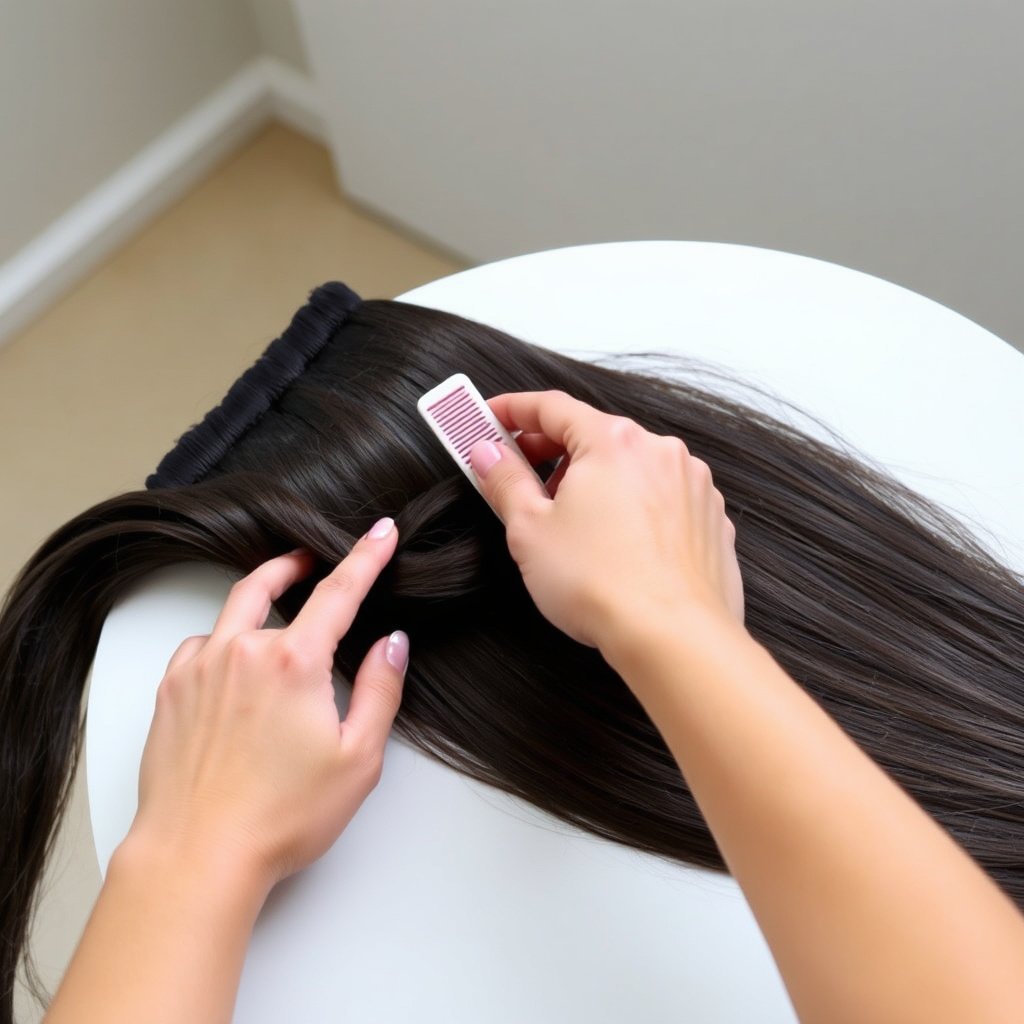
Gently detangle hair extensions with a wide-tooth comb or a specially designed extension brush to prevent breakage. Start from the ends and work upwards carefully to avoid pulling at the base.
Once detangled, group the extensions neatly and secure them with soft ties or scrunchies to maintain their shape and prevent tangling inside the storage container.
- Use silk or satin scrunchies to avoid hair damage
- Do not use rubber bands as they can cause breakage
- Avoid excessive handling to limit hair shedding
Storage Options for Different Hair Extension Types
Storing Clip-In Extensions
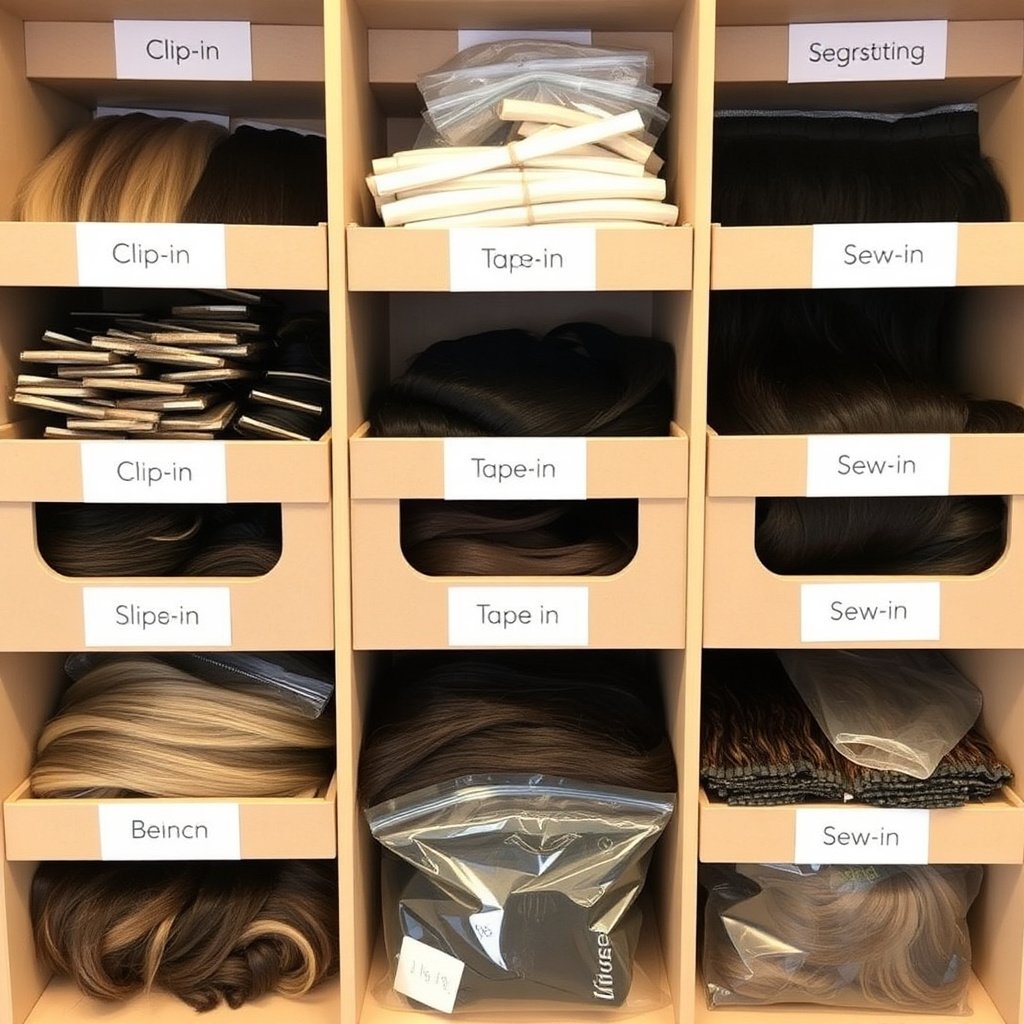
Clip-in hair extensions are best stored flat in a box or a hanging organizer to retain their shape and prevent the clips from tangling or catching onto other hair strands.
Using a dedicated extension case with compartments or a storage hanger with clips can help keep individual wefts separated and accessible for easy use.
- Store in a dry, cool place away from sunlight
- Avoid piling multiple clip-ins directly on top of one another
- Use compartmentalized cases or sealed breathable bags
Storage Solutions for Tape-In and Sew-In Extensions
Tape-in extensions require precise storage to maintain the adhesive’s stickiness. Placing them on a flat, non-stick surface or using a specialized extension storage sheet helps avoid tangling and residue buildup.
Sew-in or bonded extensions, often pre-attached to a track, should be stored flat or rolled carefully, preventing bending that could damage the sewn track or bonding.
- Keep tape-in extensions in original packaging if possible
- Seal tape-in extensions in wax paper between uses
- Avoid folding sewn tracks to maintain their integrity
Maintaining Hair Extension Quality During Storage

Using Protective Materials to Preserve Extensions
Using breathable storage materials such as silk or satin bags keeps hair extensions safe from dust and moisture while reducing static and frizz. Avoid plastic bags that trap humidity and can cause mold.
Incorporating natural sachets like lavender or cedar wood in your storage container can help absorb odors and keep extensions fresh without chemicals.
- Choose silk or satin over cotton for bags
- Add natural odor absorbers to storage containers
- Keep extensions away from humidity-prone areas
For more on this, see our related guide: Hair Artistry Full Service Salon: What Services Can You Expect?.
Storage Environment Considerations
Extensions should be stored in a cool, dry environment that avoids extreme temperature fluctuations or direct sunlight, which can dry out or fade hair color.
Keep extensions away from bathrooms or kitchens where humidity and heat levels fluctuate often, accelerating damage to the strands and adhesive parts.
- Ideal storage temperature: 50-70°F (10-21°C)
- Avoid direct sunlight and fluorescent light exposure
- Store away from heaters, vents, and damp rooms
Common Mistakes to Avoid When Storing Hair Extensions
Avoiding Tangling and Breakage
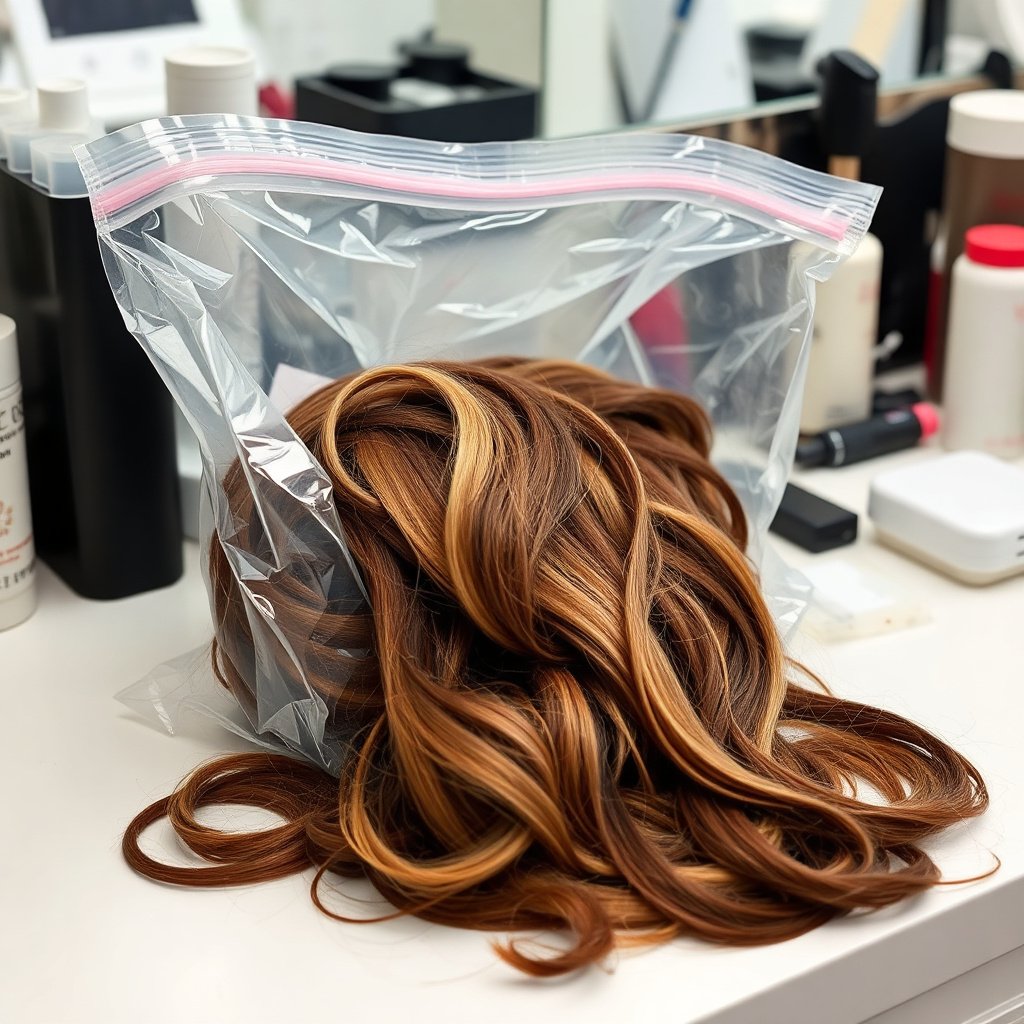
Skipping detangling before storage causes knots that are difficult to remove later, leading to hair breakage. Storing extensions loosely and separated also prevents unnecessary friction and damage.
Piling multiple extensions without organization can cause tangling, making the hair brittle and shortening its lifespan.
- Never store extensions wet or damp
- Avoid tight knots or rubber bands that cause tension
- Use organized storage to separate individual pieces
Preventing Adhesive Damage and Deformation
For tape-in extensions, exposure to dirt, oils, or moisture during storage can degrade adhesive strength. Improper folding or crushing can also distort the extension’s shape, especially for wefts and tracks.
Careful handling and the right storage containers help retain both structure and functionality of extensions between uses.
- Do not fold tape-in extensions unnaturally
- Clean adhesive residue off tools before storage
- Store extensions flat or in appropriate holders
Travel and On-the-Go Hair Extension Storage
Compact Storage Solutions for Travel
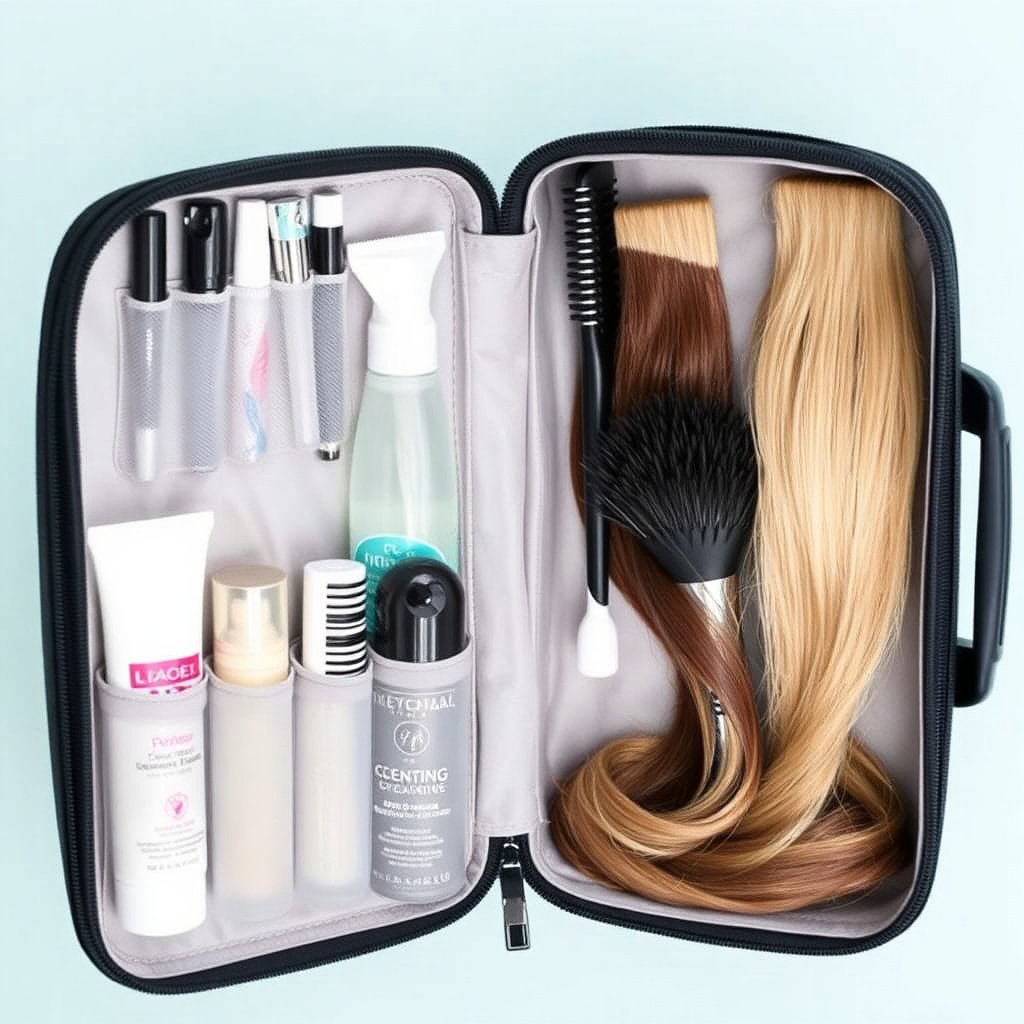
When traveling, use compact, padded extension cases designed to keep extensions safe from crushing and tangling in luggage. Roll wefts carefully and secure clip-in sets with soft ties for efficient packing.
Choosing storage with compartments minimizes movement inside the case, protecting delicate strands and clips from damage.
- Carry a flat, rigid extension case for protection
- Use mesh or breathable compartments inside the case
- Pack extensions away from heavy or sharp objects
For more on this, see our related guide: Hair Salon Services List: Everything on the Menu.
Quick Care Tips While Traveling
Keep extensions dry and avoid exposure to high humidity environments, especially in bathrooms or pool areas. Use dry shampoo or extension-friendly sprays to refresh hair without washing.
Detangle extensions gently after travel using a soft brush and store immediately in a clean, dry place to maintain quality.
- Use travel-size extension care products
- Avoid applying heavy oils or products before packing
- Do a quick detangle session daily during trips
How to Revive Stored Hair Extensions Before Use
Freshening Up Extensions After Storage
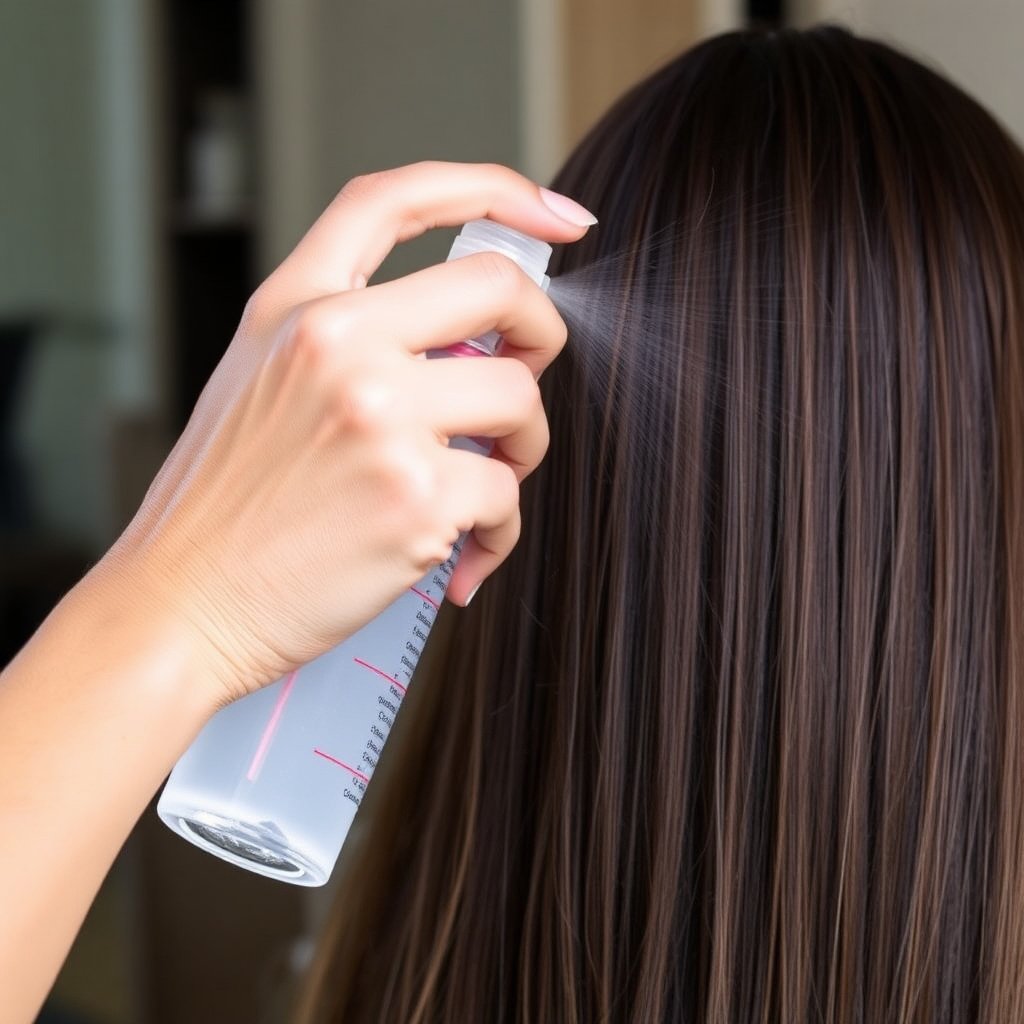
Extensions left unused for a while may feel dry or stiff; lightly misting them with a water and conditioner mix can restore softness and shine before wearing.
Careful brushing starting from ends moving upwards prepares the extensions for a smooth application without causing damage to the strands.
- Use a spray bottle with diluted leave-in conditioner
- Avoid oversaturating to keep extensions light and bouncy
- Brush carefully to prevent pulling or shedding
For further details on various hair extension types and maintenance, you can visit the Hair extensions information on Wikipedia. Hair extensions information on Wikipedia.
Inspecting Extensions for Damage
Before reapplying, check extensions for any shedding, tangles, or adhesive deterioration, particularly on tape-ins or bonded types. Address minor issues with appropriate shampoos or adhesive reactivators.
If damage is extensive, consider professional repair or replacement to maintain overall hair appearance.
- Look for split ends or dryness in strands
- Check tape or bonding areas for adhesive integrity
- Avoid using damaged extensions to prevent hair damage
Hair Extension Storage Method Comparison
This table compares common storage methods based on protection, convenience, and suitability for extension types.
| Storage Method | Protection Level | Convenience | Best Suited For |
|---|---|---|---|
| Storage Box with Dividers | High | Moderate | Clip-in, Sew-in |
| Silk/Satin Storage Bags | Moderate | High | All Types |
| Original Packaging | Moderate | High | Tape-in, Clip-in |
| Hanging Organizer | High | Moderate | Clip-in |
| Plastic Zip Bags | Low | High | Short-term, Synthetic Only |
| Travel Extension Case | High | High | All Types |
Frequently Asked Questions
Can I store hair extensions in a plastic bag?
Storing hair extensions in plastic bags is not recommended for long-term storage as it traps moisture, which can cause mold and damage. Use breathable materials like silk bags or storage boxes for better preservation.
How often should I wash hair extensions before storing them?
Wash hair extensions after several uses or if product buildup occurs. Cleaning them before storage prevents residue from damaging the strands and ensures they remain fresh for the next wear.
Is heat exposure harmful to stored hair extensions?
Yes, exposing hair extensions to heat or direct sunlight while stored can dry out the strands, cause color fading, and weaken adhesives, especially tape-in types.
What is the best way to prevent tangles when storing hair extensions?
Detangle extensions gently before storage and secure them with silk scrunchies or soft ties. Store them flat or hanging to keep strands separated and tangle-free.
Can synthetic and human hair extensions be stored together?
It's better to store synthetic and human hair extensions separately as they have different care needs and textures that could affect each other, especially regarding product use and storage conditions.
Key Takeaways
- Clean and fully dry extensions before storing to prevent damage
- Use silk or satin breathable bags to reduce friction and moisture
- Store clip-ins flat or hanging, tape-ins on flat non-stick surfaces
- Avoid plastic bags and exposure to heat or humidity during storage
Conclusion
Deciding how to store hair extensions relies on understanding their specific needs: thorough cleaning, proper drying, gentle detangling, and using suitable storage materials greatly influence the condition of your extensions over time. Maintaining a low-humidity, shaded environment while organizing hair by type and attachment method will protect strands from damage and extend usability.
For example, clip-in extensions benefit from flat or hanging storage boxes with compartments, keeping their shape and clips safe. Tape-in extensions require delicate handling with flat storage on non-stick surfaces to preserve adhesive quality. Synthetic and sew-in extensions have distinct care demands but mostly thrive when kept dry and separated from other hair pieces using breathable silk or satin bags. Adhering to best practices tailored to your extension type helps maximize return on your investment.
To keep your hair extensions looking fresh and healthy, adopt a storage routine involving cleaning, careful detangling, and selecting a storage container that matches your lifestyle, whether at home or traveling. This approach ensures your extensions remain a versatile, lasting part of your beauty routine. For more detailed maintenance techniques, trustworthy resources provide insights on hair care and product compatibility.