How to Wash Braids Properly for Lasting Scalp Health
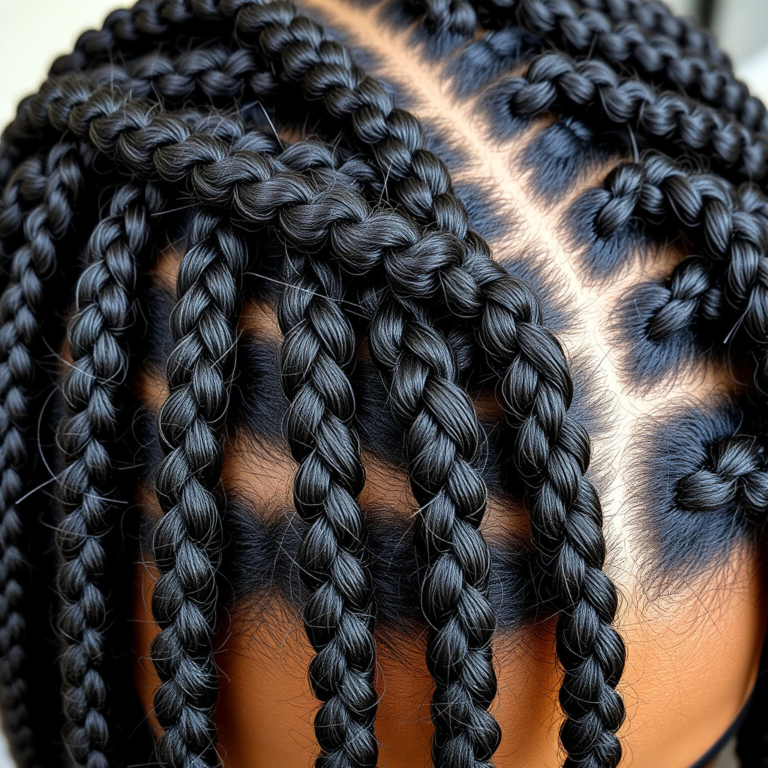
Washing braids properly means cleaning your scalp and hair while maintaining the integrity of the braid style. You should focus on gently cleansing your scalp without disturbing the braids themselves, using a diluted shampoo and careful rinsing. This approach keeps your scalp healthy, avoids buildup, and helps your braids last longer.
Braids can trap sweat, dirt, and product residue, so regular washing is necessary to prevent itchiness and scalp issues. At the same time, braids are delicate and require special care to avoid frizz and unraveling. Knowing the right washing technique preserves the style and supports hair health beneath.
This article explains the step-by-step method to wash braids, outlines the best products to use, discusses how often to wash, and provides tips for drying and maintaining your braids after washing.
Preparing to Wash Braids
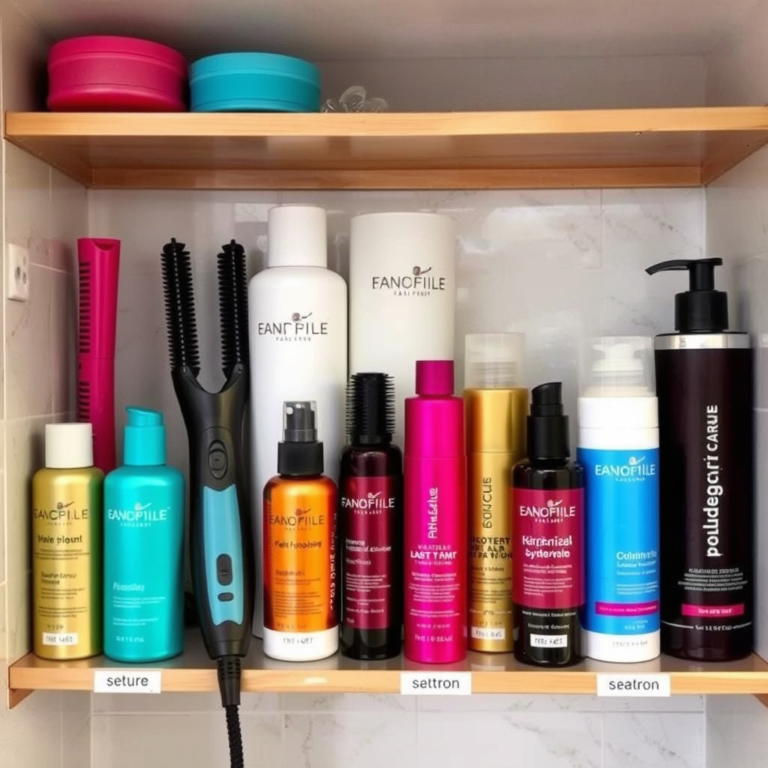
Gathering Suitable Hair Care Products
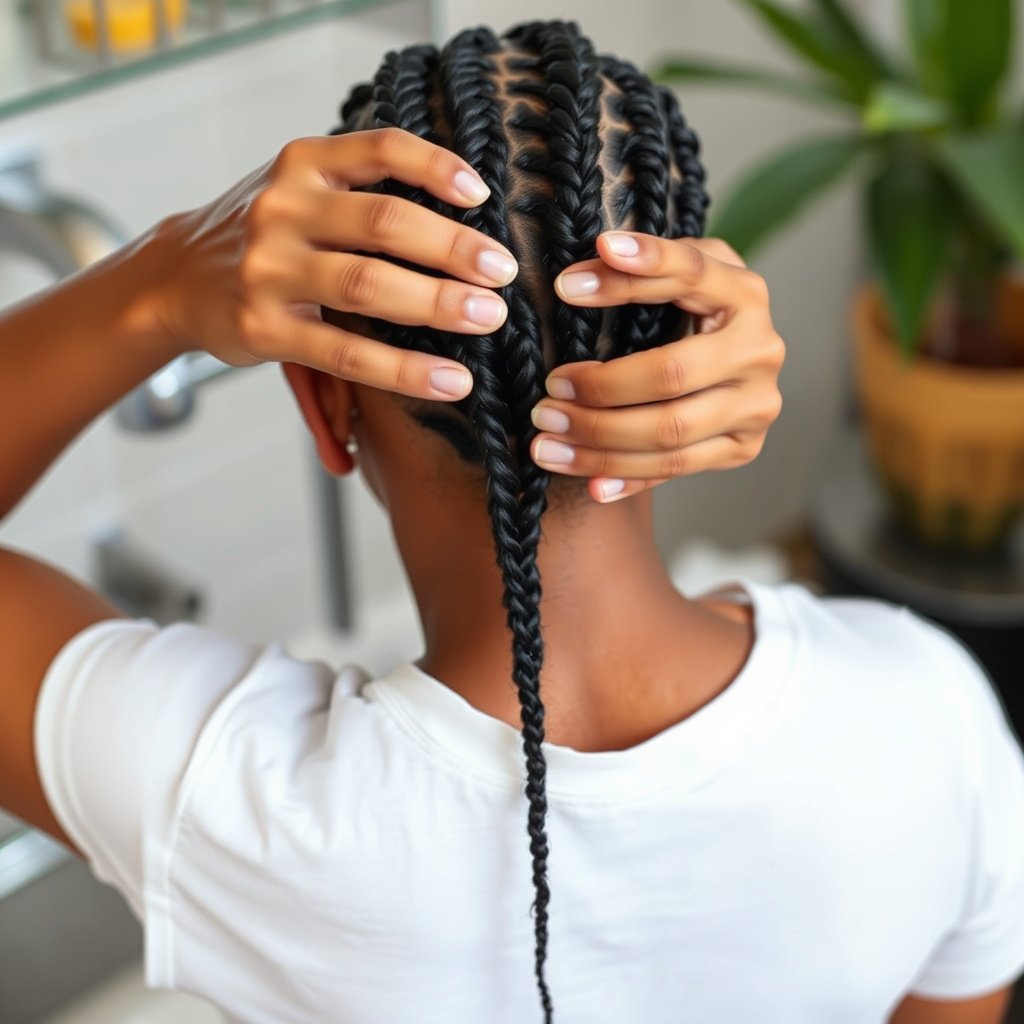
Select shampoos that are sulfate-free and lightweight to prevent drying out the hair and scalp. Choosing the best shampoo for braided hair involves looking for moisturizing ingredients like aloe vera or tea tree oil to soothe the scalp.
Avoid heavy conditioners used directly on the braids, as they can cause buildup. Instead, opt for light leave-in sprays or diluted conditioners applied primarily to the scalp area.
- Sulfate-free or gentle cleansing shampoos
- Moisturizing scalp sprays
- Wide-tooth comb or fingers for detangling
- A spray bottle with water or diluted conditioner
Preparing the Hair and Scalp
Before washing, lightly spritz the scalp with water or a diluted conditioning spray to soften dryness. This reduces tightness caused by frequent pulling or dryness from braiding.
Gently massage your scalp with fingertips to loosen dirt and buildup, but avoid aggressive scraping or finger-nail scratching to protect your scalp skin.
- Use fingertips for scalp massage
- Avoid scrubbing braids directly
- Pre-moisten scalp areas
Step-by-Step Method to Wash Braids
Diluting Shampoo and Application
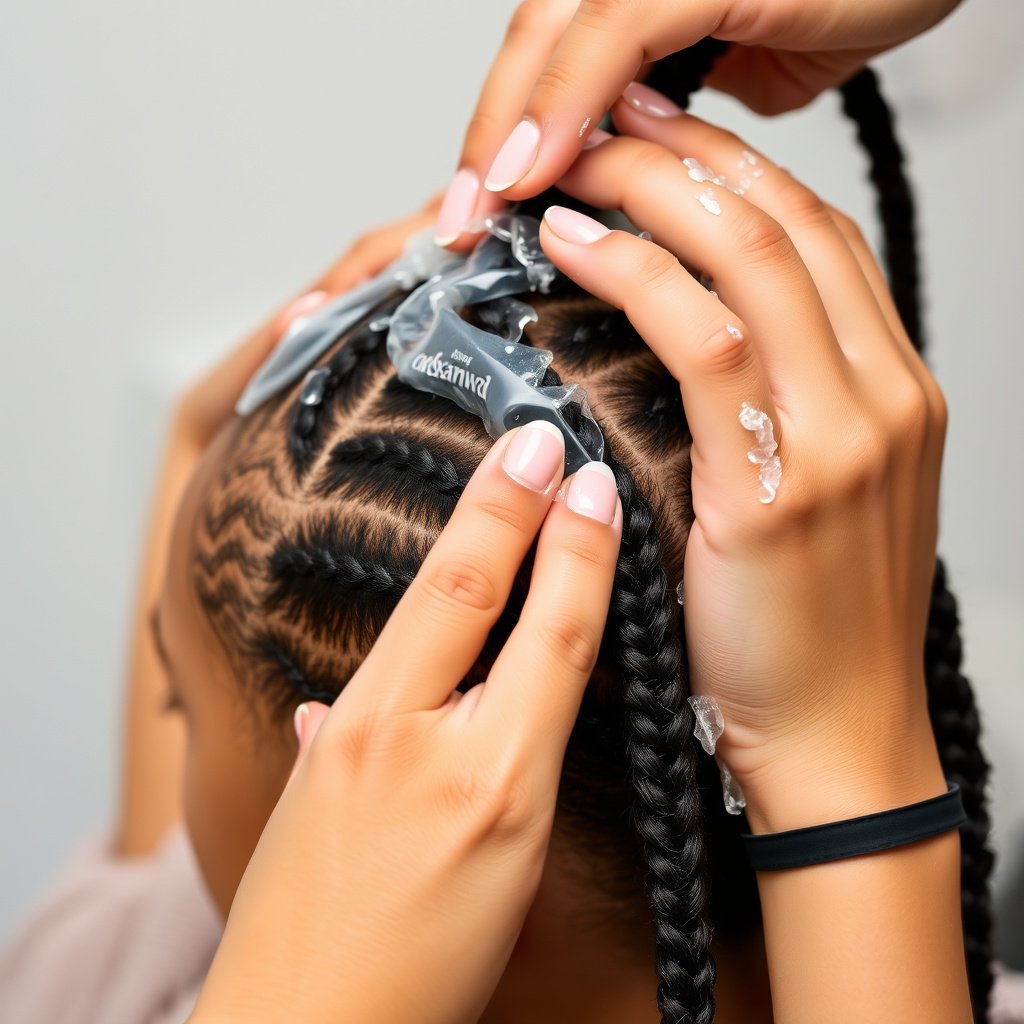
Dilute a small amount of shampoo in water before applying. This helps the shampoo rinse out more easily and reduces residue that can weigh down braids.
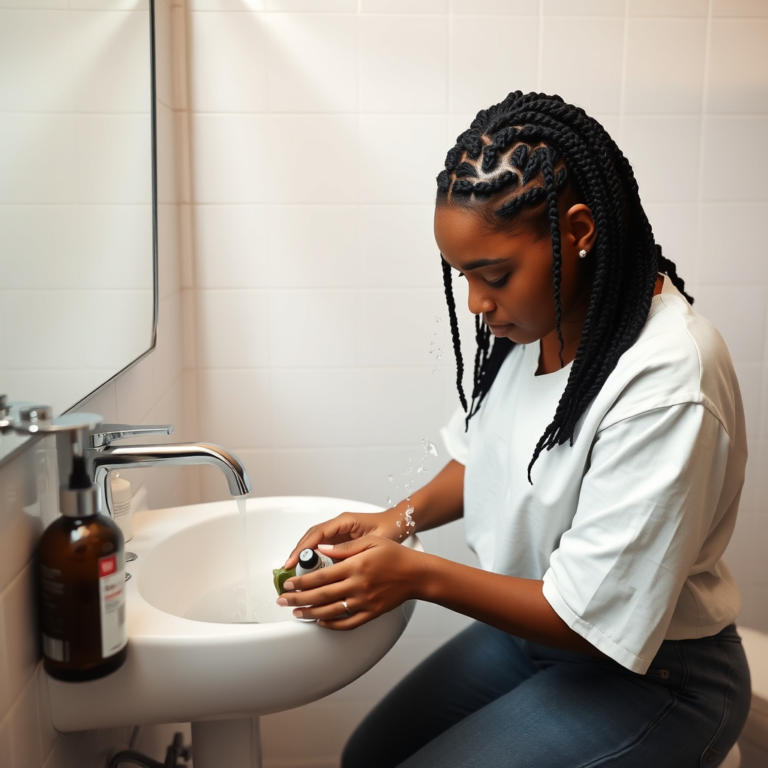
Use your fingertips to apply the diluted shampoo directly onto the scalp. Work in sections, gently massaging to cleanse without disturbing the braid patterns.
- Dilute shampoo at a 1:3 ratio with water
- Apply gently to scalp, not full braids
Rinsing and Scalp Care
Rinse braids thoroughly with lukewarm water, aiming the flow at the scalp to remove all shampoo. Avoid soaking or rough rubbing the braids which might cause frizz.
After rinsing, apply a light leave-in product or natural oils sparingly to the scalp to lock in moisture without buildup.
- Use lukewarm water rinsing from scalp to ends
- Avoid rough scrubbing or vigorous towel drying
Frequency of Washing Braids
Ideal Washing Schedule
Most experts recommend washing braids every 1 to 2 weeks depending on scalp oiliness and activity level. Overwashing can dry out hair and cause breakage, while under-washing leads to buildup and scalp irritation.
Listen to your scalp’s signals: itchiness or odor suggest the need for cleaning, but if the braids feel dry and frizzy, allow more time between washes.
- Wash every 7-14 days
- Adjust schedule based on scalp condition
For more on this, see our related guide: How to Care for Box Braids: A Complete Guide to Maintaining Your Style.
Maintaining Freshness Between Washes
To keep braids clean longer, use light scalp sprays with antimicrobial ingredients like tea tree or rosemary oil. Avoid heavy hair products that attract dirt.
Protect braids at night by covering them with a silk or satin scarf to reduce friction and moisture loss.
- Use light moisturizing scalp sprays
- Cover braids during sleep for protection
Drying and Post-Wash Care for Braids
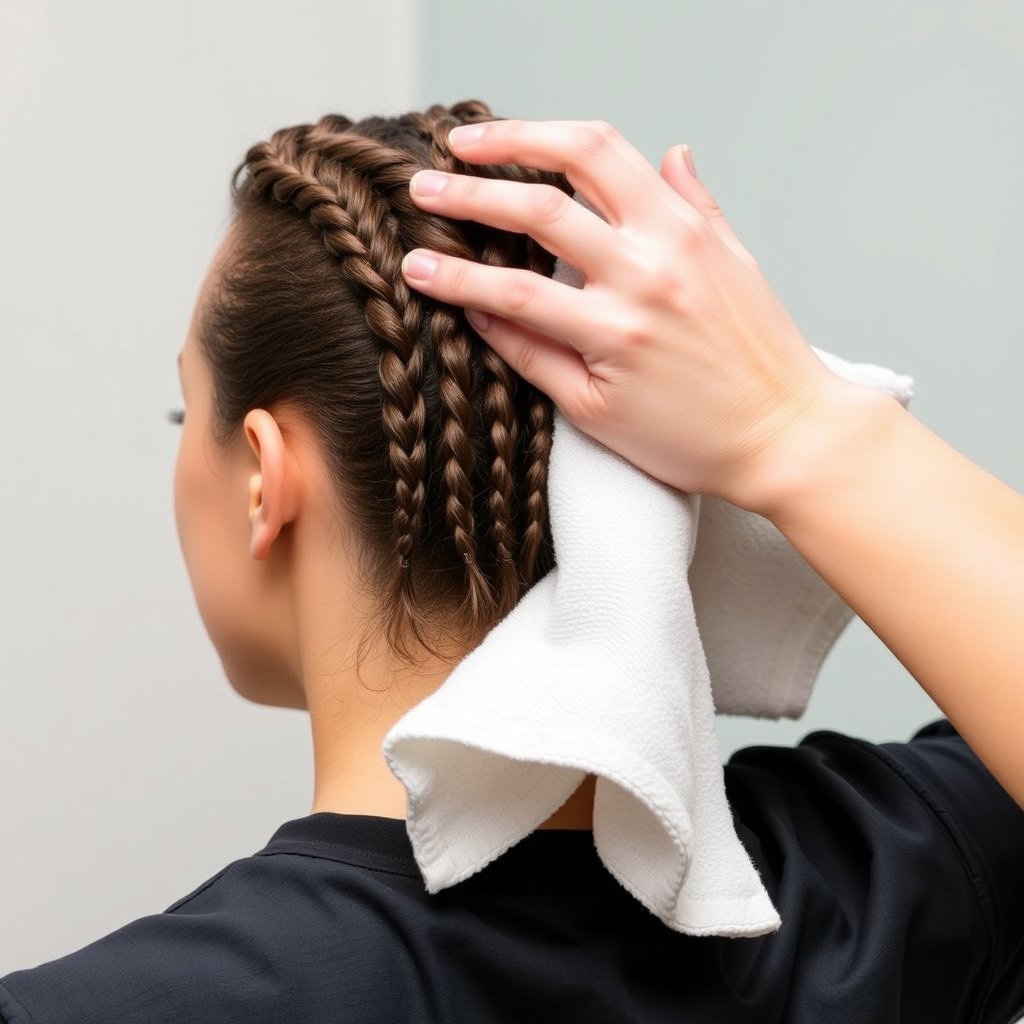
Proper Drying Techniques
After rinsing braids, gently squeeze out excess water. Use a microfiber towel or an old cotton T-shirt to pat the braids dry instead of rubbing, which can cause frizz.
Allow braids to air dry completely to avoid mildew or scalp infections. Avoid direct heat sources like blow dryers unless using a diffuser on a low setting.
- Pat dry with microfiber towel
- Air dry fully before styling
Scalp Moisturizing and Maintenance
Once hair is dry, lightly moisturize your scalp with natural oils such as jojoba or coconut oil to seal in hydration and soothe dryness. Apply sparingly to avoid buildup.
Regularly check for and address any itchiness or flakiness by gently massaging the scalp with oil or using a dry shampoo designed for protective styles.
- Apply natural oils sparingly to scalp
- Use dry shampoo if necessary between washes
Common Mistakes When Washing Braids
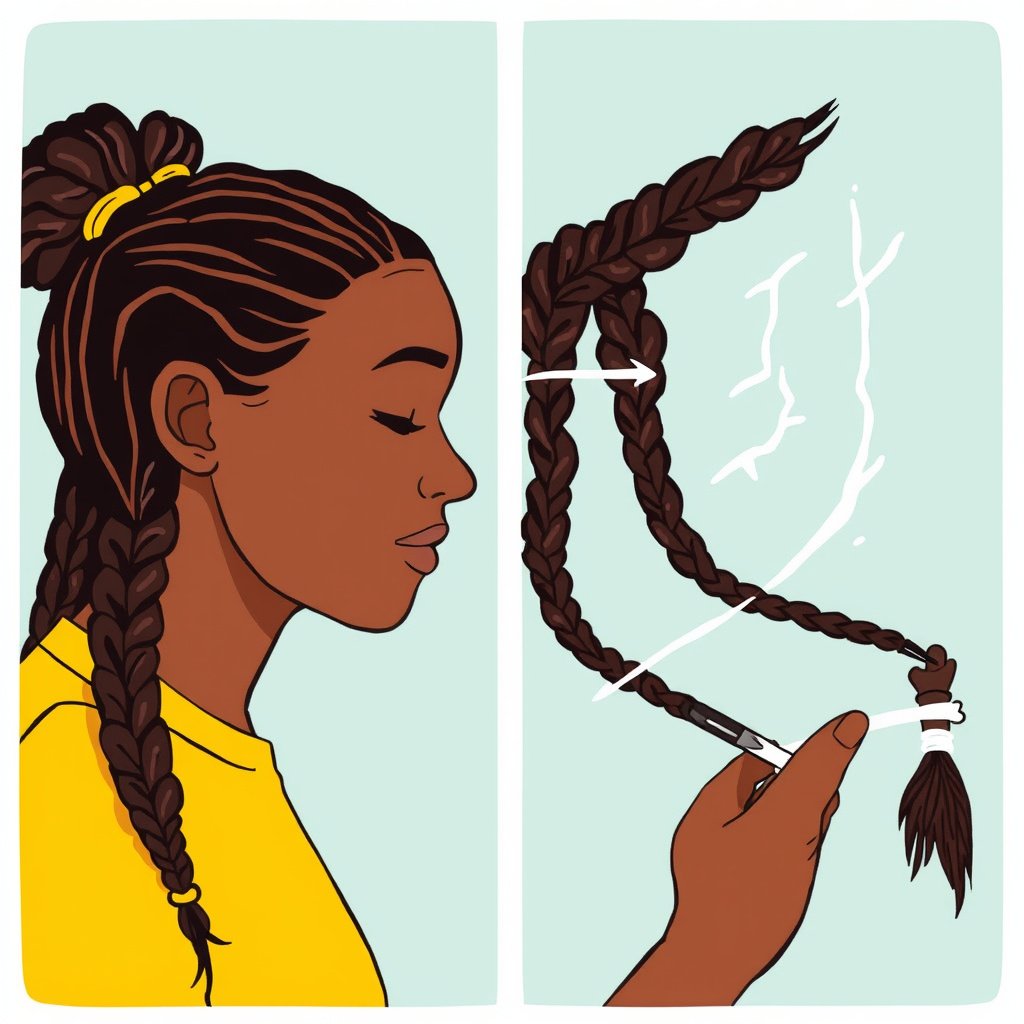
Overwashing and Harsh Scrubbing
Washing braids every few days or using strong detergents can strip natural oils, making hair brittle and causing the braid style to loosen prematurely.
Scrubbing too hard with nails damages the scalp skin and can lead to irritation or infection.
- Avoid washing more than once a week unless necessary
- Use gentle fingertip massage, no nails
For more on this, see our related guide: How Long Do Box Braids Last and How to Maximize Their Longevity.
Using Heavy Products and Poor Drying
Applying heavy conditioners or oils directly onto braids leads to product buildup that invites dirt and causes unpleasant odors.
Not allowing braids to dry fully increases risks of scalp fungus and unpleasant smells.
- Limit heavy product use on braids themselves
- Ensure complete drying post-wash
Additional Tips for Long-Lasting Braids

Maintaining Neatness Between Washes
Use edges control gels sparingly to smooth flyaways without flaking. Re-twist or tuck loose braids as needed to maintain a crisp look.
Sleeping with a satin bonnet reduces friction and moisture loss, keeping braids intact and scalp protected.
- Apply edge control without overuse
- Wear satin bonnet or scarf at night
For further reading on styling and care techniques, see the detailed overview of braiding hairstyles and hair care. Braiding hairstyles and hair care.
When to Remove Braids for Scalp Health
Remove braids after 6 to 8 weeks to prevent hair breakage due to tension and dirt buildup that can’t be fully cleaned while braided.
Taking breaks between braids allows your scalp and hair to rejuvenate naturally.
- Limit braid wear to 6-8 weeks
- Schedule rest periods for scalp and hair
Comparison of Braided Hair Washing Methods
Here is a summary comparing different washing approaches and their effects on braid maintenance and scalp health.
| Method | Frequency | Recommended Products | Pros | Cons |
|---|---|---|---|---|
| Diluted Shampoo Rinse | Every 1-2 weeks | Sulfate-free shampoo, water | Cleans scalp gently, reduces buildup | Time-consuming, careful rinsing needed |
| Dry Shampoo Only | Weekly or as needed | Dry shampoo sprays | Convenient, reduces wetting braids | May cause residue buildup, scalp itch |
| No Wash, Just Spritzing | Daily light misting | Scalp moisturizing sprays | Keeps scalp hydrated | Cannot remove buildup or sweat |
| Frequent Washing with Regular Shampoo | Every 3-4 days | Regular shampoo | Very clean feeling | Dries hair, loosens braids quickly |
Frequently Asked Questions
Can I wash my braids every day?
Daily washing is not recommended as it can dry out the scalp and cause braids to unravel. Washing every 1-2 weeks is usually sufficient to maintain cleanliness without damage.
What is the best temperature for washing braided hair?
Use lukewarm water when washing braids to help cleanse effectively without irritating or drying the scalp. Hot water can strip natural oils and cause frizz.
Is conditioner necessary when washing braids?
Heavy conditioner application on braids can cause buildup. If needed, apply a diluted conditioner mainly to the scalp area or use a light leave-in moisturizing spray.
How do I prevent my braids from smelling after washing?
Rinse thoroughly to remove all shampoo and allow braids to air dry completely. Applying light oils sparingly and covering your hair while sleeping can also reduce odors.
Can I use natural oils to moisturize my scalp with braids?
Yes, natural oils like jojoba or coconut oil can soothe and hydrate the scalp when applied sparingly. Avoid applying too much to prevent buildup on the braids.
Key Takeaways
- Use diluted sulfate-free shampoo to wash braids gently.
- Wash braids every 1-2 weeks depending on scalp needs.
- Pat braids dry and allow full air drying to avoid frizz.
- Moisturize scalp lightly with natural oils to maintain health.
Conclusion
Washing braids properly calls for a balance between keeping the scalp clean and preserving the hairstyle’s neatness. The main focus should be on cleansing the scalp carefully with diluted shampoo and gentle massage without disrupting the braid structure. Regular maintenance using the right products and techniques prevents buildup, irritation, and premature frizz, helping your braids look fresh and last longer. Recognizing your scalp’s needs and the correct washing interval plays a vital role in this process.
For those seeking specific advice, diluted shampoo rinsing every one to two weeks remains the gold standard. This method effectively cleanses the scalp without drying out the hair or loosening braids prematurely. If trying an alternative, light spritzing with moisturizing sprays or occasional dry shampoo might help maintain freshness between washes but are not substitutes for a thorough wash. Avoid frequent washing with harsh shampoos, which damages both scalp and braids. Additionally, proper drying with a microfiber towel and air drying is essential to avoid mildew or odor problems.
Once you master washing your braids correctly, protecting them at night and knowing when to remove them (typically after six to eight weeks) ensures scalp health and hair strength. Begin by gathering the right products—sulfate-free shampoos and light moisturizers—and practice gentle, sectioned washing techniques. This approach will keep your braids looking great while supporting a comfortable, clean scalp underneath.