
How to Use a Wig Grip Band for Secure and Comfortable Wear
A wig grip band is a thin, stretchy band designed to hold your wig securely in place while providing comfort. To use it, position the band around your head at the hairline, stretch it snugly, and then place your wig on top, ensuring the band is fully covered. This prevents slipping and irritation without pinning or glue.
Using a wig grip band matters because it enhances wig stability, especially for those with fine hair or who lead active lifestyles. The band offers a gentle, non-damaging grip against the scalp, reducing the effort needed to keep the wig fixed and preventing uncomfortable tightness.
This article outlines the best practices for wearing a wig grip band, including choosing the right size and material, how to combine it with other wig accessories, maintenance tips, and troubleshooting common issues to help you maximize the benefits of your wig grip band.
Understanding Wig Grip Bands

What Is a Wig Grip Band?
A wig grip band is typically made from velvet or silicone-lined fabric, designed to prevent wigs from slipping. It wraps around the head, creating friction by gripping both the scalp and the wig’s inner cap. This eliminates the need for adhesives in many cases.
Many wig grip bands come in adjustable sizes or stretchy materials to fit various head shapes comfortably. Their lightweight design means they are barely noticeable once covered by the wig, making them a popular choice for everyday and special occasion use.
Key Benefits of Using a Wig Grip Band
Using a wig grip band boosts confidence by keeping wigs firmer during movement, exercise, or weather changes. It reduces wig cap irritation and prevents hair damage that might arise from clips or glue adhesives.
Additionally, wig grip bands often improve overall wear comfort. The soft material avoids scratching or pulling, and many are breathable, helping to reduce sweat build-up, especially during extended wear.
- Enhanced security without adhesives
- Prevents slipping and irritation
- Protects natural hair and scalp
- Improves all-day comfort
Choosing the Right Wig Grip Band
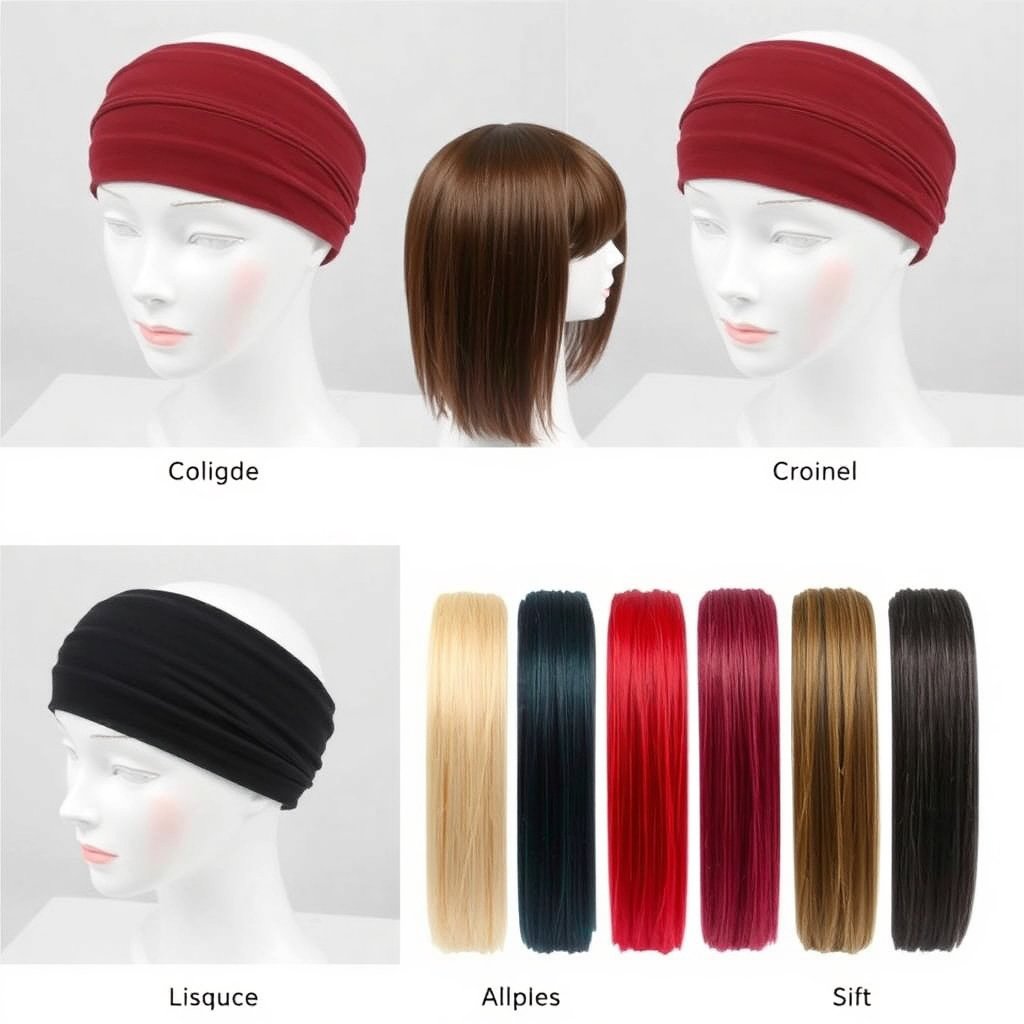
Material Considerations
Velvet-lined bands provide excellent friction and comfort, making them ideal for sensitive scalps. Silicone-lined bands offer a stronger grip but might feel a bit snugger, making them suitable for active users who need extra security.
When selecting a material, consider your skin sensitivity and lifestyle. Natural fabric blends with silicone strips can balance comfort and grip effectively, making the wig grip band versatile for all-day wear.
Sizing and Adjustability
Many wig grip bands come in one-size-fits-most with stretchy fabrics, but some brands offer adjustable straps or multiple sizes for a customized fit. Ensuring the band fits snugly but doesn’t constrict is crucial.
To measure properly, wrap a soft measuring tape around your head where the band will sit, just above your ears and across your hairline. Use this measurement to pick a band that will securely hug your scalp while being comfortable.
- Measure head circumference at hairline
- Check for adjustable features
- Choose a snug but comfortable fit
Step-by-Step Guide to Using a Wig Grip Band
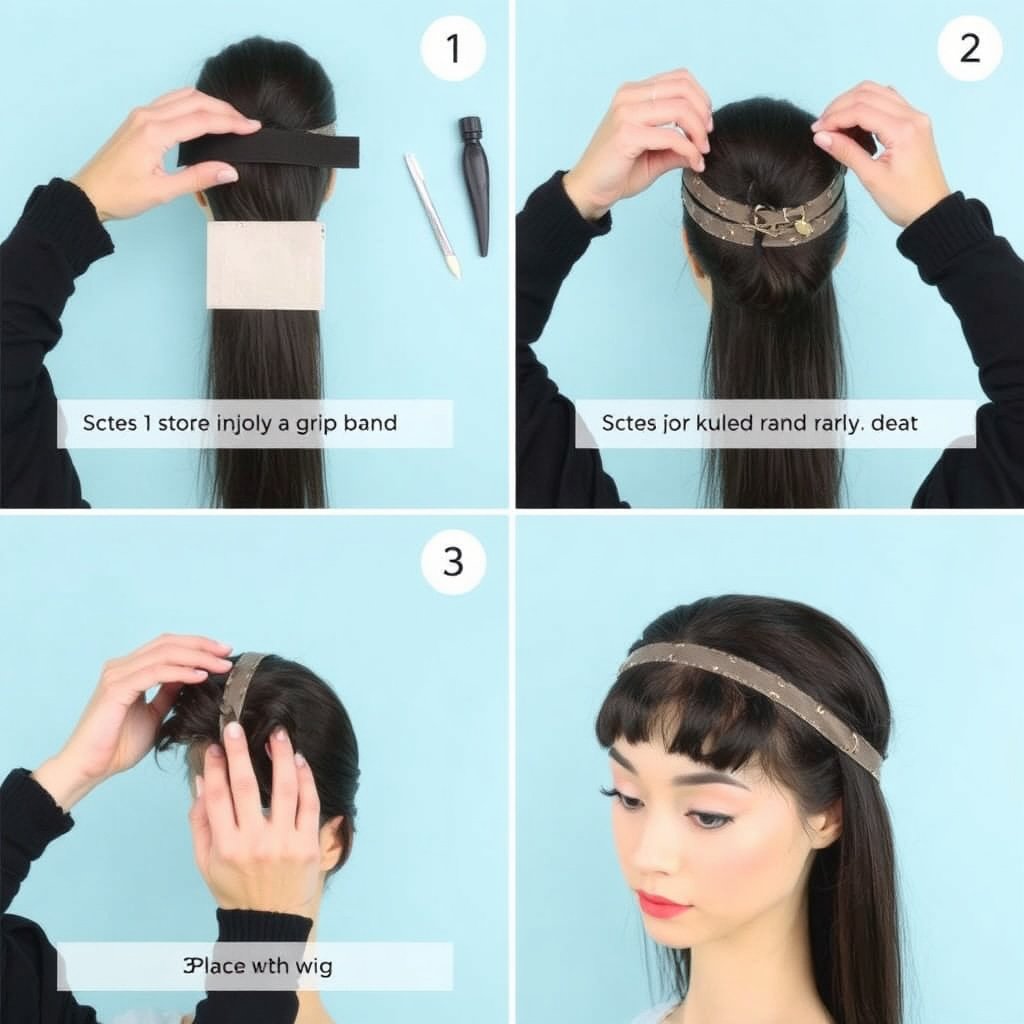
Preparing Your Hair and Head
Before placing the wig grip band, style your hair flat against your head using braids or pins, ensuring a smooth surface. This helps the band sit evenly and improves grip.
Clean your scalp area to remove oils or sweat, which can make both the band and wig slip. The wig grip band works best on a dry, clean scalp to maximize friction.
- Braid or pin hair flat
- Clean scalp area
- Avoid applying lotions before use
For more on this, see our related guide: Do Wigs Damage Your Hair? The Complete Answer.
Applying the Wig Grip Band and Wig
Stretch the wig grip band over your head at the hairline, ensuring it lays flat without wrinkles. The band should reach just above the ears and across the forehead and nape if possible.
Once the band is secure, position your wig carefully over it, aligning the front edge with the band to fully cover it. Press the wig down gently to lock it in place, feeling the grip securing your wig from slipping.
- Place band at hairline evenly
- Cover band fully with wig cap
- Adjust wig for comfort and security
Combining Wig Grip Bands with Other Accessories
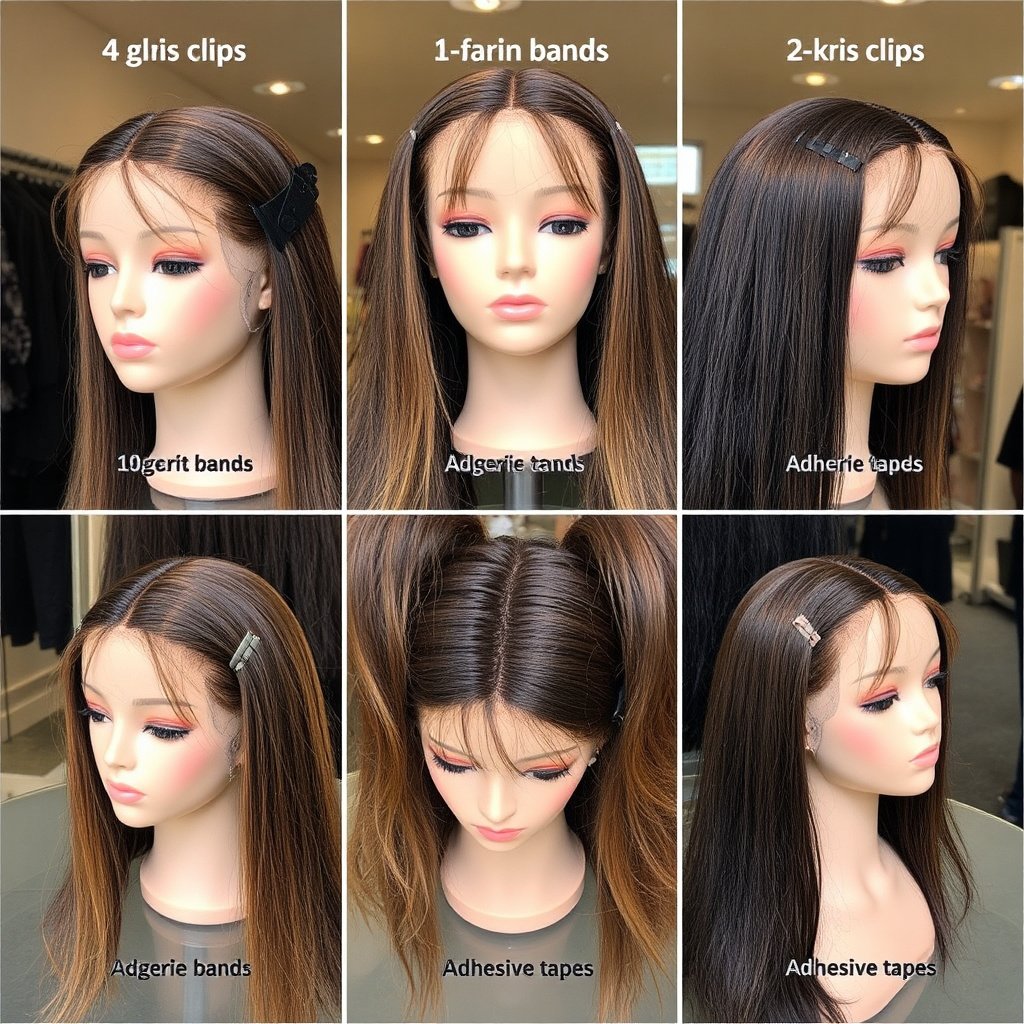
Using Wig Clips and Pins
Wig grip bands can be used together with wig clips or pins for additional hold, especially during physical activity or windy conditions. Clips attach the wig to your natural hair, complementing the band’s grip on your scalp.
When combining these, place the grip band first, then secure clips without pulling too tightly to avoid tension on the scalp. This layered approach balances security and comfort well.
Incorporating Adhesive Tapes and Glues
Some prefer adding adhesive tapes or glues over the wig grip band for maximum hold, particularly for lace front wigs. However, ensure your wig grip band material is compatible with these products to prevent damage or slipping.
Because glue can irritate the skin, combining it with a wig grip band can reduce direct contact with your scalp by creating a protective layer, which may help keep your skin healthier.
Maintenance and Cleaning Tips for Wig Grip Bands

Cleaning Your Wig Grip Band
To clean your wig grip band, hand wash it with mild detergent in cold water to preserve elasticity and fabric integrity. Avoid machine washing or drying, which can shrink or damage the band.
Rinse thoroughly and air dry flat away from direct sunlight to keep the band from losing shape and grip ability.
- Use mild detergent
- Hand wash in cold water
- Air dry flat, avoid heat
For more on this, see our related guide: Best Lace Front Wigs: Top Picks and Buying Tips.
When to Replace Your Wig Grip Band
Replace your wig grip band if it becomes stretched out, loses its friction, or shows wear and tear such as thinning fabric or silicone peeling. A worn band reduces wig stability and comfort.
How often you replace it depends on frequency of wear and care routine; users wearing wigs daily might replace their bands every 3 to 6 months to maintain optimal performance.
Troubleshooting Common Wig Grip Band Issues
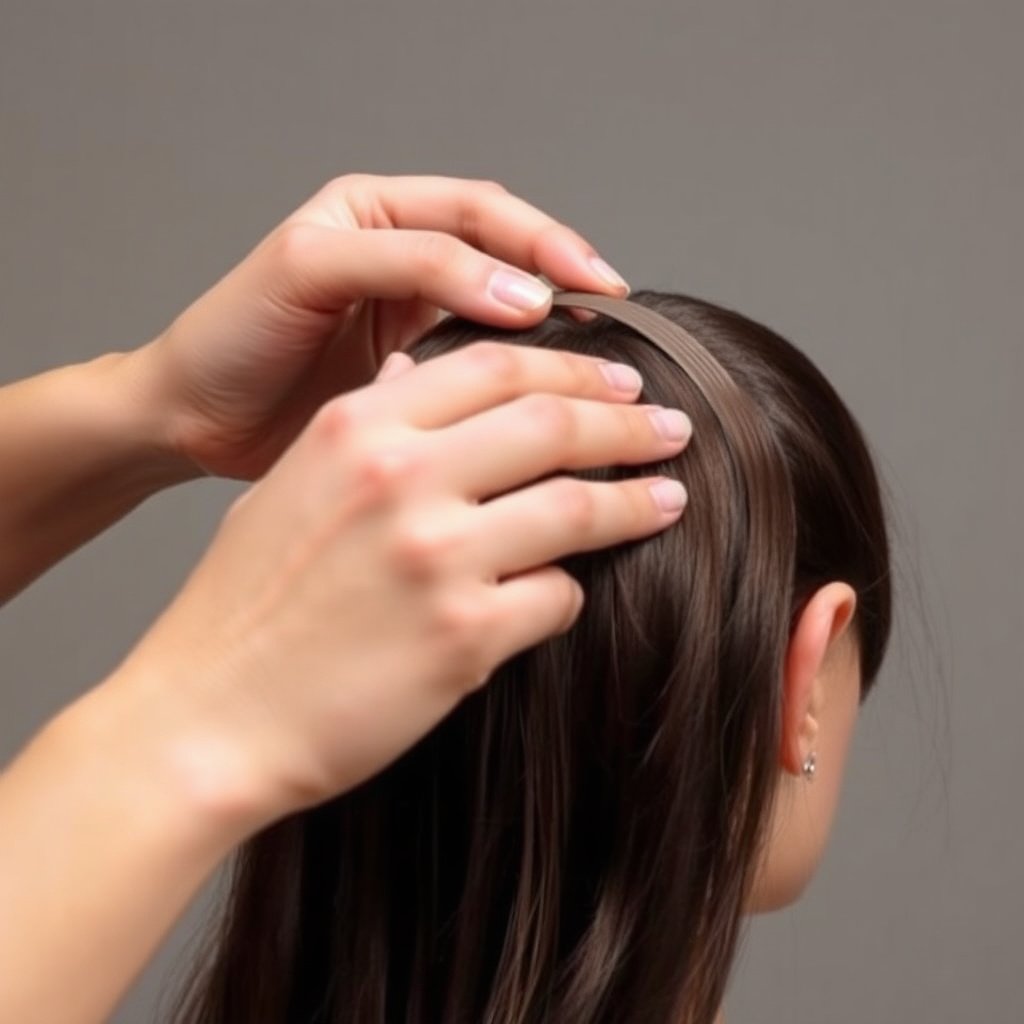
Band Slipping or Loose Fit
If your wig grip band slips, first check sizing. An overly loose band won't create sufficient friction. Consider a smaller size or adjustable band to increase snugness.
Also verify that your hair is styled flat under the band, as bulky hair can prevent firm contact. Using a wig cap beneath the band can help create a better grip surface.
For additional background about wig accessories including grip bands, you can visit the Wig grip band information on Wikipedia. Wig grip band information on Wikipedia.
Skin Irritation or Discomfort
If the band irritates your scalp, try switching to a softer, velvet-lined type. Avoid bands with strong silicone bands if your skin is sensitive, as these can cause redness or itching.
Make sure the band is not too tight. If discomfort persists, take breaks from wearing the band or consult a dermatologist for advice on materials suited for sensitive skin.
Wig Grip Band Types Comparison
Below is a comparison of common wig grip band types highlighting their material, grip strength, comfort, and best use cases.
| Type | Material | Grip Strength | Comfort Level | Best For |
|---|---|---|---|---|
| Velvet-lined | Velvet fabric | Medium | High | Sensitive scalps & everyday wear |
| Silicone-lined | Fabric with silicone strips | High | Medium | Active users & secure hold |
| Elastic Stretch | Stretchy mesh fabric | Medium | Medium | General use with adjustable fit |
| Hybrid (Velvet + Silicone) | Velvet with silicone backing | High | High | Balanced comfort and grip |
Frequently Asked Questions
Can I wear a wig grip band with all wig types?
Yes, wig grip bands work well with most wigs including lace front, synthetic, and human hair wigs. They provide additional security by gripping the scalp and wig cap regardless of wig construction.
How tight should a wig grip band be?
A wig grip band should fit snugly without causing pressure or headaches. It needs to grip the head firmly to prevent slipping but remain comfortable for extended wear.
Can I wear a wig grip band all day?
Yes, many find wig grip bands comfortable enough for all-day wear thanks to their soft, breathable materials. Make sure you choose a band suited to your comfort and scalp sensitivity.
Do wig grip bands replace the need for adhesives?
Wig grip bands often eliminate or reduce the need for adhesives by providing strong grip and security. However, some users combine them with tapes or glue for extra hold.
How do I clean my wig grip band without damaging it?
Hand wash your wig grip band gently in cold water with mild soap and air dry flat away from heat. Avoid machine washing or drying to keep its elasticity and grip intact.
Key Takeaways
- Wig grip bands secure wigs comfortably without adhesives.
- Material and fit affect grip strength and comfort.
- They can be combined with clips or adhesives for extra hold.
- Proper care extends the life and performance of your band.
Conclusion
Choosing the right wig grip band involves balancing secure fit with daily comfort. The band’s material, size, and design impact how well it holds your wig while minimizing irritation. By measuring your head carefully and understanding your scalp sensitivity, you can find a band that offers reliable grip without pressure or discomfort. The key to success is ensuring the wig grip band fits snugly around the hairline and is positioned correctly beneath your wig for maximum stability throughout the day.
For casual wearers or those with sensitive skin, velvet-lined bands are excellent for their gentle feel and moderate grip strength. Active individuals or anyone seeking firm hold should consider silicone-lined or hybrid bands, which provide extra friction to prevent slipping even during vigorous movement. Combining the grip band with wig clips or adhesive tape can add security for special occasions or windy environments. Regularly checking your band’s wear and cleaning it appropriately will keep it working effectively for months.
If you want to start using a wig grip band, begin by selecting your preferred material based on lifestyle and comfort needs, measure your head accurately, and follow the proper application steps from styling your hair flat to positioning the band and wig properly. Care and replacement cycles depend on usage frequency, but maintaining the band will help ensure your wig stays secure and comfortable every day.