How to Style a Water Wave Wig for a Natural, Stunning Look
Styling a water wave wig starts with defining and enhancing the natural waves to achieve a soft, bouncy, and natural appearance. This involves moisturizing the hair, using the right styling tools, and shaping the waves without causing frizz or damage. Proper preparation and gentle techniques preserve the wig's texture and longevity.
Water wave wigs are popular for their fluid, loose waves that mimic natural hair movement, balancing volume with smoothness. Styling your wig well helps maintain its beautiful wave pattern, making it look fresh and realistic every day. Knowing how to handle your wig properly prevents unwanted tangling and extends its lifespan.
In this guide, you'll learn step-by-step methods to style a water wave wig, including daily care, product recommendations, techniques for defining waves, and how to avoid common mistakes. Whether you want a polished look or a relaxed finish, we cover all the essentials to help you achieve stunning results.
Preparing Your Water Wave Wig for Styling

Washing and Conditioning Your Wig
Begin by gently washing your water wave wig using a sulfate-free shampoo designed for wigs or delicate hair. Apply shampoo with soft motions to avoid disrupting the wave pattern. Rinse thoroughly with cool to lukewarm water to maintain softness.
Follow with a moisturizing conditioner focused on hydration, applying it generously but carefully detangling with fingers or a wide-tooth comb. Avoid scrubbing or heavy rubbing to prevent frizz and preserve the waves’ definition.
- Use sulfate-free shampoo
- Apply conditioner generously
- Detangle gently with fingers or wide-tooth comb
- Rinse with cool to lukewarm water
Drying Techniques for Wave Definition
Pat the wig dry with a microfiber towel or a soft cotton T-shirt instead of rubbing, which can cause frizz. Avoid using high heat from blow dryers to keep the hair fibers intact.
Allow the wig to air dry on a wig stand, gently scrunching the waves upward every so often to maintain the wave shape. This helps the water wave wig preserve its natural texture and volume without flattening.
- Use microfiber towel or cotton T-shirt for drying
- Avoid vigorous rubbing
- Air dry on wig stand
- Gently scrunch waves during drying
Daily Styling Tips for Water Wave Wigs
Enhancing Waves with Styling Products
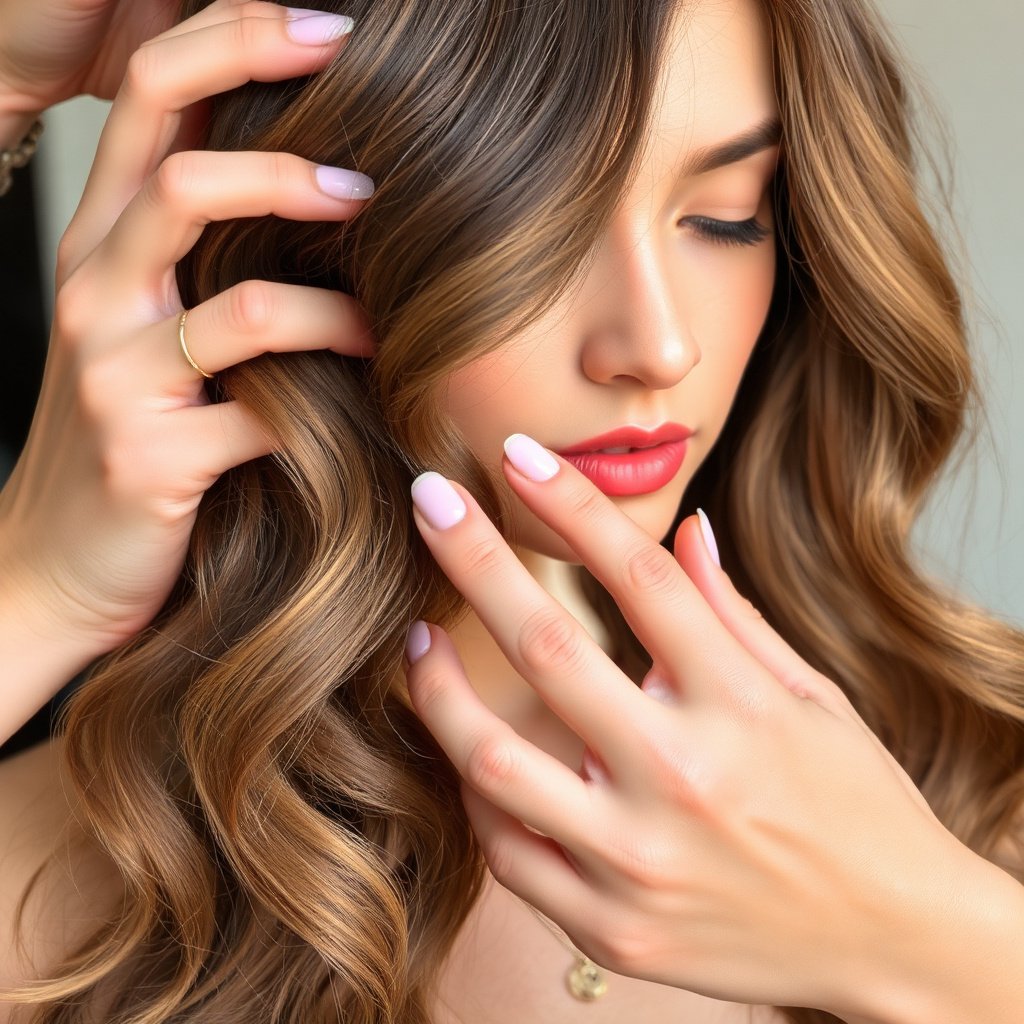
To define waves without weighing them down, apply a lightweight curl-enhancing mousse or cream sparingly. Focus on mid-lengths to ends to avoid buildup near roots, which can appear greasy.
Avoid heavy oils or silicones that flatten the waves. Instead, opt for water-based leave-in conditioners or sea salt sprays to boost texture and maintain bounce throughout the day.
- Use lightweight mousse or curl cream
- Apply from mid-shaft to ends
- Avoid heavy oils or silicones
- Try water-based leave-in conditioners or sea salt sprays
Maintaining Shape with Gentle Styling Methods
Use your fingers or a wide-tooth comb to separate and soften waves gently instead of brushing, which disrupts the pattern. When touching up waves, finger scrunch with a little water or styling spray to reactivate definition.
For more refined styling, use a diffuser on a low heat setting sparingly to fluff the waves without creating frizz. Always finish with a light mist of flexible hold hairspray for all-day shape.
- Finger comb or use wide-tooth comb
- Avoid traditional brush on waves
- Use diffuser on low heat when needed
- Apply flexible hold hairspray
Advanced Styling Techniques for Water Wave Wigs
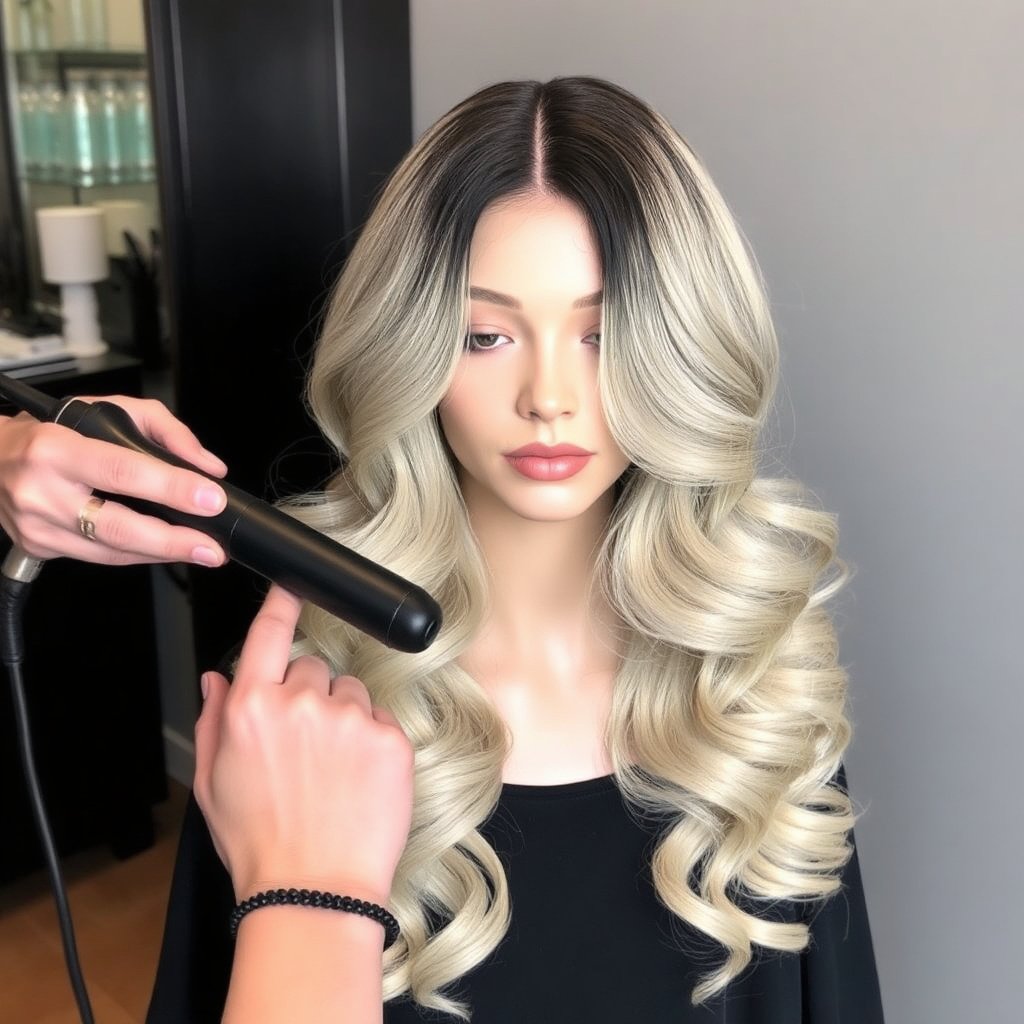
Heat Styling Without Damaging Your Wig
If your water wave wig can tolerate heat styling, always use a heat protectant spray before applying curling wands or flat irons. Keep temperatures below 350°F to avoid melting synthetic fibers or weakening human hair strands.
To refresh or intensify waves, wrap sections around a medium barrel wand, holding for just a few seconds. Avoid over-styling to maintain longevity and natural bounce.
- Always apply heat protectant
- Keep styling tools under 350°F
- Use medium barrel curling wand
- Limit heat exposure frequency
For more on this, see our related guide: Wig Store Near Me Open Now: Your Local Shopping Guide.
Setting Waves with No-Heat Methods
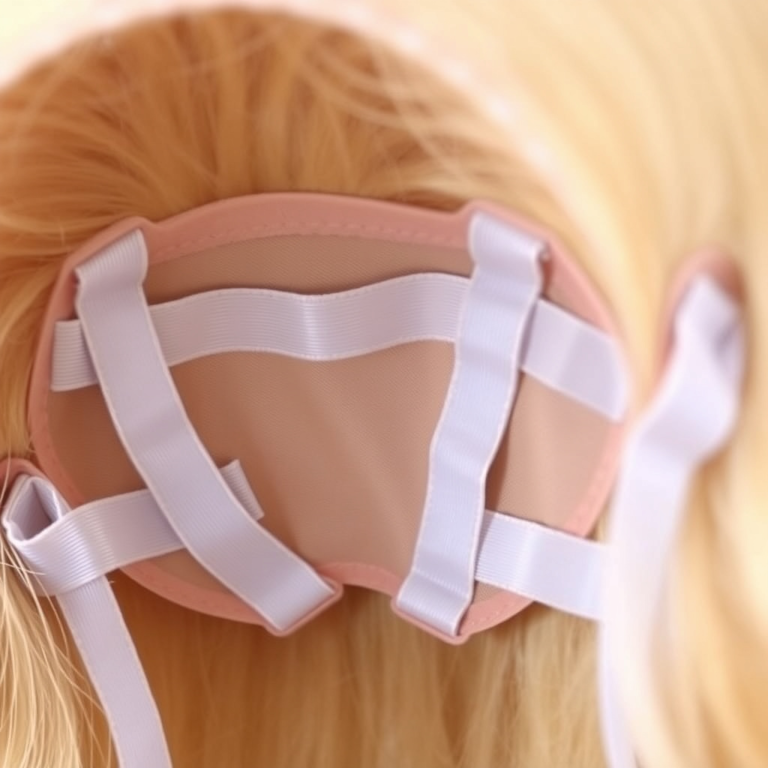
For delicate care, try overnight wave sets using foam rollers, braid twists, or flexi rods to redefine waves without heat. Secure the wig comfortably on a wig cap or mannequin head to keep shapes intact.
This low-impact method helps maintain wave integrity, reduces breakage, and allows you to style your wig fresh for the next wear.
- Use foam rollers or flexi rods
- Try braid twists for waves
- Secure wig on wig cap or stand overnight
- Avoid heat-based styling daily
Caring for Your Water Wave Wig Between Styles

Storing the Wig Properly
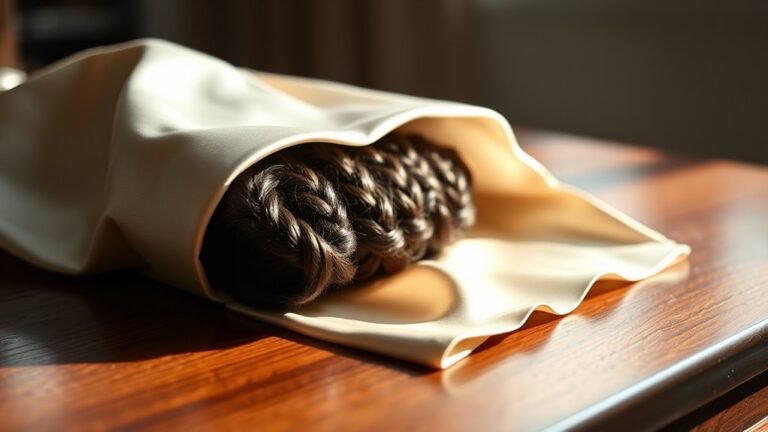
Store your water wave wig on a wig stand or mannequin head to keep its shape and prevent tangling. Cover lightly with a breathable silk or satin scarf to avoid dust and friction without flattening waves.
Avoid folding or crumpling the wig, which can distort wave patterns and cause tangles that are difficult to remove.
- Use wig stand or mannequin
- Cover with silk or satin scarf
- Do not fold or squash wig
- Keep in cool, dry place
Refreshing and Detangling Between Wears
Before each wear, lightly mist your wig with water or a water-based leave-in spray to revive waves. Gently finger-comb or use a wide-tooth comb to detangle any knots from storage or previous use.
Avoid vigorous brushing or combing which can damage the wave texture and lead to frizz. Regular light care maintains softness and appearance over time.
- Use water or leave-in spray to refresh
- Finger comb or wide-tooth comb detangling
- Avoid harsh brushing
- Perform light maintenance pre-wear
Troubleshooting Common Water Wave Wig Issues

Dealing with Frizz and Dryness
Frizziness commonly occurs from lack of moisture or harsh handling. Apply a small amount of leave-in conditioner formulated for wavy hair to smooth strands and combat dryness.
Avoid products with alcohol or sulfates, which strip moisture and increase frizz. Regular conditioning and gentle care help maintain the wig’s soft wave pattern.
- Use moisturizing leave-in conditioner
- Avoid alcohol-based products
- Handle wig gently to prevent breakage
- Apply anti-frizz sprays as needed
For more on this, see our related guide: Water Wave Bundles Guide: What to Know Before You Buy.
Preventing Tangling and Matting
Tangling is frequent due to wave texture and movement. Detangle carefully with fingers or a wide-tooth comb and avoid rough towel drying. Applying a lightweight detangling spray helps reduce knots.
Proper storage and routine maintenance limit matting, especially focusing on ends which are most prone to tangling.
- Detangle with fingers or wide-tooth comb
- Use lightweight detangling spray
- Store wig properly on stand
- Moisturize ends regularly
Choosing the Right Products for Styling a Water Wave Wig
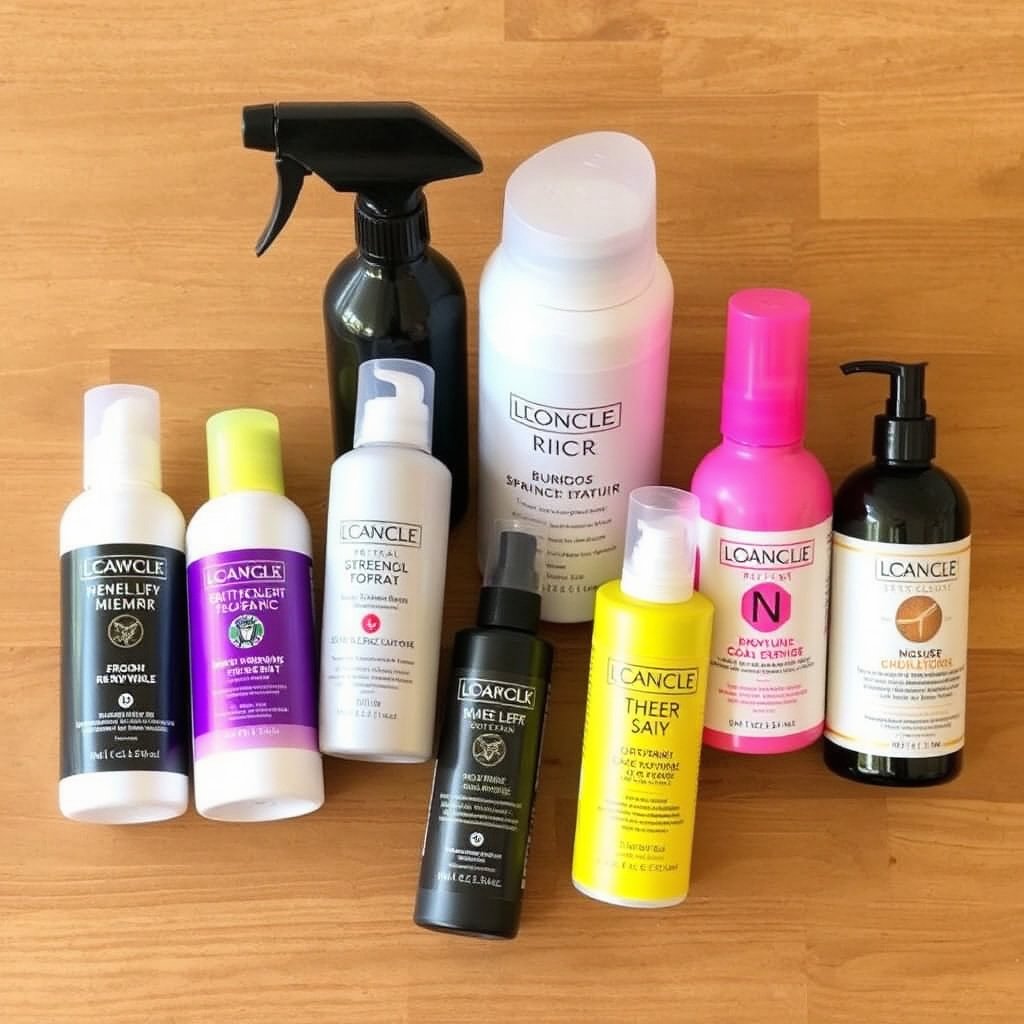
Recommended Hair Care Products
Select shampoos and conditioners labeled safe for wigs, preferably sulfate-free and hydrating. These maintain wig softness and prevent dryness while preserving wave patterns.
Lightweight, water-based styling mousses and curl enhancers help define waves without build-up or stiffness. Avoid heavy oils, greasy serums, or silicone-heavy formulas to keep hair bouncy.
- Sulfate-free moisturizing shampoo and conditioner
- Water-based curl-enhancing mousse
- Leave-in conditioners safe for wigs
- Avoid heavy oils and silicones
For more about different hair textures like water wave, check out this detailed overview. Water wave hair texture.
Essential Styling Tools
Use wide-tooth combs and fingers for detangling to protect wave integrity. Low heat settings on diffusers and curling wands are best if heating is necessary.
Invest in microfiber towels or cotton T-shirts for drying to minimize frizz and hair fiber damage during care routines.
- Wide-tooth comb and fingers for styling
- Diffuser with adjustable low heat
- Medium barrel curling wand for enhancement
- Microfiber towels or cotton T-shirts for drying
Water Wave Wig Styling Product Comparison
Here is a comparison of popular product types used for styling water wave wigs, highlighting pros, cons, and best uses.
| Product Type | Best For | Pros | Cons |
|---|---|---|---|
| Water-Based Curl Cream | Defining soft waves | Lightweight, non-greasy, enhances waves naturally | May require frequent reapplication |
| Leave-In Conditioner Spray | Moisturizing and detangling | Adds moisture, reduces frizz, easy to refresh | Can build up if overused |
| Sea Salt Spray | Texture and volume boost | Creates beachy waves with texture | Can dry wig if overused |
| Lightweight Mousse | Volume and hold | Defines waves without stiffness | Can weigh hair down if applied too much |
| Anti-Frizz Serum | Frizz control | Smooths flyaways, adds shine | May be too heavy for fine wigs |
Frequently Asked Questions
How often should I wash my water wave wig?
Wash your water wave wig every 10 to 15 wears or when there is product buildup. Frequent washing can strip moisture and flatten waves, so only clean it when needed to maintain texture.
Can I use heat styling tools on a water wave wig?
Heat styling is possible if your wig is made of heat-resistant synthetic fibers or human hair. Always apply heat protectant and keep temperatures under 350°F to avoid damage.
What is the best way to detangle a water wave wig?
Use your fingers or a wide-tooth comb to gently detangle starting from the ends and working up. Avoid rough brushing, which can disrupt the natural wave pattern and cause frizz.
How do I maintain wave definition overnight?
Set your waves using foam rollers or braid twists before sleeping, and cover your wig with a silk or satin scarf to minimize friction and preserve the wave pattern.
Are heavy oils good for styling water wave wigs?
No, heavy oils can weigh down the waves and make the wig look greasy. It's better to use lightweight, water-based products to enhance waves without buildup.
Key Takeaways
- Gentle washing and conditioning preserve wave integrity
- Lightweight, water-based products enhance waves naturally
- Use fingers or wide-tooth combs for detangling
- Proper storage helps maintain shape and prevent tangles
Conclusion
Styling a water wave wig effectively revolves around respecting its delicate wave structure and using gentle care techniques. By following a consistent routine of moisturizing, careful detangling, and using appropriate styling products, you maintain the wig’s softness and natural wave definition. This approach prevents damage and extends the wig’s longevity while ensuring it looks fresh and beautiful daily. Paying close attention to drying methods and avoiding harsh heat styling also plays a significant role in upkeep.
Choosing the right products — such as sulfate-free shampoos, water-based curl creams, and lightweight mousses — combines with techniques like finger-combing and soft scrunching, to highlight the water wave's signature pattern. For those who want to avoid heat, embracing foam rollers or braid setting allows wave refreshing without risking fiber damage. Occasional light heat styling can be done safely but should not replace good daily care habits. Together, these strategies provide flexibility for various styling preferences and durability needs.
If you own or plan to buy a water wave wig, begin by incorporating mild cleansing, moisturizing, and gentle styling steps outlined here. Experiment with recommended products labeled as safe for wigs and pay attention to how your wig responds. Establishing this foundation makes styling easier and protects your investment. With patience and proper care, your water wave wig will remain a stunning, versatile addition that complements your style effortlessly.