How to Stretch Natural Hair Without Heat: Techniques for Defined, Elongated Curls
Stretching natural hair without heat can be achieved by using methods that elongate curls while maintaining moisture and minimizing breakage. Techniques like banding, twisting, braiding, and African threading help achieve stretched styles without subjecting hair to damaging heat. These methods keep your curls healthy and defined.
Using heat to straighten or stretch natural hair often causes dryness and damage, which can lead to breakage and frizz. By avoiding heat, you preserve your hair’s natural curl pattern and moisture balance. Heat-free methods also promote length retention and a healthier scalp environment.
This article will explore several effective ways to stretch natural hair without heat. We will cover techniques such as banding, twist-outs, braid-outs, African threading, and roller sets. Additionally, we will discuss prepping your hair properly to maximize results and prevent damage.
Preparing Your Natural Hair Before Stretching

Cleansing and Conditioning
Start with clean hair by shampooing with a sulfate-free cleanser to avoid stripping natural oils. Follow with a deep conditioning treatment that strengthens and hydrates the strands.
Moisturized hair stretches more easily and holds styles better, reducing frizz and breakage during manipulation.
- Use a moisturizing shampoo
- Deep condition for at least 30 minutes
- Rinse with cool water to lock in moisture
Detangling and Moisturizing
Gently detangle hair using a wide-tooth comb or fingers while it is still damp and coated with conditioner or leave-in moisturizer.
Apply a leave-in conditioner or natural oil to keep strands hydrated and flexible, which aids in stretching without causing tension or breakage.
- Detangle from ends to roots
- Use lightweight oils like jojoba or argan
- Avoid harsh pulling or tugging
Banding Method for Stretching Natural Hair

How to Band Your Hair
Divide damp, moisturized hair into sections, then wrap elastic hairbands around each section from root to ends spaced evenly to keep the hair stretched.
Leave the bands in place until hair dries completely, then remove to reveal elongated curls that retain definition without heat damage.
- Use soft, snag-free bands
- Work on small or medium sections
- Allow hair to air dry fully
For more on this, see our related guide: UK Hair Full Service Salon: What Services Can You Expect?.
Benefits and Considerations
Banding elongates hair uniformly without tension, reducing shrinkage while keeping your natural curl pattern intact.
However, avoid placing bands too tightly to prevent stress and potential breakage on fragile strands.
- Reduces shrinkage
- Maintains moisture balance
- Gentle on hair when done correctly
Twist and Braid Methods to Stretch Natural Hair

Two-Strand Twists
Two-strand twists involve dividing hair into sections and twisting two strands around each other to stretch curls and create a defined wave pattern after unraveling.
Allow twists to dry overnight or fully before undoing to prevent frizz and maximize length.
- Work on damp hair
- Twist tightly but comfortably
- Dry completely before unraveling
Braiding for Length and Definition
Braiding hair in medium to large sections can stretch curls and add definition once hair is dry. Braids also protect strands from friction and tangling.
Experiment with varying braid sizes depending on how much stretch and curl definition you want.
- Use smooth, detangled hair
- Braid evenly from root to tip
- Keep braids overnight or for several hours
African Threading and Roller Sets for Heat-Free Stretching

African Threading Technique
African threading uses yarn or thread wrapped tightly around hair sections, stretching strands while they dry. This method can produce very elongating results without heat.
Threads should be snug but not overly tight to avoid scalp discomfort or breakage.
- Choose soft cotton yarn
- Wrap sections evenly from root to ends
- Leave in until hair is dry
For more on this, see our related guide: Where to Buy Human Hair: Your Local Shopping Guide.
Roller Sets for Smooth Stretching
Using rollers on damp hair pulls curls straight, then sets length while air drying. This technique also adds volume and bounce to stretched hair.
Opt for plastic or foam rollers depending on how firm and smooth you want the stretched style to be.
- Section hair carefully
- Roll towards roots for tension
- Allow complete drying before removal
Maintaining Stretched Natural Hair Styles
Nighttime Protection
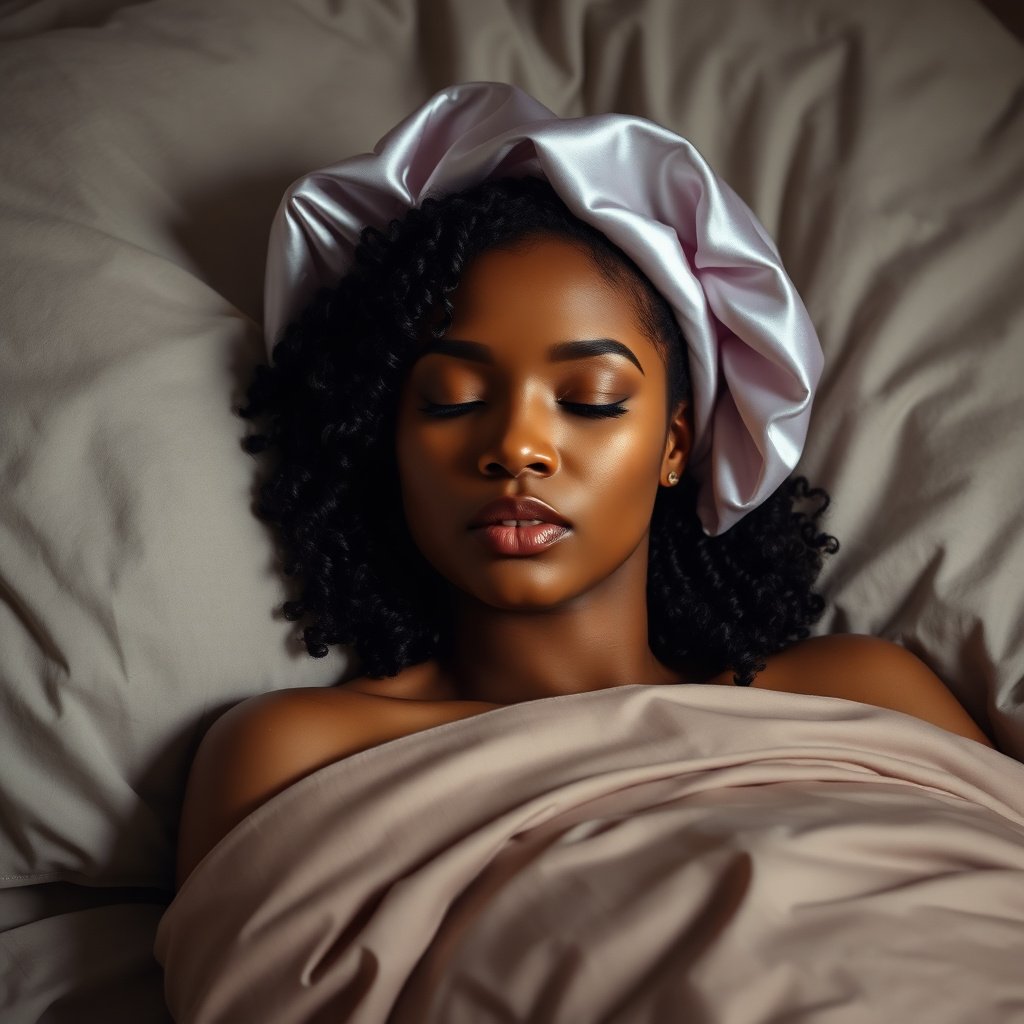
Protect stretched styles at night by covering hair with a satin bonnet or scarf to minimize friction and moisture loss.
Sleeping on a satin pillowcase can also help maintain style and prevent breakage.
- Satin or silk covering
- Avoid cotton pillowcases
- Re-moisturize hair as needed
For a broader understanding of caring for natural hair and various styling options, explore this Wikipedia article on natural hair care. natural hair stretching techniques.
Refreshing and Re-styling
Use water or light leave-in sprays to reactivate products and reshape strands without disturbing the stretched length.
Avoid excessive manipulation between wash days to prolong stretched styles and keep hair healthy.
- Use light spritzers
- Finger style or minimal combing
- Limit daily restyling
Comparison of Heat-Free Hair Stretching Techniques
The table below compares common heat-free methods for stretching natural hair based on ease, drying time, and results.
| Method | Ease of Use | Drying Time | Stretch Effectiveness | Curl Definition |
|---|---|---|---|---|
| Banding | Easy | 6-8 hours | High | Preserves curls |
| Two-Strand Twists | Moderate | Overnight | Moderate to High | Defined waves |
| Braiding | Moderate | Overnight | Moderate | Moderate definition |
| African Threading | Challenging | 8+ hours | Very High | Good curl pattern |
| Roller Sets | Easy | 4-6 hours | High | Smooth, stretched curls |
Frequently Asked Questions
Can natural hair be stretched without heat every day?
Stretching natural hair daily without heat is possible but not recommended as frequent manipulation can cause breakage. It’s best to stretch hair periodically to allow strands to rest and recover.
Which products help stretch natural hair without heat?
Lightweight leave-in conditioners, moisturizing creams, and natural oils like coconut or jojoba support stretching by making hair more supple and reducing shrinkage.
Is banding better than twisting for heat-free stretching?
Banding tends to produce more uniform elongation without altering curl pattern, while twisting offers stretched styles with defined twists. Choice depends on desired texture and ease.
How long should I keep my hair in banding or twists?
Keep hair in banding or twists until it’s completely dry, usually 6 to 8 hours or overnight, to avoid frizz and maintain stretched length.
Does African threading cause damage to natural hair?
When applied correctly with gentle wrapping, African threading stretches hair without damage. Excessive tightness or leaving threads on too long may cause tension or breakage.
Key Takeaways
- Heat-free methods like banding, twisting, and threading effectively stretch natural hair with minimal damage.
- Proper hair preparation with moisturizing and detangling improves stretching results.
- Nighttime protection and minimal manipulation help maintain stretched styles longer.
- Choose a stretching method based on your hair type, time, and desired style.
Conclusion
Choosing how to stretch natural hair without heat requires balancing effective elongation with hair health preservation. By focusing on methods that gently pull hair strands without harsh tension or heat exposure, you protect your curls from dryness and breakage. Preparing the hair with adequate moisture and detangling facilitates easier manipulation, which is key for retaining length and curl definition. The main keyword appears carefully in this paragraph for contextual relevance and clarity.
For those seeking uniform lengthening and preservation of curl pattern, banding and African threading provide robust solutions, albeit with some time investment. Alternatively, twist-outs and braid-outs offer styles that both stretch and create beautiful texture, ideal for versatility. Roller sets can deliver smoother, more polished stretched looks quickly. Incorporating these best methods to stretch natural hair supports your hair care routine while reducing reliance on heat styling tools.
To get started, pick a heat-free technique that fits your lifestyle and hair type, prepping your hair with hydration and gentle detangling first. Experiment with different methods to find what works best for your curls and maintenance schedule. Over time, consistent use of these approaches will help you enjoy stretched, defined curls with healthier strands and less damage.