How to Start Locs with Two Strand Twists: A Step-by-Step Guide
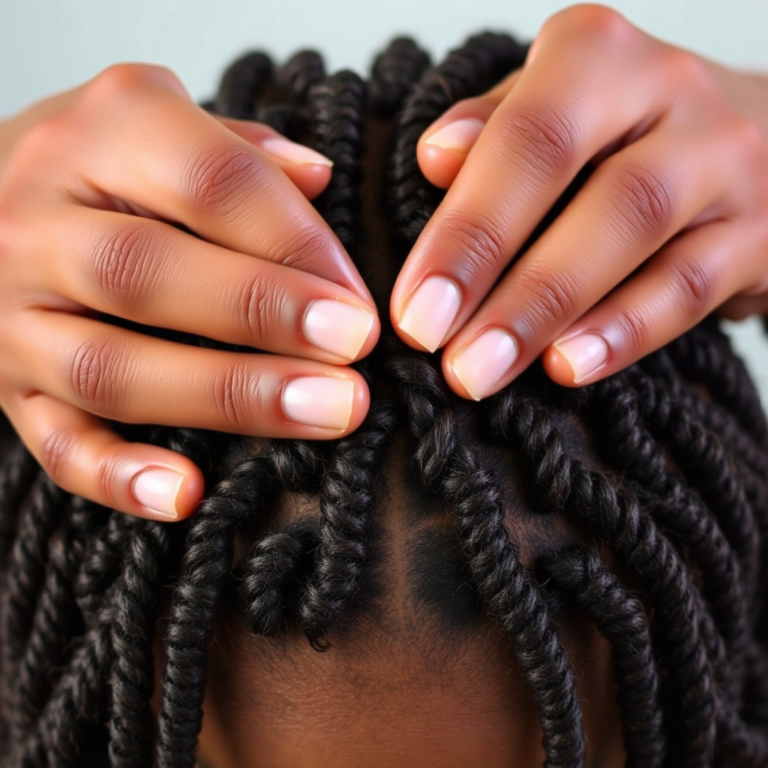
Starting locs with two strand twists is a straightforward and popular method that creates neat, well-defined locks. This technique involves sectioning your hair and twisting two strands at a time, which eventually mat and lock together to form locs. It suits various hair types, especially natural and textured hair, providing a manageable foundation for long-term loc growth.
Many people choose two strand twists because they offer a controlled way to begin locs without relying on harsh chemicals or heavy tools. The twists help keep hair tidy and reduce tangling, making maintenance easier during the initial locking phase. This approach also allows for a uniform loc size and can be customized according to individual hair texture and personal style preferences.
This article outlines the entire process of starting locs with two strand twists, including preparation, twisting techniques, maintenance tips, and common troubleshooting scenarios. By following these steps, readers can confidently create healthy, lasting locs that reflect their lifestyle and hair goals.
Preparing Hair for Two Strand Twist Locs
Washing and Conditioning
Before beginning two strand twists for locs, thoroughly wash your hair to remove any buildup, oils, or product residues. Use a residue-free shampoo to promote scalp health and prevent early loc issues like odor or mildew.
Conditioning hair is important to maintain moisture, but avoid heavy conditioners that might leave a slippery residue, as this can affect the twisting process. Opt for a light leave-in conditioner to keep strands manageable without compromising grip.
- Use residue-free shampoo
- Avoid heavy conditioners
- Opt for light, moisture-retaining leave-ins
Sectioning Hair Correctly
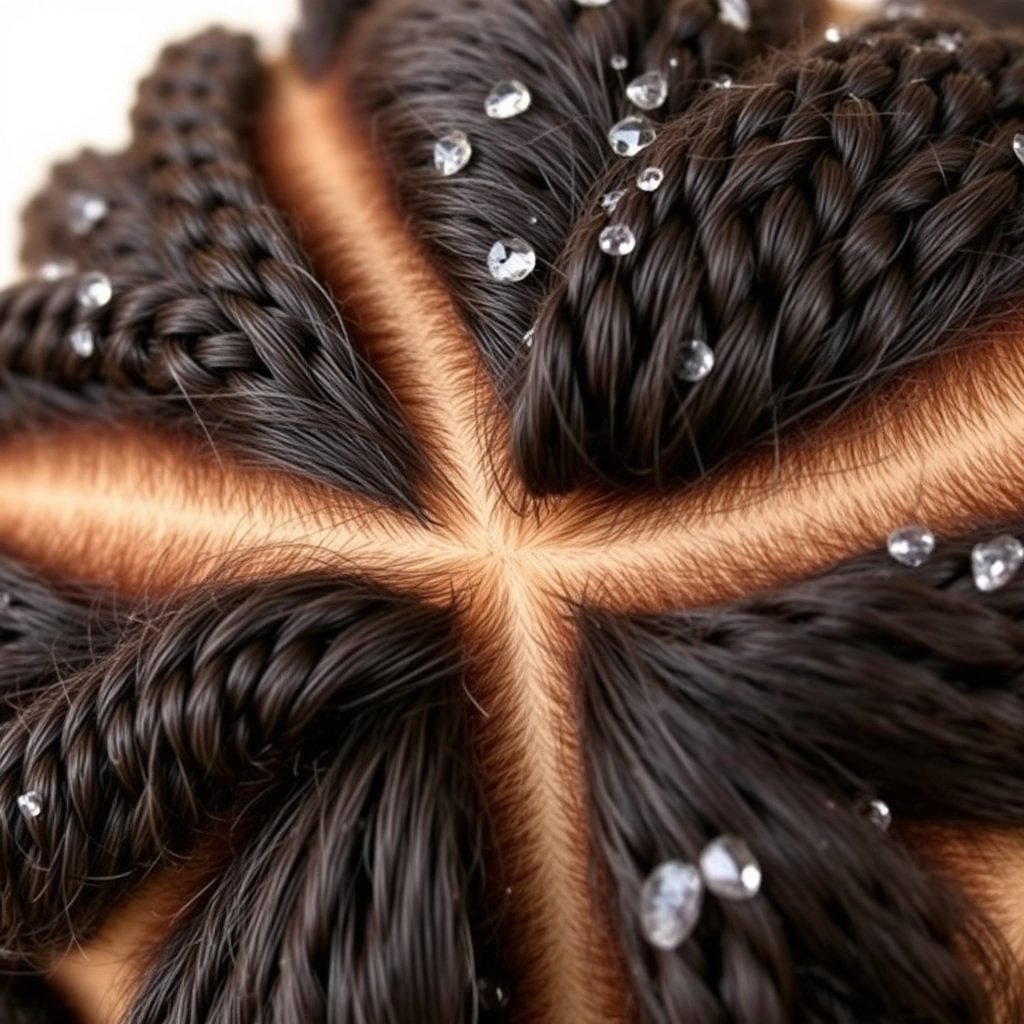
Sectioning is crucial for an even and tidy look. Divide hair into small, uniform squares or rectangles depending on desired loc size. Use clips or hair ties to hold sections apart as you work through them one at a time.
The consistent size of sections helps ensure that all locs mature evenly and reduces frizz during the twisting and locking phases. Smaller sections typically produce thinner locs that mature quicker, while larger sections create thicker, chunkier locs.
- Part hair with wide-tooth comb
- Use clips to separate sections
- Adjust section size based on preferred loc thickness
Executing the Two Strand Twists Technique
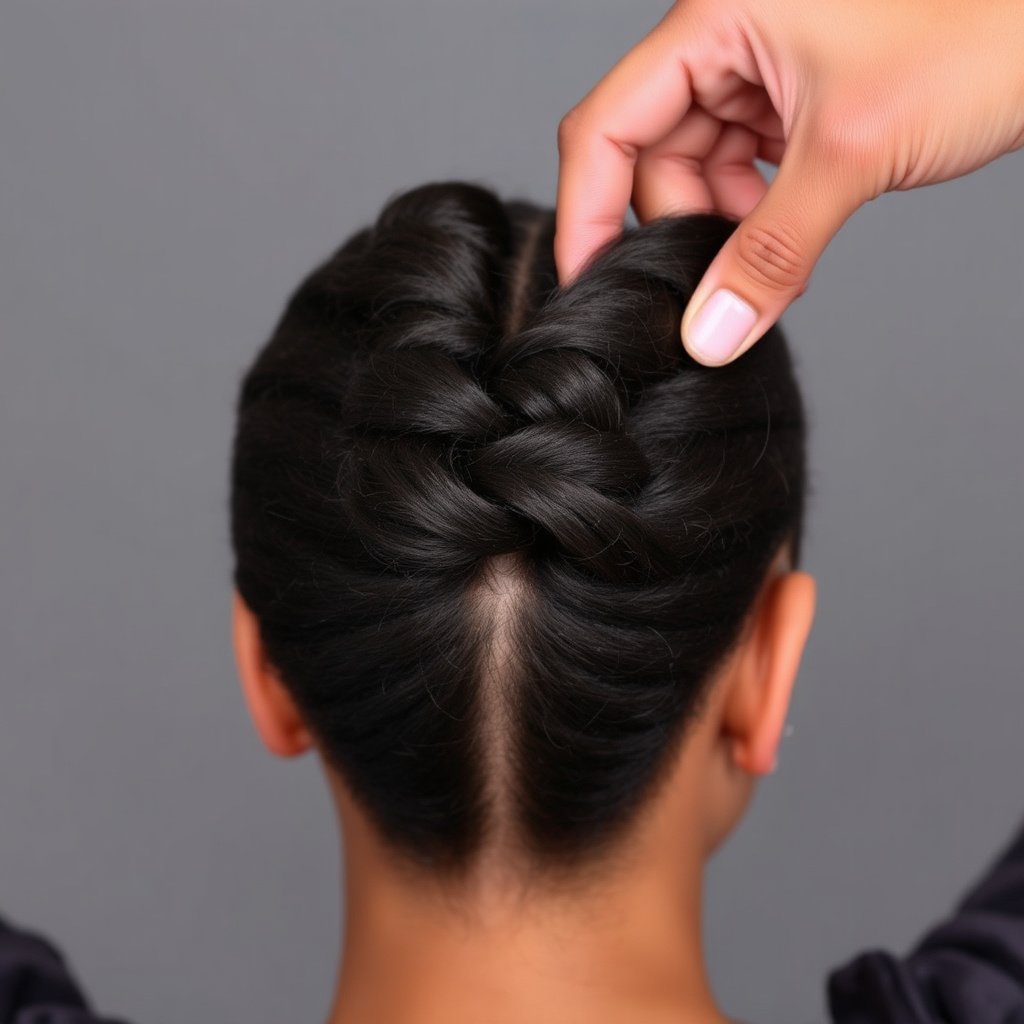
Correct Twisting Method
Begin by taking two strands from a section, then twist them around each other tightly from root to tip. Regular twisting direction matters; alternating or consistent direction can affect the locking pattern.
Twist tension should be firm enough to avoid unraveling but not overly tight to prevent scalp discomfort or hair breakage. Properly twisted strands help the locs to mature neatly and uniformly over time.
- Twist firmly but gently
- Maintain consistent twisting direction
- Start at the roots for secure twists
Securing and Finishing the Twists
Once the twist is complete, some prefer to band the ends gently or tuck the tips to keep them intact while locks begin forming. This step prevents loose ends from unraveling early during the initial weeks.
Allow the twists to dry completely if any product or moisture was applied; damp twists can lock unevenly or develop mildew. Overnight, consider covering hair with a satin scarf or bonnet to reduce friction.
- Use small bands or tuck ends
- Dry twists thoroughly
- Protect twists with satin coverings at night
Maintaining Two Strand Twist Locs
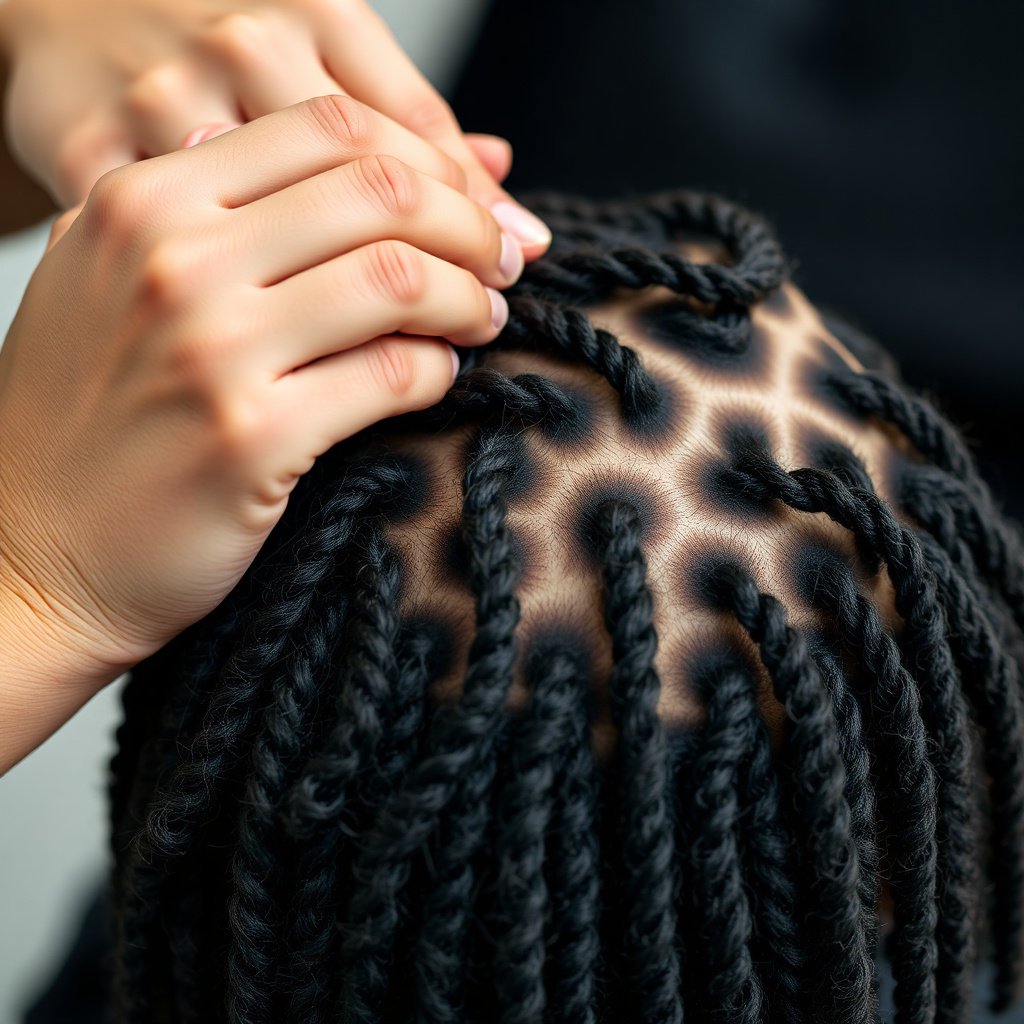
Daily and Weekly Care
Moisturizing locs regularly preserves hair health. Light oils or water-based sprays help prevent dryness without causing buildup. Avoid heavy products that can weigh down twists and delay locking.
Use a satin or silk pillowcase or bonnet to maintain moisture and protect locs during sleep. Wash twists every 1-2 weeks using gentle cleansing methods to keep scalp and hair clean without loosening twists excessively.
- Apply light oils or sprays
- Use satin or silk protection
- Wash gently every 1-2 weeks
For more on this, see our related guide: Distressed Locs Guide: What to Know Before You Buy.
Retwisting and Loc Progression
Retwisting is usually done once new growth appears, typically every 4-6 weeks depending on hair texture and growth rate. This helps keep the locs tidy and supports uniform maturation.
Be cautious not to over-tighten during retwisting to avoid tension damage. Over time, the two strand twists will naturally mat into locs, requiring minimal manual intervention beyond occasional maintenance.
- Retwist every 4-6 weeks
- Avoid over-tightening
- Allow natural matting process
Common Challenges and Solutions with Two Strand Twist Locs
Managing Frizz and Unraveling
Frizz can appear as new growth emerges or due to moisture loss. Keeping locs moisturized and protected with satin coverings helps reduce frizz. Light gels designed for natural hair may be applied sparingly to control edges.
If twists start unraveling, ensure that twists are firm enough initially and consider using small bands at the ends. Avoid excessive manipulation or washing, which can loosen the twists prematurely.
- Moisturize and use satin protection
- Apply light natural gels if needed
- Secure twist ends to prevent unraveling
Handling Scalp Issues
Scalp dryness or itchiness is common during the early loc phase. Regular scalp moisturizing with light oils like jojoba or tea tree oil, and gentle scalp massages, can relieve discomfort.
Avoid heavy products that clog follicles, and keep scalp clean to prevent buildup. If irritation persists, consult a dermatologist for suitable scalp treatments.
- Use light oils for scalp hydration
- Massage scalp regularly
- Avoid heavy, clogging products
Styling and Evolving Your Two Strand Twist Locs
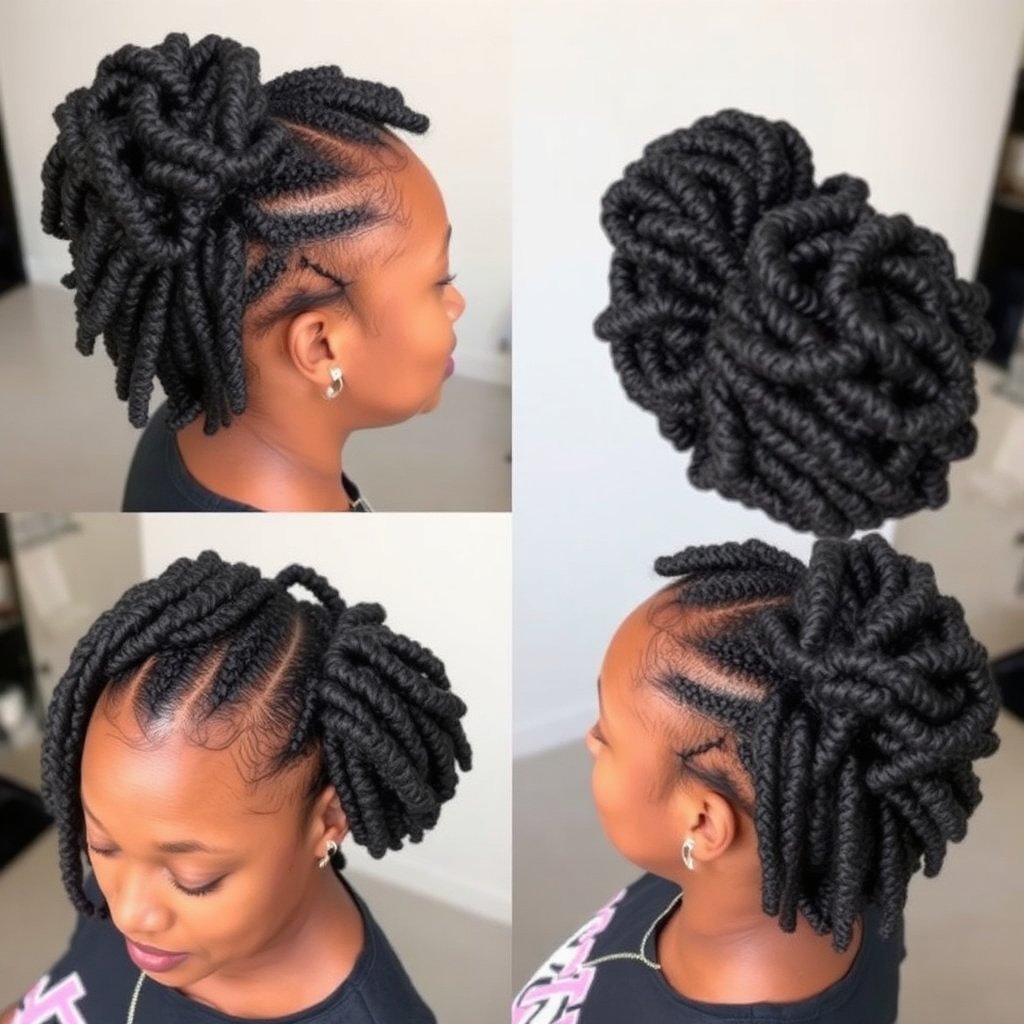
Versatile Styles for Early Locs
Early stage two strand twist locs can be styled into updos, half-up styles, or left to hang naturally. Accessories like beads or wraps add personal flair without stressing the twists.
Gentle manipulation allows for creative styling while maintaining twist integrity. Avoid tight hairstyles that strain the roots during the locking process.
- Use gentle updos and half styles
- Add beads or wraps carefully
- Avoid tight hairstyles
For more on this, see our related guide: Your Guide to 30 Braiding Hair: Choosing With Confidence.
Transitioning to Mature Locs
As locs mature, they become firmer and less prone to unraveling, allowing more styling options including braids, buns, and twists combined with other techniques.
Regular trimming of loose hairs and maintenance retwisting keep locs looking neat. Patience during this phase is key to developing healthy, durable locs.
- Explore varied styles as locs mature
- Maintain neatness through trims and retwists
- Exercise patience during locking period
Products Suitable for Two Strand Twist Locs
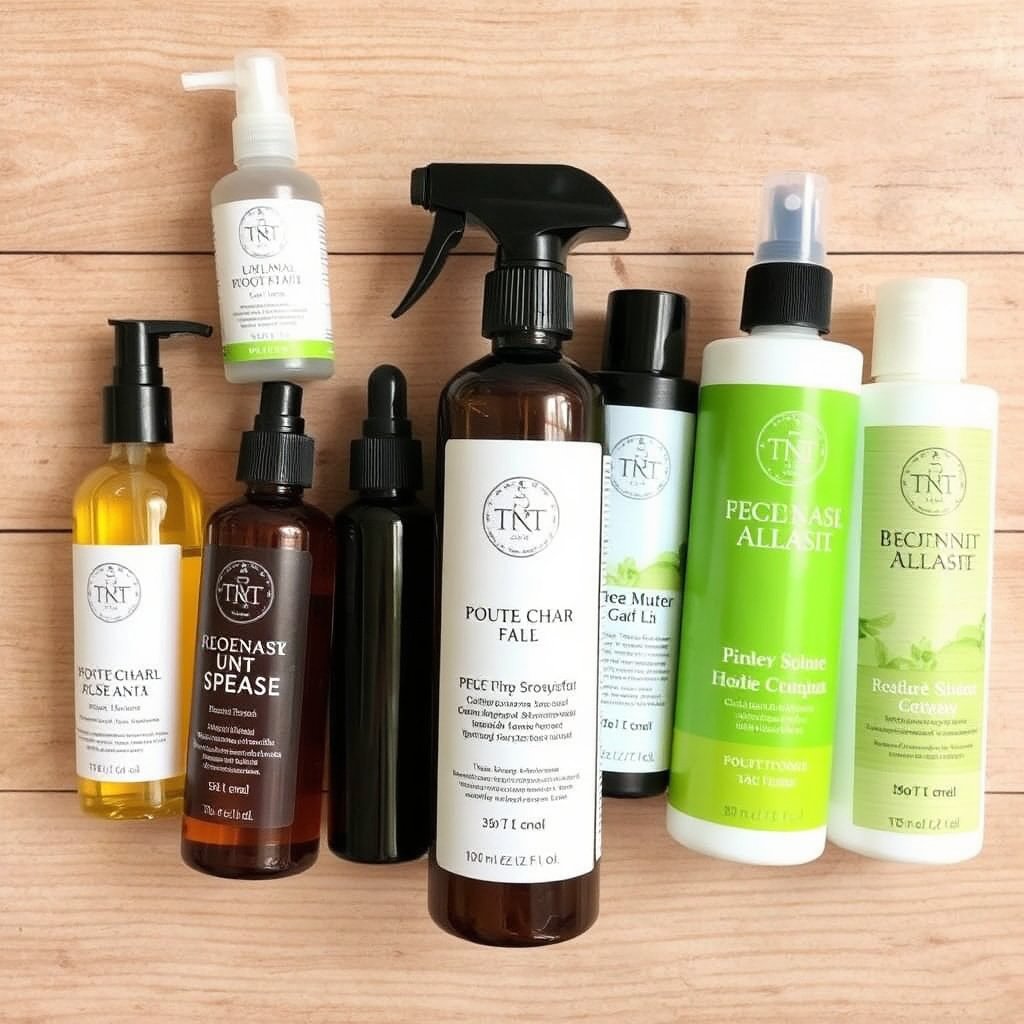
Recommended Moisturizers and Oils
Products like jojoba oil, argan oil, and light aloe vera spray are excellent for maintaining moisture without buildup. These help keep two strand twists supple and reduce flaking or dryness over time.
Avoid heavy petroleum-based products or thick creams that can cause residue and slow the locking process. Focus on natural, breathable formulations suited for textured hair.
- Use jojoba and argan oils
- Apply aloe vera sprays
- Avoid petroleum-based products
For more historical and cultural insight on locs, consider this two strand twist locs overview. Two strand twist locs overview.
Cleansers and Styling Aids
Gentle, sulfate-free shampoos keep the scalp clean and aid healthy loc formation. Styling gels with natural ingredients may be used sparingly for edge control without interfering with locking.
Residue-free formula shampoos prevent buildup, which is critical during the first few months of two strand twist locs when the hair is transitioning to locks.
- Choose sulfate-free shampoos
- Use natural styling gels sparingly
- Prioritize residue-free cleansers
Comparison of Loc Starting Methods
Here's a breakdown of popular loc starting techniques to help decide if two strand twists suit your needs.
| Method | Time to Mature | Maintenance Level | Suitability for Hair Types | Styling Flexibility |
|---|---|---|---|---|
| Two Strand Twists | 6-12 months | Moderate | Best for textured and coily hair | High in early stages |
| Comb Coils | 6-9 months | High | Fine to medium-textured hair | Moderate |
| Interlocking | 12-18 months | Low to moderate | All hair types, especially thick | Low during early locking |
| Freeform Locs | 18+ months | Low | All hair types | Low to moderate |
| Braids into Locs | 9-12 months | Moderate | Best for thicker hair | High |
| Palm Rolling | 12-18 months | High | Best for tight curls | Moderate |
Frequently Asked Questions
Can I start locs with two strand twists on relaxed hair?
Yes, two strand twists can be used on relaxed hair, but the process might take longer and require more careful maintenance to prevent breakage since relaxed hair is more fragile.
How often should I wash two strand twist locs when starting?
Washing every 1 to 2 weeks is generally recommended to keep the scalp clean without loosening twists excessively during the initial locking phase.
Will two strand twist locs unravel easily?
If twisted tightly and secured properly, two strand twist locs hold well but may unravel if overly manipulated or washed too frequently in the early phase.
Do I need special products for maintaining two strand twist locs?
Yes, lightweight, natural oils and residue-free shampoos are best to maintain moisture and cleanliness without buildup that can hinder the locking process.
How long does it take for two strand twists to mature into full locs?
Typically, two strand twist locs take between 6 to 12 months to mature, depending on hair texture, maintenance routine, and overall health.
Key Takeaways
- Two strand twists create neat, manageable locs suitable for textured hair.
- Proper sectioning and twisting techniques ensure uniform loc growth.
- Lightweight, residue-free products help maintain and moisturize locs.
- Patience and gentle maintenance are essential during the locking process.
Conclusion
Choosing how to start locs is a personal decision shaped by hair type, lifestyle, and desired look. Using the two strand twists method provides a balance of control and style, allowing individuals with textured hair to cultivate well-defined locs. The technique’s moderate maintenance routine and versatility in styling make it appealing for many beginning their natural hair journey.
For those aiming for neat, uniform locs, two strand twists offer an accessible starting point. They are especially beneficial for maintaining manageable hair during the challenging early months of loc development. Individuals with coily or curly hair will find this method aligns well with their natural texture. Conversely, those with straighter hair may need to consider alternative methods or additional retwisting for secure loc formation.
The next step involves committing to a consistent care routine featuring gentle washing and moisturizing with the best hair care for two strand twists. Covering locs at night and avoiding excessive manipulation ensures healthier growth. By following these practices, anyone can successfully launch their natural loc journey with confidence and style.