How to Interlock Locs: A Step-by-Step Guide for Strong, Neat Locs
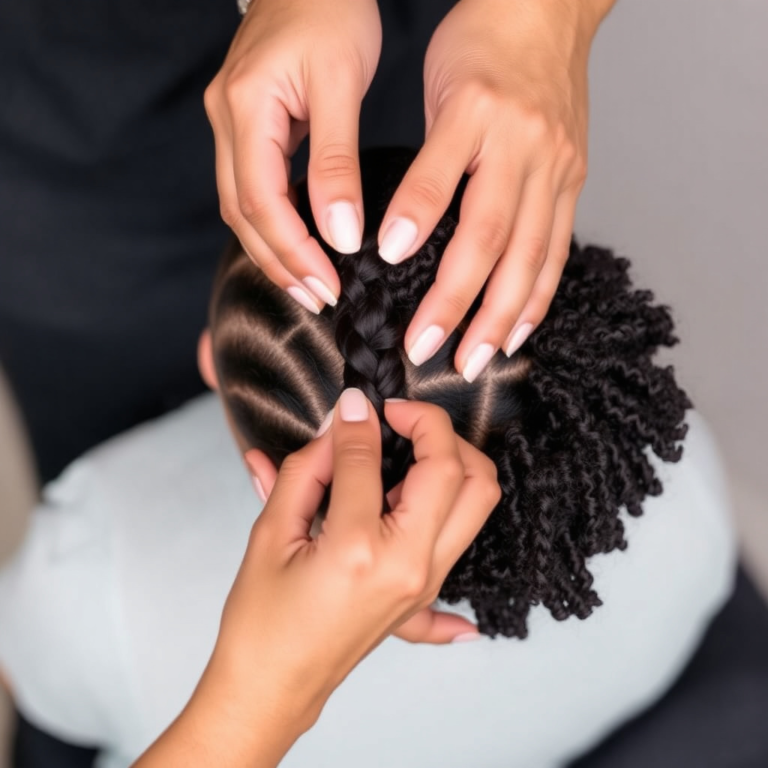
Interlocking locs is a method used to maintain and tighten dreadlocks by threading the ends of each loc through the root, preventing unraveling and promoting a neat appearance. It involves pulling the new growth through the base of the loc with a special tool or by hand, which helps lock the hair tighter without causing breakage. This method is popular because it is effective in keeping locs tight and can be done at home with some practice or professionally for best results.
Maintaining your locs with interlocking is important because it reduces the risk of thinning or breakage at the roots, which can occur with other maintenance methods like twisting. It also helps locs grow uniformly and keeps them looking tidy and well-formed. Proper interlocking can extend the longevity of the style and requires less frequent salon visits, providing a low-maintenance approach to maintaining dreadlocks.
This article will cover how to interlock locs, including necessary tools, various techniques, timing for maintenance, and tips to avoid common problems such as scalp irritation and loc damage. Whether you’re just starting locs or have established dreadlocks, understanding interlocking can help you preserve the quality and appearance of your locs.
Understanding the Basics of How to Interlock Locs
What is Loc Interlocking?
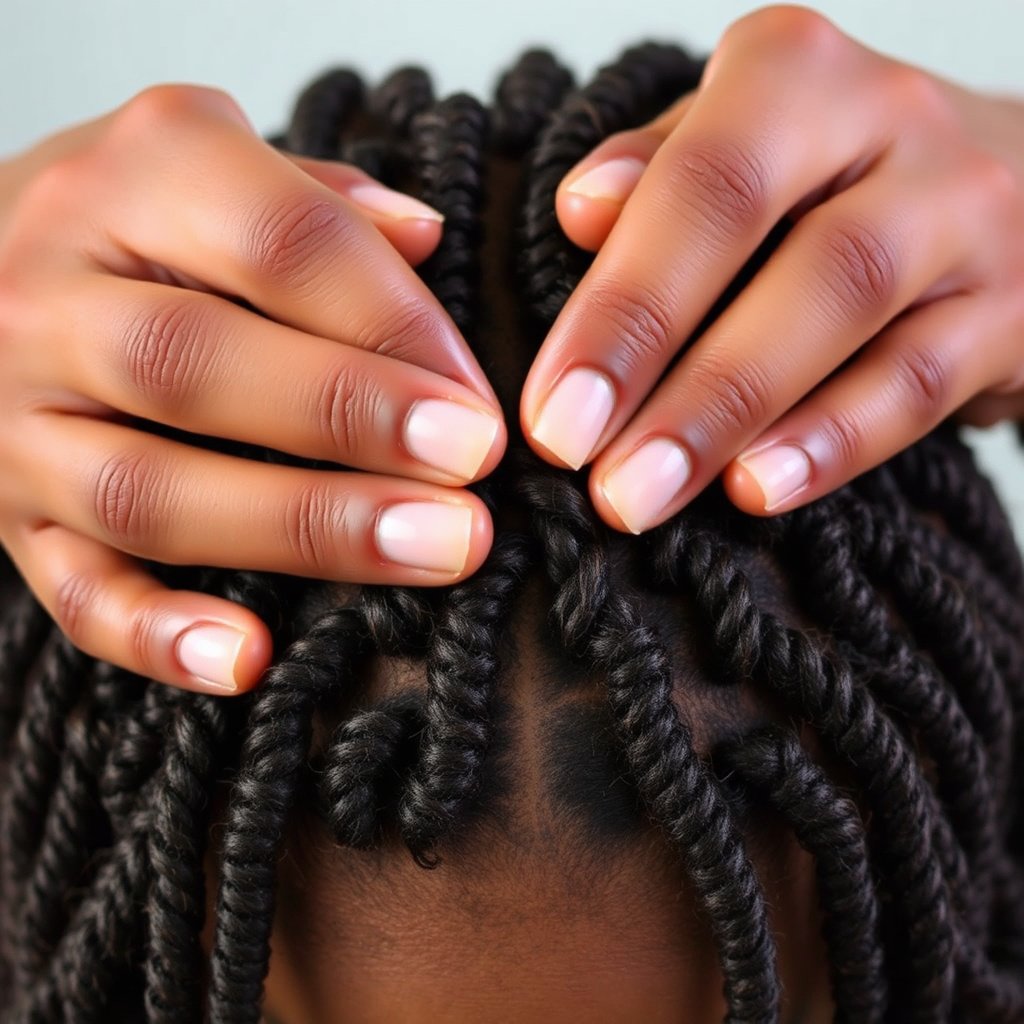
Loc interlocking is a maintenance technique where the new hair growth at the base of a loc is pulled back through the root to secure the lock tightly. This method helps to secure the roots and prevents the locs from loosening or unraveling over time, which is especially helpful for those with very tight or coarse hair textures.
This process contrasts with traditional twisting methods by creating a strong, locked base that supports the loc’s structure. It is valued for producing a neat, long-lasting finish without extensive manipulation. Interlocking is particularly beneficial for people who want minimal daily manipulation but still require a tidy appearance.
Benefits of Interlocking Your Locs
Interlocking preserves the integrity of the locs by reducing the risk of breakage and thinning at the roots, issues that can arise from other maintenance styles like retwisting. It offers a secure hold that lasts longer between maintenance sessions, making it convenient for those with busy lifestyles or who want to limit salon visits.
Another benefit is that interlocking works well with all hair types and loc sizes, helping maintain uniform thickness and shape. It also assists in locking new growth quickly, encouraging healthier loc development over time.
- Reduces breakage and thinning
- Long-lasting hold for roots
- Works for all hair textures
- Promotes uniform loc thickness
Tools and Materials Needed for Interlocking Locs
Essential Tools for Loc Interlocking
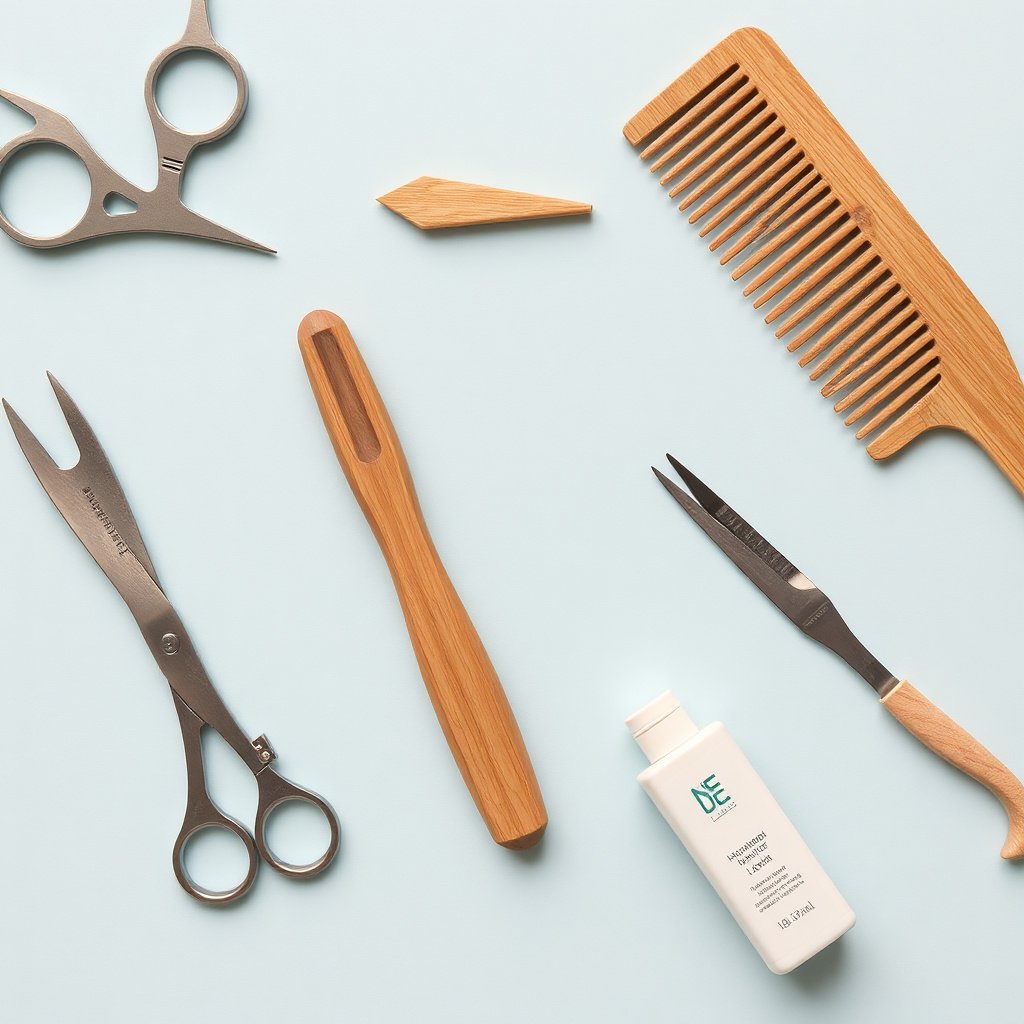
The core tool for interlocking locs is a latch hook or a specialized interlocking tool, which helps pull the end of the loc through the root. Some people also use crochet hooks to tighten loosening locs. Having a comb to part the locs neatly and a mirror to inspect your work is very helpful.
Using these tools correctly ensures the process is smooth and less damaging. It’s important the tools are clean to prevent scalp irritation or infections.
- Latch hook or interlocking tool
- Comb for parting
- Mirror for visibility
- Moisturizer or hair oil
Recommended Products to Maintain Loc Health
Keeping your scalp moisturized during interlocking is key to prevent dryness and itchiness. Light natural oils such as jojoba, coconut, or castor oil are excellent choices to nourish the scalp and loc hair without buildup. Avoid heavy products that may attract lint or residue.
Additionally, residue-free shampoo designed for locs will help keep your hair clean between interlocking sessions, complementing the secondary_keyword by maintaining the overall neatness and health of your locs.
- Jojoba or castor oil for scalp hydration
- Residue-free shampoo
- Light leave-in conditioner
Step-by-Step Techniques on How to Interlock Locs
Basic Interlocking Method
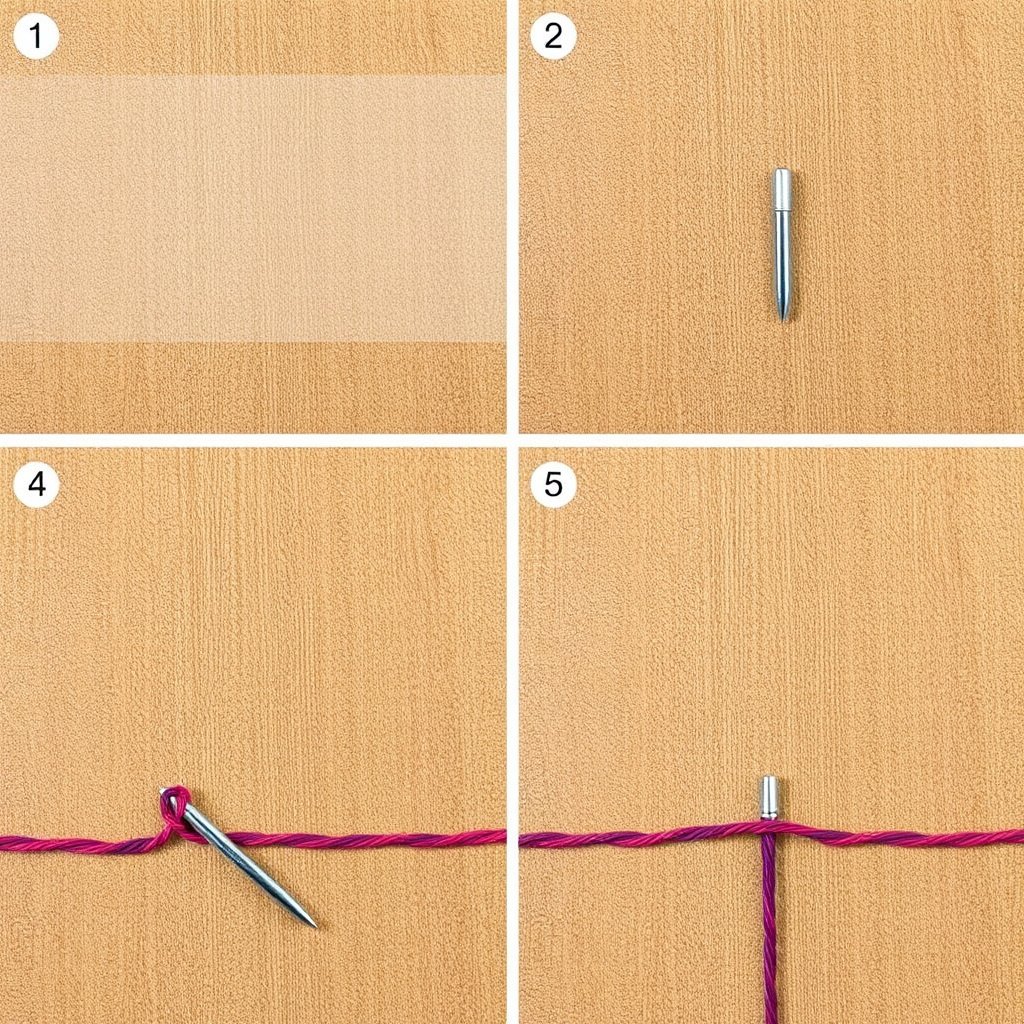
Start by parting the new hair growth at the base of a loc and insert the latch hook tool underneath the root. Hook the end of the loc and gently pull it back through the root section. This action tightens the loc’s root by drawing the loose hair back into the locked base.
Repeat this process for each loc, ensuring uniform tension to avoid discomfort or damage. Using moderate pressure will tighten the loc securely without straining your scalp.
For more on this, see our related guide: Distressed Locs Guide: What to Know Before You Buy.
Advanced Interlocking Styles
For thicker or retightened locs, you can use the crochet method, which involves pulling loose hairs through the loc’s body to secure and tidy the lock further. Some stylists combine interlocking with palm rolling or twisting to shape the locs precisely.
These advanced methods require experience and skill to avoid excessive manipulation. It’s often recommended to consult a professional for complex interlocking styles, especially if your locs are large or very mature.
Timing and Frequency for Interlocking Locs

How Often Should You Interlock Your Locs?
Most people interlock their locs approximately every 4 to 6 weeks, depending on hair growth rate and loc maturity. Overdoing interlocking sessions can stress the scalp and hair, so spacing sessions adequately is important to let hair grow naturally without excess tension.
New locs might require more frequent attention initially, while mature locs often need less frequent maintenance. Observing how your scalp and locs respond will help you find the right schedule.
Signs You Need to Interlock Your Locs
Locs that appear loose at the roots, have noticeable new growth separate from the lock, or feel particularly soft around the base usually need interlocking. If you notice frizz or unraveling, it is a signal that maintenance is needed to keep locs healthy and intact.
Waiting too long to interlock may allow hair to loosen excessively, making the process harder and risking damage.
Common Mistakes and How to Avoid Them When Interlocking Locs
Avoiding Hair Breakage and Scalp Damage
Using too much force when pulling the loc through the root can cause hair breakage or scalp irritation. It’s important to be gentle and use the right tool size for your loc thickness. Over-tightening can also lead to traction alopecia over time.
Take breaks if your scalp feels sore during the process, and avoid interlocking wet hair to prevent weakening the strands.
- Use gentle tension
- Choose correct tool size
- Avoid interlocking on wet hair
For more on this, see our related guide: Soft Locs: A Complete Buying Guide.
Preventing Lint and Buildup
Residue from heavy creams or oils can cause lint and buildup at the roots, making interlocking harder and potentially harming loc health. Stick to light, residue-free products. Regular cleansing with a residue-free shampoo helps minimize this issue.
Cover your locs at night with a silk or satin scarf to reduce lint and keep locs clean between interlocking sessions.
- Use residue-free products
- Cleanse locs regularly
- Cover locs during sleep
Caring for Your Locs After Interlocking
Moisturizing and Scalp Care
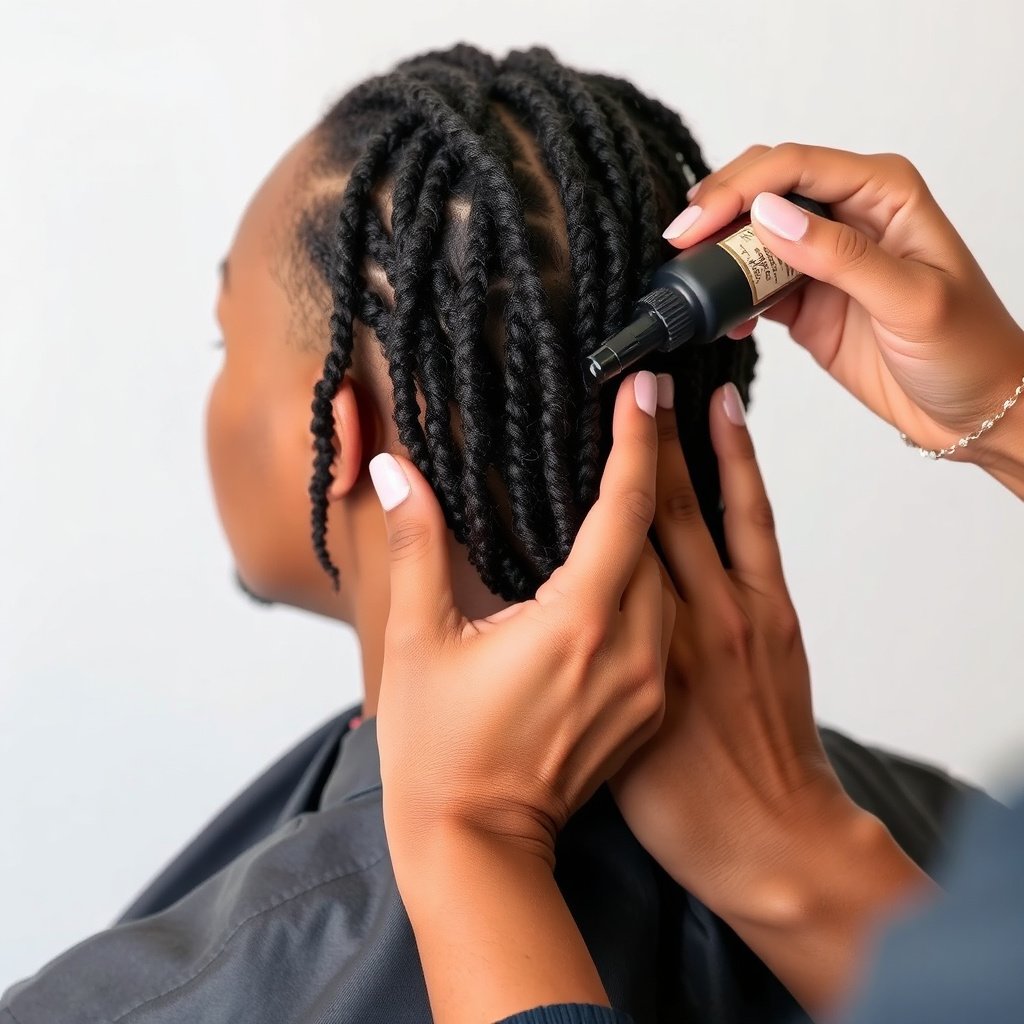
Locs can feel dry after interlocking sessions due to the tension on roots. Applying light oils like jojoba or castor oil helps soothe the scalp and prevent dryness. Avoid heavy products that may weigh locs down or attract debris.
Regular scalp massages improve circulation and promote growth, so incorporating this into your aftercare routine helps maintain loc health after interlocking.
You can find more detailed information on dreadlocks maintenance, including interlocking, in the comprehensive dreadlocks article on Wikipedia. Dreadlocks maintenance on Wikipedia.
Protecting Locs Between Maintenance Sessions
Use satin or silk scarves or pillowcases to prevent frizz and lint build-up during sleep. Avoid over-manipulating your locs daily to preserve the neat structure created during interlocking.
If possible, limit frequent washing immediately after interlocking to allow the locs to settle properly, but maintain regular, gentle cleaning to avoid buildup.
- Cover locs overnight
- Limit daily manipulation
- Wash gently and regularly
Interlocking Locs Methods Comparison
Here’s a comparison of popular interlocking methods to help you decide which suits your loc type and maintenance preferences best.
| Method | Best For | Ease of Use | Maintenance Frequency | Potential Damage Risk |
|---|---|---|---|---|
| Latch Hook Tool | All loc sizes | Easy | 4-6 weeks | Low |
| Crochet Interlocking | Mature, thick locs | Moderate | 6-8 weeks | Moderate if overused |
| Hand Method | Small to medium locs | Challenging | 3-4 weeks | Moderate |
| Palm Rolling with Interlock | Loose or new locs | Moderate | 3-5 weeks | Low |
Frequently Asked Questions
Can I interlock my locs at home?
Yes, with practice and the right tools like a latch hook, you can interlock your locs at home. Beginners should start slowly and may watch tutorials to avoid damage.
How soon after washing can I interlock locs?
It’s best to interlock locs when they are dry or only slightly damp. Wet hair is weaker and more prone to breakage during interlocking.
Does interlocking hurt the scalp?
If done gently and correctly, interlocking should not hurt. Excessive tension or pulling can cause discomfort or scalp issues.
Is interlocking better than retwisting locs?
Interlocking often causes less breakage than retwisting and keeps the locs neater longer, making it a preferred choice for many people.
Can interlocking cause thinning locs?
Improper interlocking technique, such as over-tightening or too frequent maintenance, can lead to thinning and breakage. Proper spacing and gentle handling prevent this.
Key Takeaways
- Interlocking tightly secures new growth and prevents loc unraveling.
- Use appropriate tools like latch hooks and light moisturizing products.
- Space interlocking sessions 4-6 weeks apart to protect scalp health.
- Avoid excessive tension to prevent hair breakage and thinning.
Conclusion
Choosing how to interlock locs effectively depends on your hair texture, loc size, and comfort with tools. This method offers a reliable way to keep locs neat with less risk of root damage compared to other styles. Prioritizing gentle tension and hygiene during interlocking helps maintain healthy, strong locs over time, promoting even growth and preventing breakage or scalp issues.
For those with smaller or newer locs, the latch hook method is an accessible and efficient approach that balances ease and precision. More mature or thicker locs can benefit from crochet interlocking, which extends maintenance intervals but requires careful skill to avoid hair stress. Incorporating appropriate aftercare practices, such as moisturizing and protecting locs overnight with silk scarves, complements the mechanical tightening process, ensuring locs remain nourished and neat between sessions.
Begin your interlocking journey by gathering the best tools for interlocking locs and practicing basic techniques on a small section. If uncertain, consulting a professional stylist can provide personalized guidance. Maintaining patience and gentleness throughout your routine is essential; with consistent care, interlocking will help you enjoy healthy, well-defined locs that last.