How to Make Crochet Braids Last Longer: Proven Tips and Techniques
To make crochet braids last longer, proper preparation, maintenance, and gentle handling are key. Starting with clean hair and using quality hair extensions can prevent premature wear. Regular moisturizing and protecting your scalp at night dramatically extend the life of your crochet braids.
Crochet braids provide a versatile, low-maintenance protective style, but without consistent care, they can become frizzy, tangled, or cause scalp irritation. Knowing how to properly wash, moisturize, and protect your crochet braids helps maintain their neat appearance and your natural hair’s health underneath.
This article covers the entire process—from hair preparation before installation to detailed aftercare routines and product recommendations—that will help you maximize the longevity of your crochet braids while keeping your scalp comfortable and your hair looking fresh.
Preparing Your Hair Before Installing Crochet Braids
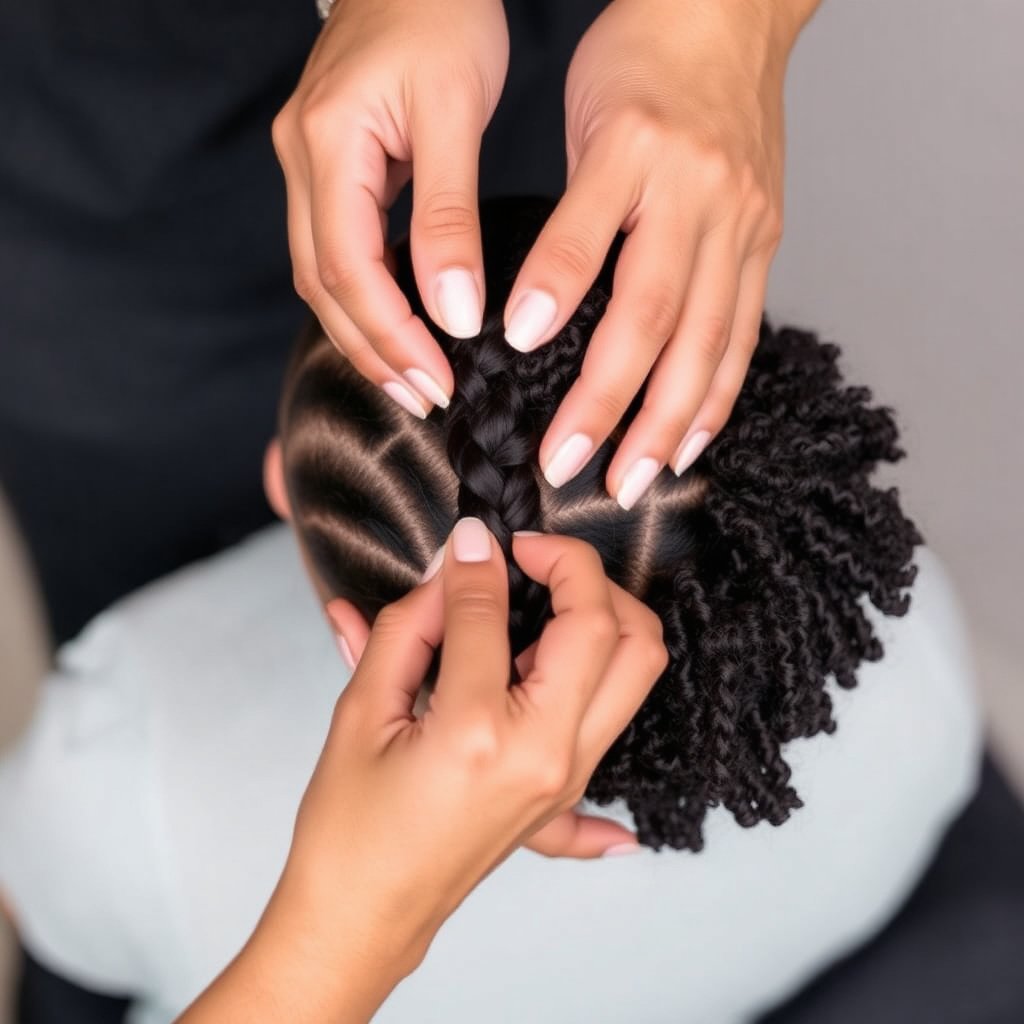
Washing and Conditioning for a Clean Base
Clean hair acts as the foundation for long-lasting crochet braids. Washing and deeply conditioning your hair beforehand removes dirt, oils, and buildup, preventing scalp irritation and prolonging the look of your braids.
Use a sulfate-free shampoo to avoid overdrying your strands, followed by a hydrating conditioner to keep the hair supple. Dry the hair thoroughly or let it air dry to prevent mildew under the braids.
- Use moisturizing shampoo and conditioner
- Avoid heavy product buildup
- Completely dry hair before braiding
Braiding Techniques to Increase Durability
Tighter, consistent braids create a sturdy base for crochet hair. Cornrows or box braids with uniform tension prevent gaps, reducing the risk of slippage and unraveling.
Leave scalp space to avoid excessive tension that leads to breakage. Using smaller or medium-sized braid sections tends to hold crochet hair more firmly than very large braids.
- Choose appropriate braid size
- Maintain even braid tension
- Leave some scalp breathing room
Choosing Quality Crochet Hair for Longevity
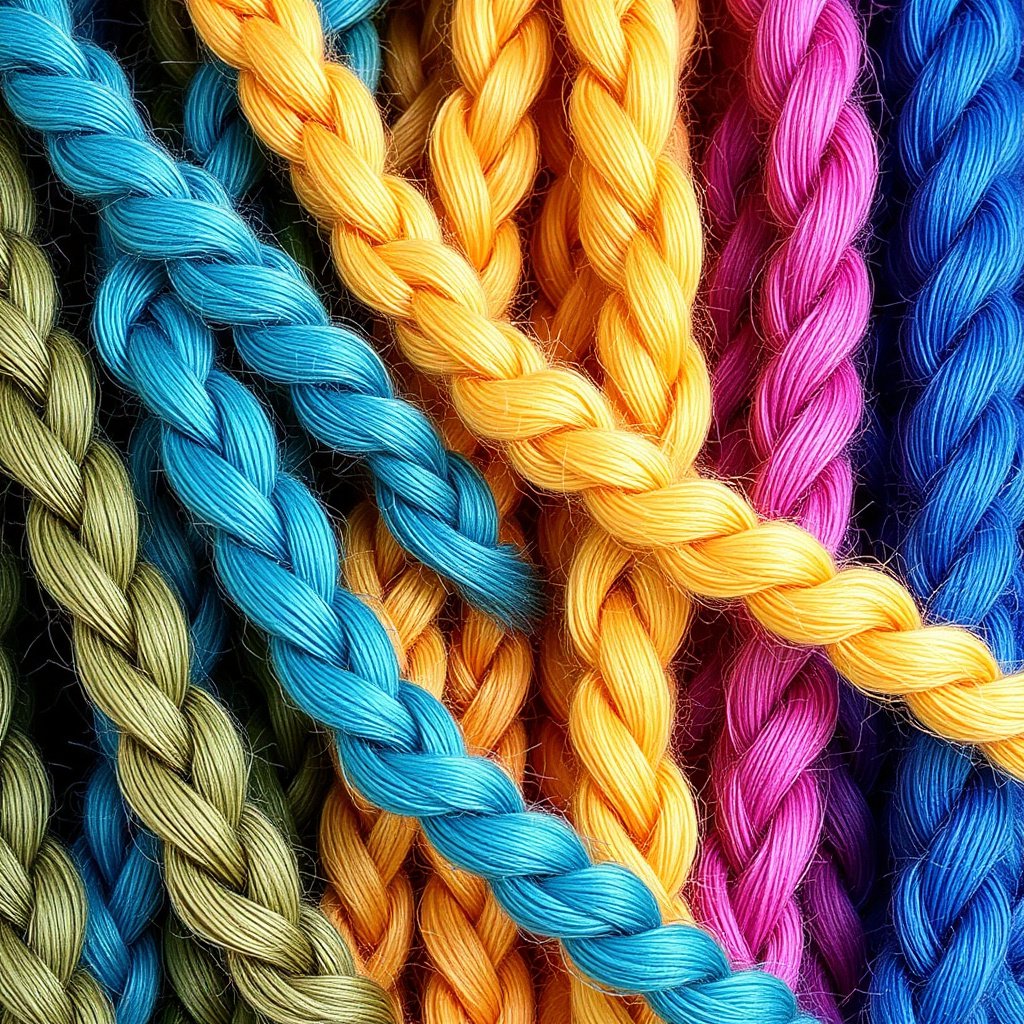
Synthetic vs. Human Hair: Pros and Cons
Synthetic crochet hair is affordable and keeps its style longer, but it can tangle and frizz more easily. Human hair offers a natural look with more styling options but requires greater maintenance and is pricier.
Selecting good-quality synthetic fibers like Kanekalon results in longer-lasting crochet braids that resist tangling and look smoother over time.
- Kanekalon fibers resist heat and frizz
- Human hair blends offer realism but need care
- Avoid low-quality synthetic hair for longer wear
For more on this, see our related guide: Crochet Braids vs. Sew in: Which Is Better?.
Pre-Stretching and Conditioning Extensions
Pre-stretching synthetic crochet hair prevents excessive tangling and helps it lay smoother. Conditioning human hair extensions before installation ensures softness and reduces shedding.
Using a light leave-in conditioner or detangler spray can make managing the hair easier throughout the style's duration.
- Pre-stretch synthetic hair by hand or heat
- Apply light conditioner on human hair
- Avoid heavy products that weigh hair down
Proper Maintenance Routine for Crochet Braids
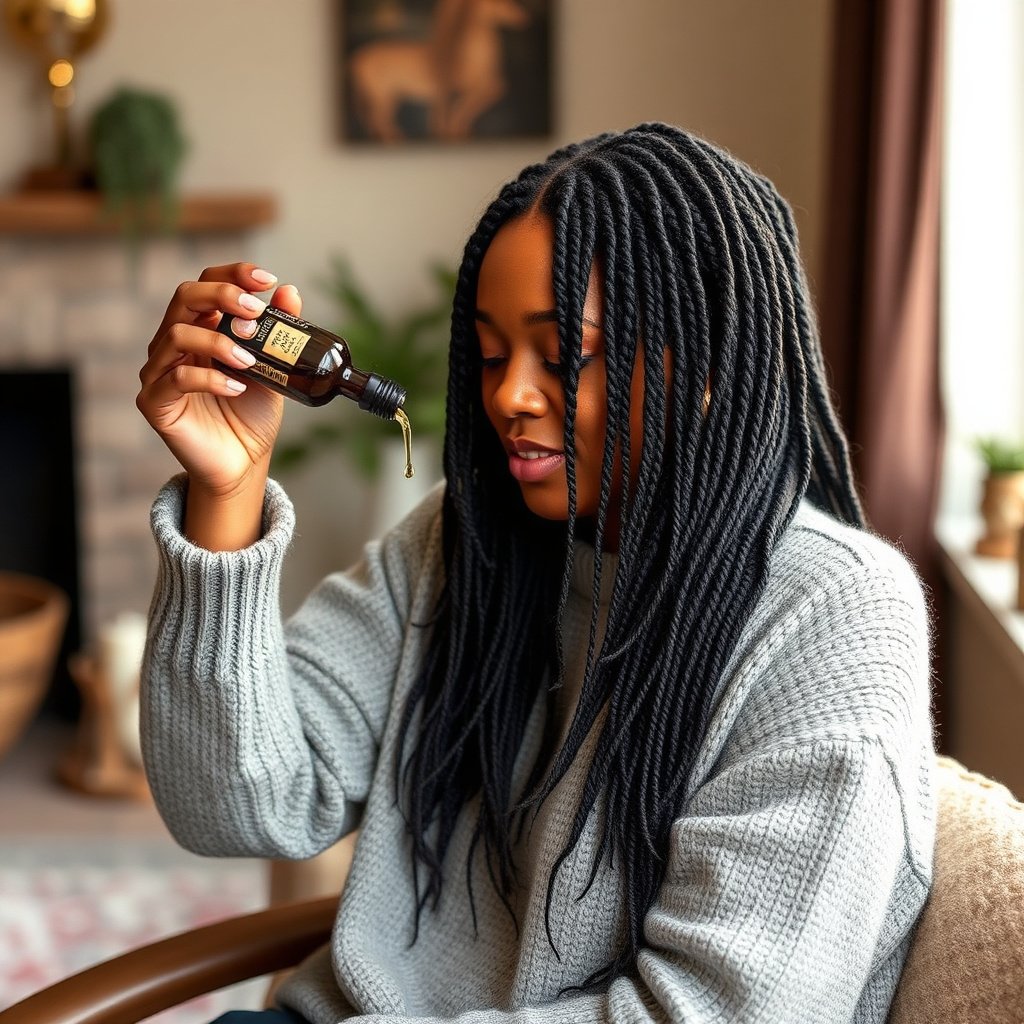
Daily Moisturizing and Scalp Care
Keeping both your scalp and crochet braids moisturized prevents dryness and itching, which can lead to premature style failure. Lightweight oils like jojoba or natural hair sprays can hydrate without buildup.
Gently massage the scalp to stimulate circulation and reduce tension from the braids, promoting healthier hair growth underneath.
- Use light, non-greasy oils
- Avoid heavy creams or butters
- Massage scalp regularly to improve health
Washing Techniques Without Disrupting Braids
Washing crochet braids every one to two weeks prevents product buildup and keeps hair hygienic. Focus shampoo on the scalp and use diluted shampoo solutions applied via spray bottles for gentle cleansing.
After washing, lightly squeeze excess water and apply conditioner to your braids. Air drying or using a hooded dryer at low heat helps maintain the style.
- Dilute shampoo for gentle cleansing
- Avoid scrubbing braids aggressively
- Allow braids to dry thoroughly
Protecting Crochet Braids While Sleeping and Styling
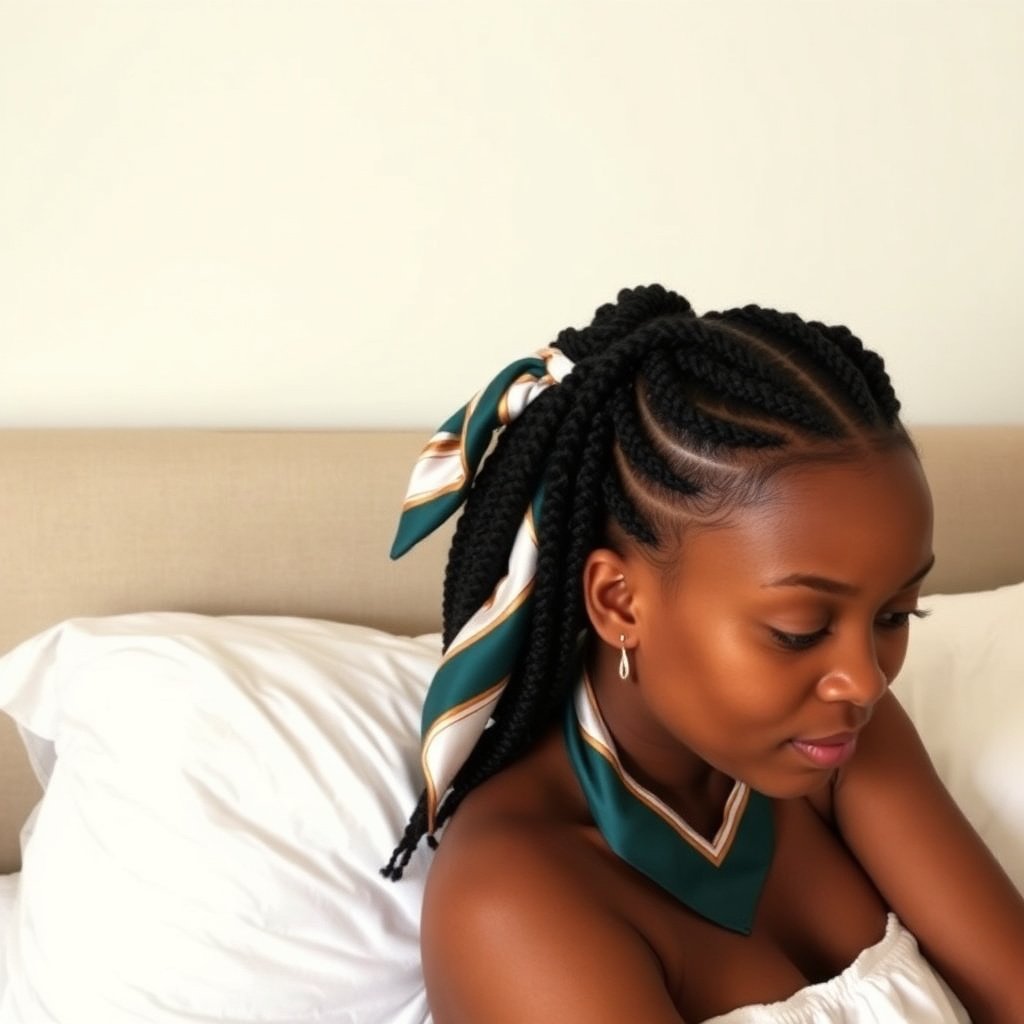
Nighttime Protection Strategies
Wrapping your crochet braids at night with a silk or satin scarf reduces friction that causes frizz and breakage. Sleeping on a silk pillowcase offers an extra layer of protection and helps maintain the braids’ sheen.
Avoid tight head wraps that restrict circulation or cause discomfort.
- Use silk or satin scarf or bonnet
- Switch to silk pillowcases for added care
- Keep headwraps loose yet secure
For more on this, see our related guide: Best Crochet Hair: Top Picks and Buying Tips.
Low-Manipulation Styling Tips
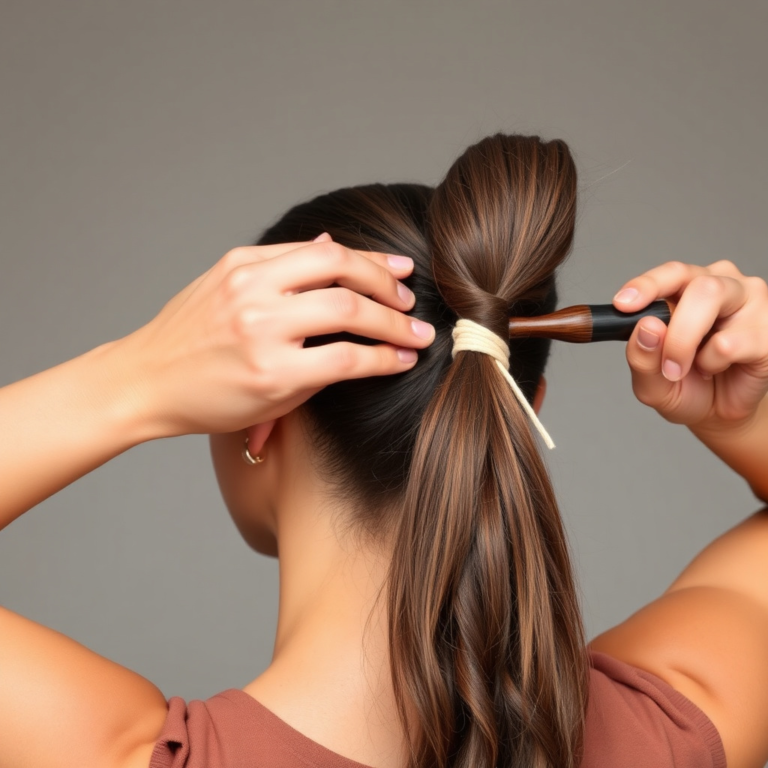
Limiting heavy or frequent styling reduces stress on crochet braids, preserving their neatness and preventing strands from loosening. Styles like loose ponytails or gentle updos work well without tugging.
Use soft hair ties instead of elastic bands to avoid dents and breakage.
- Opt for low-tension hairstyles
- Avoid excessive pulling or tight bands
- Limit heat styling on synthetic crochet hair
Signs It’s Time to Remove or Refresh Crochet Braids
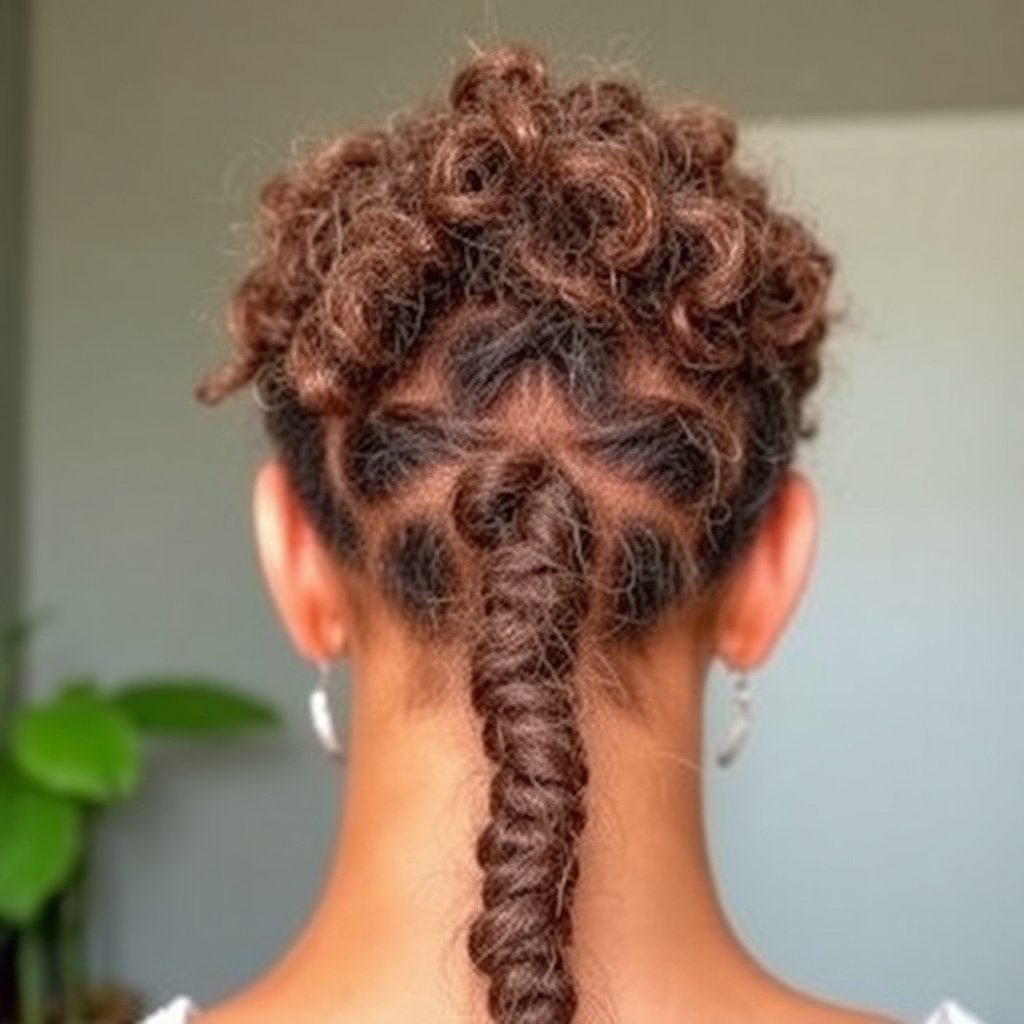
Recognizing Wear and Damage
When crochet braids become excessively frizzy, tangled, or start to loosen significantly, it’s a signal that the style no longer looks fresh and may be damaging your natural hair.
Pay close attention to scalp health, as persistent itching or flaking means a need for removal to prevent irritation or infection.
- Frizz beyond manageable level
- Excessive shedding or tangling
- Scalp discomfort or buildup
For a detailed overview of crochet braids and their history, check out the crochet braids information from Wikipedia. Crochet braids information from Wikipedia.
Safe Removal and Transition Techniques
Careful unbraiding and detangling minimize hair breakage when removing crochet braids. Use gentle detangler sprays and patience to avoid pulling natural hair.
After removal, deep condition and moisturize to revive hair health before considering reinstalling crochet braids.
- Use a detangling spray during removal
- Work slowly section by section
- Deep condition hair post-removal
Comparison of Crochet Braid Hair Types
Here is a handy comparison of popular crochet hair categories to help you decide which suits your longevity needs best.
| Hair Type | Durability | Cost | Maintenance Level | Styling Options |
|---|---|---|---|---|
| Kanekalon Synthetic | High (4-6 weeks) | Low | Low | Limited heat styling |
| Toyokalon Synthetic | Moderate (3-5 weeks) | Medium | Medium | Soft texture, less frizz |
| Human Hair Extensions | Variable (6+ weeks) | High | High | Heat and color adaptable |
| Premium Blended Fibers | High (4-6 weeks) | Medium-High | Medium | Natural look, some heat-safe |
Frequently Asked Questions
How often should I wash crochet braids?
Washing every one to two weeks is ideal to keep the scalp clean without loosening the braids. Use diluted shampoo focusing on the scalp and dry hair completely afterward.
Can I use heat on synthetic crochet braids?
Most synthetic crochet hair is heat-sensitive and can melt or frizz if exposed to high temperatures. Always check fiber type and use heat sparingly on low settings if recommended.
What products help make crochet braids last longer?
Lightweight oils like jojoba, leave-in conditioners, and anti-frizz sprays help maintain moisture and reduce tangling, contributing to longer-lasting crochet braids.
Is sleeping with crochet braids without a scarf harmful?
Sleeping without a protective scarf or bonnet causes friction against pillowcases, leading to frizz, breakage, and loss of braid neatness, which shortens the style’s lifespan.
How long can I keep crochet braids installed?
Crochet braids can typically be worn for 4 to 6 weeks to avoid excessive tangling and hair damage. Keeping a good maintenance routine can help safely extend wear up to this timeframe.
Key Takeaways
- Proper hair prep and tight braiding set the stage for lasting crochet braids
- Choosing quality synthetic or human hair affects durability and care demands
- Regular moisturizing and gentle washing prevent frizz and extend style life
- Protecting braids with satin scarves and low-manipulation styling reduces damage
Conclusion
Making crochet braids last longer hinges on a combination of thorough preparation, wise hair and extension choice, and ongoing care routines. Prioritizing scalp hygiene before installation and maintaining moisture levels with appropriate products supports both the style's visual appeal and hair health beneath. Avoiding excessive tension in braiding and recognizing when to remove or refresh the style protects natural hair from undue stress or breakage, creating a sustainable protective styling rhythm.
For those prioritizing easy upkeep and longevity, synthetic options like Kanekalon provide a good balance of cost and durability, lasting up to six weeks with proper care. Alternatively, human hair extensions offer styling flexibility and natural aesthetics but require gentle handling and higher maintenance. Low-manipulation hairstyles combined with nighttime protection such as satin bonnets help maintain neatness and extend the wear-life of your crochet braids, particularly when paired with regular scalp moisturizing to prevent dryness and itching.
Ultimately, tailoring your routine to your hair’s needs and the type of crochet hair you choose is the best approach. Start by preparing your natural hair thoroughly and selecting quality hair extensions, then follow up with consistent moisturizing, strategic washing, and nighttime protection. These steps safeguard both your braid investment and scalp health, letting you enjoy beautiful, long-lasting crochet braids with confidence.