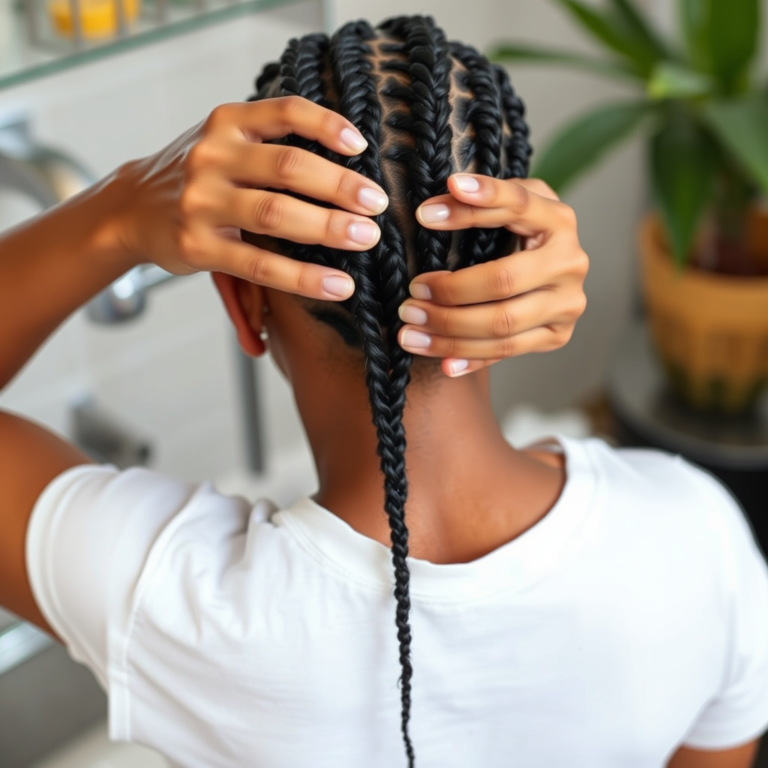
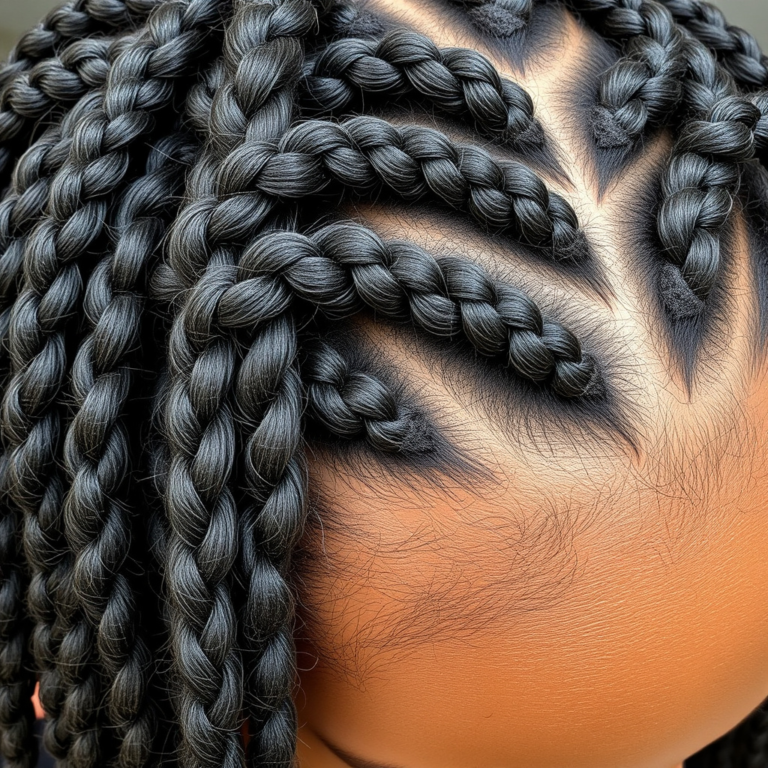
How to Seal Braid Ends: Effective Methods for Long-Lasting Braids
Sealing braid ends is essential to keep them neat, prevent unraveling, and extend the life of your braid hairstyle. The most common ways to seal braid ends include dipping them in hot water, using hair glue or gel, and tying with small elastic bands. Each method helps lock the braid securely in place right after braiding.
Taking care of braid ends matters because unsecured ends can quickly come undone, leading to frizz and a shorter-lasting style. Whether you have synthetic or natural hair braids, proper sealing protects the integrity of the braid, reduces tangling, and maintains a polished appearance over time.
This article will explore different methods for sealing braid ends, explain the pros and cons of each, provide step-by-step guidance, and highlight tools and products that work best. You'll also find a comparison of sealing techniques to choose the best fit for your hair type and braid style.
Methods to Seal Braid Ends
Sealing with Hot Water
Dipping synthetic braid ends into hot water is one of the most popular sealing methods. The heat melts the synthetic fibers slightly, fusing the strands together to lock the ends. This method is quick and effective when using Kanekalon or similar synthetic hair extensions.
When sealing with hot water, be cautious with the temperature to avoid burning the hair or your skin. Use gloves and a deep bowl of hot water just off the boil. Dip the braid ends for a few seconds until the fibers soften and bond securely.
- Works best with synthetic hair
- Avoid direct skin contact with hot water
- Repeat dipping for stronger seals
Using Hair Glue or Gel
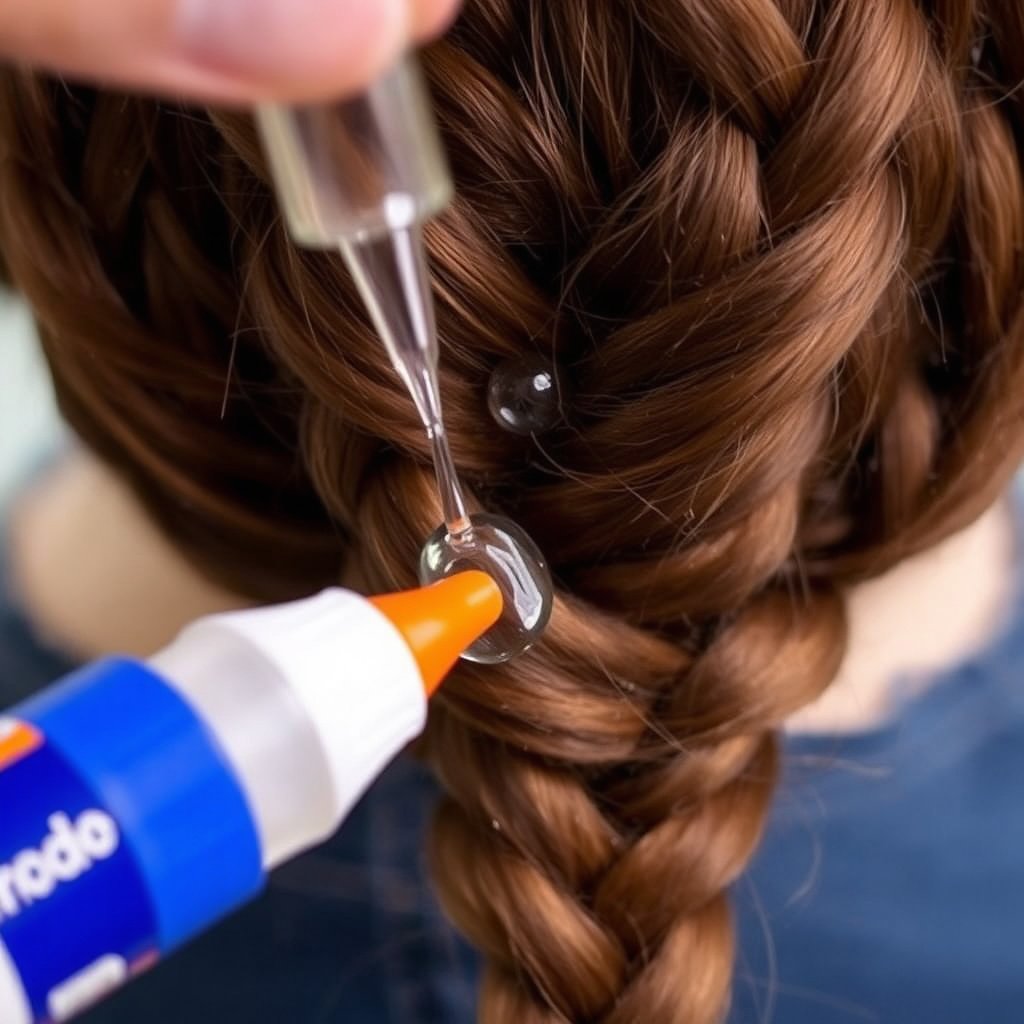
Hair glue specifically designed for braids can seal natural and synthetic braid ends effectively. Applying a small dab stabilizes the strands and prevents unraveling, especially for natural hair where hot water melting isn’t an option.
Gel or edge control products also help hold braid ends by providing a tacky finish. After braiding, apply a thin layer to the ends and allow it to dry naturally. These styling products add a subtle shine while securing loose hairs.
- Ideal for natural hair braids
- Choose non-toxic, water-based glue
- Avoid overuse to prevent stiffness
Physical Sealing Techniques for Braids
Tying with Elastic Bands
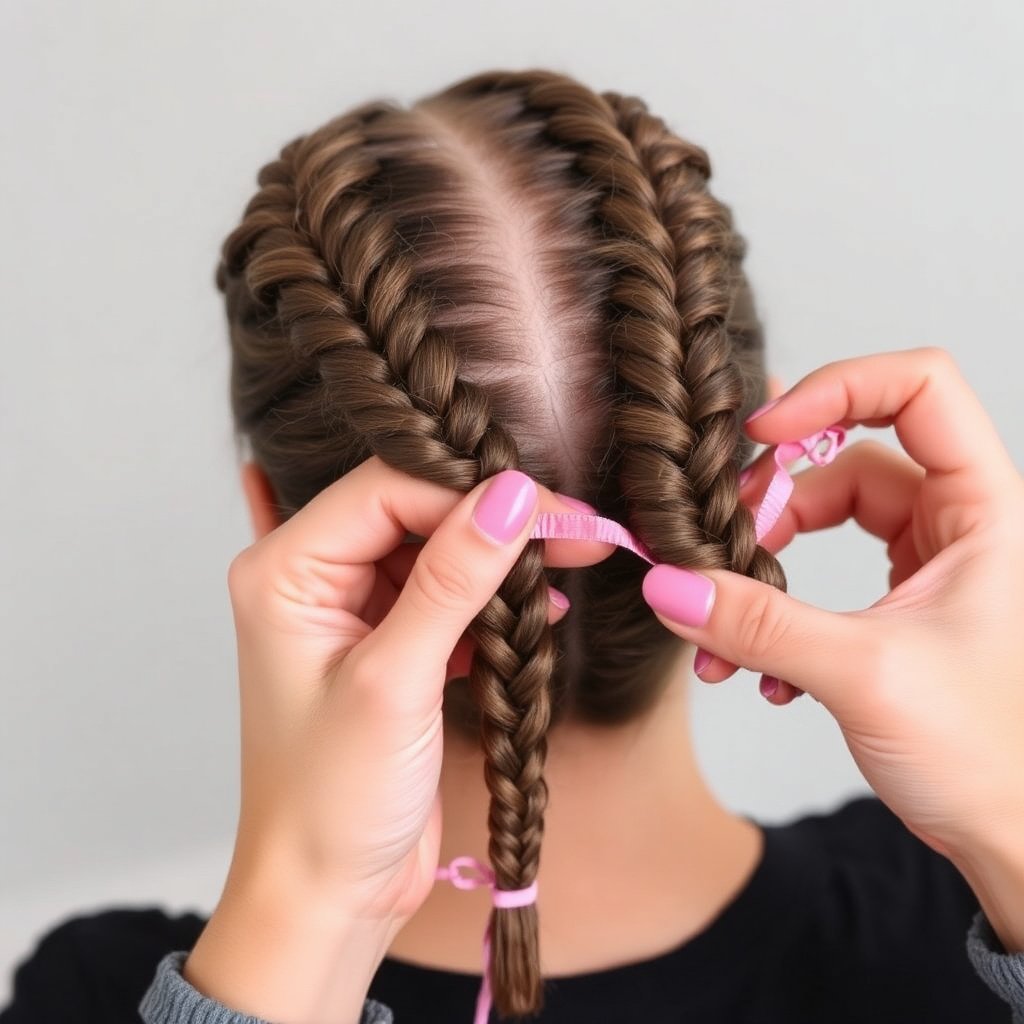
Small elastic bands or hair ties are a simple and effective way to seal braid ends. After completing the braid, secure the tail tightly with a band to keep the strands from loosening or coming undone.
Use clear or color-matched elastics to blend with your hair and prevent visual distractions. Avoid rubber bands as they can snag and break hair. Re-tie the bands if they stretch too much over time to maintain a firm hold.
- Use snag-free elastics
- Replace periodically to ensure tightness
- Ideal for both synthetic and natural hair
Braiding the Ends Themselves
For longer braid tails, you can finish by tightly braiding the loose ends themselves. This secondary braiding locks the strands in place without using additional products or bands.
This technique works well for natural hair or when you want a heat-free option. Secure the final bit of the smaller braid with a small elastic or a dab of gel. It can also add a decorative touch to your overall braid style.
Maintaining Sealed Braid Ends
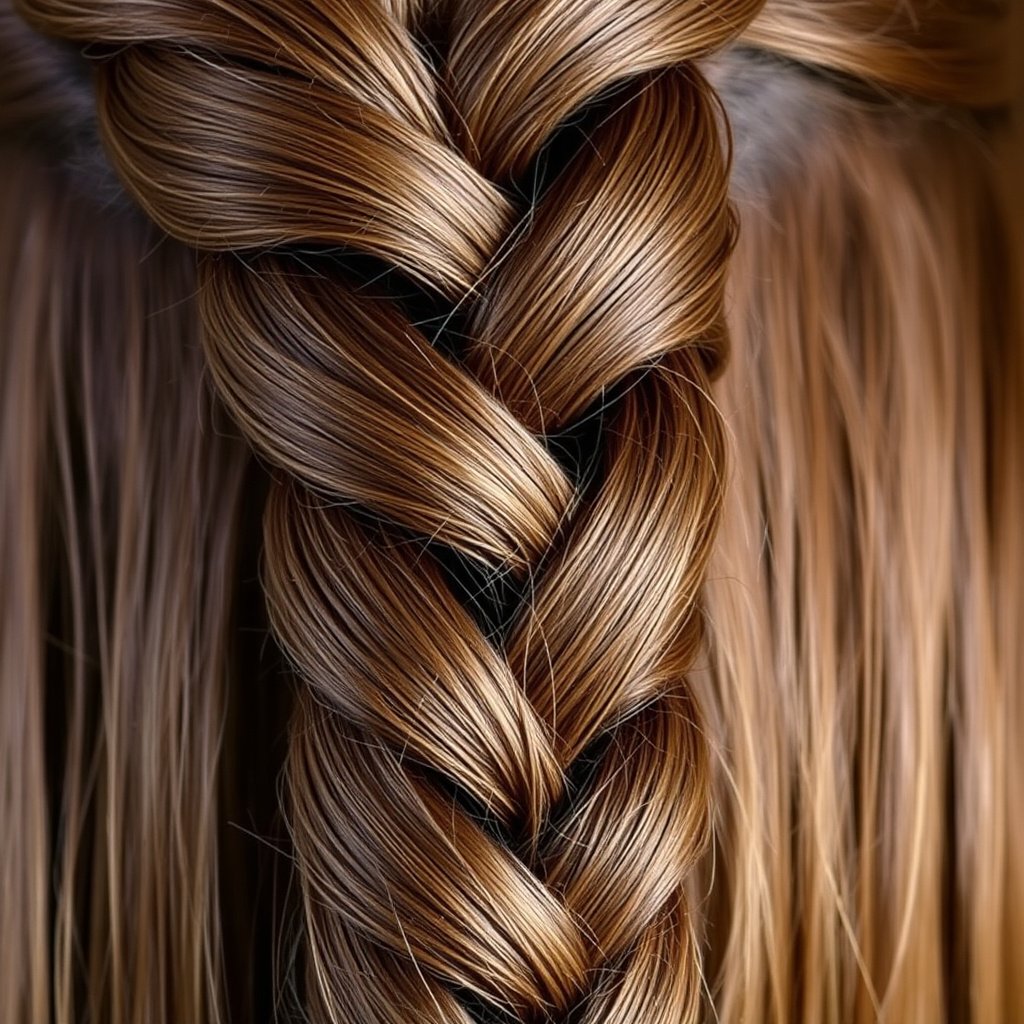
Regular Inspection and Retouching
Check your braid ends regularly to catch any loosening early. Frayed or unsealed braid ends need prompt attention to prevent the rupture of the entire braid.
If needed, reapply hair glue or remelt synthetic ends with hot water to refresh the seal. For elastics, swapping out old or stretched bands helps maintain a firm hold and clean look.
- Inspect weekly for loosening
- Gently redo sealing methods if needed
For more on this, see our related guide: Where to Buy Braiding Hair: Your Local Shopping Guide.
Avoiding Damage at the Sealed Ends
Treat secured braid ends gently during washing and styling to prevent damage. Rough handling or overheating can break the sealed bonds, especially with synthetic fibers melted by hot water.
When washing braids, focus on scalp care and minimize friction on the braid tails. Avoid tight pulling or heavy rubbing at the sealed ends to preserve the integrity of your hairstyle longer.
Tools and Products for Sealing Braids
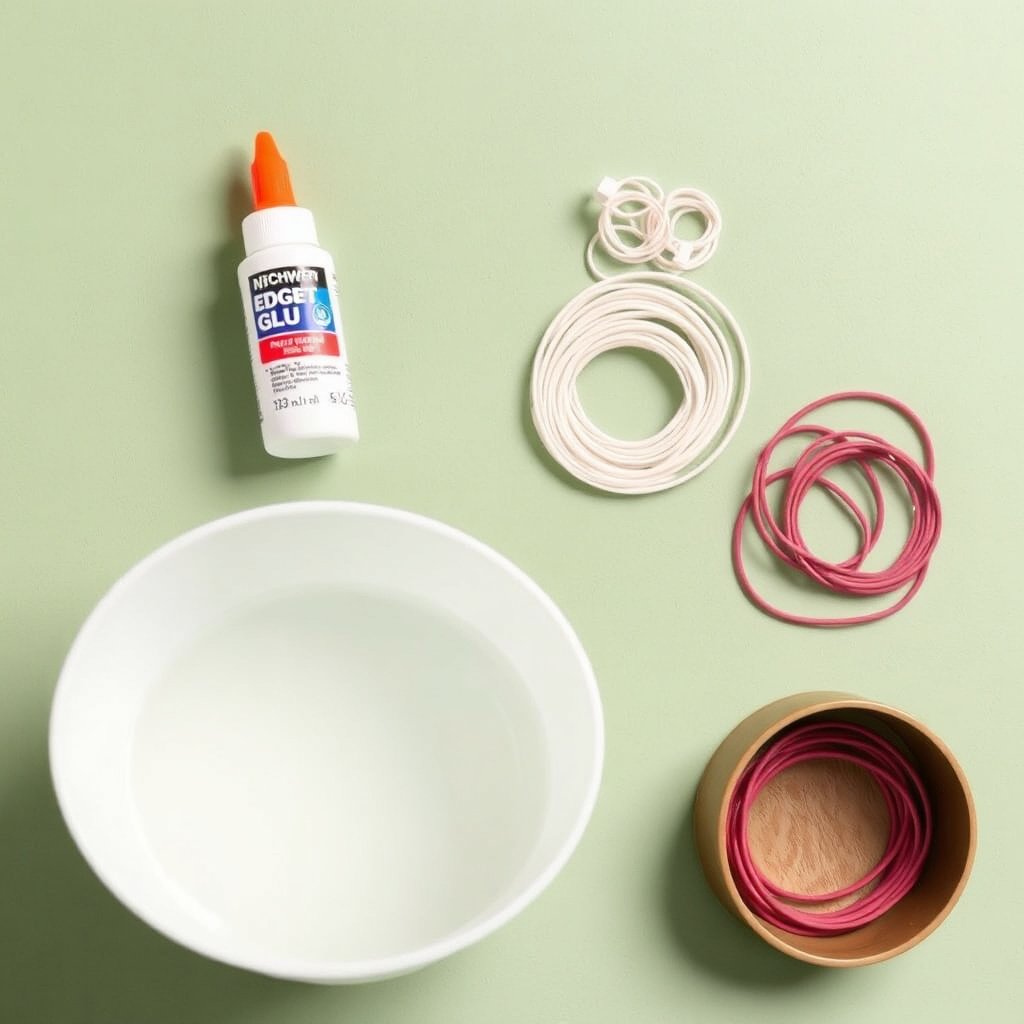
Recommended Hair Glues and Gels
Popular braid glues include water-based, non-toxic formulas like Got2B Glued Blasting Freeze Spray and Gorilla Snot. These products create a strong bond without flaking or damaging hair.
Edge control gels from brands such as Eco Styler or Creme of Nature help seal ends visually while providing control. Select products suited for your hair type to avoid buildup and maintain healthy strands.
- Choose alcohol-free formulas
- Test a small area before full use
Elastic Bands and Hot Water Application Tools
Elastic bands should be snag-free and designed for braiding. Brands like Scunci or Goody offer smooth elastics that minimize hair breakage.
When using hot water, an insulated bowl and heat-resistant gloves protect your hands. Accurate temperature control is essential, with water roughly between 140°F and 160°F for synthetic fibers.
- Always protect skin with gloves
- Use a timer to prevent over-dipping
Common Mistakes to Avoid When Sealing Braids
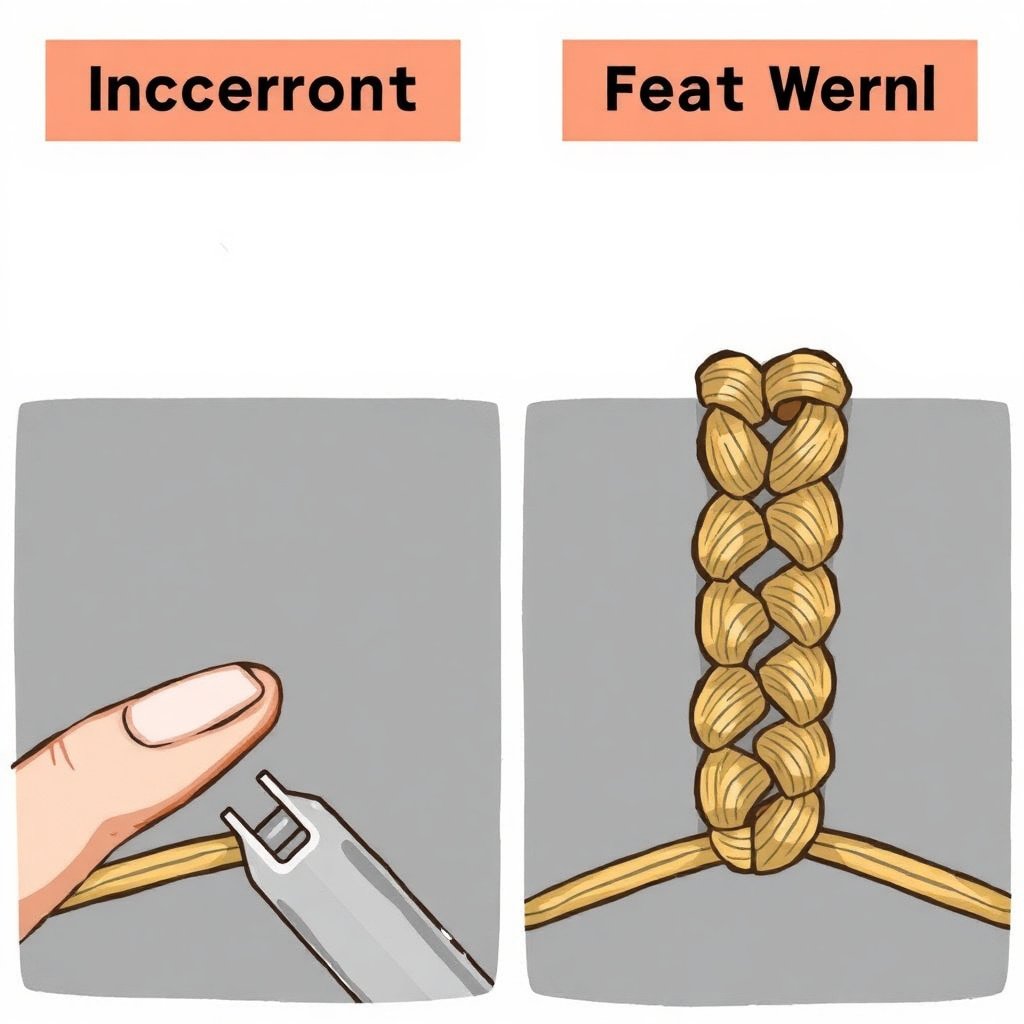
Overusing Heat on Synthetic Ends
Applying water that’s too hot or dipping braid ends repeatedly can weaken or melt synthetic fibers beyond repair. This leads to stiff, brittle ends prone to breakage.
For best results, limit hot water exposure to just a few seconds and use heat-protective gloves. Test one strand first to gauge the right temperature and dipping time.
For more on this, see our related guide: How Long Do Knotless Braids Last? the Complete Answer.
Using Inappropriate Adhesives or Bands
Avoid household glues or rubber bands, which can irritate the scalp, damage hair, or cause tangles when sealing braid ends. These materials often aren’t designed for hair.
Stick to hair-specific products and soft elastics to keep your braids sealed safely, comfortably, and effectively.
- Never use super glue or craft adhesives
- Avoid rubber bands as hair ties
Sealing Braid Ends for Different Hair Types
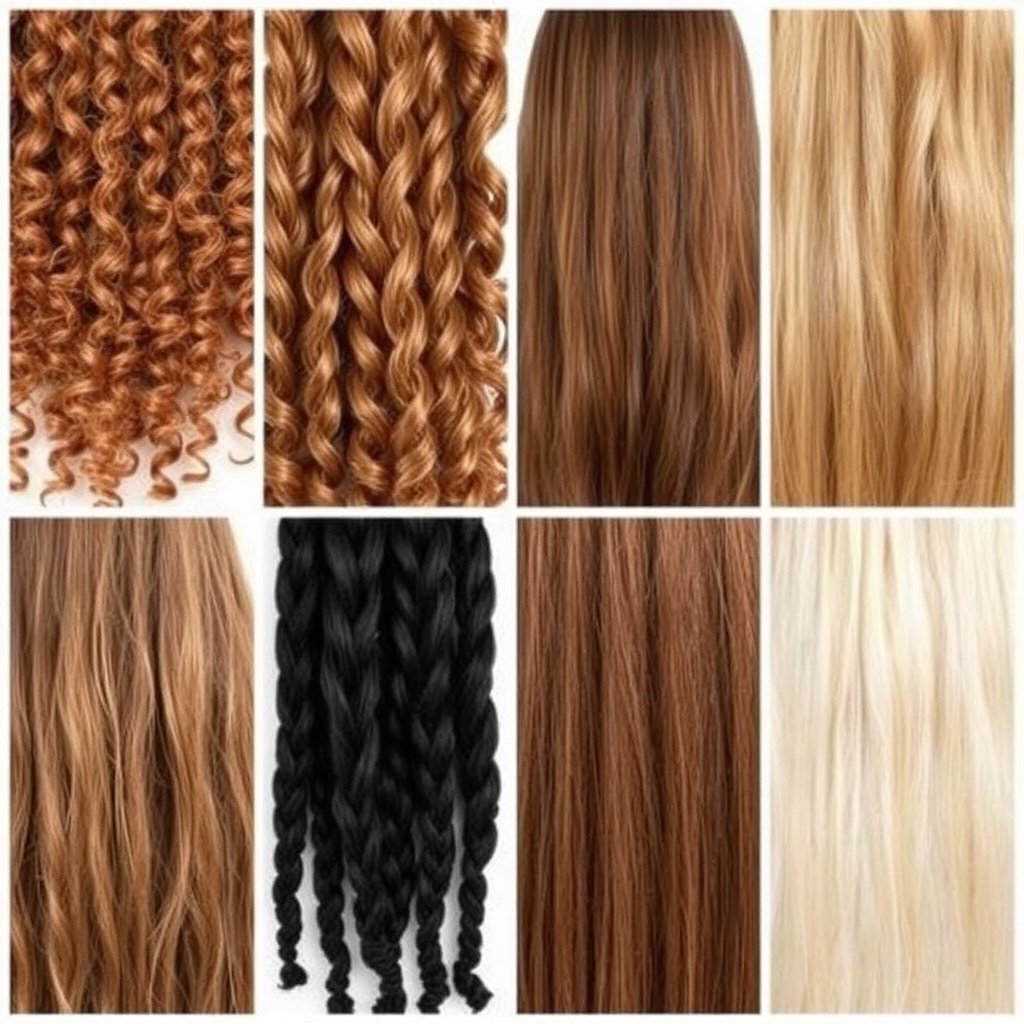
Sealing Natural Hair Braid Ends
For natural hair, tying the braid ends with elastics or applying hair glue works best since hot water methods aren't applicable. Hair glue or gel helps smooth and keep the strands together, especially with coarse textures.
Natural hair also benefits from finishing oils or pomades applied lightly to moisturize and maintain shine at the ends after sealing.
For more detailed background on braiding techniques and hair care, you can explore this Wikipedia article. braiding techniques and hair care.
Sealing Synthetic Hair Braid Ends
Synthetic hair braids respond best to hot water sealing, which bonds the fibers by gentle melting. This method efficiently prevents unraveling and gives a clean-cut finish.
Some synthetic braiders add a layer of hair glue for extra security, especially if the braids will be worn for weeks or styled further.
Comparison of Braid End Sealing Techniques
Different braid end sealing methods vary in effectiveness, suitability for hair type, and ease of application. This table summarizes key differences to help you select the best approach.
| Technique | Best For | Pros | Cons |
|---|---|---|---|
| Hot Water Dip | Synthetic hair | Strong seal, quick | Not for natural hair, risk of burns |
| Hair Glue/Gel | Natural and synthetic | Versatile, long-lasting hold | Can cause stiffness, build-up |
| Elastic Bands | All hair types | Simple, reusable, no heat | Can slip or stretch out |
| Braiding Ends | Natural hair | No products needed, decorative | Requires longer hair, less secure |
Frequently Asked Questions
Can I use hot water sealing on natural hair braids?
No, hot water sealing works only with synthetic hair fibers. Natural hair is not heat-meltable like synthetic fibers and may get damaged by hot water exposure.
How long do braid end seals typically last?
Sealed braid ends can last from a few weeks to a month, depending on hair type, sealing method, and maintenance practices such as washing and handling.
Is it safe to use hair glue on sensitive scalps?
Only use hair glues that are formulated for scalp safety and are water-based. Test a small patch first to check for any irritation or allergic reaction.
Can I reuse elastic bands on braids?
Yes, elastic bands can be reused if they maintain their elasticity and are free from tangles or damage. Replace them as soon as they become loose to keep braid ends secure.
Should I moisturize braid ends after sealing?
For natural hair, light moisturizing at braid ends after sealing helps prevent dryness and breakage. Avoid heavy oils if hair glue is used, as they can weaken the bond.
Key Takeaways
- Sealing braid ends prevents unraveling and extends braid durability.
- Hot water sealing is best for synthetic braids; hair glue suits natural hair.
- Elastic bands offer a simple physical sealing option for all hair types.
- Regular maintenance of sealed ends helps maintain braid neatness and longevity.
Conclusion
Choosing how to seal braid ends depends heavily on your hair type and the material used for braiding. Synthetic extensions respond well to the hot water method, which melts and fuses fibers, forming a durable bond. Natural hair requires gentler techniques such as hair glue or tying with elastics to keep the braid intact without damage from heat or harsh chemicals. Evaluating your braid style, expected wear time, and personal comfort with these methods will guide your decision effectively.
For everyday wear or short-term styles, elastic bands are an accessible and simple solution suitable for most hair types. Those seeking a more polished or longer-lasting look might consider hair glue or hot water sealing, depending on whether the braids contain synthetic fibers. Braiding the ends further provides a creative and maintenance-free finish primarily for natural hair but may not offer the tightest seal for all users. Each method presents trade-offs between convenience, durability, and hair health.
Before sealing your braid ends, gather the right tools, practice caution especially with heat, and select products compatible with your hair to avoid irritation and damage. Careful sealing enhances not only the braid’s longevity but also your overall hairstyle’s neatness and appearance. For your next braid session, try one of these sealing techniques to enjoy secure and stylish results every time.