How to Make a Sew-In Last Longer: Expert Tips for Durable Hair Extensions
To make a sew-in last longer, proper care and maintenance are essential. This involves gentle washing, protecting the braids, avoiding excessive heat, and using recommended hair products designed for extensions. Taking these practical steps immediately improves the longevity and appearance of your sew-in bonds.
Sew-ins not only enhance your look but represent a significant investment of time and money, so keeping them intact and fresh for weeks matters to many. Without the right upkeep, the hair can tangle, the braids may loosen, and the overall style can quickly deteriorate, cutting short your desired duration.
This article examines specific ways to care for your sew-in to extend its wear. From selecting the right products to daily routines and professional maintenance schedules, you'll learn how to keep your sew-in looking its best longer and avoid common pitfalls.
Proper Preparation Before Installing Your Sew-In
Washing and Conditioning Natural Hair
Clean and well-conditioned natural hair provides a strong foundation for a sew-in. It's vital to wash your hair with a gentle sulfate-free shampoo to remove build-up while preserving moisture, followed by a deep conditioner to keep strands soft and pliable.
Avoid heavy products that leave residue, as they can affect the bond between your natural hair and extensions. Dry your hair thoroughly before the braiding process to prevent mold or scalp irritation beneath the sew-in.
- Use sulfate-free shampoos
- Apply a moisturizing deep conditioner
- Avoid heavy or oily products
- Completely dry hair before installation
Choosing the Right Braid Size and Pattern
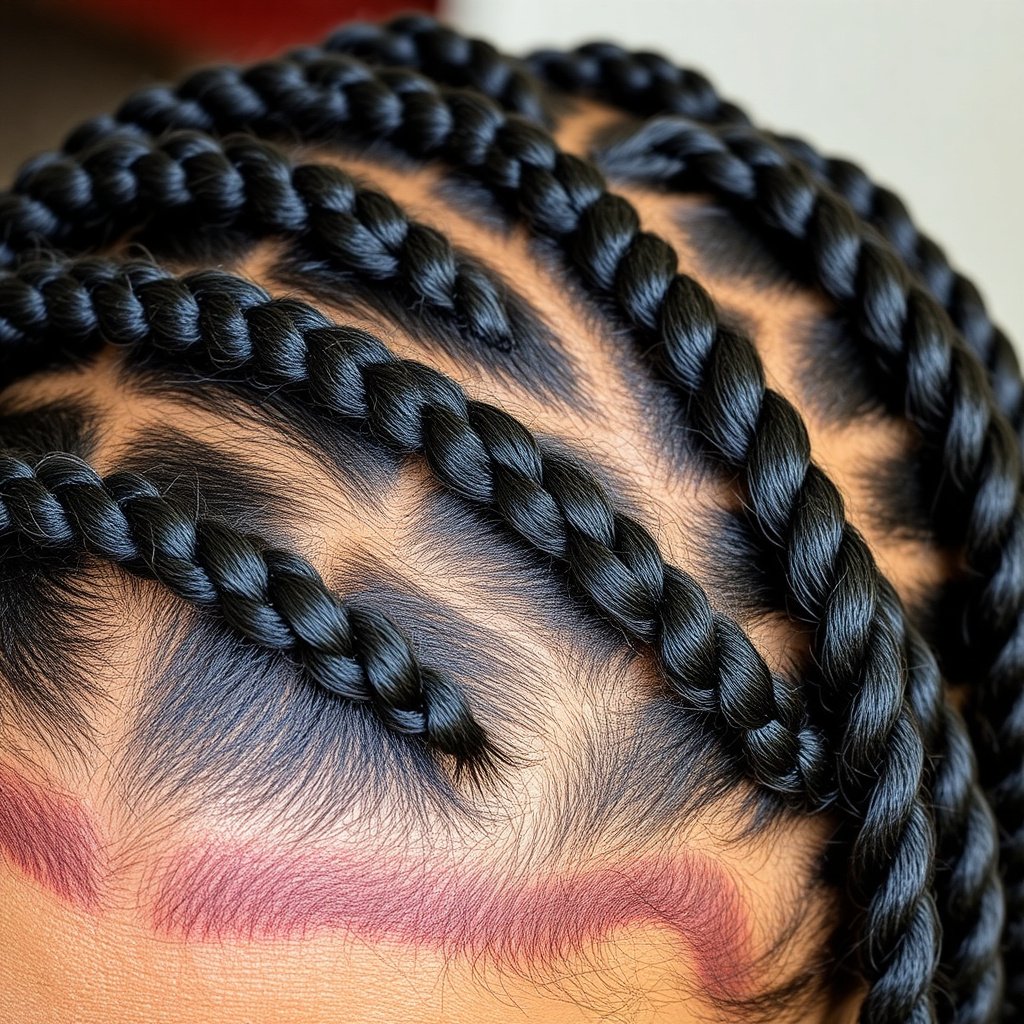
The size and pattern of braids impact how long your sew-in lasts. Tighter, smaller braids usually hold the extensions firmly for weeks, but if braids are too tight they can cause tension and scalp damage.
A skilled stylist will choose cornrows or box braids that balance security with scalp comfort, making maintenance easier and reducing the risk of premature loosening.
- Opt for smaller to medium braids for longevity
- Avoid braids so tight they cause discomfort
- Ensure braids are neat and close to the scalp
Daily Care to Maintain Your Sew-In Hair
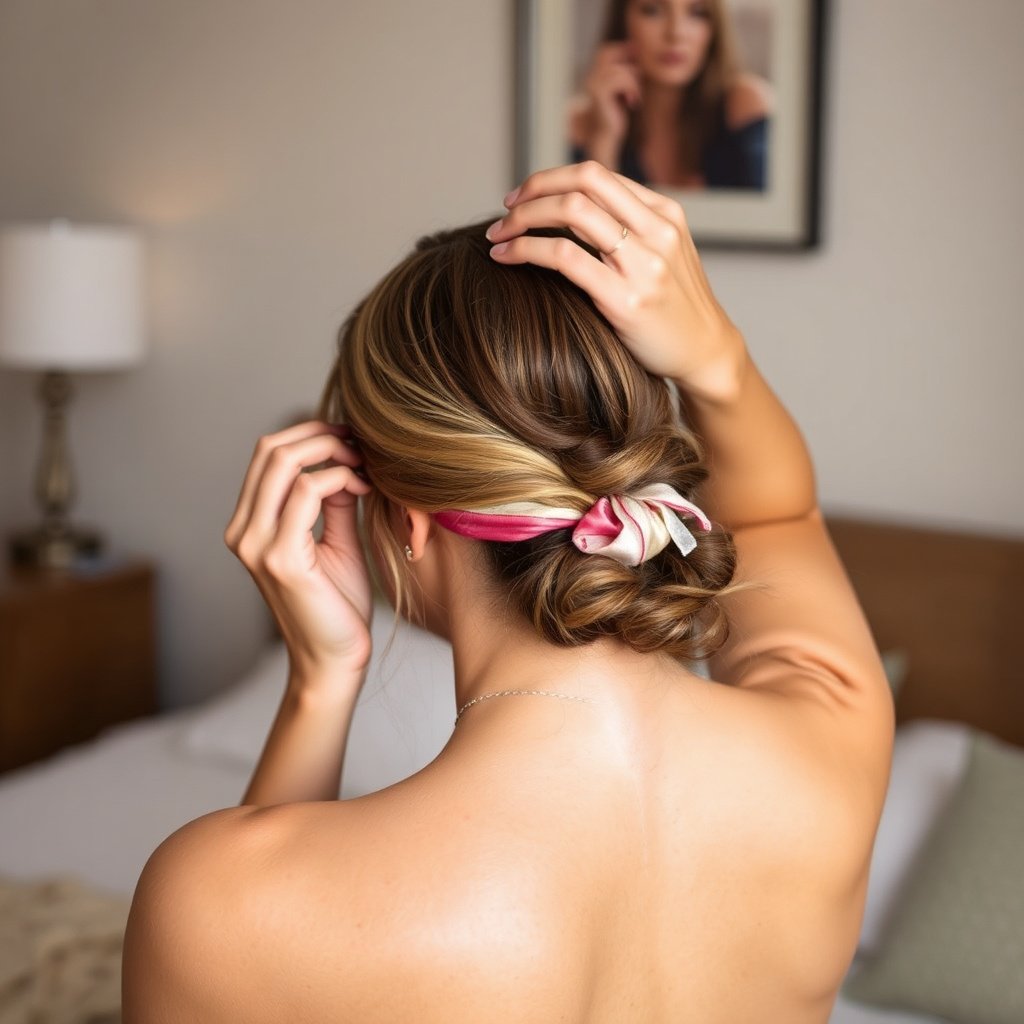
Sleeping and Protecting at Night
Your sew-in lasts longer when you protect it during sleep. Using a silk or satin scarf or bonnet to cover the hair reduces friction, prevents tangling, and maintains moisture.
Sleeping on a satin pillowcase complements this routine. Avoid cotton pillowcases as they increase breakage and frizz by sucking moisture away from hair fibers.
- Use a satin or silk bonnet or scarf nightly
- Sleep on satin pillowcases
- Keep hair loose or in a low ponytail to avoid tension
For more on this, see our related guide: Haute Pink Sew in Services & Salon: What Services Can You Expect?.
Washing and Conditioning the Extensions
Washing sew-in extensions requires a gentle approach. Use diluted sulfate-free shampoo and focus on the scalp, rinsing carefully to avoid disturbing the braids.
Condition the hair extensions lightly to avoid loosening the bonds. Air drying or using a cool setting on a blow dryer helps maintain the hair's integrity.
- Wash hair every 1-2 weeks
- Use diluted sulfate-free shampoo
- Focus washing on scalp and braids
- Condition hair extensions sparingly
- Air dry or use low heat
Styling Tips to Avoid Damage
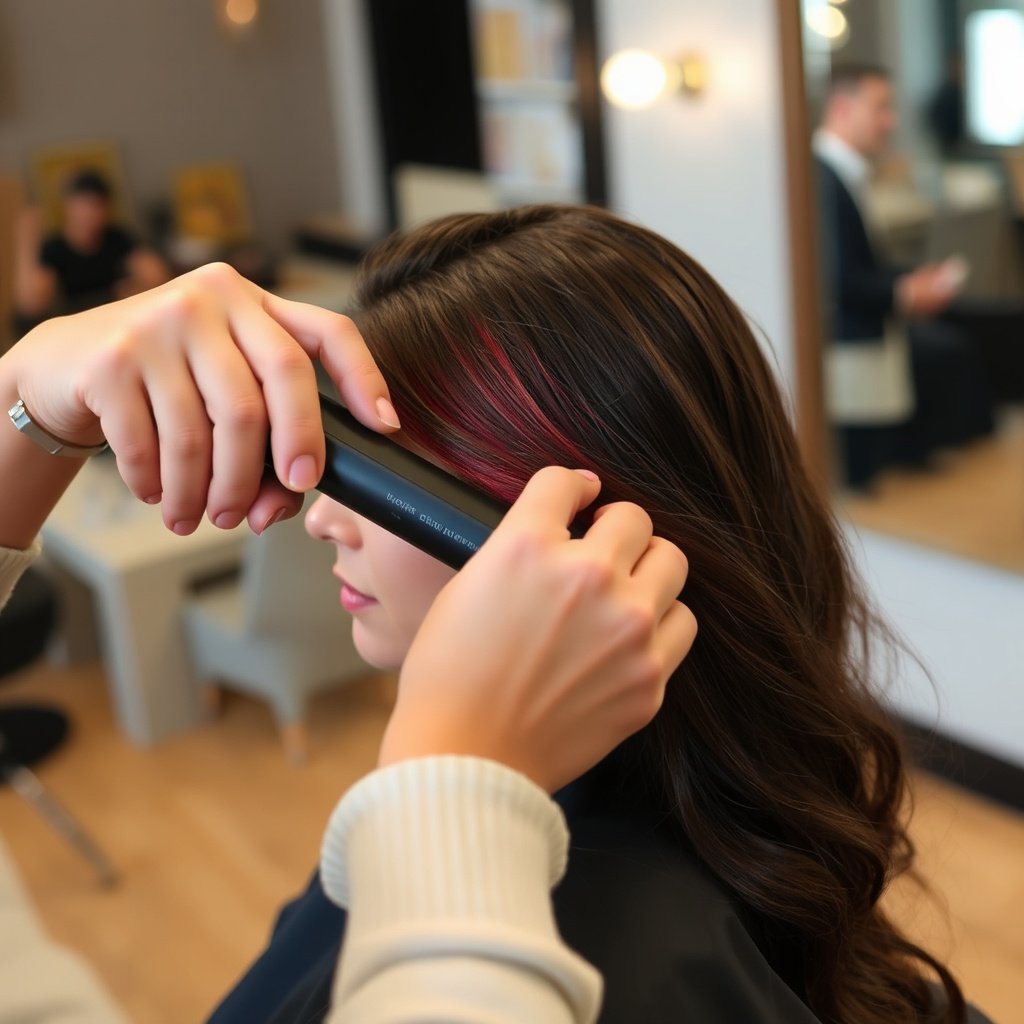
Limit Heat Styling for Longer Wear
Frequent heat styling can weaken hair fibers and loosen bonds in a sew-in. Limit the use of flat irons, curling wands, and blow dryers to essential moments only.
When heat styling is necessary, always use a heat protectant spray to shield the hair extensions from damage and dryness.
- Avoid daily heat styling
- Use heat protectant sprays
- Set styling tools to low or medium heat
Avoid Heavy or Oily Styling Products
Heavy products like thick pomades or oils can cause buildup at the roots and on the braid, weakening the bonds of your sew-in. Opt instead for lightweight, water-based styling sprays or serums that provide shine and control without residue.
Regular cleansing of the scalp helps prevent itching and flaking, contributing to a longer-lasting sew-in.
- Choose water-based styling products
- Steer clear of heavy oils near the hairline
- Maintain scalp cleanliness with gentle products
Professional Maintenance and Removal
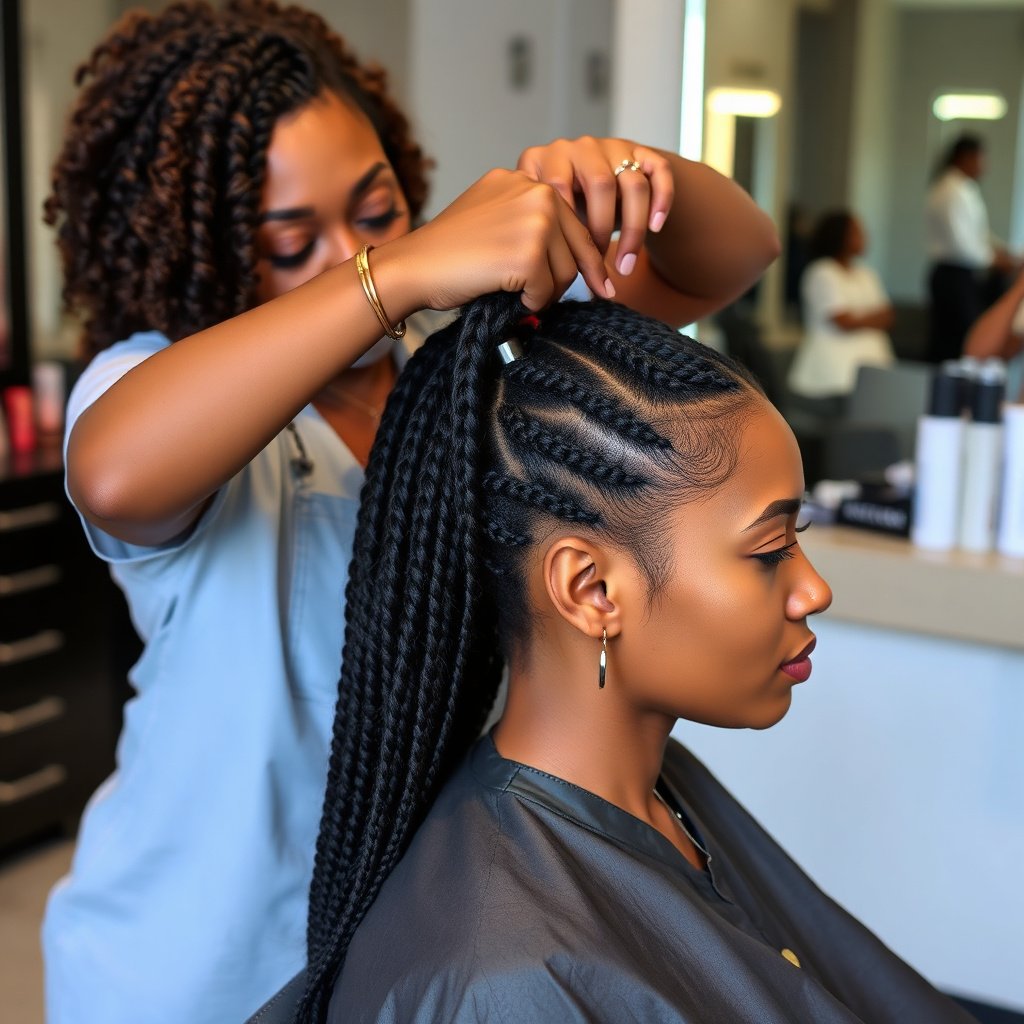
Scheduling Regular Touch-Ups
To make your sew-in last longer, schedule professional touch-ups every 4-6 weeks. A stylist can reinforce braids, reattach any loose wefts, and refresh the style to extend the overall wear.
These maintenance visits also help identify and address any scalp irritation or damage early, preserving your natural hair health.
- Plan touch-ups roughly every 4-6 weeks
- Reinforce loose wefts promptly
- Consult stylist about scalp health
For more on this, see our related guide: Crochet Braids vs. Sew in: Which Is Better?.
Safe Sew-In Removal Process
Proper removal is key to maintaining your natural hair after a sew-in. Avoid pulling or ripping out braids; instead, have a professional gently undo the braids to prevent breakage or shedding.
Moisturizing your hair thoroughly post-removal helps restore softness and elasticity lost during the sew-in wear period.
- Seek professional removal
- Avoid tugging or forceful braiding removal
- Deep condition hair after sew-in removal
Understanding Hair Health and Extension Quality
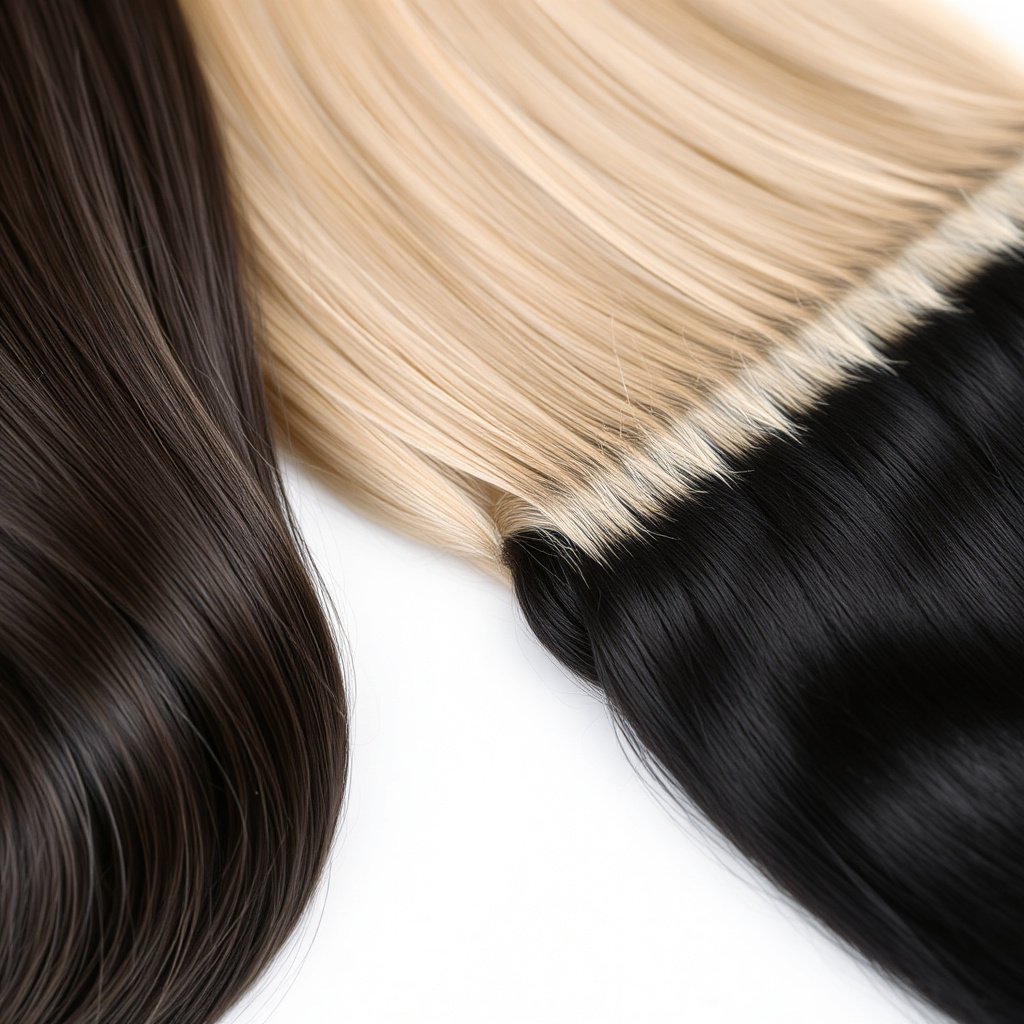
Selecting High-Quality Hair Extensions
Using high-quality human hair extensions can make a significant difference in how long your sew-in lasts. Premium extensions tangle less, retain moisture better, and look natural over several weeks.
Cheap synthetic hair or low-grade bundles tend to mat quickly and may not withstand regular washing or styling, reducing the duration of your sew-in.
- Choose 100% human Remy hair bundles
- Avoid synthetic or mixed fibers for sew-ins
- Inspect bundles for consistency and cuticle alignment
For additional hair extension maintenance tips, Women’s Health offers practical advice on keeping your sew-in looking its best. hair extension maintenance tips.
Maintaining Natural Hair Health Under Sew-In
Healthy natural hair supports a longer-lasting sew-in. Keep your scalp moisturized but not oily, and use scalp treatments when necessary to combat dryness or itchiness without disturbing the braids.
Adequate hydration, regular scalp massages, and nutrition also contribute to hair strength, which in turn keeps the sew-in secure longer.
- Moisturize scalp with lightweight oils
- Use scalp treatments as advised by stylist
- Maintain hydration and balanced diet
Sew-In Hair Extension Types Comparison
Below is a comparison table highlighting differences among popular sew-in hair extension types to help you choose the right style and quality.
| Hair Type | Cost | Durability | Maintenance Level | Appearance |
|---|---|---|---|---|
| 100% Human Remy Hair | $150-$300 per bundle | 6-8 weeks | Moderate | Most natural and long-lasting |
| Synthetic Hair | $30-$70 per bundle | 1-2 weeks | High | Less natural, tangles easily |
| Virgin Hair | $200-$400 per bundle | 8-10 weeks | Moderate | Highest quality, very natural |
| Non-Remy Human Hair | $80-$150 per bundle | 3-5 weeks | Moderate-High | Less smooth cuticle, tangles quicker |
Frequently Asked Questions
How often should I wash my sew-in to make it last longer?
Wash your sew-in every 1 to 2 weeks with gentle, sulfate-free shampoo to keep it clean without loosening the braids or damaging the extensions.
Can I use heat tools on my sew-in hair?
Yes, but sparingly. Use heat protectants and keep styling tools on low to medium heat to avoid weakening the extensions and bonds.
Is it possible to sleep without a protective bonnet and still make my sew-in last?
It’s not recommended. A bonnet or silk scarf reduces friction and helps maintain moisture, which extends the sew-in's lifespan.
What signs indicate my sew-in needs professional maintenance?
Look for loose wefts, itching scalp, braids loosening, or visible gaps in your sew-in. These signs mean it’s time for a stylist’s touch-up.
Can I swim with a sew-in hairstyle?
Swimming is possible but rinse hair thoroughly afterward to avoid chlorine or salt water buildup which can weaken the hair and braids over time.
Key Takeaways
- Proper prep of natural hair and braids sets the foundation for longevity
- Gentle daily care with minimal heat and protective sleeping routines helps preserve the sew-in
- Regular professional maintenance extends wear and protects scalp health
- Choosing high-quality hair extensions improves durability and appearance
Conclusion
Making a sew-in last longer requires a thoughtful blend of preparation, daily care, and regular professional maintenance. By starting with clean, well-braided natural hair and using quality extension bundles, you form a strong base for durability. Daily habits like gentle washing, avoiding heavy products, and protecting the hair during sleep preserve shine and weave integrity. Monitoring for signs of loosening and timely salon touch-ups prevent early wear and keep your style looking fresh. Overall, attention to hair health under and around the sew-in influences how long your style can comfortably last.
Different scenarios call for specific approaches. For those seeking longevity, investing in 100% human Remy or virgin hair extensions along with smaller, tighter braids is recommended. If low maintenance is your priority but you tolerate more frequent changes, non-Remy or synthetic options may suffice, though they tend to last shorter. Styling with low heat and lightweight products complements these selections, helping prevent damage and extending wear. Scheduling professional upkeep every 4–6 weeks offers reassurance that bonds remain secure and your scalp is well cared for.
In practice, start by discussing your lifestyle and goals with a trusted stylist who can tailor braiding technique and hair type to your needs. Develop habits around protecting hair at night and washing carefully to keep extensions clean and intact. When it’s time for removal, choose professional help to safeguard natural hair. By combining quality extensions, expert installation, and consistent care routines, you’ll enjoy a longer-lasting sew-in that looks great while promoting healthy natural hair growth.