
How to Flatten Hair Under a Wig for a Sleek, Natural Look
Flattening hair under a wig is essential for achieving a natural, comfortable look that prevents lumps and bumps. To do this, start by thoroughly brushing or braiding your natural hair close to the scalp, then smooth it down with a wig cap or scarf to hold everything flat. Properly preparing your hair creates a smooth base for the wig to sit on evenly without any awkward bulges.
A flat foundation matters because uneven or bulky hair can cause the wig to look unnatural and may lead to discomfort or slippage. Whether you have thick, curly hair or fine, straight locks, the technique you choose to flatten your hair affects the overall appearance and wearability of your wig.
This guide will explore different hair-flattening techniques under wigs, including braiding, using wig caps, straightening methods, and other practical tips. We'll also cover how to secure your wig for long-lasting wear and compare various approaches to help you find what works best for your hair type and wig style.
Preparing Your Hair for Flattening Under a Wig

Brushing and Detangling Before Flattening
Begin by gently brushing or combing your hair to remove knots and tangles. Clean, detangled hair lies flat more easily and prevents bumps under your wig. Use a paddle brush or a wide-tooth comb depending on your hair texture.
For curly or kinky hair types, applying a leave-in conditioner or styling cream can help soften hair, making it easier to flatten. This step fosters a sleek base and reduces any frizz that might create uneven areas beneath the wig.
Choosing and Using the Right Wig Cap
Selecting the correct wig cap is crucial for flattening hair. A thin, breathable, and snug cap can help compress the hair closer to the scalp without excessive bulk. Caps made from mesh or nylon blends are popular for breathability combined with hold.
To wear a wig cap, first stretch it wide enough to cover all your hair, then slice any extra fabric near your nape if needed. Position it so that it secures your hair flat and smooth all over your head, creating an even foundation for your wig.
- Mesh wig cap for breathability
- Nylon wig cap for sleek compression
- Stocking cap for ultra-thin coverage
Techniques to Flatten Hair Under a Wig
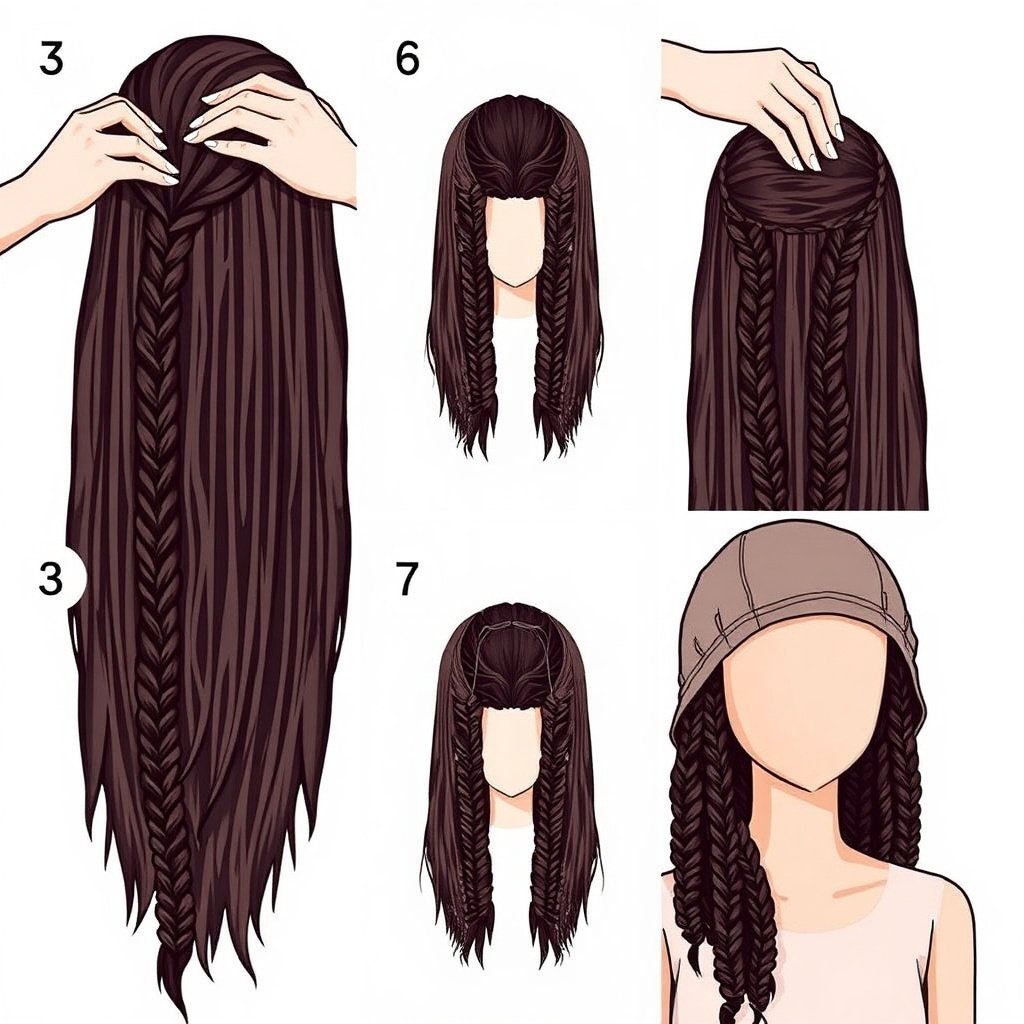
Braiding and Twisting for Texture Control
For textured, curly, or afro hair, tightly braiding or twisting your hair helps keep it compressed and flat under a wig. Small, close-to-the-scalp braids reduce bulk and create a uniform surface.
You can create cornrows or flat twists depending on your comfort and hair length. This approach controls volume while keeping hair protected, making wig application smoother and more secure.
- Cornrows for tight, flat control
- Flat twists for gentler compression
For more on this, see our related guide: Messy Bun Hair Piece Guide: What to Know Before You Buy.
Heat Styling and Straightening Options
Heat tools like straightening irons can flatten hair strands before applying your wig, especially if your hair is thick or wavy. Use a heat protectant and moderate heat to avoid damage while smoothing your hair.
Alternatively, blow-drying hair flat with a paddle brush can reduce volume and help hair lay closer to the scalp. Be cautious not to overheat or stress your hair during this process.
- Use heat protectant to shield hair
- Avoid excessive heat to prevent breakage
Securing Your Hair and Wig for a Flawless Fit
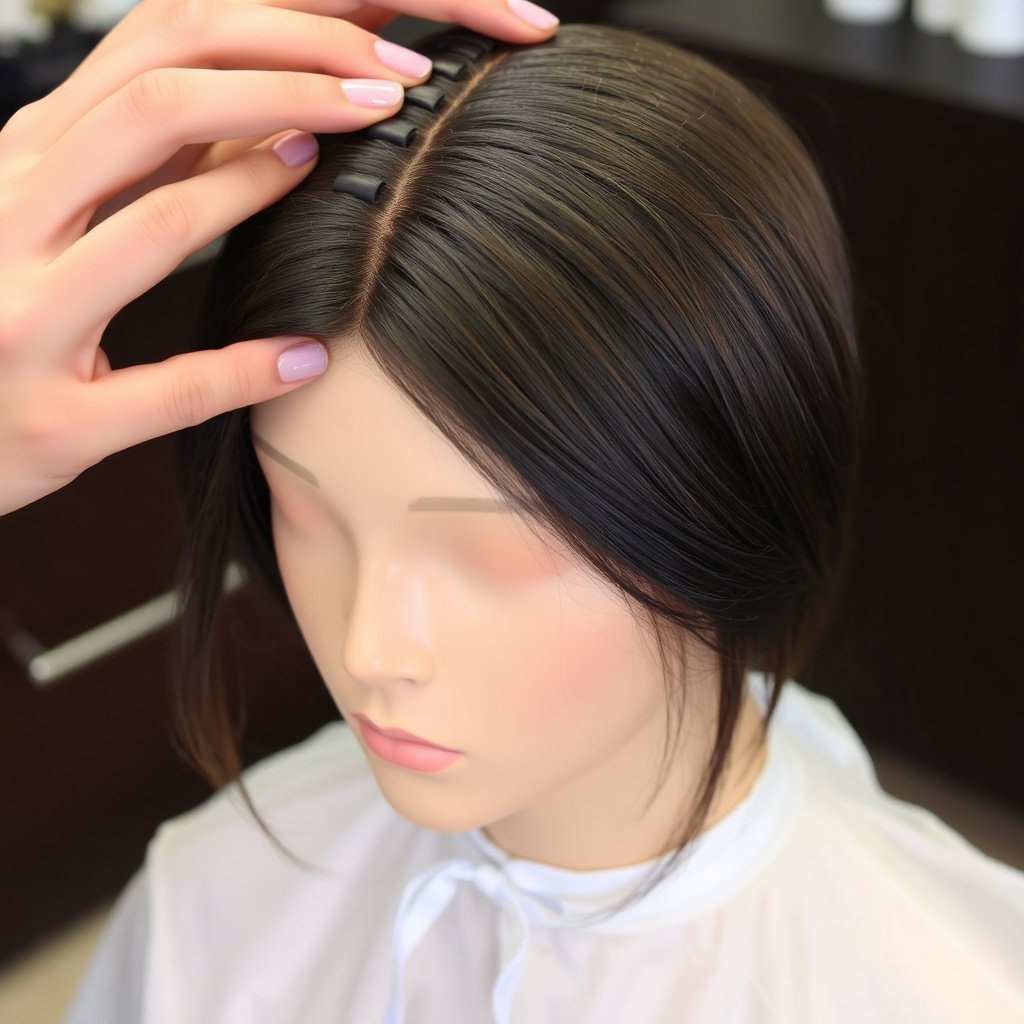
Using Wig Grip Bands and Adjustable Straps
Wig grip bands placed around the hairline can help keep the wig securely in place, preventing slipping due to loose hair underneath. They add extra tension without damaging hair or scalp.
Many wigs also come with adjustable straps inside that tighten the fit. Combining these with a smooth, flattened base improves stability and comfort throughout wear.
- Silicone or velvet grip bands
- Adjustable strap for personalized fit
Applying Hair Gel or Edge Control
Using a small amount of hair gel or edge control helps to smooth flyaways and edges before putting on a wig cap. This creates a neat, slick surface and stops hair strands from sticking out beneath the wig.
Avoid applying too much product as it can create residue build-up under the cap. Lightly smoothing hair with a soft brush or toothbrush after gel application ensures an even finish.
- Light application for shine and hold
- Soft brush to smooth edges
Maintaining Your Hair’s Health Under Wigs
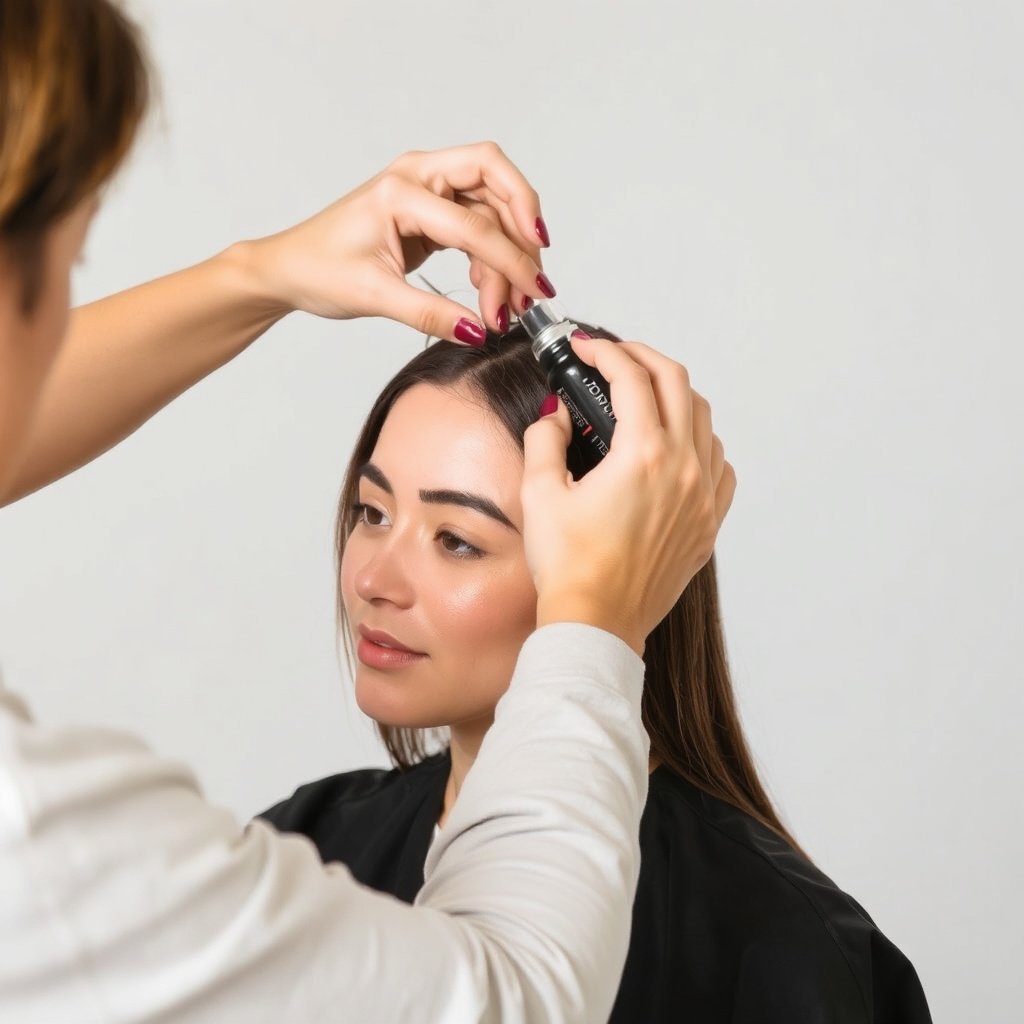
Moisturizing and Scalp Care
Keeping your scalp and natural hair moisturized prevents dryness and irritation caused by wig wear. Use lightweight oils or leave-in conditioners designed for your hair type before flattening your hair.
Regular scalp massages boost circulation and reduce tension from wig caps. Healthy scalp conditions improve comfort and help your hair remain strong under frequent wig application.
For more on this, see our related guide: How Long Does a Lace Front Wig Last? the Complete Answer.
Nighttime Hair Care Routine After Wig Use
After removing your wig, take time to detangle and condition your natural hair carefully. You may want to wrap your hair in a silk or satin scarf or sleep on a smooth pillowcase to reduce friction and retain moisture.
This routine helps preserve your hair's texture and prevents damage, making it easier to flatten your hair cleanly under the wig next time.
- Silk or satin scarf
- Gentle detangling brushes
Common Mistakes to Avoid When Flattening Hair Under a Wig
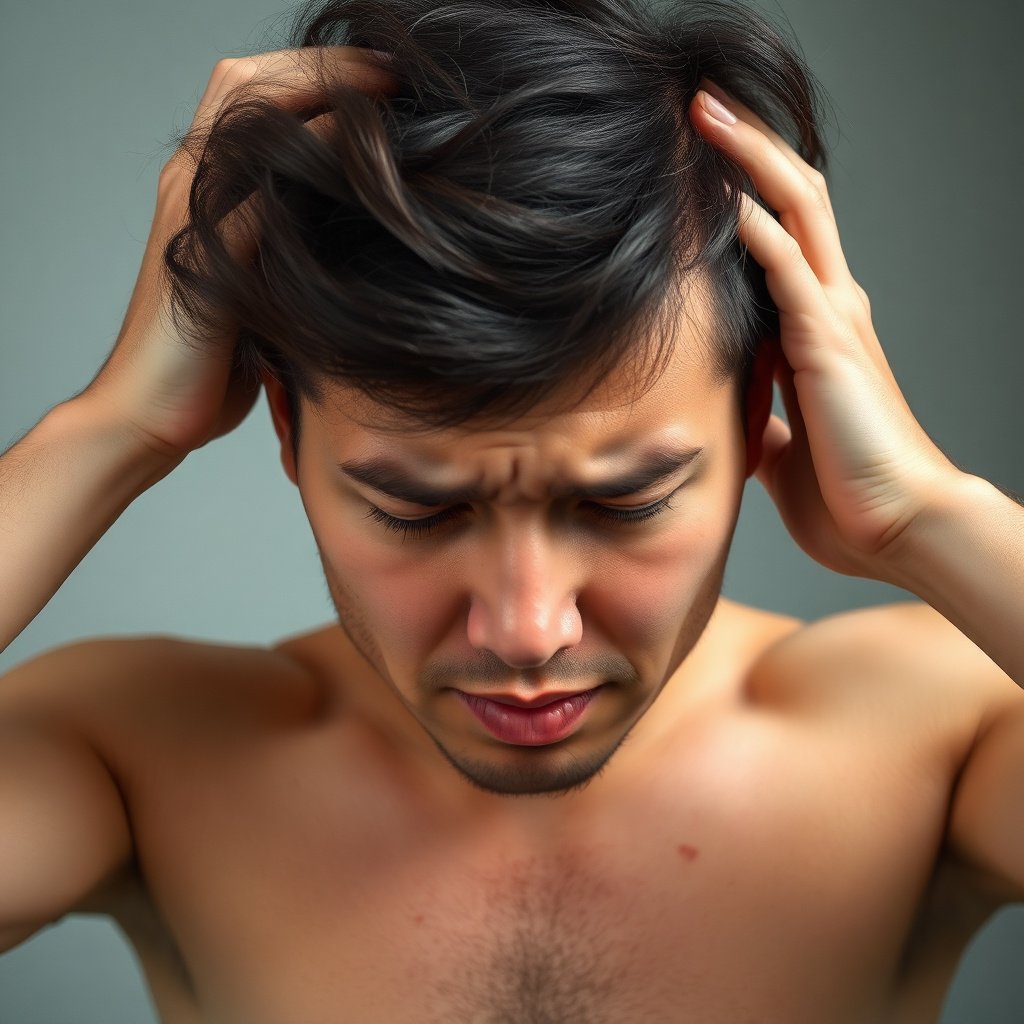
Overloading Hair with Products
Using too much gel, mousse, or styling cream can create buildup that makes your hair sticky or crunchy under the wig. This not only looks unnatural but can also cause discomfort and scalp irritation.
Stick to minimal product amounts to smooth hair without heaviness. Clean your hair thoroughly between wears to prevent residue accumulation.
For more detailed history and types of wigs, visit the comprehensive Wikipedia page on wig. Wig.
Ignoring Hair Texture and Length Differences
Not adapting your flattening technique to your hair’s natural texture or length leads to uneven results. For example, simply brushing fine hair flat differs from braiding thick curly hair.
Understanding your hair’s unique needs helps you choose the best method, whether that’s braiding, twisting, or heat styling, ensuring a smooth base tailored to your hair.
Hair Flattening Methods for Wig Base: Category Comparison
This table compares popular hair-flattening methods to help you decide which best fits your hair type and desired wig look.
| Method | Best Hair Types | Pros | Cons |
|---|---|---|---|
| Braiding | Curly, afro-textured | Keeps volume controlled, protective | Time-consuming, tight braids may irritate |
| Heat Straightening | Wavy, thick | Quick flattening, smooth base | Heat damage risk, not for fragile hair |
| Wig Caps | All hair types | Simple to use, compresses hair evenly | May cause scalp sweating, not enough alone for thick hair |
| Twisting | Curly, natural | Gentle volume reduction, protective | May not flatten as tightly as braids |
| Blow Drying | Fine to medium | Reduces volume, speeds styling | Can cause dryness, requires heat protection |
Frequently Asked Questions
Can I flatten my hair under a wig without braiding?
Yes, using a tight wig cap combined with smoothing products and gentle brushing can flatten hair effectively without braids, especially for straight or finer hair types.
Is heat styling necessary before putting on a wig?
Heat styling is optional and mostly useful for thick or wavy hair to create a flat base. It should be done carefully with a heat protectant to minimize damage.
How often should I wash my hair when wearing wigs regularly?
Washing your hair every 1-2 weeks is sufficient for wig wearers to keep the scalp clean without overly drying out natural hair.
Will wig caps damage my hair or scalp?
Properly fitted wig caps made from breathable materials are usually safe and do not damage hair or scalp when used correctly and cleaned regularly.
What’s the best way to keep a wig from slipping if my hair is thick?
Combine flat braids or twists with a snug wig cap and a grip band or adjustable straps inside the wig to keep it secure during wear.
Key Takeaways
- Flattening hair under a wig creates a smooth base essential for a natural look.
- Braiding and using appropriate wig caps work best for thick or textured hair.
- Heat styling helps flatten thick or wavy hair but requires protection.
- Proper scalp care maintains hair health under frequent wig use.
Conclusion
Choosing the right technique to flatten hair under a wig depends largely on your hair type, length, and texture. Starting with thorough detangling and brushing suits most hair types, but for thick, curly, or afro-textured hair, braiding or twisting combined with a quality wig cap forms the best foundation. Blow drying and heat straightening provide faster results for medium-textured or wavy hair but must be balanced against protecting the hair’s health. Ultimately, flattening your hair properly prevents lumps, enhances comfort, and gives your wig a fuller, more natural appearance.
If you have very thick or curly hair, tight cornrows or flat twists paired with a breathable nylon or mesh wig cap will grant the most uniform profile under the wig. For finer hair, blow drying flat with a smoothing serum or comb-through might suffice, supplemented by grip bands and adjustable straps to keep the wig in place. Avoid overusing styling products as they can cause buildup and discomfort. Maintain scalp moisture and incorporate gentle hair care routines between wig wears to protect your hair and skin.
To start flattening hair under your wig, try braiding or twisting your hair close to the scalp, then cover with a snug wig cap. Add grip bands or adjustable wig straps for extra hold. Experiment with blow drying or light heat styling if your hair is thick or prone to lifting. Remember that healthy scalp care and proper cleaning of wig caps and hair products support smoother application and longer-lasting looks. Personalized methods aligned with your hair’s natural characteristics will yield the best results and confidence in your wig’s wear.


