How to Do Marley Twists: A Step-by-Step Guide for Natural Hair Styling
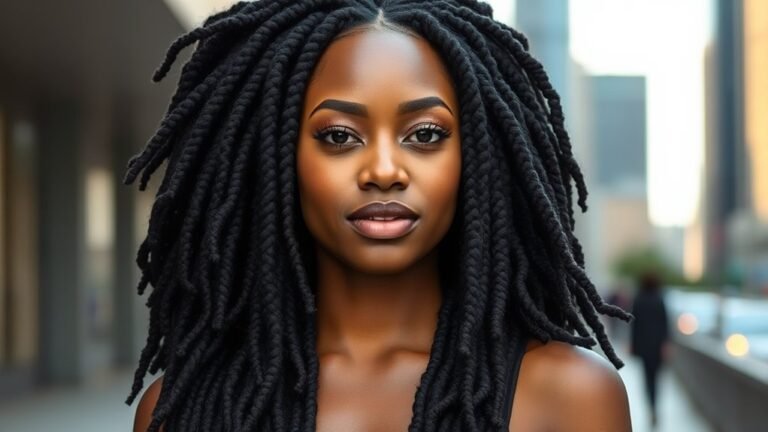
Marley twists are a popular natural hairstyle that involves twisting synthetic Marley hair extensions into your natural hair to create a bold, textured look. To do Marley twists, you section your hair, braid or twist the roots slightly for grip, and then twist the extension hair around your own, creating a long-lasting, versatile protective style.
This style matters because it protects your natural hair from daily manipulation while offering a rich, natural appearance and versatility in styling. Marley twists are especially favored for their thick, rope-like texture that mimics natural hair and their longevity compared to other twist styles.
In this article, we'll cover everything you need to know: selecting the right Marley hair extensions, prepping your hair, the step-by-step twisting process, maintaining your Marley twists, different styling options, and troubleshooting common issues to ensure your twists last and look flawless.
Choosing the Right Hair for Marley Twists
Types of Marley Hair Extensions
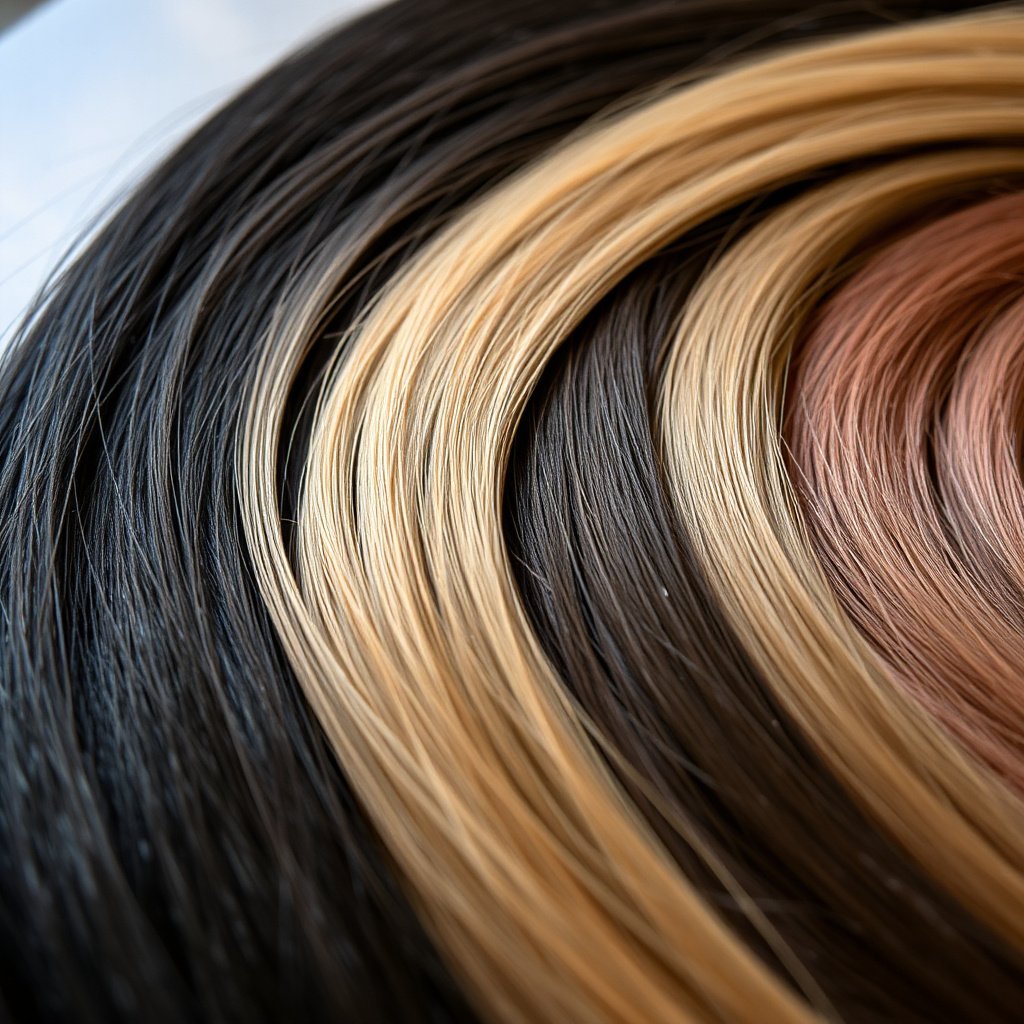
Marley hair extensions come in varied textures and colors, designed to mimic natural hair. Popular choices include kinky and coily textures that blend seamlessly with natural hair, offering a full and authentic look for Marley twists.
Choosing the right type depends on your natural hair texture and the desired finish. Synthetic fibers like Kanekalon are common, providing durability and a lightweight feel, essential for long-lasting twists.
- Kinky Marley hair – tight, coarse texture
- Coily Marley hair – softer and curlier
- Pre-stretched versus non-stretched hair
- Color options from natural shades to vibrant hues
Best Hair Extensions for Marley Twists
When selecting hair extensions, quality affects both the look and longevity of your Marley twists. Opt for high-quality, tangle-free synthetic Marley hair that withstands styling and washing without frizzing prematurely.
Besides texture, thickness is crucial; thicker hair creates chunkier twists, while thinner hair yields smaller, more defined twists. Understanding these factors helps you pick extensions that fit your styling preferences and maintenance routine.
- Look for soft, easy-to-manage synthetic fibers
- Consider pre-looped or pre-stretched extensions
- Avoid overly shiny or plastic-like hair
- Match hair weight to desired twist size
Preparing Your Hair for Marley Twists
Cleansing and Moisturizing Your Hair
Before installing Marley twists, thoroughly wash and deep condition your hair to restore moisture and health. Twists last longer and look better when your hair is clean and well-moisturized as dry hair can cause breakage during the twisting process.
Using a lightweight leave-in conditioner along with natural oils ensures your hair stays hydrated through the duration of wearing the twists. Avoid heavy products that can cause buildup under the twists.
- Use sulfate-free shampoo for gentle cleansing
- Apply deep conditioner with moisturizing properties
- Seal moisture with oils like coconut or jojoba
- Detangle hair thoroughly before sectioning
Sectioning for Even Twists
Divide your hair into small, manageable sections using a rat-tail comb for uniform twist size. Well-defined sections help achieve a neat, professional look and make the twisting process smoother by preventing tangles.
Use hair clips or bands to keep the sections separate. Section size directly influences twist thickness; smaller sections yield more twists and a fuller appearance, while larger sections produce chunkier twists.
- Part hair into square or triangular sections
- Use clips to secure each section
- Consider the scalp’s shape to guide parting
- Keep sections consistent in size
Step-by-Step Process to Do Marley Twists
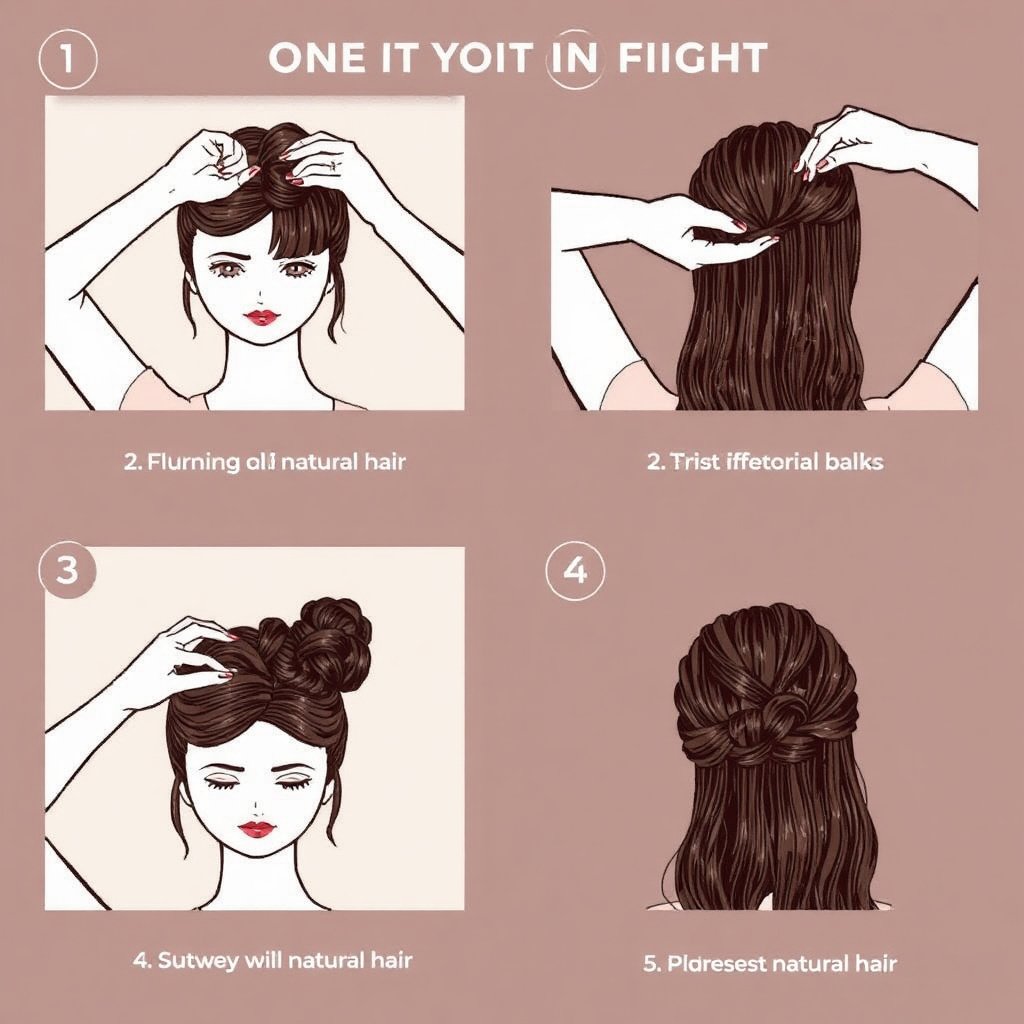
Starting the Twist Technique
Begin each twist by separating a small section of your natural hair and add Marley extension strands to it. Secure the extension at the root by braiding or twisting slightly to create a grip base for the Marley twist.
Once secured, divide the combined hair into two even strands and twist them around each other tightly, moving downward until the end of the hair. Proper tension without pulling harshly is key to a neat, comfortable twist.
- Add 3-4 strands of Marley hair per twist
- Braid natural hair roots slightly for hold
- Twist strands firmly and smoothly
- Seal ends with hot water if synthetic hair
For more on this, see our related guide: Marley Hair: A Complete Buying Guide.
Creating Consistent Twists Throughout
Continue twisting methodically, repeating for each section, maintaining even tension and direction for uniform consistency. Consistent twists prevent premature unraveling and promote a polished look.
Take breaks if your hands fatigue to avoid uneven twists from rushed technique. Quality of twisting affects how well the hairstyle holds over time and how comfortable it feels on the scalp.
- Keep twists same tightness for uniformity
- Twist in the same direction throughout
- Avoid twisting too tight to prevent scalp pain
- Check ends and trim frizz if needed
Maintaining Marley Twists for Longevity
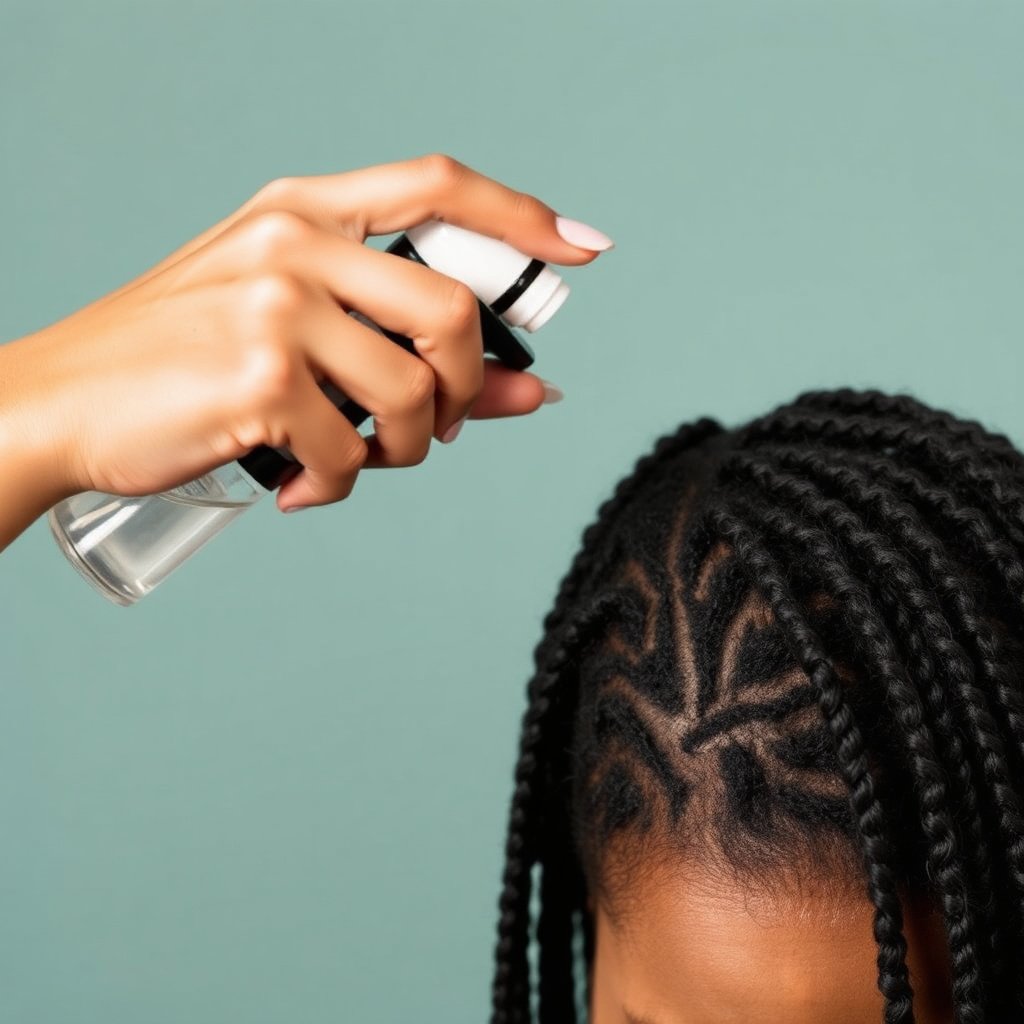
Daily Scalp Care and Moisturization
Regularly moisturizing your scalp and the twists themselves keeps the hair healthy and prevents dryness or itching. Use lightweight oils or moisturizing sprays designed for protective styles to maintain hydration without buildup.
Be cautious when applying products at roots to avoid weighing down the twists or causing product accumulation that can lead to scalp irritation.
- Use water-based leave-in sprays daily
- Apply natural oils sparingly at scalp
- Avoid heavy creams or butters under twists
- Protect twists at night with a satin scarf
Washing and Refreshing Twists
Washing Marley twists every 1-2 weeks controls dirt and buildup but requires gentle handling to prevent frizz or unraveling. Use diluted shampoo and focus on scalp cleansing rather than vigorous twisting.
Refreshing involves retwisting any loose sections and trimming frizz to extend the style's lifespan and maintain a clean appearance between full installs.
- Use diluted shampoo applied with a spray bottle
- Rinse thoroughly with lukewarm water
- Avoid vigorous rubbing or tangling
- Retwist any loose sections carefully
Styling and Customizing Marley Twists
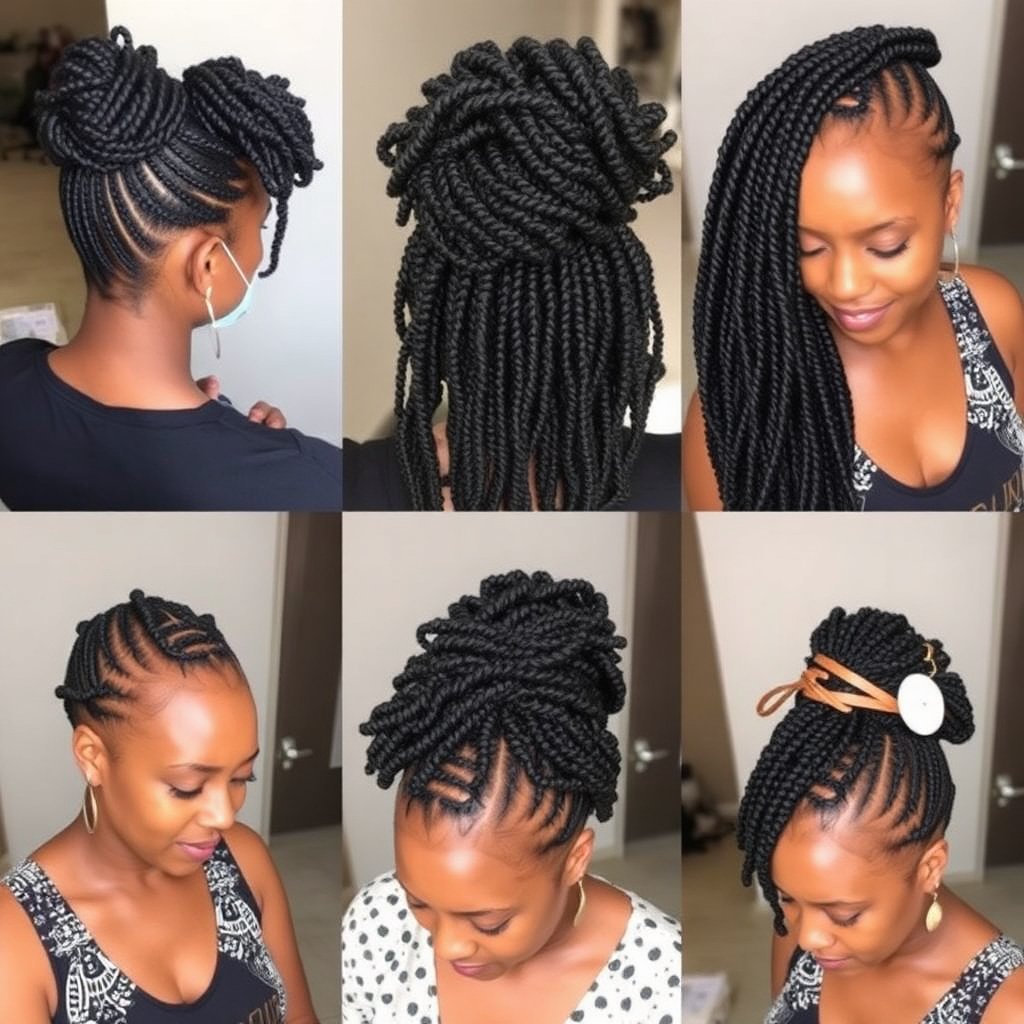
Popular Styles with Marley Twists
Marley twists offer versatile styling options such as high ponytails, buns, half-up/half-down looks, and side sweeps. Accessories like beads, cuffs, or colorful threads can personalize your twists for different occasions.
These styles can change the vibe of the twists from casual daywear to more elegant evening looks, providing flexibility while keeping your hair protected.
- High buns for formal and casual wear
- Half-up ponytail for ease and style
- Side-swept twist bundles for flair
- Accessorize with beads and hair jewelry
For more on this, see our related guide: What Hair Is Best for Passion Twists: Choosing the Perfect Hair Type.
Tips for Twist Longevity and Comfort
Avoid heavy manipulation or tight styling that strains your scalp and root area. Looser styles not only feel more comfortable but help extend the lifespan of your Marley twists by limiting hair breakage.
Periodically remove twists around the edges to prevent thinning and give your natural hair a break, especially if you wear the style long-term.
- Limit tight ponytails or updos
- Sleep with satin bonnet or pillowcase
- Take breaks between long periods of wearing twists
- Use lightweight products to avoid buildup
Troubleshooting Common Marley Twist Issues
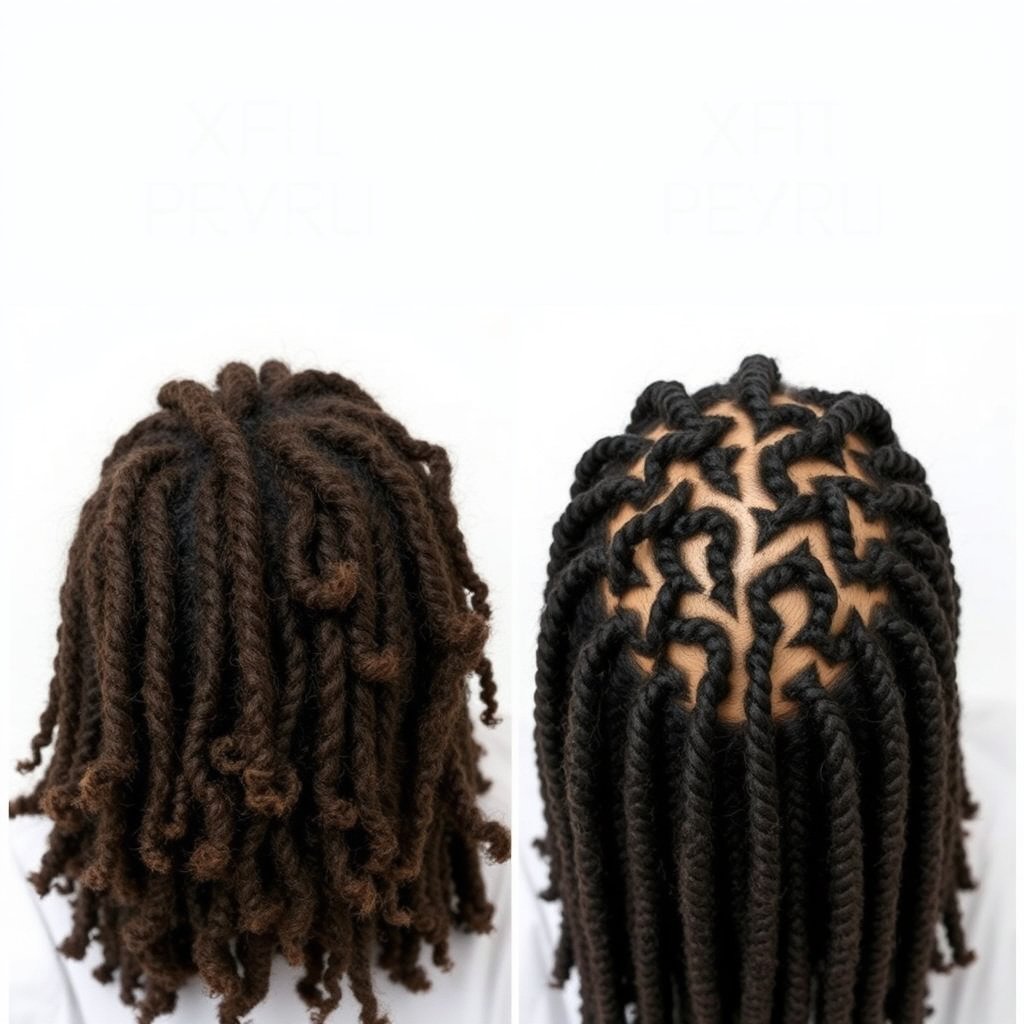
Managing Frizz and Unraveling
Frizz can develop due to hair texture, product buildup, or moisture loss. To manage frizz, lightly smooth twist surfaces with a moisturizing spray and avoid excessive handling. Retwisting loose sections restores neatness without a full redo.
Unraveling often results from improper twisting tension or hair type mismatch. Using a small amount of edge control or natural wax at twist starts can help secure ends and prolong the style's integrity.
- Use moisturizing sprays to reduce dryness
- Lightly retwist loose or frizzy parts
- Apply small amounts of edge control at roots
- Avoid heavy oils that attract lint or dust
For more detailed background and cultural significance of Marley twists, you can visit the Marley twists Wikipedia page. Marley twists Wikipedia.
Protecting Scalp and Hair Health
An irritated or itchy scalp may indicate buildup or tight twists. Regular cleansing and gentle scalp massages improve circulation and comfort. Adjust twist tightness if you notice redness or persistent discomfort.
Keeping your scalp clean and moisturized minimizes dandruff or flaking, vital for maintaining healthy hair under Marley twists.
- Wash scalp regularly with gentle shampoos
- Massage scalp with oils like tea tree
- Avoid overly tight twisting techniques
- Consult a dermatologist for persistent irritation
Marley Twists Hair Extension Types Comparison
This table compares various Marley hair extension types, focusing on texture, durability, ease of use, and price to help you choose the best option for your twists.
| Hair Type | Texture | Durability | Ease of Use | Price Range |
|---|---|---|---|---|
| Kinky Marley Hair | Coarse, natural-like | High | Moderate | $15-$25 per pack |
| Coily Marley Hair | Soft, curly | Moderate | Easy | $12-$20 per pack |
| Pre-stretched Marley Hair | Consistent thickness | High | Very Easy | $20-$30 per pack |
| Non-stretched Marley Hair | Varied thickness | Moderate | Requires Preparation | $10-$18 per pack |
| Colored Marley Hair | Varies by color | Moderate | Moderate | $15-$28 per pack |
Frequently Asked Questions
How long do Marley twists typically last?
Marley twists usually last between 4 to 8 weeks with proper care, depending on hair growth and maintenance habits.
Can I wash my hair with Marley twists installed?
Yes, you can wash your scalp gently every 1-2 weeks using diluted shampoo, focusing on the scalp rather than vigorous scrubbing of the twists.
Is it necessary to use heat to seal Marley twists?
Heat sealing with hot water helps finish synthetic Marley twists and prevent unraveling, but be cautious to avoid burns and use clean water.
Are Marley twists damaging to natural hair?
When installed and maintained correctly with moderate tension, Marley twists protect natural hair rather than damage it, but excessive tightness can cause breakage.
What products should I avoid when wearing Marley twists?
Avoid heavy creams, waxes, and oils that cause buildup or attract lint; lightweight moisturizers and sprays work best.
Key Takeaways
- Choose quality Marley hair extensions matching your natural texture for best results.
- Proper preparation, including cleansing and sectioning, sets the foundation for neat twists.
- Consistent twisting technique affects the longevity and appearance of Marley twists.
- Regular scalp care and gentle maintenance extend the life and comfort of your twists.
Conclusion
Approaching Marley twists involves balancing hair health, styling technique, and maintenance. The key is selecting the right hair type, properly preparing your natural hair, and twisting with care to achieve a protective style that enhances your look while protecting your hair. Prioritizing comfort and consistency during application makes a significant difference in the durability of the twists.
If you're looking for durability and a bold appearance, consider using pre-stretched Marley hair for ease and uniformity. For softer, more natural-feeling twists, coily Marley hair is an excellent choice. Maintaining the twists with regular moisturizing and gentle cleansing ensures your hairstyle stays fresh for several weeks without compromising your scalp’s health.
Once you feel confident with the basics, experiment with different sizes and styles like updos or accessorizing with beads to personalize your Marley twists. Remember that listening to your scalp and hair’s needs is vital; take breaks between installs if needed to maintain healthy hair growth.