How to Do Hippie Locs: A Step-by-Step Guide for Natural-Looking Loc Extensions
Hippie locs are a popular, stylish way to achieve the look of natural dreadlocks without the long-term commitment of growing them. To do hippie locs, you start by sectioning clean, detangled hair, then wrap or crochet synthetic or natural extension hair around each section to create seamless, lightweight locs that look effortlessly free-spirited. This method allows for a quick transformation and flexibility in hair length and volume.
The appeal of hippie locs lies in their versatility and relatively low maintenance compared to traditional locking. They give you a bohemian vibe that is both trendy and timeless, appealing to those who want a loc style with less upfront time and commitment. Plus, they offer the freedom to experiment with colors, thicknesses, and textures, aligning perfectly with self-expression through hair.
This article will walk you through the essential steps, from preparation and tools needed to detailed wrapping and finishing techniques. You’ll also learn about aftercare, styling tips, and how to maintain your hippie locs so they stay looking fresh and durable over time.
Preparing Your Hair and Materials for Hippie Locs
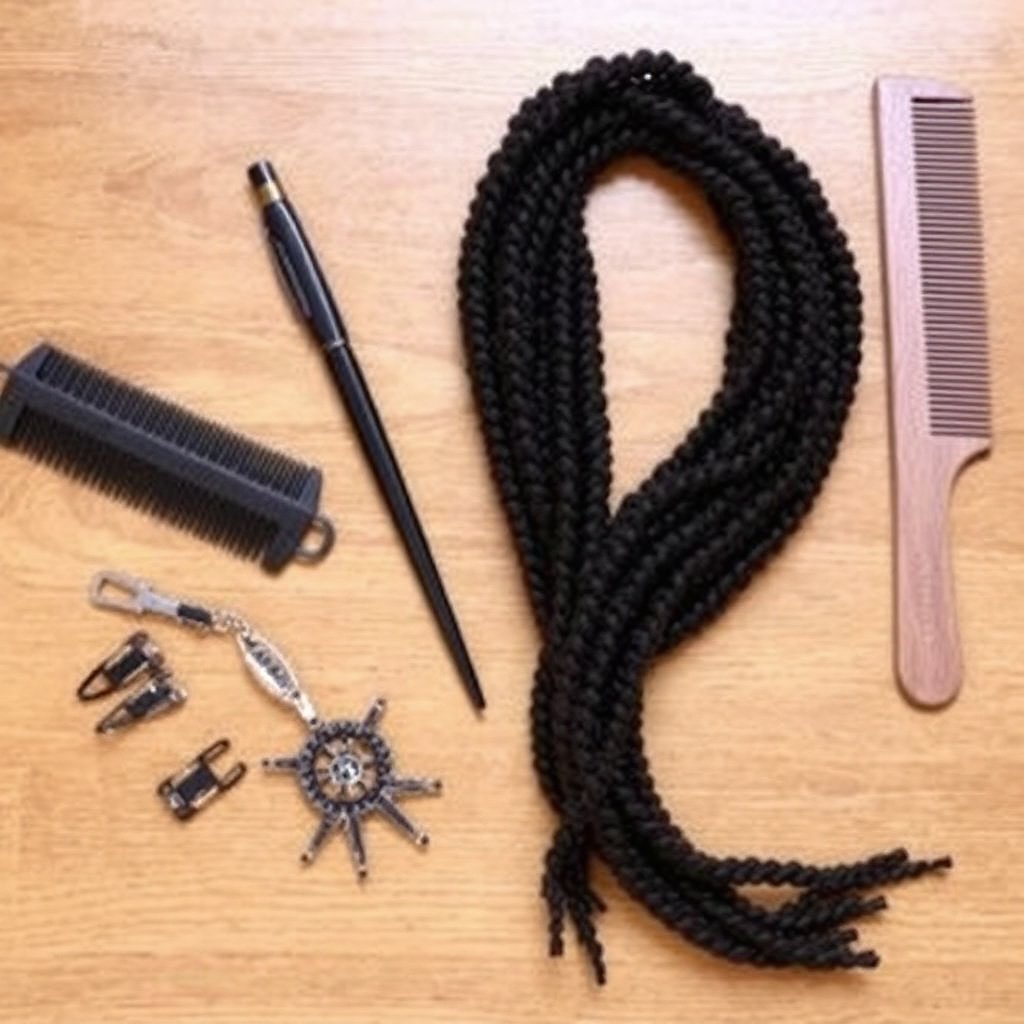
Choosing the Right Hair Extensions
Selecting the best hair extensions for hippie locs makes a big difference in the final look and comfort. Synthetic materials like kanekalon or toyokalon are popular for their ability to mimic natural hair texture and hold shape well during wrapping. Natural hair extensions offer a more authentic look but can be heavier and require more care.
Extensions come in different thicknesses and lengths. For hippie locs, medium to thick extensions create the signature fullness and rustic appearance. Opting for eco-friendly or cruelty-free synthetic options can also cater to personal values while maintaining style.
- Synthetic kanekalon: lightweight and durable
- Natural human hair: more authentic but heavier
- Different thicknesses for volume control
- Variety of colors for customization
Preparing Your Natural Hair
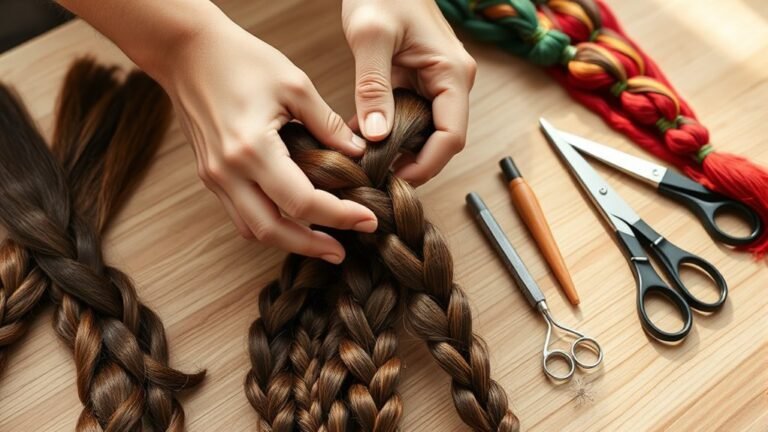
Start with clean, dry hair that is well-moisturized but not oily to ensure extensions grip securely. Section your hair with precision using a rat-tail comb, creating clean, evenly sized squares to maintain uniformity across your locs.
Braiding or twisting each section tightly helps provide stability for wrapping. If your hair is short or prone to slipping, use small rubber bands or clips to hold the base tight until the extension wrapping begins. Taking time with prep results in longer-lasting hippie locs that do not unravel.
- Wash and condition hair thoroughly
- Detangle and moisturize hair
- Use a rat-tail comb for neat sections
- Optional: braid or twist hair before wrapping
Techniques for Wrapping and Creating Hippie Locs
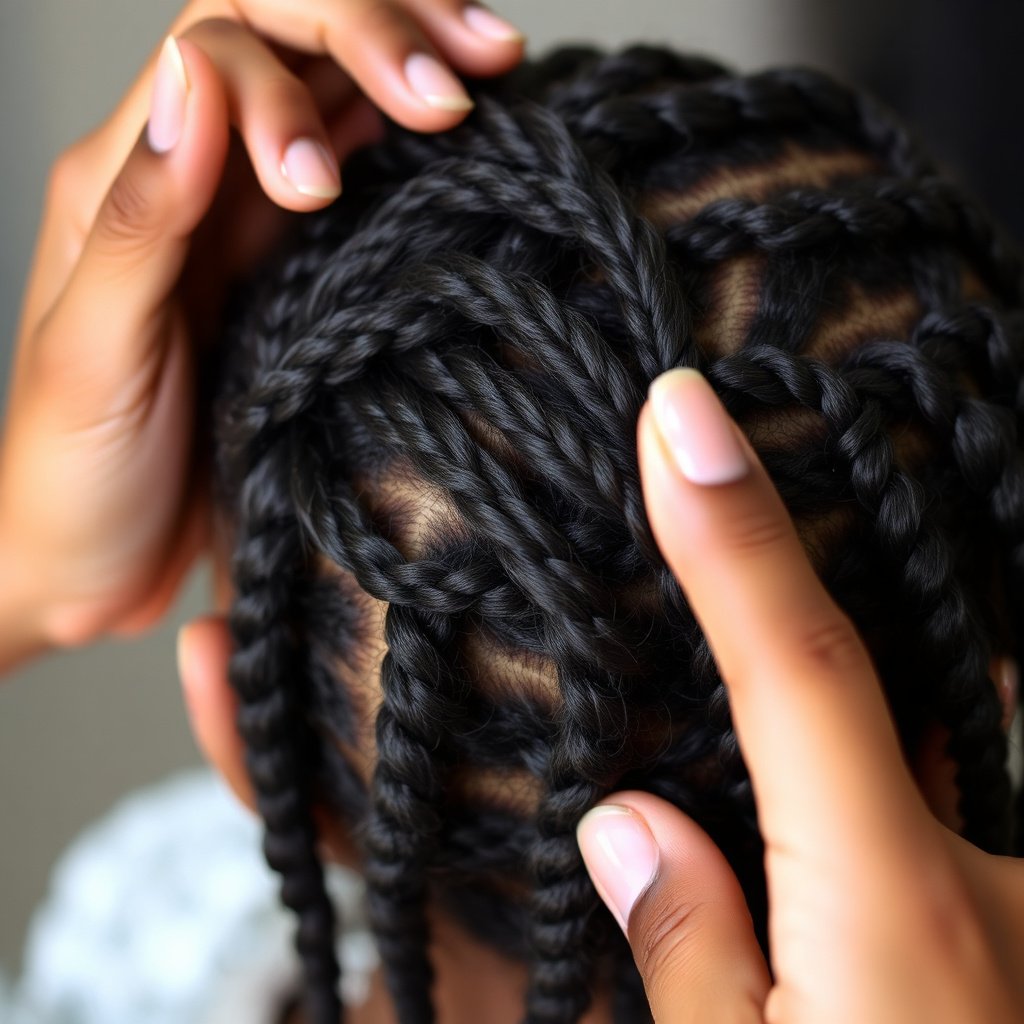
Wrapping Method Using Synthetic Extensions
Begin wrapping the synthetic extension hair around the base of the natural hair section tightly but carefully to avoid tension. Coil the hair downward along the section, maintaining consistent tightness to form a smooth, natural-looking loc.
To secure each wrap, use a crochet hook to pull loose hairs into the loc, which also tightens and locks the style. This method helps the synthetic and natural hair blend seamlessly while preventing unraveling.
- Start wrapping at the root
- Maintain even tension throughout
- Use a crochet hook to secure loose hairs
- Check loc thickness regularly
Alternative Braided Base for Added Security
If you want extra durability, braid or twist each natural hair section before wrapping the synthetic hair. This braided base provides a firmer anchor, reducing slippage and increasing loc lifespan.
Braided bases also create more texture under the locs, lending a rugged and bohemian aesthetic typical of hippie locs. Finish by carefully wrapping and securing as usual.
- Braid hair tightly before wrapping
- Wrap synthetic hair over braid for coverage
- Secure ends with crochet or small knots
- Ideal for longer-lasting styles
Styling and Shaping Your Hippie Locs

Trimming and Shaping Loc Ends
Once all locs are wrapped, trim any uneven or frayed ends to achieve a neat, cohesive look. Shaping the ends into blunt or tapered styles can help create the vibe you want, whether rugged and organic or polished and tidy.
Use sharp scissors and work slowly to avoid cutting too much. Regular trims every few weeks help maintain the shape and keep locs from unraveling or frizzing excessively.
- Trim frayed synthetic ends
- Shape to blunt, tapered, or natural tips
- Trim periodically for upkeep
For more on this, see our related guide: Hippie Locs Guide: What to Know Before You Buy.
Incorporating Accessories for a Bohemian Look
Adding beads, wraps, or natural elements like feathers embellishes hippie locs in line with that carefree boho style. Use lightweight accessories to avoid weighing down the locs or causing breakage at the base.
Colored thread, wooden beads, or metal rings can be tied or clipped in strategically for personalized flair while maintaining the locs’ flow and mobility.
- Use lightweight beads and rings
- Wrap colorful threads around locs
- Avoid heavy accessories that cause tension
Maintaining and Caring for Hippie Locs

Daily and Weekly Maintenance Tips
To keep hippie locs looking fresh, regularly moisturize the scalp and hair with light oils like jojoba or argan to prevent dryness. Avoid heavy creams that build residue and weigh locs down.
Gently separate any locs that begin to conjoin, and sleep with a satin or silk scarf to reduce friction and frizz. Washing can be done every one to two weeks using diluted shampoo, focusing on the scalp.
- Moisturize scalp and locs lightly
- Separate locs gently as needed
- Use satin or silk scarf during sleep
- Wash every 1-2 weeks carefully
When and How to Retouch or Rewrap
Depending on hair growth and wear, hippie locs may need rewrapping or retouching every 4 to 8 weeks to maintain neatness and prevent unraveling at the roots. The retouch can involve adding new synthetic hair or tightening the wrap and braid bases.
Proper retouching extends the life of your hippie locs and keeps them looking natural, so scheduling touch-ups in advance helps avoid rushed fixes or damage.
- Retouch every 4-8 weeks
- Add new synthetic hair as needed
- Tighten wraps and braid bases
- Schedule regular maintenance
Common Mistakes and How to Avoid Them with Hippie Locs
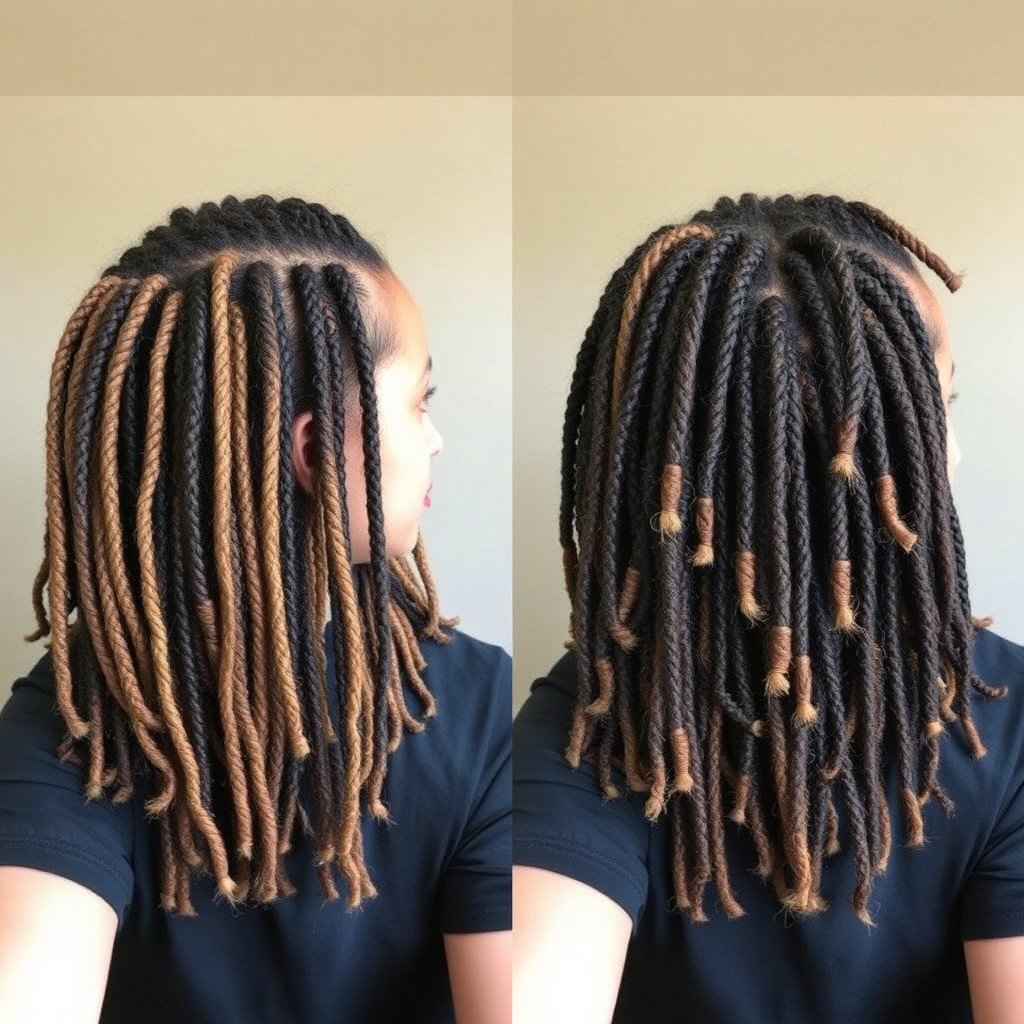
Avoiding Excessive Tension and Breakage
Wrapping hippie locs too tightly or creating sections that are too small puts stress on your natural hair, leading to breakage or traction alopecia over time. Aim for firm yet flexible wraps that allow natural movement.
Be mindful when styling or accessorizing to avoid pulling or hanging weight that could strain roots. Healthy habits extend the lifespan of your locs and protect hair health.
- Do not wrap excessively tight
- Use moderate section sizes
- Avoid heavy accessories
- Be gentle when styling
Preventing Build-Up and Scalp Irritation
Using heavy oils, waxes, or unbalanced washing routines can cause product build-up inside locs, leading to odor or scalp problems. Stick to light, residue-free products and rinse thoroughly during washes.
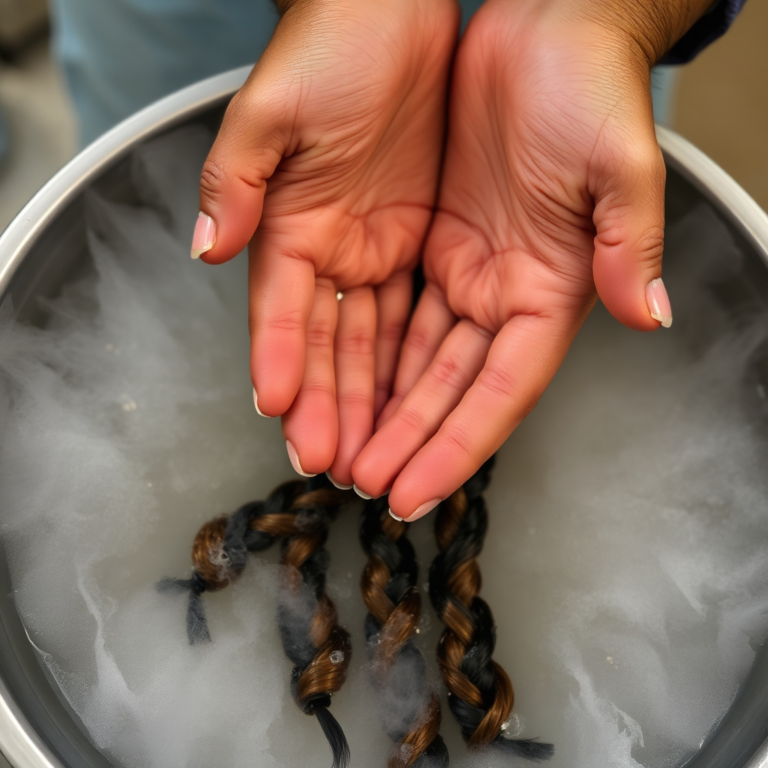
Rinse synthetic hair extensions gently when shampooing and try not to scratch or irritate your scalp. Keeping a clean scalp environment encourages healthy loc growth and comfortable wear.
- Use light, residue-free oils
- Limit heavy products and waxes
- Rinse extensions thoroughly
- Maintain clean scalp hygiene
Styling Ideas and Variations for Hippie Locs
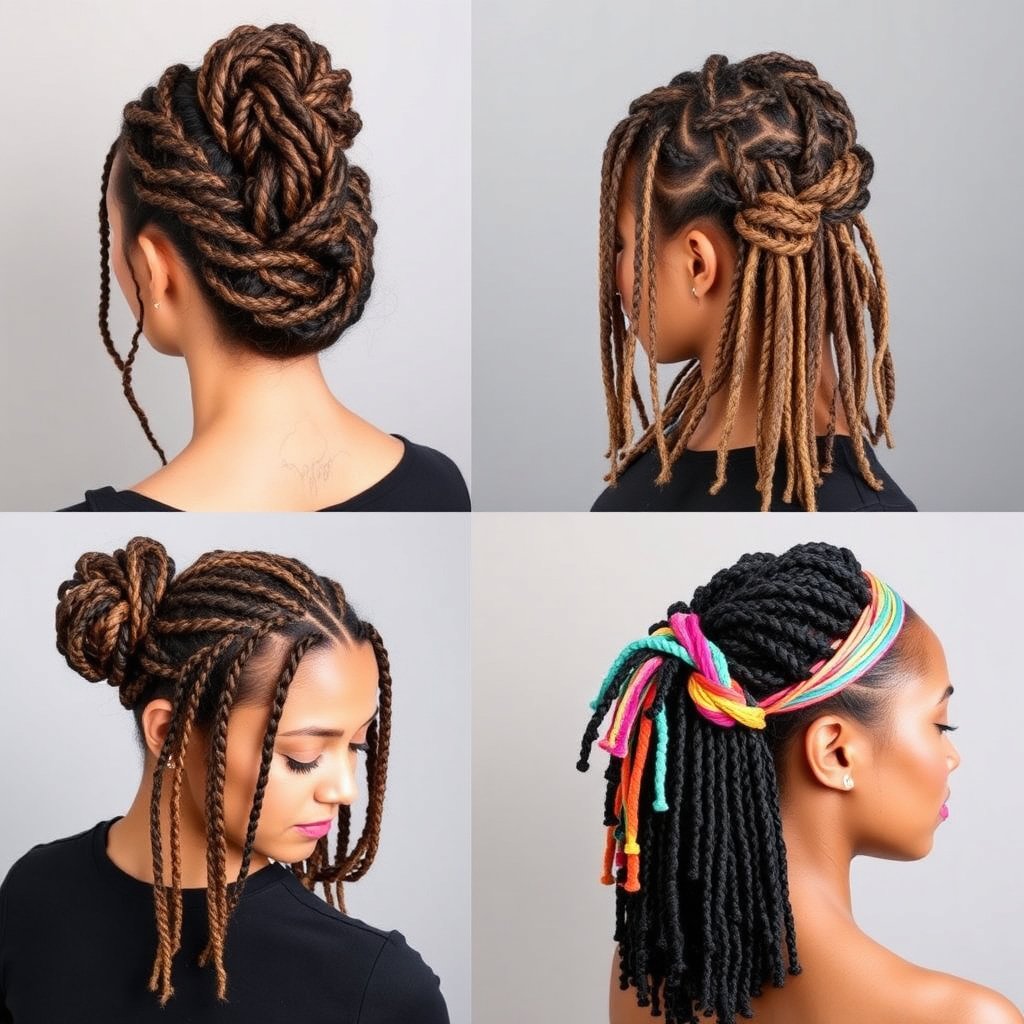
Bohemian Updos and Half-up Styles
Hippie locs lend themselves well to carefree updos such as messy buns, twisted crowns, or half-up half-down looks. These styles highlight the textures of the locs and allow for comfortable wear in warm weather.
Secure the styles with fabric ties, wooden pins, or boho-inspired clips that blend aesthetically with your locs' texture. Updos are perfect for events or daily wear and help protect ends.
- Messy buns for casual wear
- Twisted crowns for festivals
- Half-up styles for versatility
- Use natural-looking accessories
For a broader understanding of loc styles, including their cultural history and variations, see the Dreadlocks article on Wikipedia. Dreadlocks article on Wikipedia.
Adding Color and Extensions for Creativity
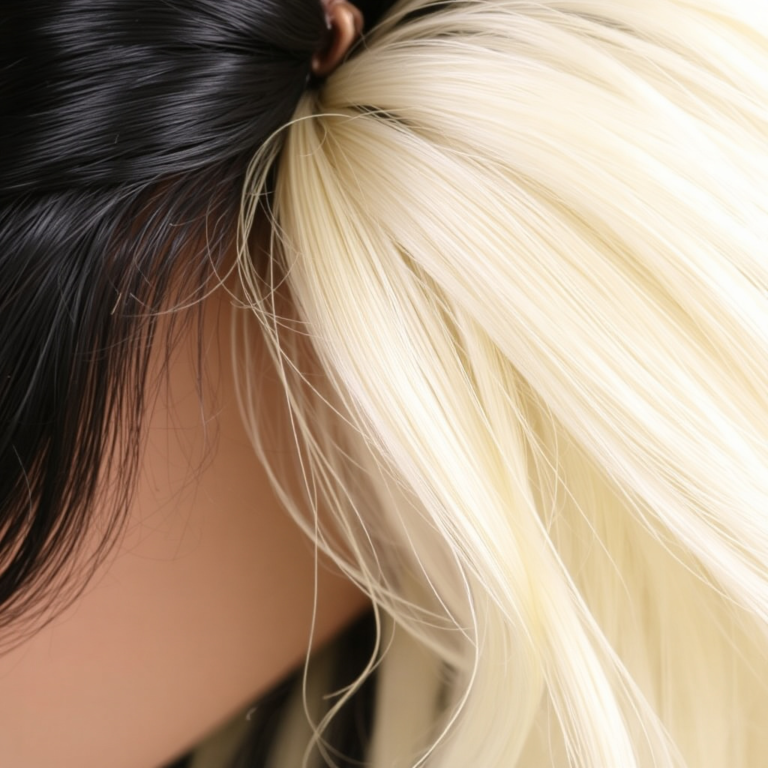
To personalize hippie locs, consider adding colored synthetic extensions for highlights or ombré effects. Bright or muted tones can easily be integrated during the wrapping process for a unique look.
Temporary chalks or hair sprays designed for synthetic hair can also add vibrant accents that wash out. This flexibility encourages artistic expression while maintaining the hippie aesthetic.
- Use colored synthetic extensions
- Try ombré or highlights
- Temporary chalk or sprays
- Coordinate colors with accessories
Comparison of Hippie Locs Hair Extension Categories
The following table compares different types of hair extensions you can use for hippie locs, highlighting key features to help you decide.
| Extension Type | Material | Weight | Durability | Cost Estimate | Maintenance Level |
|---|---|---|---|---|---|
| Kanekalon Synthetic | Synthetic fiber | Lightweight | High | $15-$30 per pack | Low |
| Toyokalon Synthetic | Synthetic fiber | Medium | Moderate | $20-$40 per pack | Moderate |
| Human Hair | Natural human hair | Heavier | High | $50-$100 per pack | High |
| Eco-friendly Synthetic | Plant-based fibers | Light to medium | Moderate | $25-$45 per pack | Moderate |
Frequently Asked Questions
How long do hippie locs typically last?
Hippie locs usually last between 4 to 8 weeks depending on hair growth, wrapping technique, and maintenance. Regular retouching can extend their lifespan while keeping them neat.
Can I swim or exercise with hippie locs?
Yes, but it's best to rinse and dry the locs thoroughly after swimming to avoid buildup and odor. Wearing a swim cap helps protect hippie locs during water activities.
Is it possible to do hippie locs on short hair?
Yes, hippie locs can be done on short hair by using braiding or twisting bases before wrapping extensions. This method secures the synthetic hair and creates a natural look.
What products should I use for caring for hippie locs?
Use lightweight oils like jojoba or argan to moisturize your scalp and locs. Avoid heavy waxes or greasy products that can cause buildup or attract dirt.
Can I color or dye synthetic hippie locs?
Most synthetic extensions cannot be dyed with regular hair dye. Instead, choose pre-colored synthetic hair or use temporary hair chalks or sprays for safe color variations.
Key Takeaways
- Hippie locs are created by wrapping synthetic or natural hair around braided or twisted sections.
- Choosing the right type of hair extensions affects style, weight, and durability.
- Proper maintenance includes moisturizing, gentle washing, and regular retouching to extend wear.
- Avoid excessive tension and heavy products to protect hair health and loc longevity.
Conclusion
Deciding how to do hippie locs involves balancing aesthetics, comfort, and maintenance requirements. Starting with clean, well-sectioned natural hair and selecting suitable hair extensions—whether synthetic or natural—sets a strong foundation. The wrapping technique you choose, either directly on natural hair or over a braided base, impacts how natural and durable your locs will appear. Throughout the process, paying attention to detail in wrapping tightness and securing methods helps prevent early unraveling or breakage. Coupled with regular care routines, these steps together create a hippie loc style that looks authentic, feels comfortable, and lasts for weeks at a time.
If you want a lightweight option that is easy to maintain, kanekalon synthetic hair wrapped directly onto twisted sections can be ideal for beginners or those seeking a quick style change. For longer-lasting results that mimic natural hair more closely, braiding the base before wrapping with human hair extensions provides added strength and realism. Accessories and styling variations add creative flair without affecting longevity when applied thoughtfully. Choosing between these options depends largely on your lifestyle and how much time you want to invest in upkeep.
To get started, gather quality hair extensions matched to your desired thickness and color, prepare your hair carefully, and follow the wrapping techniques described for secure, seamless finishes. Remember that maintenance is key—moisturize regularly, protect your locs with satin scarves, and plan retouches to keep hair healthy and looking great. Whether aiming for a simple everyday boho look or a more elaborate style with colorful accents, hippie locs offer a flexible and trendy way to express your individuality.