How to Do Faux Locs with Marley Hair: A Complete Step-by-Step Guide
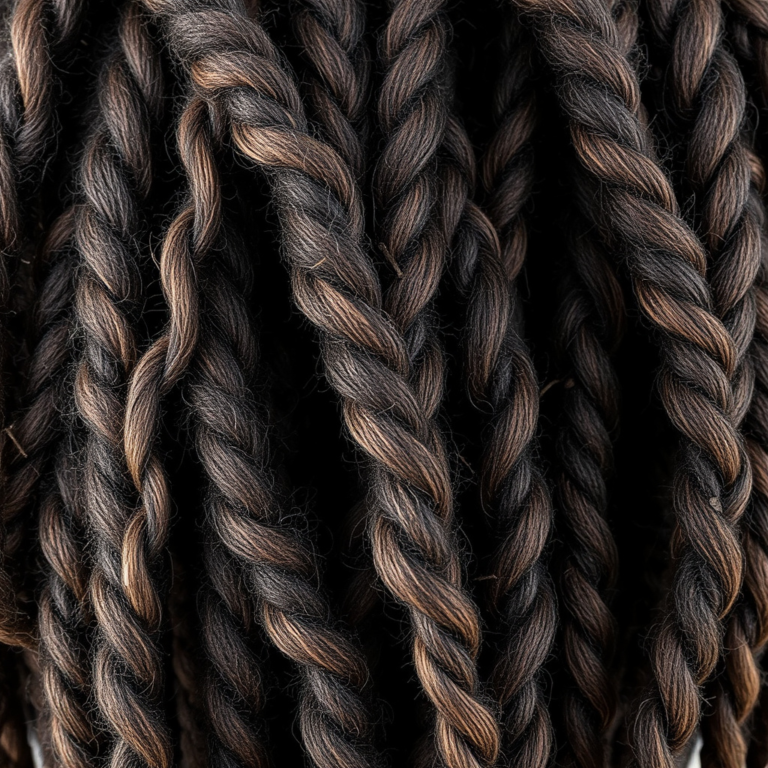
To do faux locs with Marley hair, start by preparing your natural hair with clean, moisturized, and neatly sectioned strands. Then, wrap the Marley hair around each section of your natural hair, using crocheting or rope twisting methods, and secure the ends properly to avoid unraveling. Marley hair fibers mimic natural loc texture, giving a realistic and lightweight appearance.
Faux locs made with Marley hair have become a popular protective hairstyle that not only shields natural hair from damage but also offers a versatile and stylish look. Marley hair is favored for its thick, rope-like texture that closely resembles natural locs, making it easier to create authentic-looking faux locs without excessive weight or tension.
This article will walk you through essential steps for installing faux locs using Marley hair, including preparation, installation methods, maintenance tips, and styling ideas. Whether you're a beginner or looking to refine your technique, this guide covers everything you need for long-lasting, natural-looking faux locs.
Preparing Your Hair and Materials for Faux Locs
Washing and Moisturizing Your Hair
Before installing faux locs with Marley hair, start by thoroughly washing your natural hair using a moisturizing shampoo and conditioner. Drying your hair completely helps reduce the risk of mildew or odor building up under the locs.
Once your hair is clean, apply a lightweight leave-in conditioner or natural oil like jojoba or coconut oil to keep strands hydrated without causing buildup that might weigh the locs down or reduce grip.
- Use sulfate-free shampoo
- Apply lightweight leave-in conditioner
- Avoid heavy creams or oils
Selecting the Best Marley Hair for Faux Locs
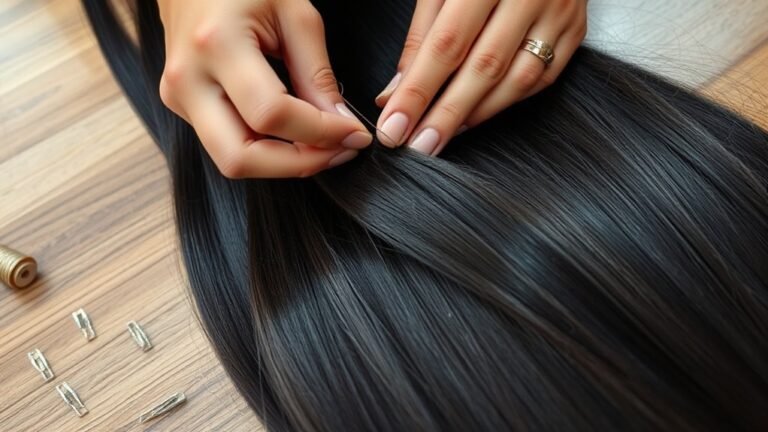
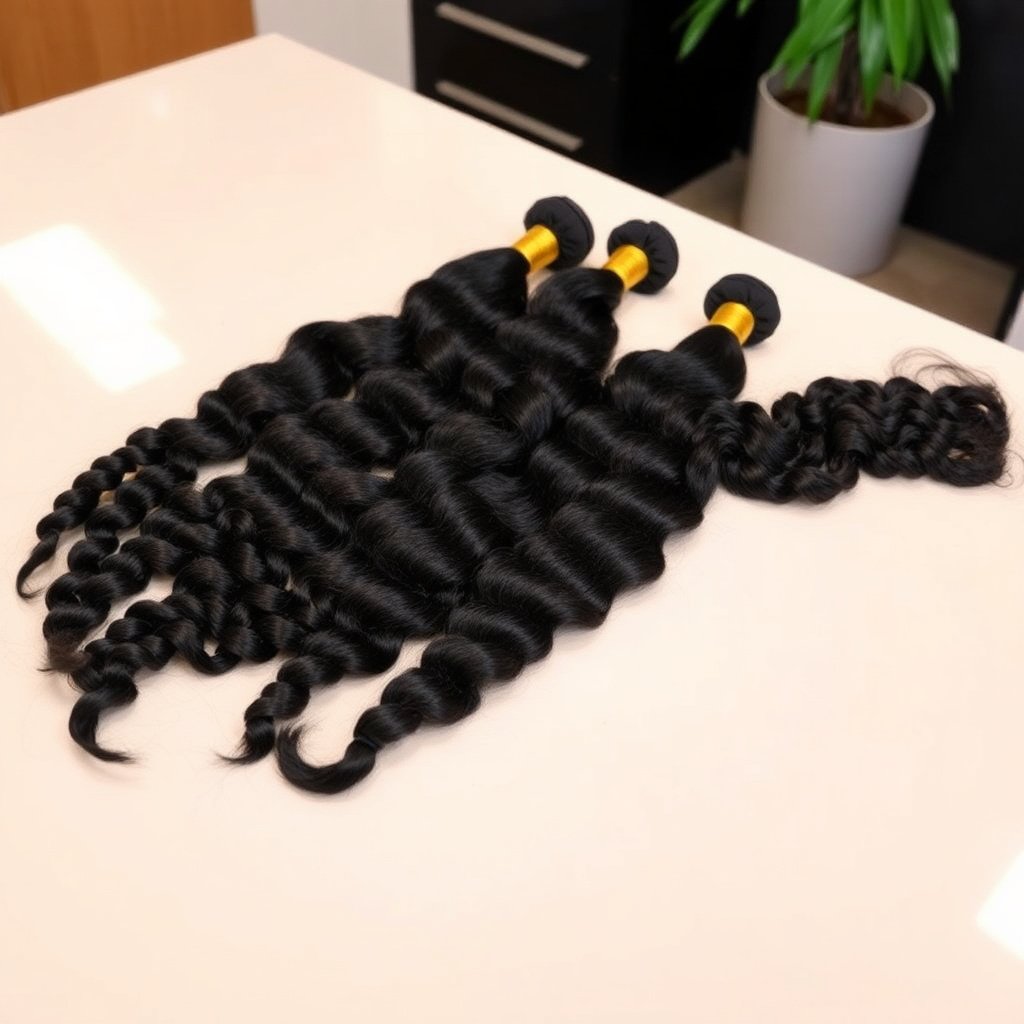
Choosing the right Marley hair is key to a realistic look and comfortable wear. Look for 100% Kanekalon fiber Marley hair that has a natural, coarse texture similar to mature locs.
Some Marley hair options come pre-stretched and pre-twisted, which can save installation time. Additionally, pick a color that complements your natural hair or personal style for seamless blending.
- Kanekalon synthetic fiber
- Pre-stretched Marley hair
- Color matched to natural hair
Techniques to Install Faux Locs with Marley Hair
Crochet Method for Faux Locs
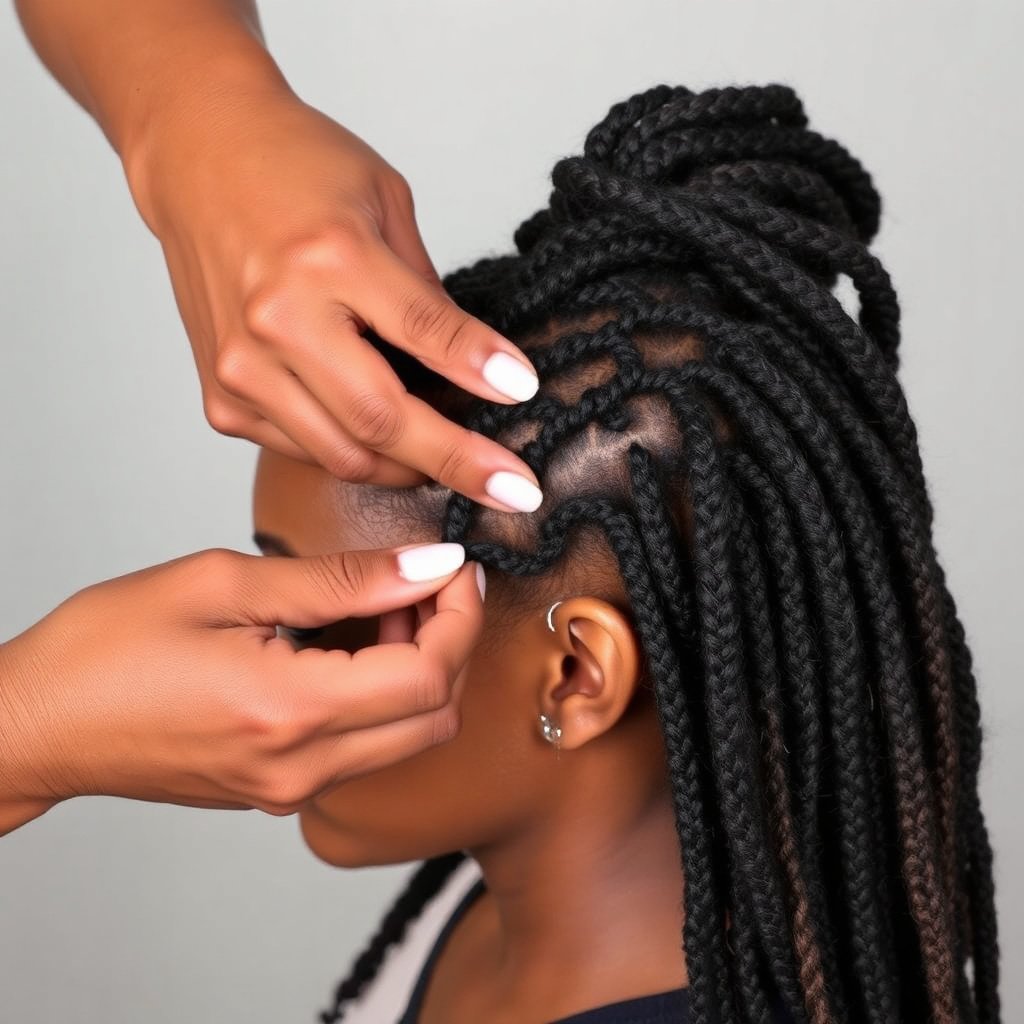
The crochet method involves braiding your natural hair into cornrows and then using a crochet needle to loop Marley hair through the base of each braid. This method is quicker and less tension-heavy, making it suitable for beginners.
Once the Marley hair is hooked onto the braid, wrap the ends around to seal and trim any excess fibers for a clean finish. This technique ensures each loc stays secure and looks full.
- Braid hair tightly into cornrows
- Use a crochet needle for Marley hair attachment
- Seal ends by wrapping and trimming
For more on this, see our related guide: Your Guide to Freetress Crochet Hair: Choosing With Confidence.
Rope Twist Wrapping Technique
For a more traditional loc appearance, rope twisting involves sectioning hair, then twisting Marley hair around each natural strand tightly. Begin at the roots and spiral down toward the ends, incorporating your natural hair fully.
Once the full length is wrapped, secure the ends by dipping them briefly in hot water or using a lighter for synthetic hair to fuse the fibers. This technique offers a neat, uniform look but may require more practice.
- Twist Marley hair firmly around natural strands
- Work from roots to ends
- Seal ends with hot water or heat
Maintaining and Caring for Faux Locs with Marley Hair
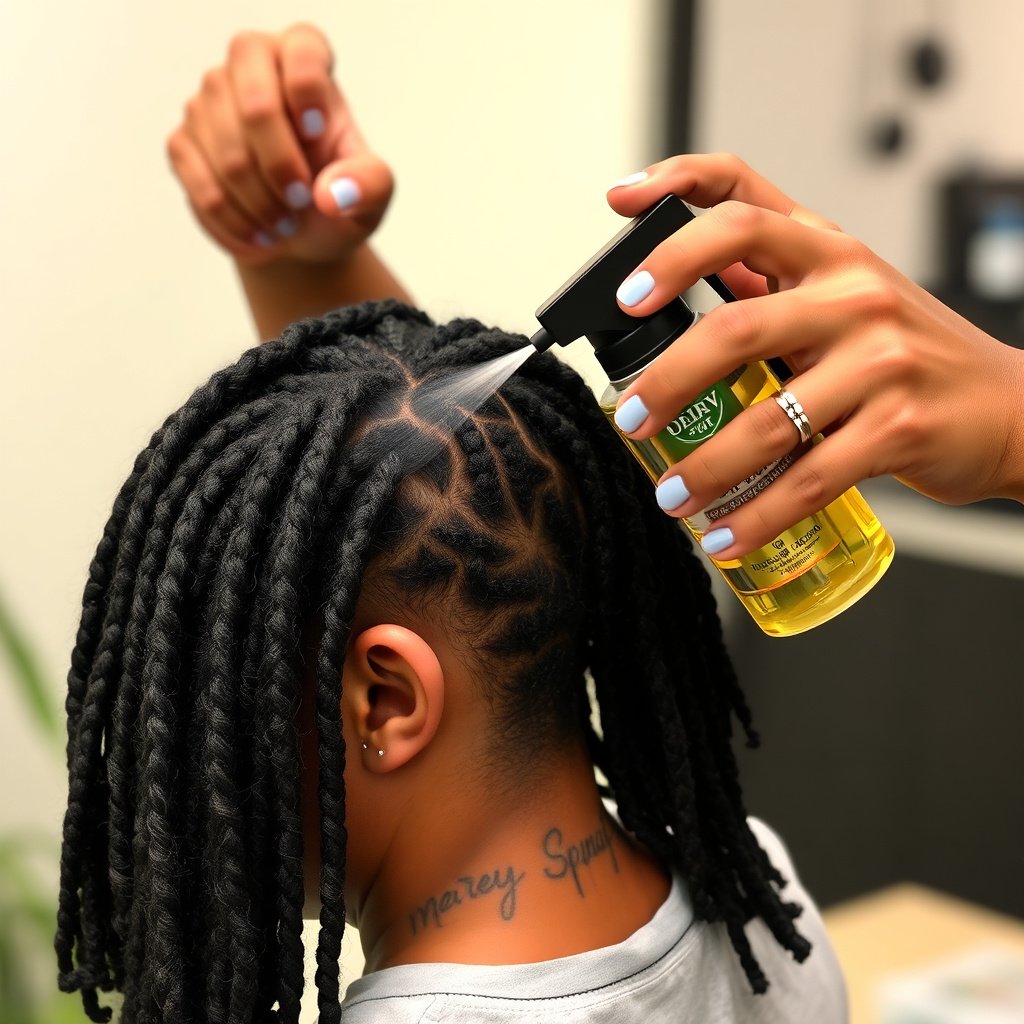
Cleaning Your Faux Locs
Cleaning faux locs regularly prevents buildup and scalp itching. Use a diluted shampoo spray or gentle cleansing wipes to clean your scalp and loc roots without soaking the entire style.
Avoid heavy shampoos and conditioners, as they can cause unraveling or residue buildup on Marley hair fibers.
- Diluted shampoo spray
- Gentle scalp cleansing
- Avoid heavy product buildup
Maintaining Locs to Prevent Frizz and Unraveling
To keep faux locs with Marley hair looking fresh, wrap your hair at night with a satin scarf or bonnet to minimize friction. Use light oils on your scalp to prevent dryness and reduce frizz at the roots.
Occasional touch-ups on loose ends and rewrapping unraveling sections will prolong the style's longevity without needing a full reinstall.
- Nighttime satin wrap
- Apply light scalp oils
- Periodic loc touch-ups
Styling and Customizing Your Faux Locs
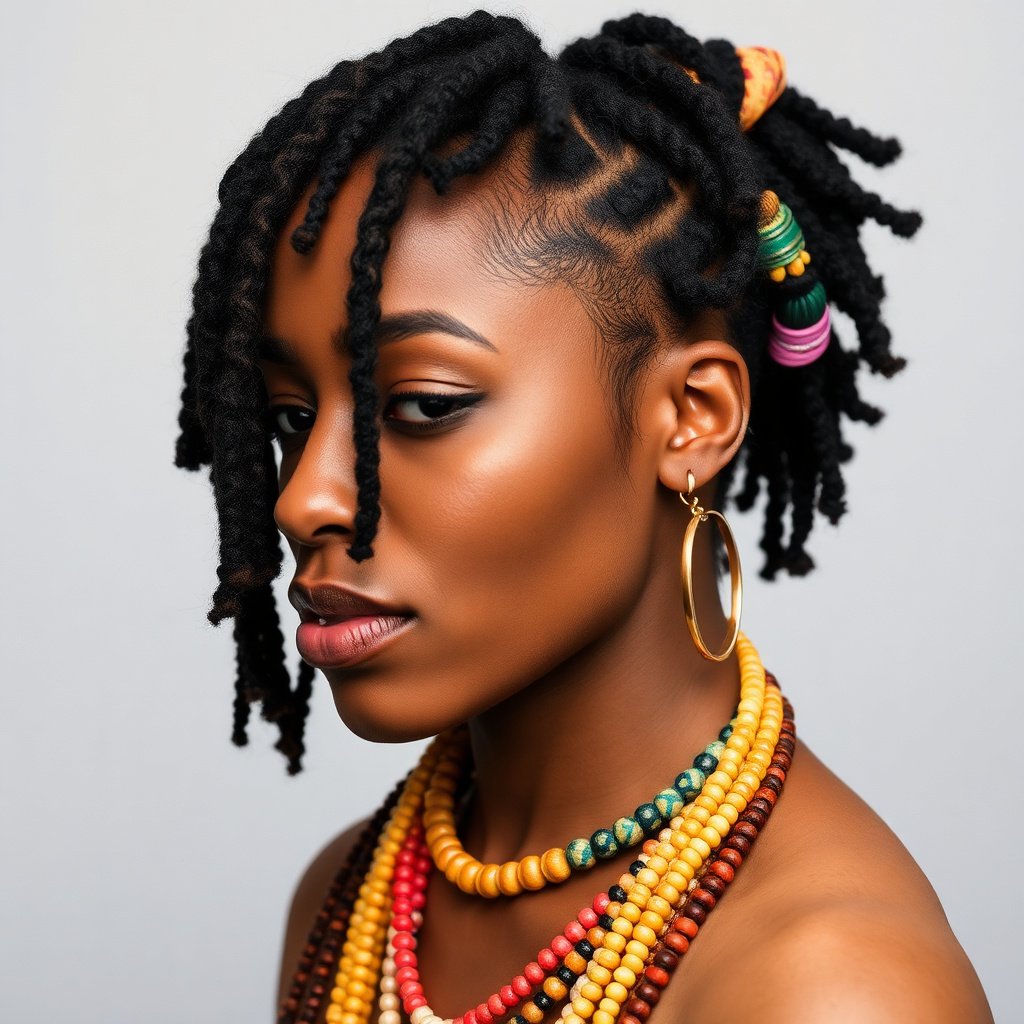
Adding Accessories for Personal Style
Incorporate beads, cuffs, shells, or colorful threads to give your faux locs a unique look. Marley hair holds lightweight accessories well without compromising the loc's structure.
You can also vary loc thickness by adjusting Marley hair bundles during installation to create a mix of thin and thick locs for texture contrast.
- Beads and cuffs
- Thread wrapping
- Vary loc thickness
For more on this, see our related guide: Your Guide to 30 Braiding Hair: Choosing With Confidence.
Heat Styling and Loc Manipulation
Although Marley hair is synthetic, gentle heat tools on low settings can help shape or soften faux locs temporarily. Avoid excessive heat to prevent melting the fibers.
You can also manipulate locs into updos, ponytails, or half-up styles, adding versatility to your look while keeping the protective aspect intact.
- Use low heat sparingly
- Create updos and ponytails
- Avoid melting synthetic fibers
Common Challenges and Troubleshooting Faux Locs
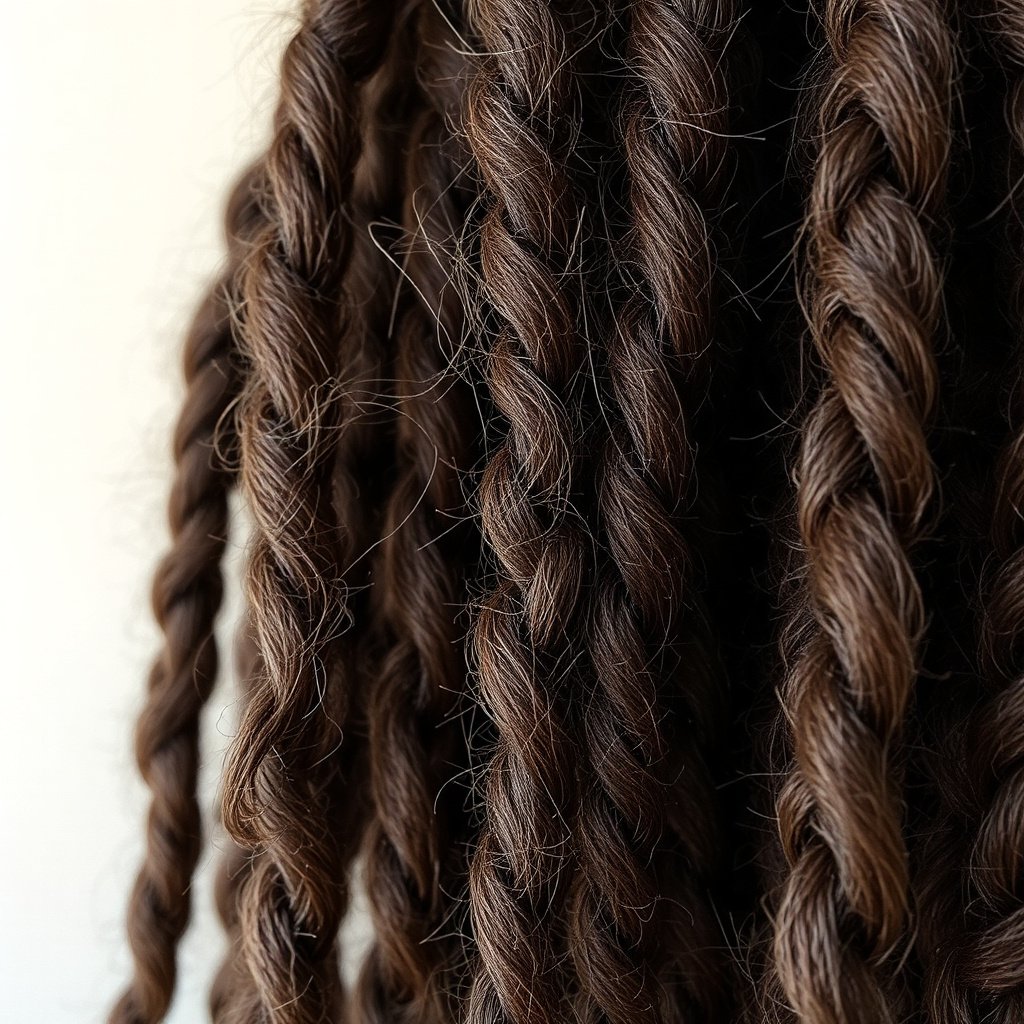
Dealing with Unraveling Ends
Unraveling is a common issue with faux locs, especially at the ends. To prevent this, use hot water sealing right after installation or apply a small amount of edge control gel to lock the fibers.
If ends do unravel over time, rewrap them with additional Marley hair and secure with hot water again.
- Use hot water to seal ends
- Apply edge control gel
- Rewrap unraveled ends
For more detailed background about the faux loc hairstyle and its cultural significance, check out this faux locs hairstyle overview. faux locs hairstyle overview.
Managing Itchiness and Scalp Irritation
Itchiness under faux locs can result from buildup or insufficient scalp care. Use astringent like witch hazel on a cotton ball to refresh the scalp without stripping moisture.
Keeping the scalp moisturized and avoiding heavy products reduces irritation and maintains loc health.
- Apply witch hazel for relief
- Keep scalp moisturized
- Avoid heavy products
Faux Locs Installation Methods Comparison
Here’s a quick comparison of popular faux locs installation methods using Marley hair based on technique, time, and ease of maintenance.
| Method | Installation Time | Durability | Skill Level | Maintenance |
|---|---|---|---|---|
| Crochet Method | 3-5 hours | High | Beginner-Friendly | Low |
| Rope Twist Wrapping | 5-8 hours | Very High | Intermediate | Medium |
| Braided Wrap Locs | 6-9 hours | High | Advanced | Medium |
| Pre-made Loc Extensions | 2-3 hours | Medium | Beginner | High |
Frequently Asked Questions
How long do faux locs with Marley hair last?
Faux locs with Marley hair typically last 4 to 6 weeks with proper care, depending on hair growth and maintenance routines.
Can I wash my Marley hair faux locs?
Yes, you can wash your faux locs gently using diluted shampoo sprays to clean the scalp, but avoid soaking the entire style to prevent frizz and unraveling.
Is Marley hair heat resistant?
Marley hair is synthetic and can melt under high heat, so use heat styling tools sparingly and on low settings if needed.
Can faux locs damage natural hair?
When installed and maintained properly, faux locs protect natural hair, but excessive tension or neglect can cause breakage or scalp issues.
How do I prevent my faux locs from unraveling?
Sealing ends with hot water or edge control gel and wrapping loose sections promptly helps prevent unraveling.
Key Takeaways
- Prepare natural hair thoroughly before installation to keep locs fresh.
- Choose 100% Kanekalon Marley hair for the best faux loc texture.
- Crochet and rope twist are the primary methods to install Marley faux locs.
- Proper maintenance and nighttime wrapping extend loc longevity.
Conclusion
Deciding how to do faux locs with Marley hair hinges on understanding your hair’s condition, texture, and your personal styling goals. The preparation phase is critical—clean, moisturized hair forms the foundation for secure, long-lasting locs. Selecting the appropriate Marley hair that matches your natural hair’s texture and color can make a stark difference in how natural the locs appear. Whether you're using crochet or rope twist methods, patience and precision during installation improve the overall outcome, giving you a protective style that feels comfortable and looks great throughout wear.
For those seeking faster installation and lower tension, the crochet method is ideal. It’s beginner-friendly and reduces scalp strain, making it perfect for first-timers or those with sensitive scalps. On the other hand, the rope twist wrapping technique, while more time-intensive, offers a more traditional loc appearance and higher durability. Using pre-stretched Marley hair can also save time and provide added bulk to your faux locs. Maintenance practices, such as gentle cleaning, nightly satin wrapping, and occasional touch-ups, will maintain the style’s neatness and extend wear time significantly.
Start your faux loc journey by sourcing high-quality Marley hair and gathering the necessary tools like crochet hooks and moisturizing products. Take your time with installation to avoid tension-related damage and commit to a care routine that includes gentle cleansing and scalp hydration. Experiment with accessories and styling to personalize your look. With these steps, you can confidently rock faux locs that protect your natural hair and showcase your unique style.