How to Do Distressed Locs: Step-by-Step Guide for a Natural Look
Distressed locs are a styling technique that gives your dreadlocks a relaxed, lived-in appearance by purposely loosening and softening tight locs. To do distressed locs, start by gently separating the roots and fraying the surface of your existing locs using your fingers or a crochet hook, then apply light twisting or palm rolling sparingly to maintain the natural texture. This method creates the ideal worn, textured look without damaging the hair.
This style is popular for adding dimension and a casual flair to locs, mimicking the natural loosening that occurs over time. Many people appreciate distressed locs for their low-maintenance vibe and versatility, blending well with varied hair care routines and different loc sizes.
This article will cover the essential steps for doing distressed locs, including preparation, tools needed, recommended products, maintenance tips, and common mistakes to avoid. Whether you're starting from scratch or working with mature locs, you’ll find practical advice to achieve the perfect distressed style.
Understanding Distressed Locs and Their Appeal
What Are Distressed Locs?
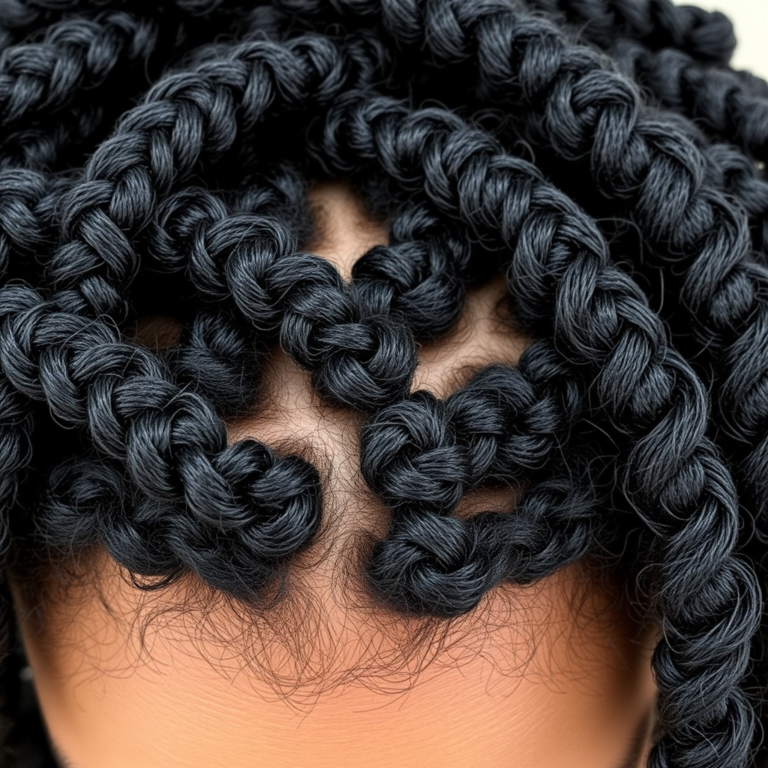
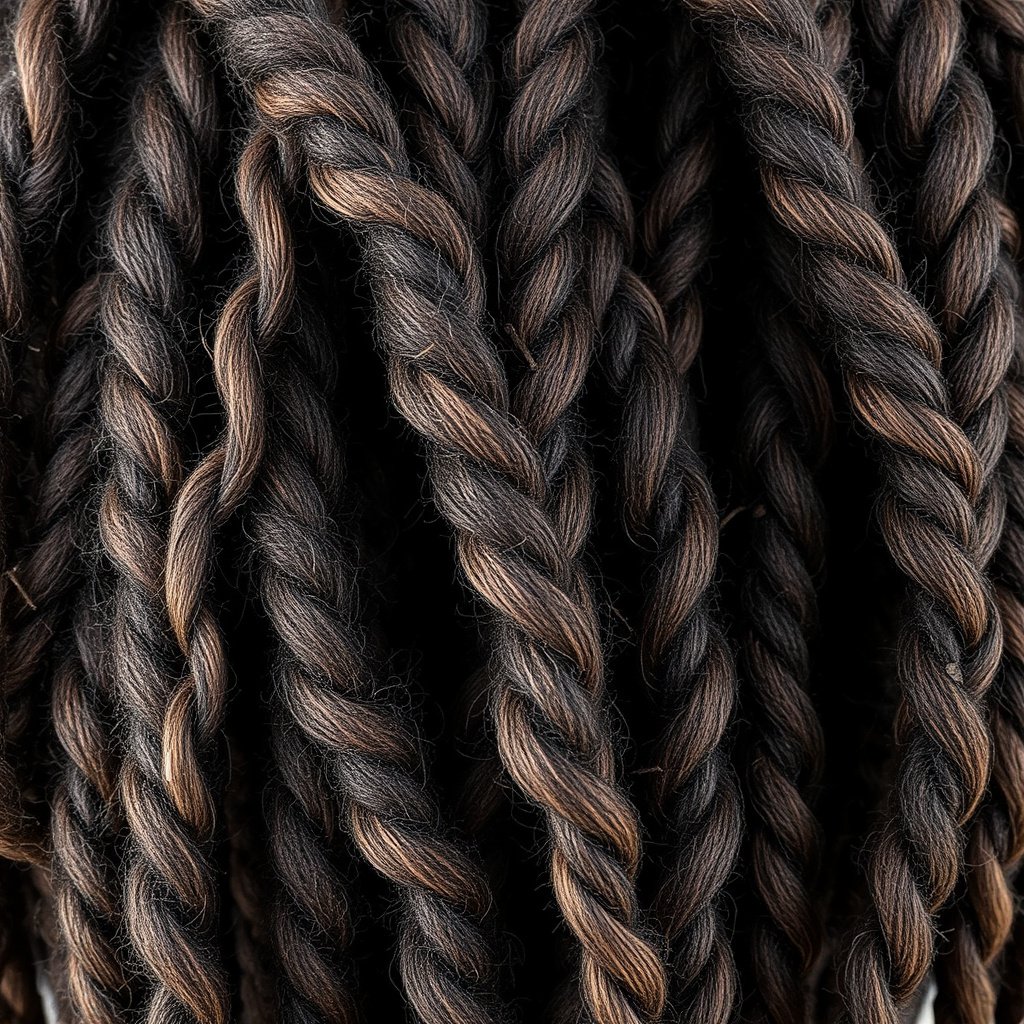
Distressed locs refer to dreadlocks that have a purposely loosened and frayed look, contrasting with the neat, freshly twisted appearance of new locs. This style is achieved by relaxing some of the tightness and creating texture that appears more natural and carefree.
The distressed look highlights individual strands and allows for a softer overall hairstyle that embraces the organic progression of locs. It's often chosen to reduce the rigidity and uniformity of tightly twisted locs.
Why Choose a Distressed Look?
Many prefer distressed locs for their natural, effortless vibe and ease of maintenance. This style reflects a mature stage of locs where some loosening adds aesthetic interest.
It appeals to those wanting a bohemian or rustic style and works well for both short and long locs. Additionally, distressed locs pair well with accessories or dye, allowing creative expression.
Tools and Products Needed for Distressed Locs
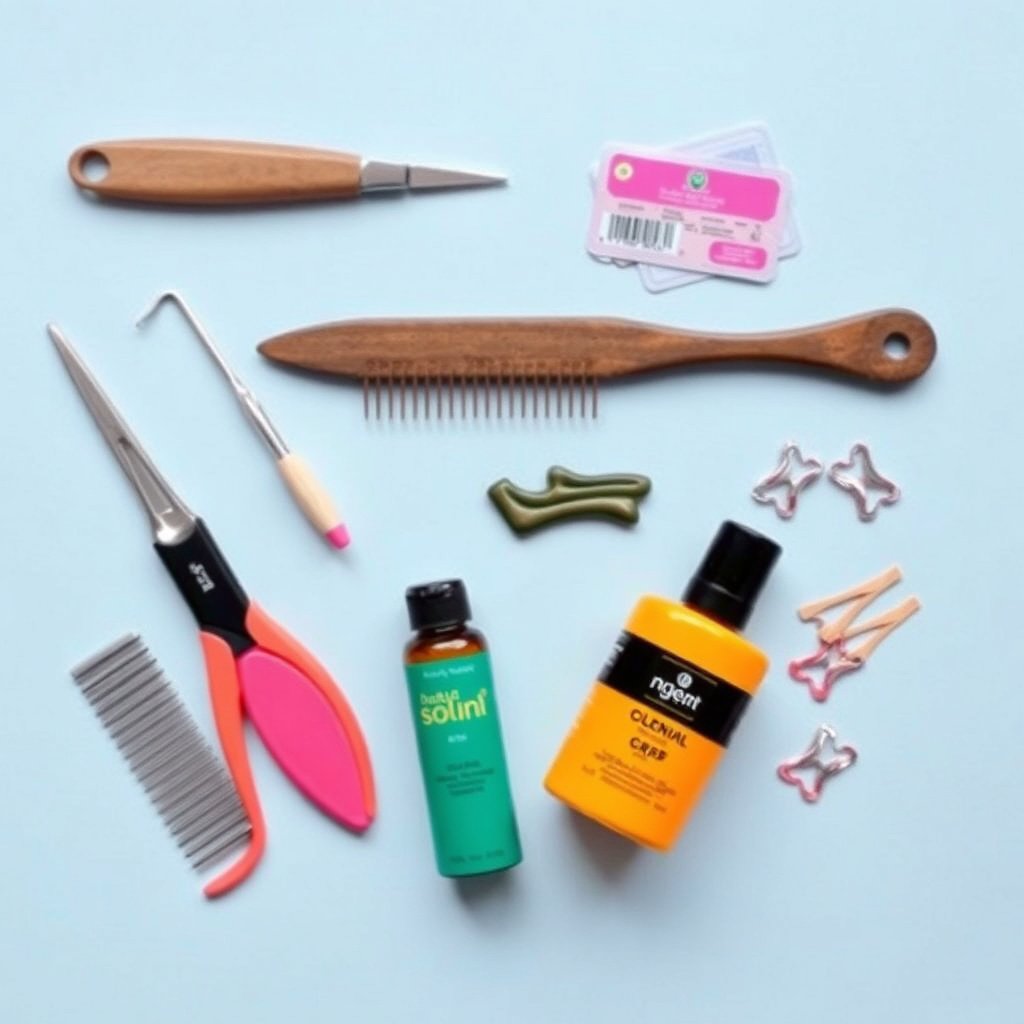
Essential Tools
Crochet hooks with fine tips are invaluable for loosening and teasing the locs' surface without causing breakage. Soft combs and fingers help separate locs at the roots gently, encouraging the distressed effect.
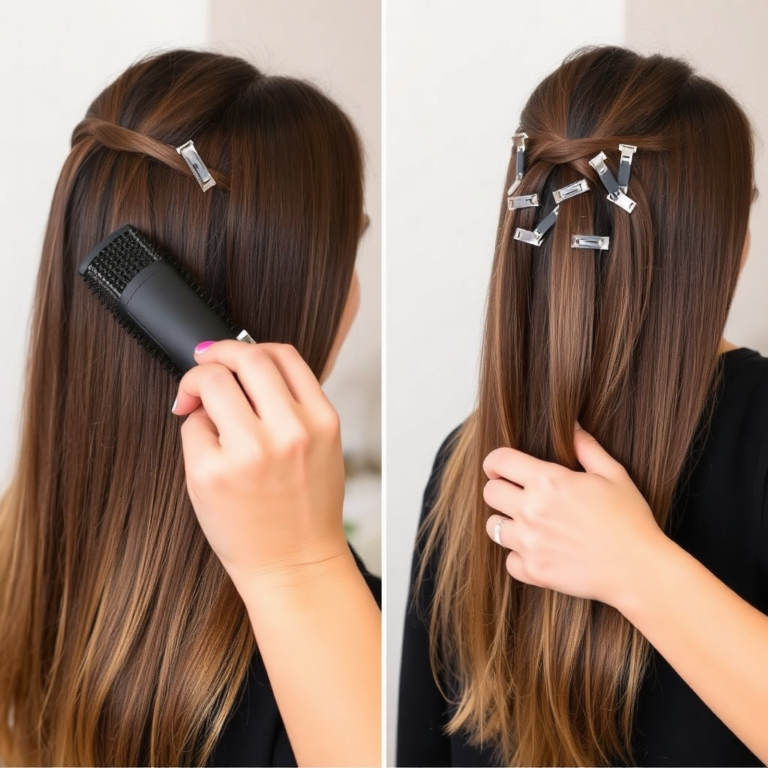
Hair clips or bands temporarily hold sections out of the way while working, and microfiber towels assist in careful drying without roughing the hair cuticles.
- Fine-tip crochet hook
- Wide-tooth comb
- Hair clips
- Microfiber towel
Recommended Hair Products
Light oils like jojoba or argan oil hydrate locs while enhancing their natural sheen without weighing them down. Residue-free shampoos keep locs clean and fresh without buildup that can stiffen hair.
"Best products for distressed locs" include light styling sprays and aloe vera gel, which help maintain softness and hold styling without making locs overly tight or crunchy.
- Jojoba oil
- Residue-free shampoo
- Aloe vera gel
- Light styling spray
Step-by-Step Process to Create Distressed Locs

Preparing Your Hair
Start with clean, dry locs. Shampoo with a residue-free product and allow your hair to air dry or use a microfiber towel gently to remove moisture. Avoid heavy products that can weigh your locs down.
Section your hair with clips to manage the work area and focus on small groups of locs for precision. This preparation sets the stage for consistent distressing.
For more on this, see our related guide: Distressed Locs Guide: What to Know Before You Buy.
Loosening and Texture Creation
Begin at the roots by gently pulling apart the locs with your fingers to add volume and space between sections. Then, use a fine crochet hook to fray the surface by extracting occasional loose strands from the loc body, which softens the uniformity.
Lightly palm roll some locs if needed to encourage a slightly twisted but relaxed texture. The key is to disturb the locs just enough to achieve the worn-in look without causing damage.
- Separate roots gently
- Use crochet hook to pull out strands
- Light palm rolling as needed
Maintaining Distressed Locs Over Time

Daily and Weekly Care
Keep your distressed locs moisturized to prevent dryness and brittleness by applying light oils regularly. Use aloe vera gel or light sprays to retain softness and hold the style’s texture.
Avoid over-manipulating locs daily to maintain the distressed look. Instead, retouch roots and frayed sections every few weeks or as needed to refresh the style.
- Apply light oil daily or every other day
- Retouch crochet-driven texture every 2-4 weeks
- Avoid heavy styling products
When to Re-Do Distressing
If your locs start to look too neat or tightly twisted, it’s time to refresh the distressed style. Gently repeat the loosening and fraying steps, focusing on areas that have tightened the most.
Regular maintenance prevents the style from looking overdone and helps locs retain a natural, soft appearance that defines distressed locs.
Common Mistakes to Avoid When Doing Distressed Locs
Over-manipulating Locs
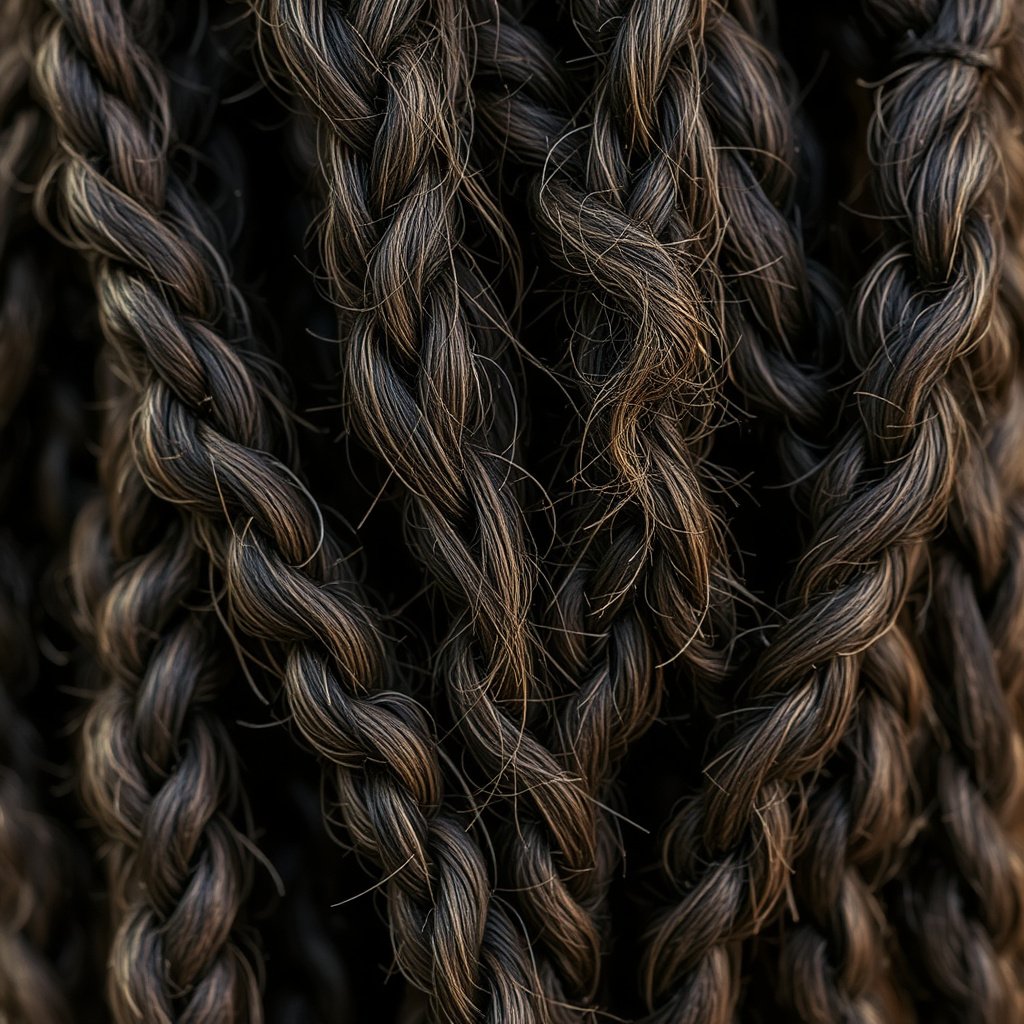
Excessive pulling or aggressive use of a crochet hook can cause breakage or thinning at roots. Distressed locs require gentle handling to maintain loc integrity and hair health.
Work slowly and carefully, addressing only small sections at a time, and stop if you notice any damage or discomfort to your scalp.
Using Heavy Products
Heavy waxes, gels, or oils may create buildup that weighs down the locs, making it difficult to maintain the loose, airy feel of distressed locs.
Opt for light, residue-free products designed to enhance texture without stiffness. This supports the natural, soft style aimed for with distressing.
Styling Ideas and Versatility with Distressed Locs
Accessorizing Distressed Locs
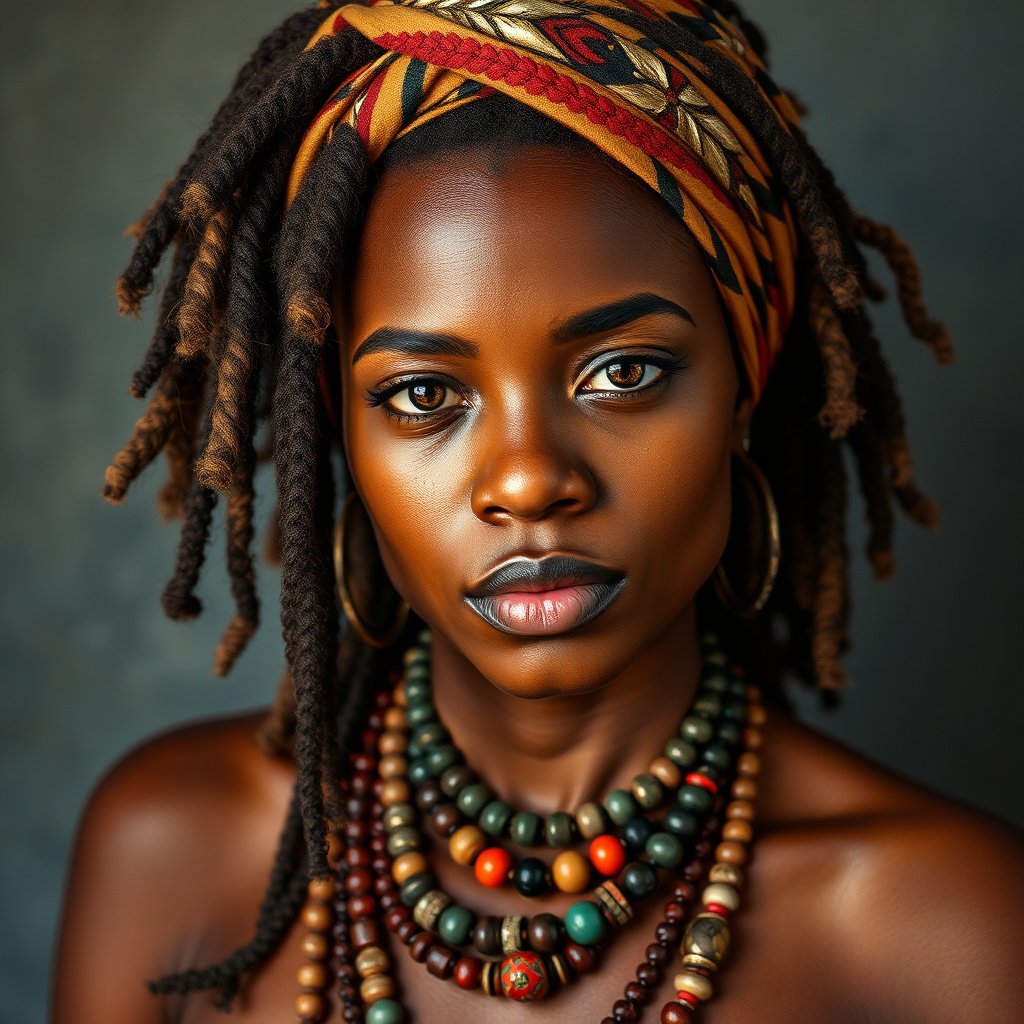
Adding beads, shells, or decorative strings can enhance the boho feel of distressed locs. These accessories emphasize the casual, creative vibe that defines the style.
Headwraps or scarves complement distressed locs beautifully while also protecting them during sleep or outdoor exposure.
- Beads and shells
- Decorative strings
- Colorful headwraps
To learn more about dreadlocks and their cultural background, visit the comprehensive dreadlocks styling information on Wikipedia. dreadlocks styling information.
Versatile Styling Options
Distressed locs suit a variety of hairstyles such as half up half down, loose ponytails, or side swept looks. The relaxed texture makes styling easy and natural.
This versatility means you can adapt the look for both casual and formal settings by adjusting the degree of distress or accessorizing accordingly.
Distressed Locs Techniques and Styles Comparison
This table compares different approaches to creating distressed locs, highlighting pros, cons, and ideal use cases.
| Technique | Effort Level | Maintenance Frequency | Best For | Potential Drawbacks |
|---|---|---|---|---|
| Crochet Hook Fraying | Medium | Every 2-4 weeks | Mature locs needing texture | Risk of breakage if overused |
| Root Separation by Fingers | Low | Weekly | New locs or sensitive scalp | May lack texture depth |
| Light Palm Rolling | Low | Biweekly | Soft loosening & shaping | May tighten if overdone |
| Using Texturizing Products | Low | Daily | Enhancing softness and sheen | Possible buildup if wrong product |
| No Distressing (Natural Aging) | None | None | Minimal maintenance preference | Slow to achieve desired look |
Frequently Asked Questions
Can distressed locs damage my hair?
Distressed locs done gently should not damage your hair. Using appropriate tools and avoiding excessive pulling helps maintain loc strength and scalp health.
How often should I redo distressed locs?
Refreshing distressed locs every 2 to 4 weeks keeps the texture fresh without overworking your hair or scalp.
What products work best for distressed locs?
Light oils like jojoba and residue-free shampoos are ideal. Avoid heavy waxes or gels that cause buildup and stiffen the locs.
Can I distress locs at home or should I see a professional?
You can distress locs at home with care and patience, but visiting a professional may help achieve more uniform texture, especially for beginners.
Is distressing suitable for all loc sizes?
Yes, distressed techniques can be adapted to different loc sizes, though larger locs may require less frequent fraying.
Key Takeaways
- Distressed locs offer a natural, relaxed look by loosening and fraying dreadlocks.
- Gentle use of tools like crochet hooks and finger separation are essential for distressing.
- Light, residue-free products help maintain softness without buildup.
- Regular, careful maintenance refreshes the distressed texture without damaging hair.
Conclusion
Choosing to create distressed locs is about embracing a natural, versatile style that reflects the organic texture of mature dreadlocks. The process focuses on gently loosening and teasing the locs to add dimension and a soft, imperfect edge while maintaining hair health. By understanding the tools, products, and gentle techniques involved, you can shape your locs with care and achieve a personalized look that balances neatness with relaxed style.
For those new to distressed locs, starting with gentle root separation using fingers and minimal crochet fraying is a good way to introduce texture gradually. If you have mature locs and seek more defined distressed patterns, crochet hooks combined with light palm rolling give more control. Products like jojoba oil and residue-free shampoos support the style’s softness. Avoid heavy waxes that can stiffen the locs or cause buildup. Choosing among these options depends on your loc size, scalp sensitivity, and desired appearance.
Taking the first step involves assessing your current loc condition, selecting appropriate tools, and allocating time for regular maintenance without overworking the hair. Experiment with light distressing techniques and maintain moisture levels to keep your locs healthy and flexible. Whether done at home or with professional guidance, distressed locs can elevate your dreadlocks by adding texture and individuality. Start slowly, observe how your locs respond, and enjoy the evolving, natural beauty of your distressed locs.