How to Blow Out Braiding Hair for a Perfect Styling Base
Blowing out braiding hair is a key step to achieve sleek, smooth braids by stretching and softening synthetic or human hair extensions. Using a blow dryer along with heat protection or dampening techniques helps remove tight coils or curls, making the hair more manageable during the braiding process.
This method is popular because it saves time and prevents damage that can come from excessive combing or harsh chemical treatments. Properly blown-out hair results in less tangling, smoother braids, and a more natural finish, which is important whether you’re doing box braids, crochet styles, or cornrows.
In this article, you'll find detailed instructions on how to blow out braiding hair safely, explore tools and heat options, alternative stretching methods, maintenance tips, and comparisons to guide your choice for the best method to stretch braiding hair.
Understanding the Blow Out Process for Braiding Hair
What Does Blow Out Mean for Braiding Hair?
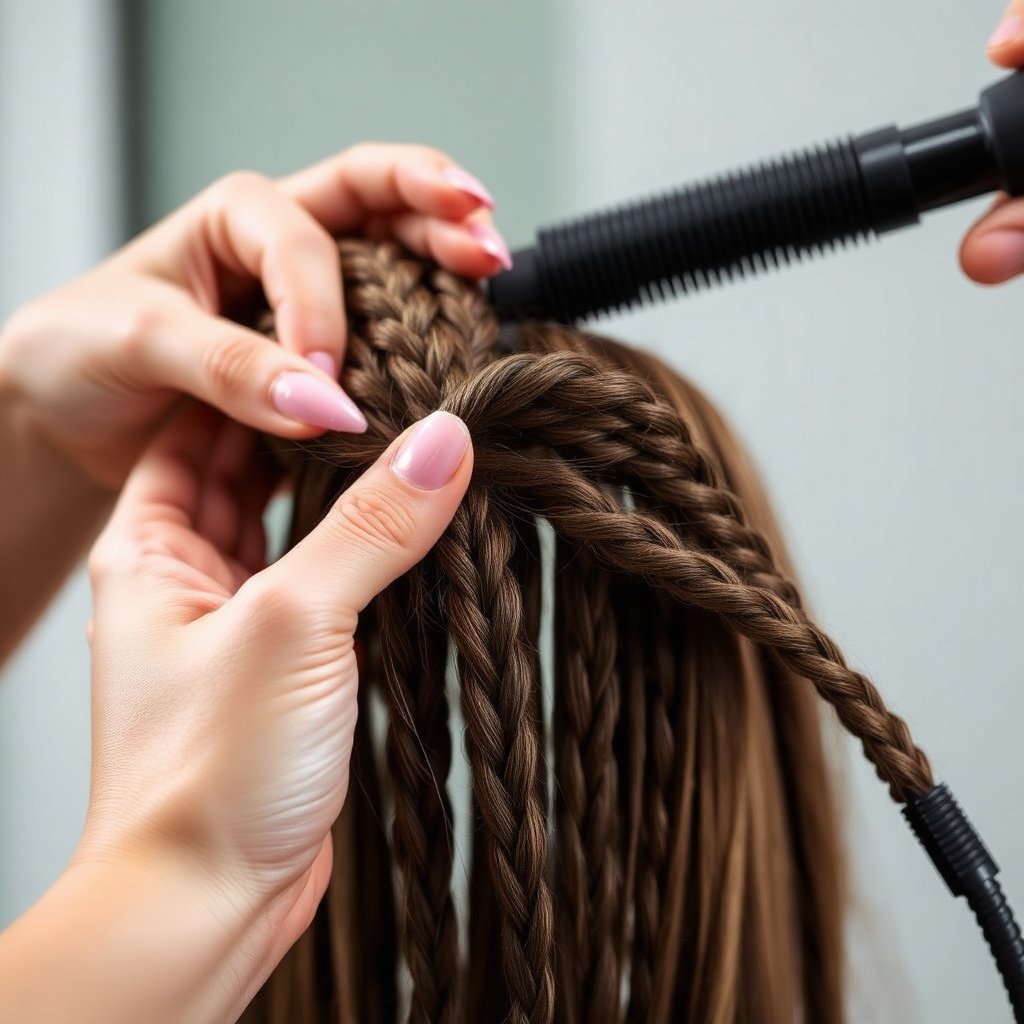
Blow out refers to the process of using heat to straighten or stretch synthetic or human braiding hair, making it easier to work with during styling. Unlike the natural elasticity of untreated hair, braiding hair often comes tightly coiled or curly, which can cause tangling.
By applying heat with a blow dryer, the hair strands loosen, stretch, and smooth out, allowing braiders to separate and style the hair more efficiently while achieving a more polished look.
Why Blow Out Braiding Hair is Beneficial
Blowing out hair prevents excessive knots and tangles that can slow down the braiding process and damage the hair extensions. It also improves manageability, making it easier to section and control the strands.
Additionally, the stretched hair mimics the texture of natural straightened hair, which results in braids that lay flat and have a uniform appearance, essential for achieving professional-quality protective styles.
Step-by-Step Guide on How to Blow Out Braiding Hair
Preparing Braiding Hair Before Blow Drying
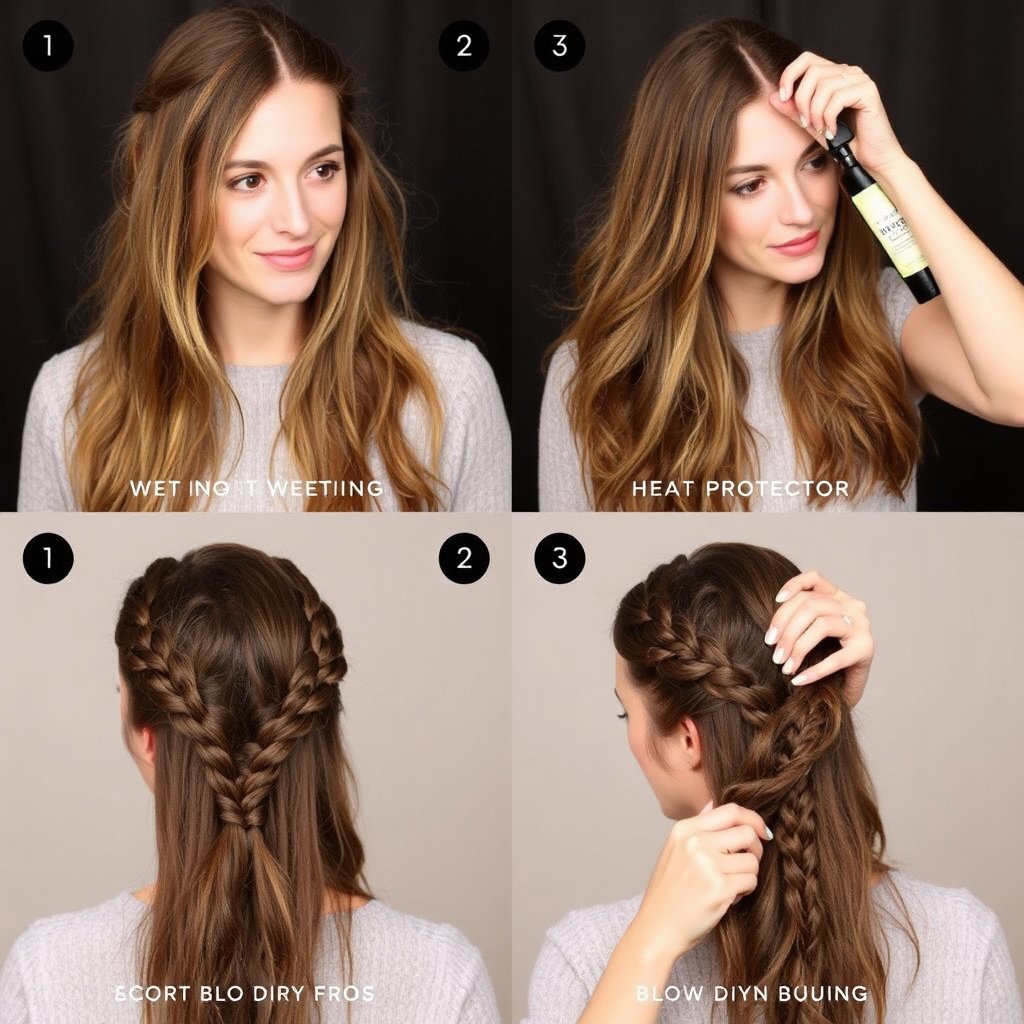
Before blow drying, gently detangle the hair using a wide-tooth comb to remove knots. Dampen the braiding hair lightly with water if it is synthetic; human hair extensions should be misted evenly to avoid heat damage.
Applying a heat protectant spray is recommended, especially on human hair extensions, to reduce the risk of brittleness or burning during the blow out process.
- Use a wide-tooth comb for gentle detangling
- Mist hair lightly with water
- Apply heat protectant spray on human hair
Blow Drying Techniques for Best Results
Set the blow dryer to a medium or high heat setting with a comb attachment or nozzle to aid in stretching the hair. Hold the hair taut and move the dryer consistently down the length, avoiding concentrating heat in one spot.
Work in small sections to ensure even heat distribution. Repeat the process until the hair is completely dry and smooth, paying attention to the ends to prevent frizz.
- Use medium or high heat with a comb nozzle
- Blow dry small sections at a time
- Keep hair taut for even stretching
Tools and Products for Effective Blow Out of Braiding Hair
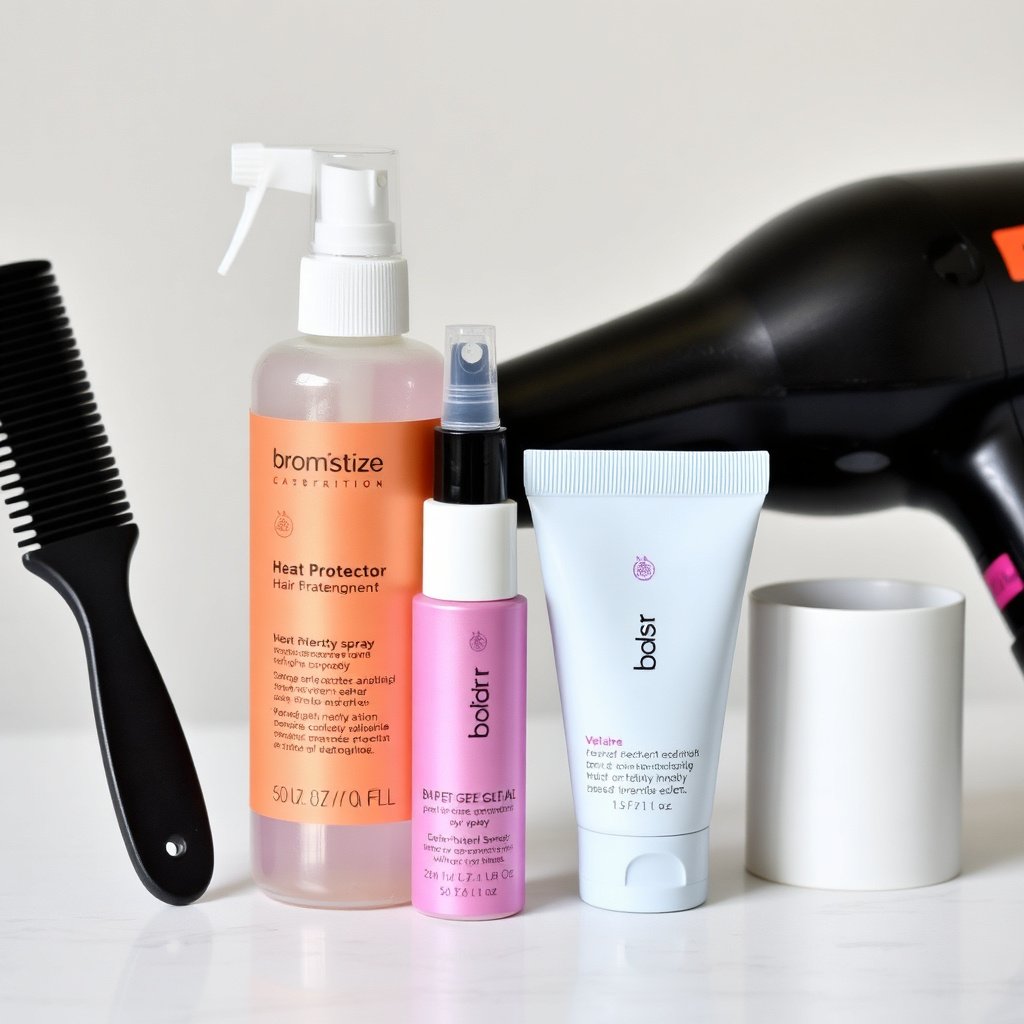
Recommended Tools for Blow Out
A blow dryer with a comb attachment enhances the blow out by simultaneously drying and stretching the hair. Using wide-tooth combs helps detangle without breaking strands or causing frizz.
Other helpful tools include spray bottles for water misting, microfiber towels to gently remove excess water, and clips to section hair during the process.
- Blow dryer with comb nozzle
- Wide-tooth comb
- Spray bottle
- Hair clips
For more on this, see our related guide: What Is a Full Service Hair Salon?.
Best Products to Protect Braiding Hair
Heat protectant sprays designed for synthetic or human hair guard against heat damage during blow drying. Lightweight leave-in conditioners or detangling sprays can also add moisture and reduce breakage.
Avoid heavy oils or products that can weigh down synthetic hair, which may cause the braids to look greasy or limp after installation.
- Heat protectant spray
- Light leave-in conditioner
- Detangling spray
Alternative Methods to Blow Out Braiding Hair
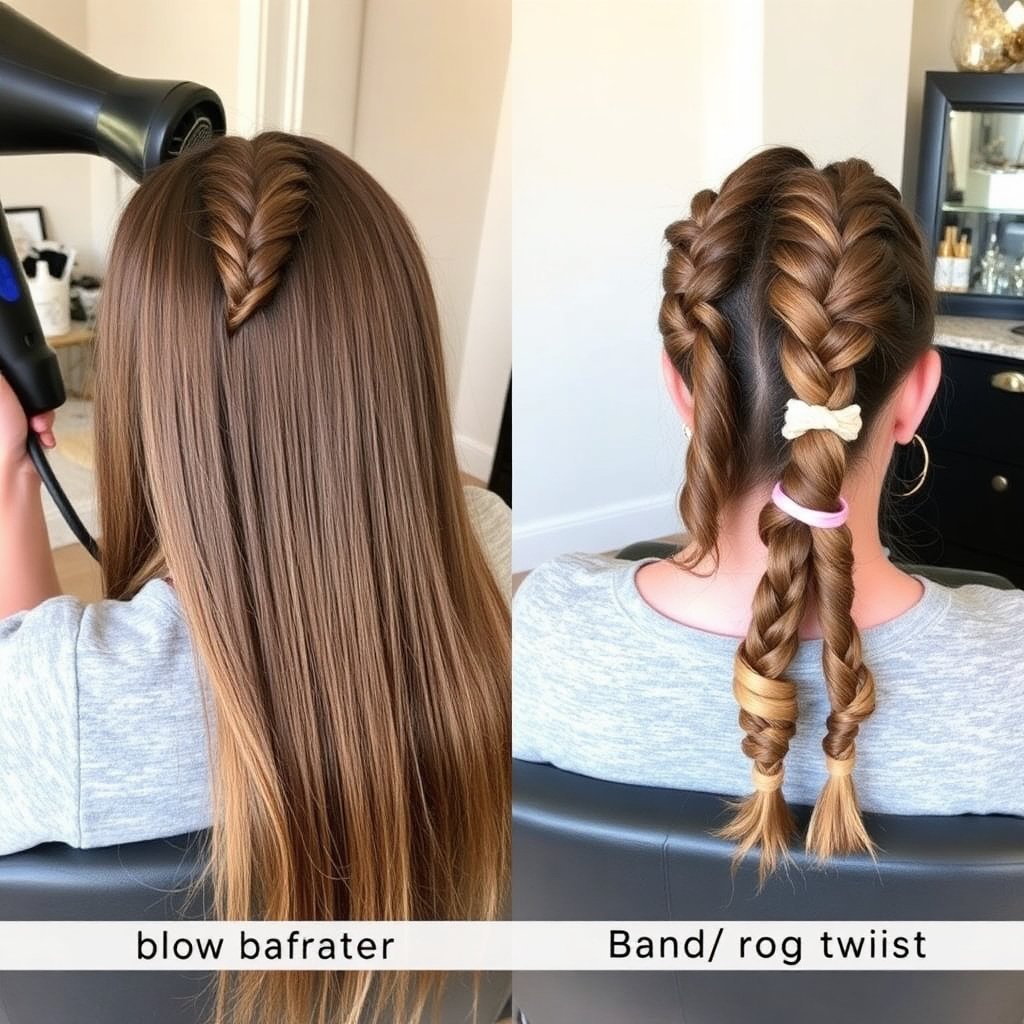
Banding and Rope Twist Stretching Methods
Banding involves securing sections of wet braiding hair with small elastic bands along the length before drying naturally or with a hairdryer, producing elongated and smooth textures once dry.
Rope twist stretching self-twists the hair strands into tight ropes, which are then dried or gently heated to stretch the hair. Both methods avoid direct heat application but take longer than blow drying.
- Band hair sections with elastics
- Twist strands tightly for rope twisting
Heatless Stretching Techniques and Their Pros
Heatless methods such as air drying or using stretching tools (curlers, flexi rods) are gentler and reduce the risk of heat damage. They maintain hair integrity but require patience as drying time can be up to several hours or overnight.
For users with sensitive synthetic fibers or delicate human hair extensions, these alternatives can provide stretched hair with less frizz after braiding.
- No risk of heat damage
- Longer drying times
- Preserves hair integrity
Maintaining and Storing Blown Out Braiding Hair
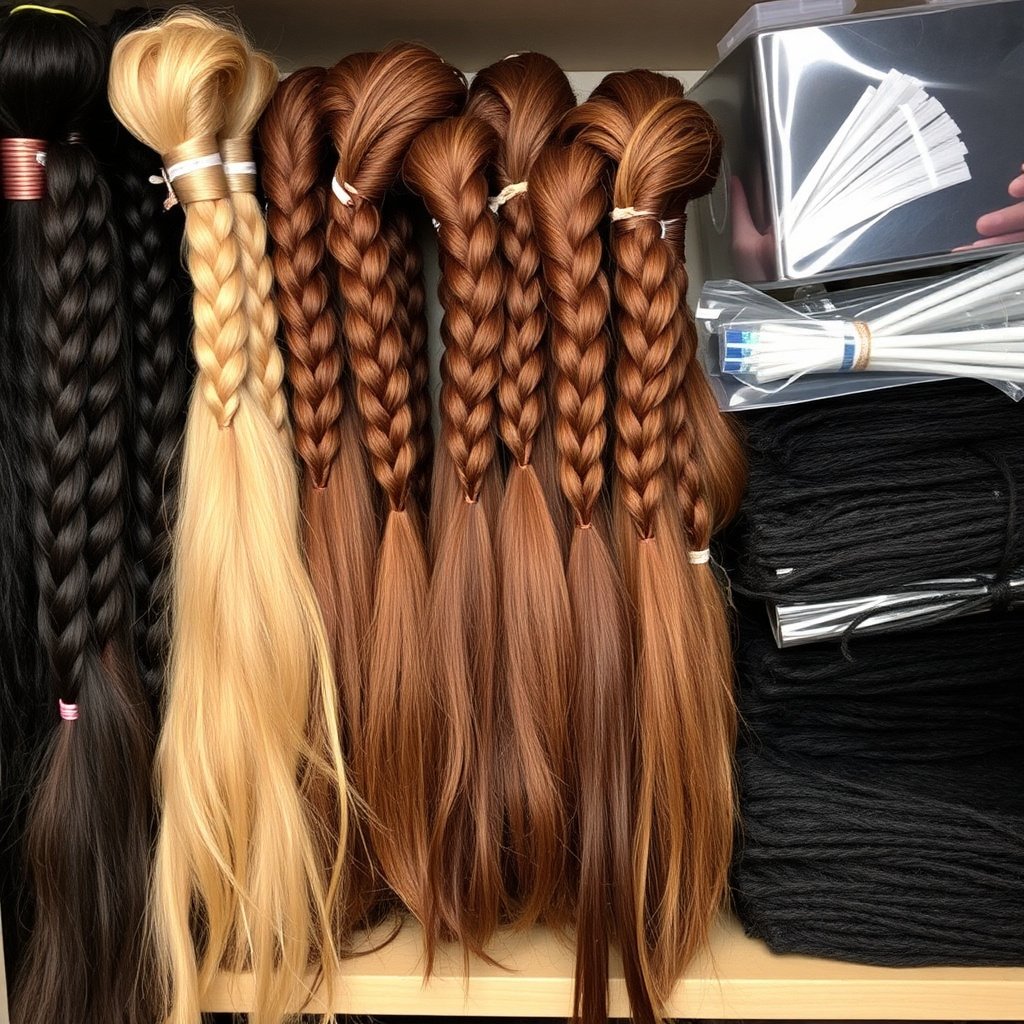
Proper Storage Techniques
Store blown out braiding hair in a cool, dry place away from direct sunlight to prevent damage and color fading. Keeping the hair in its original packaging or wrapped loosely avoids tangling.
Avoid compressing the hair bundles tightly to maintain the stretched texture and prevent unwanted creases or kinks.
- Cool, dry storage
- Original packaging or loose wrapping
- Avoid compression
For more on this, see our related guide: Sew in Hair Extensions Guide: What to Know Before You Buy.
Maintaining Softness and Reducing Tangles
Before braiding, lightly mist the hair with water or a conditioned detangler to keep it soft. Avoid excessive manipulation of the blown out hair to prevent frizz or re-coiling.
After use, gently wash and condition human hair extensions to preserve softness if applicable, and for synthetic hair, follow manufacturer guidance for washing and drying.
Common Mistakes When Blowing Out Braiding Hair
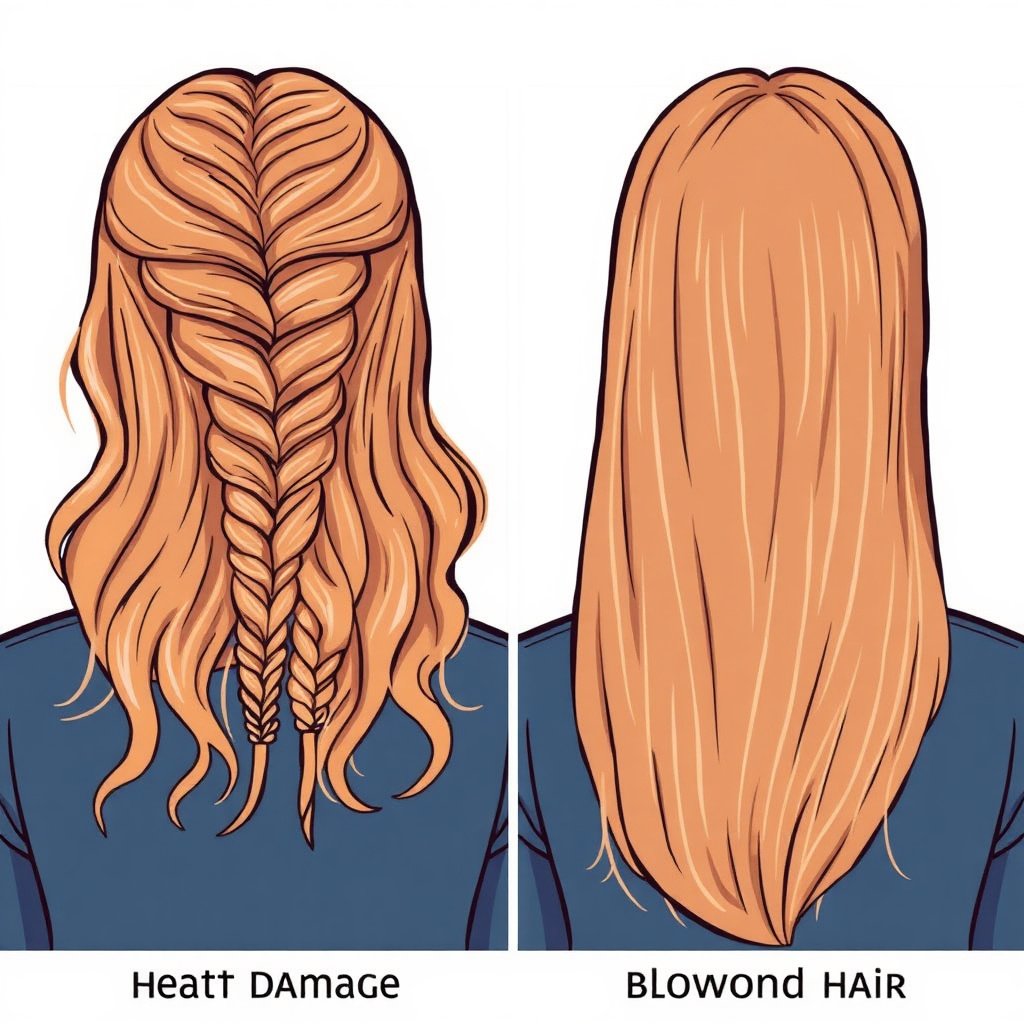
Overheating and Heat Damage
Using excessively high heat or staying too long in one area can cause burnt fibers or brittleness, especially with synthetic braiding hair which is sensitive to temperature.
To avoid damage, use moderate heat settings, keep the dryer moving, and apply heat protectants specifically formulated for the hair type.
For additional background on hair types and care related to extensions, you can explore detailed braiding hair care tips in the following resource. braiding hair care tips.
Skipping Detangling Before Blow Out
Attempting to blow out tangled hair leads to knots tightening and breakage. Detangling gently with a wide-tooth comb beforehand smooths the hair and speeds up the blow drying process.
Neglecting this step often results in frizzy, uneven braids and can complicate the braiding process.
Comparison of Braiding Hair Stretching Methods
Below is a comparison of popular techniques to stretch braiding hair, highlighting time, heat use, and damage risk.
| Method | Time Required | Use of Heat | Damage Risk | Ease of Use |
|---|---|---|---|---|
| Blow Out with Dryer | 30-45 minutes | Yes, moderate heat | Moderate if precautions taken | High |
| Banding Method | 4-8 hours (air dry) | No | Low | Medium |
| Rope Twist Method | 6-12 hours (air dry/dry heat) | Sometimes low heat | Low | Medium |
| Heatless Air Dry | Overnight | No | Very low | Low |
| Chemical Relaxing (not recommended) | 1-2 hours | Yes | High | Low |
Frequently Asked Questions
Can I blow out synthetic braiding hair with high heat?
Synthetic braiding hair is sensitive to high heat and can melt or become damaged. Use medium heat settings and apply moisture or heat protectants before blow drying to prevent damage.
Is it necessary to blow out braiding hair before installing?
While not mandatory, blowing out braiding hair makes it easier to handle, reduces tangling, and results in smoother, neater braids, enhancing overall styling quality.
How often can I blow out braiding hair safely?
Limit blow out sessions to once before installation. Frequent blow drying, especially with heat, can weaken the hair fibers and cause premature wear.
What is the best method to stretch braiding hair without heat?
Banding and rope twist methods are effective heatless ways to stretch braiding hair, preserving its integrity while giving a smooth, stretched texture over time.
Should I use heat protectant on synthetic braiding hair?
Yes, even synthetic hair benefits from heat protectants to shield fibers from heat damage during blow drying; choose products formulated for synthetic hair.
Key Takeaways
- Blowing out braiding hair smooths and stretches strands for easier styling.
- Using moderate heat and protectants minimizes damage risks during blow out.
- Alternative heatless stretching methods protect hair integrity but take longer.
- Proper storage and maintenance extend the life and quality of braided hair.
Conclusion
Choosing how to prepare your braiding hair depends largely on balancing convenience, hair type, and desired style outcome. Blow out offers a quicker way to stretch and smooth synthetic or human hair extensions, helping you attain neat, manageable braids. The process requires care in heat settings and tool selection to avoid damage, especially with delicate synthetic fibers or treated human hair. Taking the time to detangle first and applying heat protectants will maximize results and maintain hair health.
If speed and ease are priorities, the blow out method with a moderate heat blow dryer and comb nozzle attachment is usually the preferred option. For those preferring a gentler approach, banding and rope twist techniques extend the hair naturally without heat, making them ideal when preserving hair longevity is important. Understanding each method’s time investment and risk factors aids in selecting the best method to stretch braiding hair according to your needs.
Ultimately, starting with properly prepared, stretched hair sets the foundation for lasting, beautiful braids. Test your preferred approach on a small section of hair before committing to the full bundle to verify texture and manageability. Whether you opt for blowing out or heatless alternatives, consistent maintenance of the extensions after installation supports braid longevity and aesthetic appeal.