How to Revive a Synthetic Wig: Restore Softness and Shine Easily
Reviving a synthetic wig involves washing, conditioning, detangling, and styling using special care products designed for synthetic fibers. This process restores its softness, shine, and natural flow without damaging the fibers. Proper handling is essential to bring a synthetic wig back to life instead of simply masking dullness or tangles.
Synthetic wigs differ from human hair wigs in that they cannot withstand high heat and require gentler products. Over time, exposure to sun, usage, or product buildup dulls synthetic fibers, causing stiffness and frizz. Knowing the right revival methods keeps your wig looking fresh and wearable, extending its lifespan significantly.
This article covers practical steps to revive a synthetic wig safely: from selecting the best shampoo for synthetic wigs to deep conditioning, detangling techniques, airing and storing tips, plus recommended styling methods that avoid damage. Following these guidelines will refresh your wig like new.
Understanding Synthetic Wig Fibers and Their Care
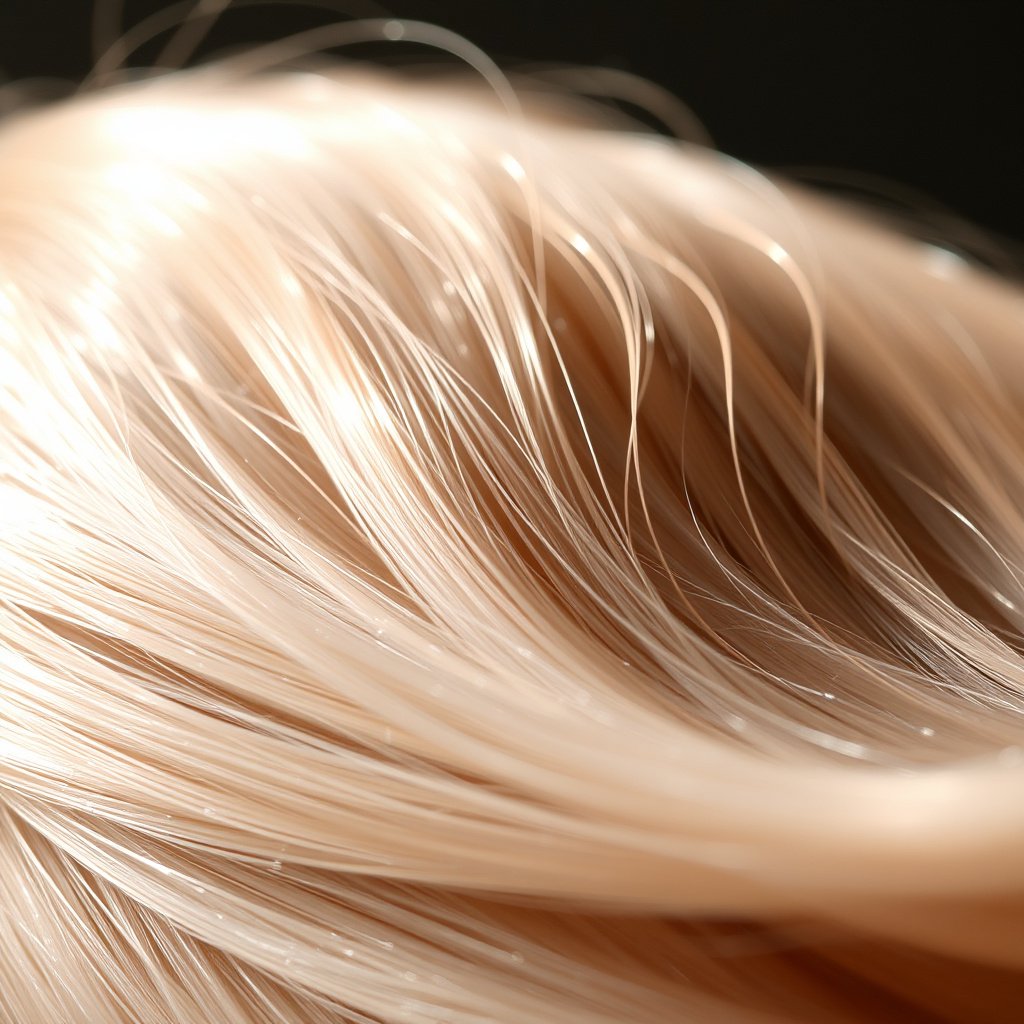
What Synthetic Fibers Are Made Of
Synthetic wigs are usually made of acrylic, polyester, or polyvinyl fibers, mimicking natural hair. They come in various textures and colors but lack the porosity and resilience of human hair, meaning they absorb less moisture and react differently to heat and products.
Because of this, synthetic fibers require specific care products formulated to avoid melting or frizzing. Using regular shampoos or heat styling tools above 300°F can permanently damage these fibers. Understanding the material foundation helps choose compatible restoration methods.
Why Synthetic Wigs Lose Their Luster Over Time
Synthetic wigs lose softness and shine primarily due to product buildup, environmental exposure, friction, and improper washing. Oils, hairsprays, and dirt coat the fibers, making them stiff and dull.
Additionally, rough handling and combing while dry cause tangles and fiber breakage. Exposure to sun or heat sources may also lead to color fading or brittleness. Preventive care is important but when signs of aging appear, revival techniques can restore the wig’s vitality.
Washing Techniques to Bring Life Back to Your Synthetic Wig
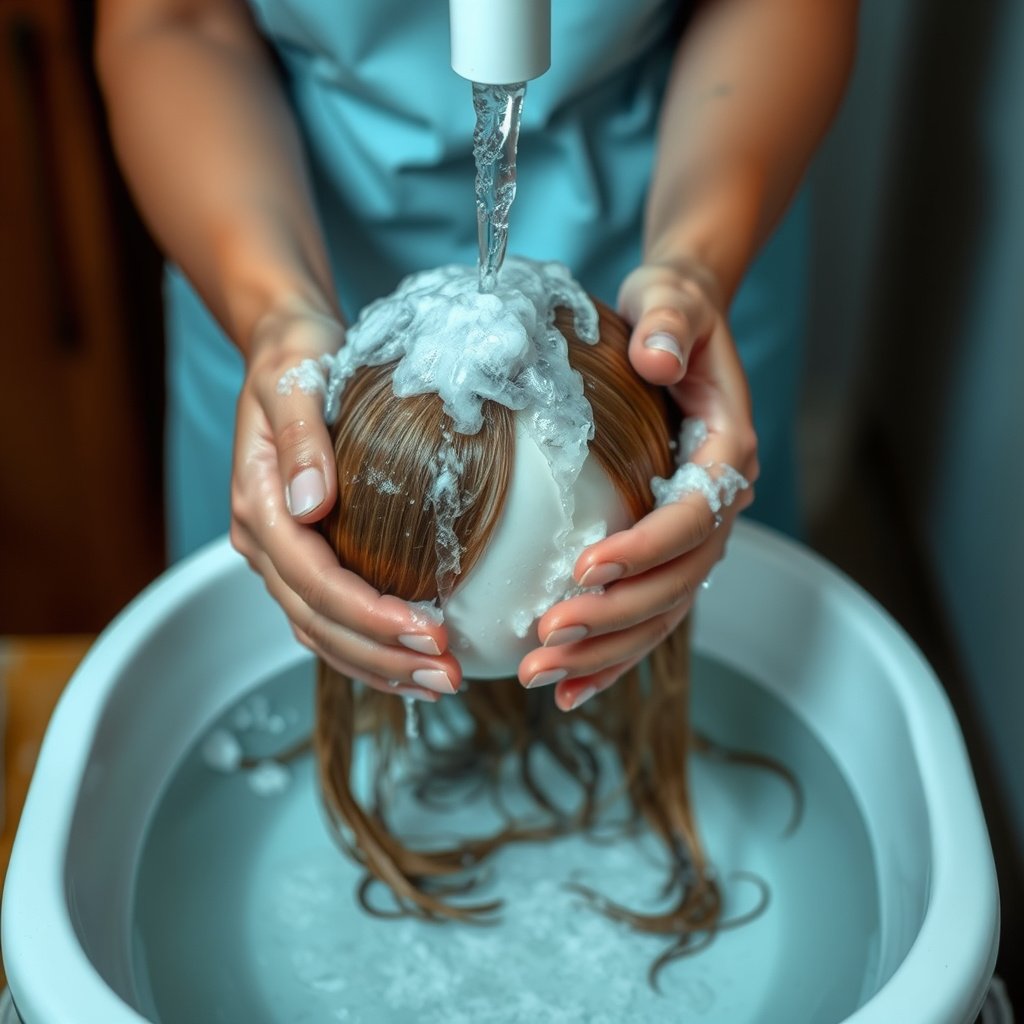
Choosing the Best Shampoo for Synthetic Wigs
Synthetic wigs need shampoos free from harsh detergents, sulfates, or conditioners that weigh down fibers. Look for products labeled specifically for synthetic hair; they contain milder cleansers that remove buildup without stripping shine.
Avoid shampoos meant for human hair because they can dry out the synthetic strands. Some wig care brands also offer sprays or foams designed for refreshing without a full wash, which can be useful for light maintenance.
- Avoid sulfate and alcohol-based shampoos
- Use diluted shampoo to avoid residue
- Rinse thoroughly with cool water
Step-by-Step Washing Process
Start by gently detangling the wig with a wide-tooth comb to remove surface knots. Fill a basin with cool water and add a small amount of synthetic wig shampoo. Immerse the wig and gently swish it for 3-5 minutes without rubbing or twisting.
Rinse thoroughly in cool water until the water runs clear. Avoid wringing; instead, press the wig against the basin sides to remove excess moisture, then wrap it in a towel to absorb extra water. This careful wash revives softness without fiber damage.
- Use cool water throughout
- Gently swish, do not scrub
- Avoid water temperatures above 80°F
Conditioning and Detangling to Restore Smoothness
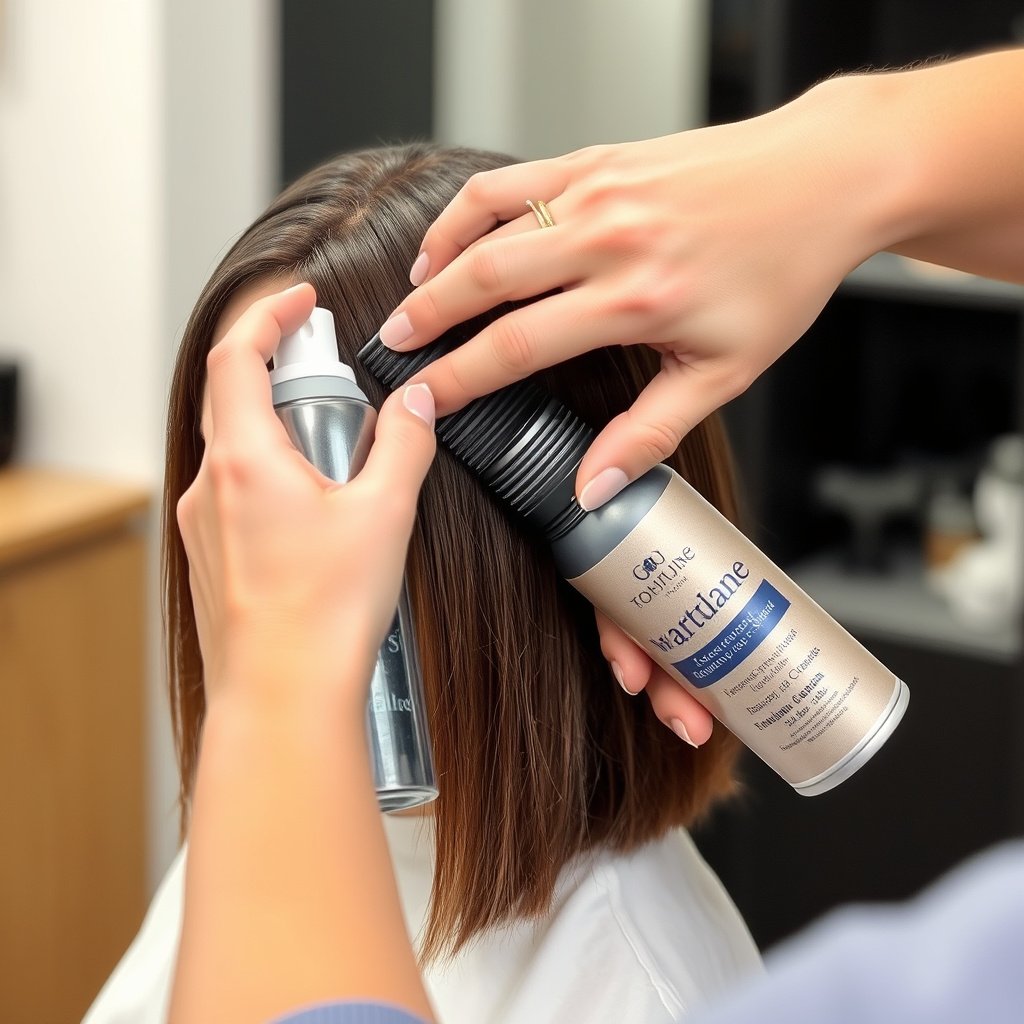
Using Leave-In Conditioners and Detangling Sprays
After washing, apply a leave-in conditioner or specialized detangling spray formulated for synthetic wigs. These products coat the fibers, restoring moisture and creating a protective barrier against friction and static.
Focus on mid-lengths to ends, avoiding roots to prevent greasiness. Let the product sit a few minutes before gently combing through with a wide-tooth wig brush to remove tangles without pulling or breaking fibers.
- Choose silicone-free products for best results
- Apply sparingly to avoid buildup
- Use a wig brush or wide-tooth comb only
For more on this, see our related guide: How to Care for a Human Hair Wig: Essential Tips for Longevity.
Techniques for Gentle Detangling
Hold the wig firmly at the top to prevent tension on the cap and start combing from the ends upward. Work through small sections slowly without forcing knots apart. If stubborn tangles persist, reapply detangling spray or lightly mist with water.
Never use a regular hairbrush or brush when dry, as this causes fiber damage. Regular detangling prevents matting, keeps fibers aligned, and improves the wig’s bounce and flow.
- Work in small sections
- Avoid dry combing
- Be patient and slow for stubborn tangles
Drying and Styling Without Damaging Fiber Integrity

Air Drying Best Practices
After washing and conditioning, never use a hairdryer on heat setting. Instead, place the wig on a wig stand away from direct sunlight or heat sources to air dry evenly. This prevents fiber distortion and helps maintain the original shape.
Avoid wringing or squeezing to remove excess water; instead, gently blot with a towel. Allowing the wig to dry completely before styling prevents frizz and tangles, extending the lifespan of your synthetic wig.
- Use a wig stand for shape
- Keep away from direct heat and sunlight
- Pat dry with a microfiber towel
Heat-Free Styling Options
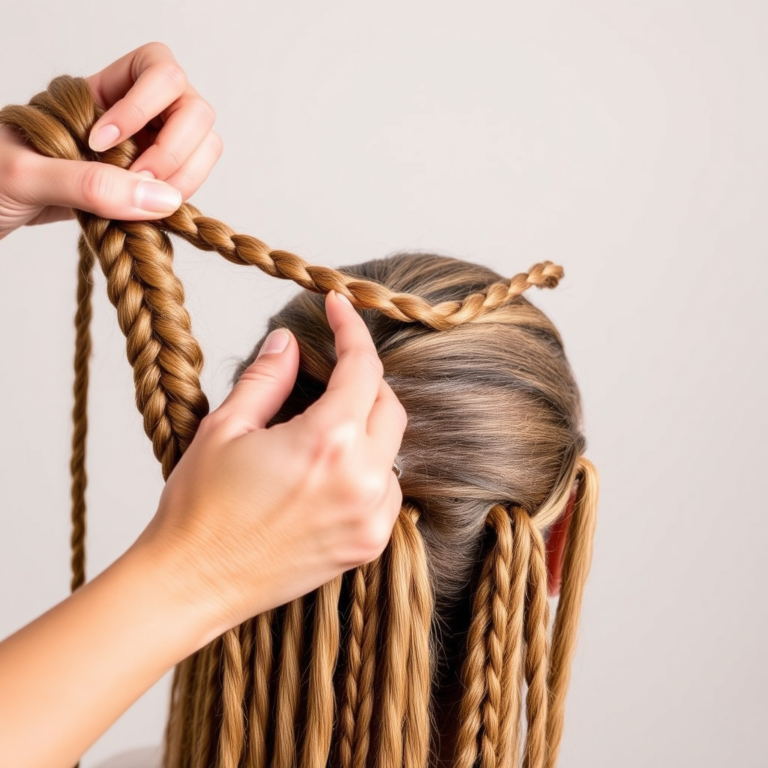
Since synthetic fibers can melt or frizz with conventional heat tools, opt for steam styling designed for synthetics or use heat-free methods such as foam rollers or braid styling to create waves or curls. Some synthetic wigs labeled heat-resistant tolerate low heat up to 300°F but still require caution.
Styling sprays for synthetic wigs enhance hold and control without buildup. Avoid heavy products to preserve fiber flexibility and sheen. Alternating between styles using gentle techniques will keep the wig looking refreshed between washes.
- Use steam or low heat carefully
- Try foam rollers for curls
- Use lightweight styling sprays designed for synthetics
Long-Term Maintenance for Prolonged Wig Life
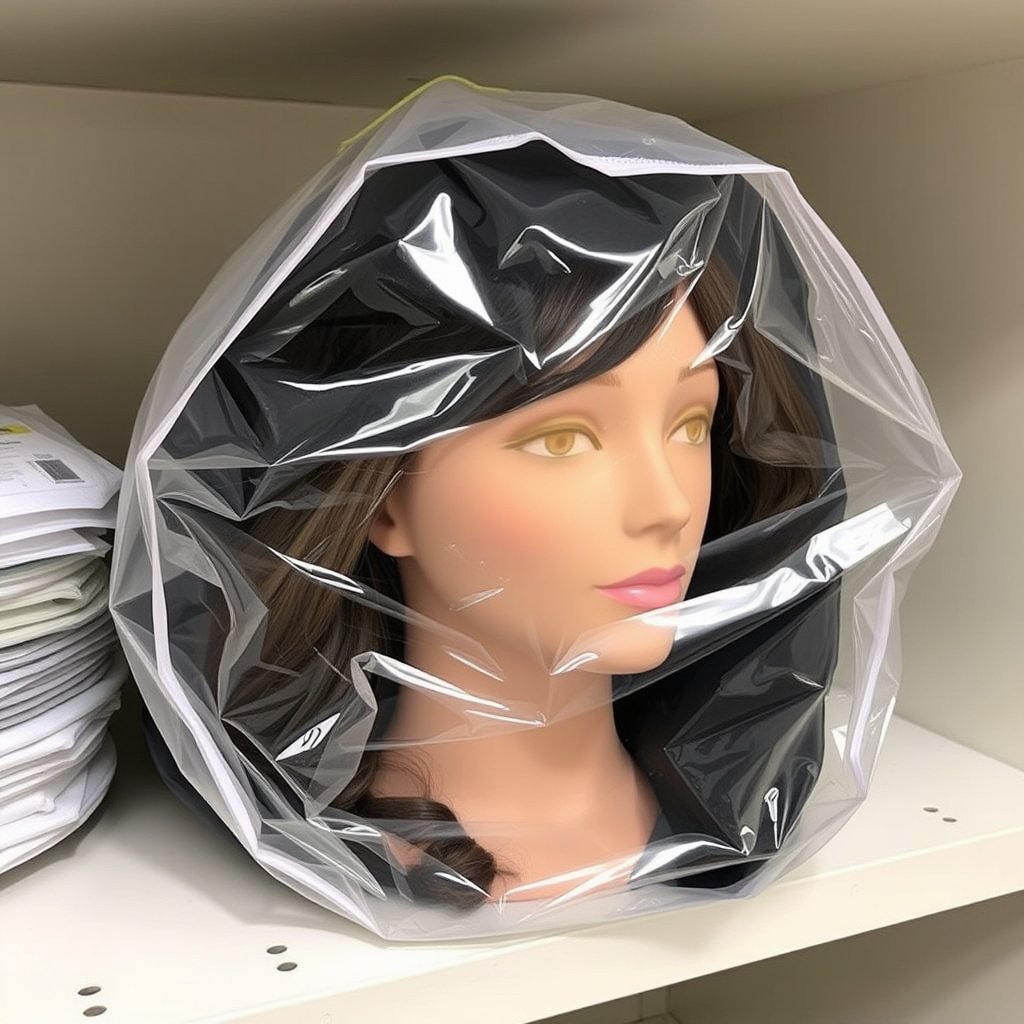
Proper Storage Methods
Store your synthetic wig on a wig stand or in a breathable wig bag when not in use to retain shape and prevent tangling. Avoid exposure to dust, humidity, or heavy sunlight. Folding or stuffing the wig into tight spaces leads to fiber creasing and damage.
If traveling, place the wig in a padded case designed for wigs to reduce friction and crushing. Regularly dust off the wig and avoid long-term storage in plastic bags that trap moisture and cause mildew.
- Use a wig stand or breathable bag
- Avoid plastic bags and high humidity
- Protect from dust and sunlight
Frequency of Washing and Conditioning
Washing frequency depends on wear and product use but typically every 8-12 wears keeps buildup minimal. Overwashing dries fibers, causing stiffness. Conditioning with detangling sprays between washes helps maintain softness and manageability.
Monitor wig condition regularly; if you notice rough texture or persistent odor, it's time for a wash. Balancing cleaning with gentle maintenance sustains the revived state longer.
- Wash every 8-12 wears
- Use detangling sprays between washes
- Avoid over-washing to preserve softness
Specialized Products to Enhance Synthetic Wig Appearance
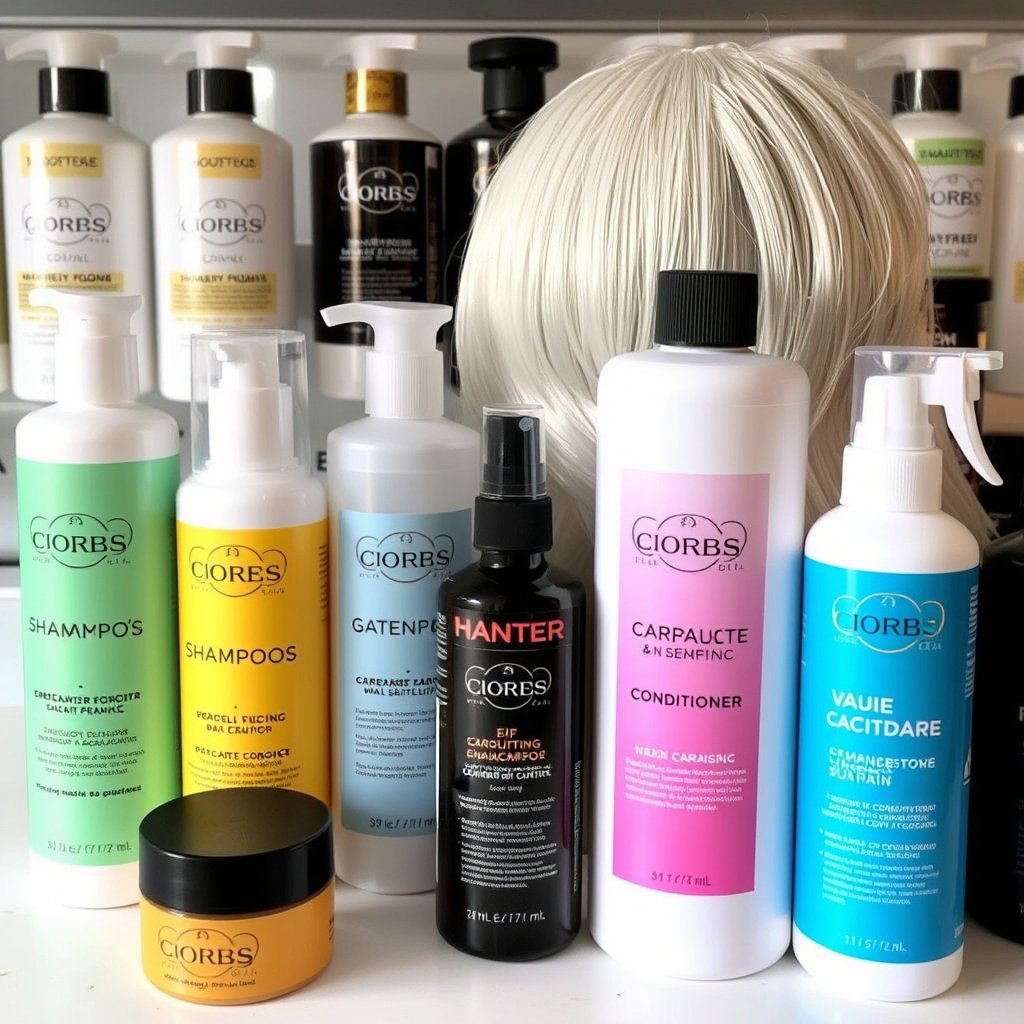
Revitalizing Sprays and Shine Enhancers
Products like shine sprays and fiber revitalizers can instantly improve dull synthetic wigs by adding gloss and reducing static. These sprays create a light protective layer that smooths the fiber surface without weighing down the wig.
Use sparingly and evenly to avoid buildup that may attract dirt. These products are excellent for quick touch-ups between washes or before special occasions.
- Choose lightweight shine sprays
- Apply from a distance evenly
- Avoid heavy or greasy formulas
For a detailed understanding of synthetic wig composition and care principles, refer to this resource on synthetic hair care tips. Synthetic hair care tips.
Heat-Resistant and Color-Enhancing Options
Some synthetic wigs allow safe use of low-heat styling tools; for these, heat-protection sprays designed for synthetic fibers help prevent melting and frizzing. Additionally, color-refreshing sprays can brighten faded wigs and add vibrancy without dyeing.
Always check manufacturer guidelines before using heat or color products. These can extend the aesthetic appeal of your synthetic wig alongside regular care.
- Use heat protectant sprays for heat-resistant wigs
- Apply color-enhancing sprays to restore vibrancy
- Follow product instructions carefully
Synthetic Wig Care Product Comparison
Here’s a comparison of popular product categories to help you choose the best care essentials for your synthetic wig revival routine.
| Product Type | Purpose | Key Ingredients | Usage Frequency |
|---|---|---|---|
| Synthetic Wig Shampoo | Removes buildup gently | Mild surfactants, silicone-free | Every 8-12 wears |
| Leave-In Conditioner Spray | Restores softness and detangles | Lightweight conditioners, humectants | After each wash or as needed |
| Shine and Anti-Static Spray | Enhances gloss and reduces static | Silicone-based gloss agents | Between washes or before wear |
| Heat Protectant Spray | Protects fibers against heat damage | Heat protectant polymers | Before styling with low heat |
| Color-Refreshing Spray | Revives faded color | Color-safe pigmentation | As needed for color brightening |
Frequently Asked Questions
Can I use regular shampoo on a synthetic wig?
Regular shampoos often contain harsh detergents that can dry out or rigidify synthetic fibers. It’s best to use shampoos specifically formulated for synthetic wigs to avoid damage.
How often should I wash my synthetic wig?
Typically, washing every 8-12 wears is sufficient, depending on exposure to styling products and dirt. Overwashing can dry fibers and reduce lifespan.
Is it safe to use heat styling tools on synthetic wigs?
Most synthetic wigs cannot tolerate high heat and will melt or frizz. Only wigs labeled as heat-resistant should be styled with heat tools below 300°F, using heat protectant sprays.
What’s the best way to store a synthetic wig?
Storing on a wig stand or in a breathable wig bag away from sunlight and humidity preserves shape and prevents tangling or fiber deterioration.
How do I detangle a synthetic wig without causing damage?
Use a wide-tooth comb or a specialized wig brush, detangle from ends to roots gently, preferably after applying a leave-in conditioner or detangler spray.
Key Takeaways
- Use synthetic wig-specific shampoos to avoid fiber damage.
- Detangle gently with appropriate tools and conditioning sprays.
- Air dry wigs on stands away from heat or sunlight.
- Regular maintenance prolongs wig softness and appearance.
Conclusion
Reviving a synthetic wig relies on a careful balance of cleaning, conditioning, gentle handling, and appropriate styling. The core steps include using a specialized synthetic wig shampoo, detangling with proper products, and letting the wig air dry on a stand. Avoiding heat and harsh chemicals prevents irreversible fiber damage.
Depending on your lifestyle and wig usage, select products that suit your specific needs—such as lightweight leave-in conditioners or shine sprays for quick refreshment, or heat protectants if using heat-resistant wigs. Routine care plus occasional deep cleaning using the methods outlined can help maintain brightness, softness, and manageability for longer.
For anyone wanting to restore a synthetic wig’s vibrancy and life, the best next step is to assemble a quality care kit with the recommended shampoos, conditioners, and styling sprays. Regular gentle washing and proper storage will let your synthetic wig look fresh and feel comfortable daily.