How to Choose Lipstick Color That Truly Complements Your Features
Choosing the right lipstick color starts with understanding your skin tone and the effect you want to achieve. Identifying whether you have warm, cool, or neutral undertones is key because it guides you toward shades that naturally complement your complexion. By pairing your undertones with lip colors, you bring harmony to your overall look rather than creating contrast that clashes.
Lipstick can transform your appearance—from subtle everyday looks to bold evening statements. Picking a color that works for you enhances your confidence and lets your natural beauty shine. Beyond skin tone, factors like lip shape, personal style, and the occasion also influence your lipstick choice. This ensures your selection fits not just your coloring but your lifestyle and mood.
This guide will break down skin undertones and the lipstick colors that suit them, explore textures and finishes, and offer tips on applying multiple shades. Additionally, we’ll examine how your outfit and makeup style can affect your choice, plus some expert advice on maintaining lip health to keep colors vibrant and flattering.
Understanding Skin Undertones to Choose Lipstick Color
Identifying Warm, Cool, and Neutral Undertones
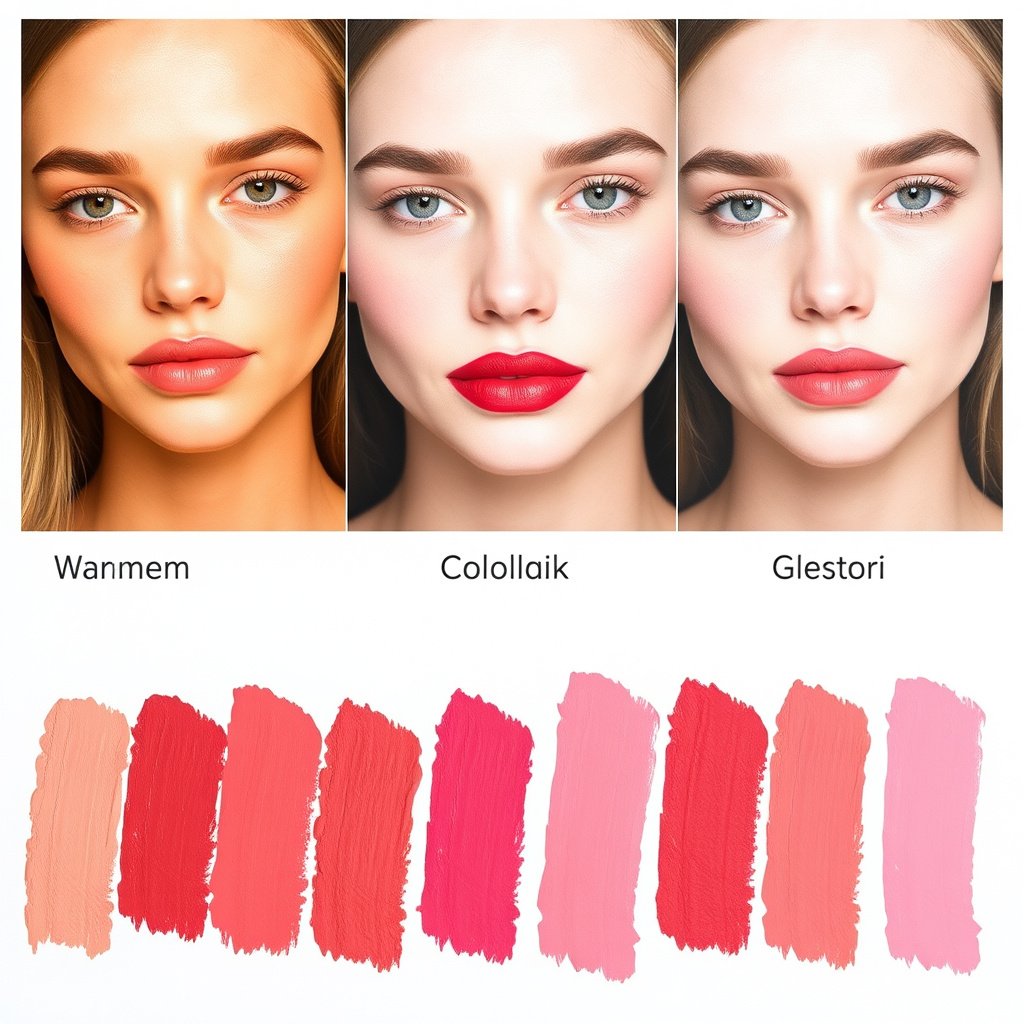
Skin undertones refer to the subtle hues beneath the surface of your skin and can be warm (yellow, gold, peach), cool (pink, red, blue), or neutral (a balanced mix). You can determine your undertone by examining your wrist veins – greenish veins usually indicate warm undertones, bluish or purple veins cool undertones, and a mix points to neutral.
Knowing your undertone is essential because lipstick shades that align with it look more natural and flattering. For example, warm undertones pair well with earthy reds and corals, while cool undertones complement berry and blue-based reds. Neutral undertones can experiment across a broader spectrum.
- Check veins under natural light
- Observe how gold or silver jewelry looks on your skin
- Use the white paper test to see skin contrast
Matching Lipstick Shades to Your Undertone
Once you've identified your undertone, selecting the right lipstick color becomes easier. Warm undertones thrive with brick reds, peaches, and caramel shades, lending warmth and brightness. Cool undertones suit shades like raspberry, plum, and classic cherry red, which highlight their rosier complexion.
Neutral undertones enjoy versatility and can pull off beige, nude, and pink lipstick shades with ease. Understanding this alignment reduces the guesswork and helps you avoid shades that might dull your appearance or make your skin look uneven.
- Warm: Coral, orange-red, warm reds
- Cool: Blue-reds, berries, pinks
- Neutral: Rose, mauve, soft nudes
Considering Lip Shape and Texture in Selecting Lipstick Color
Enhancing Lip Shapes with Color and Finish
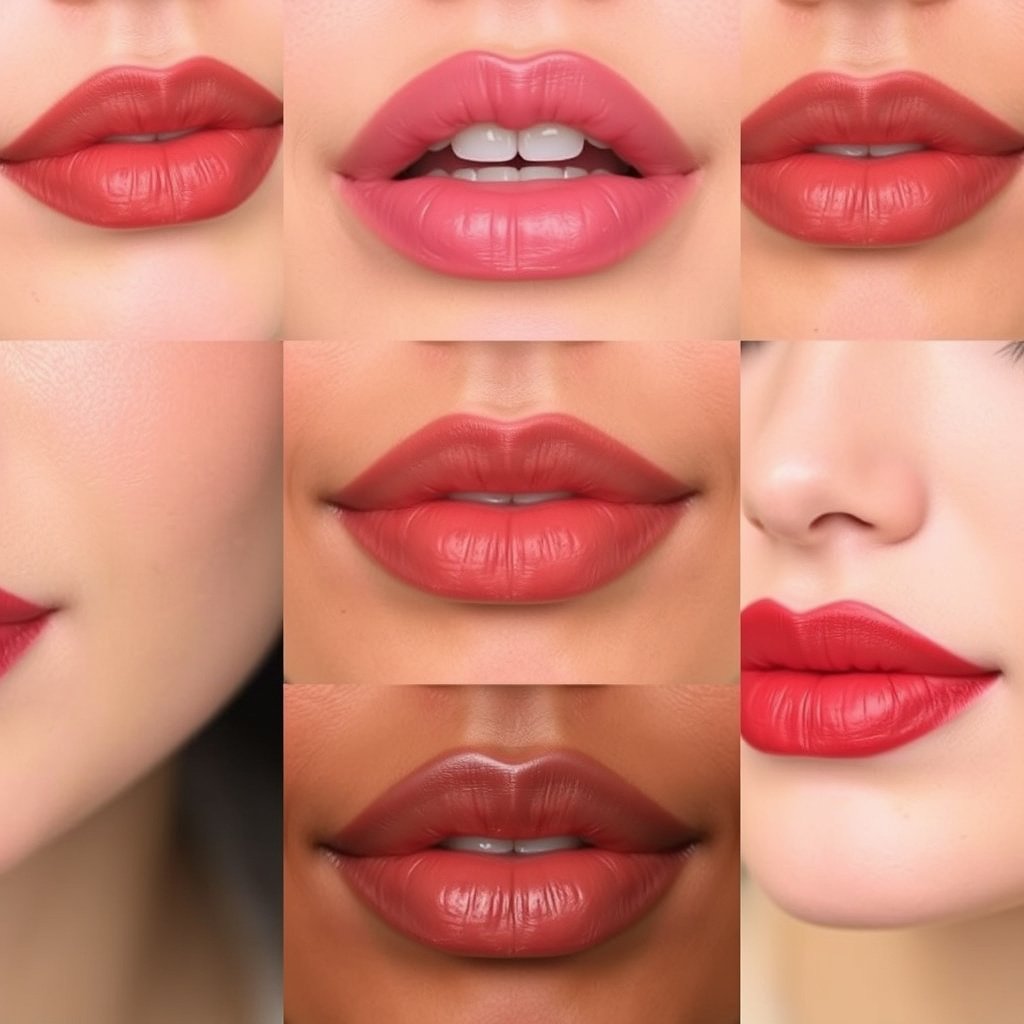
Lipstick can emphasize or balance different lip shapes. For thin lips, lighter shades like soft pinks or corals with a glossy finish can create the illusion of fullness. Conversely, darker or matte shades add definition to fuller lips, making features stand out more prominently.
Choosing the right finish—matte, satin, or glossy—also affects perception. Matte finishes provide a sophisticated look and tend to last longer, while gloss adds youthful plumpness and shines. Your lip shape combined with color and finish shapes how bold or subtle your look will appear.
- Full lips: Try deep reds or berries with matte finish
- Thin lips: Opt for light, glossy shades
- Uneven lips: Use lip liner with complementary shades
For more on this, see our related guide: The Best Makeup for Beginners: Simple Products to Start Your Collection.
How Lip Texture Impacts Your Lipstick Choice
Dry or chapped lips require careful product selection since matte lipsticks can accentuate texture and dryness. Moisturizing formulas with hydrating ingredients, or creamy textures, help create smooth, even color application. Exfoliating lips before application also improves texture and appearance.
Smooth lips allow greater experimentation with bold, long-lasting formulas without worrying about patchiness. Selecting lipstick textures that suit your natural lip condition ensures the color looks fresh and vibrant throughout wear.
- Use lip balm before applying matte lipstick
- Avoid glittery textures on textured lips
- Choose creamy or satin finishes for dry lips
The Role of Occasion and Outfit in Choosing Lipstick Color
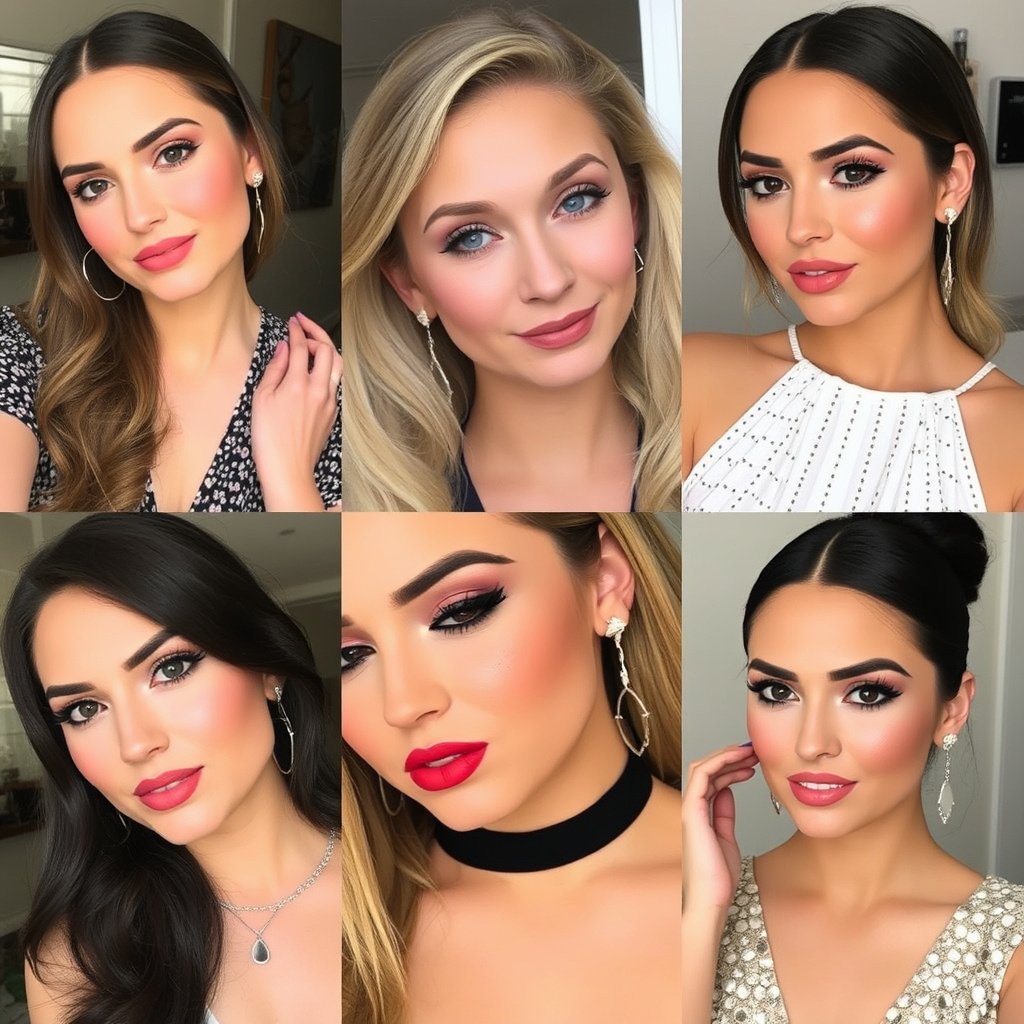
Lipstick Color for Different Occasions
Casual or daytime settings call for subtle lip colors like nude, soft pink, or peach that complement a natural makeup look. These shades enhance your features without overpowering, making them suitable for office or everyday wear. For evening or formal events, deeper reds, plums, or bold berry colors create a striking impression.
Special occasions also allow for experimenting with trendier shades like bright reds or unconventional colors (deep wine, violet) to match the event’s mood. Suiting your lipstick color to the occasion helps maintain harmony and confidence in your overall appearance.
- Daytime: Nudes, soft corals, light pinks
- Evening: Classic reds, berry shades, wine
- Parties: Bold reds, bright fuchsias, deep plums
Pairing Lipstick with Your Outfit
Your outfit’s color palette influences the best lipstick choice. Neutral or pastel clothing pairs well with brighter lip colors that add a vibrant pop, while busy or patterned outfits might benefit from balanced, muted lipstick tones. Harmonizing lipstick and outfit reduces visual noise and creates a polished look.
For monochromatic outfits, matching lipstick and clothing color intensity can amplify style. Contrast also works well; for instance, rich jewel-toned dresses look stunning with complementary bold lipstick colors that highlight your skin tone.
- Neutral clothes: Bright lips add focus
- Bold patterned outfits: Muted, nude shades
- Monochrome looks: Match intensity of shade
Exploring Lipstick Formulas and Their Effects on Color
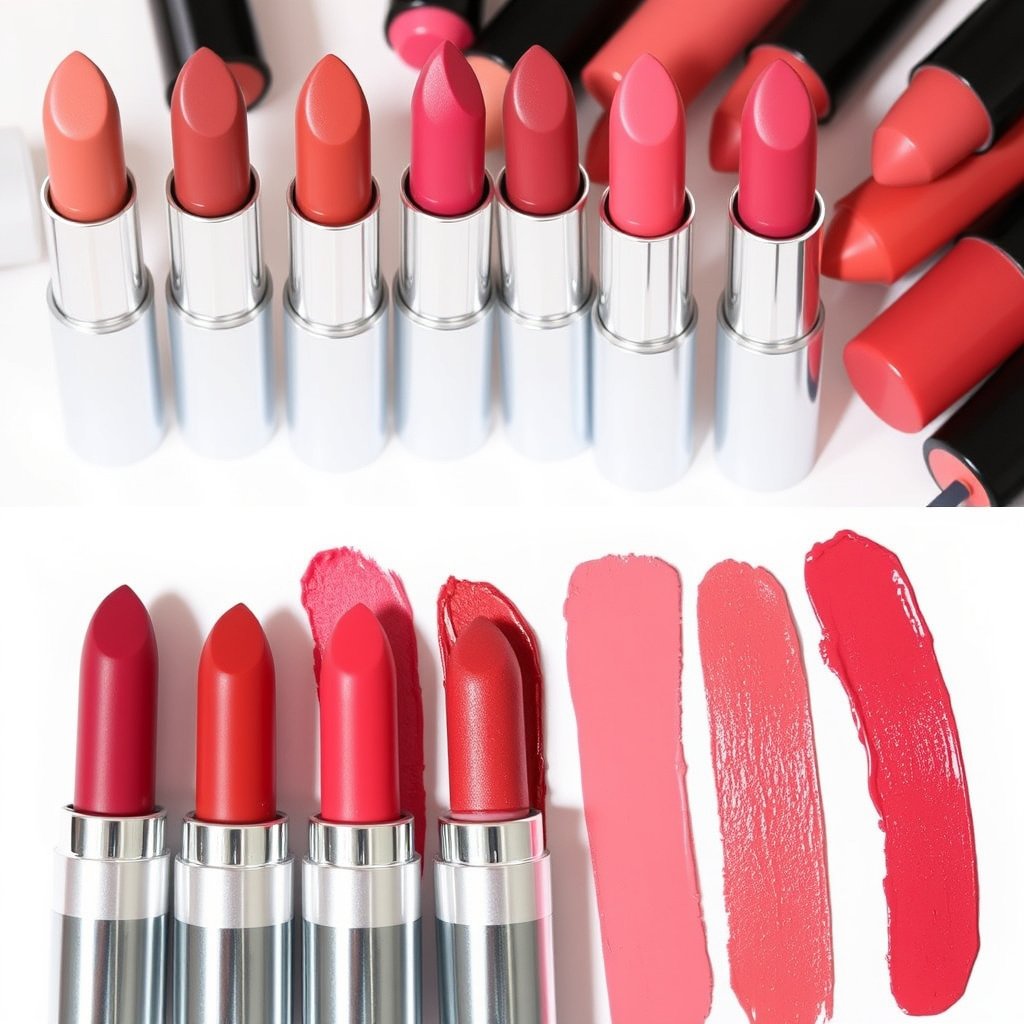
Differences Between Matte, Satin, and Glossy Lipsticks
Matte lipsticks deliver intense pigment and a velvety texture but can feel drying if lips aren’t well-prepared. Satin finishes strike a balance, offering moderate shine with comfort for longer wear. Glossy lipsticks provide high shine and a hydrated feel but can require frequent reapplication and may dull quickly.
Your preference for formula often depends on your lifestyle, lip health, and desired look. Matte is ideal for statement colors and longevity, satin suits natural looks with some sheen, and glosses bring freshness and a youthful glow.
- Matte: high pigment, long-lasting, dry feel
- Satin: medium shine, comfortable wear
- Gloss: shiny, hydrating, needs touch-ups
For more on this, see our related guide: What Makeup Products Do I Need? A Practical Guide to Building Your Essential Kit.
Liquid Lipsticks and Stains for Lasting Color
Liquid lipsticks combine intense color with extended wear, often drying down to a matte finish that resists smudging. Lip stains provide a sheer wash of color that lasts but is less dramatic. Both options are popular for all-day wear due to their durability and ease of touch-up.
However, liquid lipsticks can emphasize dry patches and require lip exfoliation beforehand. Lip stains are ideal for casual, no-makeup makeup days, while liquid formulas allow you to make a bolder statement without constant reapplication.
- Liquid lipstick: long-lasting, bold, drying
- Lip stains: natural, sheer, easy touch-up
Tips for Application and Maintenance of Your Lipstick Color
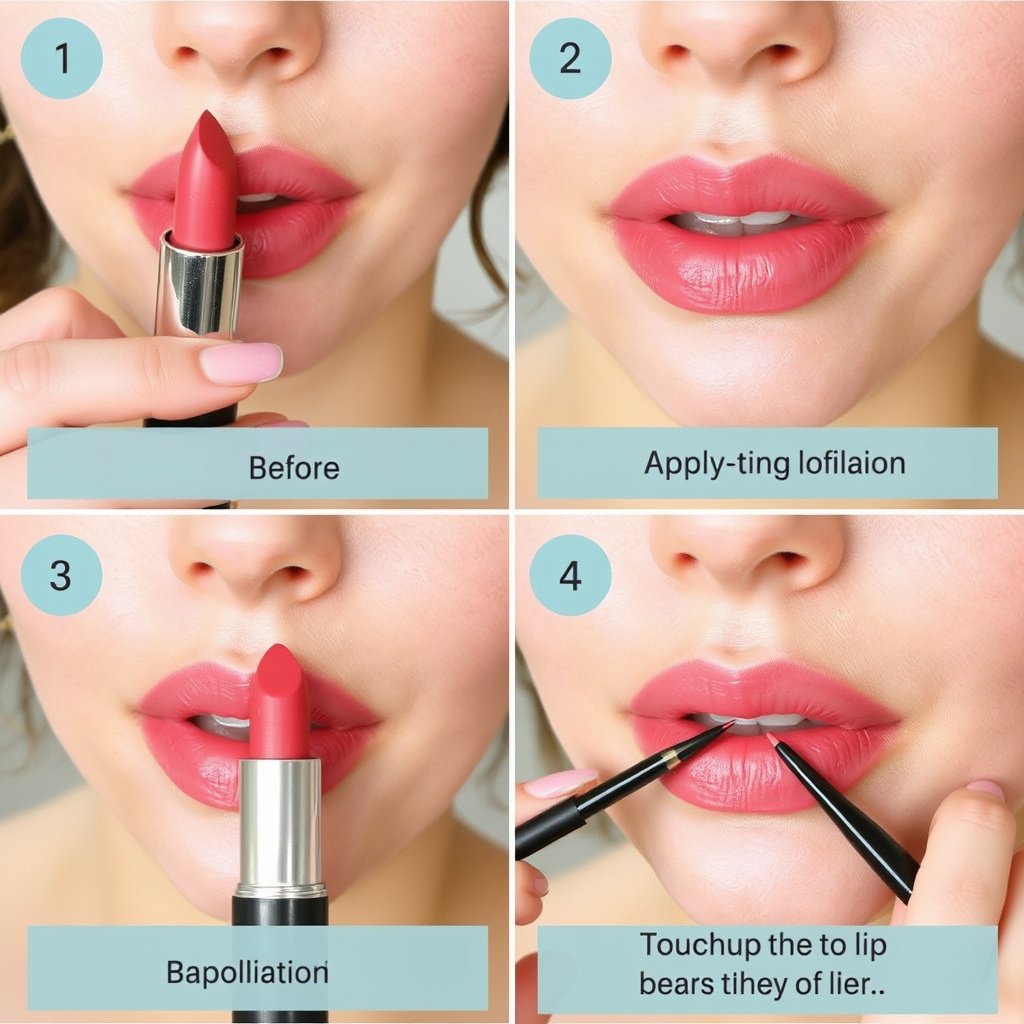
How to Apply Lipstick for Best Color Impact
Start with exfoliated and moisturized lips to create a smooth canvas. Use lip liner to define shape and prevent feathering. Apply lipstick with a brush or directly from the bullet for more precision. Blotting between layers increases longevity and evens out the color.
For a fuller lip appearance, slightly overlining the lips with liner and choosing lighter shades with sheen can create dimension. Keeping your lips hydrated enhances color vibrancy and comfort throughout wear.
- Exfoliate lips weekly
- Use lip balm before application
- Apply lip liner matching lipstick shade
- Blot and layer for longer wear
For a detailed explanation of skin undertones and how they relate to color matching, see this skin undertones explanation. Skin undertones explanation.
Maintaining Lipstick Color Throughout the Day
To maintain your chosen lipstick color, carry a compact mirror and your lipstick for quick touch-ups after meals or drinks. Avoid oily foods that can break down color faster. Using a translucent setting powder lightly over lips after initial application can help lock color in place without dulling it.
Proper removal at the end of the day prevents dryness and irritation. A gentle oil-based remover preserves lip health, making it easier to apply your lipstick color beautifully the next time.
- Carry lipstick for touch-ups
- Avoid oily or greasy foods when possible
- Use translucent powder for setting color
- Remove lipstick gently at night
Lipstick Color Options by Skin Undertone and Occasion
Here's a comparison of lipstick color categories based on undertone suitability, occasion, and typical finishes to help you decide.
| Category | Best Undertone | Ideal Occasion | Common Finishes | Color Examples |
|---|---|---|---|---|
| Coral & Peach | Warm | Daytime/Casual | Satin, Gloss | Peachy Coral, Soft Apricot |
| Berry & Plum | Cool | Evening/Formal | Matte, Satin | Raspberry, Deep Plum |
| Classic Red | Neutral & Warm | Versatile | Matte, Satin | Blue-Red, Brick Red |
| Nude & Rose | Neutral | Everyday, Work | Satin, Matte | Beige, Mauve, Rose Pink |
| Bright Fuchsia & Pink | Cool | Parties, Trendy | Glossy, Satin | Hot Pink, Fuchsia |
| Deep Wine & Burgundy | Cool | Evening, Seasonal | Matte, Satin | Burgundy, Merlot |
Frequently Asked Questions
How do I know if my undertone is warm or cool?
Look at the veins on your wrist under natural light; greenish veins suggest warm undertones, bluish or purple veins indicate cool undertones. Additionally, see whether gold or silver jewelry complements your skin better.
Can I wear any lipstick color regardless of my skin tone?
While you can experiment, certain colors enhance your natural undertones more effectively, creating a balanced look. Neutral undertones offer the most flexibility, but warm and cool undertones benefit from colors aligned with their palette.
What is the best lipstick finish for dry lips?
Creamy and satin finishes are preferable for dry lips as they provide hydration and smooth application. Matte lipsticks can accentuate dryness unless lips are properly exfoliated and moisturized beforehand.
How can I make lipstick last longer throughout the day?
Start with exfoliated lips and apply a lip liner for definition. Layer your lipstick, blot between applications, avoid oily foods, and carry your lipstick for touch-ups. Using translucent powder over the lipstick can also help set the color.
Is it okay to mix lipstick colors to create a custom shade?
Yes, mixing lipstick shades allows you to customize colors to suit your preference. Combining a lighter base with a darker tint can create unique, flattering hues tailored to your skin tone and style.
Key Takeaways
- Identify your undertone to find complementary lipstick colors.
- Consider lip shape and texture when choosing shade and finish.
- Match lipstick color to occasion and outfit for harmonious looks.
- Maintain lip health to keep color vibrant and smooth.
Conclusion
Selecting the perfect lipstick color revolves around understanding your skin undertone, lip characteristics, and style preferences. By focusing on these personal factors, you create a cohesive appearance where your lipstick enhances rather than clashes with your natural features. This thoughtful approach prevents wasted purchases and boosts makeup confidence.
For everyday wear, tend toward nude and rose shades if you have a neutral undertone, or opt for warm corals and peaches if your complexion leans warm. Cooler skin tones shine in berry and plum hues, particularly for evening events. Matte finishes suit those seeking longevity and bold colors, while satin or glossy options are excellent for hydration and natural looks.
Try testing shades in natural light before purchasing, and don’t hesitate to experiment with layering or mixing colors to customize your ideal tone. The next step is to apply the guidelines described here alongside personal taste, making your lipstick a statement of your unique beauty every day.