
How to Care for Natural Hair: Essential Tips for Healthy, Defined Curls
Caring for natural hair means focusing on moisture, gentle handling, and using products that support your hair's unique texture and needs. The main goal is to maintain hydration and avoid damage from harsh chemicals or excessive heat. Proper care routines include cleansing without stripping, deep conditioning, and protecting the hair from breakage.
Natural hair is diverse, with textures ranging from soft coils to tight kinks, each requiring consistent care to stay healthy. Because natural strands tend to be drier and more fragile, neglecting moisture and protective practices can quickly lead to brittleness and breakage. Adopting a routine tailored to your hair type helps preserve length and definition.
This article will cover how to care for natural hair through hydration strategies, styling techniques to prevent damage, product choices including the best products for natural hair, and simple daily habits to keep curls vibrant and strong. We’ll also address common mistakes to avoid for sustainable hair health.
Understanding Natural Hair Texture and Porosity
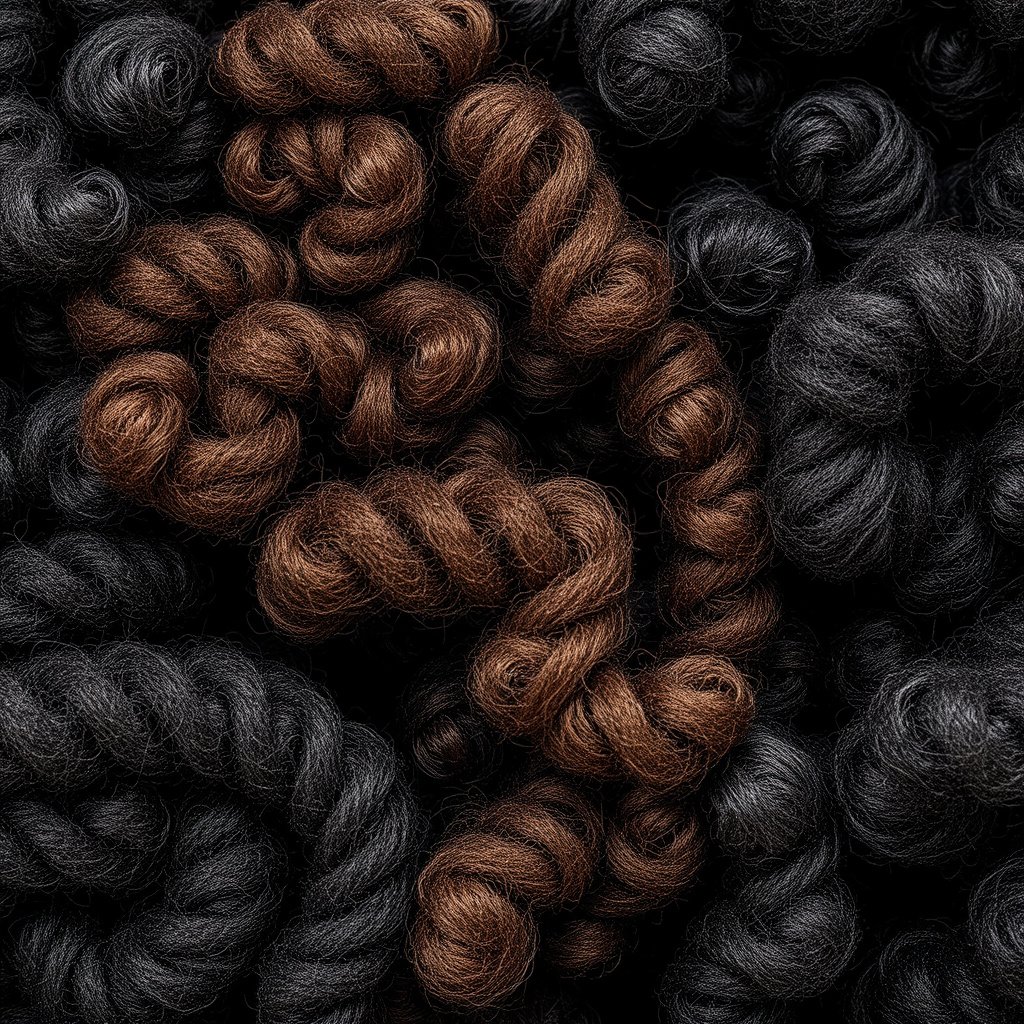
Identifying Your Hair Type and Texture
Natural hair ranges from loose waves to tight coils, and knowing your specific hair type helps in selecting the right care approach. Hair typing often follows the 2, 3, 4 system, with Type 4 being the kinkiest and tightest curl pattern often needing the most moisture.
Texture influences how products absorb and how hair responds to styling. For instance, coarser textures might require richer oils and heavier butters, while softer curls may thrive with lighter moisturizers that don’t weigh down the hair.
- Type 2: Wavy hair
- Type 3: Curly hair
- Type 4: Coily/kinky hair
Understanding Hair Porosity
Porosity refers to how well hair absorbs and retains moisture. Low porosity hair has a tightly sealed cuticle that resists moisture absorption, while high porosity hair soaks up moisture quickly but also loses it fast.
Knowing your hair's porosity helps in choosing the best products and routines; for example, low porosity hair benefits from heat-based treatments to open the cuticle, and high porosity hair thrives with protein treatments to rebuild the cuticle's strength.
Hydrating and Moisturizing Natural Hair
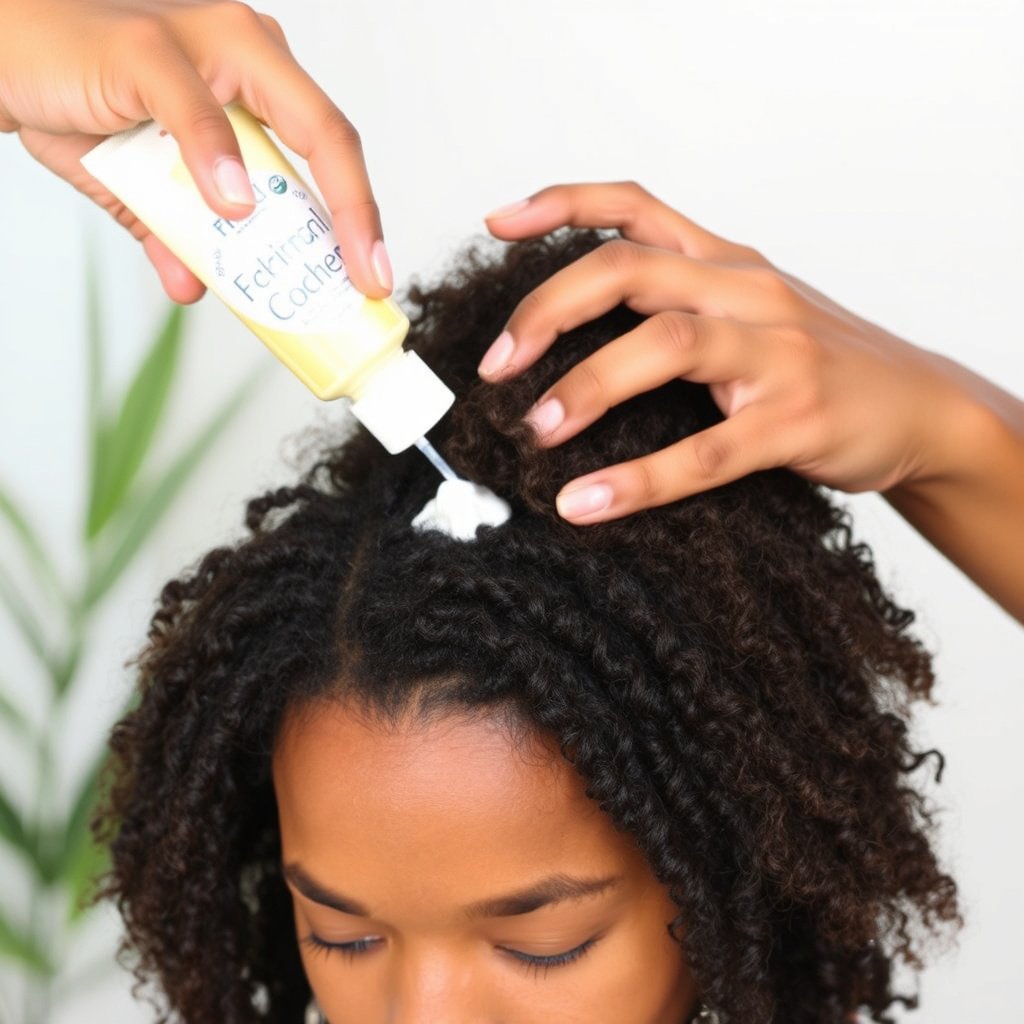
Daily Moisturizing Methods
Keeping natural hair hydrated daily is fundamental to its health. Use water-based leave-in conditioners or misters to refresh and hydrate curls without buildup. Sealing in moisture with oils like jojoba or castor oil afterward helps lock hydration into the strands.
The LOC (Liquid, Oil, Cream) or LCO (Liquid, Cream, Oil) methods are popular hydration routines designed to layer moisture and sealants correctly for maximum retention, especially effective for drier textures.
- Use water or water-based products first
- Seal with natural oils
- Apply a cream moisturizer
For more on this, see our related guide: How to Care for Natural Hair: Essential Tips for Healthy Curls.
Deep Conditioning and Protein Treatments
Deep conditioning treatments restore moisture and strengthen hair between washes. They penetrate the hair shaft to repair damage from manipulation and environmental stresses. Choose rich, emollient deep conditioners with natural butters and humectants.
Protein treatments help replenish the keratin protein lost due to styling or damage. They should be used intermittently with moisturizing treatments to maintain a healthy balance and avoid hair becoming stiff or brittle.
Styling Techniques to Protect Natural Hair
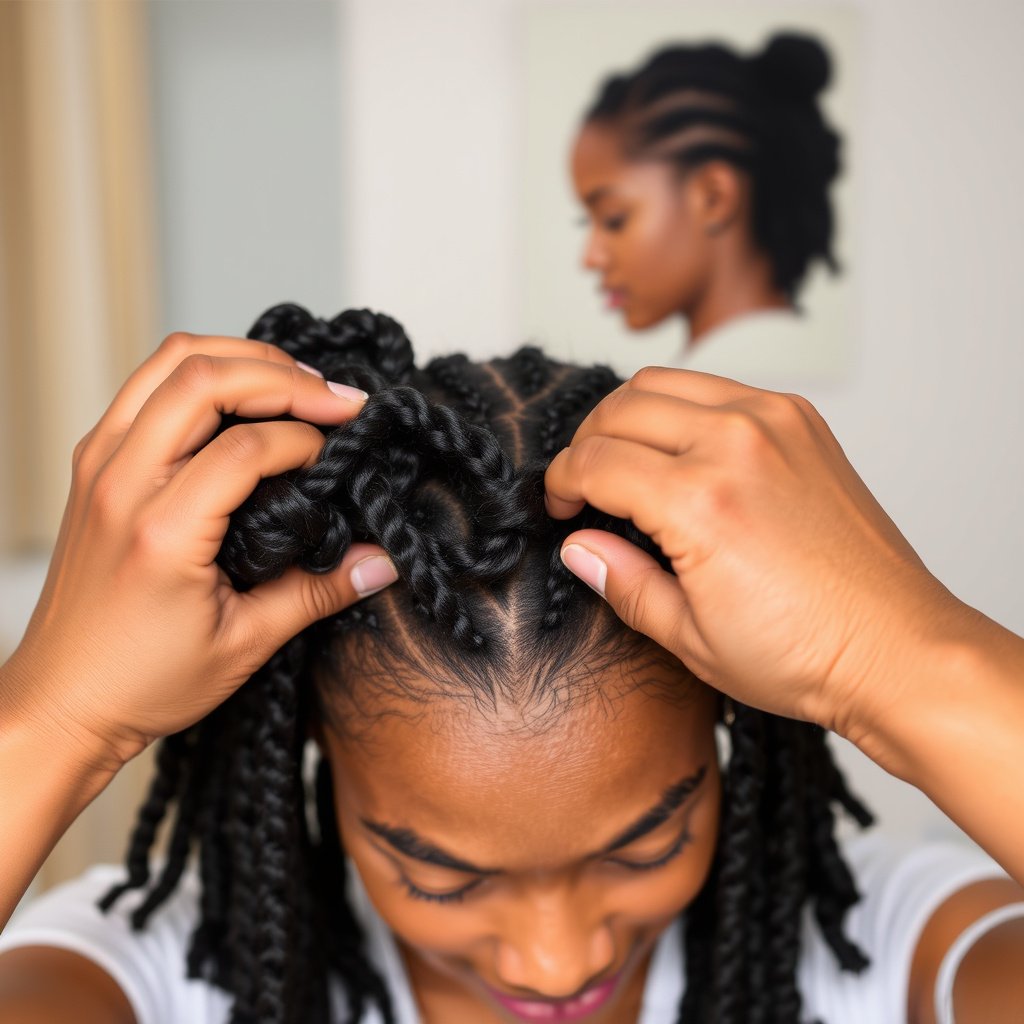
Protective Styling Options
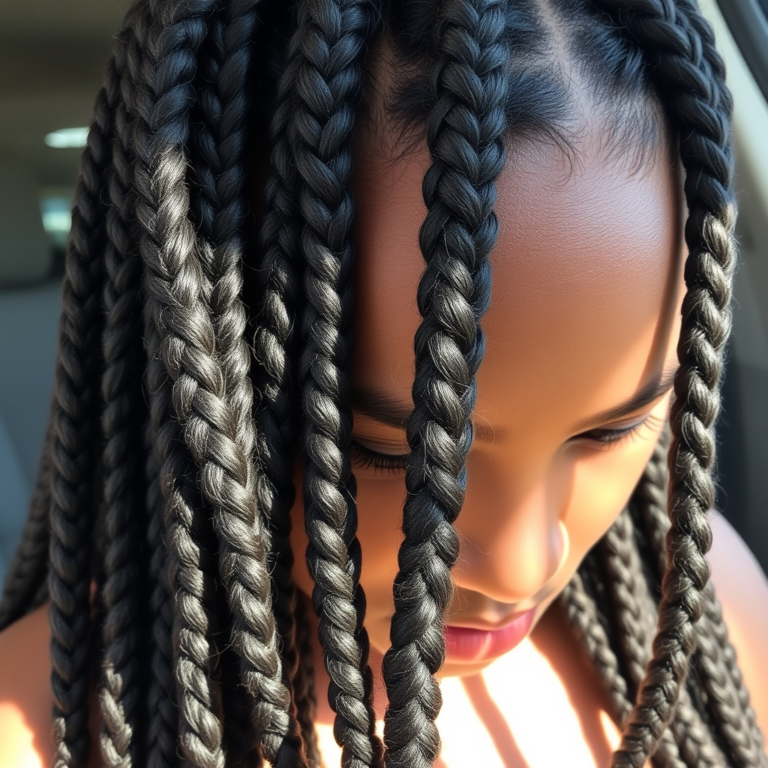
Protective styles shield natural hair ends from everyday stress and reduce tangling. Styles like braids, twists, and buns help retain moisture and minimize breakage by reducing manipulation and friction.
It’s important that protective styles aren’t installed too tightly to avoid tension headaches or traction alopecia. Regularly moisturizing and cleansing underneath protective styles contributes to scalp health and hair growth.
- Braids and twists
- Buns and updos
- Wigs and extensions
Avoiding Heat and Mechanical Damage
Heat tools like flat irons and blow dryers can weaken natural hair if overused. When heat styling, always apply a heat protectant and use the lowest effective temperature.
Mechanical damage from harsh brushing or combing can cause breakage. Use wide-tooth combs or finger detangle gently on damp hair to avoid unnecessary stress on curls.
Choosing the Best Products for Natural Hair
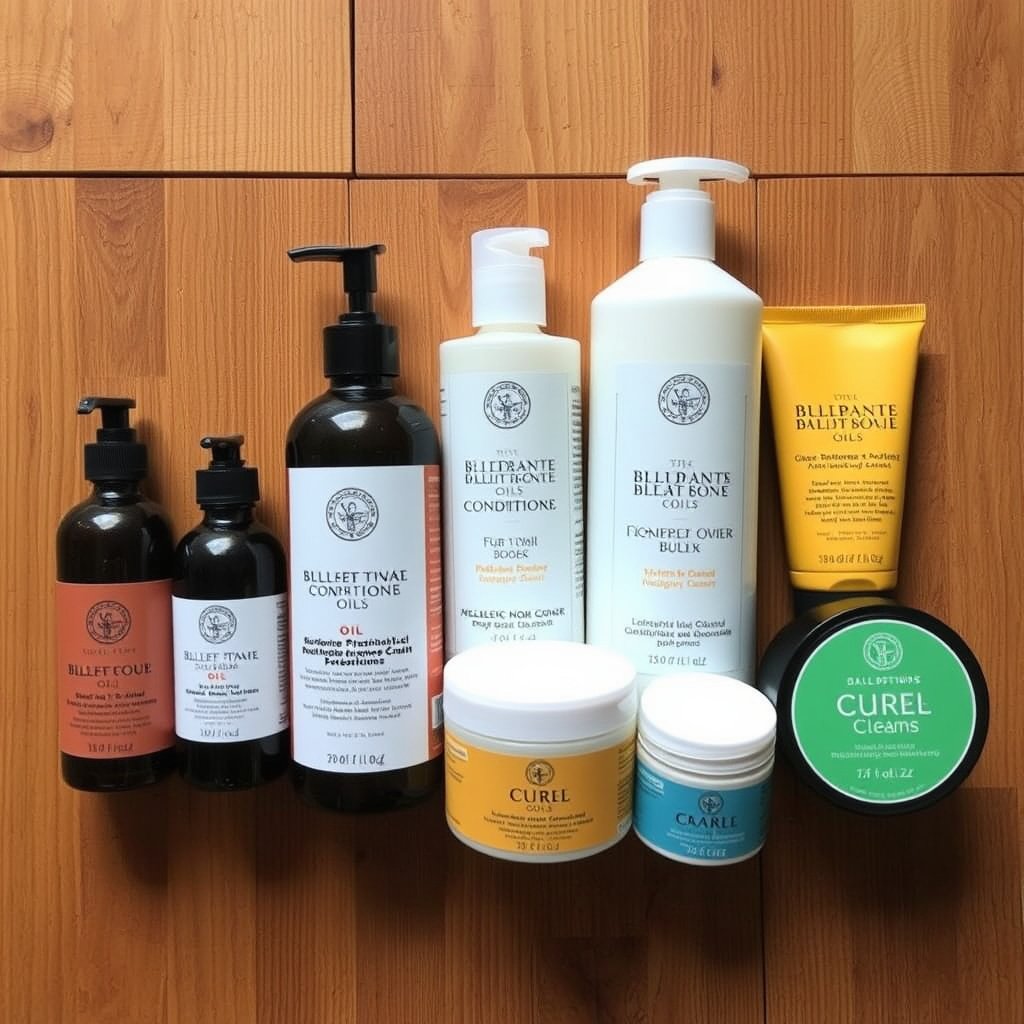
Ingredients to Look For
Natural hair responds well to ingredients that moisturize and nourish without buildup. Look for humectants like glycerin and aloe vera, emollients like shea butter and coconut oil, and light oils such as argan or grapeseed oil.
Avoid products with sulfates, parabens, and alcohols that can strip moisture or cause dryness. Products designed specifically for natural hair often balance these ingredients to maintain curl integrity.
- Humectants: glycerin, honey
- Emollients: shea butter, coconut oil
- Light oils: argan oil, jojoba oil
For more on this, see our related guide: How to Prevent Hair Breakage: Effective Tips for Stronger Hair.
Product Types and Their Uses
Shampoos and co-washes maintain scalp cleanliness without stripping oils. Leave-in conditioners provide ongoing moisture throughout the day, while styling creams define curls and reduce frizz.
Oils are typically used as sealants or scalp treatments, and gels offer hold for styled looks. Selecting products as part of a consistent routine helps natural hair flourish and grow.
Daily and Nighttime Hair Care Practices
Establishing a Daily Hair Routine
A simple daily routine includes moisturizing, light detangling, and refreshing curls. Avoid over-washing and harsh styling to retain natural oils and prevent dryness.
Scalp care is also important; gentle massages stimulate blood flow and promote hair growth. Using scalp-friendly oils occasionally supports a healthy environment for curls.
For additional insights on hair maintenance practices across different hair types, check out this detailed resource on natural hair care techniques. natural hair care techniques.
Nighttime Protection Techniques
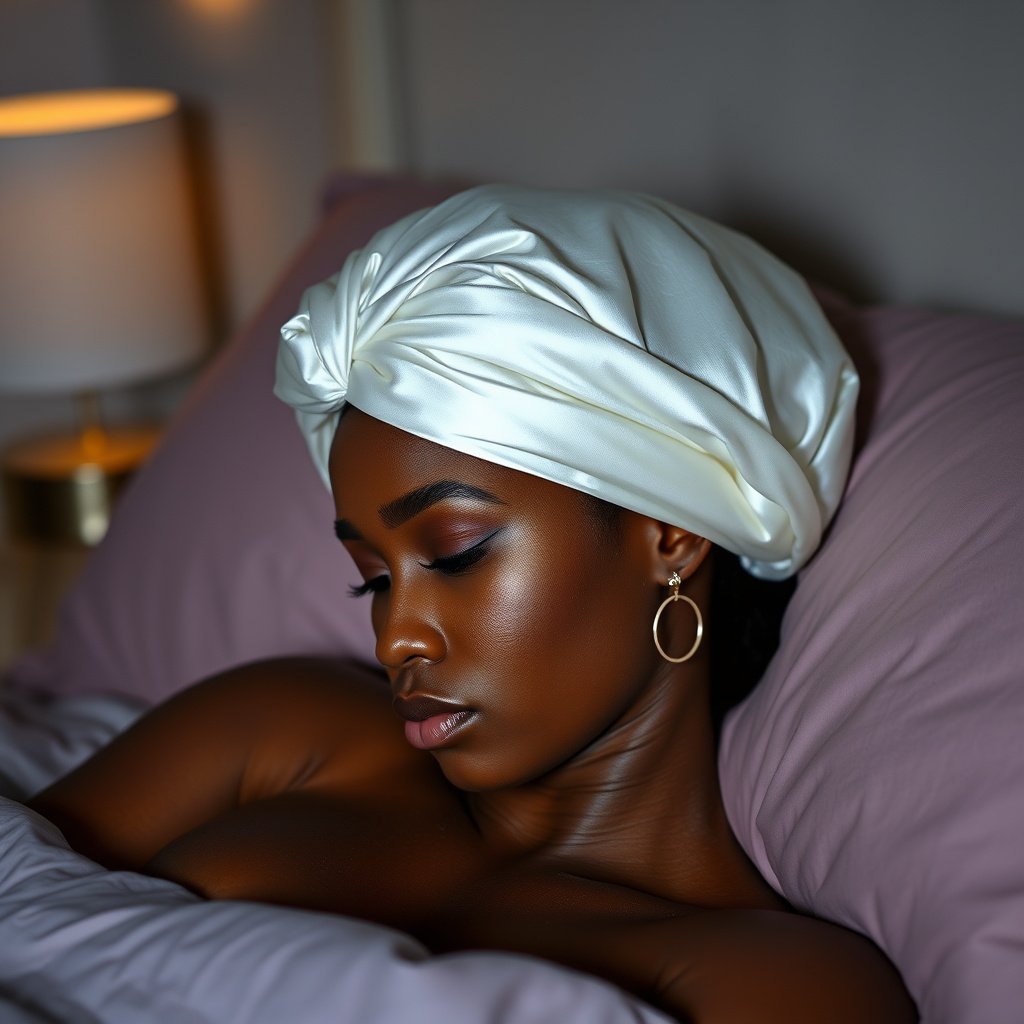
Protecting natural hair overnight reduces friction and moisture loss. Wearing a satin or silk bonnet or using a satin pillowcase preserves moisture and minimizes breakage during sleep.
Additionally, loose protective styles like braids or pineappling (gathering curls on top of the head) keep curl definition intact and prevent tangles.
- Use satin bonnet or pillowcase
- Pineapple hair loosely
- Wrap hair gently if preferred
Natural Hair Care Product Categories Comparison
Here’s a comparison of common natural hair care product types detailing their main purpose, benefits, and ideal hair types.
| Product Type | Primary Benefit | Hair Type Best Suited | Usage Frequency |
|---|---|---|---|
| Leave-in Conditioner | Provides continuous hydration and detangling | All natural hair types | Daily or as needed |
| Deep Conditioner | Repairs and moisturizes deeply | Dry, brittle, or damaged hair | Weekly to biweekly |
| Oil Sealants | Locks in moisture and protects ends | Coarser, thicker hair textures | Post-moisturizing daily |
| Styling Creams | Defines curls and reduces frizz | Curly to coily hair | As needed during styling |
| Protein Treatment | Rebuilds hair protein and strength | High porosity or damaged hair | Monthly or as needed |
Frequently Asked Questions
How often should I wash my natural hair?
Washing frequency varies by hair type and lifestyle but generally ranges from once a week to every two weeks to avoid over-drying natural hair.
Can I use heat tools on natural hair?
Yes, but use heat sparingly with protectant products and low to medium settings to reduce the risk of damage and breakage.
What is the best way to detangle natural hair?
Detangle gently using fingers or a wide-tooth comb on damp, conditioned hair starting from the ends and moving upward to avoid breakage.
Are natural oils good for moisturizing hair?
Natural oils are excellent for sealing moisture into the hair and scalp. However, they work best when layered over water-based moisturizers.
Is it necessary to use protein treatments on natural hair?
Protein treatments help strengthen hair that is weak or damaged but should be balanced with moisturizing treatments to prevent dryness.
Key Takeaways
- Moisture retention is vital for healthy natural hair.
- Protective styles reduce manipulation and protect ends.
- Choose products based on hair texture and porosity.
- Nighttime protection helps prevent breakage.
Conclusion
Caring for natural hair means creating a consistent routine that prioritizes hydration, gentle care, and suitable product choices. By understanding your hair's texture and porosity, you can tailor practices that strengthen and define your curls while minimizing breakage. This thoughtful approach replaces guesswork with intentional maintenance, leading to healthier, more resilient hair over time.
Different needs call for different solutions: those with looser curls might focus on lighter moisturizers and defining creams, while coily hair textures benefit from heavier oils and deep conditioning treatments. Protective styles like twists or braids play a significant role in maintaining length and reducing damage across all textures. Integrating the best products for natural hair into your regimen ensures that your curls receive the right balance of moisture, nourishment, and styling support.
Begin by identifying your hair's unique traits and experimenting with moisturizing methods like the LOC technique or gentle cleansing routines. From there, add protective styling and nighttime care to preserve your hair’s vitality. Regularly refresh your knowledge with trusted sources, and let your care routine evolve in step with your hair’s changing needs to enjoy strong, vibrant natural hair.
One Comment