How to Do Island Twists: A Step-by-Step Guide to Mastering the Move
Island twists are a dynamic dance move that involves twisting your torso and hips in a smooth, rhythmic motion. To do island twists, start with your feet shoulder-width apart, bend your knees slightly, and rotate your hips from side to side while keeping your upper body relaxed and your arms moving naturally. This move engages your core and hips for a fluid, island-inspired rhythm.
This move is popular in many dance styles and fitness routines because it enhances flexibility, balance, and coordination. Whether you're dancing socially or incorporating island twists into your workout, mastering the technique helps develop better body control and a confident flow in your movements.
This article will cover the proper body positioning, step-by-step instructions, common mistakes to avoid, variations for different skill levels, and tips for practicing island twists effectively. You'll also find exercise recommendations for beginners to strengthen the core and hips, essential for this move.
Understanding the Basics of Island Twists

Body Position and Posture
To execute island twists correctly, stand with feet about shoulder-width apart and knees slightly bent to maintain balance. Keep your shoulders relaxed and your back straight to allow fluid hip movement. Your arms should be free to sway naturally to enhance the rhythm and balance.
Maintaining good posture prevents strain and helps you control the twist more effectively. Avoid locking your knees or clenching your core too tightly, as this can make the move look stiff rather than smooth.
The Core Muscle Engagement
Island twists rely heavily on your core muscles, which include the abdominals, obliques, and lower back. Engaging these muscles creates stability and power for the twisting motion, helping you avoid wobbling or losing balance.
Incorporate focused breathing to maintain steady muscle activation. Exhale gently as you twist and inhale when returning to the center. This breathing pattern supports endurance during extended practice.
Step-by-Step Technique for Island Twists

Starting the Twist Movement
Begin by shifting your weight slightly to one side, then rotate your hips smoothly to that side while twisting your upper body in harmony. Keep your feet planted firmly and knees soft for flexibility. Allow your arms to swing gently to help with momentum.
The movement should feel natural, like drawing your hips in a horizontal figure-eight pattern. Avoid jerky or forced motions; a rhythmic flow will make the island twist look elegant.
- Feet shoulder-width apart
- Slight bend in knees
- Arms relaxed and moving naturally
Completing the Twist and Repeating
After twisting fully to one side, reverse the motion back to center and then to the opposite side, creating a continuous, balanced flow. Maintain a steady tempo to progressively build control and style.
Keep your core engaged throughout to protect your lower back and improve precision. As you grow more confident, increase the speed or amplitude for a more vibrant effect.
- Smooth transition between sides
- Engage core consistently
- Progressively increase pace
Common Mistakes and How to Avoid Them

Over-Rotation and Stiffness
Forcing your hips beyond comfortable limits leads to over-rotation, risking muscle strain and awkward movements. Likewise, locking your knees or stiffening your shoulders makes the twists appear rigid and unnatural.
Focus on controlled ranges of motion first and relax your joints during the move. Practicing regularly will help increase flexibility and coordination safely.
For more on this, see our related guide: Island Twist Hair: A Complete Buying Guide.
Neglecting Core Engagement
Failing to activate your core muscles results in imbalance and poor posture, making the twist less effective and increasing injury risk. Many beginners tend to rely solely on hip movement without supporting core strength.
Start with basic core strengthening exercises before practicing island twists to develop the necessary muscle support. This foundation improves the fluidity and longevity of the move.
Island Twists Variations for Different Skill Levels

Beginner Variations
For beginners, start with slow, controlled hip rotations without arm movements to focus on balance and muscle engagement. Practice twisting just halfway to one side before returning to center, keeping your feet grounded.
Add slight knee bends to increase mobility gradually. This version builds confidence and strength in core muscles without overwhelming coordination.
- Slow rotation
- No arm movements
- Half-twist amplitude
Advanced Variations
Advanced dancers incorporate full hip rotations combined with upper body isolation and sharper arm gestures. Speeding up the tempo adds intensity while maintaining smoothness and control.
Some variations include lifting one foot slightly or adding a syncopated rhythm to challenge balance and timing further.
- Full hip and torso rotation
- Upper body isolation
- Foot lifts and syncopation
Training Tips for Mastering Island Twists
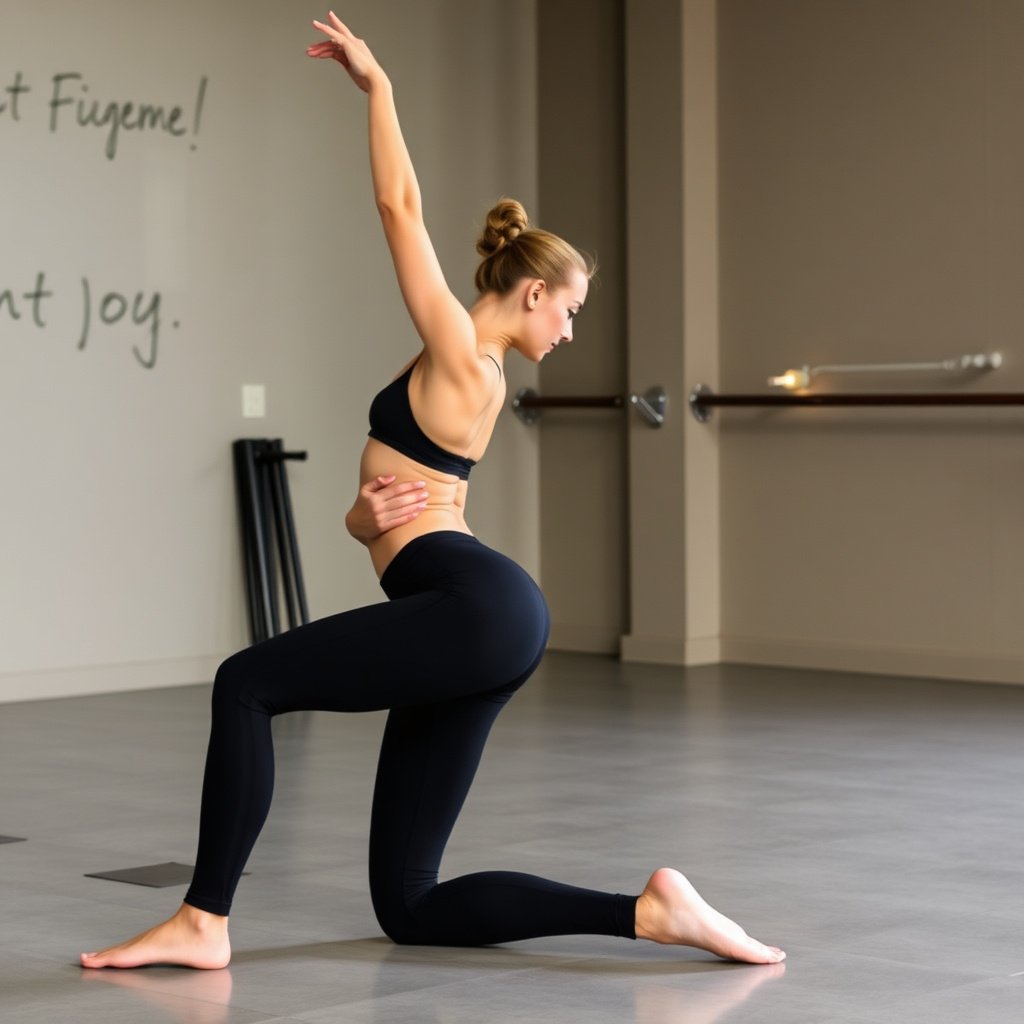
Core Strengthening Exercises
Focus on exercises like planks, Russian twists, and bicycle crunches that target the abdominal and oblique muscles. These strengthen the foundation required for smooth island twists and reduce injury risks.
Consistency matters more than intensity; start with shorter sessions and gradually increase to maintain muscle endurance over time.
- Planks
- Russian twists
- Bicycle crunches
Improving Hip Mobility
Hip circles, lunges, and seated hip stretches enhance the flexibility needed for effective island twists. Proper warm-up and cooldown routines prevent tightness and soreness after practice.
Including dynamic stretches before sessions and static stretches afterward helps maintain joint health and range of motion.
- Hip circles
- Dynamic lunges
- Seated hip stretches
Incorporating Island Twists in Dance and Fitness

Using Island Twists in Dance Routines
Island twists add rhythmic flair and fluidity to dance sequences, especially in styles inspired by Caribbean and Latin rhythms. They can serve as transitional moves or emphasized beats within choreography.
Experiment with timing and arm variations to create diverse effects and suit different music genres.
For a detailed explanation of the mechanics behind hip rotation, which is key for island twists, see this Wikipedia article on Hip Rotation. Wikipedia article on Hip Rotation.
Island Twists as a Fitness Exercise
In fitness, island twists improve cardiovascular endurance and core strength when performed repeatedly at a moderate pace. They are excellent warm-up moves or standalone exercises for agility training.
Combine them with other functional movements to build a balanced routine targeting multiple muscle groups.
Island Twists Category Comparison
Here’s a breakdown of various island twist styles and exercises suited for different experience levels and purposes.
| Category | Skill Level | Primary Focus | Recommended Frequency |
|---|---|---|---|
| Basic Island Twists | Beginner | Balance and control | 3-4 times per week |
| Rhythmic Dance Twists | Intermediate | Fluidity and coordination | 2-3 times per week |
| Advanced Full Rotation | Advanced | Core strength and speed | 3-5 times per week |
| Fitness Twist Reps | All levels | Cardio and endurance | Daily in short sessions |
| Isolation Twists with Arm Movement | Advanced | Upper body control and style | 2-3 times per week |
Frequently Asked Questions
How long should I practice island twists daily?
Starting with 10-15 minutes daily helps build muscle memory and endurance. Increase time gradually as your strength and flexibility improve.
Can island twists help with core strengthening?
Yes, island twists engage the core muscles extensively, which strengthens the abdominals, obliques, and lower back when performed regularly.
Are island twists suitable for people with back pain?
People with back pain should approach island twists cautiously and consult a physician. Proper technique and core strength are critical to avoid strain.
What should I wear when doing island twists?
Wear comfortable, breathable clothing that allows full range of motion and supportive shoes or go barefoot on a safe surface.
How can I improve my hip flexibility for island twists?
Regular hip mobility exercises like hip circles, lunges, and targeted stretches improve flexibility essential for smooth island twists.
Key Takeaways
- Island twists rely on proper posture and controlled hip rotation.
- Engaging the core is essential to perform the twists safely and smoothly.
- Start with beginner-friendly variations before advancing to complex moves.
- Incorporate strength and mobility exercises to enhance your island twist technique.
Conclusion
When learning how to do island twists, prioritizing control, posture, and core engagement is the best approach. By understanding the fundamental body mechanics and practicing consistently, you develop better coordination and confidence. This thoughtful process prevents injury and helps create a natural, stylish flow in your movement, whether dancing socially or training.
For those just beginning, slower, limited-range island twists build balance and muscle memory effectively. Intermediate dancers can incorporate rhythmic arm movements and faster tempo to add flair, while advanced performers might include full torso isolations and complex footwork variations. Each stage introduces new challenges to improve overall body awareness and strength.
If you want to integrate island twists into your routine, start with guided practice focusing on technique as outlined here, combined with core strengthening and hip mobility exercises. With patience and steady effort, island twists will become a graceful and energizing part of your dance or fitness repertoire.