How to Do Faux Locs: A Step-by-Step Guide for Stunning Protective Hairstyles
Faux locs are a versatile, protective hairstyle that mimics the look of natural dreadlocks without the long-term commitment. To do faux locs, you need synthetic or human hair extensions, a comb, hair gel or edge control, and some patience. The process involves sectioning your natural hair, braiding or twisting each section, then wrapping the extensions around the braids to form the locs.
This hairstyle is especially popular because it offers a beautiful, textured look while helping protect your natural hair from breakage and environmental stress. Faux locs come in various sizes and lengths, making it easy to customize your look for any occasion, whether casual or formal.
In this article, you'll find detailed instructions on preparing your hair, selecting the right extensions, the wrapping techniques to create secure faux locs, as well as maintenance tips to keep your style fresh and your natural hair healthy. We'll also explore different styles and care routines to get the most out of your faux locs.
Preparing Your Hair for Faux Locs
Cleansing and Conditioning
Before starting faux locs, thoroughly wash and deep-condition your hair to ensure it's clean and well-moisturized. Clean hair reduces the risk of scalp irritation and helps maintain the health of your natural hair underneath the extensions.
Use a moisturizing shampoo and a deep conditioner suited for your hair type. After washing, gently detangle your hair with a wide-tooth comb to prevent breakage while installing the locs.
- Use sulfate-free shampoo
- Apply deep conditioner for 20-30 minutes
- Rinse thoroughly
- Detangle carefully
Detangling and Sectioning
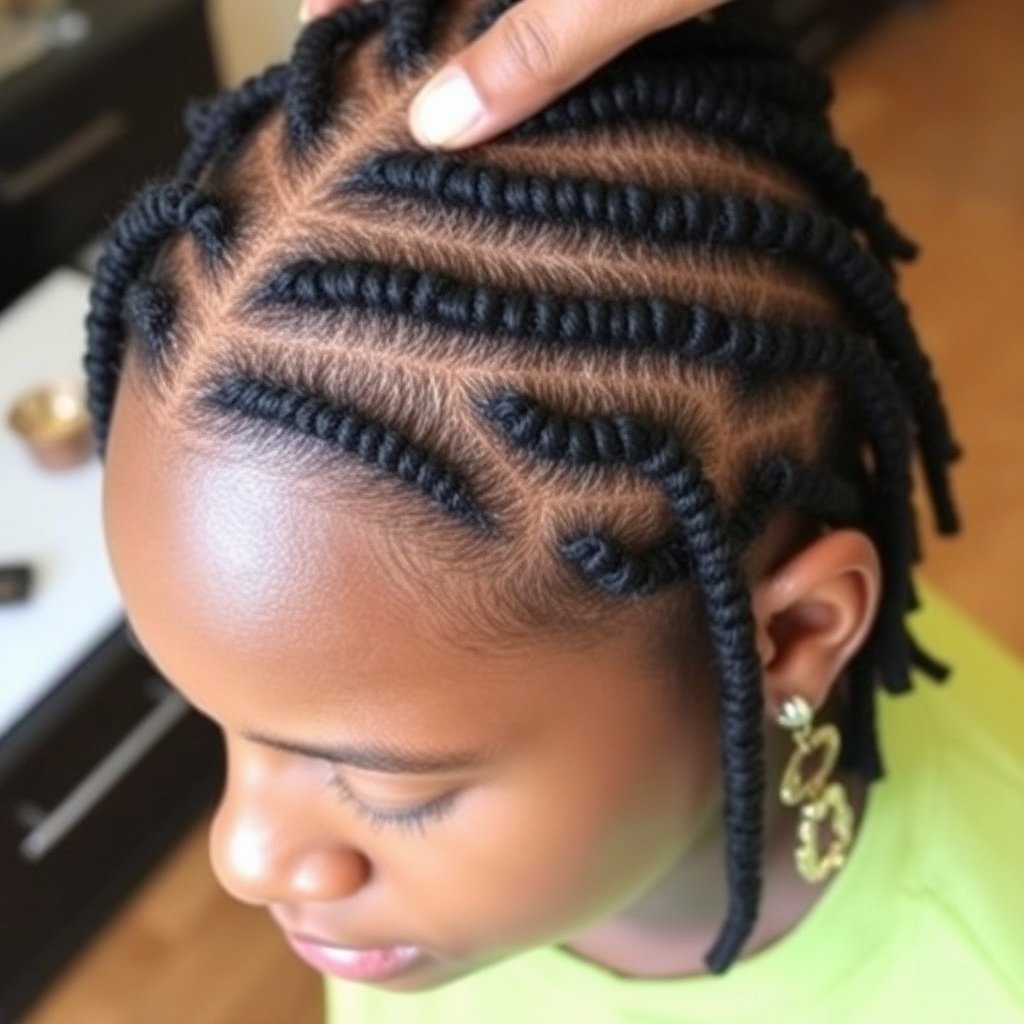
Once your hair is clean and dry, detangling is critical to avoid knots that could make the faux loc process difficult. Divide your hair into even sections using clips or hair ties, depending on the faux loc size you want.
Section size affects the final look. Smaller sections make thinner, more natural-looking locs but take longer to install; larger sections yield chunkier locs with a bold statement.
- Use a rat-tail comb for precise sections
- Secure each section with clips
- Choose section size based on desired loc thickness
Choosing the Right Hair Extensions for Faux Locs
Synthetic vs. Human Hair Extensions
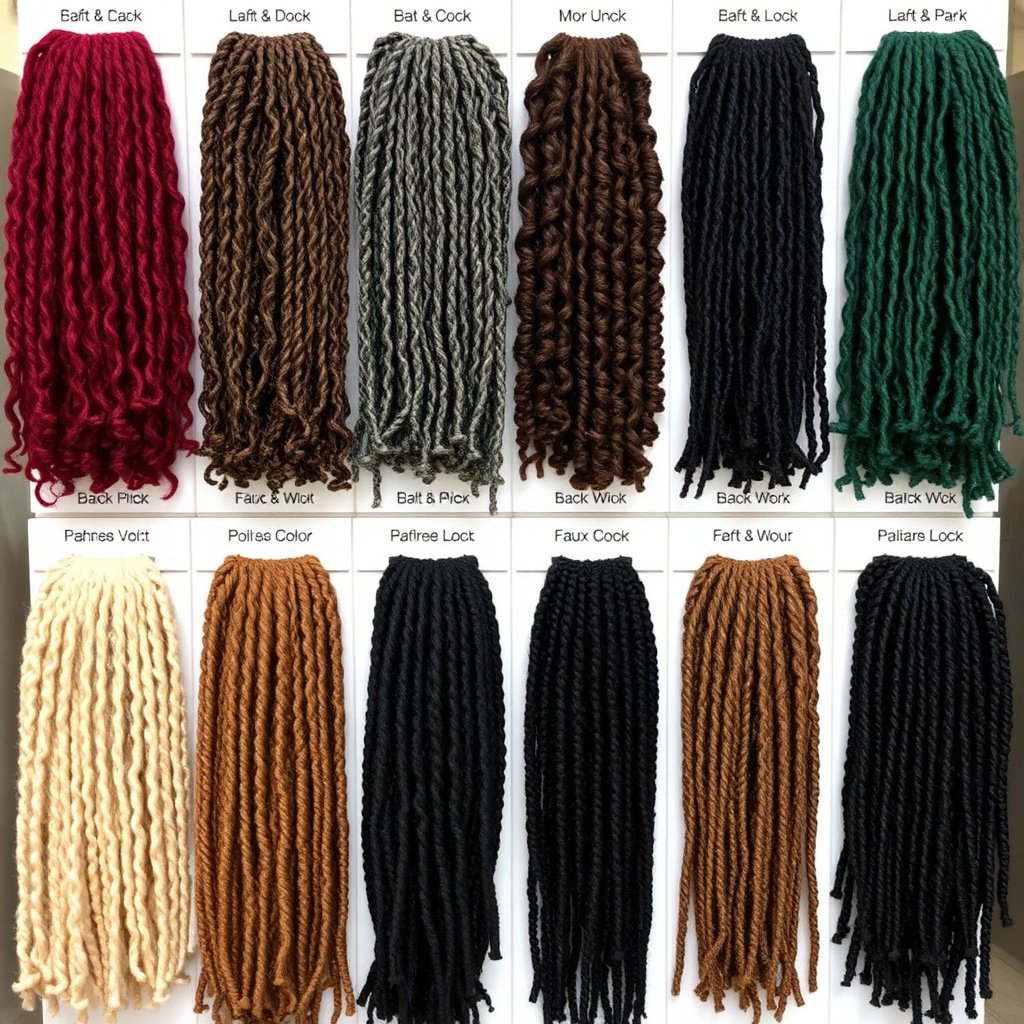
Synthetic hair is popular for faux locs due to affordability and a wide range of colors and textures. Brands like Kanekalon offer heat-resistant options that hold curl and style well. However, synthetic hair may feel less natural and can be less durable.
Human hair extensions provide the most natural appearance and greater styling flexibility but are generally more expensive. They can be washed and styled with heat tools, making them a long-lasting choice for faux loc lovers.
- Synthetic hair is budget-friendly
- Human hair offers natural texture
- Synthetic options come in diverse colors
- Human hair allows heat styling
Selecting Length and Color
Length impacts both style and weight. Faux locs typically vary from 8 to 24 inches. Longer locs create dramatic styles but can strain the scalp if too heavy. Shorter locs are lighter and easier to maintain.
Color choice can transform the look—from classic black or brown to vibrant hues like burgundy or blonde highlights. Combining multiple colors adds depth and a personalized touch to your faux locs.
- Choose length based on comfort and style
- Consider scalp tension with longer weights
- Mix colors for dimension
- Pick shades complementing your skin tone
Techniques for Installing Faux Locs
Braiding or Twisting the Base
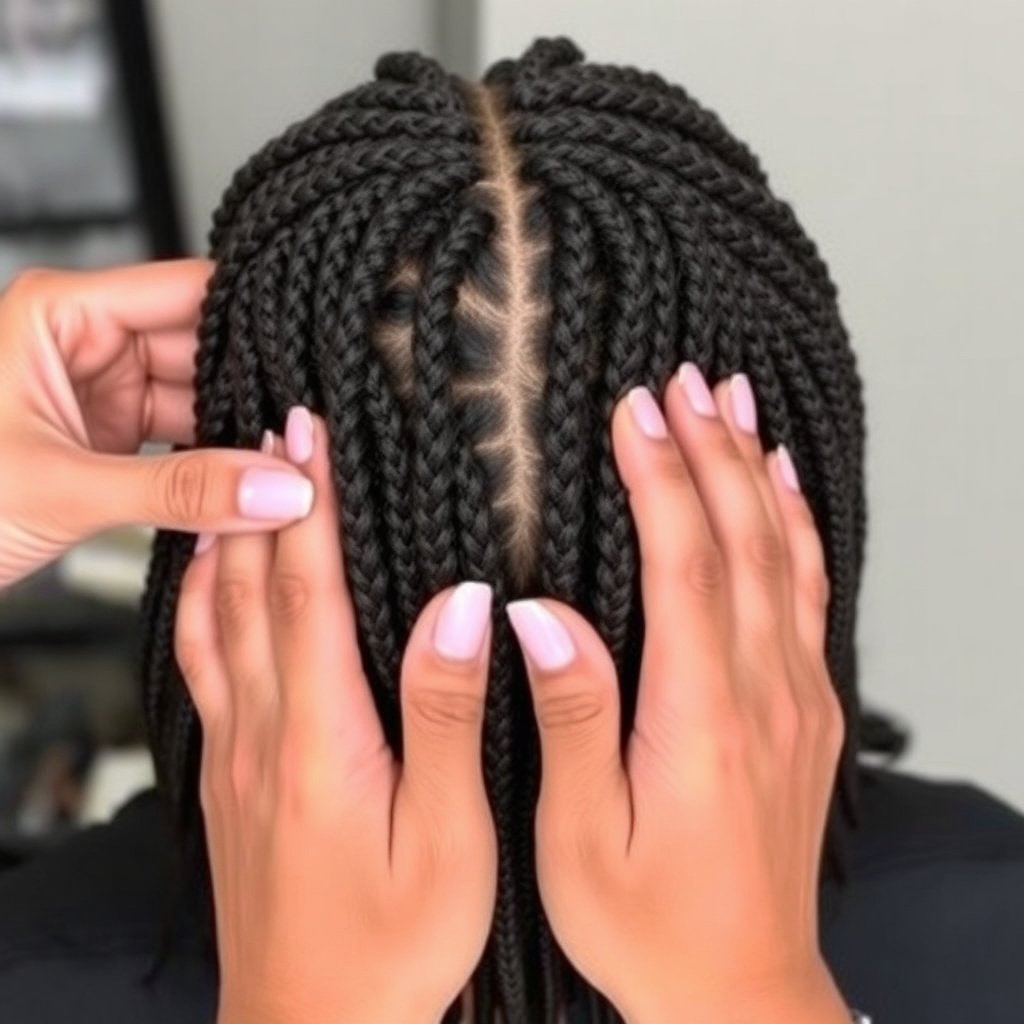
Start by tightly braiding or twisting your natural hair in each section. Braids provide a firm foundation for wrapping while twists create a smoother, less bulky base. Secure the end of each braid or twist with a small elastic band.
Ensure braids or twists are uniform in size and tight enough to hold the extension without causing scalp discomfort. This step is critical for longevity and neat, natural-looking faux locs.
- Use small elastics at braid ends
- Keep uniform tension while braiding
- Avoid scalp pulling
- Choose braids or twists based on preference
For more on this, see our related guide: Your Guide to Butterfly Locs Crochet Hair: Choosing With Confidence.
Wrapping the Extensions
Take a section of synthetic hair and wrap it tightly around each braid or twist from the root down to the tip, overlapping slightly to create the loc shape. Be consistent to avoid gaps or loose areas.
Depending on the hair type, you may need to seal the ends with a lighter or by dipping into hot water to keep them neat. This step secures the faux locs and prevents unraveling over time.
- Wrap hair in one direction
- Keep tension consistent
- Seal ends with heat or knotting
- Trim excess fibers for a clean finish
Maintaining Faux Locs for Longevity
Cleansing Your Scalp and Locs
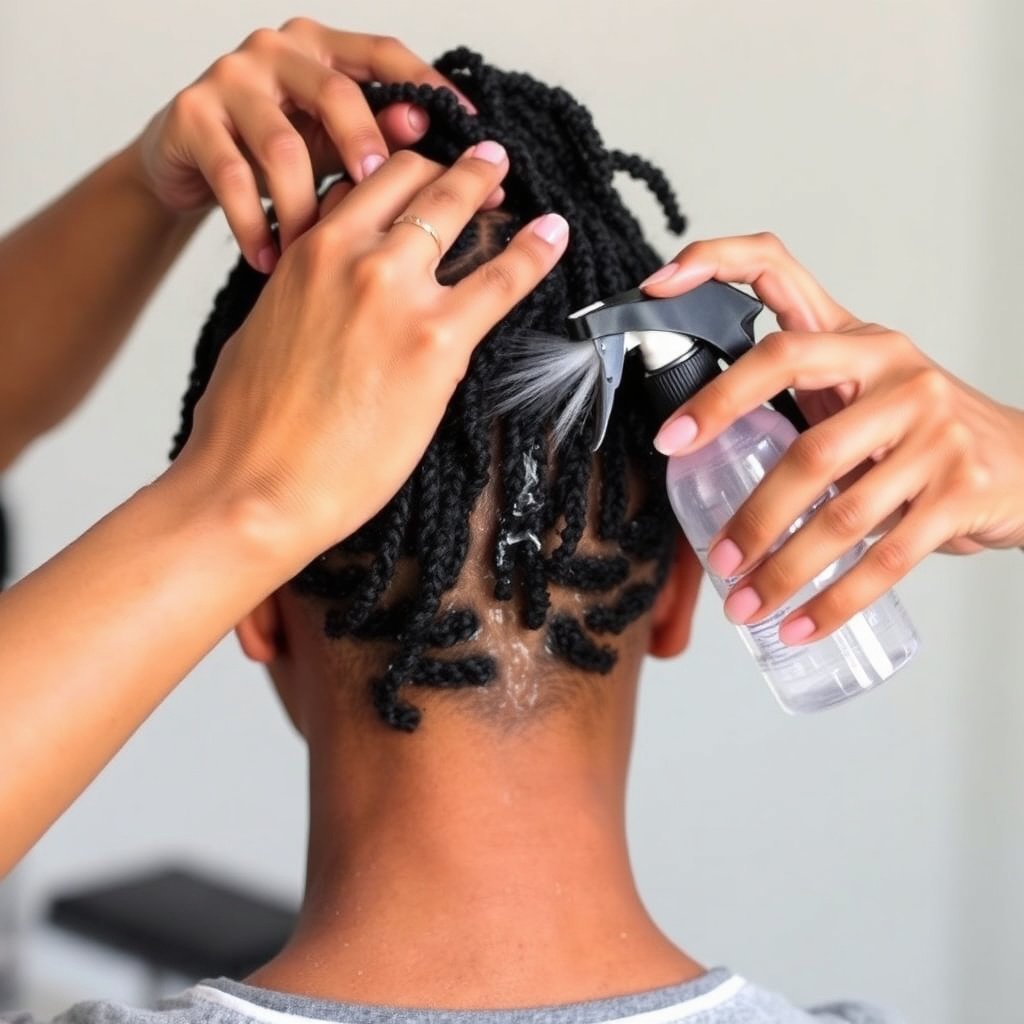
Keep your scalp fresh by gently cleansing every 1-2 weeks using diluted shampoo and water in a spray bottle. Avoid heavy scrubbing that could loosen the faux locs. Rinse thoroughly and dry completely to prevent mildew.
Dry shampoos and scalp refreshing sprays are also effective between washes to maintain cleanliness without wetting the locs frequently.
- Use diluted shampoo for gentle cleansing
- Dry locs thoroughly
- Avoid over-washing
- Use scalp refresher sprays
Nighttime Care and Styling
Protect faux locs while sleeping by covering them with a satin scarf or bonnet. This reduces friction and frizz. You can also pineapple your locs loosely on top to maintain shape.
Regularly moisturizing your scalp and locs with lightweight oils helps prevent dryness and breakage. Avoid heavy products that can cause buildup and attract dirt.
- Use satin or silk headwraps
- Apply light oils like jojoba or argan
- Avoid heavy creams or butters
- Pineapple locs gently at night
Styling Options with Faux Locs
Classic and Elegant Updos
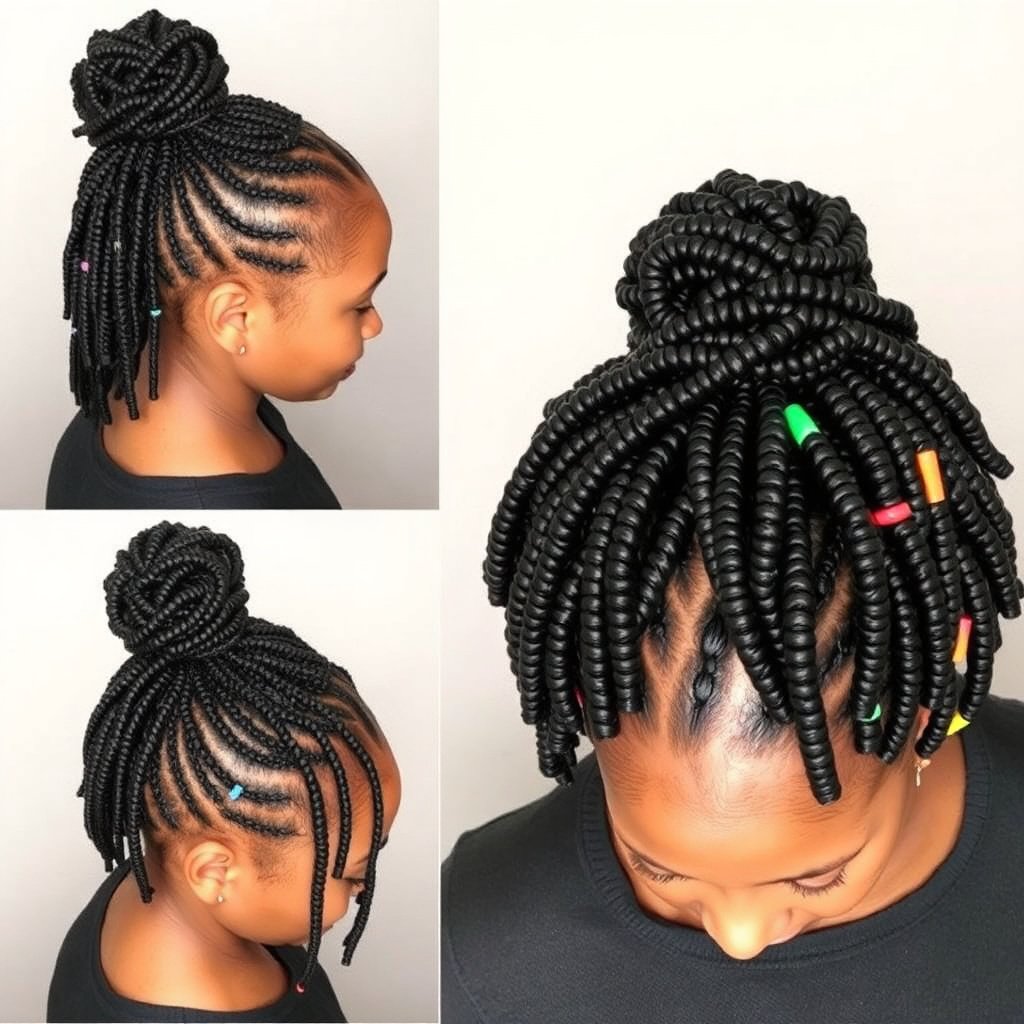
Faux locs lend themselves well to elegant updos like buns, twists, or braided crowns. These styles are perfect for formal occasions or keeping hair neat during work or workouts.
Using accessories like hair cuffs and beads can add a decorative flair. Ensure accessories are lightweight to avoid pulling at the locs.
- High bun for professional look
- Braided crown for formal events
- Incorporate lightweight hair jewelry
- Secure styles with pins
For more on this, see our related guide: Your Guide to Faux Locs: Choosing With Confidence.
Casual and Playful Looks
For everyday wear, half-up half-down styles, loose locs, or side-swept looks create a relaxed and effortlessly stylish vibe. Adding colorful yarn or threads wrapped on a few locs can inject personality.
Experimenting with length and thickness offers endless playful styling possibilities while keeping hair protected.
- Half ponytail for casual days
- Add fabric wraps for color
- Mix loc sizes for texture
- Wear locs loose for volume
Removing Faux Locs Safely
Tools and Techniques for Removal
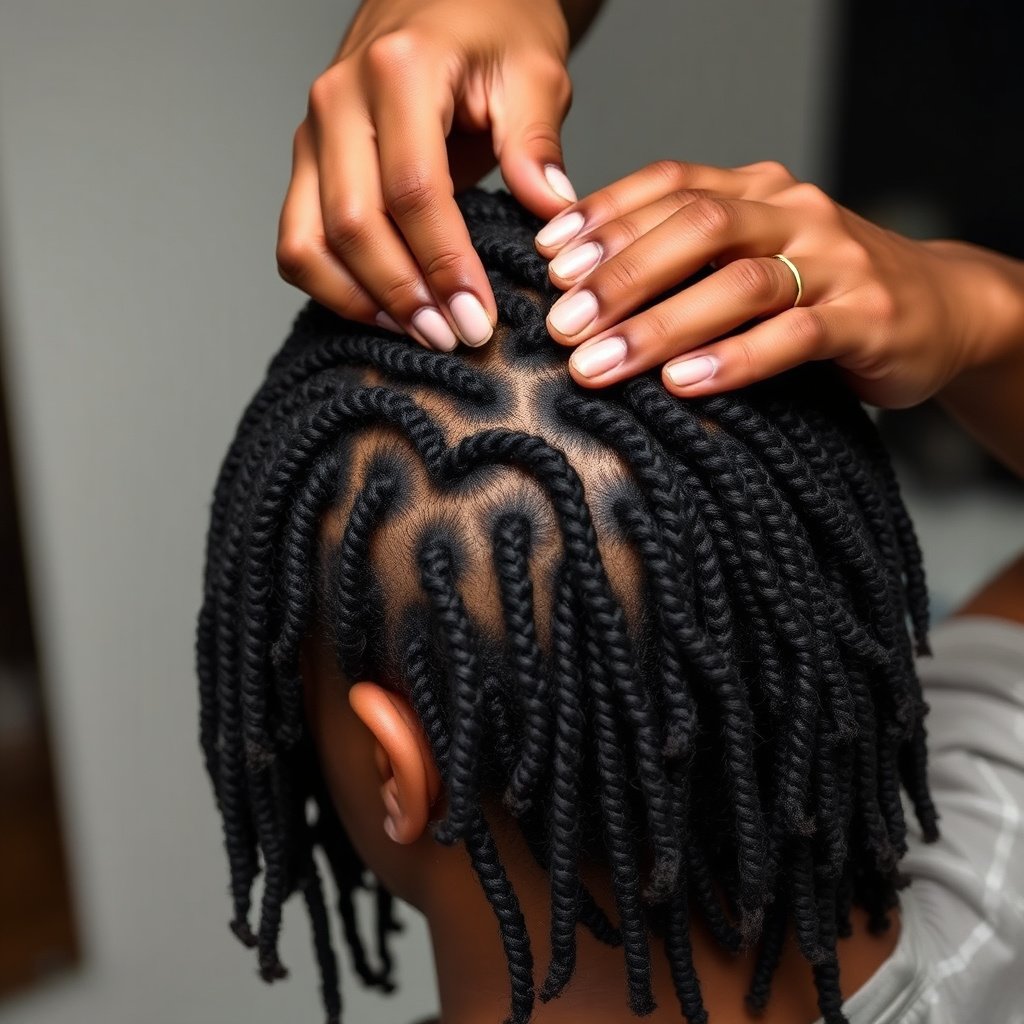
Removal requires patience to prevent damage. Use scissors carefully to cut the extensions away from your natural hair without cutting your scalp. Holding the braid close to the scalp, unravel the synthetic hair gently.
Avoid pulling or yanking as this can cause shedding or breakage. Use a conditioner or detangling spray to ease the process if locs are tightly wrapped.
- Use sharp scissors with caution
- Apply detangler to knots
- Unravel slowly section by section
- Avoid pulling to protect hair roots
For more background on the origin and styles related to faux locs, see this comprehensive article on dreadlocks. Faux locs hairstyle details.
Post-Removal Hair Care
Once the faux locs are removed, wash and deep-condition your natural hair to restore moisture. Assess for any tangles or damage caused by the extensions.
Regular moisturizing and gentle handling will encourage healthy hair growth as you decide your next hairstyle.
- Deep condition to restore moisture
- Detangle with care
- Apply nourishing scalp oils
- Avoid tight styles immediately after
Faux Locs Hair Extension Types Comparison
Here's a comparison to help you choose between popular hair extension types for your faux locs based on price, texture, maintenance, and durability.
| Type | Price Range | Natural Appearance | Maintenance | Durability |
|---|---|---|---|---|
| Kanekalon Synthetic | $10-$20 | Moderate | Low maintenance, no heat styling | 3-4 weeks |
| Futura Synthetic | $15-$25 | High | Heat resistant, moderate maintenance | 4-6 weeks |
| Human Hair | $50-$100 | Very High | Can be washed, high maintenance | 6-8 weeks |
| Marley Hair | $20-$35 | High | Natural texture, moderate maintenance | 5-7 weeks |
| Yarn Extensions | $5-$15 | Low | Easy to install, prone to frizz | 2-3 weeks |
Frequently Asked Questions
How long do faux locs typically last?
Faux locs usually last between 4 to 8 weeks depending on the hair type used, installation technique, and how well they're maintained.
Can I wash my hair with faux locs?
Yes, you can gently wash your scalp and locs every 1-2 weeks using diluted shampoo and spray methods to avoid loosening the extensions.
Are faux locs damaging to natural hair?
When installed and maintained properly without excessive tension, faux locs protect your hair and reduce breakage compared to daily styling.
Can I style faux locs like natural locs?
Absolutely. Faux locs are versatile and allow for updos, braids, and accessorizing similar to natural dreadlocks.
What is the best hair type for natural-looking faux locs?
Human hair or high-quality synthetic types like Futura provide the most natural appearance and styling flexibility.
Key Takeaways
- Faux locs offer a protective hairstyle with customizable size and color options.
- Proper hair preparation and sectioning improve the longevity and comfort of the style.
- Choosing the right hair extensions balances appearance, budget, and maintenance needs.
- Regular care and gentle removal prevent damage to your natural hair.
Conclusion
Choosing to do faux locs blends aesthetic appeal with hair health protection, making it a favored style among many. The key is balancing installation methods, hair extension materials, and maintenance practices to fit your lifestyle while preserving your natural hair integrity. Proper preparation and gradual installation ensure your scalp remains healthy and your locs stay neat and long-lasting.
If you prefer a natural look with less fuss, synthetic hair like Kanekalon or Marley offers vibrant color options and lower cost. For those seeking realism and styling versatility, investing in human hair extensions can be worthwhile. Section size impacts style and comfort: smaller sections mimic natural locs but require more time, while larger ones are quicker but bolder. Maintenance routines such as gentle cleansing, moisturizing, and nighttime protection extend your faux locs’ lifespan.
Before beginning, gather quality supplies and carve out sufficient time for installation. After installation, follow a regular care routine to protect your hair and scalp. When ready to remove, proceed cautiously to avoid damage. Faux locs can transform your style beautifully while acting as a protective hairstyle for natural hair, giving you confidence and flair.