
How to Install Crochet Braids: A Step-by-Step Guide for a Flawless Look
Installing crochet braids involves creating a base of cornrow braids, then using a latch hook or crochet needle to pull pre-looped hair extensions through your natural braids, securing them with a crochet knot. This method provides a quick and versatile way to change hairstyles while protecting your natural hair.
Crochet braids are a popular choice because they reduce manipulation of your natural hair, promote hair growth, and offer various styling options, from curly to straight textures. Knowing how to install crochet braids properly can save you time and ensure your style lasts longer without damage.
This article will cover everything from preparing your hair and choosing the right hair extensions to the step-by-step installation process, common mistakes to avoid, and tips for maintaining your crochet braids to keep them looking fresh.
Preparing Your Hair for Crochet Braids Installation
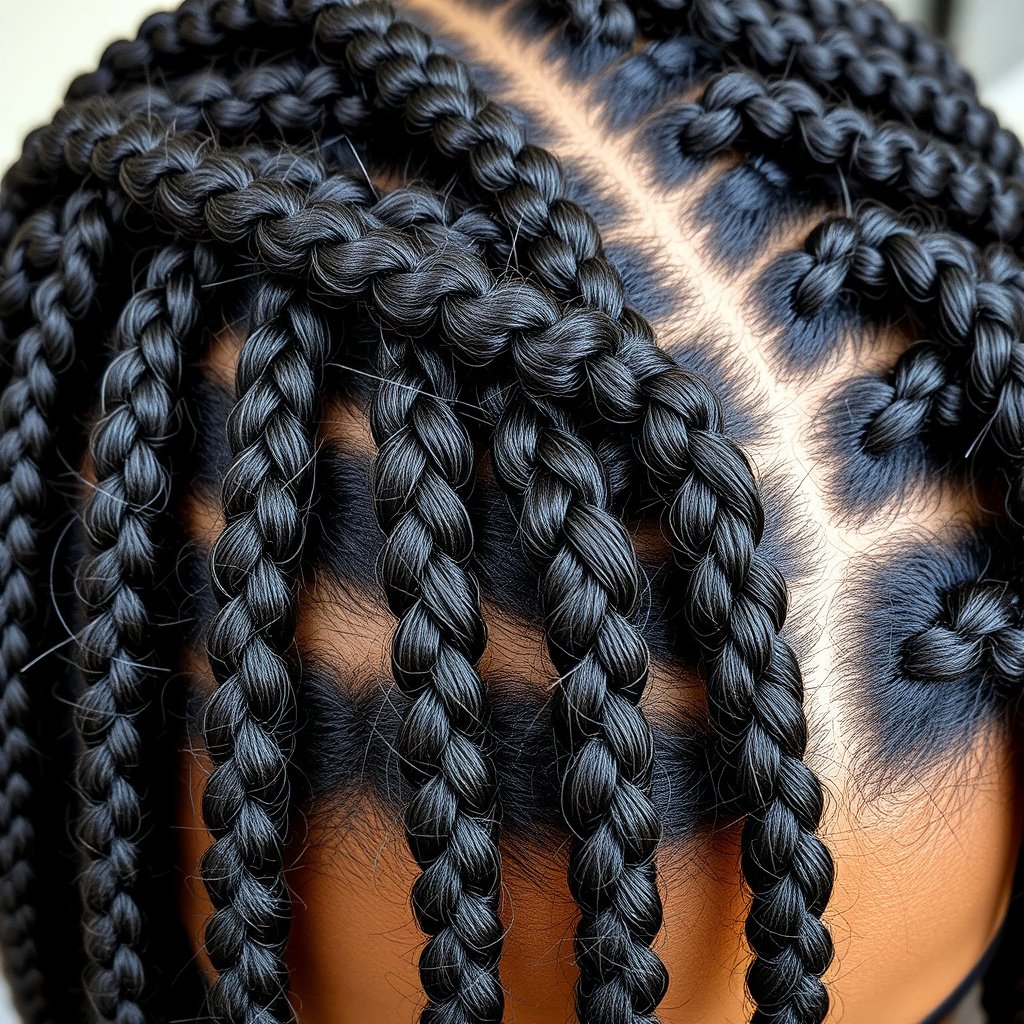
Washing and Conditioning Your Hair
Proper hair preparation begins with thoroughly washing and conditioning your hair to remove buildup and ensure moisture. Clean hair promotes better scalp health and helps the cornrows hold longer without irritation.
Use a moisturizing shampoo followed by a deep conditioner tailored to your hair type. Rinse thoroughly and gently detangle your hair to avoid breakage during the cornrowing process.
- Use sulfate-free shampoo to maintain moisture
- Apply a deep conditioner for 15-30 minutes
- Detangle hair with a wide-tooth comb
- Dry hair completely before braiding
Braiding Your Base Cornrows
The foundation of crochet braids is neat, tight cornrows braided close to the scalp. The pattern and size of your cornrows can affect the final look and longevity of your crochet style.
Typically, even-sized horizontal cornrows or a circular pattern for a wig cap style are popular. Make sure the braids are firm but not too tight to prevent scalp discomfort or hair damage.
- Choose braids about ½ to 1 inch wide
- Leave some hair at the ends free for the crochet latch
- Keep braids consistent in direction and spacing
- Avoid excessive tension to protect hair roots
Selecting and Preparing the Hair for Crochet Braids
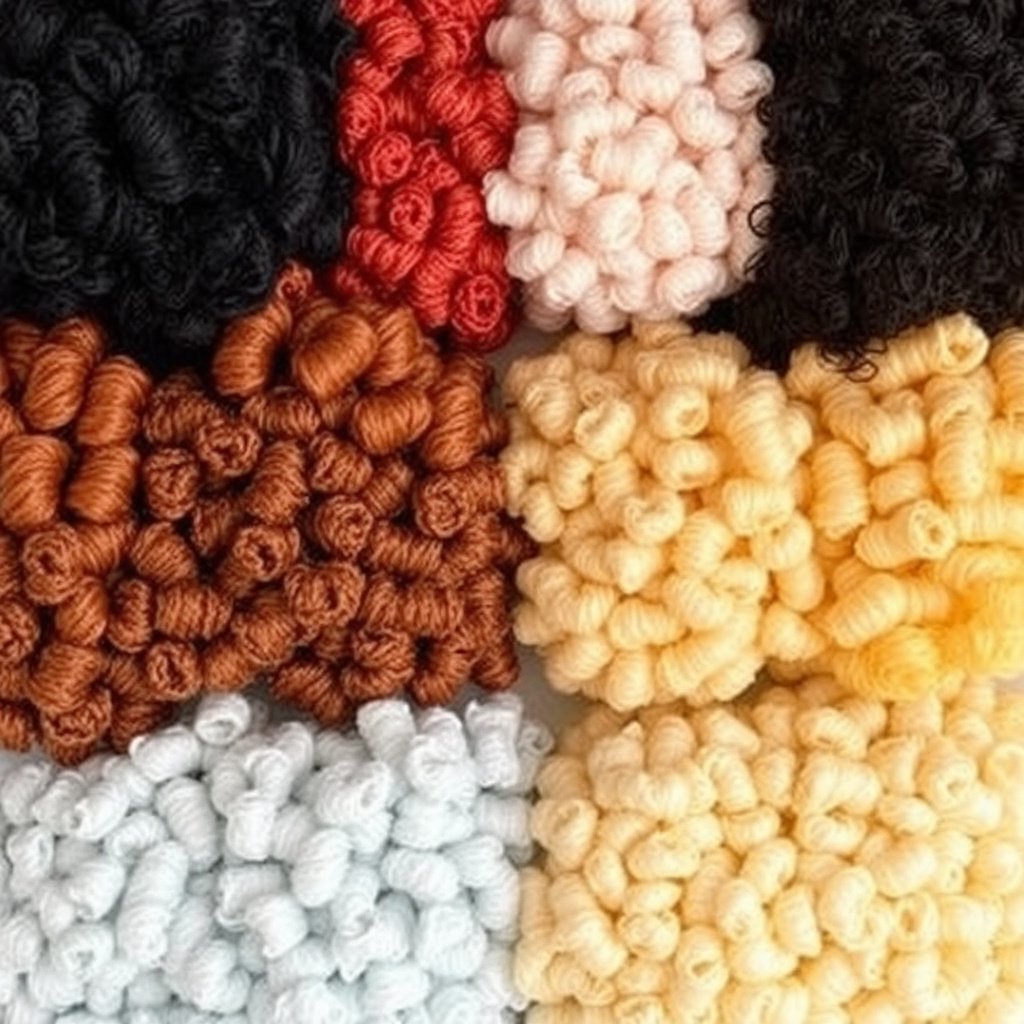
Choosing the Best Hair for Crochet Braids
Selecting the right hair is essential for a natural look and easy maintenance. Synthetic hair is popular for affordability and durability, while human hair offers styling versatility but requires more upkeep.
Consider texture compatibility with your natural hair and desired style. Curly, kinky, or wavy textures blend well with natural hair, whereas straight hair offers a sleek appearance.
- Synthetic hair: Kanekalon or Toyokalon brands
- Human hair: Remy hair for quality
- Match hair texture for seamless blend
- Pick lengths that suit your preferred style
For more on this, see our related guide: How to Install Crochet Braids: A Step-by-Step Guide for Beginners.
Preparing Hair Extensions for Installation
Before installation, separate the hair bundles into manageable sections if necessary to avoid tangling. For synthetic hair, gently detangle with fingers or a wide-tooth comb without causing frizz.
Pre-looped hair extensions designed for crochet make installation faster, as you don’t have to create knots manually, but single-strand hair can also be used with more patience and skill.
- Separate bundles into single pieces
- Use a leave-in conditioner spray on synthetic hair
- Avoid combing pre-looped hair extensions aggressively
- Organize hair by length and texture
Step-by-Step Installation Process for Crochet Braids
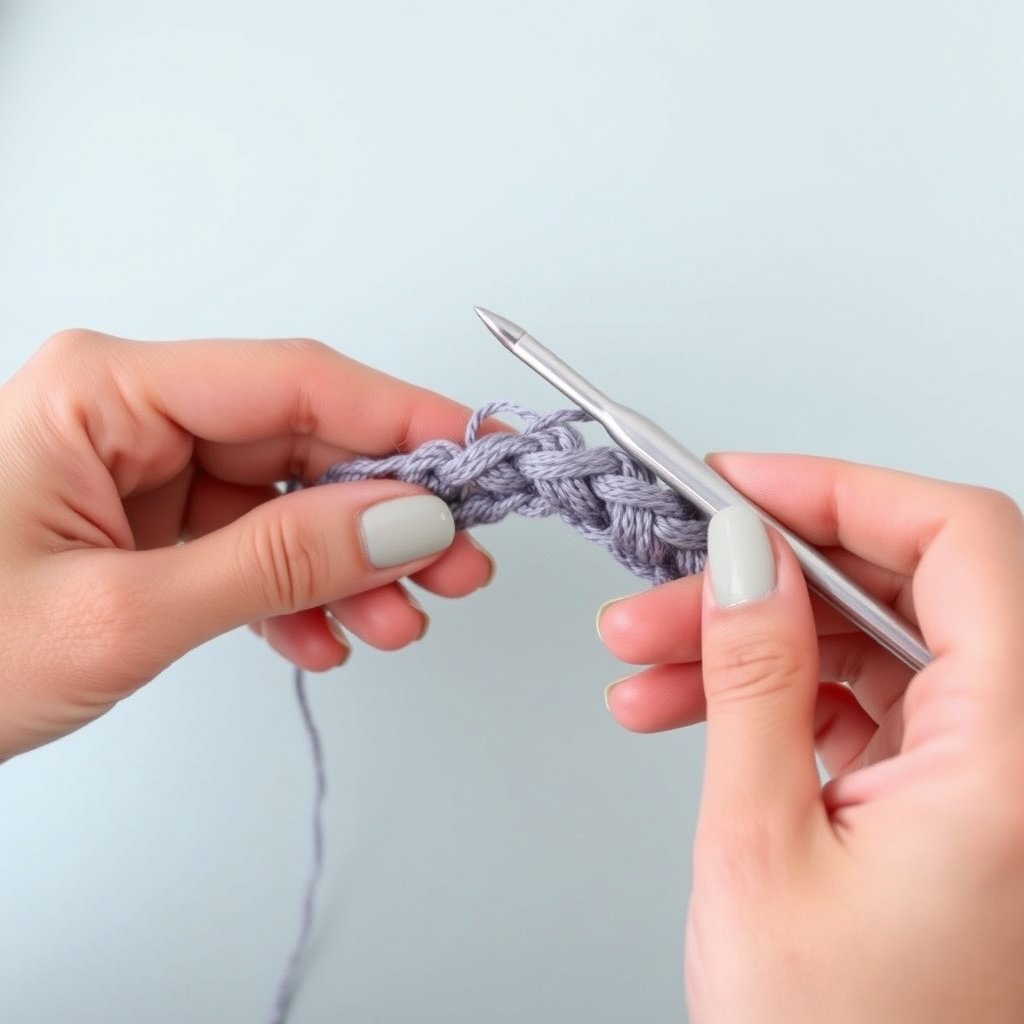
Attaching Hair Using the Crochet Needle
Start by inserting the crochet needle under the base cornrow braid, opening the latch, and hooking the pre-looped hair extension. Pull the loop through the braid, creating a small loop underneath the braid to pull the hair bundle through.
Once the loop is pulled through, thread the hair ends through the loop, then pull them tightly to secure the knot close to the scalp. Repeat this process along each braid to achieve the desired fullness.
- Insert crochet needle under the braid
- Hook pre-looped hair in the latch
- Pull hair through to create a loop
- Pull hair ends through loop and tighten knot
Finishing and Styling Your Crochet Braids
After installing all hair, trim any uneven lengths and trim stray synthetic fibers for a polished look. You can also style the braids by soaking synthetic hair in hot water for curls or using mousse to define texture.
If desired, shape the edges with gel and a brush and add accessories like beads or cuffs to personalize your look while maintaining a neat finish.
- Trim stray hair ends for even length
- Dip synthetic hair in hot water for curls
- Define edges with styling gel
- Add decorative accessories
Common Mistakes to Avoid When Installing Crochet Braids
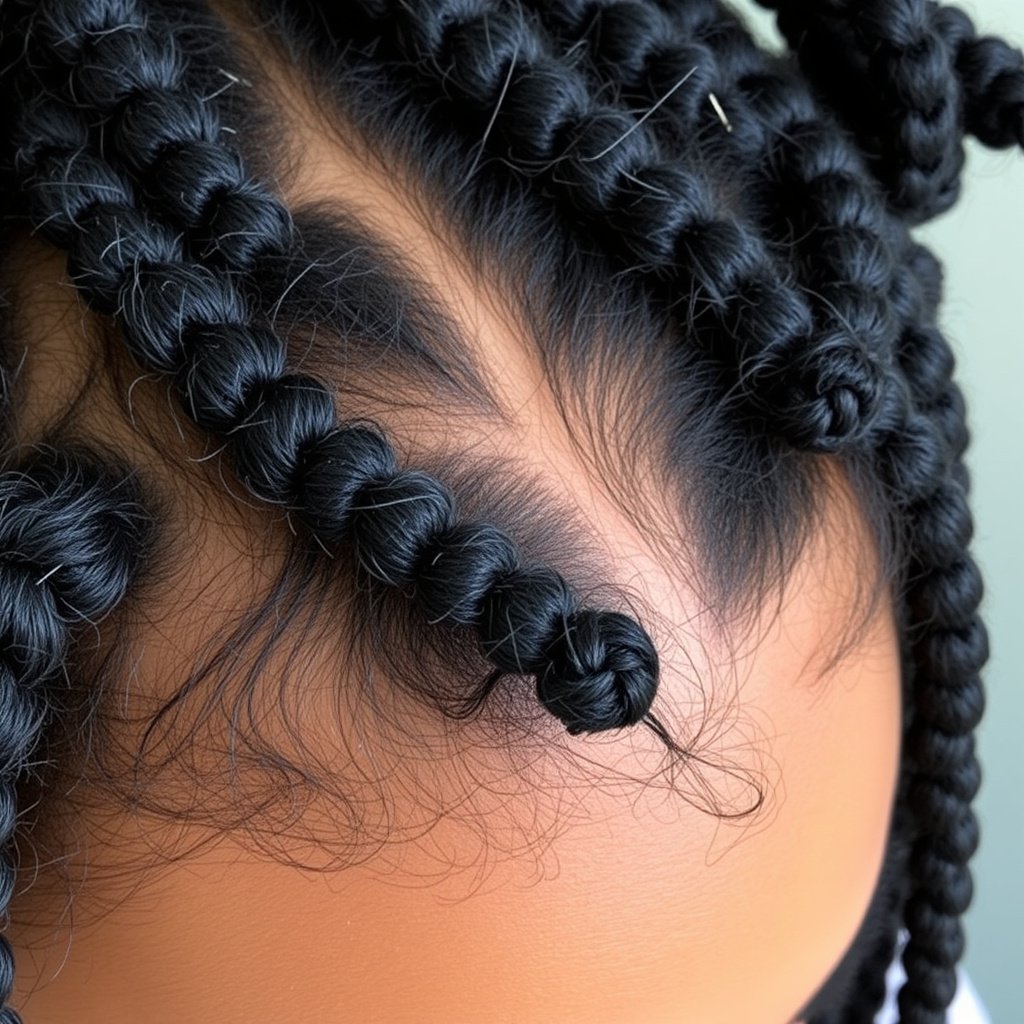
Avoiding Scalp Damage and Tension
One frequent mistake is braiding cornrows too tightly or pulling knots excessively, which causes scalp discomfort, hair breakage, or traction alopecia over time.
Keep braids snug enough for security but loose enough to prevent tension. Check regularly during installation to ensure no knots pull on your scalp painfully.
- Do not braid too tight at the scalp
- Tighten crochet knots gently
- Take breaks if scalp feels sore
- Adjust knot tension as needed
For more on this, see our related guide: How Long Do Crochet Braids Last? A Complete Guide.
Preventing Frizz and Tangling
Frizz and tangling can occur if hair extensions are not prepared well or if synthetic hair is mishandled. Avoid combing synthetic hair aggressively and store unused hair properly to maintain its texture.
Using moisturizing sprays during wear and nighttime maintenance like covering hair with satin or silk scarves helps reduce frizz and prolongs the style’s neatness.
- Handle synthetic hair gently
- Use moisturizing sprays sparingly
- Cover hair at night with satin scarf
- Refrain from excessive combing
Maintaining and Caring for Crochet Braids
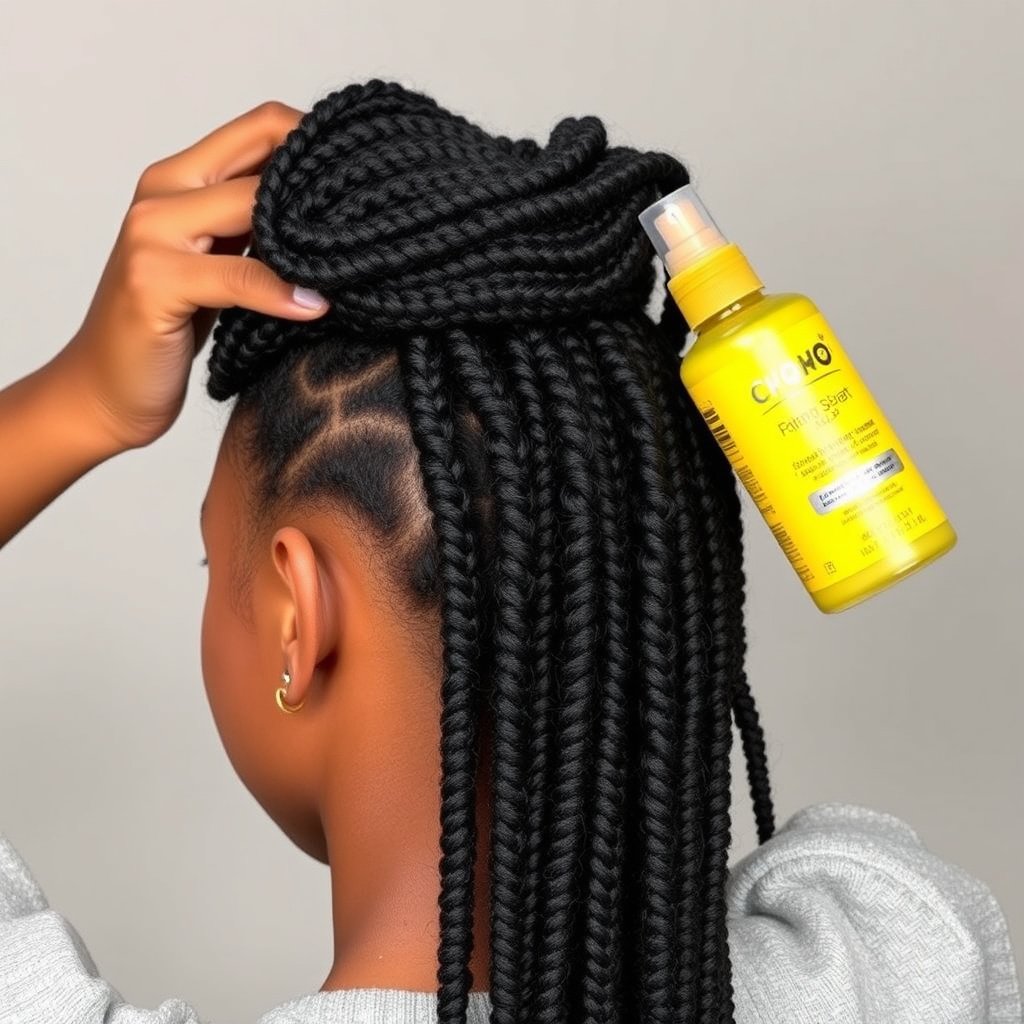
Daily and Weekly Maintenance Tips
Keep your scalp clean and moisturized to prevent itchiness and dandruff. Use light oils or water-based leave-in conditioners to hydrate hair without weighing it down.
Wearing a satin bonnet or scarf at night protects the braids from friction and reduces frizz and fraying, extending the hairstyle’s lifespan.
- Moisturize scalp every 2-3 days
- Use dry shampoo if needed
- Wear satin bonnet during sleep
- Avoid heavy products that cause buildup
For a broader understanding of crochet braiding techniques, you can explore the detailed overview available on Wikipedia. crochet braiding techniques.
When and How to Remove Crochet Braids
Crochet braids typically last 6-8 weeks, after which removal is recommended to prevent matting and allow your natural hair to breathe. Carefully undo knots using your fingers or a latch hook without pulling.
Gently detangle your natural hair post-removal and give it a restorative treatment to restore moisture and strength.
- Plan removal after 6-8 weeks
- Untie knots carefully with fingers or hook
- Detangle hair with a wide-tooth comb
- Apply deep conditioning after removal
Crochet Braids Hair Type Comparison
Below is a comparison of different hair types commonly used for crochet braids to help you decide what suits your styling preferences and maintenance routine.
| Hair Type | Texture | Durability | Maintenance Level | Styling Versatility |
|---|---|---|---|---|
| Kanekalon Synthetic | Varies (curly, kinky, straight) | 6-8 weeks | Low | Heat styling limited |
| Toyokalon Synthetic | Soft and silky | 6-8 weeks | Low | Moderate, some heat possible |
| Human Remy Hair | Natural texture (curly/straight) | 3-4 months | High | High, heat styling friendly |
| Pre-Looped Crochet Hair | Varied textures | 6-8 weeks | Low | Easy, fast installation |
Frequently Asked Questions
Can I install crochet braids on any hair length?
Crochet braids work best on hair that is at least 2 to 3 inches long to create secure cornrows. Very short hair may not provide a strong base for the braids.
How often should I moisturize my crochet braids?
Moisturize your scalp and braids every 2 to 3 days using light oils and water-based sprays to keep them hydrated and prevent itching.
Is it safe to sleep with crochet braids without a satin scarf?
Sleeping without a satin scarf can cause friction, leading to frizz and shorter style lifespan. Using satin or silk protects your braids and maintains their neatness.
Can I swim with crochet braids installed?
Swimming is possible, but prolonged water exposure can cause synthetic hair to tangle and dry out. Rinse and moisturize hair promptly after swimming.
How long do crochet braids typically last?
With proper care, crochet braids can last from 6 to 8 weeks before needing removal to prevent damage and maintain scalp health.
Key Takeaways
- Properly prepare natural hair with clean, conditioned cornrows before installation
- Choose hair extensions that match your natural hair texture and style needs
- Use a latch hook method to securely attach crochet braids without excessive tension
- Maintain moisture and protect braids nightly to extend hairstyle longevity
Conclusion
Learning how to install crochet braids correctly involves more than just attaching extensions; it requires foundational preparation and selecting hair that complements your natural texture. Paying attention to scalp comfort, knot security, and hair health throughout installation ensures a comfortable, long-lasting style. With the right technique, crochet braids can be a protective style that enhances hair growth and versatility.
For those seeking low-maintenance synthetic options, Kanekalon or Toyokalon hair paired with horizontal cornrows provides a quick and cost-effective solution. If you prefer styling freedom and longer wear, investing in Remy human hair crochet braids offers durability and the ability to use heat tools safely. Pre-looped hair simplifies installation for beginners, while individual strands allow for customized fullness and style.
Ultimately, starting with clean, moisturized hair and respecting your scalp’s comfort need are critical to successful crochet braids installation. Consider your lifestyle, maintenance preference, and desired look before selecting hair types and installation patterns. Following the step-by-step guidance outlined will help you achieve a beautiful, protective hairstyle that feels natural and looks stunning.
One Comment