How to Feed in Braiding Hair: A Step-by-Step Guide for Seamless Braids
Feeding in braiding hair is a method that integrates synthetic or natural hair extensions directly into your natural hair to create smooth, seamless braids. The technique involves gradually adding the braiding hair to your natural strands during the braiding process, which gives the braid more length and volume while maintaining a natural look. By mastering this method, you can achieve neat, durable, and beautifully tapered braids.
This technique is widely favored because it allows for versatility in braid size and texture, reduces tension on the scalp compared to other methods, and helps create a natural braided appearance without bulky knots. Whether you're styling box braids, cornrows, or feed-in braids, understanding how to integrate the hair properly can save time and improve the longevity of the style.
In this article, we’ll cover essential preparation tips, the step-by-step feeding technique, common tools required, troubleshooting advice, and maintenance tips to keep your braids looking fresh. We’ll also discuss the best braiding hair for feed-in braids and compare different braiding methods to help you select what suits your needs.
Preparing for Feed-In Braiding Hair

Choosing the Right Braiding Hair
Selecting suitable braiding hair affects the look and durability of your feed-in braids. Synthetic hair such as Kanekalon is popular for its smooth texture, lightweight feel, and natural sheen, making it blend well with most hair types. For a softer finish, some prefer human hair extensions, though they can be heavier and require more care.
Consider the color and texture that match or complement your natural hair to achieve a seamless appearance. It's also helpful to pick pre-stretched or pre-looped hair, which makes the feeding process smoother and quicker.
- Kanekalon synthetic hair for softness
- Human hair for natural feel
- Pre-stretched hair eases application
- Choose color close to natural hair
Preparing Your Natural Hair
Properly preparing your hair is key for tight, long-lasting braids. Start with clean, moisturized hair to maintain scalp health during the braiding period. Section the hair into even, manageable parts using clips or bands to work methodically.
Detangling thoroughly minimizes breakage and splits. Lightly applying leave-in conditioner or a styling gel can offer grip without stiffening, which helps the braiding hair stay in place and reduces slippage.
- Wash and deep condition beforehand
- Section hair precisely
- Use lightweight leave-in conditioners
- Apply styling gel for grip
Techniques for Feeding in Braiding Hair
Basic Feed-In Braid Step-by-Step
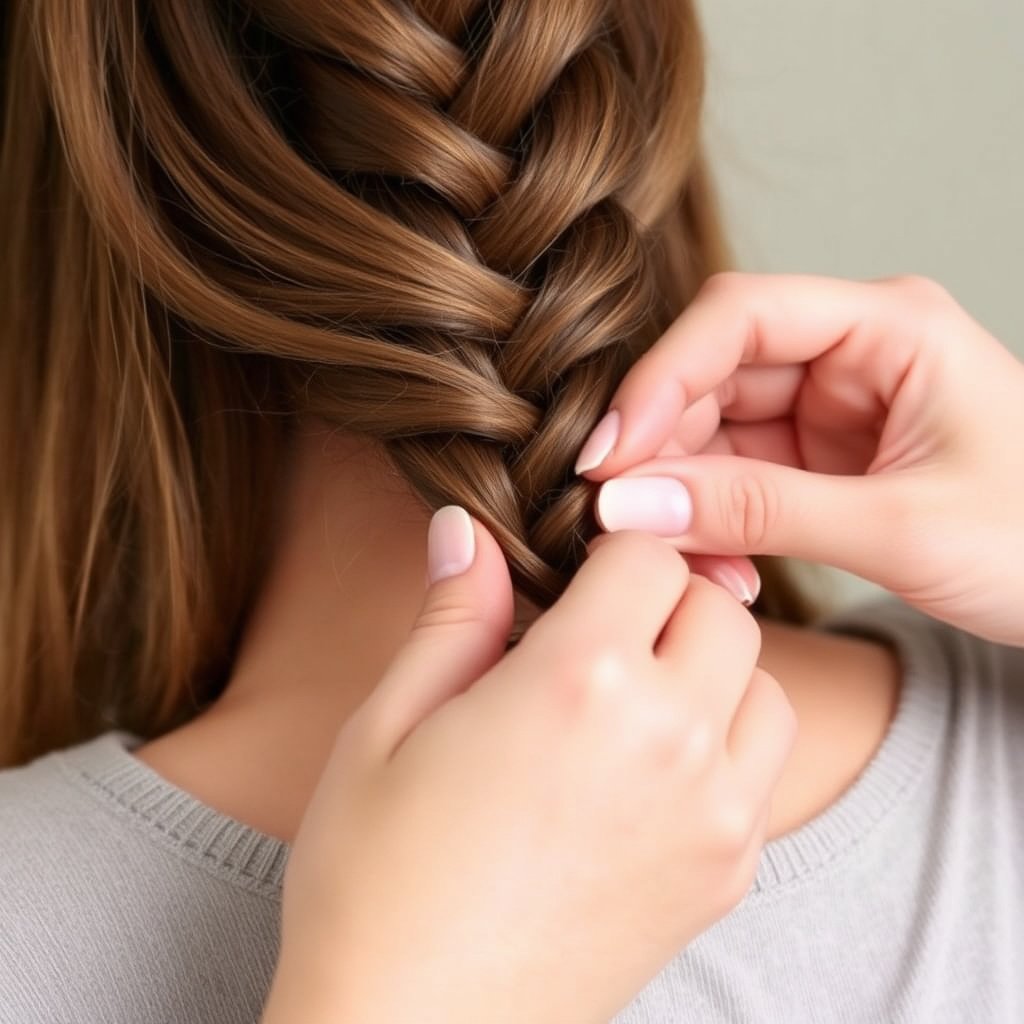
Start by dividing a small section of natural hair at the root into three strands. Position the synthetic hair next to your natural hair, and begin braiding by crossing strands while gradually adding small amounts of the braiding hair into just one or two of the strands. This gradual incorporation creates a tapered effect and prevents the braid from looking bulky.
As you progress down the length of your natural hair, continue feeding in more synthetic hair until the desired thickness and length are achieved. This method gives you smooth and seamless braids with natural tapering at the scalp.
- Divide natural hair into three strands
- Begin braiding while gradually adding synthetic hair
- Add small sections of braiding hair incrementally
- Maintain even tension for neat braids
Common Variations and Styles
The feed-in technique can be adapted for different braid sizes and styles such as jumbo braids, micro braids, or cornrows. For larger braids, use thicker sections of braiding hair; for smaller, finer braids, smaller amounts are added incrementally.
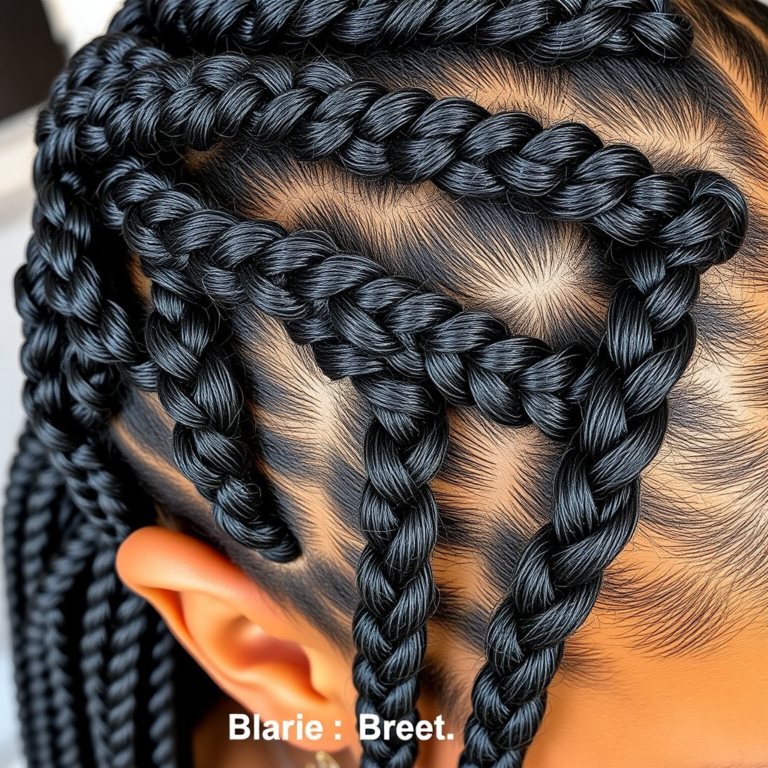
Cornrow feed-ins involve a similar technique but require more precision in parting and a tighter grip to ensure the braids stay flat and close to the scalp. Experimenting with styles can help you find the perfect balance between volume and comfort.
- Use thicker sections for jumbo braids
- Tighter grip needed for cornrows
- Adjust feed-in amounts for braid size
- Explore various styles using feed-in
Tools and Products for Feed-In Braiding Hair

Essential Tools for Efficient Braiding
Having the right tools simplifies feed-in braiding and produces better results. Rat tail combs help create crisp, clean parts, while hair clips keep sections organized for easier manipulation. Using hairbands ensures the added synthetic hair stays secure during braiding.
Additional items like edge brushes help lay down hair around the hairline for a polished look. Gloves designed for braiding can protect your hands during long braiding sessions.
- Rat tail comb for precise parts
- Hair clips for sectioning
- Hairbands to secure extensions
- Edge brushes for hairline styling
- Braiding gloves for hand protection
For more on this, see our related guide: What Is a Full Service Hair Salon?.
Best Products to Maintain Feed-In Braids
Using lightweight moisturizers, scalp oils, and braid sprays helps keep the scalp hydrated and prevents dryness and itching without loosening the braids. Avoid heavy products that cause buildup, which can dull synthetic hair and lead to unpleasant odors.
Silk or satin scarves and pillowcases protect braids overnight, reducing frizz and extending the lifespan of your feed-in braiding hair style.
- Lightweight moisturizing sprays
- Scalp oils to prevent dryness
- Braid-specific shampoos for washing
- Satin scarves or pillowcases for protection
Maintaining and Caring for Feed-In Braiding Hair

Cleansing and Hydration Routine
Maintaining feed-in braids involves keeping both your scalp and braids clean. Wash your scalp gently every 1–2 weeks using diluted shampoo applied with fingertips to avoid disturbing the braids. Rinse thoroughly and follow with a moisturizing spray or leave-in conditioner to keep hair flexible.
Regular hydration helps prevent itching and flaking, two common issues that arise if the scalp becomes dry during the braid wear period.
- Dilute shampoo with water before application
- Wash scalp gently without unraveling braids
- Use braid-friendly moisturizers post-wash
- Hydrate scalp regularly to prevent dryness
Protecting Braids to Extend Longevity
Limit manipulation and avoid excessive scratching or pulling to reduce strain on your scalp and braids. At night, cover your braids with a satin scarf or bonnet to minimize friction and frizz.
Refrain from heavy styling and tight ponytails that can cause breakage. With good care, feed-in braids can last between 6 to 8 weeks, retaining a neat appearance throughout.
- Use satin scarves or bonnets overnight
- Avoid excessive tension and scratching
- Limit heavy styling on braids
- Keep braids dry and clean to prevent odor
Troubleshooting Common Issues with Feed-In Braiding Hair

Preventing and Fixing Slippage
Slippage happens when the feed-in braiding hair does not stay securely attached to natural hair, causing braids to loosen prematurely. To prevent this, ensure your hair is properly detangled and lightly gelled for grip before braiding. Adding the braiding hair in small increments creates stronger bonds.
If slippage occurs after braiding, re-tightening the affected braids or careful refeeding new braiding hair sections can restore integrity but should be done carefully to avoid breakage.
- Use light gel or styling cream before braiding
- Add braiding hair gradually to prevent bulk
- Refeed loose sections gently to tighten
- Keep hair moisturized to reduce slippage
For more on this, see our related guide: Wholesale Braiding Hair: Your Local Shopping Guide.
Managing Frizz and Flyaways
Frizz and flyaways can disrupt the sleek look of feed-in braids. Applying light edge control or curl creams smooths down these strands without stiffness. Regularly spritzing your braids with moisturizing braid sprays keeps hair soft and minimizes flyaways.
Trimming stray hairs near the roots or ends also prevents buildup and promotes a polished braid appearance over time.
- Use edge control for flyaways
- Moisturize braids with braid sprays
- Trim loose hairs near roots and ends
- Avoid heavy products causing buildup
Comparing Feed-In Braiding Hair with Other Braiding Methods

Feed-In Braids vs. Traditional Braids
Feed-in braids gradually add extension hair, which creates a natural, tapered look at the scalp and reduces bulk. Traditional braids often start with all synthetic hair added at once, which can cause knots and tension at the roots.
Feed-ins generally cause less scalp strain and have a softer appearance, making them better for sensitive scalps or those seeking a less bulky braid style.
- Feed-ins blend naturally, traditional braids bulkier
- Feed-ins reduce tension on the scalp
- Traditional braids take less preparation
- Feed-ins last longer with proper care
For more information about braids in hair, including various techniques like the feed-in method, visit this detailed resource. feed-in braid technique details.
Feed-In Braids vs. Crochet Braids
Crochet braids involve looping pre-braided hair onto cornrowed natural hair, while feed-in braids integrate braiding hair directly into your hair as you braid. Crochet styles are often quicker to install but less natural-looking at the scalp.
Feed-in braids offer more control over the style and can mimic the appearance of natural hair growth. Crochet braids can be heavier and bulkier, but easier for those new to braiding.
- Feed-ins offer seamless scalp appearance
- Crochet braids quicker but bulkier
- Feed-ins require more skill and time
- Crochet styles easier for beginners
Feed-In Braiding Hair Method Comparison
Here’s how feed-in braiding hair compares with traditional and crochet braiding techniques based on ease, appearance, scalp comfort, and maintenance.
| Method | Installation Time | Scalp Comfort | Natural Appearance | Longevity |
|---|---|---|---|---|
| Feed-In Braids | 2-4 hours | High – gentle on scalp | Very natural – tapered edges | 6-8 weeks with care |
| Traditional Braids | 1.5-3 hours | Moderate – knots at roots | Less natural – bulky start | 4-6 weeks |
| Crochet Braids | 1-2 hours | Moderate to low – heavier weight | Moderate – visible loops | 4-6 weeks |
Frequently Asked Questions
Can I use any type of braiding hair for feed-in braids?
While you can use various braiding hair types, Kanekalon synthetic hair is commonly preferred due to its lightweight texture and natural look. Human hair can also be used but requires more delicate handling and care.
How often should I wash feed-in braids?
Washing should be done every 1 to 2 weeks with diluted shampoo, focusing on the scalp to avoid loosening the braids. Use moisturizing braid sprays after washing to maintain hair health.
Is feeding in braiding hair better for scalp health compared to traditional braids?
Feed-in braids typically place less tension on the scalp due to gradual hair incorporation, making them a gentler option that reduces scalp strain and breakage risk compared to traditional braids with bulkier roots.
Can I do feed-in braids myself, or should I visit a stylist?
Feed-in braids require some practice and technique to execute well. Beginners might benefit from professional styling to achieve neat, strong braids, while experienced braiders can do this at home.
How long can I keep feed-in braids in before needing to redo them?
With proper care, feed-in braids can last between 6 to 8 weeks. Leaving them longer can lead to matting, frizz, and scalp irritation, so timely removal is advised.
Key Takeaways
- Feeding in braiding hair integrates extensions gradually for natural-looking, tapered braids.
- Proper hair preparation and technique reduce scalp strain and enhance braid longevity.
- Use lightweight, moisturising products and silk scarves to maintain braids.
- Feed-in braids last longer and look smoother compared to traditional and crochet braids.
Conclusion
Choosing the right method for feeding in braiding hair involves balancing technique, hair type, and maintenance preferences. The feed-in method's gradual incorporation of extensions creates a more natural braid that’s gentler on your scalp and offers durability. This method demands careful preparation and patience, especially for beginners, but rewards with neat, tapered braids that emulate natural hair growth.
For those seeking long-lasting braids with minimal scalp tension, feed-in braids are highly recommended over traditional or crochet braiding methods. Selecting braiding hair like Kanekalon that matches your natural texture and color further enhances the seamless look. Tools such as rat tail combs and light styling gels improve braid neatness, while regular cleansing with braid-friendly products keeps your scalp healthy through the wear period.
Before starting, consider consulting with a professional stylist if you’re new to feed-in braiding hair techniques. With practice, patience, and proper care, you can maintain stylish, comfortable braids for weeks. Begin with small sections and gradually perfect the technique to enjoy beautiful, natural-looking braids tailored to your personal style.