How to Do a Frontal Ponytail: Step-by-Step Styling Guide
A frontal ponytail is a sleek and versatile hairstyle that pulls your hair neatly from the front and secures it towards the back, creating a polished look that accentuates your facial features. To do a frontal ponytail, start by brushing your hair thoroughly to remove tangles, then gather the hair along your forehead and temples before securing it with an elastic band at the crown or nape, depending on your preference.
This style works well for casual outings, professional settings, and even formal events due to its clean appearance. It prevents hair from falling onto your face while providing an elegant highlight to your front hairline. Additionally, adjusting the height and tightness allows for tailored looks ranging from high-energy sports styles to sleek, sophisticated looks. The frontal ponytail can accommodate various hair textures and types with minor tweaks.
In this article, you’ll find detailed step-by-step instructions to create the frontal ponytail along with tips on tools, hair preparation, and styling variations. We will also cover common mistakes to avoid and compare different ponytail placements so you can pick the best version for your look and lifestyle.
Preparing Your Hair for a Frontal Ponytail
Choosing the Right Hair Tools
Using the proper tools can make achieving a neat frontal ponytail much easier. A boar bristle brush is excellent for smoothing hair and distributing natural oils to enhance shine. A fine-tooth comb helps to section hair precisely along the frontal hairline. Elastic hair ties without metal clasps prevent breakage and maintain a sleek hold.
Other useful tools include hair clips to hold sections temporarily while you style and a hairspray or styling gel for keeping flyaways under control. Having these tools on hand will contribute to a polished final result.
- Boar bristle brush for smoothing
- Fine-tooth comb for precise parting
- Elastic hair ties without metal
- Hair clips for sectioning
- Light hairspray or gel
Prepping Hair for Better Hold and Smoothness
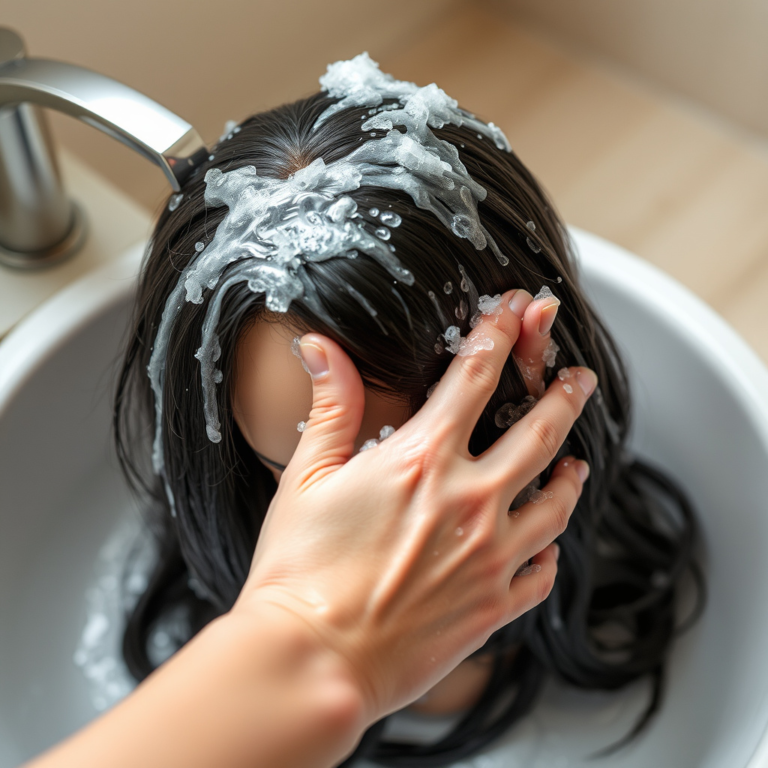
Before styling, wash and condition your hair to ensure it's clean, which helps the ponytail last longer and look fresh. If your hair is naturally oily or fine, applying a lightweight texturizing spray or dry shampoo can add grip. For thicker or curlier hair, using a smoothing serum or leave-in conditioner will reduce frizz and make the hair easier to manage.
Blow-drying your hair straight or using a flat iron on the frontal section can also enhance the sleek look characteristic of a frontal ponytail. These steps prepare the hair to lie flat and resist bunching.
Step-by-Step Process to Create a Frontal Ponytail

Sectioning and Gathering Your Hair
Begin by parting your hair according to your preference: middle, side, or no part. Using your fine-tooth comb, pull all the hair from your forehead and temples toward the back. Make sure to smooth out any bumps or loose strands for a clean finish.
Carefully gather this frontal portion and depending on your style choice, bring it either to the crown of your head or slightly lower towards the nape. Use both hands to hold the gathered hair firmly in place to prevent slippage when tying.
Securing and Finishing the Ponytail
Once your hair is gathered firmly, use an elastic hair tie to secure the ponytail tightly but comfortably. Check that the ponytail feels secure and adjust the tension accordingly. For an added sleek look, run a strand of hair around the base to hide the elastic, pinning it underneath with a bobby pin.
To maintain the style, apply a small amount of hairspray or styling gel over the frontal hairline and any flyaways. This will hold the shape and give subtle shine. Final adjustments with a comb or your fingers can perfect the smoothness.
- Use an elastic band to secure
- Cover elastic with a hair strand
- Pin the hair strand underneath
- Apply hairspray to tame flyaways
Styling Variations of the Frontal Ponytail

High vs Low Frontal Ponytail
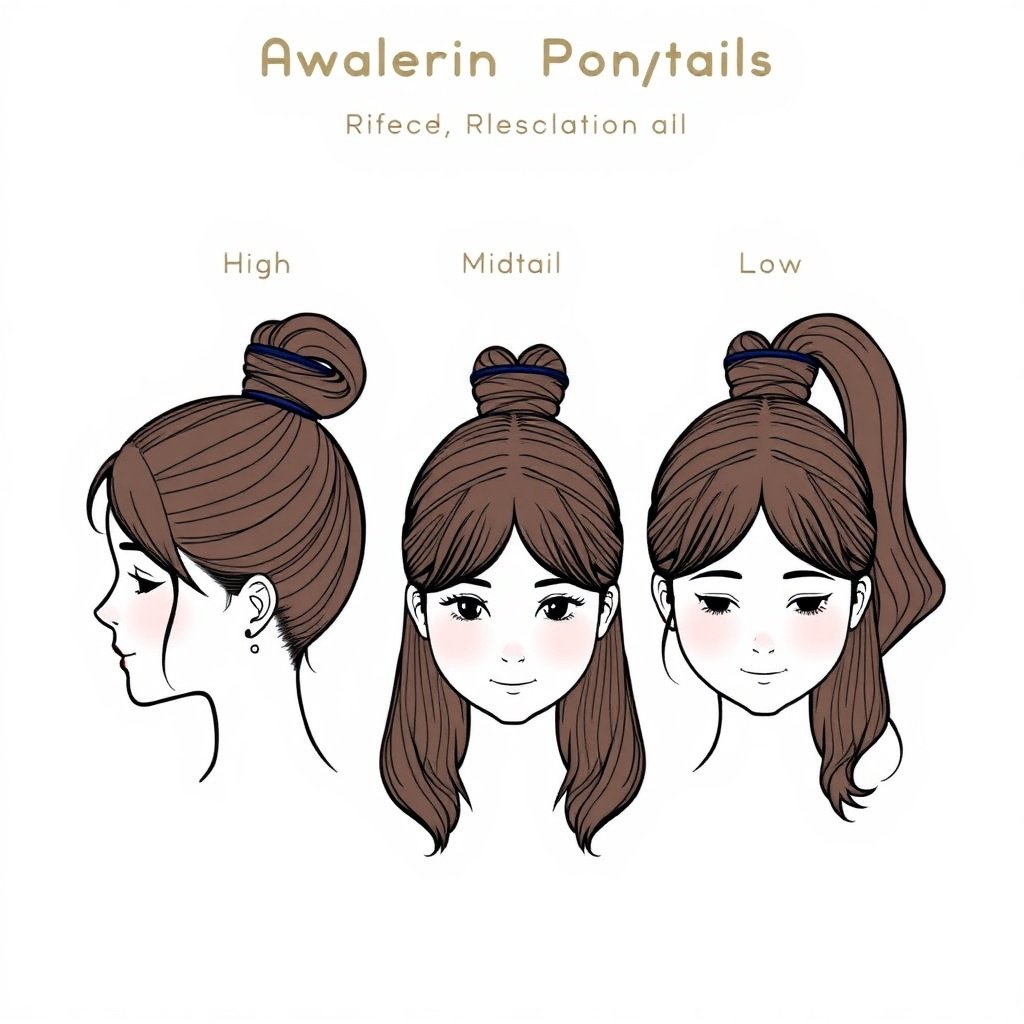
A high frontal ponytail sits at the crown, creating a lifted, energetic silhouette suitable for fitness and casual looks. It emphasizes the cheekbones and elongates the face. This style requires tighter gathering and a strong hold elastic to maintain the height without sagging.
Conversely, a low frontal ponytail is gathered near the nape, offering a more relaxed, elegant appearance. It suits formal occasions and allows for a softer look around the face. This variation tends to be more comfortable for longer wear and complements layered hairstyles.
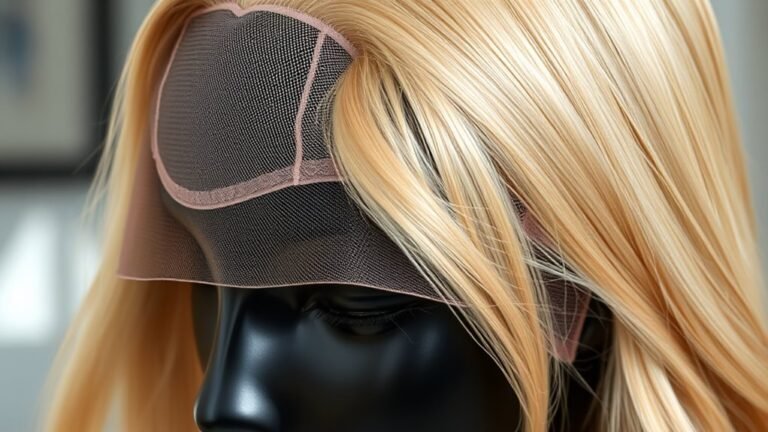
For more on this, see our related guide: What Is a Frontal Wig? Complete Guide to Understanding and Choosing One.
Incorporating Braids or Twists
To add texture or detail, integrate braids or twists into the frontal ponytail hairstyle. For example, braid a small section along the front hairline before gathering all hair into the ponytail. This creates a unique accent and can help keep shorter or baby hairs in place.
Twisting front sections before pulling them back adds volume and visual interest. These techniques transform a basic frontal ponytail into a standout style suitable for special events or everyday flair.
- Front hairline braid integration
- Twisted side sections
- Accent details for added texture
Caring for Your Hair When Wearing a Frontal Ponytail

Avoiding Damage from Tight Ponytails
Wearing tight frontal ponytails regularly can cause tension on hair roots leading to breakage or traction alopecia over time. It’s best to vary ponytail tightness and give hair breaks. Use gentle elastics that don’t snag or pull aggressively to minimize damage.
Daily hair care involving massages and nourishing oils can help maintain scalp health. Also, avoid pulling hair back when wet to reduce fragility and breakage.
- Vary ponytail tightness
- Use snag-free elastics
- Avoid pulling hair when wet
- Massage scalp regularly
Maintaining Shine and Smoothness
To keep your frontal ponytail looking glossy, incorporate hydrating conditioners and serums into your routine. Regular trims prevent split ends that can disrupt smooth styles.
Sleeping on a silk pillowcase reduces friction and helps maintain the sleekness of your hairstyle overnight.
- Use hydrating conditioners
- Apply smoothing serums
- Get regular trims
- Sleep on silk pillowcases
Common Mistakes and How to Avoid Them When Doing a Frontal Ponytail

Uneven Hair Gathering
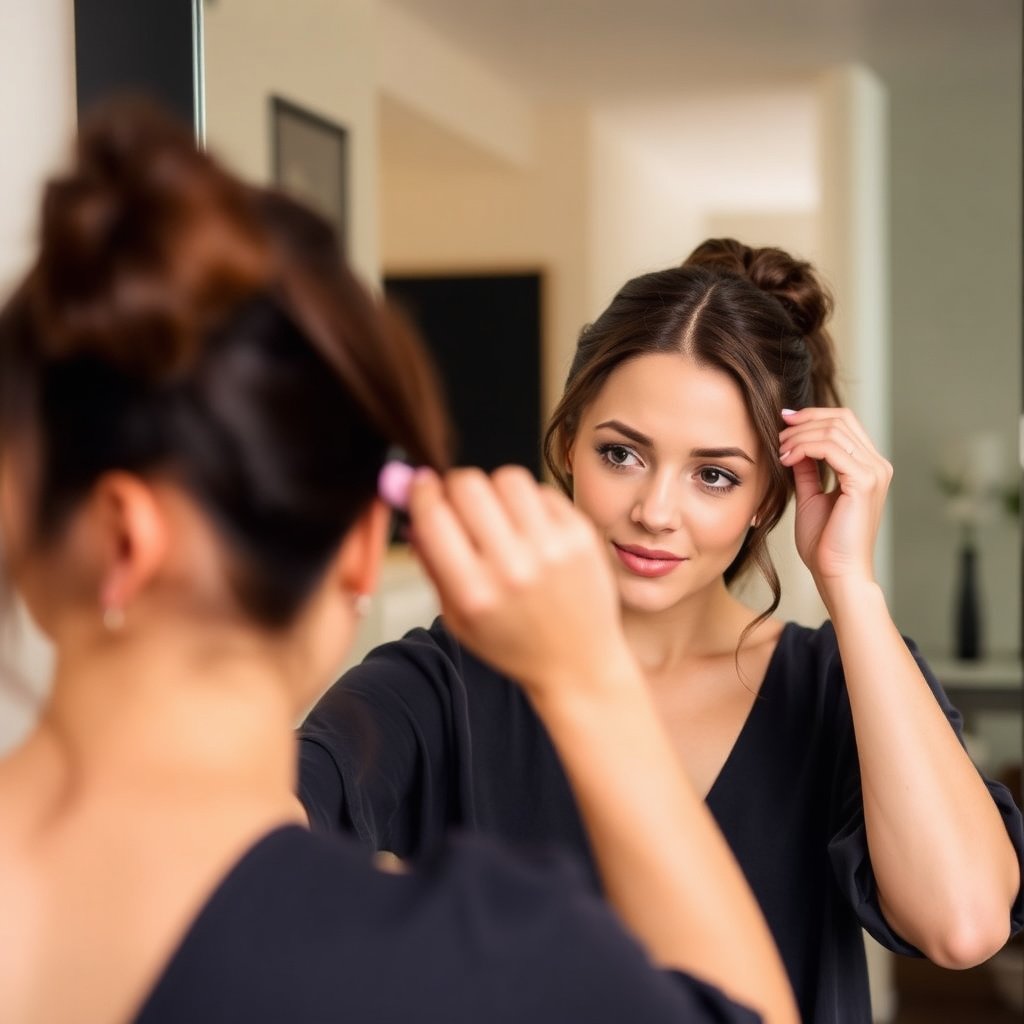
A frequent error is gathering hair unevenly, leaving one side bulkier or loose. To fix this, use a mirror and systematically smooth hair in sections starting at the front and moving backward, ensuring symmetrical tension on both sides.
Using clips to hold hair separately while smoothing can make the process easier and prevent bumps caused by uneven pulling.
For more on this, see our related guide: Understanding the Difference Between a Closure and Frontal for Hair Extensions.
Visible Elastic Bands and Flyaways
Leaving elastic bands visible can detract from the sleekness of the frontal ponytail. To hide elastics, wrap a thin strand of hair around the base and pin it discreetly underneath. For flyaways, a small amount of gel or hairspray applied carefully helps tame loose hairs.
Avoid over-applying product to prevent a greasy look while maintaining control.
- Wrap hair around elastic
- Use bobby pins to secure
- Apply minimal hairspray or gel
- Avoid overuse to prevent greasiness
Frontal Ponytail Placement Comparison
Suitability for Face Shapes
Different frontal ponytail placements flatter various face shapes. High ponytails elongate round faces by lifting the hairline, while low ponytails soften angular faces with their relaxed fall. Mid-level positions provide a balanced look for oval face shapes.
Selection depends on your specific facial features and the statement you want your hairstyle to convey.
For more detailed historical and cultural information, check out this ponytail hairstyle overview. ponytail hairstyle overview.
Comfort and Practicality
High ponytails can feel tight and may cause discomfort during prolonged wear, making them better for short-term styling or active situations. Low ponytails tend to be more comfortable for everyday use and allow for easier movement.
Practicality also includes how well a ponytail stays intact during weather conditions like wind or humidity.
Frontal Ponytail Style Comparison
Here’s a comparison of different frontal ponytail styles to help you decide based on factors like face shape, comfort, and ideal occasions.
| Style | Ideal Face Shape | Comfort Level | Best Occasions | Maintenance |
|---|---|---|---|---|
| High Frontal Ponytail | Round, Oval | Medium | Sports, Casual | Needs strong hold and frequent touch-ups |
| Mid-Level Frontal Ponytail | Oval, Heart | High | Work, Day-to-Day | Moderate hold and minimal maintenance |
| Low Frontal Ponytail | Angular, Square | High | Formal, Relaxed | Low maintenance, comfortable for long wear |
| Braided Frontal Ponytail | All | Medium | Special events, Fashion-forward | Requires prep time and skill to braid |
| Twisted Frontal Ponytail | All | Medium | Casual, Office | Easy to do, moderate hold products required |
Frequently Asked Questions
Can I do a frontal ponytail on curly hair?
Yes, a frontal ponytail works well on curly hair. Prepping with smoothing products or stretching curls can help create a sleek look, but embracing natural texture adds volume and character to the style.
How can I prevent my frontal ponytail from slipping?
Using texturizing products for grip and tight elastic bands without metal clasps will help keep the ponytail in place. Also, secure with pins if necessary, especially on fine or silky hair.
Is a frontal ponytail suitable for all face shapes?
Frontal ponytails can suit all face shapes by adjusting placement. High ponytails elongate round faces, low ponytails soften angular faces, and mid-level ponytails flatter oval faces.
How often should I change my hairstyle to avoid hair damage?
Switch up hair styles regularly and avoid tight ponytails every day. Giving hair a break every few days can reduce stress and breakage.
What products work best to tame flyaways for a frontal ponytail?
Light hairsprays, smoothing gels, or serums applied sparingly can effectively control flyaways without weighing hair down or making it greasy.
Key Takeaways
- Using the right tools and prep products makes styling easier and smoother.
- Adjust ponytail height to complement your face shape and occasion.
- Incorporating braids or twists can add flair to the basic frontal ponytail.
- Protect hair from damage by avoiding overly tight ties and varying styles regularly.
Conclusion
A frontal ponytail offers both style and function by pulling hair neatly off the face while allowing considerable flexibility in appearance. To choose the best approach, consider your hair type, facial shape, and the occasion you’re preparing for. The main keyword ‘how to do a frontal ponytail’ encapsulates the steps from preparation to finishing touches, emphasizing careful sectioning, securing techniques, and hair care practices. This hairstyle can be tailored to suit various textures and personal style needs with simple modifications.
For everyday wear, a mid-level frontal ponytail is practical and flattering for most face shapes, offering comfort and ease. High frontal ponytails serve energetic or sporty looks and create visual height, while low ponytails lean towards elegance and prolonged comfort. Adding braids or twists can elevate the style for special occasions or everyday uniqueness. Selecting suitable tools like boar bristle brushes and snag-free elastics makes the process smoother. Meanwhile, paying attention to hair care reduces risk of damage from frequent ponytail use.
Ultimately, the best way to master how to do a frontal ponytail is to practice the steps outlined and experiment with different placements or accents that suit your lifestyle. Start with clean, well-prepped hair and simple securing methods before trying more advanced braid or twist variations. This allows you to find the right balance of style, comfort, and hair health. For further insights, explore our linked resource which covers hair care basics supporting any ponytail style.