What Is Virgin Hair? Understanding Its Qualities and Uses
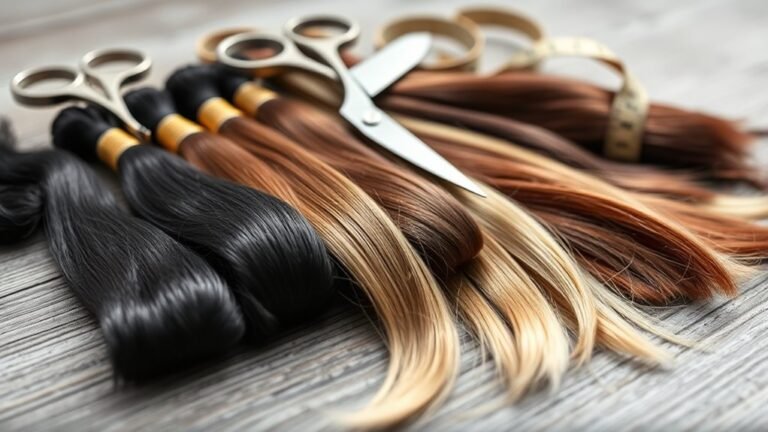
Virgin hair refers to human hair that has never been chemically processed, dyed, bleached, or altered in any way. It remains in its natural state after being collected, making it highly sought after for hair extensions and wigs due to its superior quality and durability.
This kind of hair stands out because it retains its natural cuticle alignment, which helps prevent tangling and damage. Virgin hair offers a more natural look, lasts longer, and can be styled or colored just like your own hair, unlike processed locks that often have compromised texture and strength.
In this article, you’ll learn about virgin hair's defining attributes, how it compares to other types of hair, the benefits it provides, and tips for selecting and maintaining virgin hair products so you can make well-informed decisions.
Defining Virgin Hair and Its Origins
What Qualifies as Virgin Hair?
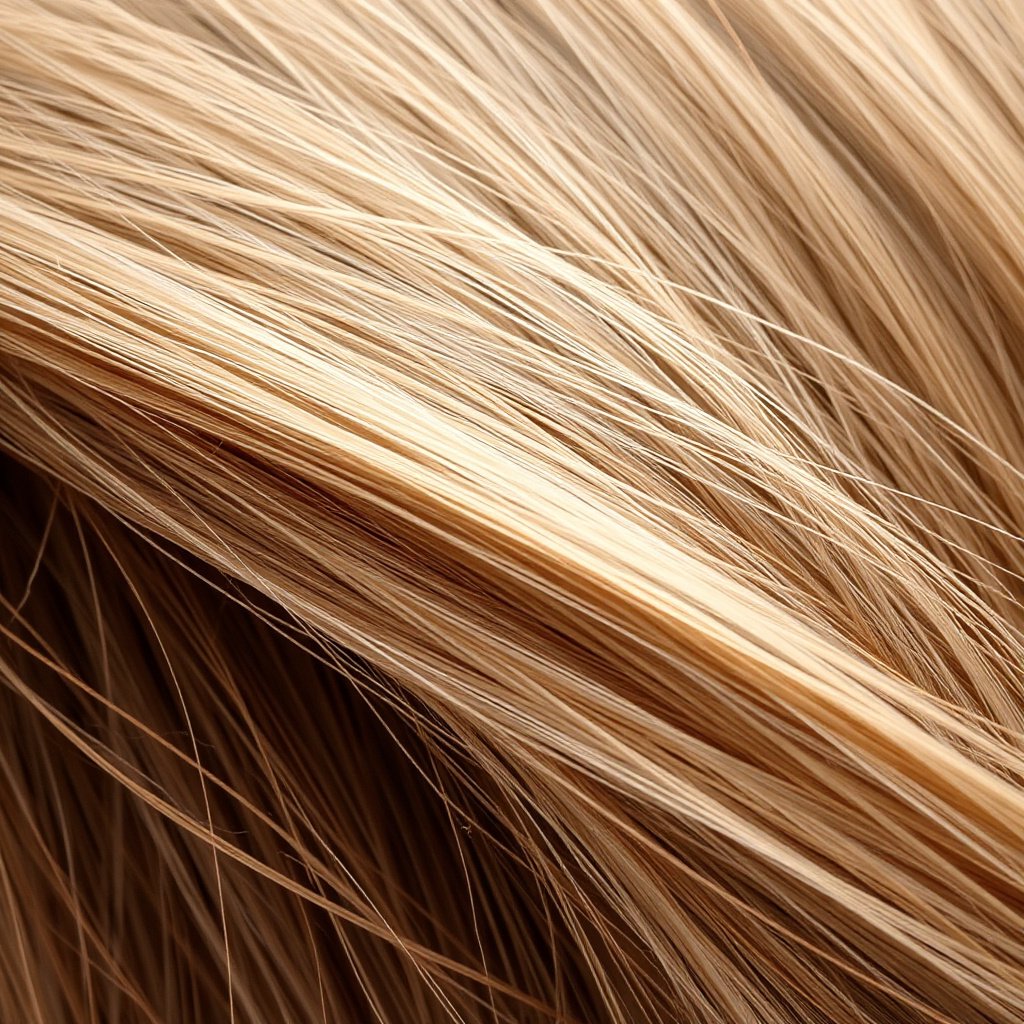
Virgin hair is hair that remains entirely unprocessed, which means it hasn’t been exposed to color treatments, perms, relaxers, or heat-based alterations. It is usually collected from a single donor, ensuring uniform texture and cuticle direction.
Because of this natural state, each strand has intact cuticles that lie in the same direction from root to tip, providing a smoother, shinier appearance and preventing early tangling and shedding.
Where Does Virgin Hair Come From?
Virgin hair is commonly sourced from donors who cut their hair for cultural, religious, or personal reasons, often from countries such as India, Brazil, and parts of Southeast Asia. The hair is carefully collected to maintain its virgin status.
The sourcing method affects overall quality. Remy virgin hair collection keeps cuticles aligned, enhancing durability and allowing for long-lasting human hair extensions.
Differences Between Virgin Hair and Other Human Hair Extensions
Virgin Hair Versus Processed Hair
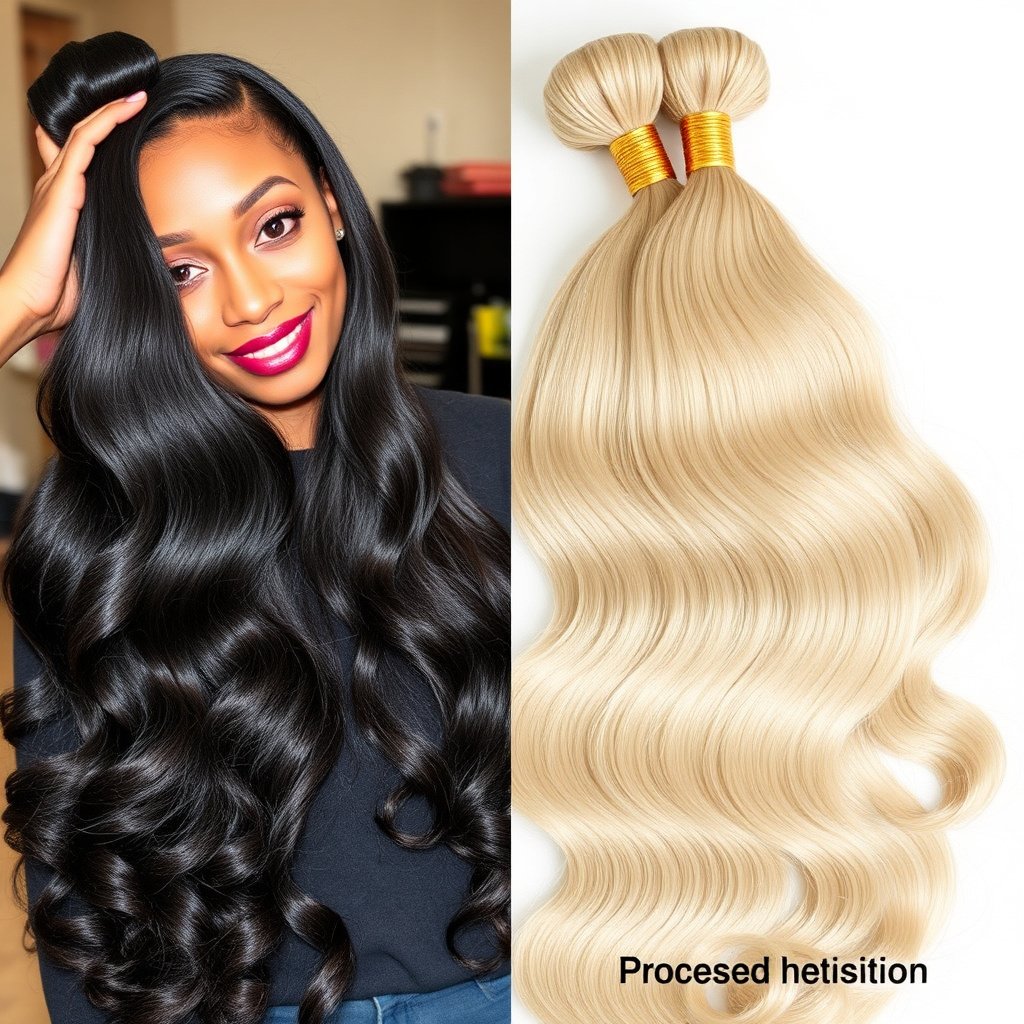
Processed hair has undergone chemical treatments like coloring, bleaching, or perming, which alter the hair’s texture and weaken the cuticles. This leads to increased tangling, shedding, and a shorter lifespan of the hair products.
Virgin hair, by contrast, remains intact from its natural state, retaining strength and shine. This results in extensions and wigs that look more natural and last significantly longer when cared for properly.
Virgin Hair Compared to Remy and Non-Remy Hair
Remy hair is collected by keeping the cuticles intact and aligned but can be processed chemically, meaning it isn’t necessarily virgin hair. Non-Remy hair often has cuticles removed or misaligned, making it prone to matting and tangling.
Virgin hair is always Remy by nature but guarantees no chemical alteration, offering the cleanest, healthiest hair choice for extensions and wigs.
Benefits of Using Virgin Hair

Natural Appearance and Versatility
Virgin hair maintains its natural texture and color, blending seamlessly with your own hair. Because it hasn’t been altered, you can style, dye, or chemically treat it yourself with much better results than with processed hair bundles.
This flexibility allows users to customize the hair as desired without compromising quality, offering a truly natural look.
For more on this, see our related guide: Virgin Hair vs. Remy Hair: Which Is Better?.
Longevity and Durability
The intact cuticles and lack of chemical damage make virgin hair stronger and more resilient to everyday styling stress. With proper care, it can easily last a year or longer, far outlasting synthetic or processed human hair options.
This durability also means less tangling and shedding over time, providing a better investment overall.
How to Choose High-Quality Virgin Hair

Recognizing Authentic Virgin Hair
Authentic virgin hair stores the cuticles intact and aligned. It should feel soft yet strong, have a natural shine, and show consistent color throughout the strands.
Be cautious of vendors selling virgin hair at unusually low prices or mixed batches, which may include processed hair or synthetic fibers.
- Choose reputable sellers with verified reviews
- Request hair origin and donor information if possible
- Avoid bundles with split ends or uneven textures
Considering Hair Texture and Origin
Virgin hair texture varies by origin, ranging from straight to wavy to curly. Matching your natural texture or desired style will ensure the best blend and styling options.
Some regions are known for specific textures, for example, Brazilian hair often has a smooth, slightly wavy texture, while Indian hair tends to be thicker and coarser.
Caring for Virgin Hair Extensions

Cleaning and Conditioning
Use sulfate-free shampoos and moisturizing conditioners designed for human hair extensions to maintain softness and prevent drying out.
Avoid excessive washing; instead, refresh the hair gently when necessary to preserve the hair’s natural oils and shine.
For more on this, see our related guide: Best Virgin Hair: Top Picks and Buying Tips.
Styling and Maintenance Tips
Minimize heat styling or use tools on low heat settings and always apply heat protectants. Protect hair from harsh chemicals and store properly when not in use.
Regularly detangle with a wide-tooth comb, working from the ends upwards to prevent unnecessary tension and breakage.
- Use silk or satin pillowcases
- Avoid heavy oils near the roots
- Trim split ends as needed
Common Uses and Popular Styles with Virgin Hair

Extensions and Weaves
Virgin hair is ideal for sew-in weaves and clip-in extensions, providing a natural, seamless look due to its softness and longevity.
Many choose virgin hair for its ability to blend with natural hair textures, offering volume or length without sacrificing authenticity.
For a broader understanding of human hair classifications, you can refer to Virgin hair details on Wikipedia. Virgin hair details on Wikipedia.
Wigs and Hairpieces
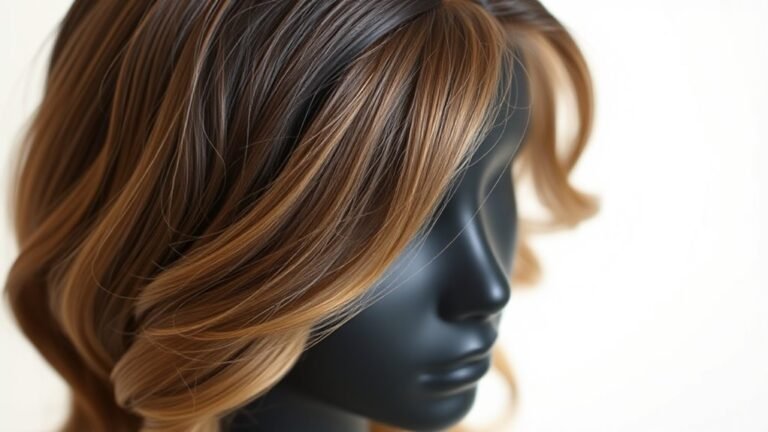
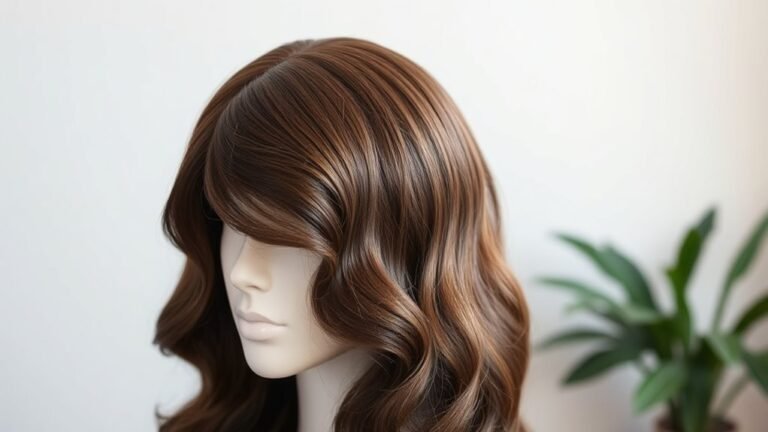
Wigs made from virgin hair can be styled as desired, including coloring and heat styling, delivering a realistic appearance that synthetic or processed hair cannot match.
This makes virgin hair a top choice for medical hair replacements or fashion-focused wig wearers seeking premium quality.
Virgin Hair Types Category Comparison
Here’s a comparison of different virgin hair categories based on texture, durability, and price to help you identify the best match for your needs.
| Hair Type | Texture | Durability | Average Price per Bundle | Common Origin |
|---|---|---|---|---|
| Brazilian Virgin Hair | Smooth, Slightly Wavy | High | $80-$150 | Brazil |
| Indian Virgin Hair | Coarse, Thick, Wavy | Very High | $70-$130 | India |
| Peruvian Virgin Hair | Soft, Thick, Wavy | High | $90-$160 | Peru |
| Malaysian Virgin Hair | Silky, Straight or Slight Wave | High | $85-$140 | Malaysia |
| European Virgin Hair | Fine, Straight | Moderate | $150-$300 | Europe |
Frequently Asked Questions
Can virgin hair be dyed or chemically treated?
Yes, virgin hair can be dyed, bleached, or chemically treated since it hasn't been previously processed, but it should be done carefully to maintain its integrity.
How long does virgin hair typically last?
With proper care, virgin hair can last from 8 months up to a year or longer, much longer than processed hair extensions.
Is virgin hair tangly compared to synthetic hair?
No, virgin hair has aligned cuticles which help reduce tangling and matting, unlike synthetic fibers which can tangle quickly.
Why is virgin hair more expensive than other hair types?
Virgin hair costs more due to its unprocessed quality, durability, natural appearance, and the meticulous sourcing methods preserving cuticle alignment.
What makes Remy hair different from virgin hair?
Remy hair has preserved cuticle alignment but can be chemically processed, whereas virgin hair is always unprocessed and in its natural state.
Key Takeaways
- Virgin hair is 100% natural, unprocessed human hair with intact cuticles.
- It offers superior durability and a natural appearance compared to processed hair.
- Proper care extends virgin hair’s lifespan to a year or more.
- Sourcing origin affects texture and price among different virgin hair types.
Conclusion
Deciding to use virgin hair means selecting extensions or wigs that remain untouched by chemicals, offering the highest quality and longevity available. Prioritize hair with intact, aligned cuticles from reputable sources to benefit from a natural look and reliable performance. Understanding the origin, texture, and processing status plays a vital role in the overall satisfaction with your hair purchase.
For those seeking volume and style flexibility, Brazilian and Peruvian virgin hair provide smooth or slightly wavy textures that blend effortlessly and retain styling well. If thicker, coarser hair is preferred, Indian virgin hair is an excellent fit, renowned for its durability. For users desiring finer strands, European virgin hair offers a delicate, straight texture though at a higher price point. Each variant suits different styling preferences and budgets, making choice context-dependent.
Before purchasing, test samples if possible and check vendor credibility to avoid mixed or low-quality hair. Once you have your virgin hair, regular gentle care is key to preserve its condition. Embracing virgin hair can significantly enhance your extension or wig experience, providing a natural, adaptable, and long-lasting enhancement to your look.