How to Make a Wig Last Longer: Practical Care Tips for Extended Wear
Making a wig last longer depends largely on proper cleaning, gentle handling, and smart storage. By regularly washing your wig with suitable products and avoiding harsh chemicals, you can preserve its texture and style for many wears. Handling your wig with care during daily use also reduces tangling and breakage.
Wigs, whether synthetic or human hair, require distinct upkeep to maintain their shape and appearance. Neglecting care can lead to fading, matting, and overall wear that shortens their usable life. Understanding how to care for your wig directly impacts how long it will remain attractive and wearable.
This article will cover essential wig maintenance tips including cleaning methods, detangling techniques, styling advice, and proper storage solutions. It will also compare fiber types and share practical tricks to extend your wig’s lifespan effectively.
Cleaning Methods to Extend Wig Life
Choosing the Right Shampoo and Conditioner
Different wig fibers require specific shampoos and conditioners. Synthetic wigs need sulfate-free, gentle cleansers to avoid fiber damage, while human hair wigs benefit from moisturizing formulas. Using harsh shampoos can strip the wig of its natural shine and soften the fibers, leading to early wear.
Conditioners designed for wigs help maintain softness and prevent tangling. Avoid heavy or oily products that can weigh down synthetic fiber and attract dirt. For human hair wigs, lightweight conditioning treatments help maintain flexibility without making hair greasy.
- Use sulfate-free shampoo for synthetic wigs
- Use moisturizing conditioner for human hair wigs
- Avoid heavy oils on synthetic fibers
Proper Washing Techniques
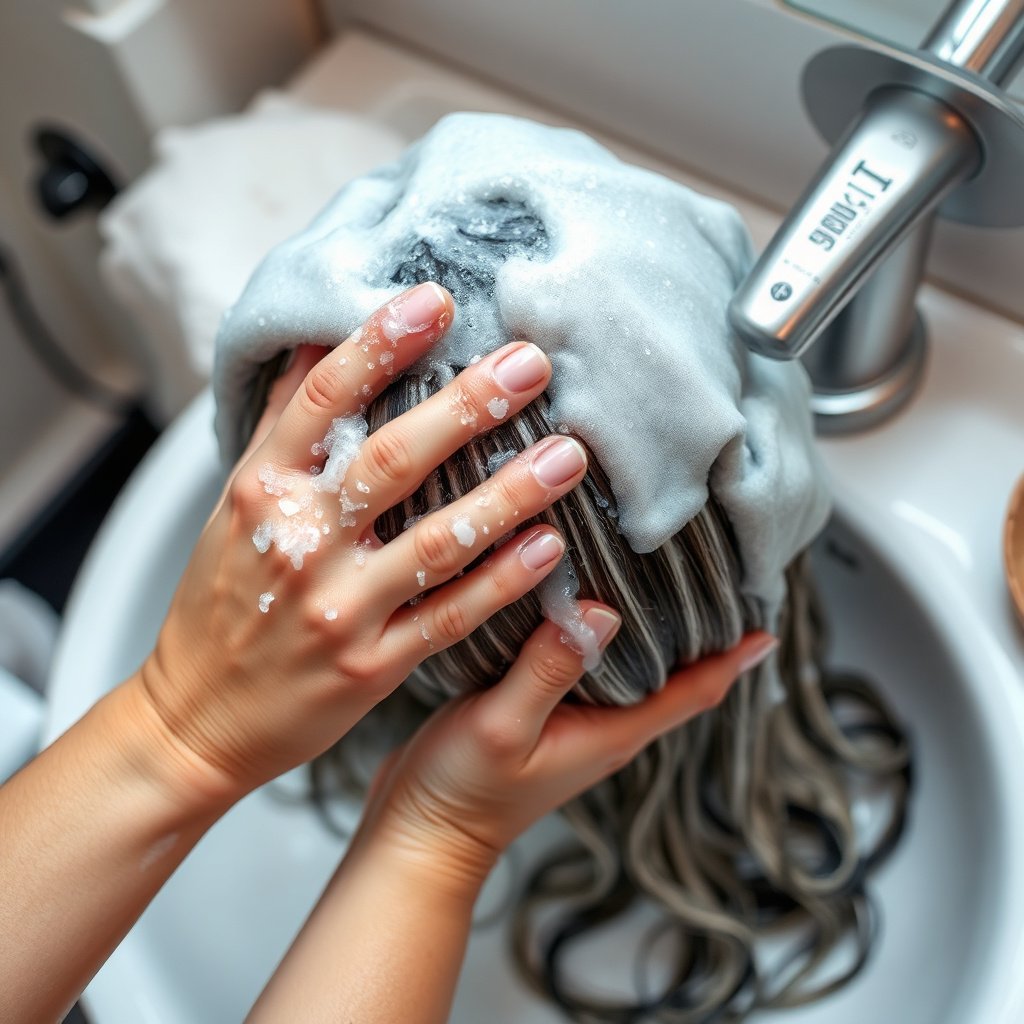
Washing wigs too frequently or vigorously damages fibers. Use lukewarm water and gently swish the wig without scrubbing or wringing. Rinse thoroughly and pat dry with a towel. Let air dry on a wig stand to maintain shape and prevent fiber stress from heat.
Frequency of washing depends on usage and exposure to dirt or styling products but generally once every 8-12 wears is sufficient. Overwashing accelerates wear and can cause color fading, so balance cleanliness with preservation.
- Use gentle swirling motions when washing
- Avoid wringing or twisting the wig
- Air dry on a wig stand away from direct heat
Handling and Styling for Longevity

Detangling Without Damage
Using the right tools, like wide-tooth combs or specialized wig brushes, helps prevent pulling on fibers that cause tangling or breakage. Start detangling from the ends working upwards to the roots, gently easing knots apart rather than yanking.
Avoid brushing when your wig is wet, as this makes the fibers stretch and break. For synthetic wigs, avoid using heat styling tools that can melt the fibers and reduce lifespan drastically.
- Use wide-tooth comb or wig brush
- Detangle from ends to roots
- Never brush a wet wig
For more on this, see our related guide: Do Wigs Damage Your Hair? The Complete Answer.
Styling Tips to Protect the Wig
Limit the use of heat styling on synthetic wigs, opting for low heat tools only with heat-resistant fibers. For human hair wigs, moderate heat styling with protective sprays can maintain style without excessive damage.
Use wig-safe styling products. Traditional hair sprays or gels may leave residue or stiffen synthetic wigs, so choose products formulated for wigs to maintain natural movement and shine.
- Apply heat protectant sprays for human hair wigs
- Use wig-friendly styling products
- Avoid excessive heat on synthetic wigs
Storage and Protection Strategies

Best Practices for Storing Wigs
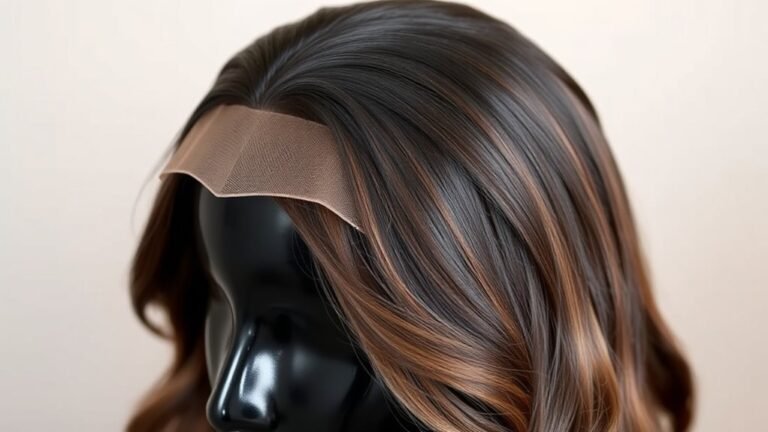
Store wigs on a wig stand or mannequin head to keep their shape and prevent tangling while not in use. Keep wigs in a cool, dry area away from sunlight which can fade color and degrade fibers over time.
If traveling, transport wigs in a breathable, protective bag or box ensuring minimal movement. Avoid plastic bags which trap moisture and can lead to mold or unpleasant odors.
- Use wig stand or mannequin for storage
- Store away from direct sunlight and moisture
- Use breathable bags for travel storage
Protection from Environmental Damage
Exposure to pollution, smoke, and extreme weather conditions accelerates fiber damage and fading. Cover your wig with a silk or satin scarf when outdoors to reduce dust and UV exposure. This simple barrier helps retain moisture and color vibrancy.
Avoid wearing wigs while swimming or in heavy rain as chemicals and water can weaken fibers and affect styling. Proper protection can extend the time between washes and styling sessions.
- Cover wig with scarf outdoors
- Avoid swimming or heavy rain with wig on
- Keep wig away from pollution and smoke
Understanding Wig Materials and Their Impact
Differences Between Synthetic and Human Hair Wigs
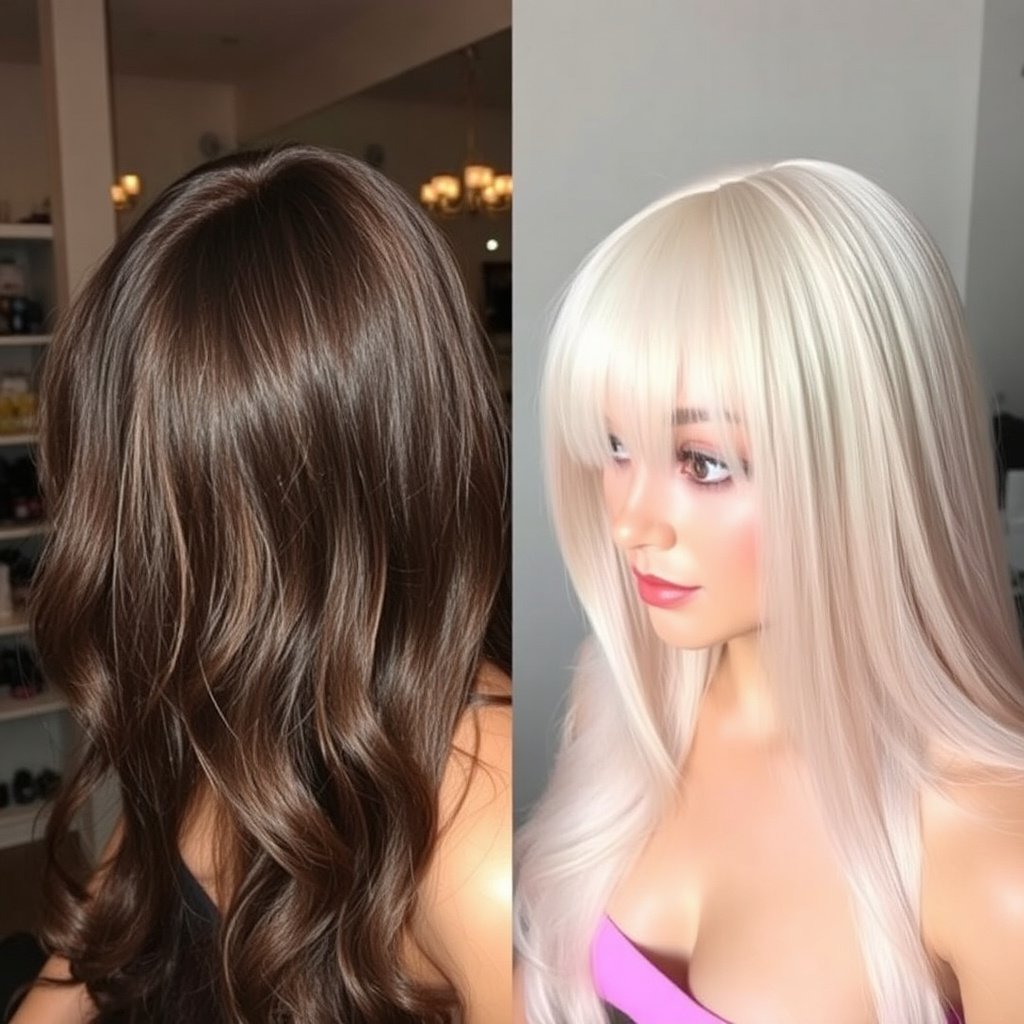
Synthetic wigs are made from plastic fibers and tend to hold their style longer without restyling, but they usually have a shorter lifespan and are less tolerant of heat. Human hair wigs mimic natural hair texture and appearance, offer more styling versatility, yet require more care and are generally more expensive.
Knowing these differences helps tailor wig maintenance routines. Synthetic wigs benefit from gentle cleaning and minimal heat, while human hair wigs need moisturizing and careful heat styling to prolong life.
- Synthetic fibers resist styling changes but are sensitive to heat
- Human hair wigs allow versatile styling but require more upkeep
For more on this, see our related guide: Are Lace Front Wigs Worth It? The Complete Answer.
Fiber Quality and Longevity
The quality of fibers, whether synthetic or human hair, dramatically impacts how long a wig lasts. Premium synthetic fibers have better heat resistance and layered textures that simulate natural hair. Higher grade human hair tends to have fewer split ends and better color retention.
Investing in higher quality fibers initially can reduce the frequency of replacement and simplify maintenance, making your wig last significantly longer.
- Premium synthetic fibers offer better heat resistance
- High-grade human hair has fewer split ends and better shine
Common Mistakes That Shorten Wig Life
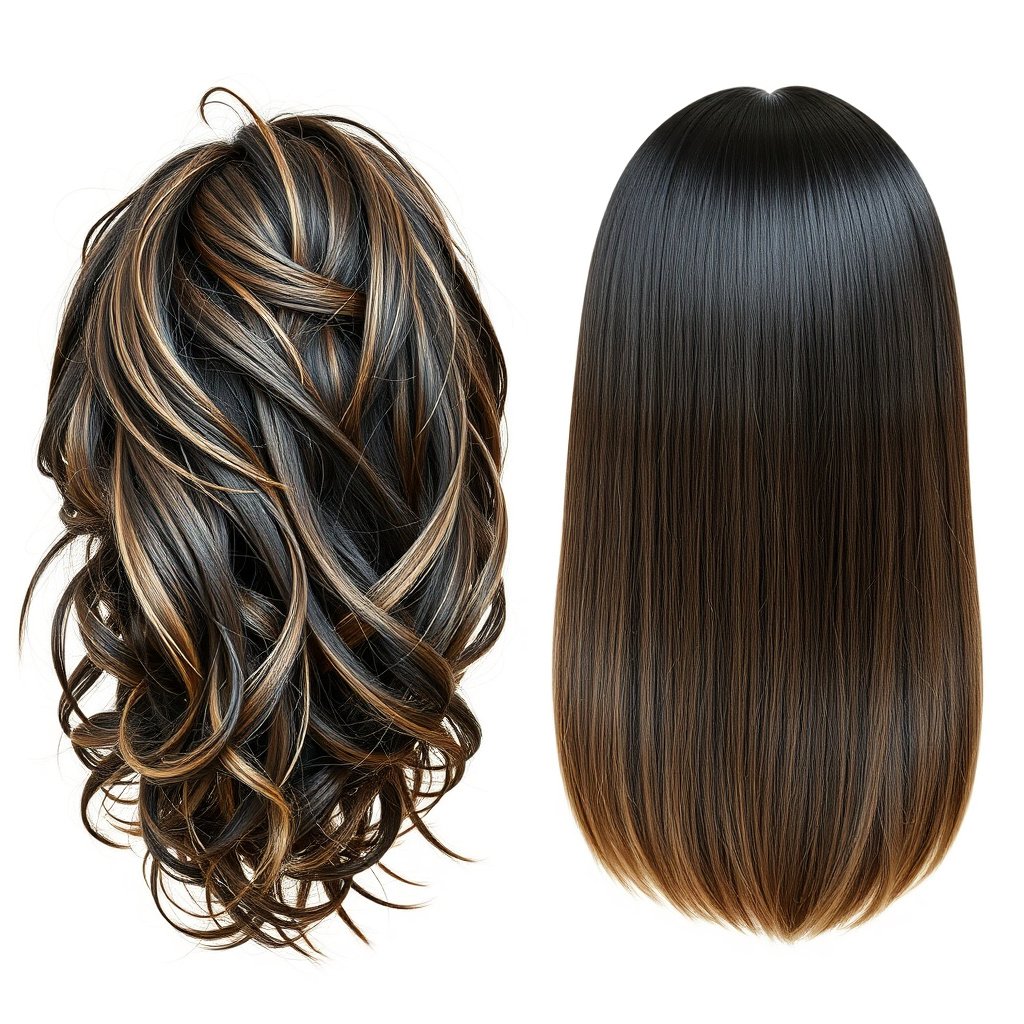
Overwashing and Harsh Treatments
Washing wigs too often strips protective oils and color, especially in human hair wigs. Using harsh shampoos or chemicals like bleach can irreversibly damage fibers. This accelerates frizz and fiber breakage, reducing overall lifespan.
Opting for mild, wig-specific products and spacing washes prevents premature wear. Overusing products like heavy styling gels also build up residue that dulls the wig's appearance.
- Avoid frequent washing to preserve oils and color
- Use mild, wig-specific shampoos and conditioners
For more detailed historical and material information on wigs, refer to the Wig article on Wikipedia. Wig maintenance advice at Wikipedia.
Ignoring Proper Detangling and Storage
Not detangling wigs gently or brushing aggressively can cause severe fiber damage and shedding. Improper storage, such as piling wigs in a drawer or plastic bags, leads to tangling and shape loss.
Regular gentle combing and storing wigs on stands keep the fibers aligned and reduce damage, extending wig wear significantly.
- Brush gently with appropriate tools
- Use wig stands for storage to maintain shape
Wig Material Types Category Comparison
This table outlines key differences among wig material types to guide your choice for durability and upkeep.
| Material Type | Styling Flexibility | Maintenance Ease | Typical Lifespan | Cost Range |
|---|---|---|---|---|
| Synthetic Fiber | Low to Moderate | Easy | 4-6 months | Low |
| Heat-Resistant Synthetic | Moderate | Moderate | 6-8 months | Medium |
| Human Hair – Remy | High | Moderate to Hard | 12-18 months | High |
| Human Hair – Non-Remy | Moderate | Harder | 6-12 months | Medium to High |
Frequently Asked Questions
How often should I wash my wig?
Generally, washing every 8-12 wears is adequate. Overwashing can cause fiber damage and color loss, especially for synthetic wigs.
Can I use regular hair products on my wig?
Regular hair products are usually too harsh for wigs and may cause buildup or damage. Use products specifically formulated for wig maintenance.
Is it safe to use heat tools on synthetic wigs?
Heat tools can melt or damage synthetic fibers unless the wig is labeled heat-resistant. Always check the wig’s specifications before styling with heat.
What's the best way to store a wig when not in use?
Store wigs on a stand in a cool, dry place away from direct sunlight to preserve shape and prevent tangling.
Will wearing a wig daily shorten its life?
Daily wear increases exposure to environmental factors and styling, which may shorten lifespan. Proper care can mitigate this effect.
Key Takeaways
- Proper cleaning with wig-specific products preserves fibers.
- Gentle detangling avoids premature damage and shedding.
- Structured storage on stands maintains shape and texture.
- Choosing quality wig materials impacts longevity and care needs.
Conclusion
Extending the life of a wig requires a balance of gentle handling, appropriate cleaning, and thoughtful storage. Recognizing the fiber type and tailoring care routines accordingly ensures your wig maintains its look and feel longer. Avoid harsh chemicals, frequent washing, and rough styling to protect your investment in quality wigs.
If you often wear wigs, synthetic options with heat resistance offer convenience and lower maintenance, while human hair wigs provide natural styling versatility but require more upkeep. For longer-lasting wear, balance the wig style you want with your willingness to follow maintenance instructions closely.
Start by establishing gentle wig maintenance habits such as using proper shampoos, detangling carefully, and storing wigs on stands. These practical approaches will keep your wigs fresh, prevent damage, and allow you to enjoy your styles confidently over many months.