How to Remove Wig Tape Residue Safely and Effectively
Removing wig tape residue can be tricky, but you can get rid of stubborn sticky remains from your scalp or wig with the right products and techniques. This guide explains practical and gentle methods that work without damaging your skin or hairpiece.
Residue from wig tape often builds up after repeated wear, creating discomfort and affecting the look and feel of your wig. Choosing the correct removal approach helps protect your skin and extends the life of your wig, making wig wearing more comfortable and hygienic.
This article will cover different types of cleaning agents and tools, step-by-step residue removal procedures, tips for avoiding damage, and how you can maintain your wig's adhesive areas to minimize buildup in the future.
Understanding Wig Tape Residue and Its Challenges
What is Wig Tape Residue?
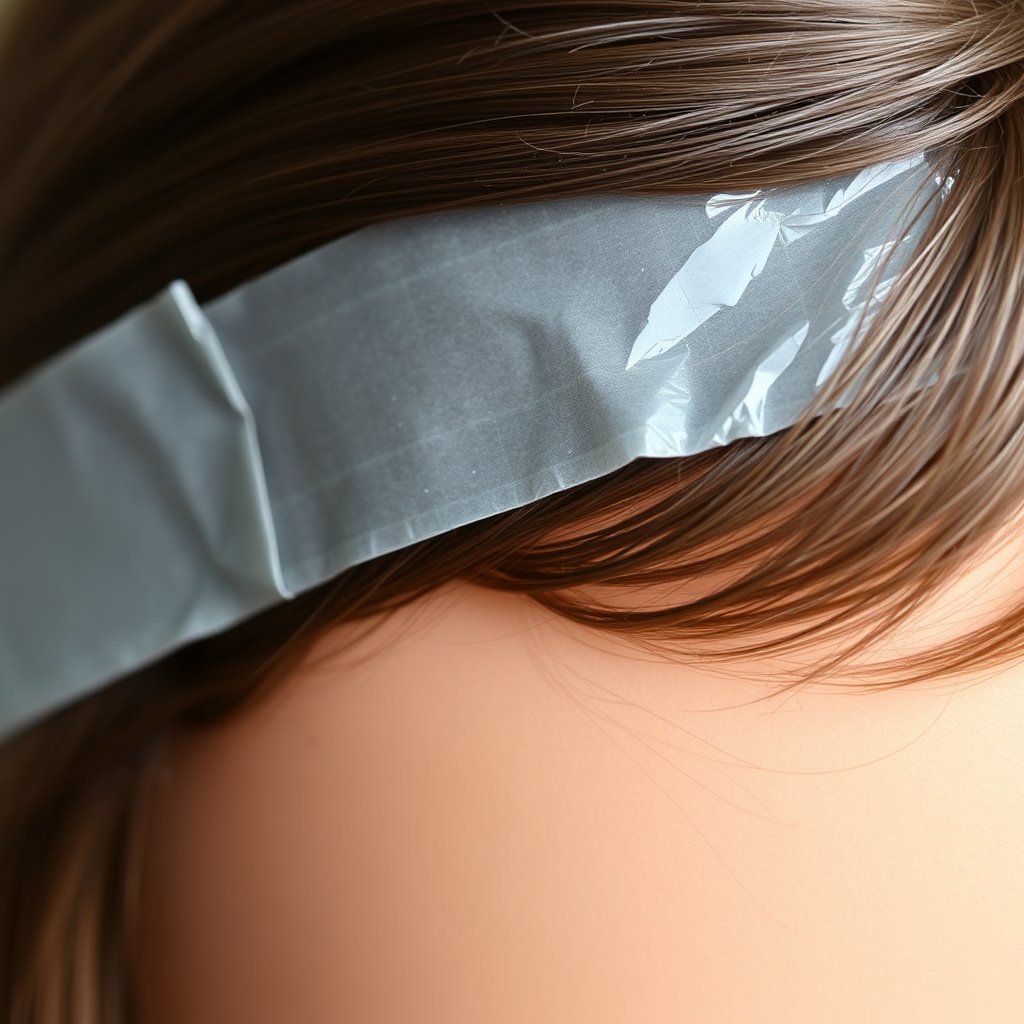
Wig tape residue is the sticky adhesive left behind after peeling off tape used to secure a wig. It often feels tacky and attracts dust and oils, making it visibly dirty and uncomfortable.
This residue forms from pressure-sensitive adhesives designed to hold firmly but can be hard to remove without effort or damage, especially from the delicate scalp skin or wig base material.
Why Removing It Can Be Difficult
The adhesive bonds tightly to wig caps or skin and usually won’t dissolve in water alone, requiring solvents or oil-based removers to break down.
Incorrect removal attempts can cause irritation, leave more residue, or damage the wig base fabric, so knowing how to approach it is essential.
Safe Solvents for Removing Wig Tape Residue

Commercial Adhesive Removers
Specialized adhesive removers for wigs or skin safely dissolve tacky residues without harsh chemicals that could irritate. They come in liquid or spray forms and are often silicone or citrus-based.
When selecting these removers, look for products labeled safe for wigs or sensitive skin to avoid damage and allergic reactions.
- Avoid acetone or harsh solvents that can weaken wig fibers
- Test on a small area before full use
Natural and Household Alternatives
For a mild approach, natural oils such as olive oil, coconut oil, or even peanut butter can loosen sticky tape residue by breaking down adhesive bonds.
Rubbing alcohol is another commonly used agent, but it should be used sparingly and carefully to prevent skin dryness and damage to synthetic wig materials.
- Use oils as pre-treatment to soften residue
- Apply rubbing alcohol with a cotton swab on stubborn spots
Step-by-Step Guide to Removing Wig Tape Residue
Preparation for Residue Removal
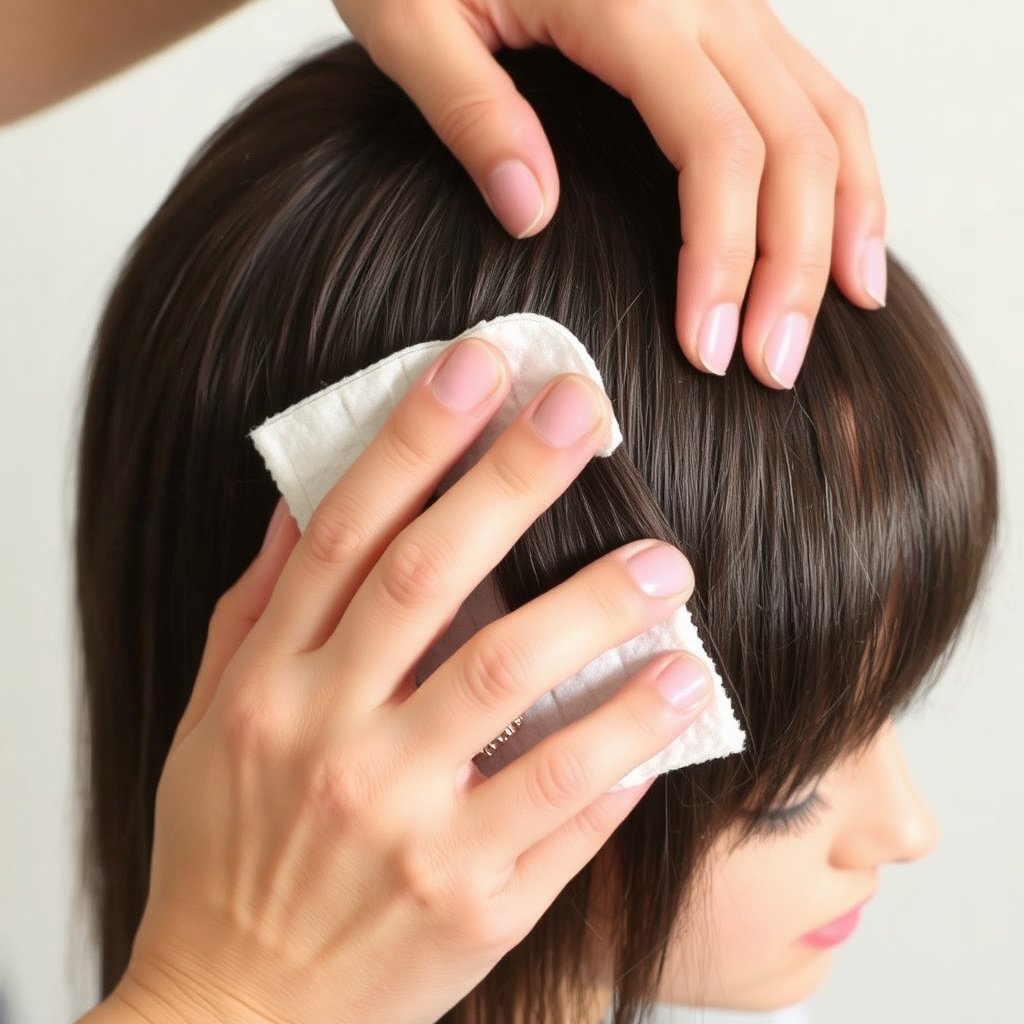
Begin by washing your hands thoroughly and gathering gentle remover, cotton pads, and soft cloths. If working on skin, ensure the area is dry and free from sweat or oils.
If you are removing residue from a wig base, place the wig on a stand to prevent pulling or stretching during cleaning.
- Gather remover solution, cotton swabs, soft cloth
- Protect surrounding hair and skin by dabbing remover carefully
For more on this, see our related guide: Best Glueless Wigs: Top Picks and Buying Tips.
Cleaning Techniques for Best Results
Apply a small amount of remover or natural oil to the residue and let it settle for a few minutes to soften the adhesive.
Use a cotton swab or cloth to gently rub the area in a circular motion. Repeat as necessary but avoid vigorous scrubbing that may irritate skin or damage wig fibers.
- Be patient; multiple light applications are better than one harsh scrub
- Rinse area with warm water and pat dry after residue removal
Preventing Wig Tape Residue Buildup in Future

Using Protective Barriers
Applying wig liners or protective barriers between your scalp and tape can reduce adhesive contact and make residue easier to remove.
Barrier sprays that create a thin film over skin or wig base prevent adhesives from sticking deeply, helping keep surfaces clean longer.
- Try silicone wig caps or barrier sprays
- Change liner frequently to keep it clean
Regular Cleaning and Maintenance
Cleaning your scalp and wig base regularly removes oils and buildup that attract adhesive residue.
Rotating different adhesive types or using gentler tapes also reduces residue accumulation over time.
- Wash scalp with gentle cleansers before taping
- Use low-residue fixation tapes when possible
Handling Sensitive Skin and Allergies During Removal

Recognizing Skin Reactions
Some people experience redness, itching, or irritation from adhesive or remover solvents, indicating sensitive skin or allergic reaction.
Mild symptoms often resolve by using gentler removers, but persistent reactions need medical advice.
For more on this, see our related guide: Best Lace Front Wigs: Top Picks and Buying Tips.
Choosing Hypoallergenic Products
Opt for removers and tapes labeled hypoallergenic and free from harsh chemicals like alcohol and fragrances for sensitive skin.
Consult with a dermatologist for tailored recommendations if you frequently face irritation with wig adhesives.
- Patch test new products before widespread use
- Use barrier creams to protect skin from direct contact
Maintaining Wig Longevity While Removing Tape Residue

Avoiding Damage to Fibers and Base
Harsh chemicals or vigorous rubbing during residue removal can weaken wig fibers or deform the base structure, shortening wig lifespan.
Use soft cloths and minimal solvent amounts to preserve wig integrity and elasticity.
For more detailed information on wig adhesives and types, you can refer to advice on wig adhesives from Wikipedia. advice on wig adhesives from Wikipedia.
Storage and Care Post-Removal
After cleaning, store your wig on a stand away from dust and moisture to let it air out and retain shape.
Regular maintenance such as gentle brushing and washing helps keep wigs looking fresh and ready for the next tape application.
- Avoid direct sunlight exposure
- Use wig-specific shampoo and conditioner periodically
Comparison of Popular Wig Tape Residue Removers
Here’s a quick comparison of common adhesive removal options when dealing with wig tape residue, highlighting key pros and cons.
| Remover Type | Effectiveness | Skin Safety | Suitability for Wig Material | Ease of Use |
|---|---|---|---|---|
| Commercial adhesive remover | High | Generally safe if designed for skin | Ideal for synthetic and human hair wigs | Easy, spray or liquid |
| Olive or coconut oil | Moderate | Very safe for skin | Good for synthetic bases but requires more effort | Moderate, requires soaking and wiping |
| Rubbing alcohol | Moderate | Can dry or irritate skin if overused | Effective on synthetic fibers but may damage delicate bases | Easy application with cotton |
| Peanut butter | Low to moderate | Generally safe but potential allergen | Works on synthetic fibers, messy and needs thorough cleaning | Messy, slower process |
| Acetone (not recommended) | High | Harsh and can cause skin damage | Damages wig fibers, not advised | Quick but risky |
Frequently Asked Questions
Can I remove wig tape residue with water alone?
Water alone usually isn't effective because wig tape adhesives are water-resistant and require oil-based or solvent removers to properly break down the residue.
How often should I remove tape residue from my wig?
Removing residue after every tape application is best to prevent buildup, which can cause discomfort and reduce the effectiveness of future adhesive placements.
Is it safe to use oils on my scalp to remove residue?
Yes, natural oils like coconut or olive oil are safe and gentle, but ensure you wash them off thoroughly afterward to avoid clogging pores or attracting dirt.
Will adhesive removers damage my wig?
Using removers specifically made for wigs and following directions minimizes damage risk. Harsh chemicals like acetone should be avoided as they can degrade wig fibers.
What should I do if my skin reacts badly to residue removers?
Stop using the product immediately, cleanse the area with mild soap and water, and consider trying hypoallergenic removers or seeking medical advice if irritation persists.
Key Takeaways
- Use gentle, wig-safe adhesive removers to protect your scalp and wig.
- Natural oils provide a mild, effective option for loosening residue.
- Regular cleaning prevents uncomfortable residue buildup.
- Select hypoallergenic products for sensitive skin to avoid irritation.
Conclusion
Removing wig tape residue requires a careful balance between thorough cleaning and gentle care to avoid harming your skin or wig. A methodical approach involving safe solvents or natural oils combined with gentle mechanical removal will secure the best results. Identifying the right products tailored to your wig type and skin sensitivity ensures both comfort and long-term upkeep. This process ultimately enhances the wearing experience by maintaining cleanliness and adhesive effectiveness.
If your priority is safety and effectiveness, commercially formulated adhesive removers designed for wigs are usually the best fit, offering ease of use and minimal risk of damage. For those preferring natural options, oils like coconut oil can work well but may need more time and effort. To keep residue from returning, consider wig liners or barrier sprays, and maintain regular cleaning routines. Each scenario calls for adapting based on individual skin sensitivity and wig fiber type.
Start by trying a small patch test with the remover of your choice, paying attention to your skin’s response and the wig material’s condition. Incorporate residue removal into your wig care routine soon after each use to prevent buildup. With consistent, thoughtful care and the right removal techniques, dealing with wig tape residue becomes manageable and keeps your wigs looking their best while protecting your skin.