How to Remove Wig Glue Safely and Effectively
Removing wig glue requires patience and the right technique to avoid damaging your natural hair and scalp. The safest way is to use a specialized adhesive remover or oil-based products that break down the glue without harsh pulling or irritation.
Wig glue offers strong hold but can leave residue and cause discomfort if not removed properly. Cleaning it thoroughly prevents buildup, skin irritation, and helps keep your scalp healthy. Knowing how to remove wig glue properly also extends the life of your lace front or full lace wig.
This article will examine various wig glue removal methods, including commercial removers, household oils, and natural treatments. We will also cover preparation tips, post-removal scalp care, dealing with stubborn glue, and frequently asked questions.
Preparing to Remove Wig Glue
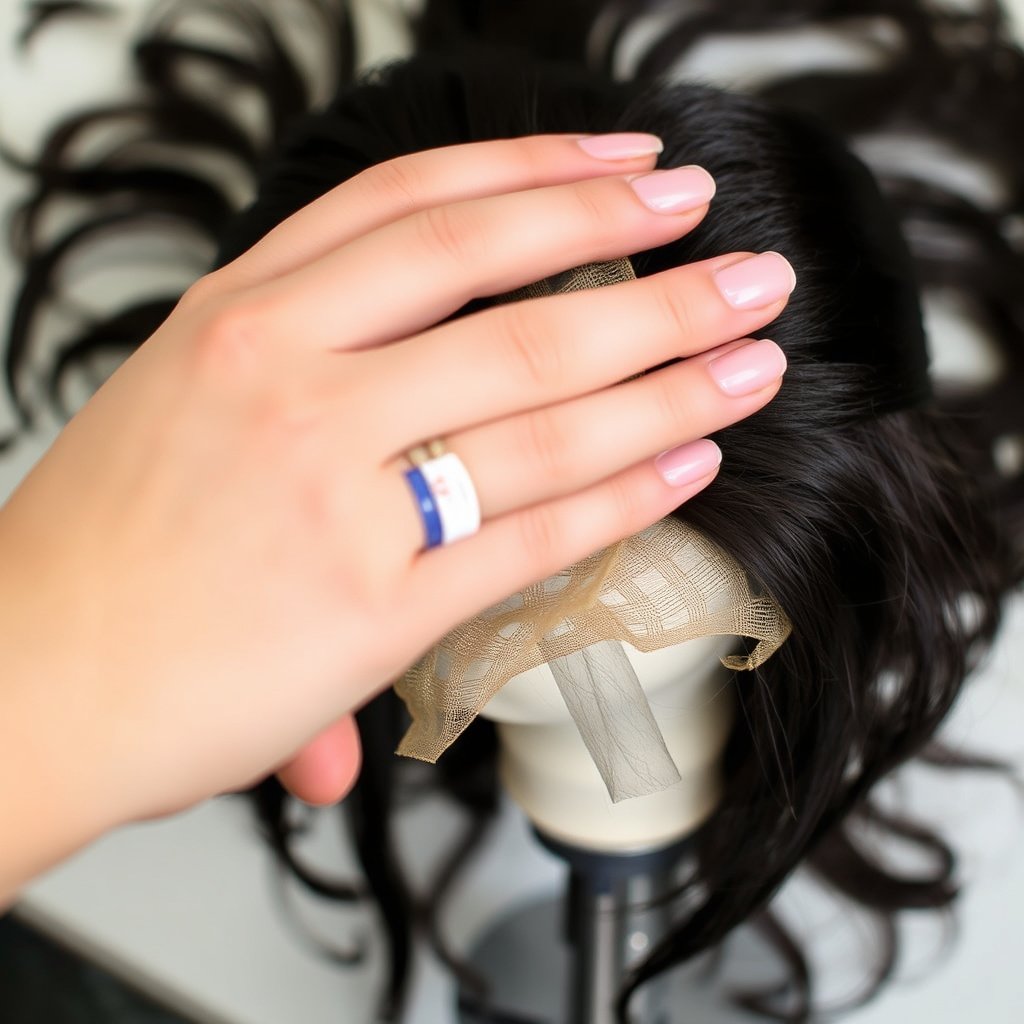
Cleaning the Area Before Removal
Start by washing your hair and scalp gently to remove dirt and sweat, which helps adhesive removers work more effectively. Use a gentle shampoo and lukewarm water, avoiding harsh scrubbing that might irritate the skin.
Dry your scalp completely because moisture can dilute adhesive removers and cause uneven removal. Ensuring a clean surface also reduces the chance of sticky residue remaining after glue removal.
- Use sulfate-free shampoo
- Avoid hot water which can irritate skin
- Pat dry instead of rubbing
Choosing the Right Wig Glue Remover
Several options exist, including commercial adhesive removers, natural oils like coconut or olive oil, and even alcohol-based solutions. Commercial removers are formulated to dissolve glue quickly but test first for skin sensitivity.
Natural oils gradually break down the adhesive while moisturizing your scalp, making them good for sensitive skin. Alcohol-based removers can be effective but may cause dryness or irritation if overused.
- Commercial adhesive removers
- Natural oils (coconut, olive, jojoba)
- Isopropyl alcohol (use sparingly)
Techniques for Removing Wig Glue
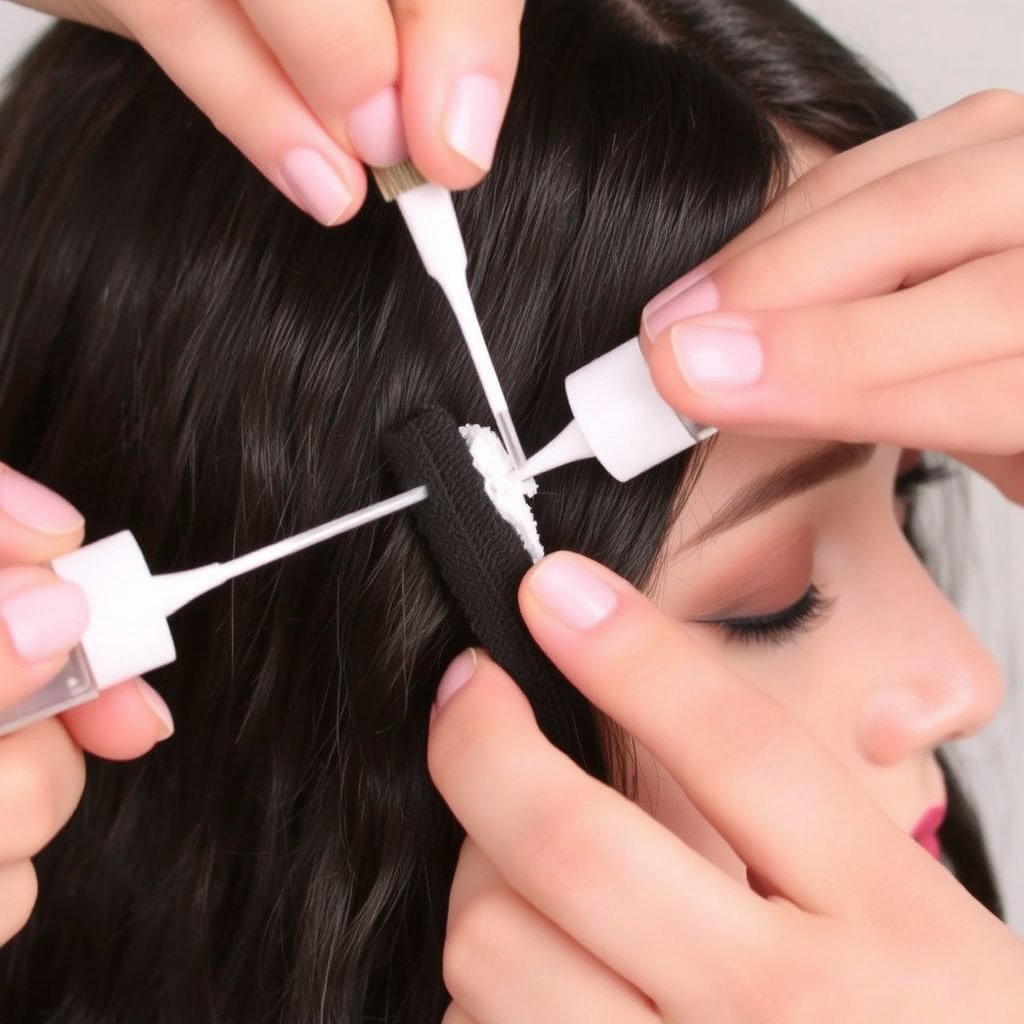
Using Commercial Adhesive Removers
Apply the remover carefully with a cotton swab or brush along the edge of the wig where the glue is visible. Allow the remover to sit for several minutes to soften the glue before gently lifting the lace.
Work slowly to avoid pulling hair or irritating the scalp. Repeat application if needed on stubborn areas. Always follow product instructions closely to avoid adverse reactions.
- Apply remover to glued areas
- Wait 3-5 minutes to soften glue
- Gently lift wig edges
Removing Glue with Natural Oils
Massage natural oils into the glue line gently using fingers or a cotton ball. The oil helps dissolve the adhesive bond without harsh chemicals, ideal for sensitive skin.
After letting the oil sit for 10-15 minutes, try sliding the lace off slowly. This method may take longer but is nourishing to your scalp and hairline.
- Use coconut or olive oil
- Massage into glue line
- Let sit 10-15 minutes before removal
Handling Stubborn Wig Glue

Repeated Application and Patience
Stubborn glue may require multiple remover applications with breaks in between to avoid skin irritation. Avoid forceful peeling; gently loosen areas bit by bit.
Warm compresses can help soften tough glue. Use a damp warm cloth over the area for a few minutes before applying remover. This improves adhesive breakdown.
- Apply remover multiple times as needed
- Use warm compresses to soften glue
- Avoid aggressive pulling
For more on this, see our related guide: Are Lace Front Wigs Worth It? The Complete Answer.
When to Seek Professional Assistance
If glue residue persists despite home methods, or if scalp irritation occurs, consult a professional hairstylist or dermatologist. They can provide specialized removal treatments and scalp care advice.
Professional removal reduces risk of damage to your natural hair and scalp, especially with heavy or medical-grade adhesives.
- Consult if irritation develops
- Professional removal for medical-grade glue
- Seek help with persistent residue
Post-Removal Scalp and Hair Care
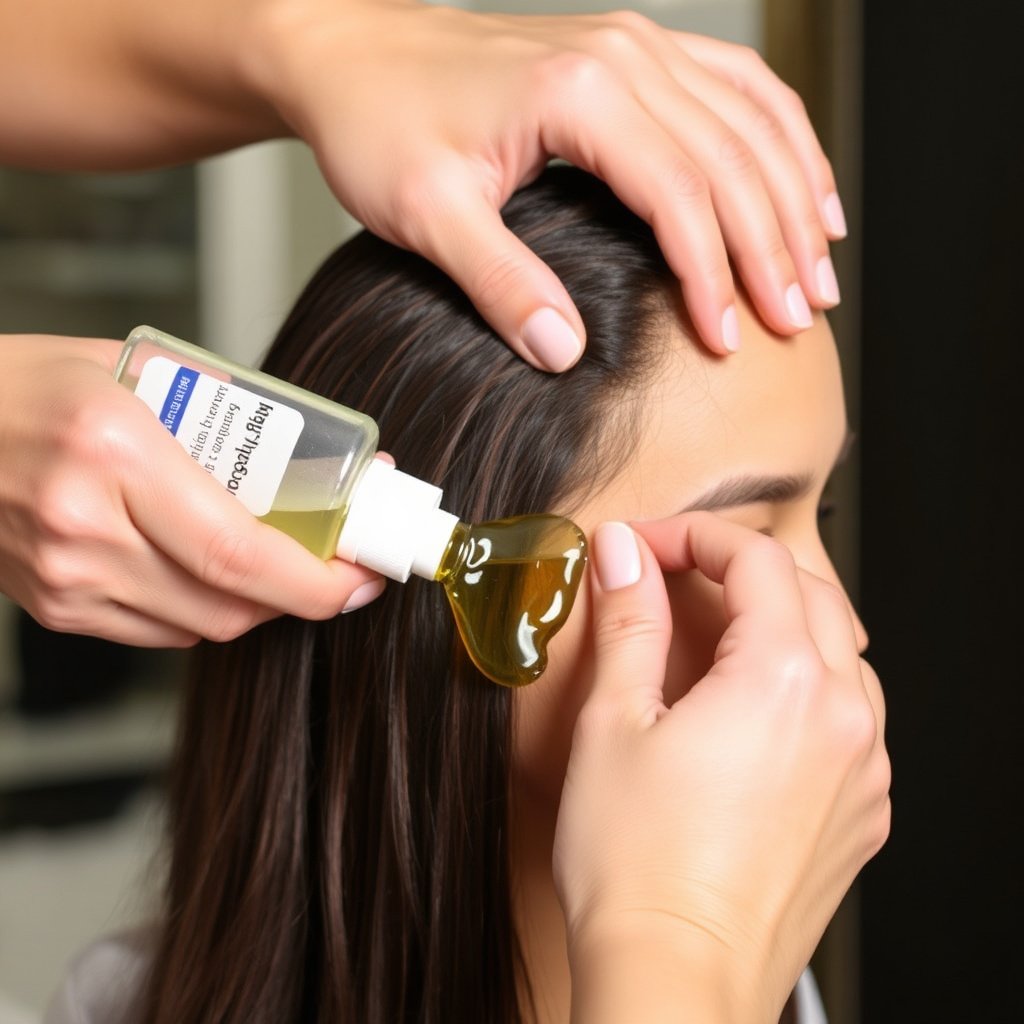
Cleaning Residual Glue from the Scalp
After removal, wash your scalp thoroughly with a gentle cleanser to eliminate any leftover adhesive residue. Residual glue can cause itching and clogged pores if not fully cleaned.
Using a clarifying shampoo occasionally helps prevent buildup, keeping your scalp healthy and comfortable.
- Use gentle/scalp-friendly shampoo
- Rinse thoroughly
- Apply clarifying shampoo weekly
Moisturizing and Protecting the Hairline
Apply soothing oils like jojoba or argan oil to hydrate and restore natural oils stripped during glue removal. This reduces irritation and promotes hair health along the hairline.
Avoid tight hairstyles immediately after removal to prevent stress on delicate newly exposed scalp areas.
- Use hydrating oils on hairline
- Avoid tight ponytails or braids
- Give scalp time to recover
Alternatives to Wig Glue for Secure Attachment
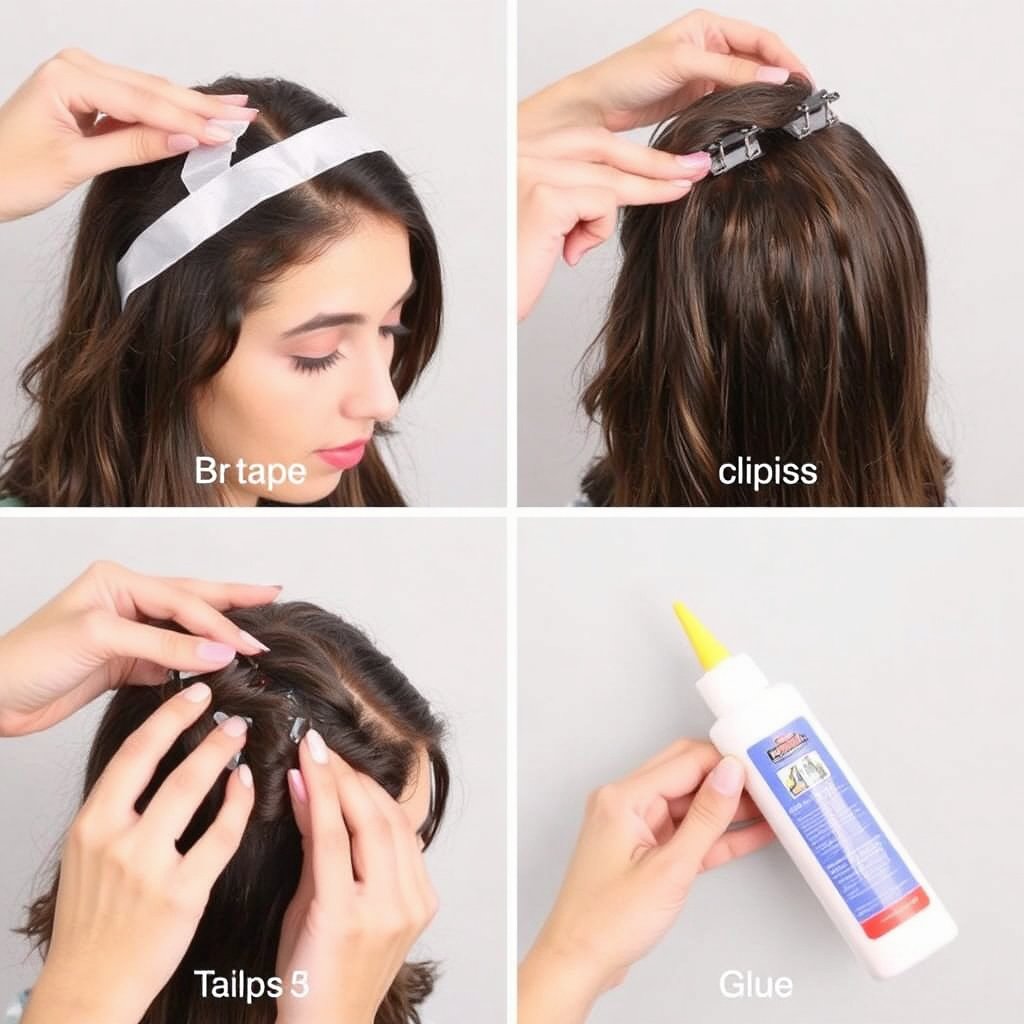
Using Wig Tape as a Less Aggressive Option
Wig tape offers a strong hold similar to glue but tends to be easier to remove without harsh chemicals. Tape residues can often be cleaned with alcohol-based removers designed for stickiness.
This method suits those with sensitive skin or who wear wigs frequently and want less scalp irritation.
- Strong hold with easier removal
- Less scalp irritation than glue
- Best for short-term wear
For more on this, see our related guide: Where to Buy Wigs Near Me: Your Local Shopping Guide.
Clip-In and Adjustable Wig Caps
For daily removability without adhesives, clip-in wigs or adjustable caps provide secure attachment using mechanical fasteners. These reduce glue exposure entirely but may be less discreet along the hairline.
They are ideal for temporary use or beginners who are not comfortable handling glue adhesives.
- No adhesives needed
- Quick attach and remove
- May show edges more visibly
Selecting the Best Adhesive Remover for Wigs

Factors to Consider for Safety and Effectiveness
Prioritize removers that specify scalp safety, hypoallergenic ingredients, and a gentle formulation. Some removers contain harsh solvents that can dry or irritate skin, so reading labels carefully helps prevent issues.
Effectiveness and ease of use are also key. Fast-acting removers reduce removal time, but slower natural options may be better for sensitive scalps.
- Check for hypoallergenic claims
- Avoid harsh solvents if sensitive
- Balance speed and gentleness
For a deeper understanding of lace front wigs and their maintenance, consult the lace front wig care guidelines. Lace front wig care guidelines.
Recommended Products and Natural Alternatives
Popular commercial removers include brands like Walker Tape Adhesive Remover and C-22 Solvent, praised for scalp-safe formulas. For natural use, coconut oil, olive oil, and jojoba oil are widely trusted for their adhesive breaking and moisturizing properties.
Choosing between commercial and natural depends on hair type, scalp sensitivity, and frequency of wig wear.
- Walker Tape Adhesive Remover
- C-22 Solvent
- Coconut and jojoba oils
Comparison of Wig Glue Removal Methods
This table compares popular methods to remove wig glue, focusing on effectiveness, scalp safety, and ease of use.
| Method | Effectiveness | Scalp Safety | Removal Time |
|---|---|---|---|
| Commercial Remover | High | Moderate to High (depending on formula) | 5-10 minutes |
| Natural Oils | Moderate | High | 10-20 minutes |
| Isopropyl Alcohol | Moderate to High | Low (can dry scalp) | 5-10 minutes |
| Warm Compress & Manual Removal | Low to Moderate | High | 20+ minutes |
Frequently Asked Questions
Can I use household oils to remove wig glue safely?
Yes, natural oils like coconut and olive oil break down wig glue gently and moisturize the scalp, making them a safe option for sensitive skin with slower removal times.
How often should I remove wig glue to protect my scalp?
Ideally, remove wig glue after each use or no longer than 7-10 days to prevent buildup, irritation, and hairline stress.
What should I do if I experience redness after removing wig glue?
Apply soothing aloe vera or moisturizing oil and avoid further adhesive use until your scalp fully heals. If symptoms persist, consult a dermatologist.
Is rubbing alcohol a good adhesive remover for wigs?
Rubbing alcohol can dissolve glue but may dry out and irritate the scalp if overused. Use it sparingly and follow with conditioning treatments.
Can I reuse a lace wig after removing glue?
Yes, but ensure you clean all glue residue from the lace using adhesive remover or oil to maintain the wig's adhesiveness and appearance.
Key Takeaways
- Use specialized adhesive removers or natural oils for safe wig glue removal
- Prepare your scalp by cleaning and drying before removal
- Avoid aggressive pulling to protect hair and skin
- Moisturize and care for your scalp after glue removal
Conclusion
Choosing the right method to remove wig glue balances effectiveness with gentleness to protect your hairline and scalp. Prioritize scalp-friendly approaches and avoid rushing the removal process to minimize damage. Understanding your wig adhesive type and skin sensitivity guides your best approach.
For strong hold adhesives, commercial adhesive removers provide fast, reliable glue breakdown, suitable for frequent wig wearers who need quick removal. Those with sensitive scalps or preferring natural remedies should consider oils like coconut or jojoba oil, which gently dissolve glue while nourishing the skin. Tape and clip-in wigs offer alternatives that reduce reliance on glue altogether.
Next time you need to remove wig glue, prepare by cleaning your scalp and selecting the remover that fits your comfort level. Work slowly, moisturize afterward, and consult professionals if persistent residues or skin irritation arise. Taking these mindful steps ensures your wigs stay secure without sacrificing scalp health.