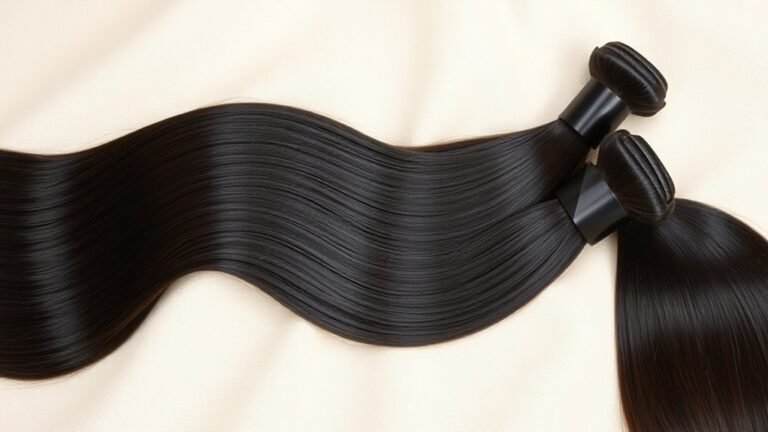
How to Hide Wig Lace Seamlessly for a Natural Look
Hiding wig lace effectively involves several techniques such as trimming excess lace close to the hairline, using adhesive or tapes for secure placement, and blending the lace color with your scalp tone either through makeup or lace tinting. Doing this creates a natural, undetectable finish that mimics your real scalp.
This process matters because improperly hidden lace can be obvious, making a wig look unnatural and drawing unwanted attention. Achieving a flawless lace application not only enhances your confidence but also gives your hairstyle a polished, professional appearance that lasts throughout the day.
In this article, we'll explore practical ways to prepare and cut the lace, compare adhesive options, discuss makeup tricks for color matching, and recommend maintenance tips to keep your lace looking invisible. Whether you’re new to wig styling or looking for refinement, these insights will help you master lace hiding.
Preparing the Wig Lace for a Natural Edge
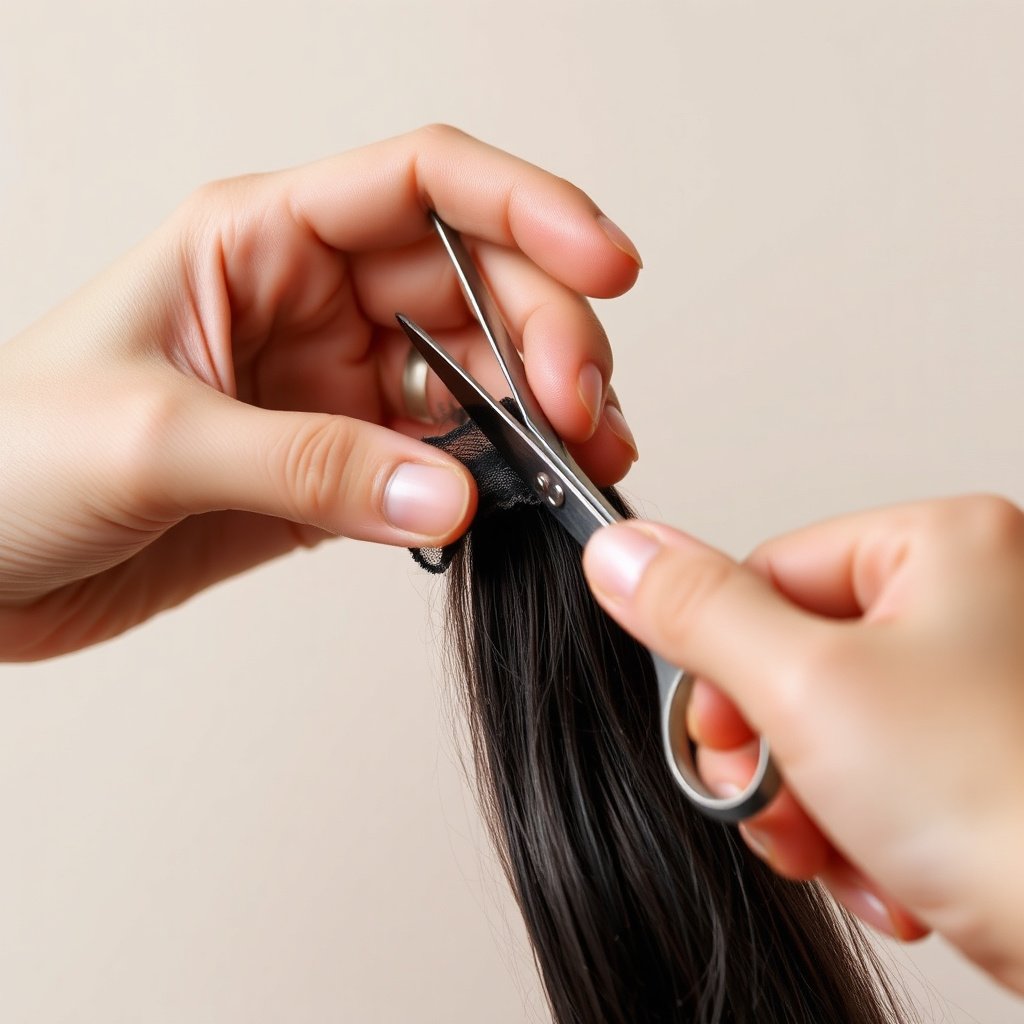
Trimming the Lace Perfectly
The first step to hiding wig lace is trimming it as close to the hairline as possible without cutting any hair strands. Use sharp, pointed scissors and work slowly to prevent jagged edges that could reveal the lace’s outline.
Cutting excess lace reduces bulk and helps the wig lay flat against your skin, making the edge less visible through clothing or in natural light.
- Cut in small sections for precision
- Leave about 1-2 mm from hairline hairs
- Avoid cutting too close to prevent lace tearing
Cleaning and Securing the Hairline
Before application, ensure your hairline and skin are clean and free of oils or products. This improves adhesion and helps the lace bond firmly.
Secure your natural hair by braiding or using a wig cap that matches your scalp color to keep everything smooth for the wig base.
- Use isopropyl alcohol swab to clean skin
- Choose a wig cap close to your skin tone
- Pin or braid natural hair flat under the cap
Choosing and Applying the Right Adhesive

Types of Adhesives for Lace Wigs
Common adhesives include lace glue, tape, and gel formulas, each with unique hold strength and removal properties. Lace glue offers a longer-lasting, waterproof bond, while tape is quick and less messy for short-term wear.
Selecting an adhesive depends on your skin sensitivity, wear duration, and activity level during use.
- Lace glue: strong, durable, waterproof
- Adhesive tape: easy to apply and remove
- Gel adhesives: flexible, skin-friendly
For more on this, see our related guide: U Part Wigs: A Complete Buying Guide.
Step-by-Step Adhesive Application
Apply a thin layer of adhesive along your hairline where the lace will sit. Wait a few minutes until it becomes tacky before carefully positioning the wig's lace edge to avoid shifting.
Utilize a fine-tooth comb or your fingers to press down the lace and ensure no air bubbles remain, sealing the lace to your skin for a virtually invisible finish.
- Apply adhesive carefully in thin lines
- Wait 1-3 minutes for adhesive tackiness
- Secure lace edges gently but firmly
Color Matching and Blending Techniques for Wig Lace

Tinting and Dyeing Lace
Tinting lace before application helps it blend seamlessly with your scalp color. Use lace tint sprays or dye solutions matched closely to your skin tone for best results.
This step reduces the contrast between lace and skin, making the lace virtually unnoticeable both indoors and outdoors.
- Test dye on a small lace patch first
- Apply thin, even layers for natural shade
- Let lace fully dry before handling
Makeup Tips for Blending Lace Edges
After applying the wig, use concealer or foundation that matches your skin to gently pat over the lace edges. This visual adjustment refines the hairline and compensates for any slight mismatches in lace tinting.
Setting powder can also help reduce shine on the lace, enhancing the natural appearance.
- Use buffing brushes for smooth finish
- Match makeup undertones with your skin
- Avoid thick layers to prevent cakiness
Maintaining and Caring for Hidden Lace

Regular Cleaning and Adhesive Removal
To avoid buildup and maintain the lace’s flexibility, clean your wig and scalp area regularly. Use specialized adhesive removers to safely loosen glue or tape without damaging the lace.
Proper removal prevents lace tearing, prolongs the wig’s lifespan, and keeps the hairline looking fresh.
- Use remover wipes or solvent liquid
- Peel lace off gently from one side
- Clean residual glue after removal
For more on this, see our related guide: Bob Wigs: A Complete Buying Guide.
Protecting Lace During Sleep and Storage
Cover your wig lace with a silk or satin scarf or bonnet to protect the lace edges from friction and tangling while you sleep.
Store your wig properly on a stand to maintain shape and prevent lace damage, especially after adhesive use.
- Use satin/silk to reduce friction
- Keep the wig dry and dust-free
- Avoid folding lace edges during storage
Advanced Techniques to Enhance Lace Concealment
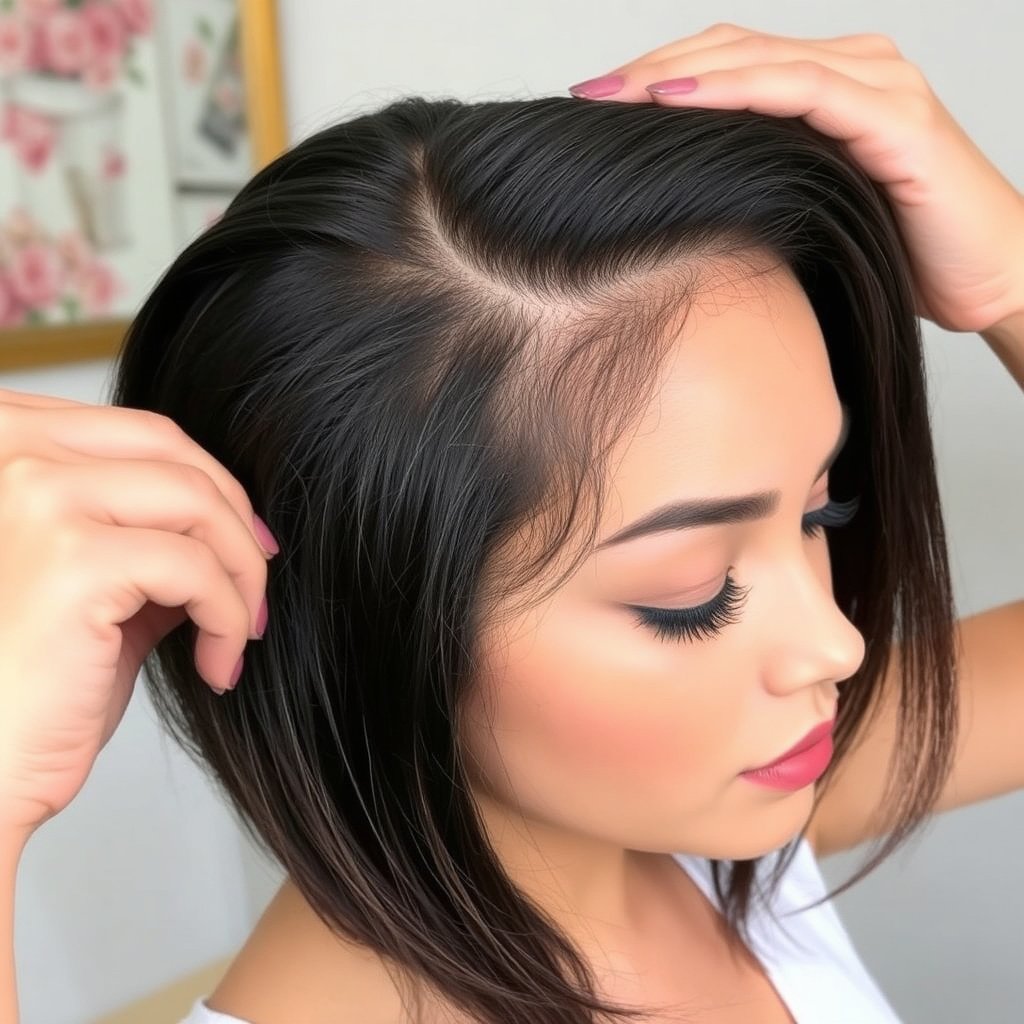
Styling Baby Hairs for Realism
Creating and styling baby hairs at the perimeter of the wig helps obscure the lace edge and simulate a natural hairline. Use a small brush and styling gel to lay these hairs flat against your skin.
Well-crafted baby hairs reduce the flat appearance of the lace and add dimension to your look.
- Cut shorter hairs intentionally at the front
- Use edge control gel for hold
- Avoid over-styling to maintain natural effect
For more detailed background on how lace wigs are constructed and applied, see this resource on lace wig application techniques on Wikipedia. lace wig application techniques on Wikipedia.
Using Scalp Foundations and Powders
Applying scalp foundation or powders on exposed parting spaces enhances the illusion of scalp beneath the wig, complementing the hidden lace edges. These products come in many shades to match diverse skin tones.
This method is especially helpful for fuller lace wigs or those with heavier density.
- Choose powder shades close to your skin tone
- Apply with a small sponge or brush
- Blend gently to avoid harsh lines
Comparison of Common Wig Lace Concealment Methods
Here’s a quick comparison of popular lace hiding methods based on ease, durability, and natural appearance.
| Method | Hold Duration | Skill Level Required | Natural Look | Removal Ease |
|---|---|---|---|---|
| Lace Glue | Up to 2 weeks | Intermediate | Very Natural | Difficult |
| Adhesive Tape | 1-5 days | Beginner | Natural | Easy |
| No Adhesive (Cut and Secure) | Several hours | Beginner | Moderate | Very Easy |
| Gel Adhesives | 3-7 days | Intermediate | Natural | Moderate |
| Silicone-Based Adhesives | 1-2 weeks | Advanced | Very Natural | Difficult |
Frequently Asked Questions
Can I hide wig lace without using adhesive?
Yes, trimming the lace carefully and using a well-fitted wig cap or straps can reduce lace visibility, but adhesive methods provide a longer-lasting, more natural hold.
How often should I clean the lace and adhesive residue?
Cleaning after every 1 to 2 wears is recommended to avoid buildup that can damage the lace or irritate the skin.
Is it safe to use makeup on wig lace edges?
Applying foundation or concealer on lace edges is safe if you use cosmetic products formulated for skin and remove them gently at the end of the day.
What is the best way to match lace color to my scalp?
Lace tinting sprays and shaded makeup powders work well to blend the lace with your skin tone, ensuring less visible edges.
Can lace glue cause skin irritation?
Some lace glues may cause irritation, especially on sensitive skin. Patch testing adhesives before full use helps avoid allergic reactions.
Key Takeaways
- Trim lace carefully to minimize visibility before application.
- Choose an adhesive suited to your wear time and comfort.
- Use makeup and tinting to blend lace into your skin tone naturally.
- Maintain and clean the lace regularly to extend wig life.
Conclusion
Hiding wig lace hinges on preparation, selection of appropriate adhesives, and blending techniques that fit your lifestyle and skill level. Careful trimming and securing lace with adhesives or tapes create a solid base, while makeup and tinting refine the look. Patience in these steps leads to a highly natural and durable lace wig application that boosts your confidence and style.
For those seeking long wear with a seamless look, glue or silicone-based adhesives combined with lace tinting provide some of the best results. Beginners or short-term users may prefer adhesive tapes or no-adhesive methods paired with makeup blending for quick and easy lace concealment. Styling baby hairs and using scalp foundations can further elevate any approach for customized realism.
Begin your lace hiding with a thorough lace trim and a clean scalp area, then test adhesives carefully to pick a method that feels secure and comfortable. Experiment with powder and tint options to find your perfect match. These steps will help you achieve a natural lace finish that is virtually undetectable and fit for everyday wear.