Human Hair vs Synthetic Wigs: Key Differences Explained
The primary difference between human hair and synthetic wigs lies in the material composition: human hair wigs are made from real hair collected from donors, while synthetic wigs are crafted from man-made fibers designed to mimic natural hair. This fundamental distinction affects how the wigs look, feel, and perform in various settings.
Human hair wigs offer an authentic appearance and can be styled with heat tools or dyed, making them highly versatile and long-lasting with proper care. In contrast, synthetic wigs require less maintenance, hold their style without daily effort, and come at a more affordable price point, but lack the same natural movement and heat resilience.
This article explores the various aspects that set human hair and synthetic wigs apart—covering appearance, durability, styling options, maintenance needs, and cost—to help you decide which wig type best fits your personal style and routine.
Material Composition and Texture Differences
What Human Hair Wigs Are Made Of
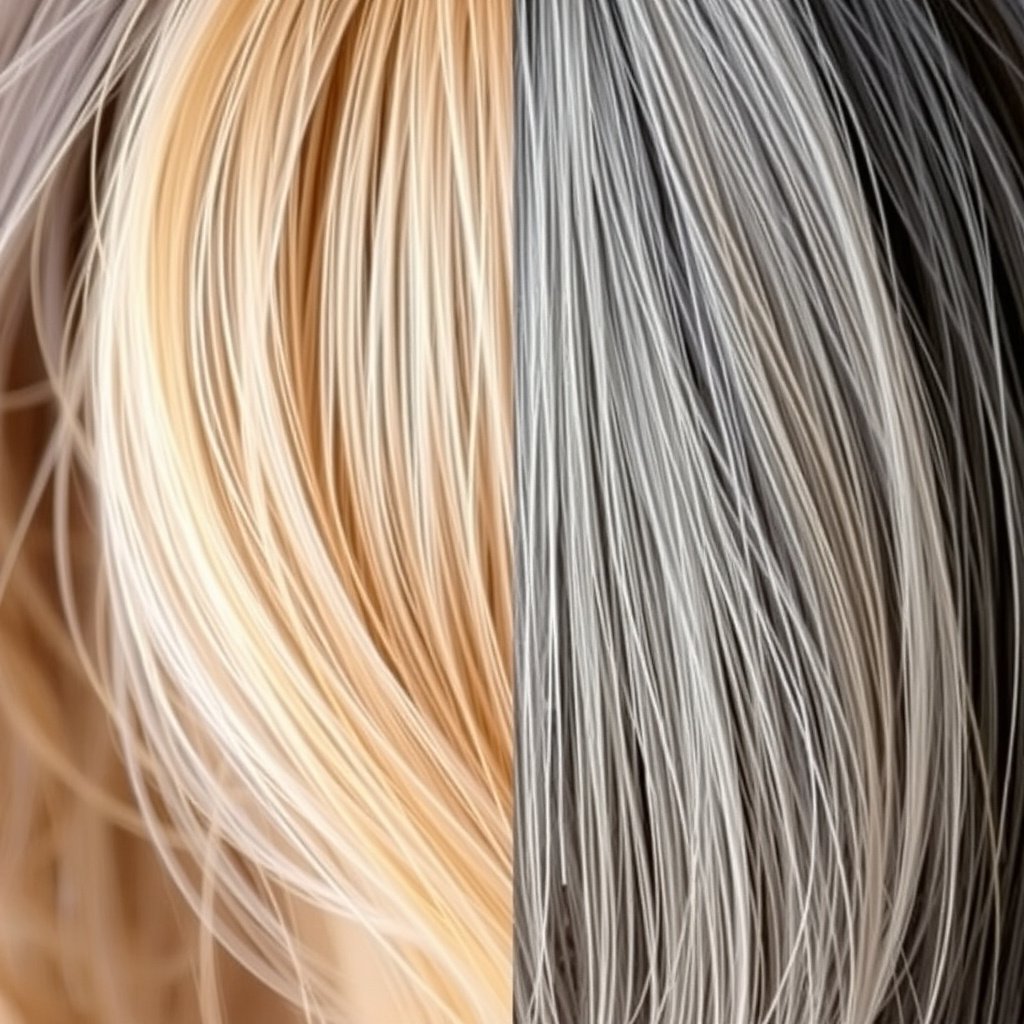
Human hair wigs are constructed from thousand-year-old real hair strands sourced from donors worldwide. These strands maintain the natural cuticle layers, allowing them to mimic genuine hair's texture, shine, and flexibility. Because each strand is unique, human hair wigs exhibit natural movement and can feel soft and lifelike.
These wigs can be smooth, curly, or wavy depending on the donor’s hair type, and they respond well to styling treatments, such as straightening, curling, or coloring, offering broad versatility to match any look.
Synthetic Wig Fibers and Their Feel
Synthetic wigs consist of fibers like Kanekalon or Toyokalon, engineered to simulate hair shafts with varying degrees of shine and texture. The fibers are often made from polyester, acrylic, or polyvinyl, structured to hold specific styles from the factory.
While synthetic hair has improved dramatically over time, these fibers tend to have a more plastic-like feel and less natural bounce. They are pre-styled, so they typically don’t react well to heat or chemical treatments.
Styling and Heat Resistance
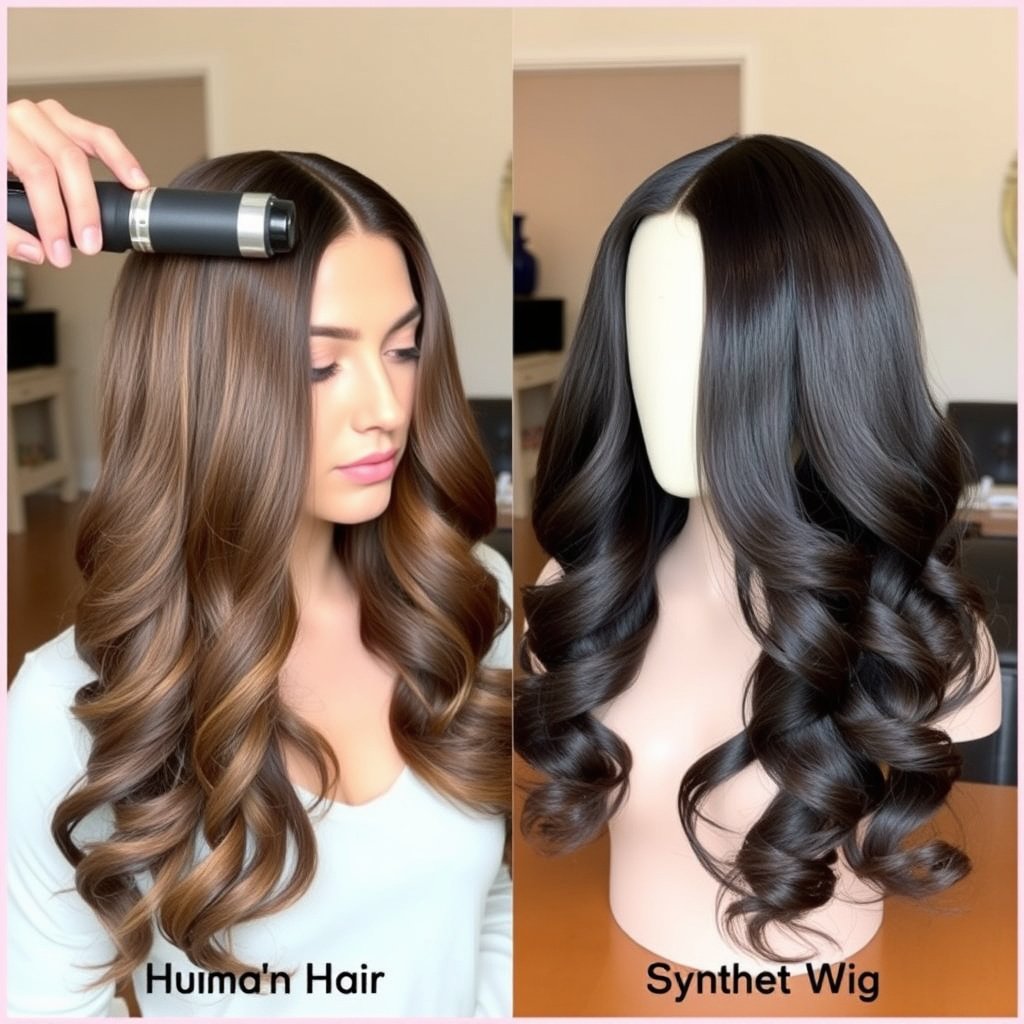
How Human Hair Wigs Respond to Styling
Human hair wigs can be styled using regular heat tools such as curling irons, straighteners, and blow dryers without damaging the hair if heat is applied properly. This allows users to change their appearance frequently and experiment with different looks similarly to their natural hair.
Color treatments and chemical styling are also possible, though these processes require care and professional expertise to avoid damaging the wig fibers or reducing its lifespan.
- Heat styling safe with precautions
- Can be dyed or chemically treated
- Supports versatile styles
Styling Limitations of Synthetic Wigs
Most synthetic wigs are not designed for heat styling since high temperatures can melt or deform synthetic fibers. Only specially labeled heat-resistant synthetic wigs allow some level of heat styling using low or moderate settings.
The fibers come pre-styled and retain shape even after washing, which is convenient for daily wear but limits ability to customize the look beyond minor adjustments.
- Pre-styled curls or waves
- Limited or no heat styling
- Easy shape retention
Durability and Lifespan
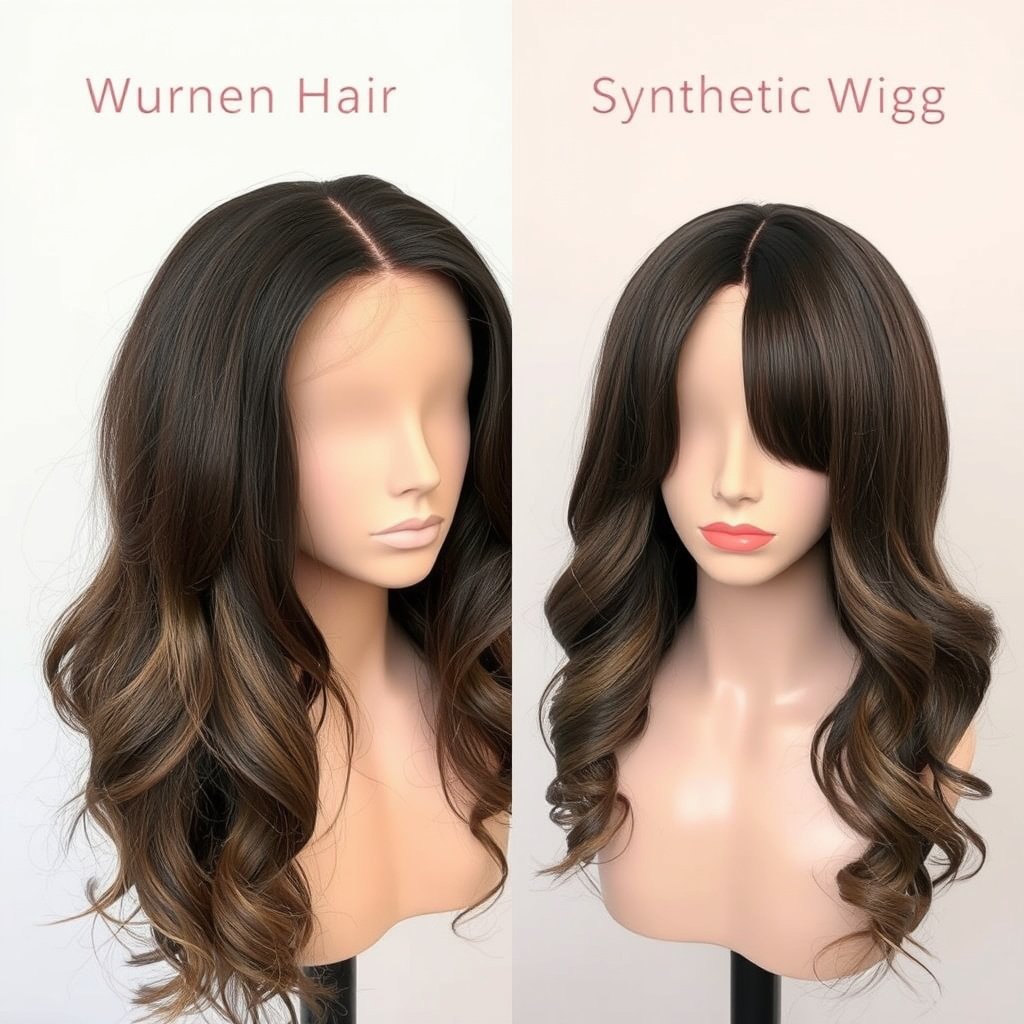
Lifespan of Human Hair Wigs
With proper care, human hair wigs typically last from one to three years. They are more durable and repairable than synthetic wigs, allowing for trimming, re-styling, and occasional professional maintenance to keep them looking natural.
However, they require more attention in washing, conditioning, and protection from environmental damage to maintain their longevity.
- 1–3 years lifespan
- Requires regular maintenance
- Possible professional repairs
For more on this, see our related guide: How Long Do Human Hair Wigs Last? A Detailed Lifespan Guide.
Durability Expectations for Synthetic Wigs
Synthetic wigs usually last around 4 to 6 months with regular use, although occasional wear can extend this. Their fibers are more prone to tangling, frizzing, and permanent shape loss due to friction and environmental exposure.
Despite lower longevity, they need less intense care and typically come ready-to-wear right out of the box.
- 4–6 months typical lifespan
- Less maintenance required
- More prone to fiber damage
Maintenance and Care Requirements
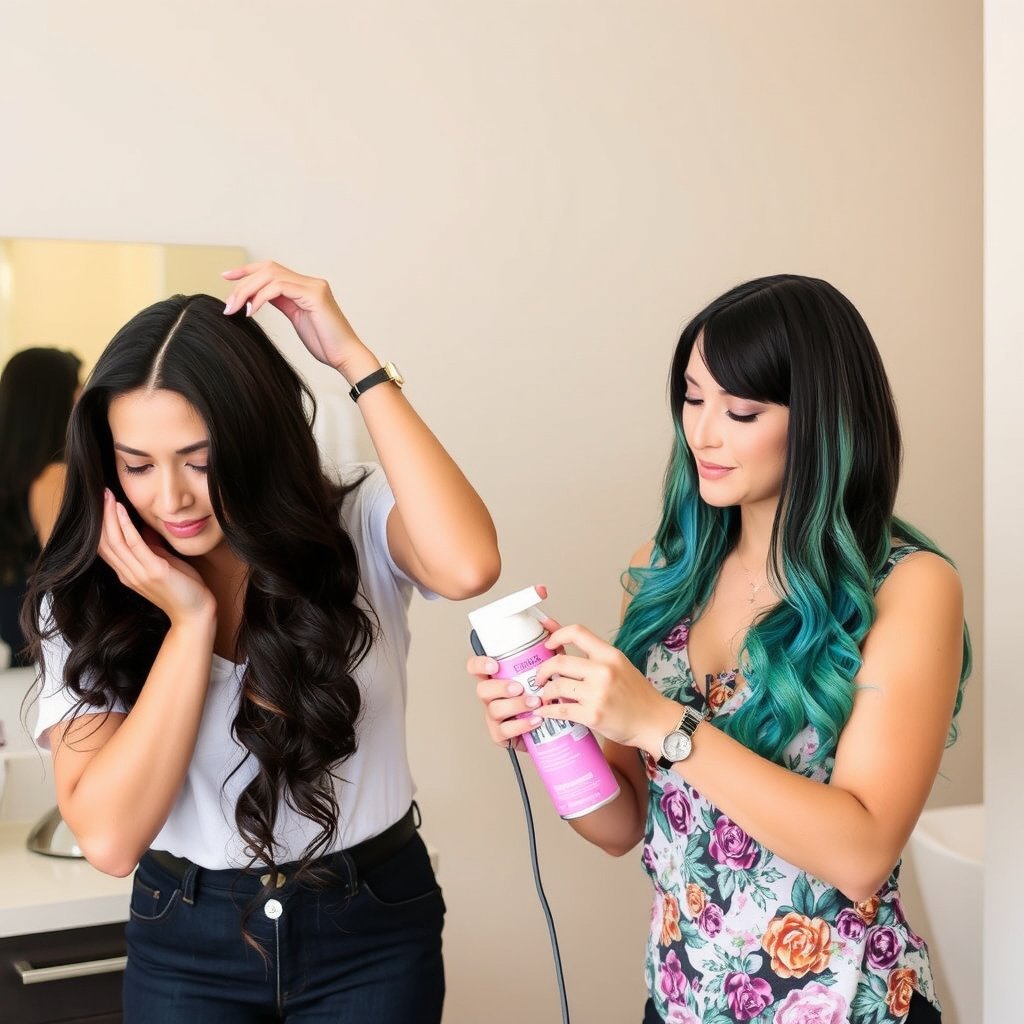
Caring for Human Hair Wigs
Human hair wigs need shampooing, conditioning, and occasional deep treatments similar to natural hair. Using sulfate-free products and gentle brushes helps preserve cuticle integrity, and air-drying or low-heat drying prevents damage.
Storing the wig properly on a stand and minimizing exposure to sun or chlorine extends its life and appearance quality.
- Sulfate-free shampoo and conditioner
- Gentle detangling
- Proper storage conditions
Maintaining Synthetic Wigs
Synthetic wigs require washing less frequently due to their ability to hold styles and resist oily buildup. Cold water and wig-specific shampoo maintain the fibers without causing frizz or matting.
After washing, synthetic wigs should be reshaped and air-dried away from heat to retain their factory styles.
- Cold water wash
- Use synthetic wig shampoo
- No heat drying
Cost Considerations When Choosing Wigs
Investment in Human Hair Wigs
Human hair wigs generally demand a higher upfront investment due to sourcing, processing, and quality. The premium cost reflects their lifelike appearance and styling flexibility, along with longer lifespan.
Expect prices to vary widely based on hair origin, length, and density, with luxury segments reaching several thousand dollars.
- Higher purchase cost
- Long-term value
- Varies by hair quality and length
For more on this, see our related guide: How to Wear a Wig: A Complete Guide for a Natural Look.
Affordability of Synthetic Wigs
Synthetic wigs offer a budget-friendly alternative, often costing a fraction of human hair wigs. This makes them appealing for casual wearers, costume use, or those who want style variety without deep expense.
Lower replacement frequency due to shorter lifespan may increase cost over time but initial savings remain significant.
- Lower initial price
- Good for style variety
- May require frequent replacement
Choosing Between Human Hair and Synthetic Wigs
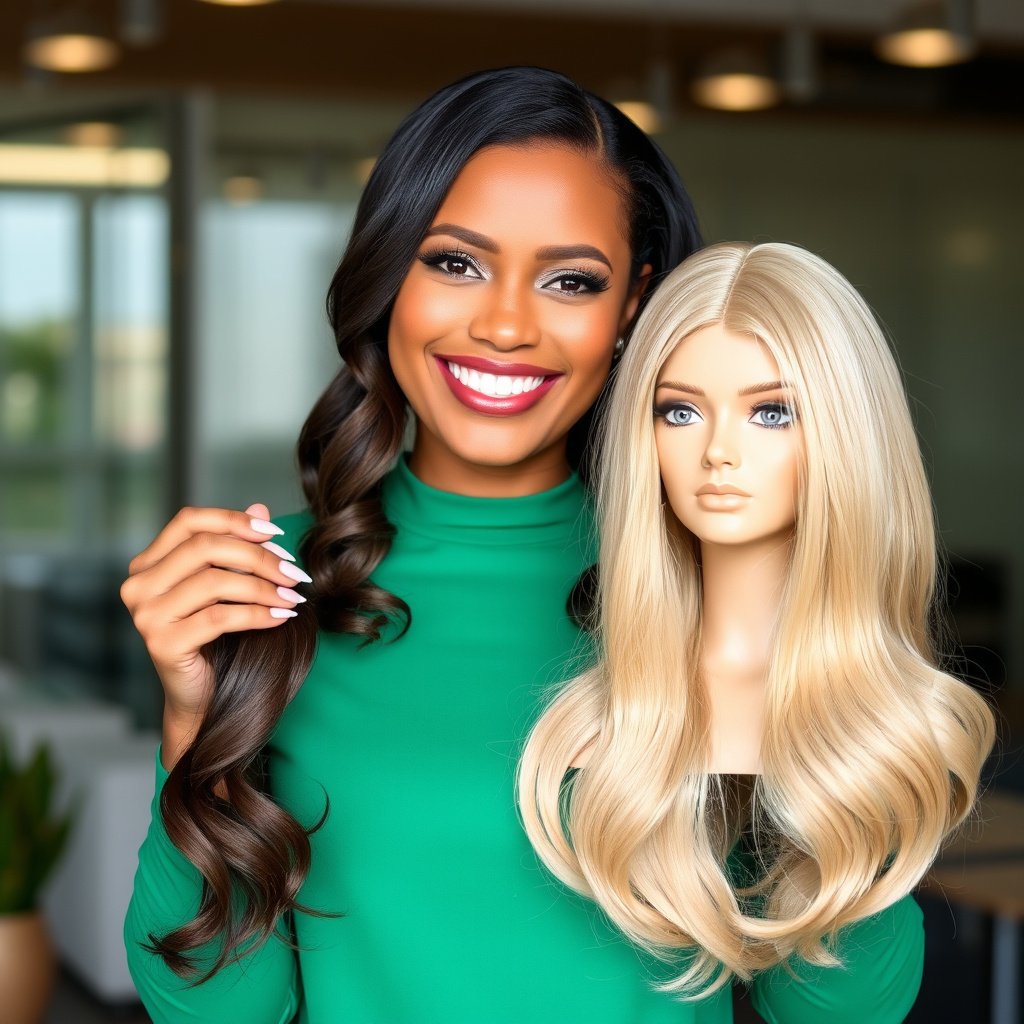
Lifestyle and Purpose Considerations
Selecting a wig type depends greatly on wearer lifestyle and usage patterns. Those needing daily, flexible styling or natural look may prefer human hair wigs due to their authenticity and heat resistance.
Conversely, synthetic wigs suit users looking for ease, lower maintenance, and preset styles, ideal for occasional or theatrical use.
For a thorough background on wig types and history, see the wigs overview at Wikipedia. wigs overview at Wikipedia.
Budget and Maintenance Preferences
Budget constraints and willingness to invest time in care also heavily influence the choice. While human hair wigs cost more upfront and require ongoing maintenance, synthetic wigs provide a ready-made style with minimal upkeep at a lower price point.
Balancing price, convenience, and desired appearance will guide buyers toward the best decision.
Human Hair vs Synthetic Wigs Category Comparison
Here is a clear comparison table highlighting key differences between human hair and synthetic wigs across critical factors.
| Category | Human Hair Wigs | Synthetic Wigs |
|---|---|---|
| Material | Real human hair from donors | Man-made fibers (Kanekalon, Toyokalon) |
| Styling | Heat styling and dyeing possible | Pre-styled, limited heat resistant versions |
| Lifespan | 1 to 3 years with care | 4 to 6 months typical |
| Maintenance | Regular shampoo, conditioning needed | Less frequent washing; air dry only |
| Cost | High initial investment | Affordable, lower upfront cost |
| Appearance | Natural look and texture | Less natural, shinier fibers |
Frequently Asked Questions
Can synthetic wigs be styled with heat tools?
Most synthetic wigs cannot tolerate heat styling unless specifically labeled heat-resistant. Using heat on standard synthetic wigs risks melting the fibers.
How long do human hair wigs usually last?
Human hair wigs generally last between one to three years with proper maintenance, depending on usage and care routines.
Are synthetic wigs easier to maintain than human hair wigs?
Yes, synthetic wigs require less maintenance because they hold their style and do not need frequent washing or conditioning compared to human hair wigs.
Which wig type looks more natural?
Human hair wigs provide a more natural appearance and realistic texture because they use actual hair strands, unlike synthetic fibers.
Is it possible to dye synthetic wigs?
Synthetic wigs cannot be dyed with traditional hair dyes because their fibers do not absorb color like human hair; coloring is generally not recommended.
Key Takeaways
- Human hair wigs offer superior natural appearance and styling flexibility.
- Synthetic wigs are budget-friendly and require less maintenance.
- Heat styling is only safe on human hair or heat-resistant synthetic wigs.
- Lifespan varies significantly: human hair wigs last longer than synthetic ones.
Conclusion
Choosing between human hair and synthetic wigs hinges primarily on your lifestyle preferences, styling needs, and budget. Human hair wigs provide versatility and natural aesthetics but demand higher investment in both cost and care. Synthetic wigs offer convenience and affordability but have inherent styling and durability limitations. Evaluating these factors based on how often you wear the wig and how much effort you want to spend on upkeep will lead you to the best wig type for your personal circumstances.
For those prioritizing realistic look and the ability to customize styles freely, human hair wigs stand out as the ideal option. They are excellent for everyday use, special events, or anyone wanting a natural feel that integrates seamlessly with their appearance. Conversely, if you're seeking a cost-effective, low-maintenance wig for casual wear or themed occasions, synthetic wigs meet those needs well and offer a wide variety of ready-to-go styles.
Before making a final purchase, consider trying on both types if possible and examining factors like comfort, styling options, and maintenance requirements in person. Starting with your typical daily routine and desired styling versatility will clarify which wig aligns best. This approach helps you invest confidently, ensuring satisfaction with your wig choice over time.