Hair Texturizer: A Complete Buying Guide
Struggling to find the perfect way to soften and manage your curls without losing their natural bounce? You’re not alone. Many people with curly or coarse hair wish for defined, manageable curls that don’t feel weighed down or damaged.
That’s where a hair texturizer comes in—offering a gentle solution to enhance your curl pattern without harsh chemicals.
If you want softer, more manageable curls, a hair texturizer is your go-to product. It gently loosens your natural curl pattern using milder chemicals, unlike stronger relaxers, so it keeps your hair’s bounce and volume.
Ideal for curly or coarse hair, you should apply it carefully and space treatments every 6 to 8 weeks to avoid damage. Knowing the right ingredients and application tips will help you choose the best texturizer and maintain healthy, defined curls effortlessly.
Investigate how to do it safely and effectively.
Key Takeaways
- Hair texturizers loosen natural curls for softer, manageable hair. They’re ideal if you have curly, coarse, or wavy textures.
- Texturizers use milder chemicals than relaxers. This helps preserve your hair’s volume and bounce, plus they work with shorter processing times.
- For safe application, always do patch tests and wear gloves. Use even sectioning, apply petroleum jelly on the hairline, and stick to the timing strictly.
- You should reapply texturizers every 6 to 8 weeks, but keep an eye on your hair’s health. Avoid common mistakes like overusing the product or skipping tests.
- You can buy hair texturizers at drugstores, beauty supply shops, or online. Prices usually range from $10 to $30.
What Is a Hair Texturizer and How Does It Work
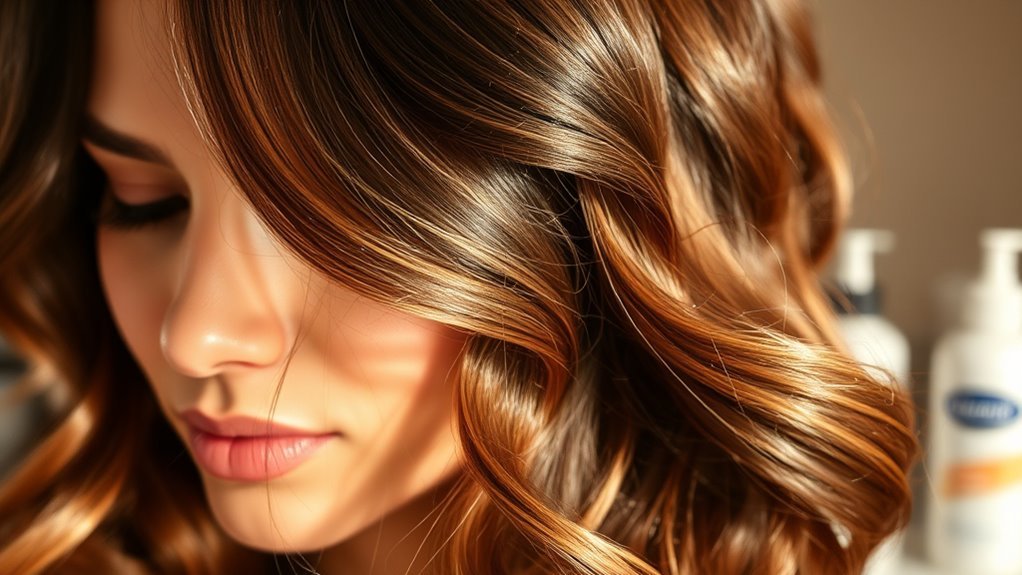
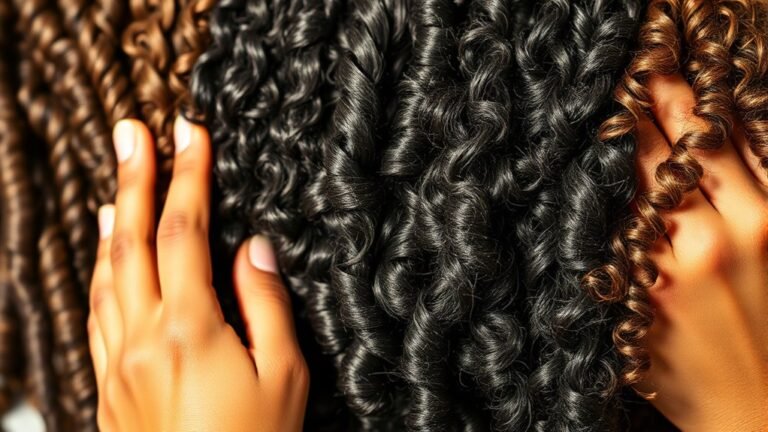
A hair texturizer is a chemical product designed to loosen your natural curl pattern without fully straightening your hair. If you have curly hair and want a softer, more manageable texture, this product can be a great option.
When considering product selection, pay close attention to ingredient benefits. Look for formulas that nourish and protect hair health while delivering the desired texture change. Application techniques are essential; applying it evenly and following timing guidelines guarantees consistent results without damage.
Your maintenance routines should include gentle cleansing and deep conditioning to keep your curls hydrated and resilient. Many user testimonials highlight how texturizers offer versatile styling options, allowing you to switch between loose waves and defined curls easily.
Texturizers vs. Relaxers: What’s the Difference?
You might be curious about how texturizers and relaxers differ in their chemical makeup and what they do to your hair’s texture. Well, each one uses a special formula that changes the way your curls or waves look and feel.
Understanding these differences can really help you pick the right product for your hair. Plus, it makes the whole application process easier to follow and less confusing.
Chemical Composition Differences
Although both texturizers and relaxers alter hair structure, they differ greatly in chemical composition and strength. Texturizers use milder chemicals, often with lower concentrations of active ingredients like sodium hydroxide or calcium hydroxide. This slows down the chemical reactions that break down hair bonds.
This gentler formula helps you achieve softer texture changes with less damage risk. Relaxers, on the other hand, contain stronger alkaline agents designed to fully straighten hair quickly by aggressively breaking disulfide bonds.
When choosing between them, ingredient safety is essential. Texturizers tend to be safer for frequent use and sensitive scalps due to their reduced harshness. Understanding these chemical differences helps you pick the right product that balances desired results with maintaining healthy hair integrity.
Effects on Hair Texture
When you want to alter your hair’s texture without fully straightening it, texturizers offer a gentler option compared to relaxers. Texturizers slightly loosen your natural curl pattern, enhancing curl definition rather than eliminating curls altogether.
This means you keep some of your hair’s natural bounce and volume, avoiding the flatness that relaxers often cause. Many texture myths suggest that texturizers damage hair as much as relaxers, but in reality, texturizers use milder chemicals and shorter processing times, reducing harm.
Relaxers, on the other hand, break down curls completely for a sleek, straight finish. Understanding these differences helps you choose the right product based on how much curl definition you want to maintain versus how straight you want your hair to be.
Application Process Variations
Understanding how texturizers and relaxers affect your hair’s texture also means knowing their application differences. Both products alter curl patterns but use distinct application techniques and product combinations. Texturizers are milder and often left on for shorter times to loosen curls slightly, while relaxers fully straighten hair with stronger formulas.
Here’s how their application varies:
- Texturizers require quick, even application to avoid over-processing.
- Relaxers need precise sectioning and careful timing to prevent scalp irritation.
- Texturizers often combine with moisturizing agents to protect hair integrity.
- Relaxers may include neutralizing shampoos to stop chemical action after processing.
Knowing these differences helps you choose the right method for your desired look and hair health.
Is a Hair Texturizer Right for Your Hair Type?
You’ll want to think about your hair type before picking a texturizer to get the best results. Texturizers are great because they enhance your natural texture without completely straightening your hair. So, let’s take a look at how they can work with different hair types and give your look a nice boost.
Hair Type Compatibility
Although hair texturizers can boost your style, they aren’t suitable for every hair type. You need to evaluate your hair’s natural texture and condition before applying one.
If you have:
- Curly hair or coarse hair, texturizers can help loosen curls without straightening completely.
- Wavy hair or thick hair, texturizers improve manageability and definition.
- Fine hair or thin hair, use caution; texturizers may weigh your hair down or cause damage.
- Color treated hair or damaged hair, avoid harsh formulas to prevent further weakening.
For natural hair, always pick a gentle texturizer designed for your specific needs. Avoid products that can strip moisture or worsen damage, so your hair stays healthy and vibrant.
Texture Enhancement Benefits
Texture improvement offers a quick way to reshape your hair’s natural pattern, giving you more styling options and a refreshed look. Using a hair texturizer improves curl definition without harsh chemicals, helping you accept your natural texture.
It also dispels common texture myths, like the idea that textured hair can’t be smooth or manageable.
Here’s a quick look at the benefits to see if a texturizer fits your hair type:
| Benefit | What It Means for You |
|---|---|
| Curl Definition | Improves natural curls gently |
| Manageability | Eases styling and reduces frizz |
| Versatility | Allows varied looks |
| Moisture Retention | Keeps hair hydrated |
| Texture Myths Debunked | Empowers you with knowledge |
If you want defined, manageable hair without drastic changes, a texturizer might be your best choice.
Key Ingredients That Soften and Loosen Curls
Several key ingredients work wonders to soften and loosen curls, making your hair more manageable and defined. These components are essential for effective softening techniques that improve curl definition without causing damage.
When you look for a hair texturizer, keep an eye out for these powerful ingredients:
- Glyceryl Monothioglycolate: This is the active ingredient in many mild texturizers, gently loosening curls while maintaining hair strength.
- Lanolin: A natural moisturizer that smooths hair cuticles, helping curls stay soft and frizz-free.
- Hydrolyzed Proteins: These repair and strengthen hair fibers, improving overall elasticity and curl pattern.
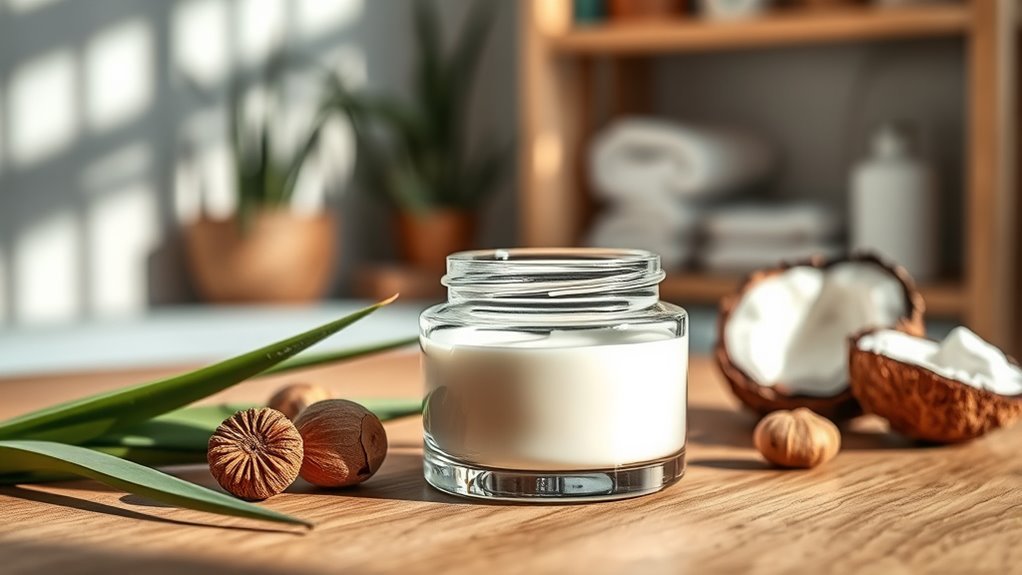
- Aloe Vera: Known for its soothing properties, it hydrates and softens curls, making them easier to style.
Choosing the Best Hair Texturizer for Your Hair Type
Understanding the ingredients that soften and loosen curls helps you make a smarter choice when picking a hair texturizer. Your hair type plays an essential role in selecting the right product. For fine or thin hair, opt for lightweight formulations that won’t weigh your strands down.
Knowing your hair type and ingredient effects is key to choosing the perfect texturizer.
Coarser or thicker hair benefits from stronger texturizing agents designed to relax tight curls effectively. If you prefer gentle care, investigate natural alternatives like plant-based oils or aloe vera blends, which offer mild texturizing effects without harsh chemicals.
These options suit sensitive scalps and those seeking to avoid damage. Besides product selection, consider combining texturizing techniques such as partial application or blending with your natural curl pattern to achieve more natural-looking results.
Tailoring your approach guarantees your hair remains healthy and stylish.
How to Apply Hair Texturizer Safely
Before you apply a hair texturizer, make certain to perform a patch test to check for any allergic reactions or scalp sensitivity. Taking safety precautions seriously helps protect your scalp and hair health.
When you’re ready to apply, follow these key application techniques:
Wear gloves to prevent chemical contact with your skin.
Apply petroleum jelly along your hairline to avoid irritation.
Section your hair evenly for consistent application.
Use a timer to leave the texturizer on only as long as recommended.
Apply the texturizer quickly and evenly, working from the roots to the ends. Avoid overlapping on previously treated hair to prevent damage. Rinse thoroughly with cool water once the processing time is up to neutralize chemicals.
Following these safety precautions and application techniques guarantees you get the texture you want without harming your hair or scalp.
How Often Should You Use a Hair Texturizer?
Once you’ve mastered applying a hair texturizer safely, the next step is figuring out how often you should use it. Frequency guidelines typically suggest reapplying every 6 to 8 weeks, depending on your hair’s texture and growth rate. Using it too often can lead to damage, while waiting too long might reduce the desired effect.
Pay attention to your hair’s health and how it responds to the treatment. Stick to application tips like performing a strand test before each use and avoiding overlap on previously treated hair. This helps maintain hair integrity and prevents over-processing.
Also, moisturizing and conditioning regularly between treatments will keep your hair strong and manageable. By following these frequency guidelines and application tips, you’ll maintain the texture you want without compromising your hair’s health. Remember, consistency and care go hand in hand when using a hair texturizer effectively.
Common Mistakes to Avoid When Using Hair Texturizers
Many people make simple mistakes when using hair texturizers that can lead to damage or unsatisfactory results. To protect your hair health, you need to be mindful of common pitfalls. One major mistake is ignoring the recommended application timing. Leaving the product on too long can cause breakage.
Another mistake is applying texturizers on dirty or oily hair, which reduces effectiveness. Skipping a patch test is risky since allergic reactions can occur. Finally, overusing texturizers can weaken your hair over time.
Avoid these common errors:
- Not following precise application timing
- Applying on unwashed or heavily conditioned hair
- Neglecting to do a patch test beforehand
- Using texturizers too frequently without breaks
Styling and Maintenance Tips After Using Hair Texturizers
Maintain your hair’s health and style by adopting proper care routines after using hair texturizers. Start with gentle scalp care to keep your roots healthy and avoid buildup. Incorporate hydration essentials like leave-in conditioners and moisturizing creams to prevent dryness.
Gentle scalp care and hydration with leave-in conditioners are essential for healthy, moisturized hair after texturizing.
For styling techniques, use lightweight styling tools that minimize heat damage, and always apply heat protection before using any hot tools. Focus on curl definition by using curl-enhancing products that provide frizz control without weighing your hair down.
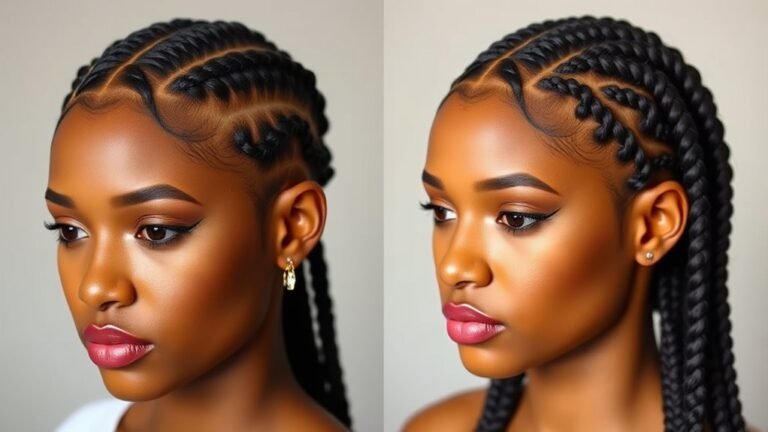
Follow consistent maintenance routines by washing with sulfate-free shampoos and conditioning regularly to maintain softness and manageability. Protective styles, such as braids or twists, can help reduce breakage and preserve your texture.
For product recommendations, look for those specifically formulated for chemically treated or textured hair to support strength and shine. By combining these tips, you’ll enjoy well-maintained, vibrant hair that highlights the benefits of your hair texturizer.
Where to Buy Hair Texturizers and Prices to Expect
You can find hair texturizers at most drugstores, beauty supply shops, and online retailers. Prices usually range from $10 to $30, depending on the brand and the size of the product.
Knowing where to shop and what to expect can really help you make the best choice for your hair needs. So, take a little time to explore your options before deciding!
Popular Retail Locations
Finding the right hair texturizer is easier when you know where to look. Retail trends show that both online and physical stores cater to diverse customer preferences. They offer popular brands with detailed user reviews and product comparisons. You’ll find that seasonal sales often make these products more affordable.
Consider these popular retail locations:
- Online marketplaces for wide selection and user feedback
- Local salons offering professional-grade texturizers and advice
- Beauty supply stores with expert staff and brand variety
- Major retail chains featuring seasonal discounts and promotions
Price Range Overview
Several factors influence the price of hair texturizers, including brand reputation, ingredients, and product size. When you shop, expect prices to range from around $5 for basic formulas to $30 or more for premium options. Doing a cost comparison helps you find the best deal without sacrificing quality.
For reliable brand recommendations, consider well-known names like SoftSheen-Carson or Dark and Lovely, which balance effectiveness and affordability. You can buy hair texturizers at beauty supply stores, drugstores, or online retailers like Amazon. Online shopping often offers discounts and bulk-buy options.
Keep in mind that smaller bottles cost less upfront but might be pricier per ounce. By comparing costs and brands, you’ll make a smart purchase that fits your budget and hair needs.
Frequently Asked Questions
Can Hair Texturizers Cause Hair Loss Over Time?
Yes, hair texturizers can cause hair loss over time if you’re not careful. The product ingredients often contain strong chemicals that may weaken your hair strands and irritate your scalp, affecting your hair health negatively.
To minimize risks, you should choose texturizers with gentler ingredients and follow usage instructions closely. Taking care of your scalp and avoiding overuse helps maintain your hair’s strength and prevents unnecessary hair loss.
Are Hair Texturizers Safe for Color-Treated Hair?
About 60% of people with color-treated hair worry about damage from styling products. Yes, hair texturizers can be safe for color-treated hair if you focus on color preservation and use gentle application techniques.
Avoid overlapping the product on previously treated areas, and don’t leave it on too long. Always do a strand test first. This way, you’ll maintain your vibrant color while enjoying added texture without unnecessary damage.
How Long Does a Hair Texturizer Treatment Last?
A hair texturizer treatment usually lasts about 6 to 8 weeks, depending on your hair growth and texture. Your chosen application methods, like cream or lotion formulas, can affect how evenly it works.
To keep results fresh, follow maintenance tips such as using sulfate-free shampoos and deep conditioning regularly. Avoid over-washing and heat styling to prevent damage, helping your texture stay defined and manageable longer.
Can Children Safely Use Hair Texturizers?
Think of your child’s hair as a delicate flower. Nurturing its natural beauty is key.
Generally, you shouldn’t use hair texturizers on children because they can harm their hair health, causing irritation or damage. Instead, you can look into alternatives like gentle moisturizing shampoos or natural styling methods. These help keep their hair strong and vibrant.
Prioritize safety and let their natural texture bloom without harsh chemicals.
What Are the Environmental Impacts of Hair Texturizers?
You should know hair texturizers can impact the environment due to their chemical composition, which often includes strong chemicals that may harm water systems if not disposed of properly. While environmental regulations aim to control these effects, not all products meet strict standards.
Conclusion
Think of a hair texturizer as a gentle breeze that reshapes your curls without stripping away their essence. It softens and loosens, giving you control while still embracing your natural beauty.
By choosing the right formula and caring for your hair properly, you’re nurturing a garden that blooms with every strand. So, take your time, avoid common pitfalls, and let your hair tell its story.
With the right hair texturizer, your locks can be soft, manageable, and distinctly you.