Hair Oil Guide: What to Know Before You Buy
Struggling to find the perfect hair oil that actually works for your unique hair needs? You’re not alone. Many people face the challenge of picking the right formula from countless options, only to end up with greasy or ineffective results.
If you want healthy, manageable hair without the guesswork, understanding hair oil basics is key.
Before buying hair oil, first identify your hair type and scalp condition to pick the right formula. Rich oils work best for dry hair, while lighter oils suit oily scalps. Choose oils like coconut for moisture or jojoba to control oiliness.
Apply sparingly to avoid greasiness and scalp buildup. Look for natural, cold-pressed oils with quality ingredients.
Understanding these basics helps you keep your hair healthy and manageable.
Investigate how to apply and select oils perfectly tailored for you.
Key Takeaways
- Identify your hair texture and scalp condition to choose oils that match moisture and oil control needs effectively. This helps you pick the right product without overdoing it.
- Select oils based on benefits: coconut for dryness, jojoba for oily scalps, castor for growth, and argan for shine. Each oil targets a specific hair concern.
- Apply hair oil sparingly, focusing on ends and scalp. Adjust frequency by hair type to avoid greasiness and buildup.
- Prioritize cold-pressed, natural oils with quality sourcing. Avoid synthetic additives or allergens in ingredient lists for a safer choice.
- Choose buying channels based on preference. Online offers reviews and variety, while in-store lets you test scents and get your oil immediately.
Identify Your Hair Type Before Choosing Hair Oil
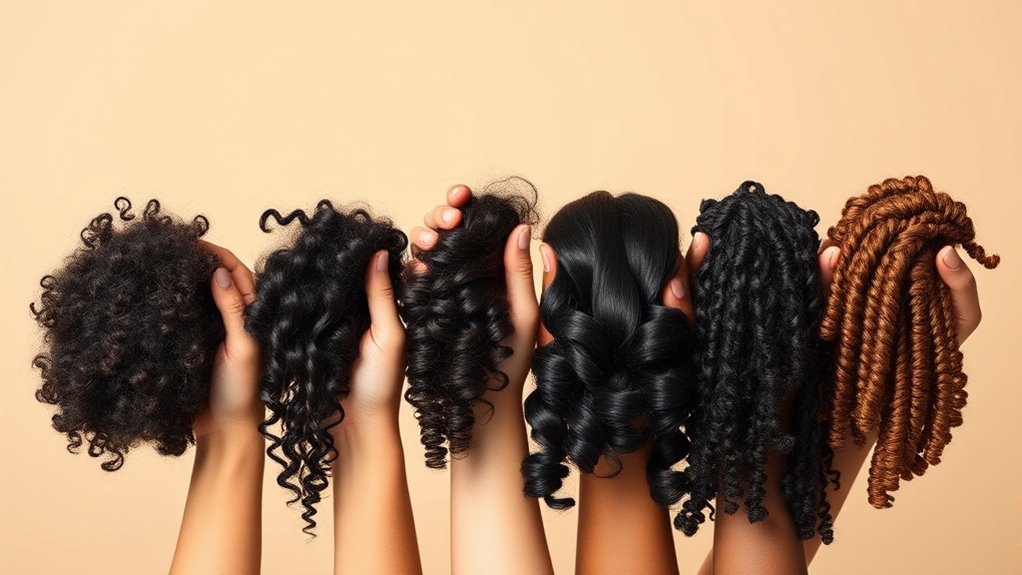
How do you know which hair oil suits you best? Start with a hair texture analysis to understand your strands’ natural characteristics, whether they’re fine, coarse, curly, or straight. This insight helps you pick oils that complement your hair’s unique needs.
Next, consider environmental factors like humidity, pollution, and climate. These can dramatically affect your hair’s condition and how it responds to different oils. For example, if you live in a dry area, you might need a richer oil to lock in moisture, while oily hair in humid climates benefits from lighter formulas.
Benefits of Different Hair Oils for Hair and Scalp
Once you’ve identified the right hair oil based on your hair type and environment, it’s important to understand the specific benefits each oil offers. Different oils supply essential nutrients that boost scalp health and promote hair growth.
Effective oil absorption and moisture retention depend on both the oil’s properties and your application techniques. Plus, combining oils can improve benefits, while ingredient sourcing affects purity and effectiveness.
Seasonal changes also influence which oils work best for you. Some oils provide aromatherapy benefits, relaxing your mind during application.
| Hair Oil | Key Benefits | Best For |
|---|---|---|
| Coconut Oil | Moisture retention, hair growth | Dry hair, scalp health |
| Jojoba Oil | Oil absorption, scalp balance | Oily scalp, fine hair |
| Castor Oil | Promotes hair growth, thickening | Thinning hair, scalp nourishment |
| Argan Oil | Essential nutrients, shine | Dull hair, frizz control |
| Tea Tree Oil | Scalp health, aromatherapy | Itchy scalp, dandruff |
Understanding these factors helps you choose oils that suit your unique needs.
Best Natural Oils for Shine, Moisture, and Frizz Control
Although many oils claim to improve hair shine, moisture, and frizz control, choosing the right natural oil can make a significant difference in your hair’s health and appearance. Shine enhancing oils like argan and jojoba add a glossy finish without weighing your hair down.
Moisture locking oils such as coconut and avocado deeply hydrate, keeping dryness at bay. If frizz is your concern, look for frizz taming oils like grapeseed or sweet almond, which smooth strands and reduce flyaways.
You’ll also benefit from heat protective oils that shield your hair during styling, while scalp nourishing oils support overall hair health. Lightweight oils prevent heaviness and buildup, making them perfect for daily use.
If you prefer subtle scents, fragrance free oils are ideal. Organic oils guarantee purity without harmful additives, and many come as affordable, multi purpose oils, delivering shine, moisture, and frizz control in one bottle. Choose based on your hair’s needs to get the best results.
Best Hair Oils for Dry, Oily, and Sensitive Scalps
If your scalp feels dry, you’ll want oils like coconut or argan. These deeply nourish without weighing you down. On the other hand, if your scalp tends to be oily, lighter options like jojoba or grapeseed oil can really help. They balance excess oil without clogging your pores. So, let’s dig into which oils work best for your specific scalp needs.
Ideal Oils For Dryness
When your scalp feels dry and tight, choosing the right oil can make all the difference in restoring moisture and comfort. Look for oils with excellent hydrating properties, like coconut oil and argan oil. These oils penetrate deeply without leaving a greasy residue.
They improve oil absorption, helping your scalp retain moisture longer. You’ll want lightweight options that nourish without clogging pores or weighing your hair down. Jojoba oil is another great pick. It mimics your scalp’s natural oils to balance hydration gently.
Applying these oils regularly can soothe dryness, reduce flakiness, and enhance your scalp’s overall health. Remember, the key is to select oils that hydrate effectively while allowing your scalp to breathe so you avoid buildup and keep your hair feeling soft and refreshed.
Oils Suited For Oily Scalps
Because oily scalps produce excess sebum, you need lightweight oils that won’t clog pores or weigh your hair down. Oils with lightweight formulations like jojoba, grapeseed, and tea tree are perfect for you.
Jojoba oil closely mimics your scalp’s natural oils, helping maintain scalp balancing without adding heaviness. Grapeseed oil absorbs quickly and controls oiliness, while tea tree oil offers antibacterial properties that keep your scalp clean and refreshed.
Avoid heavy oils like coconut or castor, which can make oil buildup worse. When choosing hair oils for oily scalps, focus on those that support scalp balancing and absorb swiftly.
This approach helps you nourish your hair without adding greasiness or clogging pores, keeping your scalp healthy and your hair fresh.
How to Read Hair Oil Ingredients for Quality
Understanding how to read hair oil ingredients can transform the way you choose products for your hair care routine. Start by checking ingredient sourcing. Knowing where oils come from affects quality and sustainability practices.
Look for clear label transparency. Reputable brands disclose detailed info about oil extraction methods, whether cold-pressed or solvent-based, which impacts formulation quality. Prioritize oils listing natural components over synthetic additives to avoid potential irritants.
Pay attention to essential additives that augment benefits without compromising hair health. Also, be allergen aware by spotting common triggers like fragrance or preservatives that could cause reactions.
Finally, consider sustainability practices behind ingredient sourcing to support eco-friendly brands. By carefully analyzing these details, you guarantee your hair oil is both effective and safe, aligning with your values while improving your hair’s condition.
When and How Often to Apply Hair Oil
Choosing the right hair oil is just the start; knowing how often and at what times to apply it makes a big difference in your hair’s health. Your application frequency depends on your hair type and goals.
For instance, dry hair needs more frequent oiling for better oil absorption, while oily hair benefits from less frequent applications to avoid greasiness. Timing also matters. Applying oil before washing can deeply nourish, while light daily applications can protect and add shine.
| Hair Type | Application Frequency | Best Time to Apply |
|---|---|---|
| Dry | 2-3 times per week | Night before washing |
| Oily | Once a week | After washing, sparingly |
| Normal | 1-2 times per week | Before bedtime or morning |
| Curly/Coarse | 3 times per week or more | Night, for deep absorption |
Adjust based on how your hair responds to maintain peak oil absorption and avoid buildup.
Techniques to Apply Hair Oil Without Greasiness
Applying hair oil without leaving your hair greasy requires a few simple but effective techniques. Start with a light scalp massage to boost circulation and promote oil absorption. Use minimal oil, focusing on the scalp and the ends rather than saturating the entire hair shaft.
Choose the right oil consistency. Lighter oils absorb better and reduce greasiness. Pair your oil with compatible hair products to avoid buildup and maintain hair health. Applying gentle heat after oiling, such as using a warm towel, helps the oil penetrate deeper, enhancing effectiveness without excess residue.
For best results, try pre-wash tips like applying oil an hour before shampooing to nourish without heaviness. Always adjust your application techniques based on your hair type and condition. By mastering these steps, you’ll enjoy the benefits of hair oil without worrying about greasy strands or weighed-down locks.
Common Hair Oil Mistakes to Avoid
You might be overusing hair oil without even realizing it, and that can really weigh your hair down. Plus, picking the wrong type of oil for your hair can actually do more harm than good. So, let’s take a closer look at how to avoid these common mistakes.
Overusing Hair Oil
While hair oil can nourish and protect your strands, using too much can quickly backfire. Overuse effects include greasy hair and weighed-down strands, which ruin your hair texture and make your style limp.
Excess oil also leads to buildup on your scalp, clogging pores and potentially causing irritation or dandruff. This disrupts scalp health, making it harder for your hair to grow strong and healthy.
To avoid these problems, apply oil sparingly and focus on your hair ends rather than the roots. Remember, a little goes a long way. Regularly wash your hair to remove excess oil and keep your scalp fresh.
Choosing Wrong Oil Type
How do you know if you’ve picked the right oil for your hair type? Choosing the wrong oil can weigh your hair down or leave it feeling greasy. It’s essential to understand the oil extraction methods because cold-pressed oils retain more nutrients, offering better essential oil benefits like hydration and scalp nourishment.
For example, lighter oils like argan or jojoba suit fine hair, while thicker oils like coconut work well for coarse textures. Also, don’t overlook the power of essential oils. They can target specific concerns like dandruff or hair growth.
Before buying, match the oil’s properties with your hair’s needs. Otherwise, you risk wasting product and not getting the results you want. Choose wisely, and your hair will thank you.
How to Layer Hair Oil With Other Hair Products
Although layering hair oil with other products might seem tricky at first, mastering the process can improve your hair’s health and appearance considerably. Start by understanding oil layering techniques. Knowing what to apply and when makes all the difference.
Typically, you want to apply lighter products like leave-in conditioners first, followed by heavier oils to seal in moisture. This application order guarantees your hair gets maximum hydration without feeling greasy.
Begin with damp hair for better absorption. After your shampoo and conditioner, apply a leave-in or styling cream, then gently massage your chosen hair oil into the ends and mid-lengths. Avoid the roots to prevent buildup.
If you use heat protectants or styling gels, apply those before or after the oil depending on their formulation. Check product instructions to be sure.
Where to Buy Quality Hair Oils for Your Hair Type
Finding quality hair oils starts with knowing where to shop. Whether you prefer trusted retailers or online stores, each option has its perks. You might enjoy the in-store experience where you can test scents and get a feel for the product. On the other hand, online shopping offers convenience and a wider selection right at your fingertips. So, let’s dive in and see how to choose the best place to buy hair oils that suit your hair type.
Trusted Retailers Overview
When you’re ready to purchase hair oils tailored to your specific hair type, choosing trusted retailers guarantees you get authentic, high-quality products. Look for sellers known for carrying trusted brands with transparent ingredient sourcing.
Checking retailer reviews and customer feedback helps you spot reliable stores with positive experiences. Compare prices to confirm you’re getting fair deals without sacrificing quality.
Pay attention to shipping options and return policies to avoid hassles if the product doesn’t meet your expectations. Also, verify product availability to avoid out-of-stock disappointments.
Online Vs. In-Store
Where should you buy quality hair oils that match your hair type, online or in-store? Online shopping offers convenience, easy price comparison, and access to customer reviews. This helps you make informed choices.
You can also find exclusive deals and flexible shipping options. However, the store experience lets you see and smell products firsthand, ensuring product authenticity. Plus, you get immediate purchase gratification without waiting for shipping.
Return policies can vary. Online stores often have clear procedures, while in-store returns may be quicker. If you value hands-on testing and instant access, visit a physical store.
But if you want variety, better deals, and detailed reviews, online shopping suits you best. Consider your priorities when deciding where to buy your hair oil.
Frequently Asked Questions
Can Hair Oils Help With Hair Growth and Thickness?
Yes, hair oils can help with hair growth and thickness by nourishing your scalp and strengthening your strands. When you choose products with natural ingredients, you tap into hair oil benefits like improved moisture, reduced breakage, and increased shine.
Regularly massaging these oils into your scalp boosts blood circulation, promoting healthier follicle function. Just remember, consistent use and picking the right oil for your hair type make a big difference.
Are Hair Oils Safe for Color-Treated Hair?
Yes, hair oils can be safe for color-treated hair if you choose ones specifically designed for color protection. You’ll want to look for oils that nourish without stripping color or causing buildup.
When applying, focus on the ends and avoid the roots to prevent weighing your hair down. Also, use a small amount to keep your color vibrant and your strands healthy.
Following these application tips helps maintain your color’s longevity.
How Long Does Hair Oil Need to Stay on Before Washing?
Funny enough, you might find yourself wondering how long hair oil should stay on just as you’re about to rush out the door. Ideally, you want to leave it on for at least 30 minutes to let those nourishing ingredients work their magic.
For deeper treatment, overnight application techniques are perfect. Just cover your hair with a towel or shower cap. This way, you maximize benefits without overdoing it before washing.
Can Hair Oils Cause Allergic Reactions or Irritation?
Yes, hair oils can cause allergic reactions or irritation, especially if you have sensitive skin or allergies. You should always perform sensitivity testing by applying a small amount on your wrist or behind your ear before using it on your scalp.
Being aware of the ingredients is essential since some oils contain fragrances or additives that might trigger reactions. Taking these precautions helps you avoid discomfort and keeps your hair care routine safe and effective.
What’s the Difference Between Hair Oil and Serum?
Imagine oil slowly sinking into your hair versus serum sitting lightly on the surface. Hair oil focuses on deep oil absorption, nourishing from within, while serum mainly adds a protective, glossy layer.
You’ll use different application techniques: oils work best when massaged into your scalp or mid-lengths, whereas serums are usually smoothed over dry ends. Knowing this helps you choose what your hair truly needs, depth or shine.
Conclusion
Choosing the right hair oil is like finding the perfect key to reveal your hair’s true potential. By knowing your hair type, understanding the benefits of different oils, and applying them correctly, you’ll avoid greasy mishaps and enjoy nourished, shiny locks.
Remember to read ingredients carefully and layer wisely with other products. With these tips, you’ll transform your hair care routine into a simple, rewarding ritual.
Your hair deserves nothing less, and choosing the right hair oil will help you achieve the healthy, beautiful hair you want!