Castor Oil for Hair: A Complete Buying Guide
Struggling with slow hair growth, dryness, or a flaky scalp? You’re not alone—many people face these hair challenges and are on the hunt for simple, effective solutions. One natural remedy that’s gaining popularity is castor oil for hair. It’s known for its nourishing properties and ability to improve hair health, making it a go-to for those wanting stronger, fuller locks.
Castor oil, packed with nutrients like ricinoleic acid and vitamin E, is great for strengthening hair, boosting growth, and improving scalp health. You’ll want to pick cold-pressed, organic castor oil for the best results, especially if you match it to your hair type.
Applying it 2-3 times weekly, possibly mixed with carrier oils, helps prevent dryness and buildup. Keep track of how your scalp reacts to adjust usage. Investigate the details to find the perfect routine and product for your hair.
Key Takeaways
- Choose cold-pressed, organic castor oil for maximum nutrients and purity in hair care.
- Warm and massage castor oil 2-3 times weekly for deep scalp nourishment and hair growth stimulation.
- Combine castor oil with coconut or jojoba oil to enhance hydration and ease application.
- Monitor scalp reaction and adjust usage frequency to avoid buildup, dryness, or irritation.
- Buy from reputable brands with transparent sourcing, positive reviews, and certified organic options.
What Is Castor Oil and Why Use It for Hair
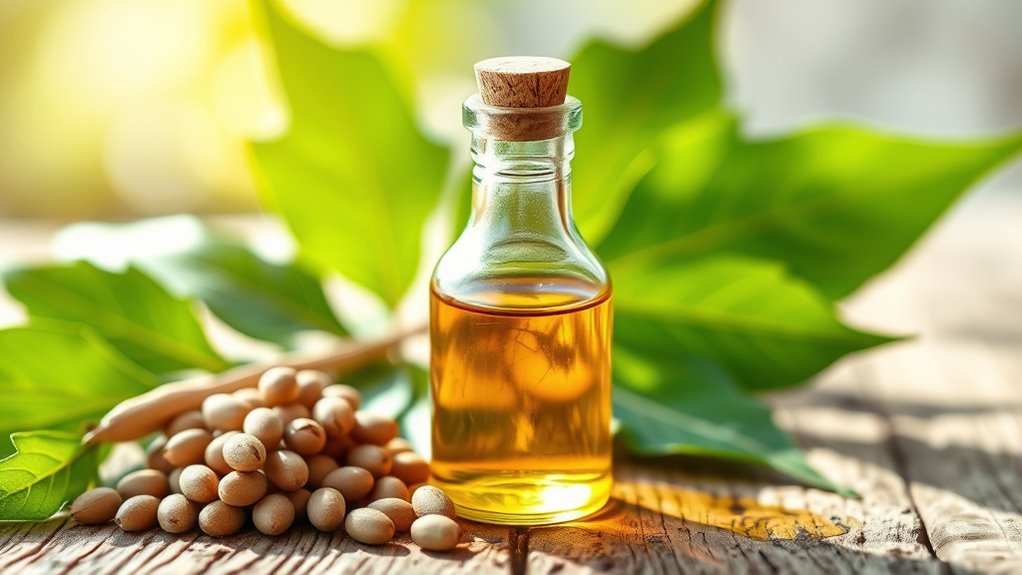
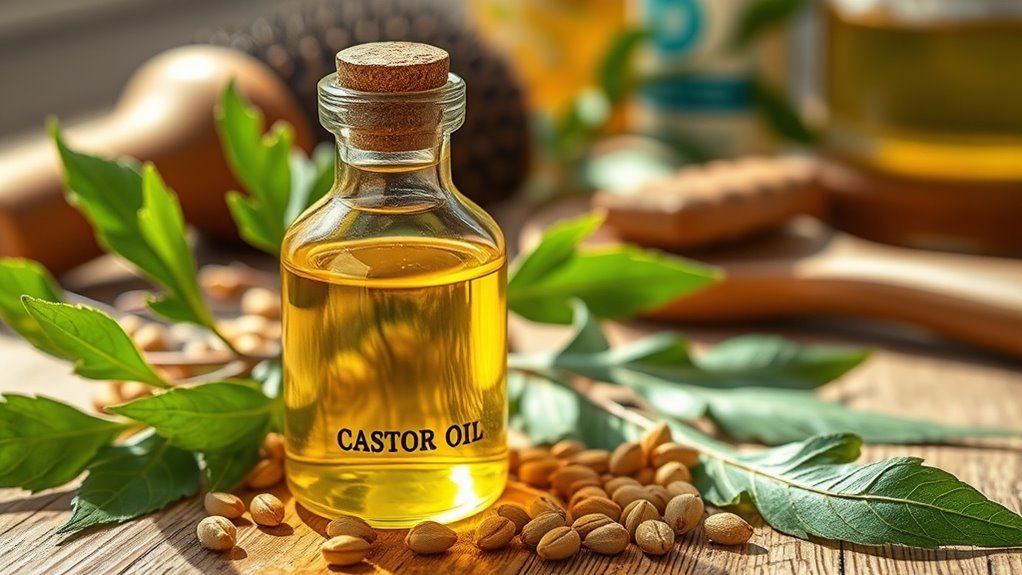
Castor oil is a thick, nutrient-rich oil extracted from the seeds of the castor plant. Its castor oil history dates back thousands of years, with origins in Africa and India, where people valued it for its healing and beautifying properties.
When you use castor oil for hair, you tap into this rich tradition. The oil contains ricinoleic acid and vitamin E, which nourish your scalp, strengthen hair roots, and promote growth. You’ll find it especially helpful if your hair feels dry or brittle since castor oil locks in moisture and adds shine.
Plus, its natural antifungal and antibacterial qualities help keep your scalp healthy, reducing flakes and irritation. By choosing castor oil, you’re using a time-tested remedy that supports hair health naturally.
Types of Castor Oil for Hair and Their Benefits
You’ve got a few castor oil options to choose from—like cold-pressed, refined, and Jamaican black castor oil. Each type has its own unique benefits, depending on what your hair needs. So, let’s take a closer look at how these differences can help you get the best results.
Cold-Pressed Vs. Refined
Although both cold-pressed and refined castor oils come from the same plant, they offer different benefits for your hair. Cold-pressed benefits include retaining most of the natural nutrients, antioxidants, and fatty acids because this oil is extracted without heat or chemicals. This means it deeply nourishes your scalp, promotes hair growth, and strengthens strands more effectively.
On the other hand, refined castor oil undergoes processing that removes impurities but also strips away some nutrients, leading to refined drawbacks like reduced potency and potential chemical residues. While refined oil has a lighter scent and smoother texture, it may not deliver the same moisturizing and restorative effects as cold-pressed oil.
For the healthiest, most natural care, you’ll often want to choose cold-pressed castor oil for your hair routine.
Jamaican Black Castor Oil
If you want a castor oil option that combines nourishing properties with a unique preparation method, Jamaican Black Castor Oil stands out. This oil is made by roasting castor beans before pressing, giving it a rich, dark color and a smoky scent. You’ll appreciate its Jamaican benefits, especially for boosting hair moisture and strengthening strands. It’s perfect if you’re dealing with dryness or breakage.
Here’s why you might choose Jamaican Black Castor Oil:
- Deeply hydrates hair and scalp
- Promotes hair growth and reduces thinning
- Contains antioxidants that protect hair follicles
- Supports scalp health by balancing oil production
Using this oil regularly can transform your hair’s texture and resilience.
Key Benefits of Castor Oil for Hair Health
When you apply castor oil to your hair, you’ll quickly notice its ability to nourish and strengthen strands from root to tip. This natural oil is packed with ricinoleic acid and fatty acids that boost moisture retention, helping your hair stay hydrated and less prone to breakage. By locking in moisture, castor oil keeps your hair soft and manageable.
Castor oil also promotes scalp health by reducing dryness and flakiness. Its antimicrobial properties soothe irritation and help maintain a clean, healthy scalp environment, which is essential for hair growth. Regular use can improve blood circulation to the scalp, stimulating hair follicles and encouraging thicker, stronger hair.
Additionally, castor oil forms a protective barrier, shielding your hair from environmental damage. By integrating castor oil into your hair care routine, you support overall hair health, making your hair look shinier, fuller, and more resilient.
Choosing the Best Castor Oil for Your Hair Type
Selecting the right castor oil for your hair type guarantees you get the best results without weighing your hair down or causing buildup. Different hair types require specific formulations and application methods to maximize benefits.
When choosing castor oil, consider ingredient quality. Opt for cold-pressed, organic options to confirm purity and potency. Comparing brands helps you find products that suit your needs, including variations in packaging that preserve freshness and ease of use.
Keep these factors in mind:
- Hair types: Thicker oils suit coarse hair, while lighter blends work better for fine hair.
- Application methods: Some oils come with dropper bottles or spray nozzles for targeted use.
- Ingredient quality: Look for 100% pure castor oil without additives or synthetic fillers.
- Brand comparisons: Read reviews and check transparency about sourcing and manufacturing standards.
Picking the right product tailored to your hair confirms effective, hassle-free care.
How to Use Castor Oil for Faster Hair Growth
Choosing the right castor oil sets the foundation, but knowing how to apply it properly releases its full potential for faster hair growth. Start by warming a small amount of castor oil to improve absorption. Use your fingertips to massage the oil gently into your scalp using circular motions.
This stimulates blood flow, encouraging hair growth. Focus on areas where hair growth is slower or thinning.
For application techniques, combine castor oil with a lighter carrier oil like coconut or jojoba to make it easier to spread and avoid a heavy buildup. Apply the mixture evenly from roots to tips to nourish both your scalp and strands.
Leave it on for at least 30 minutes, or overnight for a deep treatment, then wash it out thoroughly. Consistency is key. Regular application 2-3 times a week maximizes results and supports healthier, faster hair growth.
Mistakes to Avoid When Using Castor Oil
Although castor oil offers many benefits for hair growth, using it incorrectly can actually hinder your progress or cause unwanted side effects. To get the most from castor oil, you need to avoid some common misconceptions and improve your application techniques.
Many people think applying castor oil directly in large amounts speeds up growth, but this can clog pores and weigh hair down. Also, skipping a patch test might lead to allergic reactions. Avoid mixing castor oil with harsh chemicals or heat treatments without proper knowledge, as this can damage hair.
Applying large amounts of castor oil can clog pores and cause allergic reactions without a patch test.
Here are key mistakes to avoid:
- Overapplying oil, causing buildup and scalp irritation
- Neglecting to dilute castor oil with carrier oils if you have sensitive skin
- Using castor oil on dirty hair, which traps debris and blocks follicles
- Assuming more frequent use always means better results
How Often to Use Castor Oil for Best Results
To get the best results from castor oil, you’ll want to find the right balance between daily and weekly use. It’s all about tuning in to how your hair and scalp respond.
If you notice dryness or buildup, that’s a clear sign it’s time to adjust your routine. So, let’s take a closer look at the ideal frequency to keep your hair healthy and thriving.
Optimal Application Frequency
How often you apply castor oil can make a big difference in seeing results. Sticking to proper frequency guidelines guarantees your hair benefits without feeling greasy or weighed down. Focus on balanced application techniques to maximize absorption and effectiveness. You don’t have to overdo it; consistency is key.
Consider these tips for ideal application frequency:
- Apply castor oil 2-3 times per week to nourish hair and scalp without buildup.
- Use gentle, circular motions during application to stimulate blood flow.
- Adjust frequency based on your hair type; thicker hair may need less frequent use.
- Always wash out thoroughly to avoid clogged pores or residue.
Following these guidelines helps you maintain healthy hair while getting the most from castor oil’s natural properties.
Daily vs Weekly Use
Finding the right balance between daily and weekly use of castor oil depends on your hair’s unique needs and how it responds to the treatment. If you have dry or damaged hair, a daily application can help lock in moisture and promote healing.
However, if your hair tends to be oily or fine, incorporating castor oil into a weekly routine might be better to avoid buildup and heaviness. You can apply castor oil daily in small amounts, focusing on the scalp and ends, or use a generous amount once a week as a deep conditioning treatment.
Listen to your hair’s reaction and adjust accordingly. Whether you choose daily application or a weekly routine, consistency is key to seeing the best results from castor oil.
Signs to Adjust Usage
Although castor oil offers many benefits, you should pay attention to your hair’s response and adjust usage if you notice buildup, excessive oiliness, or dryness. Your hair’s sensitivity plays a vital role in determining the ideal usage frequency. If your scalp feels irritated or hair becomes greasy quickly, reducing application can help. Conversely, if your hair seems dry or brittle, increasing usage might be beneficial.
Watch for these signs to adjust your routine:
- Persistent scalp itchiness or redness
- Hair feeling heavier or weighed down
- Noticeable buildup making hair look dull
- Dryness or increased hair breakage
Combining Castor Oil With Other Natural Ingredients
When you combine castor oil with other natural ingredients, you can amplify its benefits for your hair. Castor oil benefits include moisturizing, strengthening, and promoting hair growth, but pairing it with ingredients like coconut oil, aloe vera, or essential oils can *improve* these effects.
Coconut oil adds deep hydration and helps reduce protein loss, while aloe vera soothes the scalp and reduces dandruff. Essential oils such as rosemary or peppermint boost circulation, supporting healthier hair follicles.
These natural ingredient combinations allow you to customize your hair care routine based on your specific needs. For example, mixing castor oil with jojoba oil can balance oily scalps, while honey adds shine and softness.
Just make sure to test small amounts first to avoid any irritation. By blending castor oil with complementary natural ingredients, you create a more powerful, nourishing treatment that tackles multiple hair concerns at once.
What to Expect: Castor Oil Results and Timeline
When you start using castor oil, you might notice some initial changes, like softer, shinier hair. It’s pretty exciting at first! Growth progress usually takes a few weeks to become visible, so try to be patient and keep at it consistently. Over time, you’ll start to enjoy long-term benefits, such as stronger, healthier hair and an improved scalp condition. Just give it some time, and you’ll see the difference!
Initial Hair Changes
You’ll likely notice several initial changes within the first few weeks of using castor oil on your hair. One common experience is initial shedding, which can feel alarming but often signals that your scalp is renewing itself.
Alongside this, your hair texture may start to shift, becoming softer and more manageable. You might also observe increased scalp moisture and a subtle reduction in dryness or flakiness.
Here’s what to expect early on:
- Temporary increase in hair shedding as old strands make way for new growth
- Softer, smoother hair texture due to castor oil’s moisturizing properties
- Reduced scalp dryness and itching
- Slight heaviness or greasiness if applied too much, so moderate use is key
These early signs set the stage for healthier hair over time.
Growth Progress Timeline
Several weeks into using castor oil, you’ll start noticing visible signs of hair growth and improved scalp health. Your growth expectations should be realistic, as castor oil works gradually by nourishing hair follicles and increasing circulation.
Typically, you can expect subtle changes within the first month, such as reduced breakage and thicker strands. By two to three months, new hair growth becomes more apparent if you maintain consistent application techniques.
Applying castor oil correctly, massaging it into your scalp and distributing it evenly through your hair, maximizes absorption and effectiveness. Remember to use it regularly but avoid overuse to prevent buildup.
Staying patient and consistent with these application techniques will help you track a steady timeline of progress toward healthier, fuller hair.
Long-Term Benefits
Although castor oil shows gradual effects at first, its long-term benefits become increasingly noticeable with consistent use over several months. You’ll experience the full impact of its nourishing properties as your hair becomes stronger and more resilient.
Thanks to improved moisture retention, your strands feel softer and less prone to breakage. With patience, castor oil supports healthier scalp conditions, promoting a balanced environment for hair growth.
Here’s what to expect over time:
- Improved hair thickness and reduced thinning
- Increased shine and smoothness due to moisture retention
- Stronger, less brittle strands from nourishing properties
- Healthier scalp with reduced dryness and irritation
Stick to a regular routine, and you’ll see these lasting improvements transform your hair’s overall health.
Where to Buy High-Quality Castor Oil for Hair Care
Anyone looking to boost their hair care routine with castor oil should focus on finding a reputable source that guarantees purity and quality. When searching for castor oil brands, prioritize those with transparent ingredient lists and positive customer reviews. Trusted brands often use cold-pressed, organic castor oil, ensuring you get the best results for your hair.
You can find high-quality castor oil through various online retailers, which offer convenience and a wide selection. Websites like Amazon, health-focused e-commerce stores, and specialty beauty shops often stock premium options. Make sure to check for certifications like USDA organic or cruelty-free labels when browsing.
Buying from reliable online retailers also means you can compare prices and read detailed product information easily. Avoid suspiciously cheap products or those lacking clear sourcing details to protect your hair from low-grade oils. By choosing carefully, you’ll get the most out of castor oil’s hair-nourishing benefits.
Frequently Asked Questions
Can Castor Oil Cause Allergic Reactions on the Scalp?
Yes, castor oil can cause allergic reactions on your scalp, especially if you have scalp sensitivity. You might notice allergy symptoms like itching, redness, or swelling after applying it.
To avoid this, you should do a patch test before full use. Apply a small amount on a tiny scalp area and wait 24 hours. If you don’t see any irritation, it’s usually safe to continue using castor oil on your hair.
Is Castor Oil Safe to Use During Pregnancy?
Yes, castor oil is generally considered safe for pregnancy when used topically, but you should be cautious. While many appreciate natural remedies during pregnancy, castor oil can sometimes cause skin irritation or allergic reactions.
It’s best to do a patch test first and consult your healthcare provider before applying it regularly. Avoid ingesting castor oil during pregnancy, as it can stimulate contractions and pose risks to pregnancy safety.
How Should Castor Oil Be Stored to Maintain Its Quality?
You should store castor oil in a cool, dark place away from direct sunlight to maintain its quality. Use airtight containers to prevent exposure to air, which can shorten its shelf life.
Avoid storing it near heat sources or humidity, as these can cause the oil to spoil faster. Following these storage tips will help keep your castor oil fresh and effective for up to a year or more.
Can Castor Oil Help With Dandruff or Scalp Infections?
You might think castor oil is some medieval potion, but it really works as a dandruff treatment. When you apply it, you’re hydrating your scalp deeply, which helps reduce dryness and flakes.
Its antimicrobial properties can also soothe minor scalp infections, making it a natural remedy you can trust. Just massage it in regularly, and you’ll notice your scalp feeling healthier and less itchy over time.
Does Castor Oil Have Any Side Effects on Colored or Chemically Treated Hair?
Castor oil generally won’t harm your colored or chemically treated hair, but you should use it carefully to protect hair color maintenance. Its castor oil benefits include moisturizing and strengthening strands, which can help reduce breakage from chemical treatments.
However, applying too much may weigh your hair down or make it greasy, potentially dulling your color’s vibrancy. Always do a patch test and use it sparingly to keep your hair healthy and vibrant.
Conclusion
So, you’ve learned that castor oil isn’t just for your grandma’s hair secrets—it’s basically liquid gold for your scalp. Ready to slather it on and summon Rapunzel-level locks? Just remember, it’s not magic overnight. Patience, folks!
Your hair won’t transform into a shampoo commercial in a week, but with consistent use, you’ll see the difference. Now go on, welcome the sticky, oily goodness and let those luscious locks grow with the power of castor oil for hair!