Hair Growth Products: A Complete Buying Guide
Struggling with thinning hair or slow growth? You’re not alone. Many people face the challenge of finding effective hair growth products that actually deliver results. It can feel overwhelming to choose the right ones with so many options out there.
You can boost hair growth by choosing products with proven ingredients like minoxidil, biotin, and natural oils such as rosemary or castor oil. Match products to your hair type, scalp condition, and consider serums and supplements carefully.
Use them consistently, avoid common mistakes like overuse, and track your progress to make adjustments. If results stall, consult a professional to investigate targeted treatments.
Keep searching to find the best routine tailored just for you.
Key Takeaways
- Hair growth products work by stimulating follicles, improving scalp circulation, and strengthening roots for thicker, healthier hair.
- Key ingredients include minoxidil, biotin, peppermint oil, saw palmetto, caffeine, and natural oils like castor and rosemary.
- Choose products based on hair type, scalp condition, and specific needs. Make sure to apply them properly and use them consistently for the best results.
- Avoid overuse, incompatible ingredients, and neglecting scalp preparation to prevent irritation and get the most out of your products.
- If you have persistent concerns, it’s a good idea to consult a healthcare professional. Track your progress regularly and adjust treatments as needed to support optimal hair growth.
How Hair Growth Products Stimulate Hair Growth
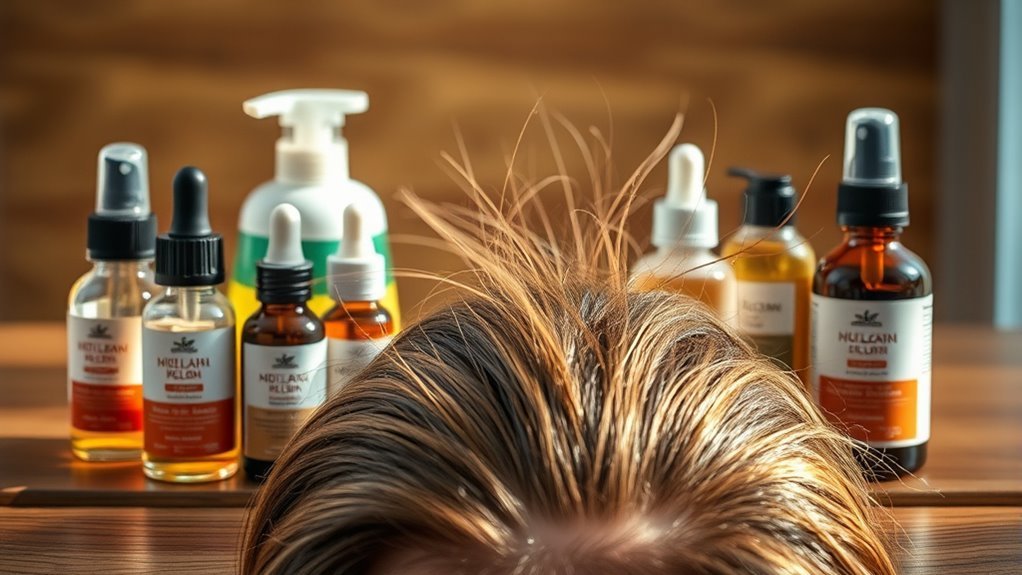
Hair growth products stimulate hair growth by targeting the scalp and hair follicles directly. When you apply these products, they work to improve scalp circulation, ensuring that more oxygen and nutrients reach your hair follicles. Better circulation means your follicles get the nourishment they need to thrive, encouraging healthier hair growth.
Furthermore, these products improve nutrient absorption by the scalp, allowing essential vitamins and minerals to penetrate deeper and more effectively. This process strengthens your hair roots and can reduce hair thinning or loss.
These products enhance nutrient absorption, strengthening hair roots and helping to reduce thinning or loss.
By focusing on both scalp circulation and nutrient absorption, hair growth products create an ideal environment for your hair to grow thicker and stronger. You’ll notice improved hair texture and volume as a result.
While results vary depending on the product and individual factors, incorporating these products into your routine supports the natural cycle of hair regeneration and boosts overall scalp health.
Top Clinically Proven Ingredients in Hair Growth Products
Several key ingredients have been clinically proven to boost hair growth effectively. When you choose hair growth products, look for minoxidil, known for its proven effectiveness in stimulating hair follicles. Biotin supports hair health by improving biotin absorption, while peppermint oil improves scalp circulation.
Saw palmetto helps maintain hormone balance, addressing hair loss linked to genetic factors. Caffeine benefits your scalp by prolonging the growth phase of hair. Pumpkin seed oil is rich in essential vitamins that nourish your hair from root to tip.
Here’s a quick guide to these top ingredients:
| Ingredient | Key Benefit |
|---|---|
| Minoxidil | Proven topical treatments |
| Biotin | Supports nutrient absorption |
| Peppermint Oil | Enhances scalp circulation |
| Saw Palmetto | Regulates hormone balance |
These ingredients target various causes of hair loss, making them powerful allies in your hair growth journey.
Choosing Hair Growth Products for Your Hair Type
To pick the right hair growth product, start by figuring out your hair type and what your scalp is like. Once you know that, you can look for ingredients that really suit your hair’s needs. Also, keep in mind how sensitive your scalp is—this helps you avoid irritation and get the best results.
Identifying Your Hair Type
How do you know which hair growth products will actually work for you? Start by identifying your hair type. Is your hair curly, straight, or wavy? Recognizing this helps you pick products that suit your strands.
Consider if your hair has fine strands or thick locks, as each needs different care. Also, check your scalp condition. An oily scalp requires lightweight formulas, while a dry scalp benefits from nourishing ingredients.
Don’t forget if your hair is color treated or heat damaged, as these factors affect product choice to avoid further harm. Finally, age-related changes can influence hair health, making it essential to select products targeting those specific needs.
Knowing these details guarantees you choose products that support your unique hair type effectively.
Matching Ingredients to Needs
When you know your hair type, you can match ingredients that truly support your growth goals. Ingredient synergy is key. Combining components that complement each other improves effectiveness.
You might need to adjust formulations if your hair is oily, dry, or curly to avoid buildup or dryness.
| Hair Type | Key Ingredients | Adjusting Formulations |
|---|---|---|
| Oily | Tea tree, salicylic acid | Lighter, non-greasy products |
| Dry | Argan oil, shea butter | Richer, moisturizing formulations |
| Curly | Aloe vera, jojoba oil | Hydrating but non-heavy blends |
| Fine | Biotin, caffeine | Volumizing, lightweight ingredients |
Choose products that fit your hair’s needs by focusing on ingredient synergy and tweaking formulations for ideal growth.
Considering Scalp Sensitivity
Although selecting ingredients that match your hair type is essential, you also need to take into account how sensitive your scalp is. Scalp care plays an important role in choosing hair growth products, especially if you’re prone to irritation or allergic reactions.
Always look for products with soothing ingredients like aloe vera or chamomile to calm your scalp. Before fully committing, perform patch testing to guarantee the product won’t trigger any adverse effects. If you experience discomfort, discontinue use immediately.
Incorporating a gentle scalp massage when applying products can improve blood circulation and boost absorption without causing irritation. Paying attention to your scalp’s sensitivity helps you avoid unnecessary issues and supports healthier, more effective hair growth.
Best Hair Growth Serums and Usage Tips
Wondering which hair growth serums truly deliver results? The key lies in understanding hair serum effectiveness and mastering application techniques. Choose serums with proven active ingredients like biotin, caffeine, or peptides. These stimulate follicles and improve scalp health, boosting growth.
For best results, apply serum directly to a clean, dry scalp. Use your fingertips to massage gently in circular motions to promote absorption and blood flow.
Here’s a quick guide to help you optimize your serum use:
| Tip | Benefit |
|---|---|
| Apply on dry scalp | Maximizes absorption |
| Use fingertips gently | Stimulates blood flow |
| Consistent daily use | Guarantees steady ingredient delivery |
| Avoid overuse | Prevents irritation and buildup |
Shampoos and Conditioners That Promote Hair Growth
If you want to support hair growth from the very first wash, choosing the right shampoos and conditioners is essential. Look for sulfate free options to prevent stripping your scalp and hair of natural oils, which are vital for healthy follicles. Sulfate free formulas gently cleanse without causing irritation or dryness, creating the perfect environment for hair to grow strong.
Also, focus on products enriched with essential nutrients like biotin, keratin, and vitamins E and B5. These ingredients nourish your scalp and strengthen hair strands, reducing breakage and promoting thicker growth. When you select shampoos and conditioners packed with these nutrients, you’re actively feeding your hair what it needs to thrive.
Natural Oils That Support Healthy Hair Growth
You can boost your hair growth naturally by using oils like castor, rosemary, and coconut. Castor oil helps strengthen your strands, while rosemary oil works to stimulate your hair follicles. And don’t forget coconut oil—it nourishes your scalp deeply.
Benefits Of Castor Oil
Castor oil offers a powerful boost for your hair growth routine, packed with nutrients that nourish your scalp and strengthen strands. One of the top castor oil benefits is its rich content of ricinoleic acid, which improves blood circulation to hair follicles, promoting healthier growth.
It also has antimicrobial properties that help prevent scalp infections and dandruff. You can use castor oil applications in various ways. Massage it directly onto your scalp to stimulate growth or mix it with other oils for improved hydration.
Its thick texture creates a protective barrier, locking in moisture and reducing breakage. Regular use of castor oil can leave your hair shinier, thicker, and less prone to damage, making it a natural choice to support your hair growth goals.
Rosemary Oil For Growth
Although rosemary oil has been used for centuries, recent studies have confirmed its effectiveness in stimulating hair growth and improving scalp health. You’ll appreciate its antioxidant properties and ability to boost blood circulation to hair follicles, which are key rosemary benefits.
To get the best results, focus on proper application techniques like diluting the oil with a carrier oil and massaging it into your scalp regularly.
| Benefit | Description |
|---|---|
| Stimulates hair growth | Enhances follicle activity |
| Scalp health improvement | Reduces dandruff and dryness |
| Antioxidant properties | Protects hair from damage |
| Increases circulation | Elevates nutrient delivery to follicles |
| Natural and safe | Suitable for most hair types |
Use rosemary oil consistently to support your hair growth journey.
Coconut Oil Scalp Care
Like rosemary oil, coconut oil has long been prized for its ability to nourish the scalp and promote healthy hair growth. You’ll find that coconut benefits go beyond simple moisture. Its unique fatty acids penetrate hair shafts, strengthening and reducing protein loss.
When you focus on coconut application, consistency is key. Massaging it into your scalp boosts circulation and soothes dryness.
To maximize coconut oil scalp care, consider these tips:
- Use warm coconut oil for better absorption.
- Apply it 1-2 times weekly as a pre-wash treatment.
- Combine with essential oils like lavender for added scalp health.
Hair Growth Supplements: Benefits and Evidence
How effective are hair growth supplements, and should you consider adding them to your routine? These supplements often contain vitamins, minerals, and herbs designed to support hair health by improving nutrient absorption and promoting hormonal balance. When your body receives the right nutrients, your hair follicles can function at peak performance, encouraging stronger, thicker growth.
Supplements rich in biotin, zinc, and vitamin D have shown promising results in clinical studies, especially for those with deficiencies. Hormonal imbalances, such as those caused by stress or thyroid issues, can disrupt hair growth cycles. Supplements targeting these imbalances may help restore normal function.
However, evidence varies, and supplements work best when paired with a healthy diet and lifestyle. Before starting any regimen, you should consult a healthcare professional to confirm the supplements suit your specific needs and won’t interfere with medications. Overall, hair growth supplements can be a useful addition, but they’re not a guaranteed solution on their own.
Common Mistakes Using Hair Growth Products
You might be overusing hair growth products without even realizing the risks involved. It’s easy to think that more is better, but that’s not always the case. Also, skipping proper scalp preparation can really reduce how well these products work. And on top of that, mixing incompatible ingredients could actually do more harm than good. So, it’s important to use them carefully and follow the instructions closely.
Overusing Products Risks
Although it’s tempting to apply hair growth products frequently for faster results, overusing them can actually harm your scalp and hair follicles. You might experience overuse symptoms like redness, itching, or flaking, which signal irritation.
Moreover, combining multiple products without understanding their ingredients can lead to negative product interactions. This can reduce effectiveness or cause adverse reactions.
To avoid these risks, follow recommended usage guidelines carefully and be mindful of the products you mix. Keep in mind:
- Excessive use can damage hair follicles, slowing growth or causing hair loss.
- Certain ingredients might clash, intensifying side effects or diminishing benefits.
- Ignoring dosage instructions increases the chance of scalp inflammation and discomfort.
Stay consistent but moderate, and always monitor your scalp’s response to guarantee healthy hair growth.
Ignoring Scalp Preparation
When scalp preparation gets overlooked, hair growth products struggle to deliver their full benefits. You need to prioritize scalp exfoliation techniques to remove dead skin cells and buildup that block product absorption.
Also, incorporating scalp massage benefits boosts blood circulation, encouraging healthier hair follicles. Without these steps, even the best products might not work as expected.
| Preparation Step | Purpose | Benefit |
|---|---|---|
| Scalp Exfoliation | Removes dead skin & buildup | Improves product absorption |
| Scalp Massage | Stimulates blood flow | Promotes hair follicle health |
| Cleanse Before Use | Clears oils and dirt | Prevents clogging |
| Consistent Routine | Maintains scalp health | Supports sustained growth |
Neglecting scalp prep means you miss out on maximizing your hair growth products’ effectiveness.
Mixing Incompatible Ingredients
Proper scalp preparation sets the stage for your hair growth products to work effectively, but mixing incompatible ingredients can quickly undo those benefits. You need to be mindful of ingredient interactions to avoid irritation or reduced effectiveness.
Not all products play well together, so understanding product compatibility is essential.
Here are common pitfalls to watch for:
- Combining acidic and alkaline ingredients, which can neutralize each other and reduce potency
- Using multiple treatments with similar active ingredients, increasing the risk of scalp sensitivity
- Mixing oil-based and water-based products without proper layering, affecting absorption
Tracking Hair Growth Progress and Adjusting Your Routine
Tracking your hair growth progress is essential to see how well your routine works and to make timely adjustments. Start by taking clear photos every two to four weeks under consistent lighting. Measure hair length or scalp coverage if possible.
Keep a journal noting any changes in texture, thickness, or shedding patterns. This progress tracking helps you identify which products or habits truly benefit your hair.
As you gather data, be ready to make routine adjustments. If you notice little improvement after a few months, consider switching products or altering application frequency. Avoid using too many new products simultaneously to pinpoint what’s effective.
Also, adjust your routine based on seasonal changes or scalp condition. By staying attentive and flexible, you optimize your hair growth journey and avoid wasting time and resources on ineffective methods. Consistent progress tracking paired with thoughtful routine adjustments guarantees you move closer to your hair goals efficiently.
When to See a Doctor About Hair Loss
If you’ve been monitoring your hair growth and haven’t seen noticeable improvement after several months, it might be time to consult a healthcare professional. Identifying the causes of hair loss early can help you address the problem more effectively. You should also pay close attention to signs of thinning, especially if you notice sudden or patchy hair loss.
Seeing a doctor is essential when you experience rapid hair shedding or bald patches that appear unexpectedly. Also, if you have scalp irritation, redness, or pain alongside hair loss, it’s a good idea to get checked out. A family history of hair disorders or underlying health issues affecting hair growth is another reason to see a healthcare provider.
A healthcare provider can diagnose the root causes of hair loss, ranging from hormonal imbalances to nutritional deficiencies or medical conditions. They’ll recommend appropriate treatments or tests to help restore your hair or prevent further thinning. Don’t hesitate to seek professional advice if your hair concerns persist or worsen despite using hair growth products.
Frequently Asked Questions
Can Hair Growth Products Cause Allergic Reactions?
Yes, hair growth products can cause allergic reactions, especially if you have sensitive skin. Even products with natural ingredients might trigger side effects like itching, redness, or swelling.
It’s smart to do a patch test before fully using any product. If you notice any irritation, stop using it immediately. Always check the ingredient list carefully and consult a dermatologist if you’re unsure about potential allergies or side effects.
How Long Do Hair Growth Products Typically Last After Opening?
You might be surprised, but hair growth products typically last about 6 to 12 months after opening. The exact shelf life depends on ingredients and packaging.
To make sure your product stays effective, store it in a cool, dry place away from direct sunlight. Don’t forget to tightly close the lid after each use.
Following these storage tips helps preserve potency and prevents contamination, so your hair growth journey stays on track.
Are Hair Growth Products Safe During Pregnancy?
You should be cautious using hair growth products during pregnancy because many contain ingredients that might not be safe for you or your baby. Instead, try natural remedies that are gentler and less likely to interfere with hormonal changes.
Always check with your healthcare provider before starting any treatment, as your body’s hormonal shifts can affect how products work and their safety. Prioritize your health and your baby’s well-being first.
Can Hair Growth Products Be Used With Colored or Chemically Treated Hair?
You can absolutely use hair growth products with colored or chemically treated hair, but you’ve got to be careful. Some chemical interaction effects can be as dramatic as a lightning storm on your scalp! Always check for color treatment compatibility on the label to avoid fading or damage.
Opt for gentle formulas designed for treated hair, and do a patch test first. This way, you protect your vibrant color while boosting growth safely and effectively.
Do Hair Growth Products Work Differently for Men and Women?
Yes, hair growth products can work differently for men and women because of biological differences and hormonal influences. You’ll find that men often deal with hair loss linked to testosterone, while women’s hair growth challenges may relate to estrogen levels or other hormonal changes.
Conclusion
Think of hair growth like tending a garden. Consistent care and the right nutrients make all the difference. Just like a seed needs water, sunlight, and good soil, your hair thrives with clinically proven ingredients, tailored products, and patience.
Remember, 60% of users see visible improvement within months when they stick to a routine. So, nurture your hair daily and avoid common mistakes. With the right approach, your hair growth journey will flourish over time.