Clip in vs. Tape in Extensions: Which Is Better?
Finding the perfect hair extensions can feel overwhelming, especially when you want something that looks natural and fits your lifestyle. You’re not alone—many people struggle to choose between clip-in and tape-in extensions because each has its own pros and cons.
If you want quick, flexible hair volume or length, clip-in extensions let you apply and remove them at home easily, though they can feel heavier and less natural over time.
Tape-in extensions offer a longer-lasting, lightweight, and natural look but need professional application and regular upkeep. Your hair type and lifestyle play a big role in the best choice.
Keep exploring to find out which option fits you best and how to care for them properly.
Key Takeaways
- Clip-in extensions are ideal for temporary use. They offer easy DIY application and removal without professional help.
- Tape-in extensions provide a more natural, long-lasting look but require professional application and careful maintenance.
- Clip-ins are generally more affordable upfront. Tape-ins incur higher costs due to salon visits and upkeep.
- Tape-in extensions suit fine, straight hair for seamless blending, while clip-ins work better for thick or curly hair textures.
- Tape-ins offer superior comfort and consistent appearance. Clip-ins may cause scalp strain and feel heavier over time.
What Are Clip-In and Tape-In Extensions?
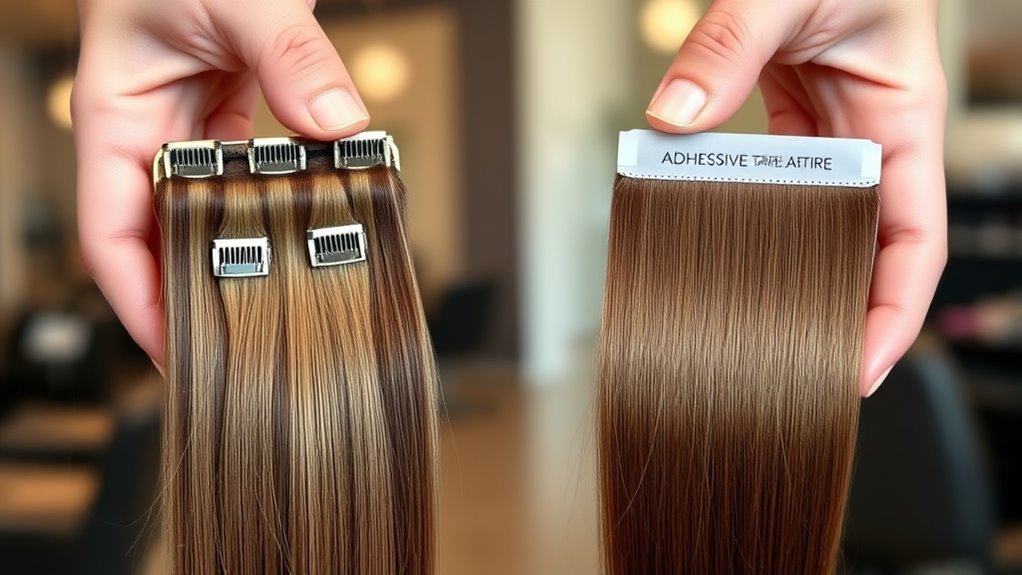
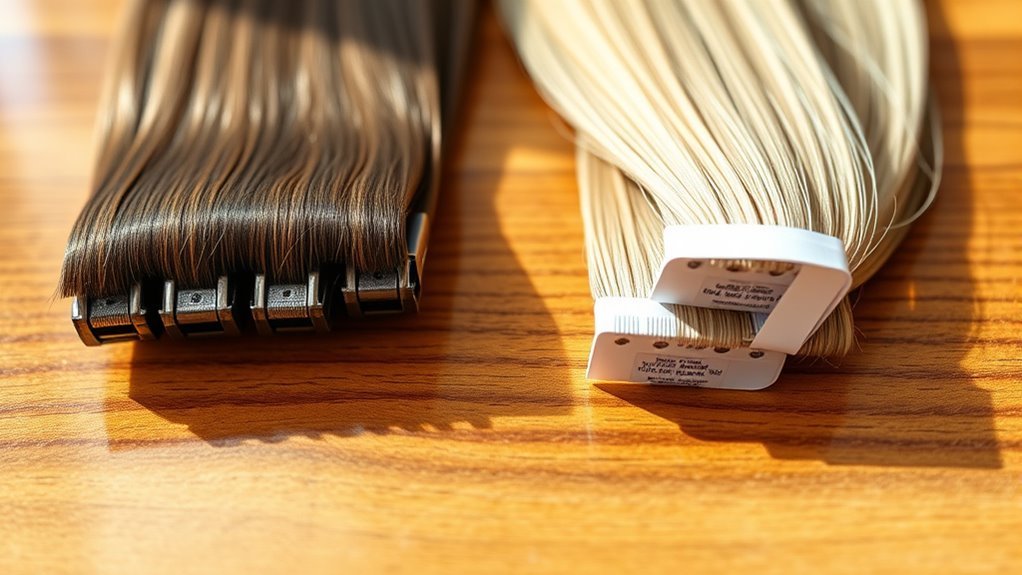
Hair extensions come in various types, but clip-in and tape-in are two of the most popular options. When you choose clip-in extensions, you’re opting for strands attached to small clips, making them easy to add or remove without professional help. They suit many hair types, especially if you want temporary volume or length.
Clip-in extensions offer an easy, temporary way to add volume or length without professional help.
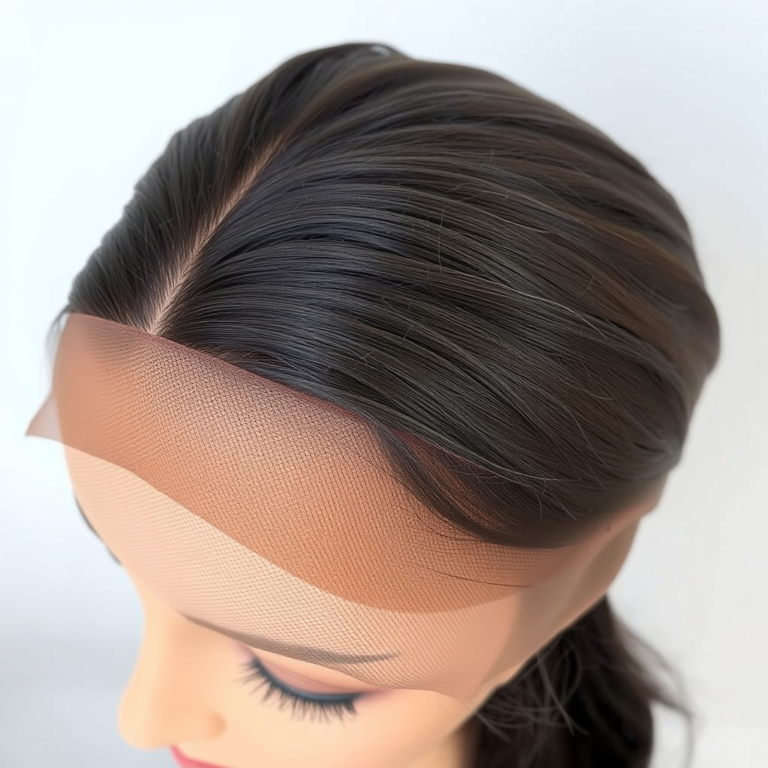
Tape-in extensions, on the other hand, use a thin strip of adhesive to blend seamlessly with your natural hair. These work well if you’re after a longer-lasting solution.
The extension materials also vary. Most clip-in and tape-in extensions come from human hair, allowing you to style and treat them like your own. Synthetic options exist but don’t offer the same versatility.
Depending on your hair type, you might prefer one material over another to guarantee the best match in texture and durability. Understanding these basics helps you decide which extension style fits your lifestyle and hair needs.
How Do Clip-In and Tape-In Attach to Hair?
Although both clip-in and tape-in extensions add length and volume, they attach to your hair in very different ways. Clip-in extensions use small, discreet clips that snap open and closed, allowing you to quickly secure them near your scalp. This attachment method is gentle because you clip them onto sections of your natural hair without any adhesives or heat.
Tape-in extensions, however, rely on a sticky adhesive tape to bond thin wefts of hair to your strands. This semi-permanent attachment method lies flat against your head, offering a more natural look but requiring careful application to avoid damage.
When considering hair health, clip-ins put less stress on your natural hair since you can remove them daily. Tape-ins require professional installation and maintenance to prevent pulling or breakage. Understanding these attachment methods helps you choose the best option that balances style and hair health.
Which Extensions Are Easier to Put In and Take Out?
When it comes to putting in and taking out extensions, you’ll definitely notice a big difference in time and effort between clip-ins and tape-ins. Clip-in extensions snap in and out quickly, making them super convenient. On the other hand, tape-ins need a bit more care when you’re removing them. So, let’s break down how each option fits into your routine.
Application Time Comparison
Since you’ll likely want to switch your look quickly, it’s important to know which extensions you can apply and remove with ease. Clip-in extensions shine regarding time efficiency. They snap in using simple application techniques that take just minutes.
You can easily section your hair, clip them in, and be done fast. Tape-in extensions, however, require more precision and care during application. The process involves sandwiching small sections of your natural hair between adhesive strips, which takes longer and often needs professional help.
While tape-ins offer a more seamless finish, their application time is less forgiving if you’re in a hurry. If speed and convenience top your list, clip-ins are the clear winner for quick, hassle-free styling.
Removal Process Differences
Quick application is just one part of the overall convenience you’ll want from hair extensions. Regarding removal process differences, clip-in extensions clearly have the edge. You simply unclip them, making removal quick and stress-free without any special removal techniques.
Tape-in extensions require a bit more care. You’ll need a solvent to dissolve the adhesive, which can take time and caution to avoid hair damage. This extra step can impact extension longevity if not done properly.
Which Last Longer: Clip-In or Tape-In?
How long your extensions last depends largely on the type you choose and how well you care for them. When making a durability comparison between clip-in and tape-in extensions, you’ll find tape-ins generally offer longer-lasting wear.
Tape-in extensions can stay in place for 6 to 8 weeks with proper maintenance, thanks to their adhesive bonding, which secures them more firmly. Clip-ins, on the other hand, are designed for temporary use and typically last around 6 to 12 months with careful handling but are removed daily.
Longevity factors include how often you wear the extensions, your hair care routine, and how gently you handle them during installation and removal. Tape-ins require professional reapplication to maintain their lifespan, while clip-ins are easier to manage at home but can wear out faster from frequent clipping.
Ultimately, if you want extensions that last longer between applications, tape-ins might be the better choice.
Do Clip-In or Tape-In Extensions Hurt Your Hair?
Although both clip-in and tape-in extensions can improve your look, they affect your hair differently and may cause damage if not used properly. Maintaining your hair health depends on how you apply, wear, and care for these extensions.
Clip-ins are less likely to cause long-term damage since you remove them daily, reducing tension on your natural hair. Tape-ins, however, stay attached longer and can strain your hair if applied incorrectly or left in too long, potentially leading to breakage.
| Extension Type | Application Duration | Impact on Hair Health | Common Extension Effects | Maintenance Needed |
|---|---|---|---|---|
| Clip-In | Temporary (daily) | Minimal if careful | Possible scalp irritation | Frequent removal |
| Tape-In | Weeks | Moderate if misused | Tension, breakage risk | Professional care |
Choosing the right extension and caring for it properly will help protect your hair health and minimize negative extension effects.
How Do Costs Compare Between Clip-In and Tape-In?
You’ll notice clip-in extensions usually have a lower initial price. But tape-ins often come with higher long-term maintenance costs. If you’re thinking about tape-ins, remember to factor in professional application fees since they need expert handling. Knowing these cost differences can really help you figure out what fits your budget and lifestyle best.
Initial Purchase Price
When comparing clip-in and tape-in extensions, the initial purchase price often plays a big role in your decision. Clip-in extensions usually require a lower initial investment, making them more budget-friendly if you’re looking for a quick, temporary change.
You can find quality clip-ins at various price points, so they’re great if you want to experiment without spending too much upfront. Tape-in extensions, on the other hand, tend to be pricier initially because they often come with salon application costs and higher-quality hair.
If budget considerations are tight, clip-ins might be the better choice. However, if you want a more natural, long-lasting look from the start, investing more in tape-ins could be worth it despite the higher initial cost.
Long-Term Maintenance Costs
Since both clip-in and tape-in extensions require ongoing care, it’s important to contemplate their long-term maintenance costs before making a decision. Clip-in extensions have a low maintenance frequency because you can easily remove and clean them yourself, which keeps costs minimal over time.
On the other hand, tape-in extensions need more frequent upkeep, typically every 6 to 8 weeks, due to adhesive replacement and repositioning. This higher maintenance frequency means you’ll spend more regularly on care products or professional touch-ups.
When you weigh the cost comparison, clip-ins generally save you money in the long run since they don’t demand constant attention or specialized products. However, if you prefer the seamless look of tape-ins, be ready for a higher ongoing investment to maintain their quality and appearance.
Professional Application Fees
Although clip-in extensions are designed for easy DIY use, tape-in extensions usually require professional application, which affects the overall cost. When you opt for tape-ins, you’ll need to budget for professional services, as proper placement and blending demand skill and experience.
Application pricing for tape-in extensions varies depending on the salon and stylist’s expertise but generally ranges higher than clip-ins due to the labor involved. On the other hand, clip-in extensions let you skip these fees since you apply them yourself, saving you money upfront.
However, if you want a flawless look with tape-ins, professional application guarantees durability and comfort, making the extra cost worthwhile. To summarize, tape-ins come with higher application pricing because of required professional services, while clip-ins offer a cost-effective, hands-on alternative.
Best Hair Types for Clip-In vs. Tape-In Extensions
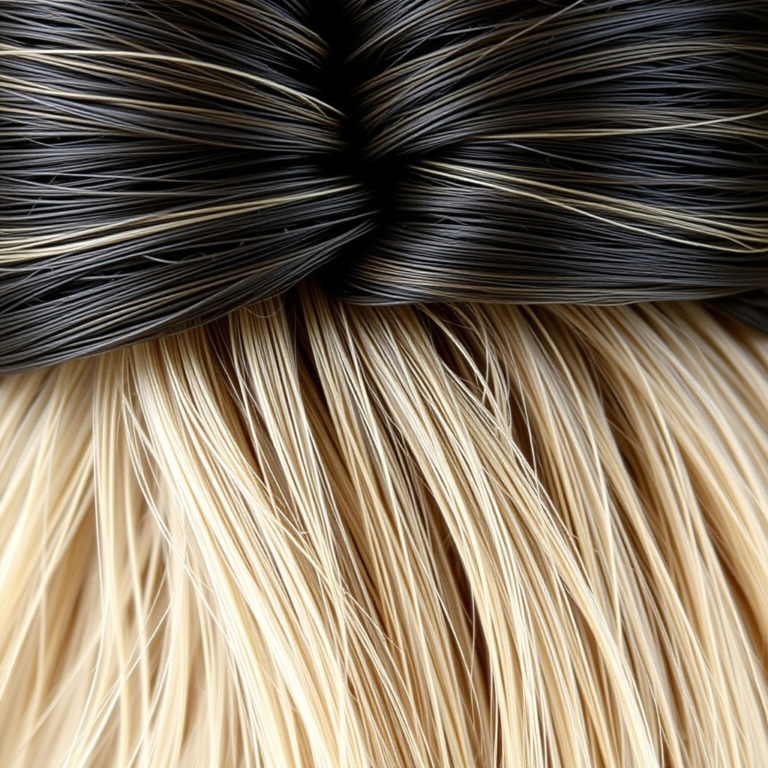
Choosing between clip-in and tape-in extensions depends largely on your hair type. Each method works best with specific textures and conditions. If you have fine strands, tape-in extensions offer a seamless, lightweight option that blends naturally without weighing your hair down.
Clip-in extensions work great for thicker hair or curly textures. You can easily add volume and length without worrying about adhesive slipping.
Here’s a quick guide to help you decide:
| Hair Type | Recommended Extension Type |
|---|---|
| Fine Strands | Tape-In |
| Curly Textures | Clip-In |
| Thick Hair | Clip-In |
| Straight Hair | Tape-In |
How Do Clip-In and Tape-In Extensions Look and Feel Daily?
You’ll want to know how clip-in and tape-in extensions hold up and feel as you go about your day. Both styles can look natural, but comfort and wearability might differ depending on your activities. So, let’s dig into what you can expect from each option.
Appearance Throughout The Day
When you wear clip-in extensions, you’ll notice they can feel a bit heavier and less natural as the day goes on, especially if you move a lot or style your hair frequently. Their visual impact is strong at first, giving you instant volume and length.
But as you wear them throughout the day, the clips might become more visible or shift slightly, affecting the seamless look you aimed for. On the other hand, tape-in extensions blend more consistently with your hair during daily wear.
They maintain a natural appearance longer because they lie flat and move with your hair, preserving that effortless look. So, if you want extensions that keep their visual impact steady from morning to night, tape-ins generally outshine clip-ins in appearance throughout the day.
Comfort And Wearability
Although both clip-in and tape-in extensions improve your hairstyle, they differ greatly in comfort and wearability. Your comfort level depends on several wearability factors tailored to your needs. Consider these three key points:
- Extension Weight and Movement Freedom: Clip-ins are heavier and can restrict natural hair movement. Tape-ins are lightweight, offering better freedom and daily comfort.
- Hair Sensitivity and Scalp Health: Tape-ins sit closer to your scalp, which may cause discomfort if you have sensitive skin, but they distribute weight evenly, reducing strain. Clip-ins can pinch, impacting scalp health if worn too long.
- Lifestyle Adaptability: Clip-ins are ideal for occasional use and are easily removed for active lifestyles. Tape-ins suit long-term wear but require more care.
Choose based on your comfort and lifestyle to enjoy your extensions fully.
What Maintenance Do Clip-In and Tape-In Extensions Need?
Because clip-in and tape-in extensions differ in application and durability, their maintenance routines also vary considerably. For clip-in extensions, you’ll want to focus on gentle handling since you remove and reapply them frequently. Use sulfate-free shampoos and conditioners to keep the hair soft and tangle-free.
Store them properly in a clean, dry place to avoid damage. Regularly detangle with a wide-tooth comb to prevent breakage. These maintenance tips help extend their lifespan without professional help.
Tape-in extensions need more careful attention because they’re semi-permanent. Avoid oily or heavy products near the tape to maintain a strong hold. You’ll need to visit a stylist every 6 to 8 weeks for repositioning and to prevent matting at the roots.
Use extension care products designed for tape-ins to keep them smooth and manageable. By following these specific routines, you’ll keep both types looking fresh and lasting longer.
How to Choose the Right Extensions for Your Lifestyle?
Maintaining clip-in and tape-in extensions requires different levels of commitment, which makes choosing the right type closely tied to your daily routine and lifestyle. To select the best extensions, focus on your lifestyle considerations and how they align with hair care and maintenance habits.
Choosing the right hair extensions depends on your daily routine and commitment to maintenance.
- Daily Routines & Maintenance Habits: If you prefer quick, temporary styling, clip-ins fit well. Tape-ins demand more consistent upkeep and are better for long-term wear.
- Styling Choices & Occasion Suitability: Consider how often you style your hair and for what occasions. Clip-ins offer flexibility for special events, while tape-ins provide a natural look for everyday wear.
- Personal Preferences & Budget Constraints: Tape-ins can be pricier upfront and require salon visits, whereas clip-ins are more budget-friendly and allow you to customize as you go.
Frequently Asked Questions
Can I Swim or Shower With Clip-In or Tape-In Extensions?
You can swim and shower with clip-in or tape-in extensions, but you need swimming precautions and showering tips to keep them in good shape. Avoid chlorinated or salty water, or rinse your hair immediately after swimming to prevent damage.
When showering, use lukewarm water and gentle, sulfate-free shampoo. Don’t rub or scrub your extensions; instead, gently pat them dry. Taking these steps helps your extensions last longer and stay looking great.
Are Clip-In or Tape-In Extensions Reusable After Removal?
Imagine gently peeling back strands, feeling the smooth texture as you remove your extensions. Yes, both clip-in and tape-in extensions can be reused after the removal process, but tape-ins need careful adhesive cleaning.
To keep them fresh, follow maintenance tips like storing clip-ins in a dry place and avoiding excess oils. With proper care, you’ll enjoy your extensions again and again, preserving their shine and quality effortlessly.
How Do Clip-In and Tape-In Extensions Affect Hair Styling Options?
You’ll find clip-in extensions offer more styling versatility since you can remove and reapply them easily, letting you switch up your look daily. Tape-in extensions blend seamlessly but limit some heat styling to protect the adhesive bonds.
Because tape-ins require more maintenance and professional care, your styling options might feel a bit restricted. With clip-ins, you’ve got freedom and low maintenance, perfect if you love changing styles often.
Can I Color or Dye Clip-In or Tape-In Extensions?
Coloring extensions is like walking a tightrope, so you’ve got to be careful! You can dye both clip-in and tape-in extensions, but it’s best to use gentle coloring methods designed for human hair.
Avoid harsh dyeing techniques that can damage the strands or adhesives. Always test a small section first, and consider consulting a pro to keep your extensions looking flawless and vibrant without compromising their quality or lifespan.
What Should I Do if My Extensions Cause Scalp Irritation?
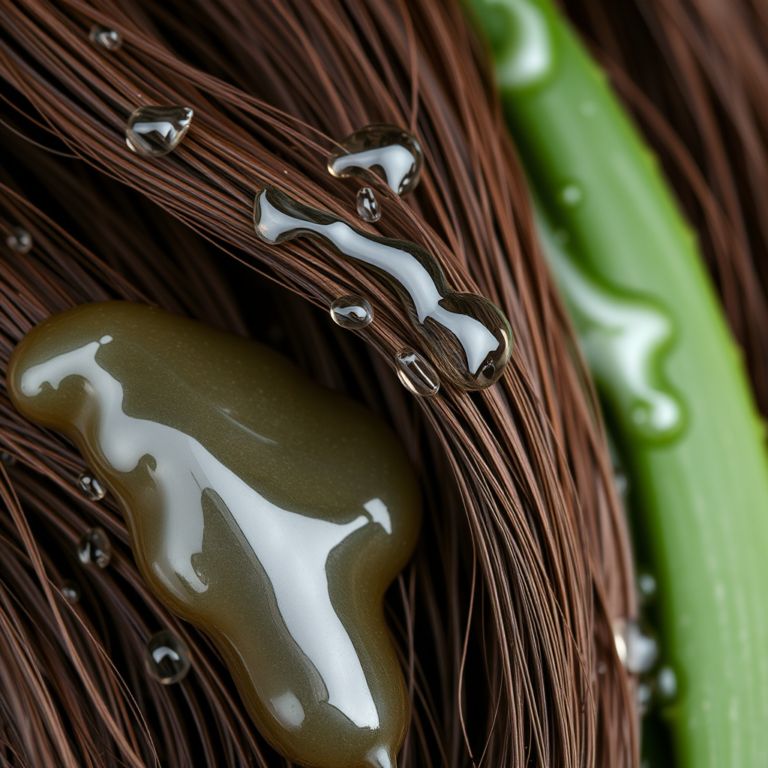
If your extensions cause scalp irritation, focus on scalp care first. Gently cleanse your scalp with a soothing, sulfate-free shampoo to reduce itching and inflammation. You can also apply irritation remedies like aloe vera gel or tea tree oil to calm the area.
Avoid scratching or tight styles that worsen discomfort. If irritation persists, remove the extensions and consult a dermatologist to prevent further damage and maintain a healthy scalp.
Conclusion
Choosing between clip-in and tape-in extensions is like picking the perfect brush for your masterpiece. Clip-ins offer quick, temporary flair, snapping in like magic when you want a change.
Tape-ins blend seamlessly, weaving into your hair for a longer-lasting, natural glow. Think about your lifestyle. Do you crave versatility or steady elegance?
Whichever you choose, your hair’s about to tell a beautiful story, one strand at a time with clip-in and tape-in extensions.