Your Guide to 30 Braiding Hair: Choosing With Confidence
Finding the perfect braiding hair can feel overwhelming, right? You’re not alone—many people struggle with choosing the right type, texture, and color that blends seamlessly with their natural hair.
Whether you want something affordable, long-lasting, or just the perfect shade, it’s a lot to consider before making a purchase.
You can confidently choose the right braiding hair by understanding its types, textures, and colors that match your natural hair.
Decide between synthetic for affordability and vibrant colors or natural human hair for durability and a natural look.
Consider texture compatibility, care needs, and your styling goals.
Look for quality and eco-friendly options to support ethical choices.
Exploring these factors will help you master braiding hair selection and maintain beautiful styles with ease.
Key Takeaways
- Understand differences between synthetic and natural braiding hair for durability, texture, and styling preferences.
- Match braiding hair texture and color to your natural hair and skin tone for a seamless, flattering look.
- Choose from popular braiding hair types like Kanekalon, Marley, and Yaki based on style and texture needs.
- Maintain braiding hair properly using gentle washing, moisturizing, and detangling to prevent tangling and shedding.
- Shop smart by comparing prices, assessing quality in stores or online, and considering eco-friendly, vegan braiding hair options.
What Makes Braiding Hair Different From Regular Hair
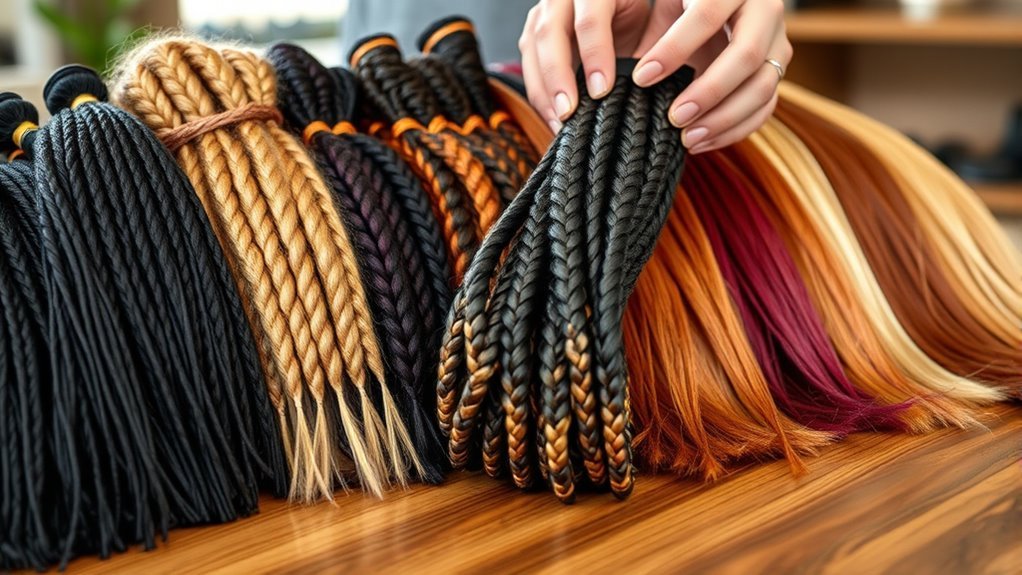
Although braiding hair looks similar to regular hair, it’s specially designed to hold styles longer and withstand daily wear. When you use braiding hair, you’ll notice it’s crafted to maintain its shape and texture better than natural hair, which is essential for various braiding techniques. This durability means your braids stay neat and intact without frizzing or unraveling quickly.
Unlike regular hair, braiding hair often comes pre-stretched or treated to prevent tangling, making your styling process smoother and less time-consuming. It also requires different hair care practices; you’ll want to keep it clean and moisturized but avoid heavy products that can weigh it down or cause buildup.
Understanding these differences helps you choose the right braiding hair for your style and maintain your look effortlessly. By focusing on proper hair care and selecting quality braiding hair, you’ll enjoy long-lasting, beautiful braids every time.
How to Match Braiding Hair Texture to Your Natural Hair
To get the best look, start by figuring out your natural hair texture. Once you know that, take a close look at the texture and porosity of the braiding hair you want to use. This way, you can make sure both blend together seamlessly for a natural finish.
Identify Your Hair Texture
Matching your braiding hair texture to your natural hair makes your style look seamless and lasts longer. To get it right, start by understanding hair type distinctions, such as straight, wavy, curly, or coily.
Each type has unique characteristics that impact how braiding hair blends. Use texture identification techniques like examining your hair’s curl pattern and feeling its thickness.
You can also stretch a strand to see how much it recoils, giving clues about your texture. Taking these simple steps helps you pick braiding hair that mimics your natural strands, ensuring a natural look and better hold.
Identifying your hair texture confidently sets the foundation for choosing the perfect braiding hair every time.
Compare Texture and Porosity
Understanding your hair texture is a great start, but to truly guarantee your braiding hair blends seamlessly, you also need to take into account porosity. Hair texture variations affect how your hair looks and feels, while porosity levels determine how well your hair absorbs and retains moisture.
Matching both guarantees your braiding hair responds likewise to styling techniques, preventing dryness or breakage. If your hair has high porosity, choose braiding hair that can handle moisture well to maintain hair health. Conversely, low-porosity hair requires braiding hair that won’t trap too much product or moisture.
Blend Natural and Braiding Hair
When you blend natural hair with braiding hair, you create a seamless look that enhances your style’s authenticity. To achieve this, you need to carefully match the texture of your natural hair with your hair extensions.
Start by examining your hair’s curl pattern and porosity, then select braiding hair that mimics these characteristics. Natural blends work best because they guarantee the added hair flows smoothly with your own, preventing noticeable differences.
Avoid choosing hair extensions that are too silky or straight if your hair has a coarser texture, as this contrast can stand out. By prioritizing texture compatibility, you’ll enjoy a more natural, polished finish that boosts confidence and keeps your braids looking flawless longer.
Key Factors to Consider When Choosing Braiding Hair
When you’re picking out braiding hair, it’s really important to pay attention to texture and quality. This way, you’ll get a natural look that lasts. You’ll also want to think about the length and volume that work best for the braid style you’re going for. And, of course, matching the color to your natural hair is key if you want everything to blend seamlessly.
Hair Texture And Quality
Texture and quality play an essential role in choosing the right braiding hair that suits your style and lasts longer. Understanding texture differences helps you pick hair that blends well with your natural strands or achieves the look you want.
A proper quality assessment guarantees the hair won’t tangle, shed, or lose its luster quickly. When evaluating braiding hair, consider:
- Feel the hair to detect softness or coarseness
- Check for consistent texture throughout the bundle
- Look for minimal shedding and tangling in samples
- Assess the hair’s shine to avoid overly synthetic looks
- Confirm the hair’s durability for long-lasting styles
Length And Volume Options
Choosing the right length and volume of braiding hair can make all the difference in achieving your desired style and guaranteeing it feels comfortable. When considering length variations, think about how long you want your braids to be, whether you prefer short, medium, or long styles.
Longer hair offers versatility but may require more maintenance. Volume improvement is another key factor. If you want fuller braids, opt for thicker bundles or add multiple packs to create that lush look.
Keep in mind that too much volume can feel heavy, so balance is essential. By carefully selecting the appropriate length and volume, you’ll guarantee your braids not only look great but also suit your lifestyle and comfort needs perfectly.
Color Matching Tips
Although selecting the perfect color for your braiding hair might seem straightforward, it plays an essential role in achieving a natural and flattering look. When choosing, consider how color psychology affects perception. Warm tones can evoke energy, while cool shades bring calmness.
Also, keep an eye on seasonal trends to stay stylish and relevant. Here are some tips to guide you:
- Match your braiding hair tone closely to your natural hair for seamless blending.
- Consider your skin undertone to improve your overall appearance.
- Use highlights or lowlights to add dimension and depth.
- Experiment with bold colors if you want to express your personality.
- Factor in seasonal trends to refresh your look regularly.
With these tips, your braids will not only look great but also reflect your style confidently.
Synthetic Braiding Hair: Pros and Cons Explained
When you opt for synthetic braiding hair, you’ll find it offers a budget-friendly and versatile option for creating various styles. Synthetic materials come in many texture variations, mimicking natural hair or offering unique looks.
You’ll appreciate the wide color selection, but keep in mind synthetic hair is prone to color fading over time. Compared to natural hair, synthetic hair usually costs less, making it a great choice if you’re watching your budget.
However, synthetic fibers have low heat resistance, so avoid using high-heat styling tools to prevent damage. Installation techniques for synthetic hair can differ slightly, so follow specific instructions for best results.
Also, if you have sensitive skin or hair allergies, synthetic hair might trigger reactions, so test before fully committing. Overall, synthetic braiding hair suits you if you want an affordable, varied, low-maintenance option, but be mindful of its limitations like heat sensitivity and potential color fading.
Natural Human Braiding Hair: When to Choose It
If you want a more natural look and longer-lasting style, natural human braiding hair is the way to go. Choosing this option lets you adopt natural braiding techniques while supporting ethical hair sourcing. You’ll appreciate its versatility and texture, which blend seamlessly with your own hair.
Consider natural human braiding hair when:
- You want a style that feels and looks authentic.
- You’re aiming for durability and reusability.
- Ethical hair sourcing matters to you.
- You plan to experiment with coloring or heat styling.
- You prefer a softer, more manageable texture.
This hair type responds well to styling and maintenance, giving you more creative freedom. Plus, using ethically sourced hair guarantees you’re making a responsible choice that respects the origins of your braiding materials. When you pick natural human braiding hair, you invest in quality and conscience, making your braiding experience truly satisfying.
Kanekalon Braiding Hair: Most Popular Synthetic Option
Kanekalon braiding hair gives you a lightweight, affordable, and durable synthetic option that’s super easy to maintain. Plus, it comes in a bunch of textures and colors, so you have plenty of styling options to create different looks.
Benefits of Kanekalon
Many people choose Kanekalon braiding hair because it offers a perfect blend of affordability, durability, and a natural look. When you consider Kanekalon benefits, its durability stands out, resisting frizz and maintaining texture over time.
Its versatility allows you to experiment with various Kanekalon styles without compromising quality. Compared to other synthetic options, Kanekalon’s color range and texture mimic natural hair closely, making it a favorite.
Plus, Kanekalon care is straightforward, requiring minimal maintenance.
- Offers a natural texture and vibrant color options
- Provides long-lasting durability for extended wear
- Requires simple maintenance to keep it looking fresh
- Versatile enough for numerous style choices
- Known for high-quality origins and consistent performance
Kanekalon comparison often highlights its balance of beauty and practicality.
Styling Versatility Options
The blend of durability and natural look that Kanekalon provides makes it a favorite for those who want versatile styling options. You can easily follow current styling trends, from protective styles to intricate braids, while maintaining your hair health.
Kanekalon’s type versatility and length variations allow you to experiment with different looks for seasonal styles or special events, ensuring event appropriateness every time. Plus, color blending options let you match or contrast your natural hair effortlessly.
Adding braid accessories elevates your style without compromising maintenance routines, which remain straightforward. Whether you prefer long, flowing braids or shorter, more manageable styles, Kanekalon adapts to your needs, making it an ideal choice for anyone seeking flexibility and flair in their braiding hair.
Toyokalon Braiding Hair: A Soft Alternative for Braiding
Although you might have heard a lot about Kanekalon, Toyokalon braiding hair offers a softer, silkier texture that many prefer for a more natural feel. When you choose Toyokalon, you tap into unique benefits that enhance your braiding experience.
Toyokalon styling lets you achieve smooth, flexible looks without the stiffness that sometimes comes with other synthetic fibers.
Enjoy smooth, flexible braids free from the stiffness found in many synthetic fibers.
Here are some Toyokalon benefits you’ll appreciate:
- Lightweight and gentle on your scalp
- Less frizz and tangling for longer-lasting styles
- Natural shine that mimics real hair
- Easy to blend with your own hair color
- Holds braids firmly without feeling heavy
Marley Braiding Hair: Ideal for Textured and Natural Styles
If you’re looking for braiding hair that matches your natural texture, Marley hair is a great choice. It has that coarse, kinky feel that blends in beautifully. You’ll find it’s super versatile too—perfect for creating all kinds of styles, from twists to faux locs. And the best part? It holds up well over time, so maintenance is a breeze for you.
Texture and Appearance Benefits
Many braiders prefer Marley braiding hair because it perfectly mimics the natural texture of afro-textured hair, giving your style an authentic look and feel. This hair type offers excellent texture improvement, making your braids appear fuller and more natural.
Plus, Marley hair provides appearance versatility, allowing you to achieve various textured looks without sacrificing realism.
Here’s why Marley braiding hair stands out:
- Adds volume and depth to your braids
- Holds curls and coils beautifully
- Blends seamlessly with natural hair
- Offers a matte finish for a natural appearance
- Maintains texture throughout wear
Choosing Marley hair guarantees your braided styles look vibrant and true to your natural hair’s essence.
Styling Versatility Options
You’ll find Marley braiding hair incredibly versatile, allowing you to create a wide range of textured and natural styles that suit your personal taste. Whether you’re exploring current styling trends or experimenting with braid techniques, Marley hair adapts well to creative patterns and protective styles.
Use color techniques to add dimension or highlight your look, perfect for seasonal styles or event inspirations. Don’t forget accessorizing options like beads or cuffs to enhance your braids effortlessly.
With Marley hair, versatility tips include mixing braid sizes or combining styles for a unique finish. This adaptability guarantees you can switch up your look regularly without hassle, making it a go-to choice for anyone wanting flexible, stylish, and natural-looking braids.
Maintenance and Durability
Marley braiding hair stands out for its impressive durability, making it an excellent choice for textured and natural styles that need to last. To keep your braids looking fresh and strong, focus on key maintenance tips and product recommendations tailored for moisture retention and gentle detangling methods.
Consider these durability factors to extend your style: use moisturizing leave-in conditioners and oils to improve moisture retention. Opt for protective styles that reduce daily manipulation and breakage.
Employ gentle detangling methods to prevent frizz and damage. Incorporate seasonal care by adjusting your hair care routine for humidity or dryness. Accessorize wisely with lightweight hair accessories to avoid added tension.
Havana Braiding Hair: Lightweight and Fluffy Choice
Although it might seem similar to other braiding hair types, Havana braiding hair stands out because it’s lightweight and fluffy. This makes it easier to style and more comfortable to wear.
One of the biggest Havana hair benefits is its natural-looking texture variations, which give your braids a fuller, softer appearance. You’ll find various color options that blend well with different skin tones, enhancing your protective styles.
In terms of styling techniques, layering methods help you achieve that signature fluffiness factor without weighing down your hair. Maintenance tips emphasize gentle handling to preserve hair longevity and prevent frizz.
Since Havana braiding hair is a lightweight choice, it reduces scalp tension, making it ideal for longer wear. Whether you’re creating chunky twists or box braids, this hair type offers versatility and comfort.
Choosing Havana hair guarantees your braids look vibrant and last longer while keeping your scalp happy.
Yaki Braiding Hair: Mimicking Relaxed Hair Texture
When you want braiding hair that mimics the smooth, straight texture of relaxed hair, Yaki braiding hair is an excellent choice. Its natural look makes it popular among those seeking yaki styles that blend seamlessly with your own hair.
You’ll find yaki variations ranging from coarse to fine textures, allowing you to match your desired look perfectly. Yaki durability guarantees your braids stay intact longer, but proper yaki care and yaki maintenance are essential to keep it looking fresh.
Consider these key points about Yaki braiding hair:
- Yaki sourcing affects quality and pricing, so choose reputable suppliers.
- Yaki blending helps achieve a natural look with your own hair.
- Yaki colorways come in various shades to suit your style.
- Yaki popularity continues to grow due to its versatility.
- Yaki maintenance involves gentle washing and minimal heat to preserve texture.
This makes Yaki an excellent, realistic option for your braiding needs.
Bulk vs. Pre-Looped Braiding Hair: Which Is Best?
Choosing the right type of braiding hair can make a big difference in your styling experience and the final look. Bulk hair benefits include more texture variety and flexibility in styling techniques, allowing you to customize your installation methods. On the other hand, pre-looped convenience saves time during installation and simplifies hair maintenance, especially if you’re new to braiding.
Here’s a quick cost comparison and durability analysis to help you decide:
| Feature | Bulk Hair | Pre-Looped Hair |
|---|---|---|
| Installation Methods | Requires skill, more time | Quicker, user-friendly |
| Durability Analysis | More durable with proper care | Slightly less durable |
| Cost Comparison | Generally more affordable | Often pricier due to convenience |
Choose bulk if you want versatility and cost-effectiveness. Opt for pre-looped if you prioritize speed and ease of use. Both offer texture variety to match your style and maintenance preferences.
How Braiding Hair Length Affects Your Style
Since the length of your braiding hair directly influences both the look and manageability of your style, understanding how to select the right length is key. The length impact shapes how your braids fall and how long they last. Choosing too long can feel heavy and harder to maintain, while too short might limit style variation.
Consider these points when picking braiding hair length:
- Longer hair offers dramatic, flowing styles but requires more care.
- Shorter lengths provide a fresh, low-maintenance look.
- Medium lengths balance manageability with versatile style variation.
- The length affects how your hair moves and complements your face shape.
- Proper length choice reduces tangling and frizz over time.
Choosing Braiding Hair Color: Tips and Trends
When you’re picking your braiding hair color, it’s a good idea to think about popular shades that really complement your skin tone. This can make a big difference in upgrading your overall look. You’ll want to go for colors that highlight your natural beauty but also keep you on trend.
Popular Braiding Hair Shades
Picking the right braiding hair color can completely transform your look and boost your confidence. You’ll want to contemplate popular shades that suit your style and stand out with lasting appeal.
Whether you’re drawn to subtle or bold, here are some trending hues to investigate:
Vibrant options with pastel shades add a playful, fresh feel. Ombre techniques offer smooth color blending for dynamic dimension. Seasonal shades reflect current trends and keep your style updated.
Natural highlights improve depth while maintaining color durability. Rich, bold colors guarantee your braids make a statement without fading quickly.
Choosing from these popular braiding hair shades helps you express yourself while embracing the latest trends confidently and creatively.
Matching Skin Tone
Although choosing braiding hair color can feel overwhelming, matching it to your skin tone makes a huge difference in enhancing your overall look. When selecting shades, consider how warm, cool, or neutral undertones complement your complexion.
This approach helps your braids blend naturally or stand out beautifully, depending on your style. Different braiding techniques also highlight colors distinctly, so factor in how the color interacts with your chosen style.
| Skin Tone | Recommended Hair Colors | Braiding Techniques |
|---|---|---|
| Warm (golden) | Honey, caramel, auburn | Box braids, twists |
| Cool (pink/blue) | Ash brown, burgundy | Cornrows, feed-in braids |
| Neutral | Chocolate, chestnut | Goddess braids, Senegal |
| Deep | Jet black, dark brown | Fulani braids, faux locs |
Trending Hair Color Styles
How do you choose a braiding hair color that’s both stylish and flattering? Start by exploring trending hair color styles that blend creativity with your personal vibe. Consider these popular options:
- Trendy balayage for natural tones with seamless color blending
- Pastel hues and vibrant highlights to add playful pops of color
- Seasonal shades that refresh your look with root shadows and subtle ombre
- Bold colors to make a statement with striking color contrast
- Soft, natural tones that complement your skin while offering low-maintenance style
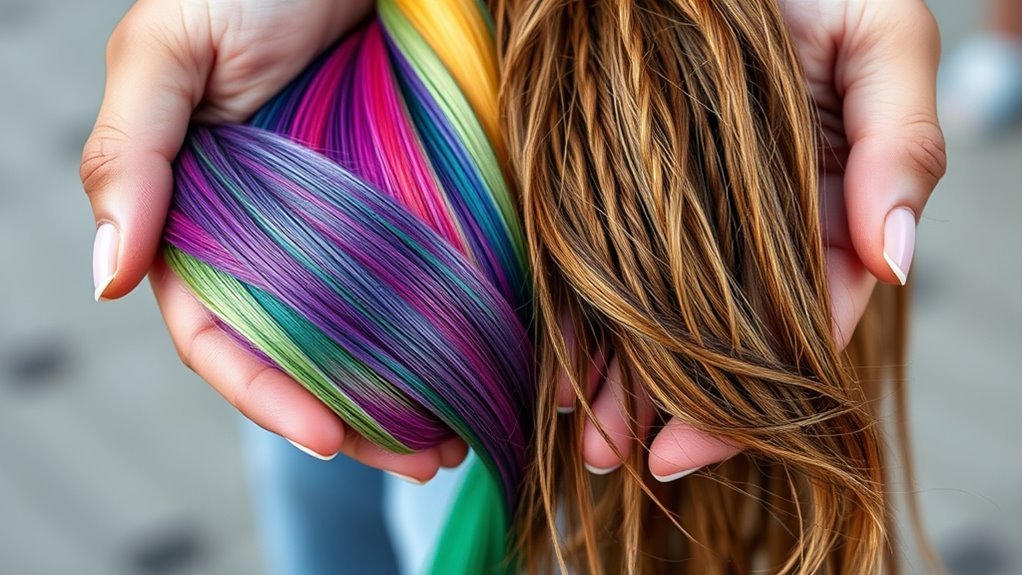
Ombre and Highlighted Braiding Hair Options to Try
When you want to add depth and dimension to your braids, ombre and highlighted hair options offer vibrant ways to improve your style. Ombre styles gradually blend one color into another, creating a smooth shift that adds visual interest and movement.
Highlighted options, on the other hand, introduce streaks of lighter or contrasting shades to emphasize hair layering and texture. Both techniques use color blending to create trendy hues that suit your personality and complement your look.
Choosing the right ombre or highlights depends on your preferred color palette and the effect you want to achieve. Keep in mind that color maintenance is essential to preserving the vibrancy and health of synthetic or natural braiding hair.
Regular care guarantees your braids stay fresh and eye-catching longer. By experimenting with these options, you can confidently boost your braiding game with dynamic and stylish color play.
Selecting Braiding Hair for Long-Lasting Durability
Choosing the right braiding hair means thinking about a few key things: the type of material, how you plan to take care of it, and how well it stands up to different weather conditions. You want hair that stays strong and looks fresh for a long time without requiring too much effort. So, let’s dive into what makes braiding hair durable and easy to maintain.
Hair Material Types
Although many braiding hair options exist, selecting the right material plays a crucial role in guaranteeing your style lasts longer and looks fresh. You’ll want to weigh natural fibers against synthetic blends, considering texture comparisons and color variations to match your desired look.
Brand recommendations help you trust quality and ethical sourcing, while cost considerations keep your budget in check. Stay updated with trend analysis to pick materials that complement current styling methods.
- Natural fibers offer breathability and realistic shine
- Synthetic blends provide durability and vibrant color options
- Texture comparisons guide your choice for smooth or curly styles
- Brand recommendations guarantee quality and ethical sourcing
- Cost considerations balance style and budget needs
Choosing wisely sets the foundation for flawless, long-lasting braids.
Maintenance And Care
To keep your braiding hair looking fresh and durable, you’ll need to adopt a consistent maintenance routine that suits the material you’ve selected. Start with gentle hair washing to prevent buildup, and guarantee thorough scalp care to avoid irritation.
Use proper product application, like lightweight oils and leave-in conditioners, to maintain moisture without weighing your braids down. Incorporate detangling techniques carefully, especially around the roots, to minimize breakage.
Stick to protective styles that reduce tension and friction. Use heat protection if you style with hot tools and choose appropriate styling tools to avoid damage.
Don’t forget nighttime care. Wrap your hair with a silk scarf or use a satin pillowcase. Finally, select hair accessories that won’t snag or pull, preserving your braids’ longevity and appearance.
Weather Resistance Factors
When you pick braiding hair, consider how it will hold up against different weather conditions to guarantee long-lasting durability. Weather resistance plays an important role in maintaining your style regardless of the climate impact. You want hair that handles humidity effects without frizzing or losing shape.
Rain durability is essential if you live in wet areas, while sun exposure resistance prevents fading and brittleness. Moisture control keeps your braids fresh and manageable through seasonal considerations.
Here’s what to focus on:
- Choose synthetic fibers with built-in weather proofing techniques.
- Opt for hair that resists moisture absorption to avoid frizz.
- Consider climate impact, whether it’s hot, humid, or rainy environments.
- Prioritize sun-resistant hair to prevent damage.
- Look for textures designed for easy moisture control.
These factors guarantee your braids stay flawless longer.
Best Braiding Hair for Box Braids
Choosing the best braiding hair for box braids can make all the difference in achieving a sleek, long-lasting style. When selecting your hair, you want to focus on quality, texture, and ease of handling.
Look for the best brands known for their durability and natural feel, such as X-Pression, Freetress, and Outre. These brands offer a range of popular styles like Kanekalon and Marley hair, which blend well with natural hair and hold up through daily wear.
Top brands like X-Pression, Freetress, and Outre provide durable, natural-feeling Kanekalon and Marley hair for lasting styles.
Kanekalon is especially popular for its smooth texture and ability to create neat, defined box braids. Marley hair offers a coarser, more natural look, perfect if you’re aiming for a fuller style.
Whichever you choose, make certain the hair is lightweight, tangle-free, and resistant to frizz. Picking the right braiding hair guarantees your box braids stay fresh and comfortable, helping you rock your look confidently.
Top Braiding Hair Types for Crochet Braids
When you’re picking out hair for crochet braids, it really helps to weigh synthetic against natural options to see what fits your style and needs best. Think about the textures that catch your eye and how long you want your braids to last. Plus, I’ll toss in some easy maintenance tips to keep your crochet braids looking fresh and fabulous.
Synthetic vs. Natural Hair
Although synthetic and natural hair each have their pros and cons, understanding their differences helps you pick the best option for your crochet braids. Synthetic hair offers impressive synthetic longevity, making it a budget-friendly choice that holds styles well over time.
Natural hair provides unmatched natural versatility, allowing you to style, dye, and treat it like your own hair. When choosing between them, consider:
- Synthetic hair is lightweight and easy to maintain
- Natural hair feels more authentic and blends seamlessly
- Synthetic fibers resist heat, limiting styling options
- Natural hair requires more care but adapts to heat styling
- Synthetic hair often comes in a wider range of vibrant colors
Popular Hair Texture Options
Texture plays a key role in how your crochet braids look and feel, so picking the right hair type can make all the difference. You can choose from curly braiding, wavy textures, straight options, or coily varieties depending on the style inspirations you want to achieve.
Curly and coily varieties offer natural volume improvement, while straight options provide a sleek, polished look. Mixing texture combinations lets you create unique, trendy styles that align with seasonal trends.
Don’t forget to reflect on color choices to complement your overall vibe. When selecting your hair, think about texture maintenance to keep your braids looking fresh longer.
Longevity and Maintenance Tips
Choosing the right braiding hair type can greatly extend the life of your crochet braids and simplify maintenance. To maximize longevity, focus on hair textures that resist tangling and shedding. Establishing effective maintenance routines will keep your braids looking fresh longer.
Here are key longevity strategies to follow:
Wash your scalp gently every 1-2 weeks to prevent buildup. Moisturize your braids regularly with a light leave-in conditioner. Sleep with a satin or silk scarf to reduce friction and frizz. Avoid excessive tension when installing to protect your natural hair. Refresh edges and loose braids promptly to maintain neatness.
Braiding Hair Choices for Senegalese and Rope Twists
When picking braiding hair for Senegalese and rope twists, you want fibers that are smooth, lightweight, and easy to manipulate. These qualities help create the sleek, defined look that Senegalese twists are known for while ensuring your hands don’t tire quickly during installation. Look for synthetic hair like Kanekalon or Toyokalon, as they provide the right balance of softness and durability for rope twist styles.
Since Senegalese twists are typically longer and thinner, choose hair that won’t tangle easily and holds curls or waves well if you want added texture. Rope twist styles benefit from hair with good stretch and resilience, helping the twists maintain their shape without unraveling. Avoid overly coarse or heavy fibers, as they can make the twists feel bulky and uncomfortable.
What Braiding Hair Works Best for Micro Braids?
When you’re picking out hair for micro braids, you’ll want something smooth and easy to handle. Synthetic hair tends to be really durable, which means your braids stay looking fresh for longer. So, let’s break down which types work best to get those perfect micro braids.
Ideal Hair Texture
Many hair types can work for micro braids, but the ideal texture is one that offers enough grip to hold the braids securely without slipping. When choosing your hair texture, consider how it interacts with your natural hair and supports popular braiding techniques.
You want a texture that complements your ideal haircare routines to maintain a healthy scalp and strands throughout the process. Here are five key qualities to look for:
- Slightly coarse or textured hair for better hold
- Medium thickness to avoid too much bulk
- Minimal slip to prevent unraveling
- Softness to reduce hair breakage
- Compatibility with moisturizing products
Selecting the right texture helps your micro braids last longer and look neater while supporting your hair’s health.
Durable Synthetic Options
Although natural hair textures play a big role, choosing the right synthetic braiding hair can make or break your micro braids. When picking synthetic options, focus on durable fibers that withstand everyday wear without fraying or tangling. These fibers keep your braids looking fresh longer, saving you time and effort.
Also, opt for colorfast options to maintain vibrant hues without fading or bleeding. This is especially important if you want bold or multi-toned styles. High-quality synthetic hair blends durability with realistic texture, ensuring your micro braids not only last but look natural.
Lightweight Braiding Hair Options for All-Day Comfort
Choosing the right lightweight braiding hair can make a huge difference in how comfortable your style feels throughout the day. When you pick braiding hair made from lightweight materials, you reduce tension on your scalp and avoid that heavy, uncomfortable feeling.
This means you can confidently rock your braids for all day wear without constant readjusting or discomfort.
Here are some popular lightweight braiding hair options to take into account:
- Kanekalon fiber: soft, light, and easy to manage
- Toyokalon fiber: silky texture with minimal weight
- Human hair blends: natural feel with reduced heaviness
- Marley hair: coarse texture but surprisingly lightweight
- Pre-stretched synthetic hair: less bulk for all day wear
Choosing any of these will help you maintain comfort while keeping your braids looking fresh and stylish. Remember, prioritizing lightweight materials guarantees your braids feel as good as they look!
Caring for Synthetic Braiding Hair: Best Practices
Lightweight braiding hair keeps your style comfortable, but maintaining its look means proper care. To keep synthetic braiding hair fresh and tangle-free, start with gentle detangling techniques. Use a wide-tooth comb or your fingers to carefully work through knots, starting from the ends and moving upward. This prevents breakage and helps the hair stay smooth longer.
Synthetic fibers don’t absorb moisture like natural hair, so focusing on moisture retention is essential. Spritz your braids lightly with a water-based leave-in conditioner or braid spray to keep them hydrated without weighing them down. Avoid heavy oils or products that can cause buildup.
When washing synthetic braids, use cool water and a mild shampoo, rinsing thoroughly to prevent residue. Always air dry completely before re-styling to maintain the hair’s integrity. By following these best practices, you’ll extend the life of your synthetic braids and keep your look neat and vibrant.
Maintaining Human Braiding Hair for Lasting Beauty
When you care for human braiding hair properly, you can enjoy a natural, long-lasting style that looks and feels great. Maintaining your braids involves consistent hair care and moisture retention to prevent dryness and breakage.
Proper care of human braiding hair ensures a natural, long-lasting style that looks and feels amazing.
Focus on gentle wash routines that cleanse without stripping oils, and always use product application techniques suited for human hair. Protect your scalp health by keeping it clean and hydrated, which supports overall hair wellness.
Incorporate styling techniques that minimize tension and damage, and choose protective styles that safeguard your hair during seasonal maintenance.
To maintain beauty and durability:
- Use moisturizing shampoos and conditioners recommended for braiding hair
- Apply leave-in conditioners or natural oils to lock in moisture
- Detangle gently with fingers or wide-tooth combs
- Rotate protective styles to reduce stress on hair strands
- Adjust your wash routines according to seasonal changes for peak scalp health
These steps guarantee your human braiding hair stays fresh and stunning.
How to Prevent Tangling and Shedding in Braiding Hair
Preventing tangling and shedding in braiding hair starts with understanding how to handle it gently and keep it well-moisturized. When you detangle your braiding hair, always use a wide-tooth comb or your fingers to avoid breakage.
Focus on tangling prevention by regularly moisturizing the hair with lightweight leave-in conditioners or natural oils, which keep the strands smooth and flexible. Avoid heavy products that can cause buildup and stiffness.
Shedding solutions include washing your braiding hair carefully in cool water with sulfate-free shampoo, then gently squeezing out excess water without rubbing. Dry the hair properly by patting it down with a towel before air-drying.
When you braid or style, avoid pulling too tightly, which can cause unnecessary shedding. By maintaining a gentle routine and protecting your braiding hair from harsh handling, you’ll reduce tangles and minimize shedding, keeping your braids looking fresh and lasting longer.
Braiding Hair That Holds Up in Humid or Wet Climates
Keeping your braiding hair smooth and tangle-free is a great start. But if you live in a humid or wet climate, you’ll need hair that can withstand moisture without losing its shape or texture.
To guarantee your braids maintain their style, focus on hair with excellent humidity resistance and moisture retention. These qualities help protect your braids from frizz and unraveling, boosting their braided longevity.
When choosing braiding hair for weather adaptability, consider these tips:
- Opt for synthetic fibers treated to resist humidity.
- Select hair with moisture-locking properties to prevent swelling.
- Avoid overly soft or silky textures that absorb water quickly.
- Look for hair types known to maintain curl or wave patterns in damp conditions.
- Choose braiding hair brands with proven durability in diverse climates.
Affordable Braiding Hair Options That Look High-End
Although high-end braiding hair often comes with a hefty price tag, you don’t have to break the bank to achieve a luxurious look. There are plenty of affordable options that deliver impressive texture, shine, and durability without sacrificing style.
Focus on synthetic fibers that mimic natural hair and are soft to the touch. Some affordable options offer heat resistance and tangle-free qualities, making your braids look fresh longer.
When shopping, prioritize quality brands known for consistent standards, even if they’re budget-friendly. These brands often balance cost and performance, ensuring your braids don’t feel cheap or artificial.
Remember, the key is selecting hair that blends well with your natural texture and holds up during wear. By choosing wisely, you can enjoy stunning, high-end looks without overspending.
Affordable options have come a long way, so you can confidently rock beautiful braids on any budget.
Trusted Braiding Hair Brands You Can Rely On
Finding affordable braiding hair that looks high-end is easier when you know which brands consistently deliver quality. Choosing from trusted brands gives you confidence that your hair will hold up well and look natural. These companies prioritize quality assurance, ensuring each bundle meets high standards before it reaches you.
Here are five trusted braiding hair brands you can rely on:
- Outre: Known for a wide variety of textures and vibrant colors.
- Sensationnel: Offers durable, soft hair perfect for long-lasting styles.
- Janet Collection: Praised for natural-looking synthetic and human hair options.
- Model Model: Delivers affordable options without sacrificing quality.
- Freetress: Combines affordability with excellent texture and shine.
Sticking with these trusted brands makes your choice simpler, so you can focus on creating the perfect braid without worrying about quality or durability.
How to Spot Quality Braiding Hair Before Buying
How can you tell if braiding hair is high-quality before making a purchase? Start by examining key quality indicators such as hair durability and texture feel. Run your fingers through the strands to verify they’re soft, tangle-free, and resilient.
Knowing fiber types helps too. Human hair offers natural movement, while premium synthetic fibers often boast better colorfast features. Check the brand reputation because trusted brands usually maintain consistent quality.
Don’t forget to read user reviews for real-world insights on performance and longevity. Comparing prices can reveal if you’re paying for quality or just a name. Sometimes, a slightly higher price reflects better fiber strength and lasting color retention.
Where to Buy Braiding Hair: Online and In-Store Tips
Once you know what to look for in quality braiding hair, the next step is deciding where to buy it. You’ve got two main options: online shopping and in-store purchases. Online offers a vast selection, letting you easily compare brands, price ranges, and shipping options. Plus, product reviews and customer feedback help you make informed choices.
In-store shopping, meanwhile, gives you the chance to check local availability firsthand and feel the texture before buying.
Keep these tips in mind:
- Use online platforms to investigate brand comparisons and read product reviews.
- Check shipping options and delivery times to avoid delays.
- Visit local beauty supply stores to assess the hair’s quality directly.
- Ask store staff for in-store tips and recommendations.
- Compare prices both online and in-store to get the best deal.
Balancing online convenience with local availability guarantees you confidently pick the perfect braiding hair.
Eco-Friendly and Vegan Braiding Hair Choices
Because more people care about sustainability, eco-friendly and vegan braiding hair options have become easier to find. You can now choose braiding hair made from eco-friendly materials that minimize environmental impact. Vegan brands avoid animal-derived ingredients, ensuring cruelty-free products.
When selecting your braiding hair, look for certifications or labels highlighting sustainability. These choices support ethical practices and reduce your carbon footprint without compromising style.
Here’s a quick comparison of popular eco-friendly and vegan braiding hair options:
| Braiding Hair Type | Key Features |
|---|---|
| Plant-Based Fibers | Biodegradable, natural texture |
| Recycled Synthetic Fibers | Made from recycled plastics |
| Organic Cotton Blends | Soft, chemical-free processing |
| Vegan Synthetic Brands | Cruelty-free, durable, versatile |
| Hemp-Based Braiding Hair | Strong, sustainable, eco-friendly |
Choosing these options helps you adopt beauty responsibility with confidence.
Styling Tips for Braided Hairstyles Using Your Braiding Hair
Choosing the right braiding hair sets the foundation, but styling brings your look to life. To make the most of your braids, you’ll want to blend smart braiding techniques with your personal flair.
Choosing quality braiding hair is key, but your unique styling truly brings your braids to life.
Here are some styling tips to enhance your braided hairstyle:
- Experiment with different braiding techniques to add texture and dimension.
- Incorporate creative accessories like beads, ribbons, or cuffs to personalize your look.
- Seek hairstyle inspiration from magazines, social media, or cultural styles to keep ideas fresh.
- Adapt your braids to seasonal styles by choosing lighter or more protective looks depending on the weather.
- Maintain your braids with gentle care to keep them neat and long-lasting.
Frequently Asked Questions
Can Braiding Hair Cause Scalp Irritation or Allergies?
Yes, braiding hair can cause scalp irritation or allergies, especially if you have scalp sensitivity. You might notice allergy symptoms like redness, itching, or small bumps.
Sometimes, the hair extensions or products used can trigger these reactions. To avoid discomfort, you should choose hypoallergenic materials and keep your scalp clean and moisturized.
If irritation persists, it’s best to remove the braids and consult a dermatologist to protect your scalp health.
How Do I Safely Remove Braiding Hair Without Damaging Natural Hair?
When removing braids, take your time and be gentle to avoid damaging your natural hair. Use a detangling spray or conditioner to soften the braiding hair and ease the process. Carefully unravel each braid instead of pulling, which helps prevent breakage.
After removal, focus on hair care by washing and deep-conditioning your scalp and strands to restore moisture and strength. This approach keeps your hair healthy and ready for your next style.
What Tools Are Essential for Braiding Hair at Home?
You’ll find that having the right tools makes learning braid techniques feel like second nature, no matter your hair type. Essential tools include a wide-tooth comb for detangling, rat-tail combs for parting, and hair clips to section strands neatly.
You’ll also want some moisturizing spray to keep your hair hydrated and braid bands to secure your styles. These basic tools give you the confidence to experiment and master braiding at home.
How Often Should I Wash My Hair With Braids Installed?
You should wash your hair with braids installed every 1 to 2 weeks to keep your scalp clean and promote healthy hair care. Over-washing can cause frizz and weaken the braids, while under-washing may lead to buildup and itching.
Use a gentle shampoo and focus on your scalp, then rinse thoroughly. Proper braid maintenance includes moisturizing your scalp regularly to prevent dryness and protect your hair throughout the braid’s lifespan.
Can I Reuse Braiding Hair After Removing It?
Imagine running your fingers through silky strands that look brand new. Yes, you can reuse braiding hair! To boost braiding hair longevity, gently detangle and wash it using mild shampoo and cool water.
Avoid harsh scrubbing; instead, soak and rinse carefully. After cleaning, let it air dry completely on a towel. Proper cleaning methods keep the hair smooth and manageable, so your next braid looks fresh and lasts longer without damage or frizz.
Conclusion
Choosing the right braiding hair is like planting a seed for your style’s garden. When you match texture, quality, and values, whether synthetic or natural, you nurture a look that blooms with confidence and beauty.
Remember, every strand you pick is a brushstroke in your personal masterpiece. So choose thoughtfully and let your braids tell a story of strength, care, and vibrant expression that grows with you every day.
In the end, the best braiding hair helps your style shine and your confidence grow.