Best Human Hair for Sew in: Top Picks and Buying Tips
Finding the perfect human hair sew-in can feel overwhelming. You want something natural-looking, long-lasting, and easy to manage, but with so many options out there, it’s easy to get lost. You’re not alone—many people struggle to find the right hair that blends seamlessly and offers great quality without breaking the bank.
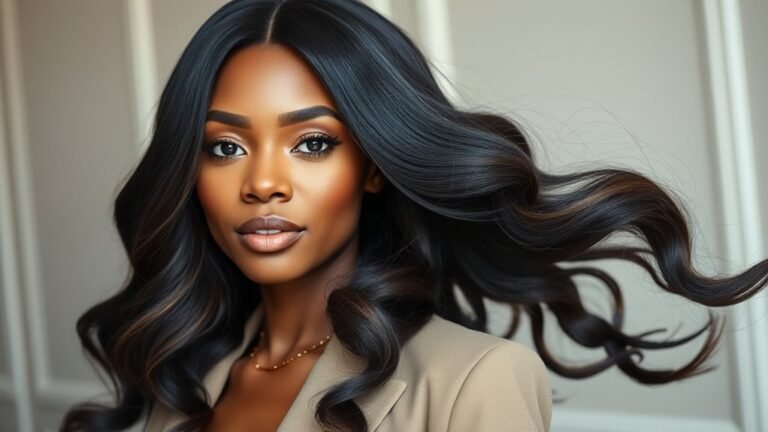
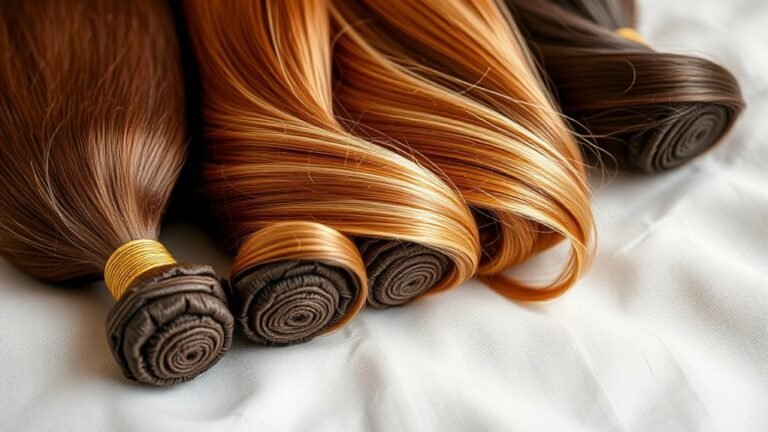
For the best human hair sew-in, choose virgin or Remy hair for natural shine, minimal tangling, and longer wear. Match hair texture, whether curly, wavy, or straight, to your style and pick colors that blend seamlessly with your natural hair.
Look for reputable sellers offering 100% human hair with transparent sourcing. Prioritize quality bundles with aligned cuticles and proper length for versatile styling.
Keep your sew-in soft and lasting longer by following proper care practices. Uncover how to make the perfect choice for your look and budget.
Key Takeaways
- Choose virgin or Remy human hair for a natural appearance, durability, and minimal tangling in sew-in extensions.
- Match hair texture, whether curly, wavy, or straight, and color closely to your natural hair for seamless blending.
- Prioritize bundles with aligned cuticles, uniform thickness, and no split ends to ensure high-quality hair.
- Purchase from reputable retailers who have transparent sourcing and clear return policies to avoid counterfeit products.
- Maintain sew-ins using gentle sulfate-free shampoos, regular conditioning, and protective night care for longevity.
What Makes Human Hair Best for Sew-Ins?
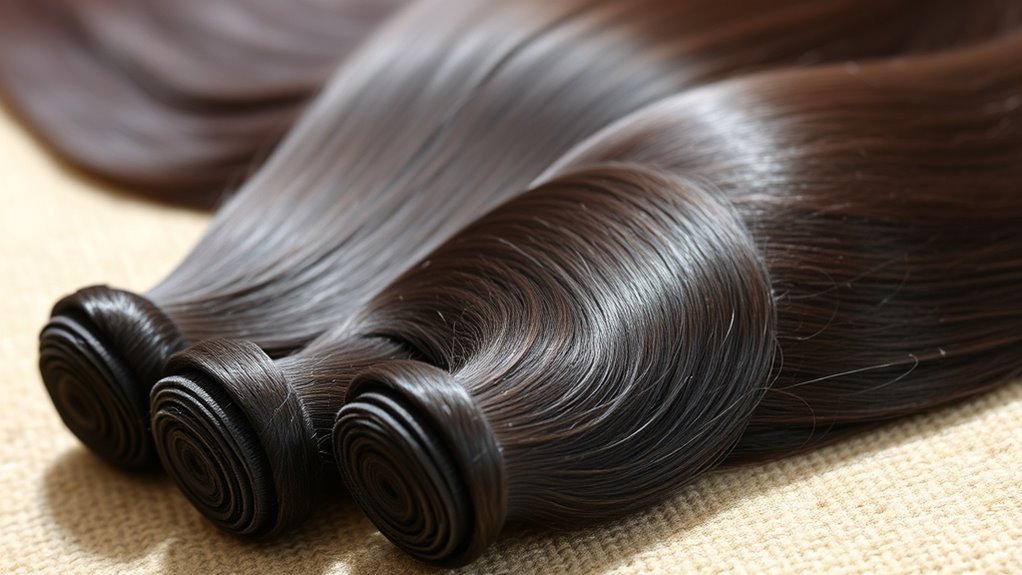
Choosing the best human hair for sew-ins comes down to quality, texture, and durability. When you pick the right hair type, you enjoy benefits like natural appearance, longer wear, and easy styling. High-quality hair blends seamlessly with your own, giving you that flawless look you want.
You’ll also find that better hair types resist tangling and shedding, making your sew-in last longer.
To keep your sew-in looking fresh, maintenance tips are essential. Always use gentle shampoos and conditioners designed for human hair, and avoid excessive heat to prevent damage.
Regularly detangle with a wide-tooth comb and moisturize to maintain softness and shine. By paying attention to these details, you protect your investment and keep your sew-in looking natural and beautiful for weeks.
Understanding what makes hair ideal helps you make smart choices for your style and hair health.
Comparing Remy, Virgin, and Non-Remy Hair Types for Sew-Ins
Understanding the qualities that make human hair ideal for sew-ins naturally leads to comparing the main types available: Remy, Virgin, and Non-Remy. Each offers distinct texture and shine, affecting your style’s appearance and durability.
You’ll find Remy hair benefits include cuticle alignment, which reduces tangling and maintains softness. Virgin hair advantages center on its untouched state, offering natural texture and better hair longevity. Non-Remy drawbacks often involve cuticle damage and mixed strands, which can lead to tangling and shorter lifespan.
| Hair Type | Key Features |
|---|---|
| Remy | Aligned cuticles, soft shine |
| Virgin | Untreated, natural texture |
| Non-Remy | Cuticle stripped, prone to tangling |
| Longevity | Virgin > Remy > Non-Remy |
When choosing, consider this hair longevity comparison to get the best sew-in results and a lasting style.
Top Human Hair Textures for Sew-In Styles
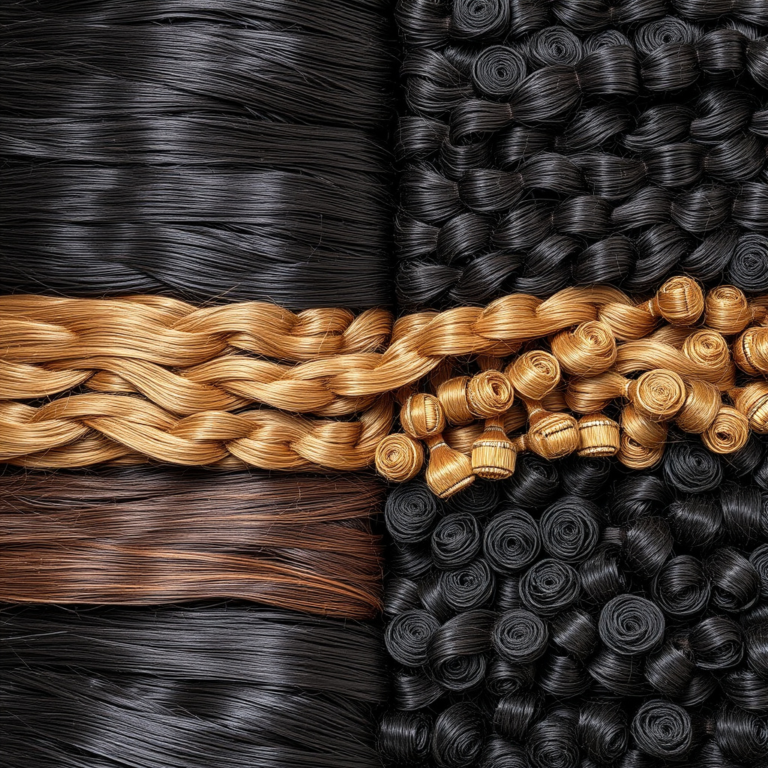
Although the right hair type is essential, selecting the perfect texture for your sew-in can truly improve your look. You’ll want to contemplate curly textures if you’re aiming for volume and bounce, as they blend well with natural curls and add dimension.
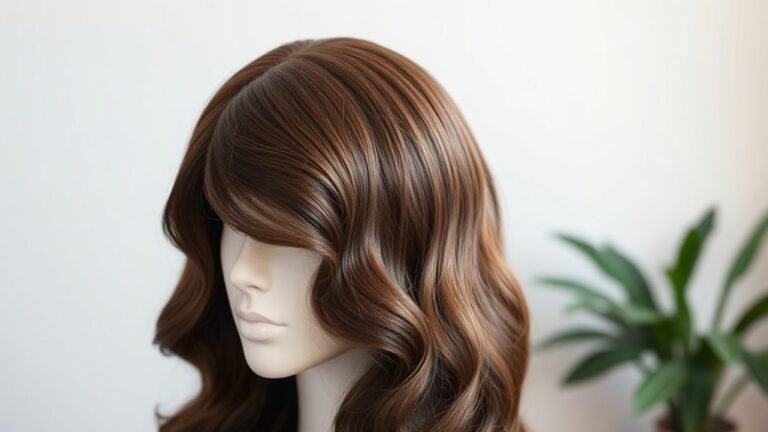
Straight textures offer a sleek, polished finish and work great if you prefer a smooth, elegant style. Wavy textures strike a balance between straight and curly, giving you a soft, natural appearance that suits a variety of looks.
If you’re unsure or want versatility, textured blends combine different wave patterns to create a multi-dimensional effect that feels natural and dynamic. When choosing, think about how the texture complements your lifestyle and styling preferences.
Match Your Sew-In Hair to Your Natural Color
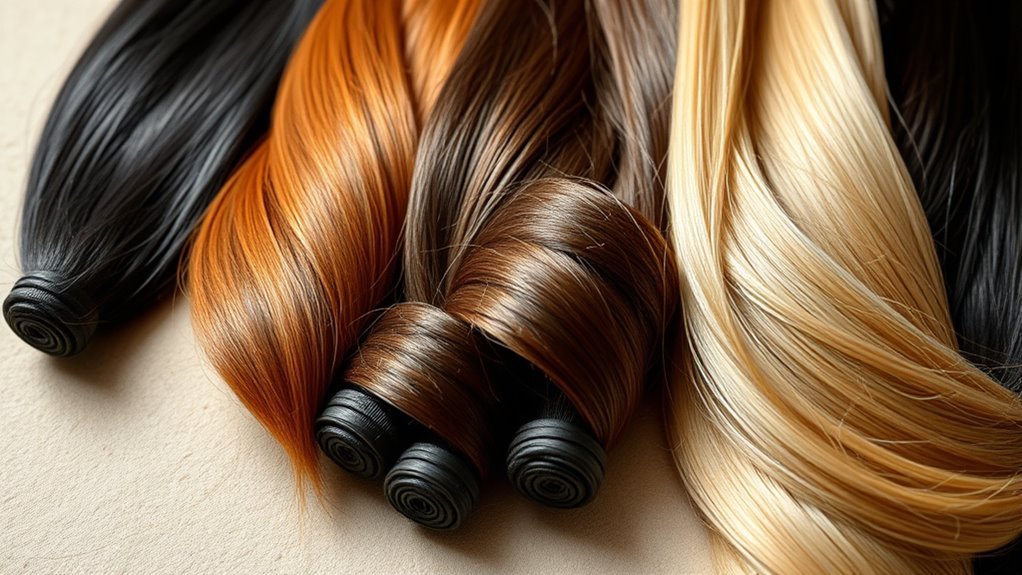
To achieve a seamless and natural look with your sew-in, you’ll want to match the hair color as closely as possible to your own. Using effective color matching techniques guarantees your extensions blend effortlessly, avoiding stark contrasts.
Start by comparing your natural hair under natural light and choose shades that complement your undertones. Blending methods like mixing two close shades can improve the natural appearance.
Here’s a quick guide to help you decide:
| Natural Hair Color | Recommended Extension Shades |
|---|---|
| Jet Black | Natural Black, Off Black |
| Dark Brown | Chocolate, Dark Brown |
| Medium Brown | Chestnut, Medium Brown |
| Light Brown | Caramel, Light Brown |
| Blonde | Honey Blonde, Ash Blonde |
How to Choose the Right Hair Length and Density for Sew-Ins
You’ll want to pick a hair length that complements your face shape and lifestyle—that way, you get the best look and it’s easier to maintain. When it comes to density, choosing the right amount is super important to keep things looking natural without adding extra weight or bulk. So, let’s dive in and figure out how to find that perfect balance of length and density for your sew-in.
Ideal Hair Lengths
How do you determine the perfect length and density for your sew-in extensions? Start by considering your natural hair length and the look you want to achieve. Choosing ideal hair weights guarantees your sew-in feels comfortable without overwhelming your scalp.
Opt for perfect hair textures that blend seamlessly with your own hair for a natural finish.
Visualize your ideal sew-in by thinking about:
- Sleek, shoulder-length layers for everyday elegance
- Long, flowing locks for dramatic impact
- Medium lengths with soft curls for volume
- Shorter cuts for easy maintenance and style versatility
Balancing length with weight and texture will improve your sew-in’s appearance and wearability, making your hairstyle both stunning and manageable.
Optimal Hair Density
Choosing the right hair density can make or break your sew-in’s overall look and comfort. To achieve the ideal hair volume, consider your natural hair type and the style you want.
If you prefer a fuller, more dramatic look, go for a higher density, but avoid going too thick, as it can feel heavy and strain your scalp. On the other hand, lighter densities offer a more natural finish and are easier to maintain.
Optimal hair thickness balances these factors, ensuring your sew-in looks lush without weighing you down. Remember, matching the hair density to your own hair’s strength and your lifestyle will keep your sew-in comfortable and long-lasting.
Always test different densities to find your perfect fit.
How to Check Human Hair Quality Before Buying
Where should you start when checking human hair quality before buying? Begin with texture evaluation. Run your fingers through the hair to feel its softness and smoothness. High-quality hair feels natural and silky, not rough or dry.
Next, inspect the strands for uniformity. Consistent thickness from root to tip signals good hair quality. Look closely at the ends; they shouldn’t be frayed or split. Also, check the hair’s shine—healthy hair reflects light without appearing overly glossy or artificial.
Inspect strands for uniform thickness, healthy ends free of splits, and natural, subtle shine.
Finally, test the hair’s elasticity by gently stretching a strand. It should bounce back without breaking.
Here’s a quick checklist to guide your hair quality assessment:
- Smooth, soft texture without dryness
- Consistent strand thickness
- Healthy, non-split ends
- Natural shine and good elasticity
Top Brands for Sew-In Hair You Can Trust
Finding the right brand for your sew-in hair can make all the difference in achieving a flawless, natural look. When choosing from top-rated brands, you want to focus on those known for consistent quality and durability.
Trusted suppliers like Mayvenn, Bellami, and AliPearl have built strong reputations by offering 100% virgin human hair that blends well and lasts long. These brands prioritize sourcing hair ethically and ensuring minimal processing, which helps maintain hair integrity.
You should also look for brands that provide clear product information and customer reviews, making it easier to verify authenticity. Top-rated brands often offer a variety of textures and lengths, so you can find the perfect match for your style.
Sew-In Hair Costs: What to Expect
When it comes to sew-in hair costs, you’ll usually notice that prices change depending on the hair quality, length, and brand. It really helps to understand what affects the price so you can make smarter choices and avoid spending more than you need to. And the good news? There are plenty of budget-friendly options out there that still give you great results.
Average Price Range
Expect to spend anywhere from $50 to $300 or more on sew-in hair, depending on the quality and length you choose. When considering the average pricing, keep in mind that higher-quality hair usually costs more but lasts longer.
A quality comparison between synthetic, Remy, and virgin hair will help you decide what’s best for your budget and style.
Here’s a quick look at what to expect:
- Synthetic hair: $50-$80, lower durability
- Remy hair: $100-$200, natural look and feel
- Virgin hair: $180-$300+, top-tier quality and longevity
- Longer lengths: increase price regardless of type
Factors Influencing Costs
Although sew-in hair prices vary widely, several key factors determine the final cost you’ll pay. First, the hair origin plays a major role. Hair sourced from regions known for high-quality strands, like Remy hair from India or Brazil, usually costs more.
The supply chain also impacts pricing. Hair that passes through fewer middlemen tends to be cheaper because it reduces further markups.
Moreover, how the hair is processed and treated affects the price. Virgin hair, which is unprocessed, commands a premium compared to hair that’s been chemically treated.
Finally, bundle length and weight influence costs. You’ll pay more for longer and heavier bundles.
Budget-Friendly Options
How can you find quality sew-in hair without breaking the bank? Start by exploring affordable brands that maintain quality assurance standards. These brands offer reliable hair bundles at prices that won’t strain your budget. Focus on what matters most: hair texture, durability, and natural appearance.
Consider these budget-friendly tips:
- Look for bundles with consistent cuticle alignment
- Choose hair labeled 100% Remy or virgin for longevity
- Check customer reviews for real quality assurance feedback
- Opt for versatile lengths that suit multiple styles
Where to Buy Authentic Human Hair for Sew-Ins
Where can you find authentic human hair that guarantees quality for your sew-in? Start by exploring reputable online retailers known for transparent hair sourcing methods. These sellers often provide detailed information about how they collect and process their hair, ensuring you get genuine, high-grade strands.
Look for retailers that disclose whether the hair is virgin, Remy, or ethically sourced, as this impacts durability and appearance.
Choose retailers that clearly specify if hair is virgin, Remy, or ethically sourced to ensure quality and longevity.
Besides online options, you might consider specialized beauty supply stores with strong customer reviews. These physical stores allow you to inspect the hair texture and quality before purchasing. However, online retailers offer a wider selection and often better prices.
Always verify return policies and customer feedback to avoid counterfeit products. Authentic human hair for sew-ins demands trustworthy sourcing and sellers.
Caring for Your Sew-In to Keep Hair Soft and Natural
To keep your sew-in looking soft and natural, you’ll want to use gentle washing techniques that won’t damage the hair. Make sure you’re careful when washing to avoid any rough handling.
Also, don’t forget to moisturize and condition regularly — this helps maintain that nice shine and softness. It really makes a difference in how your hair feels and looks.
And when it’s time to hit the bed, protect your hair with the right methods. This will help prevent tangling and dryness overnight, keeping your sew-in fresh and healthy.
Gentle Washing Techniques
Although washing your sew-in might seem straightforward, using gentle techniques is essential to maintain the hair’s softness and natural look. Gentle cleansing helps prevent tangling and damage, which are common if you’re too rough.
To keep your sew-in fresh and guarantee effective hair maintenance, treat it like your natural hair but with extra care.
Here’s how to practice gentle washing:
- Use lukewarm water to avoid stripping natural oils
- Apply sulfate-free shampoo directly on the hair, not the scalp
- Gently massage the shampoo through the strands without rubbing or twisting
- Rinse thoroughly with a soft flow to remove all residue
Moisturizing and Conditioning
After washing your sew-in gently, keeping the hair moisturized and conditioned will help maintain its softness and natural shine. You should apply a leave-in conditioner or light moisturizing spray daily to boost moisture retention.
For deeper nourishment, use a deep conditioning treatment once a week. This helps restore hydration and prevents dryness or brittleness. When deep conditioning, focus on evenly coating the strands and allow the product to penetrate for at least 15-20 minutes before rinsing.
Avoid heavy oils that can weigh the hair down or cause buildup. By consistently moisturizing and conditioning, you’ll extend the life of your sew-in, ensuring it looks fresh and feels silky soft without losing its natural texture.
Nighttime Protection Methods
A solid nighttime routine plays an essential role in keeping your sew-in soft and natural-looking. Protecting your hair while you sleep prevents tangling, frizz, and dryness. Start by wrapping your sew-in with silk scarves or wearing satin bonnets, which reduce friction and retain moisture. These materials help maintain the smooth texture of your hair and extend the life of your sew-in.
Here are some effective nighttime protection methods to try:
- Secure your hair with a loose braid or twist to minimize tangling
- Cover your sew-in with a silk scarf or satin bonnet to reduce friction
- Apply a light leave-in conditioner or oil to keep hair moisturized
- Avoid sleeping with wet hair to prevent matting and breakage
Incorporating these steps will keep your sew-in looking fresh and healthy longer.
Frequently Asked Questions
Can I Swim or Shower With My Sew-In Hair Installed?
Yes, you can swim or shower with your sew-in hair installed, but you need to take swimming precautions to protect your style. Always wear a swim cap to minimize water exposure and avoid chlorine or salt damage.
When showering, follow tips like using lukewarm water and gently cleansing your scalp without soaking your hair too much. Dry your sew-in thoroughly afterward to prevent odor and keep your hair looking fresh.
How Long Does a Sew-In Installation Typically Last?
A sew-in installation typically lasts about 6 to 8 weeks, but its longevity depends on several factors like your hair type, the skill of your stylist, and how well you maintain it.
If you avoid excessive moisture, tight styling, and regularly moisturize your scalp and hair, you can extend its lifespan. Remember, keeping your sew-in clean and properly cared for plays a huge role in how long it stays looking fresh.
What Are Common Mistakes to Avoid With Sew-In Maintenance?
You’ll want to avoid neglecting your sew-in care by not washing your hair regularly or using heavy products that cause buildup. Don’t sleep without a satin scarf or bonnet, since it helps prevent tangling and frizz.
Also, avoid pulling or tugging on the weave to keep your natural hair safe. Following these maintenance tips guarantees your sew-in stays fresh and lasts longer while protecting your scalp and hair health.
Can I Dye or Chemically Treat My Sew-In Hair?
Yes, you can dye or chemically treat your sew-in hair, but you need to be cautious. Use gentle hair dyeing techniques to avoid damaging the strands, and always perform a strand test first.
Prioritize chemical treatment safety by choosing high-quality products and avoiding harsh chemicals that can weaken the hair. If you’re unsure, consulting a professional stylist will help keep your sew-in looking fresh and healthy without compromising its integrity.
How Often Should I Wash My Sew-In Hair?
Like tending a delicate garden, you should wash your sew-in hair every 1 to 2 weeks to maintain its health. Proper hair care means balancing washing frequency to avoid buildup without drying out the strands.
Over-washing can strip natural oils, while under-washing invites dirt and product residue. Use gentle shampoos and conditioners, and always handle your sew-in with care to keep it looking fresh and vibrant longer.
Conclusion
Choosing the best human hair for your sew-in is like planting a garden. You want the healthiest seeds (Remy or virgin hair), the right soil (matching texture and color), and careful watering (proper care) to watch it flourish.
When you pick quality hair and care for it well, your sew-in will bloom beautifully, turning heads like a vibrant garden in full spring. Treat it right, and your style will always grow strong and natural with the best human hair for sew in.