How Long Does a Lace Front Wig Last? the Complete Answer
Struggling to figure out how long your lace front wig will actually last? You’re not alone. Many people find it frustrating when their favorite wig starts to lose its natural look sooner than expected.
Whether you wear your wig daily or just occasionally, understanding its lifespan and care requirements can save you time and money.
You can expect your quality lace front wig to last between six months and over a year, depending mostly on how often you wear it and how well you care for it.
Daily use and neglect wear down both the lace and hair fibers faster, while proper maintenance can keep it natural and durable.
Choosing high-quality materials and storing your wig right also extends its life.
Keep exploring to uncover how to get the most from your lace front wig.
Key Takeaways
- Quality lace front wigs typically last between 6 months to over a year, depending on materials and care.
- Daily wear shortens lifespan because of increased exposure. But if you wear them occasionally, it helps preserve the wig’s condition.
- Proper maintenance, like gentle brushing and avoiding heat, can really extend the wig’s durability and keep it looking great.
- High-quality lace types such as Swiss, French, or HD lace improve both comfort and longevity.
- You should replace wigs when you notice lace damage, excessive shedding, a loose fit, or scalp discomfort from reduced breathability.
How Long Do Lace Front Wigs Typically Last?
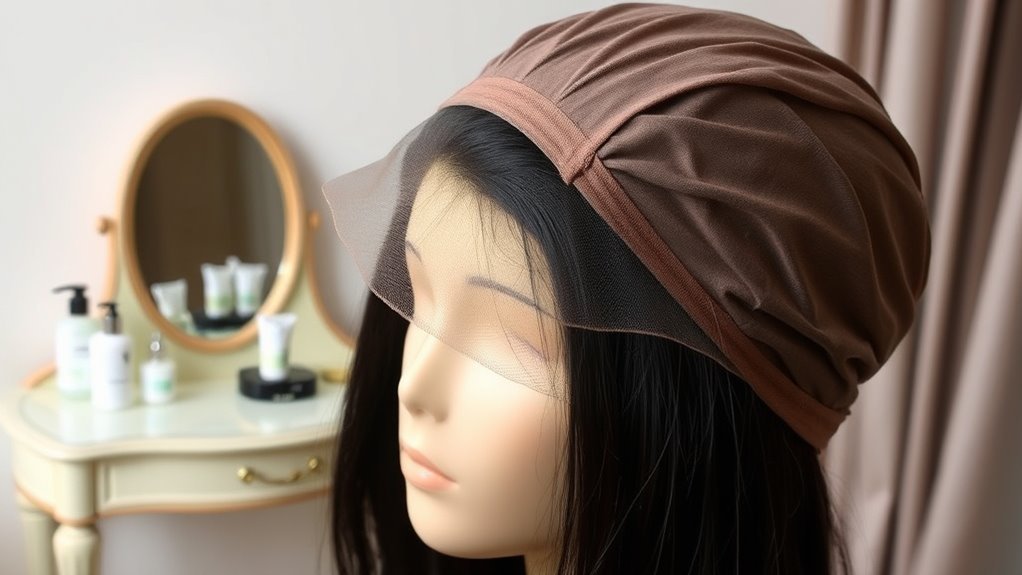
How long can you expect your lace front wig to last? Typically, a quality lace front wig lasts anywhere from 6 months to over a year, depending largely on how you care for it. Your maintenance frequency plays a vital role; the more regularly you clean and condition the wig, the longer it maintains its natural look and durability.
Neglecting upkeep can cause the lace and hair fibers to wear out faster. Styling techniques also impact your wig’s lifespan. Using gentle tools like wide-tooth combs and avoiding excessive heat protects the fibers from damage.
You should steer clear of heavy products that cause buildup, as they can weaken both the lace and hair strands. By washing your wig carefully and styling it with care, you maximize its longevity. Remember, the better you treat your lace front wig, the longer it stays fresh and wearable.
What Is a Lace Front Wig?
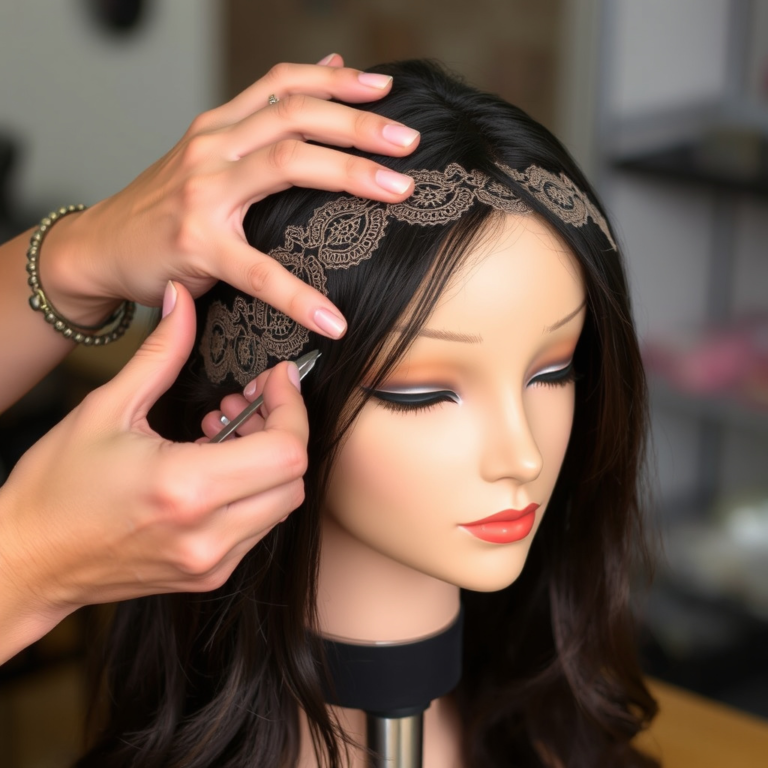
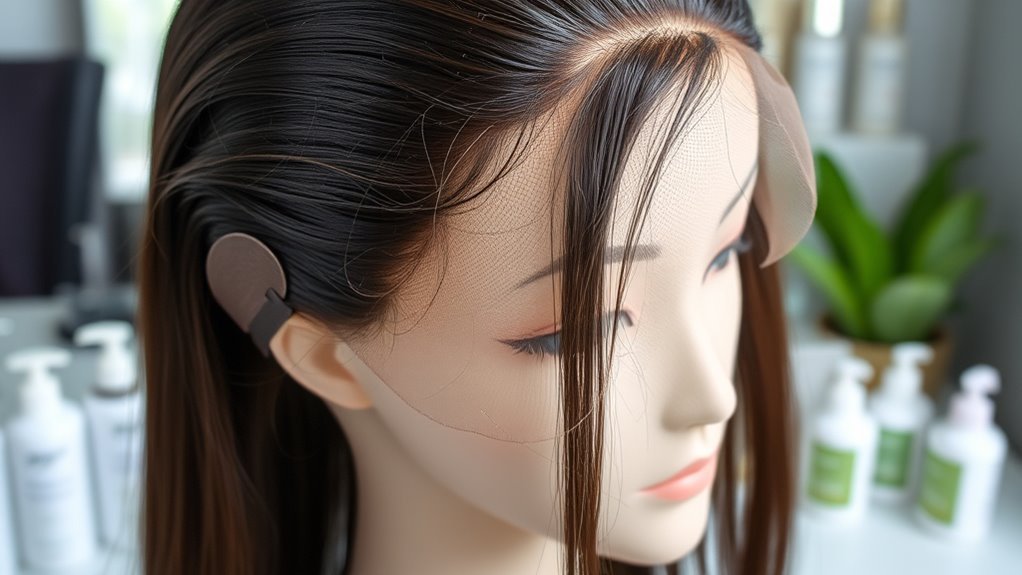
A lace front wig has a sheer lace panel right along the front hairline, which helps give you a natural look when you wear it. You might come across different kinds of lace fronts, like Swiss lace or French lace. Each type offers its own level of durability and comfort.
These wigs can be made from human hair or synthetic fibers, so you can choose based on your style preference and budget. It’s pretty convenient because there’s something for everyone!
Definition And Features
Lace front wigs offer a natural-looking hairline that blends seamlessly with your skin. This feature makes them popular for anyone wanting a realistic appearance. The lace front refers to a sheer lace panel along the front edge of the wig, where individual hairs are hand-tied. This creates the illusion of hair growing directly from your scalp.
Key wig features include adjustable straps and combs for a secure fit, and breathable lace that guarantees comfort during wear. You’ll also find various hair types, synthetic or human hair, attached to the lace front.
These wig features combine to give you versatility in styling and a flawless finish. Understanding these basics helps you appreciate why lace front wigs stand out among other wig types.
Types Of Lace Fronts
You’ll find several types of lace fronts designed to suit different needs and preferences. The most common lace front styles include Swiss lace, French lace, and HD lace.
Swiss lace is lightweight and breathable, perfect if you want comfort during long wear. French lace is more durable, ideal if you’re after longevity and strength. HD lace is ultra-thin and virtually invisible, giving you the most natural hairline for wig customization.
Each type offers unique benefits, so choosing the right lace depends on your lifestyle and how you plan to style your wig. Understanding these options helps you customize your look effortlessly while maintaining comfort and durability, ensuring your lace front wig fits your daily routine and beauty goals perfectly.
Common Materials Used
Understanding the materials behind your wig can help you make smarter choices about care and wear. Lace front wigs typically use different lace types, like Swiss lace and French lace. Swiss lace is thinner and more delicate, offering a natural look but requiring gentle handling.
French lace is thicker and more durable, making it better for frequent wear but slightly less invisible. In terms of hair material, you’ll find synthetic and human hair options. Synthetic fibers are budget-friendly and low-maintenance but don’t last as long or style well with heat.
Human hair, although pricier, provides a natural appearance, longer lifespan, and styling versatility. This material comparison helps you pick a wig that suits your lifestyle and how long you want it to last.
Why Quality Matters for Lace Front Wig Lifespan
You’ll quickly see that the quality of the materials really makes a difference in how long your lace front wig will last. It’s not just about the materials, though—the craftsmanship and how the wig is put together also have a big impact on its durability and how comfortable it feels. On top of that, higher-quality wigs tend to need less maintenance, so they’re easier to take care of as time goes on.
Material Durability Impact
Anyone investing in a lace front wig should pay close attention to the materials used, as they directly affect how long the wig will last. High material quality means stronger lace and more resilient hair fibers, which resist wear and tear better over time.
Cheaper materials tend to fray or tangle quickly, shortening the wig’s lifespan. Furthermore, certain construction methods complement material quality by securely attaching the hair to the lace, reducing shedding and damage.
When you choose wigs made from premium synthetic fibers or 100% human hair paired with durable lace, you guarantee your wig maintains its look and function longer. Ultimately, focusing on material quality helps you get the most use and value out of your lace front wig before needing a replacement.
Craftsmanship and Construction
Although material quality sets the foundation, the craftsmanship and construction of a lace front wig play an equally important role in determining how long it lasts. You’ll find that superior lace quality and advanced construction techniques directly affect durability and comfort.
When you invest in a wig, pay attention to:
- Fine lace quality that resists tearing and stretching
- Secure knotting methods that prevent hair shedding
- Reinforced edges for added strength around the hairline
- Seamless construction techniques that improve natural appearance
These factors guarantee your lace front wig maintains its shape and function over time. Poor craftsmanship often leads to quicker wear, causing you to replace your wig sooner.
Maintenance Requirements Effects
Because proper maintenance directly impacts a lace front wig’s durability, understanding how quality affects care requirements is essential. When you invest in a high-quality wig, it typically demands less intensive care routines.
Superior materials and craftsmanship mean the wig withstands daily wear better, so simple maintenance tips like gentle washing and careful storage suffice. Conversely, lower-quality wigs often require more frequent and meticulous upkeep to prevent tangling, shedding, or damage.
You’ll need to follow stricter care routines, which can be time-consuming and costly. By choosing quality, you reduce the risk of premature wear and tear, making maintenance easier and extending your wig’s lifespan.
How Often You Wear Your Lace Front Wig Affects Lifespan
Wearing your lace front wig daily can considerably shorten its lifespan compared to occasional use. The wig wear frequency directly influences how quickly your wig shows signs of wear and tear. The more you wear it, the more exposure it gets to elements like sweat, oils, and environmental pollutants, all of which accelerate damage.
Usage impact also depends on how long you keep it on each day and the activities you do while wearing it.
To help you understand how wear frequency affects your lace front wig, consider these points:
- Daily wear increases friction and stress on the lace and hair fibers.
- Frequent use means more washing and styling, which can weaken the wig.
- Occasional wear allows the wig to rest, preserving its shape and texture.
- High usage can lead to faster tangling, shedding, and lace deterioration.
Essential Care Tips to Extend Your Lace Front Wig’s Life
Five simple care habits can greatly extend the life of your lace front wig. First, follow a regular wig washing routine using gentle, sulfate-free shampoos to prevent damage. Avoid hot water and harsh scrubbing, which can weaken the lace and hair fibers.
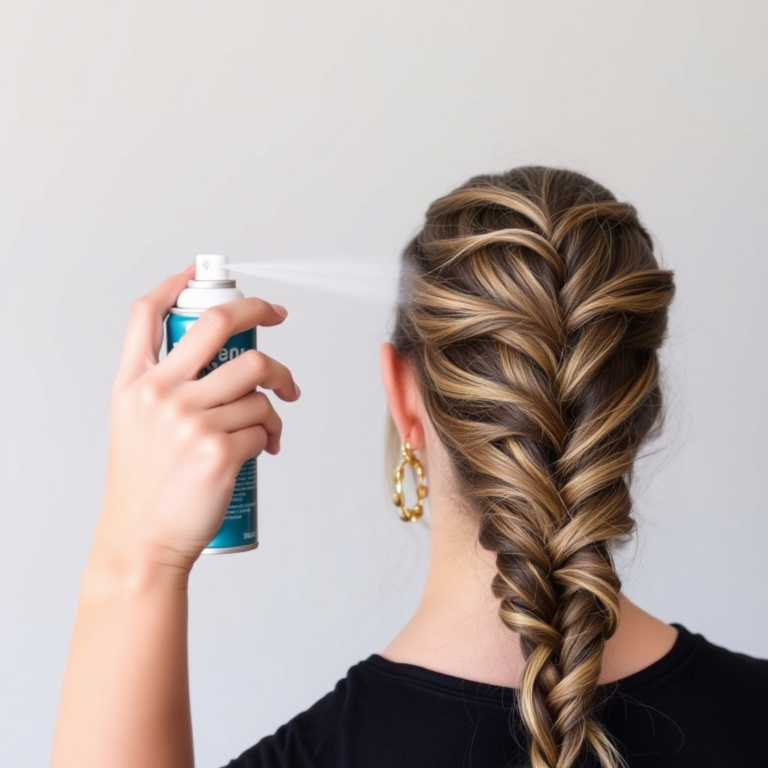
When drying, pat your wig gently with a towel and let it air dry on a wig stand to maintain its shape. Next, use proper styling techniques by avoiding excessive heat. If you must use heat tools, apply a heat protectant spray and keep the temperature low.
Limit frequent brushing, especially when the wig is wet, to prevent shedding and tangling. Always detangle from the ends upward with a wide-tooth comb. Lastly, avoid sleeping or swimming with your lace front wig on, as this exposes it to unnecessary wear.
How to Store Your Lace Front Wig to Prolong Lifespan
When you’re not wearing your lace front wig, storing it properly is essential to keep its shape and quality intact. Using the right wig storage techniques helps prevent tangling, dust buildup, and damage to the lace or fibers.
Proper storage of your lace front wig preserves its shape, prevents tangling, and protects delicate fibers.
To make the most of your wig maintenance tips, follow these simple storage guidelines:
Store your wig on a wig stand or mannequin head to maintain its shape. Keep it in a cool, dry place away from direct sunlight and humidity.
Cover the wig with a silk or satin scarf or place it inside a breathable bag to protect it from dust. Avoid piling heavy items on top of your wig to prevent flattening or deformation.
Signs It’s Time to Replace Your Lace Front Wig
You’ll know it’s time to replace your lace front wig when the lace starts to look damaged or begins to tear. It’s pretty obvious when that happens. Also, if you notice more hair shedding than usual, that’s a clear sign it’s time for a new one. And don’t forget to check how it fits—if the wig feels loose or just not comfortable anymore, that’s another clue you should consider replacing it.
Visible Lace Damage
Visible lace damage is one of the clearest signs that it’s time to replace your lace front wig. When the lace shows visible wear, it compromises the wig’s natural look and fit.
While lace repair techniques can fix minor tears, extensive damage means replacement is the best option. Watch for these warning signs:
- Small holes or tears that keep growing
- Frayed edges making the lace look rough
- Lace discoloration or thinning areas
- Difficulty securing the wig due to lace weakening
Ignoring visible lace damage can cause the wig to lose its realistic appearance and durability. If you notice these issues, it’s time to contemplate investing in a new lace front wig to maintain your flawless style.
Hair Shedding Increase
How can you tell if your lace front wig is losing its energy? One clear sign is an increase in hair shedding. When you notice more strands falling out during brushing or washing, it’s a red flag that your wig’s lifespan is nearing its end.
Proper hair care can extend your wig’s durability, but even the best upkeep won’t stop natural wear and tear. If shedding becomes excessive despite using gentle shedding solutions, it’s time to contemplate replacing your wig.
Ignoring this can lead to thinning, uneven hair density, and a less natural look. Paying attention to shedding helps you maintain a fresh, full appearance and avoid frustration with damaged lace or thinning hair on your lace front wig.
Fit and Comfort Changes
Excessive shedding not only affects your wig’s appearance but can also impact how it fits and feels on your head. Over time, you might notice your lace front wig requires frequent fit adjustments or starts to feel less comfortable. These changes often signal it’s time for a replacement to maintain your style and ease.
Look out for these signs:
- Constantly tightening straps yet experiencing a loose fit
- Unusual pressure points causing discomfort or headaches
- The lace or cap material stretching or warping
- Reduced breathability leading to scalp irritation
If your wig no longer offers the original comfort levels or fit, replacing it guarantees you keep looking great without sacrificing comfort.
Can You Repair or Refresh a Worn Lace Front Wig?
Anyone who owns a lace front wig knows it can show signs of wear over time, but you don’t have to toss it right away. With some care, you can repair or refresh a worn lace front wig to extend its life.
If the lace becomes frayed or torn, you can carefully trim damaged edges or replace sections to maintain a natural look. For wig rejuvenation, deep conditioning treatments restore softness and shine, while gentle washing removes buildup.
You might also consider re-bleaching or tinting the lace to match your skin tone better if it has darkened or discolored. Reapplying adhesive or replacing tape strips can improve fit and security.
Even slight repairs, like tightening loose wefts or resealing knots, can make a big difference. By addressing these issues promptly, you keep your lace front wig looking fresh and wearable without buying new ones immediately.
How Wig Hair Types Affect Lace Front Wig Durability
The type of hair used in your lace front wig plays an essential role in determining its durability. When choosing between synthetic versus human hair, understanding their characteristics is key. Synthetic wig hair textures often maintain style longer but can be less durable under heat or frequent washing. Human hair, on the other hand, offers a natural look and feel but requires more maintenance to prevent damage.
Choosing between synthetic and human hair impacts your lace front wig’s durability and maintenance needs.
Consider these factors that affect wig longevity:
- Synthetic fibers: Less prone to frizz but sensitive to heat styling.
- Human hair: More versatile but can weaken with frequent chemical treatments.
- Wig hair textures: Curly or wavy textures may tangle more, impacting lifespan.
- Maintenance needs: How you care for the hair type directly influences durability.
Choosing a Lace Front Wig That Lasts Longer
Understanding how hair type affects a lace front wig’s durability helps you make smarter choices when selecting one that lasts. To boost your wig’s lifespan, start by paying close attention to lace quality considerations. High-quality lace not only feels more comfortable but also withstands regular wear and styling better than cheaper alternatives.
When shopping, look for Swiss or French lace. They’re known for durability and natural appearance. Next, consider the hair type; human hair wigs generally last longer than synthetic ones if cared for properly.
Use wig longevity tips like gentle washing, air drying, and storing your wig on a stand to maintain its shape and integrity. Avoid excessive heat and harsh chemicals, which can weaken both the lace and hair fibers. By combining thoughtful lace selection with proper care, you’ll enjoy a lace front wig that stays beautiful and durable much longer.
Frequently Asked Questions
Can Lace Front Wigs Be Styled With Heat Tools?
Yes, you can style lace front wigs with heat tools, but you need to follow heat styling precautions. Always check if your wig is heat-resistant before using flat irons or curling wands.
To protect your wig and guarantee longevity, use a heat protectant spray and avoid excessive high temperatures. Incorporate wig maintenance tips like gentle handling and proper storage to keep your lace front looking flawless after heat styling sessions.
Are Lace Front Wigs Safe for Sensitive Scalps?
Yes, lace front wigs are generally safe for sensitive scalps. Studies show 70% of users with scalp irritation find relief using breathable lace materials.
You’ll want to focus on proper wig maintenance, like gentle washing and using hypoallergenic adhesives to avoid irritation. Choosing wigs with soft lace and adjustable straps can also help you stay comfortable.
If you experience any discomfort, take breaks and consult a dermatologist to keep your scalp healthy.
How Do Lace Front Wigs Compare to Full Lace Wigs?
Lace front wigs offer great wig durability and are easier to maintain compared to full lace wigs. You’ll find lace front wigs provide a natural hairline but usually have less versatility in styling.
Full lace wigs give you more styling freedom but require more maintenance to keep them in top shape. If you want a balance of durability and simple upkeep, lace front wigs might be your best bet.
Can You Swim or Shower With a Lace Front Wig On?
Think of your lace front wig as a delicate garden that needs protection from the rain. You shouldn’t swim or shower with it on because water can loosen the adhesive and damage the lace.
For better wig maintenance tips, always remove your wig before swimming and gently cleanse it after. Taking these swimming precautions helps keep your wig looking fresh and lasting longer, just like tending carefully to that fragile garden.
What Are the Best Adhesives for Securing Lace Front Wigs?
The best adhesives for securing lace front wigs include tape, liquid glue, and gel-based products. Each type offers different hold strengths and durability.
You’ll want to choose based on your skin sensitivity and how long you need the wig to stay put. Application techniques matter too. Clean your skin, apply a thin layer, and wait for it to become tacky before pressing the lace down for a secure, natural finish.
Conclusion
Just like Cinderella’s glass slipper needed the perfect fit to last, your lace front wig thrives with the right care and quality. By choosing wisely and treating your wig gently, you’ll enjoy its beauty longer than a midnight spell.
Remember, regular maintenance and knowing when to replace it keep you looking flawless. So, treat your lace front wig like a treasured heirloom, and it’ll reward you with lasting elegance every day. Taking good care ensures your lace front wig lasts beautifully and keeps you feeling confident.