Best Wigs for Hair Loss: Top Picks and Buying Tips
Dealing with hair loss can feel frustrating and overwhelming, especially when you want to maintain your confidence and style. You’re not alone—many people struggle with finding the right wig that feels comfortable and looks natural.
Luckily, the best wigs for hair loss come in a variety of options designed to meet different needs and lifestyles.
Choosing the best wig for hair loss means finding one that fits comfortably, looks natural, and suits your lifestyle.
Synthetic wigs offer easy care and fun colors, while human hair wigs give you versatile styling and a realistic look.
Measure your head carefully and pick breathable, adjustable caps for all-day comfort.
Budget-friendly lace front options also provide a seamless appearance.
Keep exploring to uncover how to match the perfect wig to your unique needs and style.
Key Takeaways
- Choose wigs that fit comfortably using accurate head measurements to ensure security and prevent irritation.
- Select between synthetic wigs for low maintenance and affordability, or human hair wigs for natural appearance and styling versatility.
- Opt for lace front and hand-tied wigs to achieve a realistic hairline and natural movement.
- Match wig color and style to your skin tone, face shape, and lifestyle for enhanced confidence and suitability.
- Shop from reputable retailers with good return policies, reading customer reviews to find quality, affordable options.
Why Choosing the Right Wig Matters for Hair Loss
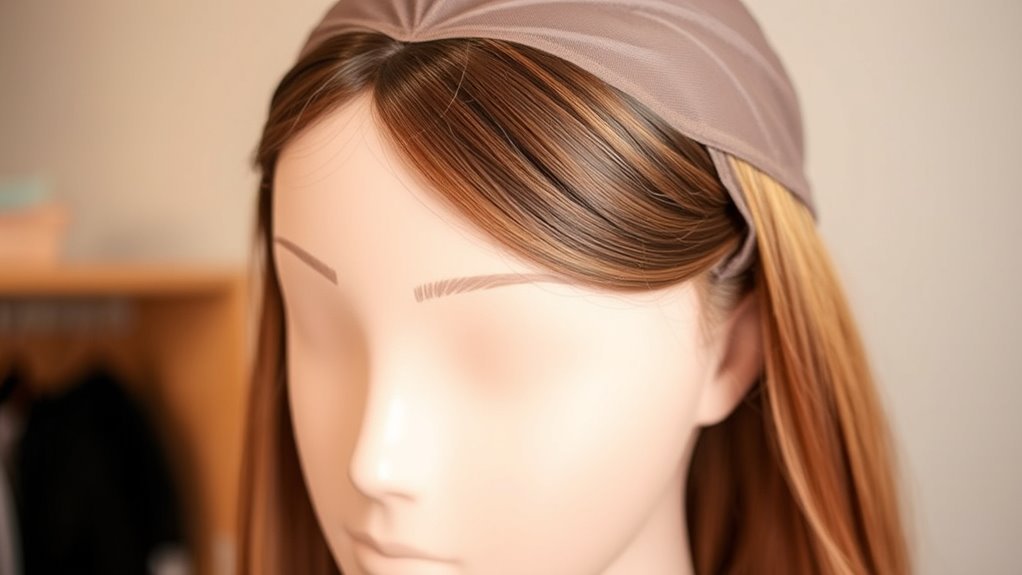
When you’re dealing with hair loss, choosing the right wig isn’t just about appearance. It’s about comfort, confidence, and feeling like yourself again. The emotional impact of hair loss can be profound, and a well-chosen wig can help ease that burden.
When you find a wig that fits well and suits your style, it can give you a significant confidence boost. You’ll feel more at ease in social situations and regain control over your look.
A well-fitting wig boosts confidence, eases social moments, and lets you reclaim your personal style.
Picking the right wig matters because it directly affects how comfortable and secure you feel daily. A poorly chosen wig might cause irritation or constantly remind you of your hair loss, increasing stress.
But the right wig elevates your natural beauty and helps you face the world with renewed self-assurance. Remember, this choice is about reclaiming your identity and comfort, not just covering up hair loss.
Synthetic or Human Hair Wigs: Which One’s Right for You?
Choosing between synthetic and human hair wigs means thinking about durability, maintenance, and cost. You’ll want to consider how much styling flexibility you need and how long you want your wig to last. So, let’s break down what each option offers to help you find the best fit.
Durability and Maintenance
Since durability and maintenance directly affect how often you’ll need to replace or care for your wig, understanding the differences between synthetic and human hair options is essential. Wig materials play a big role here. Synthetic wigs are generally more durable but require gentler maintenance routines to avoid damage. Human hair wigs offer versatility but need more frequent care and careful handling to last.
| Aspect | Synthetic Wigs |
|---|---|
| Durability | High; resists weather well |
| Maintenance Routines | Easy; less frequent washing |
| Replacement Cycle | Shorter; color fades over time |
| Aspect | Human Hair Wigs |
| Durability | Moderate; prone to damage |
| Maintenance Routines | Intensive; regular conditioning |
| Replacement Cycle | Longer; can be styled repeatedly |
Choosing the right wig means balancing how much effort you want to put into upkeep with how long you expect it to last.
Appearance and Styling Options
How do you want your wig to look and feel? Choosing between synthetic and human hair wigs greatly affects your styling options.
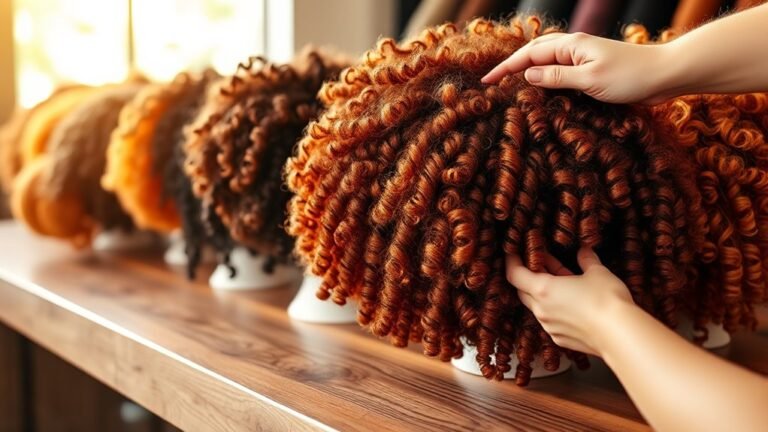
Synthetic wigs often follow the latest trends, offering vibrant colors and pre-styled shapes that hold up well without much effort. They’re perfect if you want a ready-to-wear look that stays consistent.
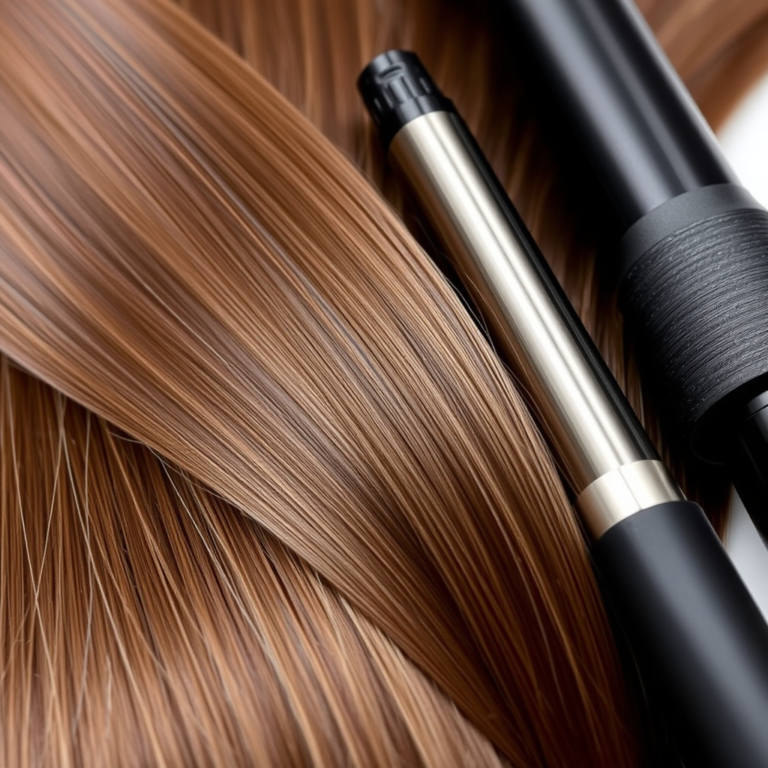
On the other hand, human hair wigs provide unmatched versatility. You can use your favorite styling techniques like curling, straightening, or coloring to achieve a natural appearance and personalize your look.
If you enjoy experimenting with different styles, a human hair wig might suit you better. Ultimately, consider how much time and effort you want to invest in styling, and pick the wig type that matches your lifestyle and aesthetic goals.
Cost and Longevity
Your choice between synthetic and human hair wigs doesn’t just affect style, it also impacts your budget and how long your wig will last. Synthetic wigs usually come with lower wig pricing strategies, making them a more affordable upfront option. However, they tend to have shorter wear spans, meaning you might replace them more often.
Human hair wigs, while pricier, offer superior wig investment longevity, lasting years with proper care. This durability can make them more cost-effective over time. When deciding, consider how often you want to replace your wig and your willingness to invest upfront.
If you want a budget-friendly option for short-term use, synthetic might suit you. But if longevity and natural look matter most, human hair is a smarter long-term investment.
Lace Front vs. Full Lace Wigs: Which Is Better for Hair Loss?
Wondering which wig style suits your hair loss needs better: lace front or full lace? Lace front wigs offer natural-looking hairlines thanks to the sheer lace at the front. This lets you style your hair away from your face with confidence.
One of the top lace front benefits is their affordability and ease of use. They’re perfect if you want a realistic look without a hefty price tag.
On the other hand, full lace wigs provide the ultimate versatility. The full lace advantages include the ability to part your hair anywhere and wear updos or ponytails, giving you more styling freedom.
They’re lightweight and breathable, ideal if you need comfort during long wear.
Ultimately, your choice depends on how much styling flexibility you want and your budget. Lace front wigs are great for a natural front hairline, while full lace wigs offer all-around realism and adaptability for hair loss solutions.
How to Measure Your Head for the Perfect Wig Fit
To find the perfect wig fit, you’ll want to measure your head circumference accurately. This measurement is key because it helps you figure out your cap size. And trust me, getting this right means your wig will feel comfortable and stay secure.
Measuring Head Circumference
Measuring your head circumference accurately guarantees your wig fits comfortably and looks natural. To get precise head measurements for wig fitting, use a flexible measuring tape.
Start at your forehead, just above your eyebrows, and wrap the tape around your head, passing it over your ears and around the nape of your neck. Make sure the tape sits snugly but isn’t too tight. Keep your hair in its usual style to get the most accurate measurement.
Record the measurement in centimeters or inches, as wig sizing may vary. Accurate head measurements help you avoid uncomfortable fits or slippage, ensuring your wig feels secure all day. Taking this simple step sets the foundation for choosing the perfect wig.
Determining Cap Size
Now that you’ve got your head circumference, you can determine your wig cap size to guarantee a comfortable fit. Understanding the cap size importance helps prevent discomfort and guarantees your wig stays secure. Use these measuring techniques to find your perfect fit:
- Wrap a soft tape measure around your head, starting at your hairline just above your eyebrows.
- Pass the tape measure over the fullest part of your head, near the crown.
- Bring the tape back down to the starting point, ensuring it’s snug but not tight.
- Note the measurement in inches or centimeters and compare it with the wig sizing chart.
Following these steps guarantees you select the right cap size, making your wig look natural and feel comfortable all day.
How to Choose a Wig That Feels Comfortable All Day
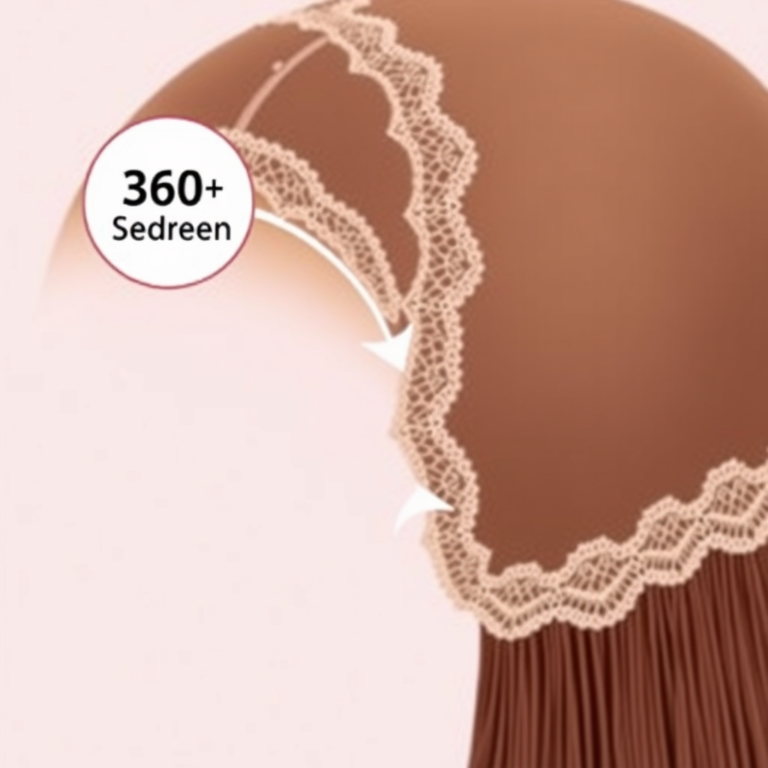
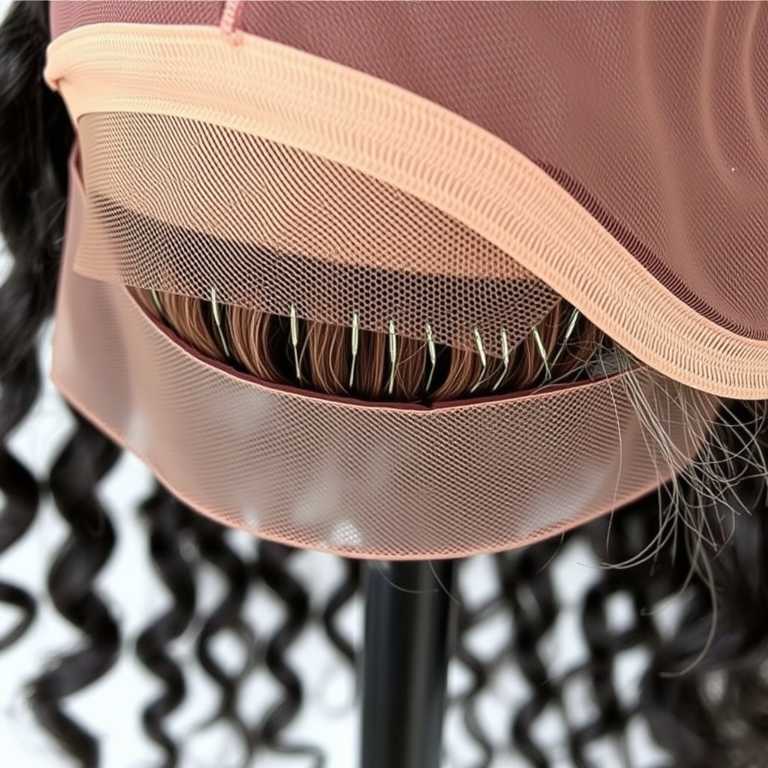
Finding a wig that feels comfortable all day starts with understanding your lifestyle and scalp needs. When you have scalp sensitivity, choosing the right wig materials is vital. Look for breathable fabrics like lace or mesh caps that allow air circulation and reduce irritation.
Choosing breathable lace or mesh wigs is key for comfort and reducing scalp irritation.
Synthetic wigs often use softer inner linings, which can be gentler if your scalp is prone to redness or itching. You’ll also want to take into account weight; lightweight wigs reduce pressure and stay secure without discomfort.
Adjustable straps help guarantee a snug fit without feeling tight, so you won’t have to constantly readjust throughout the day. If you’re active or spend time outdoors, moisture-wicking cap liners can keep sweat at bay and improve comfort.
Ultimately, prioritize wig materials designed for breathability and softness. Testing the wig for a few hours before committing can help you confirm it won’t cause discomfort, making your experience more enjoyable every day.
Wigs That Look Most Natural for Hair Loss
Once you’ve settled on a comfortable wig, the next step is choosing one that looks natural and blends seamlessly with your appearance. To get that flawless look, focus on wigs offering natural texture and realistic movement.
Here’s what to look for:
- Lace Front Wigs The sheer lace mimics your hairline, making the wig appear like your own hair.
- Hand-Tied Construction Each strand is individually tied, allowing natural movement and flexibility.
- High-Quality Synthetic or Human Hair Both can look natural, but human hair offers the best texture and flow.
- Customized Color and Cut Match your skin tone and facial features to avoid an artificial look.
Affordable Wigs That Look and Feel Great
Although premium wigs can be tempting, you don’t have to spend a fortune to find affordable wigs that look and feel great. Budget-friendly options today come with impressive quality, offering you stylish alternatives that boost your confidence without breaking the bank.
Focus on synthetic fibers that mimic natural hair texture and choose styles that suit your face shape. Many affordable wigs also include adjustable caps for comfort and secure wear.
Here’s a quick guide to help you compare some popular affordable wigs:
| Wig Type | Key Feature |
|---|---|
| Synthetic Fiber | Lightweight, easy styling |
| Heat-Friendly | Can be styled with heat |
| Lace Front | Natural hairline look |
With these options, you can enjoy both comfort and style. Remember, a great wig doesn’t have to cost a lot; it just has to fit well and feel right for you.
Where to Buy the Best Wigs for Hair Loss Online
Affordable wigs that look and feel great are widely available, but knowing where to shop online can make all the difference in your experience. When buying wigs for hair loss, you want reliable online retailers that offer quality, variety, and honest customer reviews to guide your choice.
Here are four top tips to find the best places to buy wigs online:
- Check sites with extensive customer reviews to see real feedback and photos.
- Choose online retailers specializing in hair loss wigs for expert selections.
- Look for easy return policies in case the wig doesn’t meet your expectations.
- Compare prices and features across multiple platforms to get the best value.
Styling Hair Loss Wigs to Match Your Personal Look
You’ll want to pick wig colors that highlight your skin tone and bring out your best features. It really makes a difference when the color complements your natural complexion. Matching your hairstyle to your face shape is another key step—it can totally change how natural and flattering your wig looks. So, let’s dive in and explore how to find the perfect color and cut that fit your personal style.
Choosing Colors That Flatter
How do you pick a wig color that accentuates your natural beauty? Start by understanding color psychology. Certain hues evoke confidence and warmth, while others bring calm or energy. Next, consider seasonal shades that complement your skin tone and eye color for a natural look.
Here’s how to choose colors that flatter:
- Identify your undertones (cool, warm, neutral) to select complementary wig colors.
- Match wig shades to seasonal palettes—spring, summer, fall, or winter—for harmony.
- Use color psychology to reflect your mood or desired impression.
- Test different shades in natural light before deciding to guarantee vibrancy and suitability.
This approach helps you pick a wig color that feels like you, boosting confidence with every wear.
Matching Hairstyles To Face
Where should you start when matching a wig’s hairstyle to your face shape? First, identify your face shape and consider your facial features. This helps you choose a style that complements your natural look.
Keep wig versatility in mind. Opt for cuts that suit various hairstyle trends and seasonal styles. Don’t forget color matching and hair texture; these elements improve your personal style and create a seamless appearance.
| Face Shape | Recommended Hairstyles | Tips |
|---|---|---|
| Oval | Layered, waves | Most styles suit this shape |
| Round | Long layers, volume on top | Adds length to the face |
| Square | Soft curls, side parts | Soften strong jawlines |
Use this table as a quick guide to align your wig with your features and style preferences.
How to Pick a Wig Based on Your Lifestyle and Budget
Choosing the right wig means balancing your daily activities and your budget. When you’re wig shopping, it’s essential to evaluate lifestyle compatibility so your wig feels natural and suits your routine. Here’s how to pick wisely:
- Assess your daily activities: If you’re active or outdoors often, look for breathable, durable materials.
- Set a clear budget: Wigs range widely in price; decide what you’re comfortable spending before browsing.
- Prioritize maintenance: Synthetic wigs require less upkeep, while human hair wigs offer versatility but need more care.
- Think about wear frequency: For daily wear, invest in a higher-quality wig. For occasional use, a budget-friendly option may suffice.
Frequently Asked Questions
How Should I Care for and Clean My Wig Regularly?
You should follow wig maintenance tips by gently brushing your wig daily to prevent tangles. Use wig cleaning techniques like washing it every 10-15 wears with a mild shampoo designed for wigs.
Rinse thoroughly with cool water, then apply conditioner to keep fibers soft. Always air-dry your wig on a stand away from direct heat. Proper care helps your wig stay fresh, comfortable, and last longer.
Can Wigs Help Protect My Scalp From Sun Damage?
Yes, wigs can help protect your scalp from sun damage by providing effective scalp protection and UV shielding. Wearing a wig creates a physical barrier that blocks harmful ultraviolet rays, reducing your risk of sunburn and long-term skin damage.
To maximize scalp protection, choose wigs made with tightly woven materials or those specifically designed with UV-resistant fibers. Don’t forget to combine wig use with sunscreen for extra defense on sunny days.
Are There Specific Wigs Recommended for Sensitive Scalps?
Looking for a wig that’s gentle on your sensitive scalp? Why not try lace front wigs or silk cap wigs? Lace front wigs offer a soft, breathable hairline that reduces irritation.
Silk cap wigs provide a smooth, comfortable base that minimizes friction. Both options help you avoid itching and discomfort, so you can wear your wig all day without worries.
Don’t settle for less. Choose a wig designed with your sensitive scalp in mind!
How Long Do Wigs Typically Last With Proper Care?
With proper care, your wig can last anywhere from six months to a year or even longer, depending on wig durability and how often you wear it.
To extend its life, follow maintenance tips like gentle washing with wig-specific shampoo, storing it on a stand to keep shape, and avoiding heat styling unless your wig is heat-friendly.
Taking these steps helps maintain its look and feel, so you get the most out of your investment.
Can I Wear a Wig While Swimming or Exercising?
You can wear a wig while swimming or exercising, but you’ll want to follow some swimming tips and exercise precautions to protect it. Use a swim cap to shield your wig from chlorine or saltwater, and rinse the wig immediately after swimming.
For exercise, secure your wig with wig grips or clips to keep it in place and avoid excessive sweat buildup. Taking these steps helps maintain your wig’s look and longevity.
Conclusion
Choosing the right wig for hair loss isn’t just about covering up; it’s about reclaiming your confidence and embracing a new chapter, much like Dorothy finding her way home in Oz. Whether you go synthetic or human hair, lace front or full lace, comfort and style should never be compromised.
With the right fit and a little care, your wig can become your crown, helping you shine bright no matter what life throws your way. Finding the best wigs for hair loss means choosing something that makes you feel empowered every day.