Human Hair Weave Guide: What to Know Before You Buy
Struggling to find a human hair weave that looks natural and lasts? You’re not alone. Many people want a flawless, versatile look but get overwhelmed by the options and worry about quality or maintenance.
Choosing the right weave can feel confusing, but with the right info, you can find one that fits your style and lifestyle perfectly.
Before buying a human hair weave, know that these offer natural texture, durability, and styling versatility compared to synthetic options.
Choose the right installation, like sew-in for lasting hold or glue-in for quick changes. Match the weave’s texture and quality grade to your natural hair for a seamless blend.
Care properly with gentle shampoos and conditioners to extend its life. If you want to perfect your look and avoid common pitfalls, there’s a lot more useful info ahead.
Key Takeaways
- Human hair weaves offer natural texture, durability, and styling versatility compared to synthetic alternatives.
- Sew-in weaves provide long-lasting, protective installation, while glue-in methods offer quick, temporary volume or length.
- Choose a weave texture and length that seamlessly blend with your natural hair and suit your seasonal style preferences.
- Opt for high-quality grades like 9A-10A Remy hair for minimal tangling and better dyeing results.
- Purchase from reputable sources and use sulfate-free shampoos with gentle care to maintain weave longevity and appearance.
Human Hair vs. Synthetic Weaves: What’s the Difference?
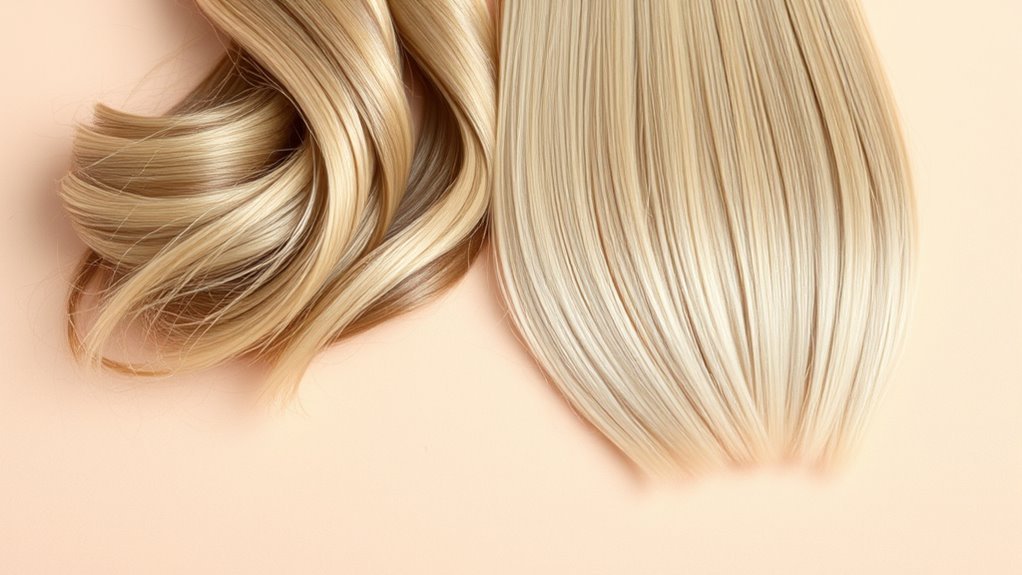
Choosing between human hair and synthetic weaves can greatly impact your hairstyle’s look and feel. When you opt for human hair, you tap into natural texture, durability, and versatility.
Human hair benefits include the ability to style with heat tools, dye, and treat just like your own hair, giving you endless options. It also blends seamlessly, offering a more authentic appearance.
Style with heat, dye, and treat human hair weaves for a seamless, authentic look and endless versatility.
On the other hand, synthetic hair draws you in with affordability and low maintenance but comes with notable synthetic hair drawbacks. Synthetic fibers can’t handle heat styling and tend to tangle or frizz quickly.
Plus, they usually don’t last as long, making them less ideal if you want a long-term solution. You’ll also notice synthetic weaves lack the natural shine and movement of human hair, which can make your style look less realistic.
Knowing these differences helps you choose the weave that fits your lifestyle and beauty goals perfectly.
Common Installation Types for Human Hair Weaves
When it comes to installing human hair weaves, you’ll mostly come across two popular methods: sew-in and glue-in. Each one has its own perks, depending on your lifestyle and hair type. So, let’s dive in and see how these common installation types work, making it easier for you to pick the best fit.
Sew-In Weave Techniques
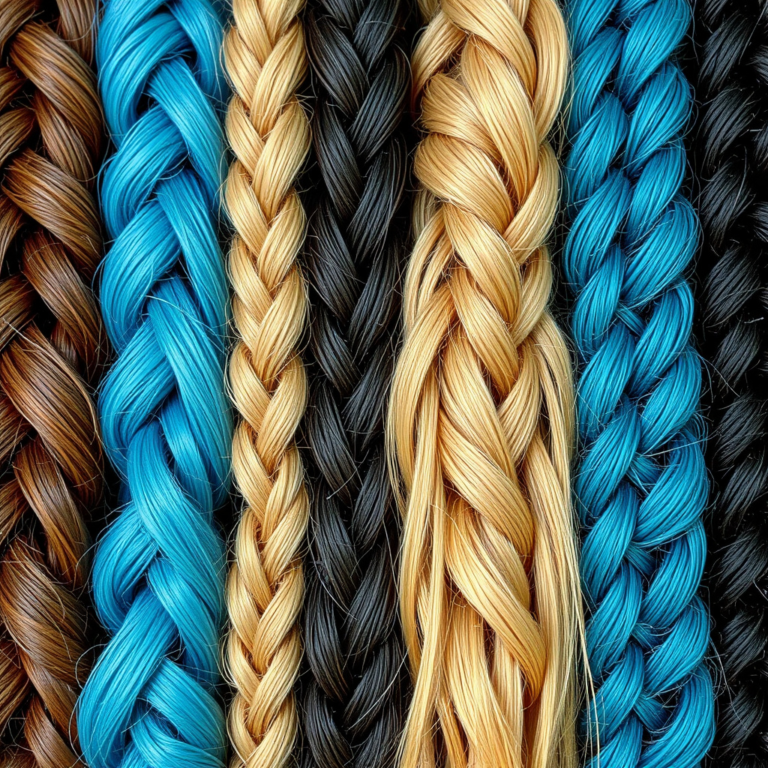
Sew-in weave techniques offer several reliable methods to securely attach human hair weaves, ensuring both durability and a natural look. When you opt for a sew-in, your stylist braids your natural hair into cornrows, then sews the weave onto these braids using a needle and thread.
This method provides strong hold and protects your natural hair from daily styling damage. One of the biggest sew-in benefits is its longevity, typically lasting 6 to 8 weeks with proper care. To keep your weave looking fresh, follow essential weave maintenance tips like moisturizing your scalp, avoiding heavy products, and gently detangling your hair.
Glue-In Weave Methods
Three popular glue-in weave methods provide quick, versatile options for adding length and volume to your hair. Each method involves different adhesive pros, application techniques, and removal methods that impact your scalp health and weave longevity.
- Strip Glue-In: You apply adhesive strips to wefts, bonding them directly to your hair. It’s affordable but requires careful maintenance to avoid damage.
- Liquid Bonding Glue: This method uses liquid adhesive for a stronger hold. It’s ideal for longer wear but demands cautious removal to protect your scalp.
- Tape-In Extensions: Double-sided tape secures wefts. It’s gentle on your hair and quick to install but may have shorter longevity.
Consider cost factors and maintenance tips to keep your weave looking fresh while preserving scalp health.
Choosing the Right Texture for Your Human Hair Weave
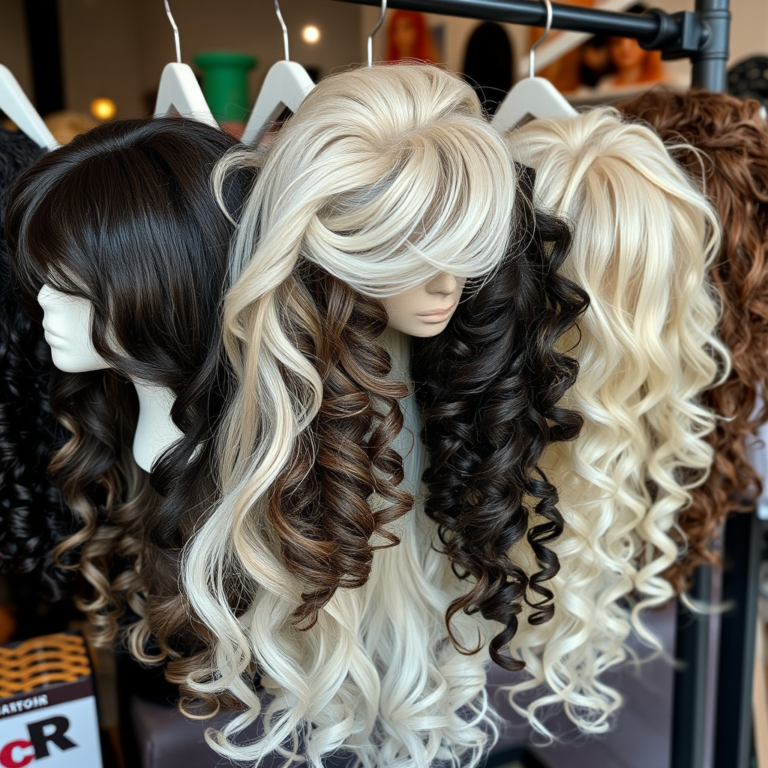
Anyone looking to improve their hairstyle knows that choosing the right texture for your human hair weave can make all the difference. You want texture compatibility with your natural hair to guarantee a seamless blend.
Also, consider seasonal styles. Lighter textures in summer and fuller, coarser ones in colder months can keep your hair comfortable and stylish.
Here’s a quick guide to help you decide:
| Texture Type | Best For |
|---|---|
| Straight | Sleek, polished looks |
| Wavy | Natural, effortless style |
| Curly | Voluminous, bold styles |
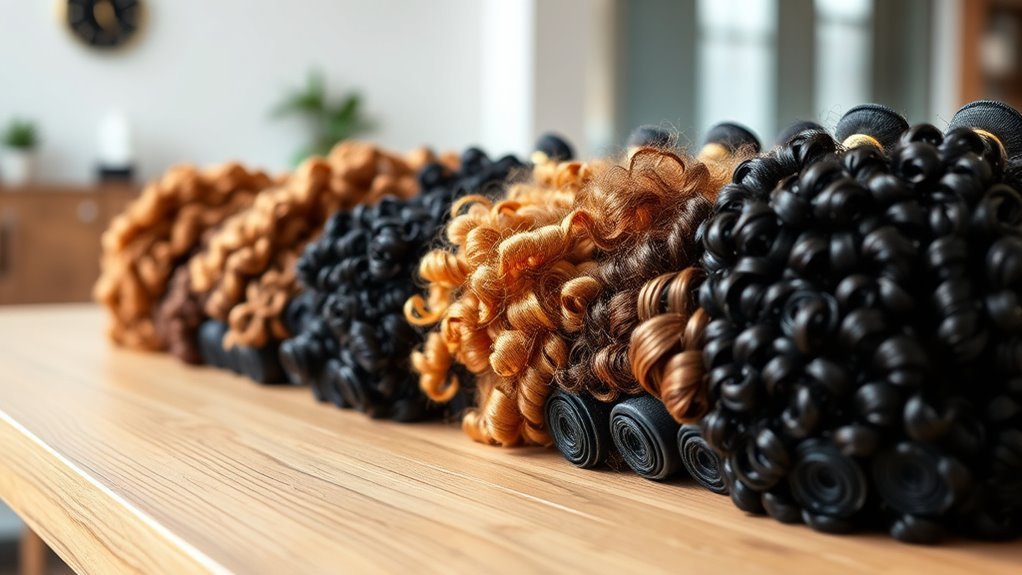
| Kinky Curly | Full, textured volume |
| Body Wave | Soft, flowing waves |
Matching the weave texture with your hair’s natural pattern helps maintain a natural appearance and protects your strands.
Hair Quality Grades Explained
Now that you know how to choose the right texture, it’s also important to understand hair quality grades. These grades can affect the texture, longevity, and durability of your weave. When you know the differences, it makes it easier to pick the best option for your needs.
Common Hair Grade Types
When choosing a hair weave, understanding the different hair grade types can save you time and money. Hair grade classifications help you identify quality based on hair source origins and processing methods. Here are three common grades you’ll encounter:
- Grade 7A-8A: Mid-quality hair, often chemically treated, with some synthetic fibers mixed in. It’s affordable but may tangle or shed more.
- Grade 9A-10A: High-quality, 100% virgin hair with minimal chemical processing. It’s sourced directly from donors, ensuring durability and natural shine.
- Remy Hair: Considered premium because cuticles remain intact and aligned, reducing tangling. This grade comes from specific hair source origins that maintain natural texture.
Knowing these types helps you pick a weave that fits your budget and desired look without surprises.
Differences In Hair Texture
Understanding hair grades gives you a solid foundation, but texture plays a likewise significant role in choosing the right weave. You’ll find curly textures, wavy variations, and straight styles, each offering unique styling options and maintenance needs.
Curly textures often require more hydration and gentle care, while straight styles may be easier to manage but show damage more readily. Wavy variations strike a balance, blending naturally with many hair types for seamless, natural blends.
Thickness differences also affect how your weave looks and feels, so consider your natural hair’s volume when selecting texture. Moreover, some textures respond better to color treatments without losing integrity.
Longevity And Durability
Although selecting the right texture is essential, you also need to think about the longevity and durability of your hair weave. The quality grade mostly determines how long your weave will last and how well it stands up to daily wear. Knowing what affects lifespan helps you make a smarter choice.
Here are three key points to keep in mind:
- Hair Grade: Higher-grade hair like Remy or Virgin lasts longer, keeping its texture and shine.
- Maintenance Tips: Proper care such as gentle washing and avoiding heat damage can extend your weave’s life.
- Environmental Factors: Sun, chlorine, and humidity can wear down your weave, so it’s good to take precautions.
Picking the Best Length and Volume for Your Style
How do you choose the perfect length and volume that complement your unique style? Start by considering your lifestyle and the look you want to achieve. The ideal length should balance manageability with your aesthetic goals. Longer weaves offer drama, while medium or shorter lengths provide ease and versatility.
Don’t forget volume considerations; think about how thick or full you want your hair to appear. If you prefer a natural look, opt for moderate volume that blends seamlessly with your hair. For a bolder style, go for fuller, denser weaves.
Also, factor in your hair’s natural texture and how much volume it can hold without causing discomfort. Remember, choosing the right length and volume boosts your confidence and guarantees your weave feels comfortable and looks natural. Tailoring these aspects to your preferences makes all the difference in achieving a flawless style.
Matching Hair Color Naturally to Your Hair
Where do you start when matching hair color naturally to your own? The key is achieving seamless color matching to avoid noticeable differences between your weave and your natural hair. Here’s how to get it right:
1. Compare in Natural Light
Always check color matching under natural light. Artificial lighting can distort shades, making your weave look off.
2. Consider Hair Dyeing
If you can’t find the perfect match, you might opt for hair dyeing. Just make sure your weave can handle dye, and test a small section first to prevent damage.
3. Match Undertones
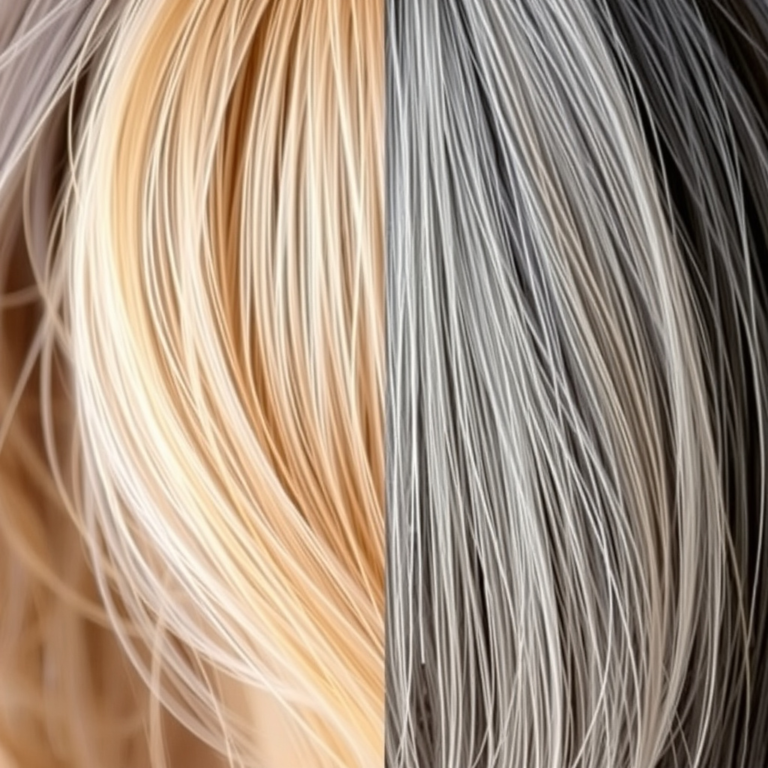
Focus on the undertones in your hair, whether warm, cool, or neutral. Matching these tones is essential for a natural blend.
Spotting Quality Human Hair Weaves Online
Once you’ve nailed the perfect color match for your hair, the next step is ensuring the weave itself meets high standards. When shopping online, start by researching reputable weave brands known for quality and consistency.
Pay close attention to product descriptions detailing hair origin, texture, and processing methods. Don’t skip online reviews—they’re invaluable for spotting red flags like tangling, shedding, or synthetic blends disguised as human hair.
Always review hair origin, texture, and processing details, plus customer feedback to avoid low-quality weaves.
Look for reviews that mention longevity and how natural the weave looks after washing. Photos from real customers can give you an honest glimpse beyond professional marketing images.
Also, check if the brand provides certifications or guarantees to back their claims. Remember, quality weaves feel soft, have minimal shedding, and blend seamlessly.
Where to Buy Authentic Human Hair Weaves Safely
Finding a trustworthy source for authentic human hair weaves can feel overwhelming with so many options online and in stores. To help you buy safely, focus on authentic retailers who provide clear quality assurance. Here’s where to start:
- Reputable Online Stores: Choose well-reviewed websites known for authentic human hair. Look for thorough product descriptions and customer reviews to confirm quality assurance.
- Specialty Beauty Supply Shops: Visit local shops that specialize in hair extensions. These retailers often source directly from trusted suppliers, ensuring you get genuine hair.
- Authorized Brand Retailers: Buy from official brand stores or their authorized dealers. They guarantee authenticity and often offer return policies if the product doesn’t meet standards.
How to Care for Your Human Hair Weave
Maintaining your human hair weave properly guarantees it stays looking fresh and lasts longer. Start with gentle washing using sulfate-free shampoos to prevent dryness. Follow up with a moisturizing conditioner to keep the strands soft and manageable.
For product recommendations, choose lightweight oils or serums that add shine without weighing your weave down. Avoid heavy products that can cause buildup and dullness.
When drying, pat your weave gently with a towel and let it air dry to minimize heat damage. If you use heat styling tools, always apply a heat protectant spray.
Regularly detangle your weave with a wide-tooth comb, starting from the ends and working your way up to avoid breakage.
To maintain your weave’s health, protect it while sleeping by wrapping your hair in a silk or satin scarf. These maintenance tips will help you enjoy a beautiful, long-lasting human hair weave every day.
Common Mistakes to Avoid When Buying Human Hair Weaves
Avoiding common mistakes when buying human hair weaves can save you time, money, and frustration. To get the best results, keep these points in mind before your purchase:
- Neglecting proper color matching: Don’t guess your shade. Always compare the weave color in natural light to guarantee it blends seamlessly with your hair. Poor color matching leads to an unnatural look and limits styling options.
- Ignoring quality and texture: Avoid weaves that feel rough or seem synthetic. Invest in high-quality human hair that matches your natural texture for easier styling and longer wear.
- Skipping maintenance tips: Before buying, learn about the upkeep required. Some weaves need more care, so choose one that fits your lifestyle and commitment level to avoid damage or early wear.
Frequently Asked Questions
Can I Dye or Chemically Treat My Human Hair Weave?
Yes, you can dye or chemically treat your human hair weave, but you need to be careful with dye techniques and chemical treatments to avoid damage. Since the hair is real, it reacts like your natural hair, so using high-quality dyes and gentle treatments is essential.
Always do a strand test first, and consider consulting a professional to maintain the weave’s texture and longevity while achieving your desired color or style.
How Long Does a Human Hair Weave Typically Last?
A high-quality human hair weave can last anywhere from 6 to 12 months with proper care. To keep it looking fresh, you’ll want to follow weave maintenance tips like gentle washing and avoiding excessive heat.
Using sulfate-free hair care products will also protect the strands and extend your weave’s lifespan. Remember, how long your weave lasts depends largely on how well you treat it, so consistent care makes all the difference.
What Tools Do I Need for At-Home Weave Installation?
You’ll need a few essential tools for at-home weave installation: a rat-tail comb for parting, hair clips to section your hair, and a needle with weaving thread if you’re sewing in. For glue installations, get a quality adhesive and applicator.
Mastering installation techniques like braiding or sewing guarantees a secure fit. Don’t forget maintenance tips: use sulfate-free shampoo, moisturize regularly, and avoid excessive heat to keep your weave looking fresh and lasting longer.
Is It Safe to Sleep With My Human Hair Weave?
You might wonder if sleeping with your human hair weave is safe. Here’s the truth: yes, but only if you follow proper nighttime care.
Skipping weave maintenance tips like wrapping your hair in a silk scarf or using a satin pillowcase can cause tangling and shorten your weave’s life.
Can Human Hair Weaves Cause Scalp Irritation or Allergies?
Yes, human hair weaves can cause scalp irritation or allergies, especially if you have scalp sensitivity. You might experience itching, redness, or discomfort due to the materials used in the weave or the adhesives and products applied.
Allergic reactions can also occur if you’re sensitive to certain chemicals. To avoid problems, always test products on a small skin area first and keep your scalp clean to reduce irritation or allergic responses.
Conclusion
Before you buy, keep in mind that choosing the right human hair weave is like finding the perfect strand in a sea of options. Each texture, length, and quality grade intertwines to create your unique look. Just as threads weave together to form a strong fabric, your choices will blend to craft a stunning style.
Care for it well and avoid common mistakes. You’ll wear your weave confidently, turning heads wherever you go with your new human hair weave.