What Is Water Wave Hair? A Detailed Guide to This Popular Hairstyle
Water wave hair is a type of wavy hair texture characterized by loose, fluid waves that resemble rippling water. These waves are neither too tight nor too straight, offering a natural, soft look that adds volume and movement to hair without the stiffness of curls. This hairstyle is popular for its versatility and stylish bounce.
People choose water wave hair because it balances the relaxed feel of loose waves with an elegant, full-bodied appearance. Its distinctive wave pattern allows wearers to enjoy a casual yet polished look, suitable for both everyday wear and formal occasions. This hair type is often replicated in extensions or wigs to enhance natural hair or create new styles.
In this article, we'll explore the characteristics that define water wave hair, how it compares to other hair textures like body wave or curly hair extensions, maintenance tips, popular products, and styling recommendations. Understanding these aspects will help you decide if water wave hair suits your aesthetic and care routine.
Defining Water Wave Hair Texture
Characteristics of Water Wave Hair
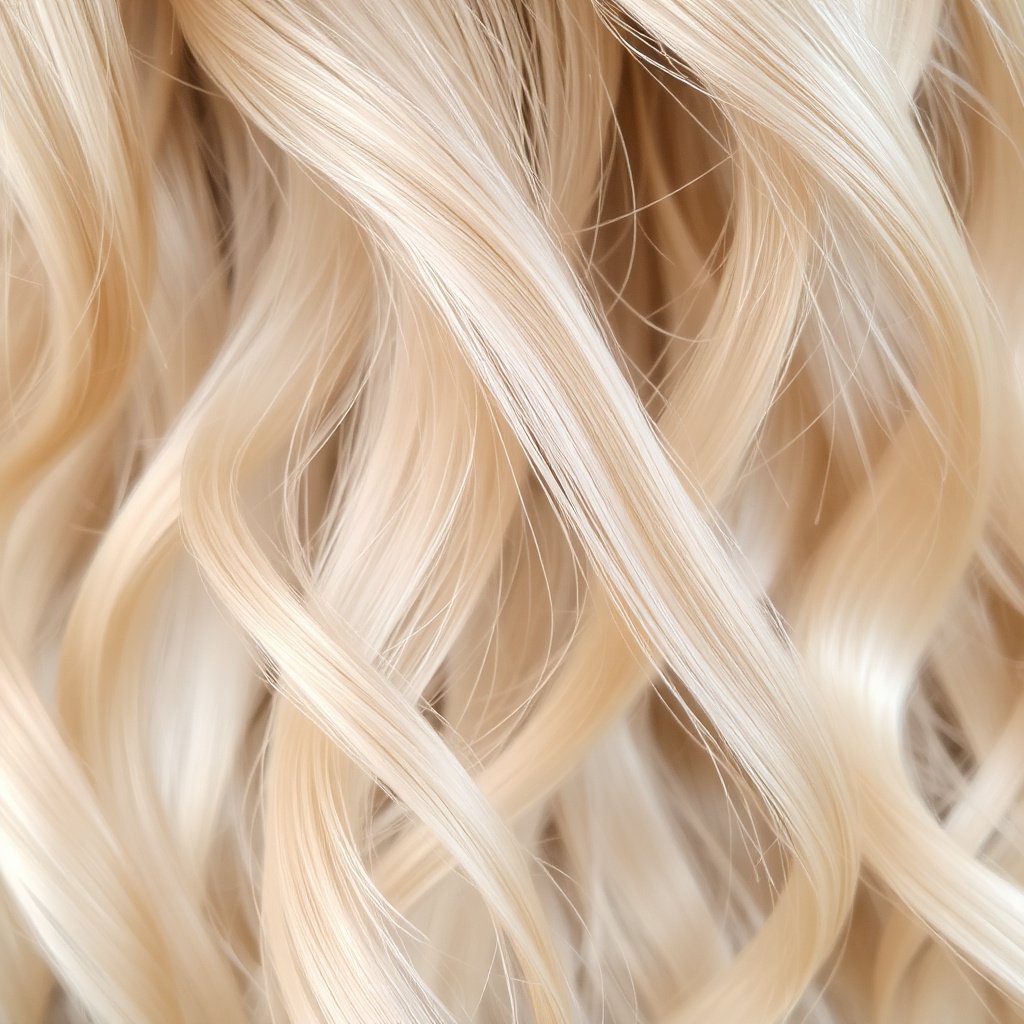
Water wave hair features smooth, silky strands with a clear, uniform wave pattern that flows naturally from roots to tips. The waves are well-defined, creating an appearance similar to gentle ripples on water, which adds volume without bulk. This texture is prized for its balance between softness and hold.
Compared to straight hair, water wave hair has more body and movement. It's less tight than curly hair, offering a looser wave that can easily be styled into different looks. The distinct wave pattern prevents tangling and keeps hair looking lively throughout the day.
Difference Between Water Wave and Body Wave
Water wave and body wave hair often get confused because both feature waves, but the difference lies in the wave's tightness and shape. Water waves have a slightly tighter, more defined wave resembling small ripples, while body waves form larger, softer S-shaped waves.
This subtle contrast makes water wave hair look more textured and voluminous, whereas body wave hair offers a more relaxed, smooth finish. Understanding this difference helps in choosing the desired look, whether for natural wear or hair extensions.
Types of Water Wave Hair Extensions
Virgin vs. Processed Water Wave Hair
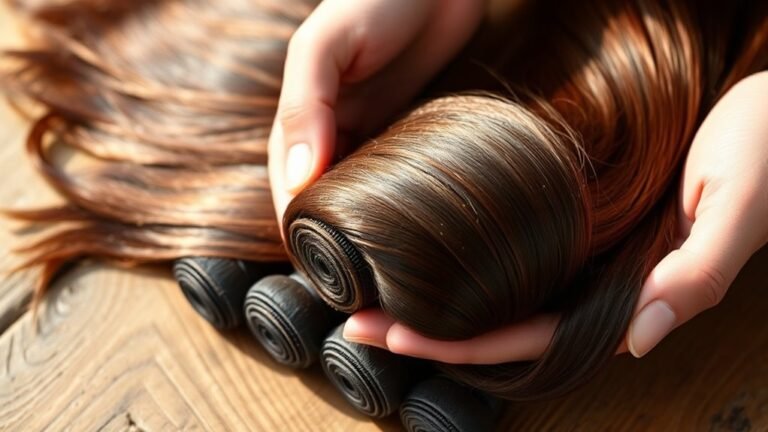
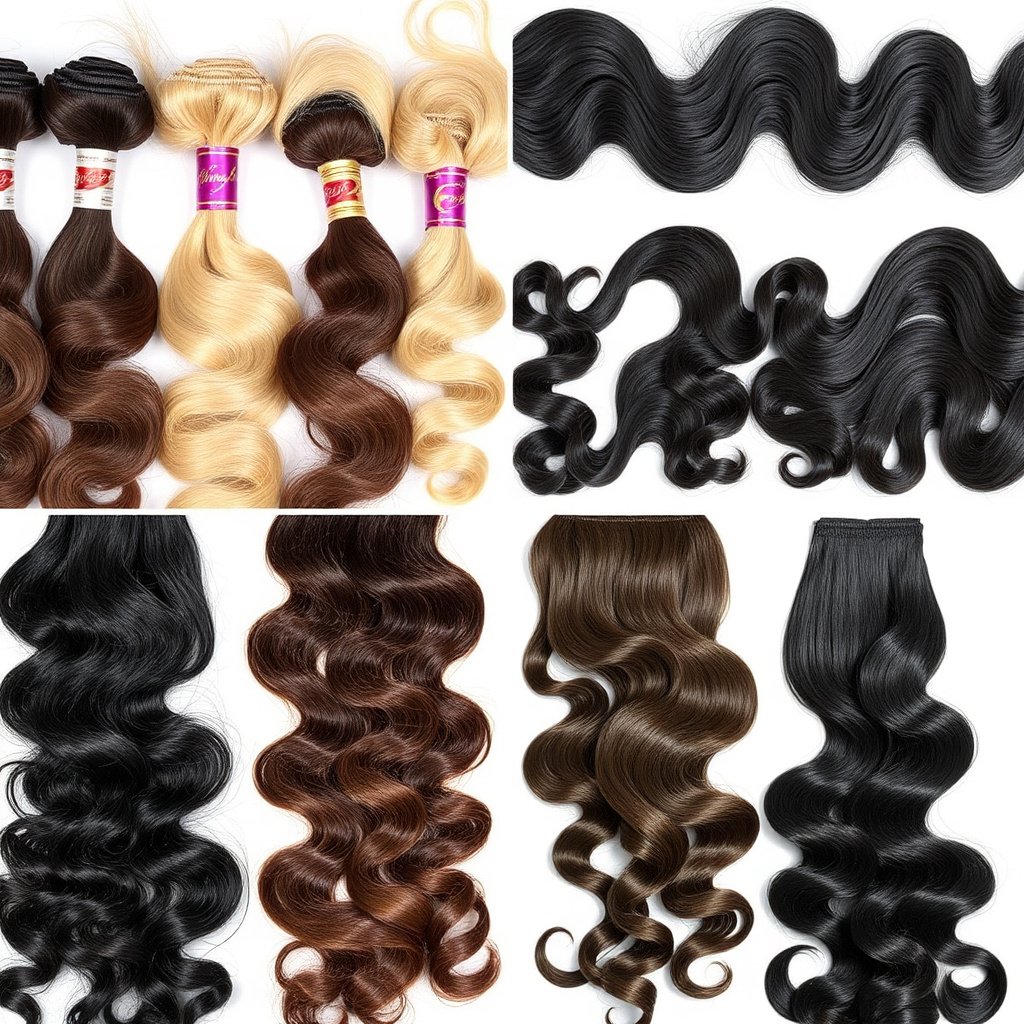
Virgin water wave hair is cut directly from donors without chemical treatments, which keeps it natural, strong, and long-lasting. It maintains its cuticle integrity, resulting in a healthier texture that can handle dyeing or heat styling better.
Processed water wave hair undergoes treatments like chemical straightening or coloring to achieve specific looks. While more affordable, this hair may be prone to dryness, tangling, and shorter lifespan due to cuticle damage.
- Virgin hair maintains cuticle alignment
- Processed hair might require extra care
For more on this, see our related guide: Water Wave Crochet Hair: A Complete Buying Guide.
Synthetic vs. Human Water Wave Hair
Human water wave hair offers the most natural look and feel, with superior longevity and styling flexibility. It responds well to heat tools and detergents, making it a preferred choice for many.
Synthetic water wave hair is budget-friendly and holds styles longer without the need for styling tools, but it lacks the natural movement and softness of human hair. Its heat resistance is limited, so styling options are more constrained.
- Human hair offers dyeing and heat styling
- Synthetic hair retains style longer but has heat limits
Caring for Water Wave Hair
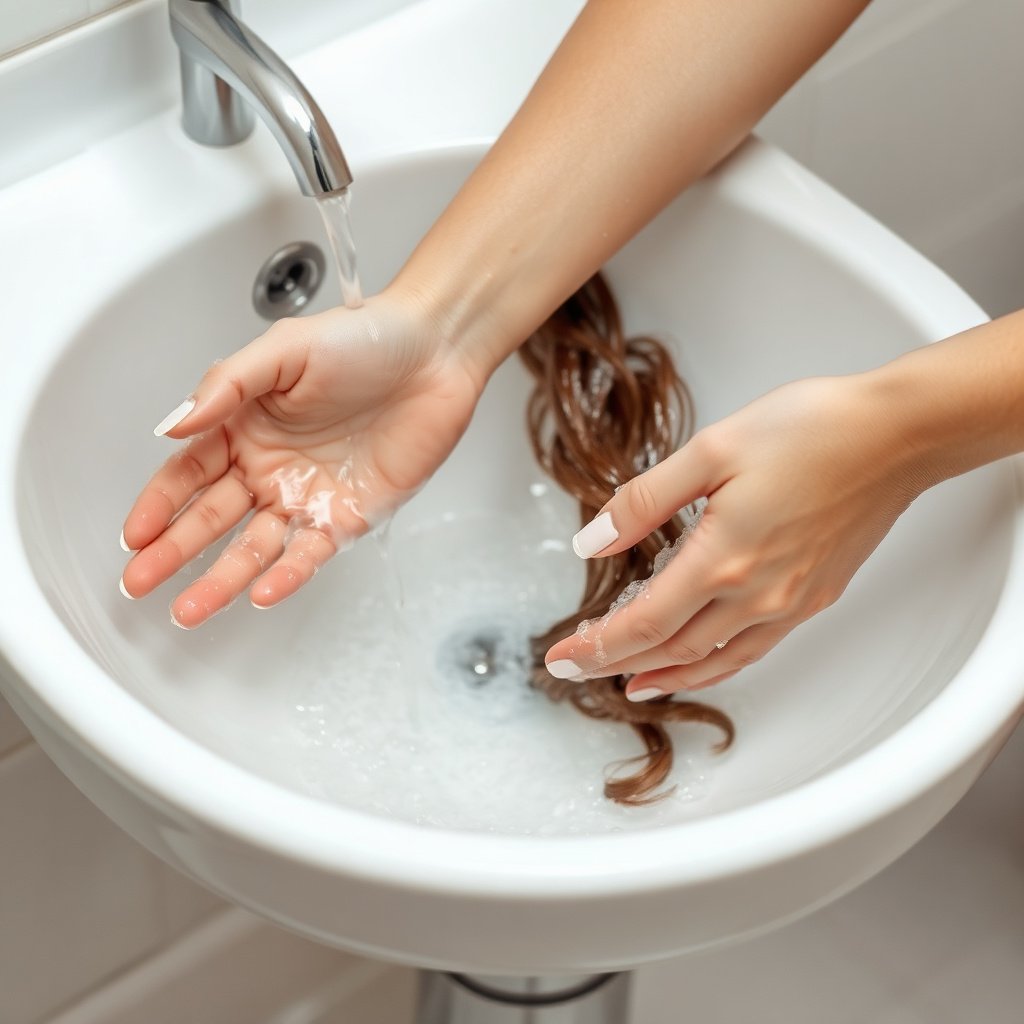
Washing and Conditioning Tips
To preserve the wave pattern and maintain softness, wash water wave hair with sulfate-free shampoos and hydrating conditioners. Avoid hot water, which can strip moisture; lukewarm water is ideal for washing.
Conditioning should focus on mid-lengths to ends to avoid weighing down roots. Deep conditioning treatments weekly help keep hair hydrated and prevent frizz, especially for processed or dyed extensions.
- Use sulfate-free shampoos
- Apply conditioner primarily to ends
- Rinse with cool water to seal cuticles
Styling and Maintenance Practices
For styling, use heat protectants if applying heat tools and opt for low to medium temperatures to avoid damaging the wave structure. Air drying is preferable to maintain natural waves and reduce frizz.
Regular detangling with a wide-tooth comb starting from the tips upward prevents breakage. Storing hair properly on a satin pillowcase or wrapping it protects the wave pattern overnight.
- Apply heat protectant before styling
- Use wide-tooth combs for detangling
- Store hair to preserve wave shape
Styling Water Wave Hair
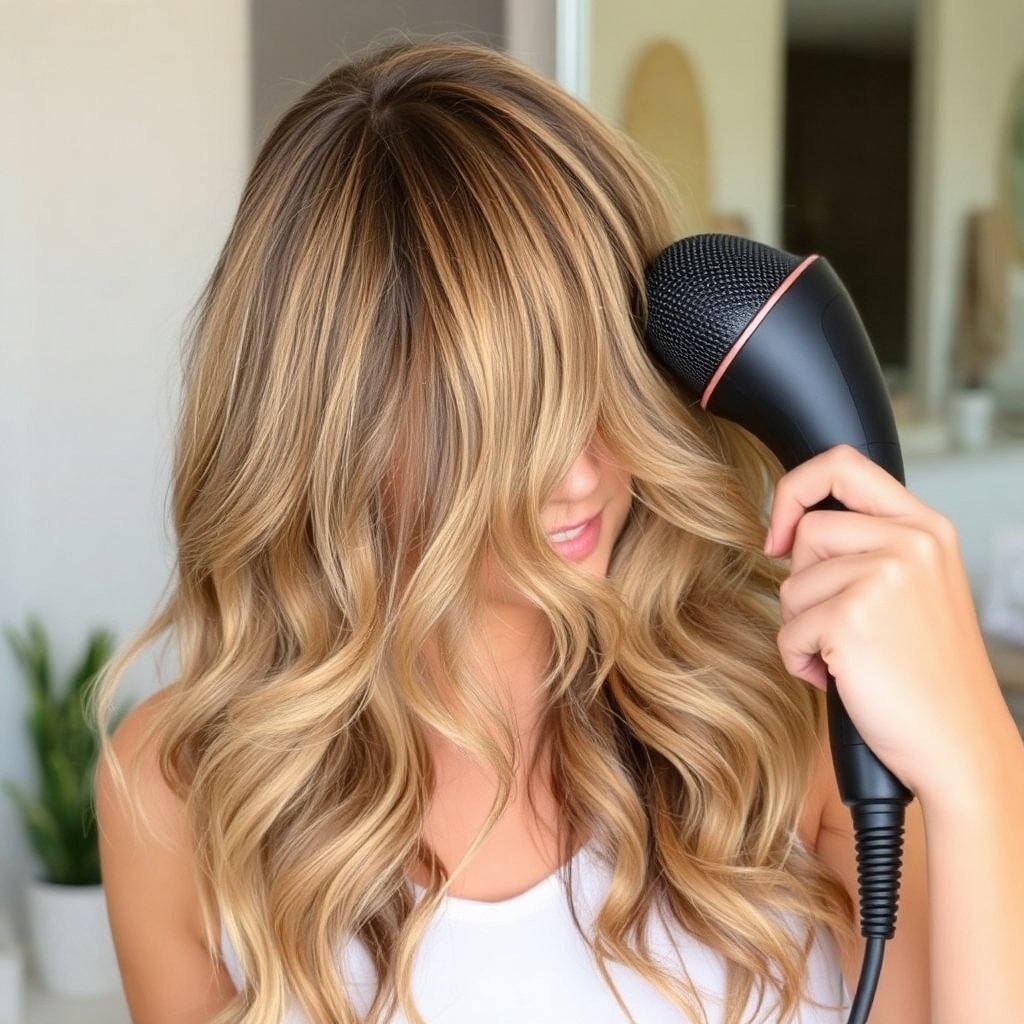
Heat Styling Options
Water wave hair can be styled with curlers, flat irons, or diffusers to enhance or redefine waves. Using low heat settings preserves the natural wave texture while creating more defined curls or relaxed waves according to preference.
Before heat styling, it's critical to use a moisturizing heat protectant to safeguard strands and prevent frizz. Styling should be done in sections to ensure even heat distribution without overwhelming any part of the hair.
- Use low to medium heat
- Section hair for even styling
- Apply heat protectant thoroughly
For more on this, see our related guide: Aveda Hair Salon Services: A Complete Guide.
No-Heat Styling Methods
For those avoiding heat, water wave hair can be styled with techniques like braiding damp hair, twist-outs, or using flexi rods overnight. These methods enhance natural waves while reducing damage risks.
Using products like mousse or light hold gels helps define waves and control frizz during no-heat styling. Sleeping with a silk scarf or bonnet keeps the style intact longer.
- Braid or twist damp hair overnight
- Use styling mousse for wave definition
- Protect hair with silk or satin covers
Water Wave Hair in Fashion and Culture
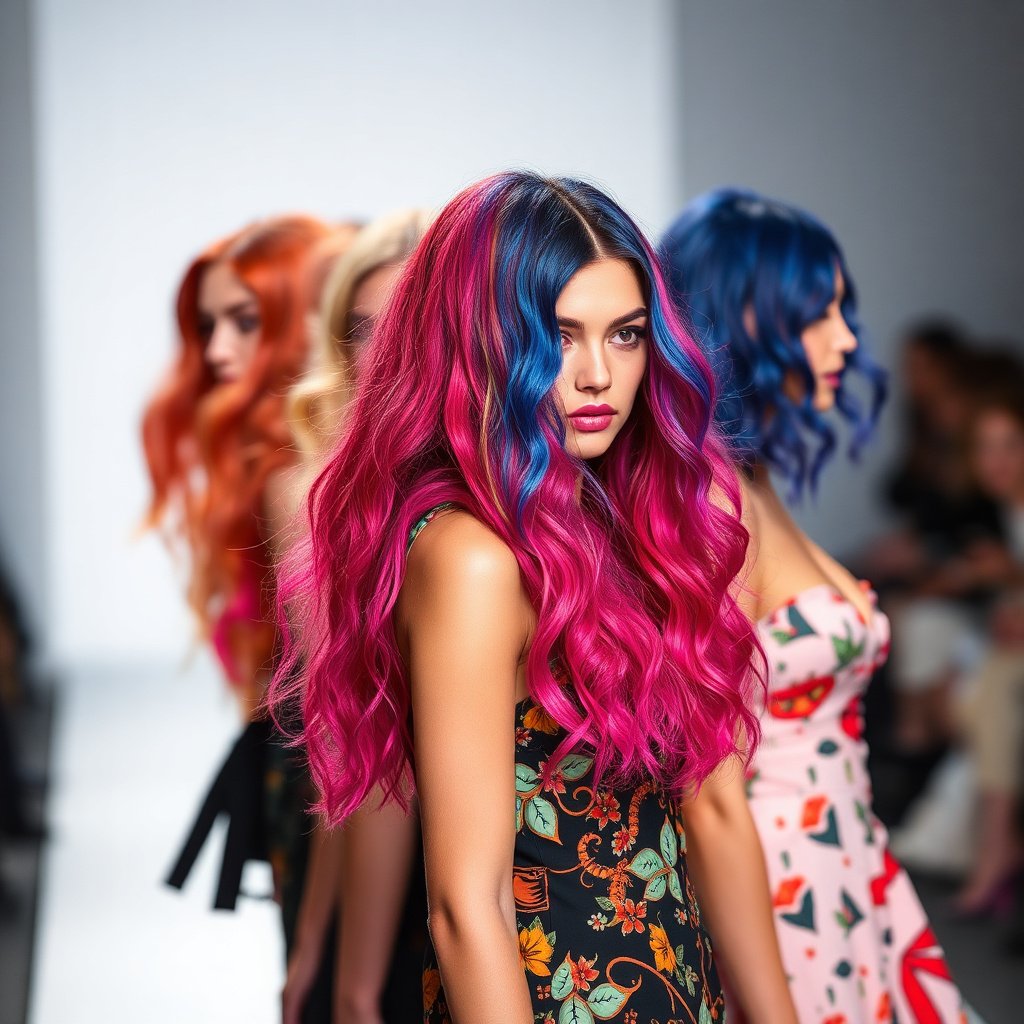
Popularity in Hairstyles
Water wave hair has become a symbol of effortless glamor, favored by celebrities and fashion enthusiasts for its natural yet styled look. Its adaptability has made it prevalent in photo shoots, runway shows, and everyday fashion.
Its soft waves suit multiple face shapes and can be customized in length, color, and thickness, making it an inclusive hairstyle choice with broad appeal across demographics.
For more details on different hair textures, you can visit this article about wavy hair textures explained. wavy hair textures explained.
Cultural Significance
In various cultures, wavy hair symbolizes youthfulness and vitality. Water wave textures have roots in Afro-textured hair care, where they represent an embraced natural aesthetic as well as versatility in styling.
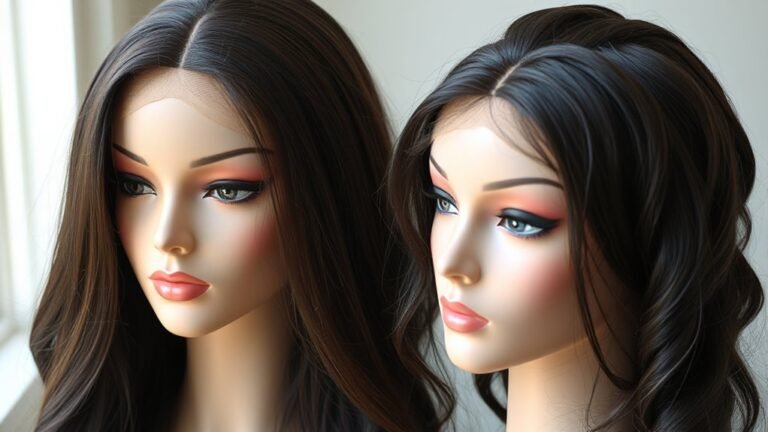
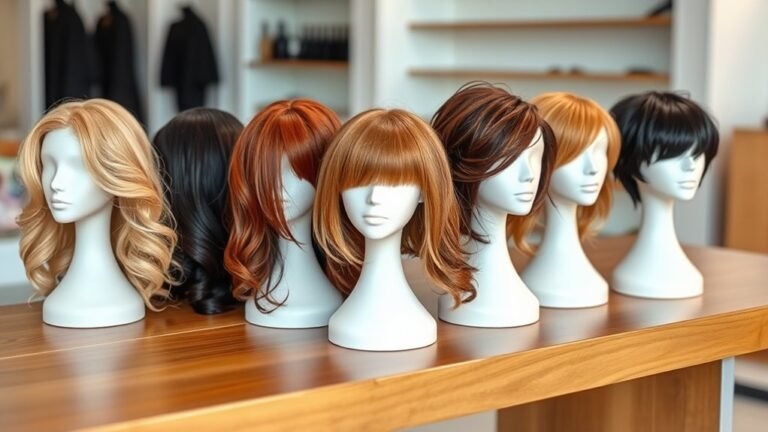
Today, water wave hair is also a popular texture in hair extensions and wigs, allowing people worldwide to experiment with and celebrate diverse hair styles easily.
Water Wave Hair Types Comparison
Here's a comparison of key water wave hair types to help differentiate their features, styling ease, and durability.
| Type | Texture Definition | Styling Flexibility | Durability | Cost |
|---|---|---|---|---|
| Virgin Water Wave Hair | Soft, defined ripples | High – can dye and heat style | Long-lasting with care | High |
| Processed Water Wave Hair | Slightly looser waves | Moderate – more fragile | Medium lifespan | Medium |
| Human Water Wave Hair | Natural wave pattern | Very high – versatile | Long-lasting | High |
| Synthetic Water Wave Hair | Uniform waves, less natural | Low – limited heat use | Shorter lifespan | Low |
Frequently Asked Questions
Is water wave hair suitable for all hair types?
Water wave hair can complement many hair types, especially those seeking volume and a natural wave. However, natural hair texture and porosity affect how well it blends and styles with extensions.
How often should water wave hair be washed?
Washing water wave hair every 7-10 days helps maintain moisture and the wave pattern. Over-washing can cause dryness and frizz, so it's best to wash gently with moisturizing products.
Can I dye water wave hair extensions?
Virgin and human water wave hair extensions can be dyed since they contain real cuticles. Processed or synthetic hair should not be dyed as chemicals or synthetic fibers will not take color properly.
What products help maintain water wave hair?
Using sulfate-free shampoos, moisturizing conditioners, light oils, and heat protectants helps maintain the softness, shine, and wave definition of water wave hair.
How do I prevent tangling in water wave hair?
Regular gentle detangling with wide-tooth combs, keeping hair moisturized, and avoiding rough handling reduces tangling. Proper nighttime protective styles also help.
Key Takeaways
- Water wave hair features loose, rippling waves that provide volume and natural movement.
- It's available in virgin, processed, human, and synthetic options, each with different care needs.
- Proper moisturizing, gentle washing, and protective styling maintain its wave pattern.
- Styling can be done with or without heat, offering versatile looks for many occasions.
Conclusion
Understanding what water wave hair is and its defining characteristics helps in making an informed choice for your hairstyle needs. It presents a unique balance of natural texture and style versatility, combining softness with volume. Recognizing the differences between virgin, processed, human, and synthetic options allows you to select hair that fits your lifestyle, styling preferences, and budget. Proper care methods ensure your water wave hair maintains its beautiful wave pattern and longevity, which is essential for preserving both look and health.
For those seeking a natural, lively texture without the tightness of curly styles, water wave hair extensions stand out as an excellent option. Virgin water wave hair suits those desiring the ability to color and style with heat, while synthetic variants offer budget-conscious choices for occasional wear. Incorporating effective maintenance routines—like sulfate-free shampoos, deep conditioning, heat protection, and gentle detangling—enhances the hair's durability and appearance. Fashion enthusiasts who want adaptable waves with a soft touch will find water wave hair an appealing choice for everyday or special events.
If you're considering adopting water wave hair, start by selecting the hair type that matches your styling goals and maintenance capability. Test different styling methods from heat tools to no-heat techniques to find what works best for your texture. Protect your investment with a tailored routine to keep waves bouncy and luminous longer. Explore reputable suppliers and consult trusted styling resources to ensure you receive quality hair. Taking these steps will help you enjoy the stylish, effortless charm that water wave hair offers.