How to Use a Crochet Needle: A Step-by-Step Beginner’s Guide
Using a crochet needle involves holding the hook correctly, working with yarn, and creating loops to form stitches. To start, hold the crochet needle in your dominant hand like a pencil or knife, loop the yarn over the hook, and pull it through loops to create chains and stitches. Mastering these basics will have you crocheting in no time.
Crochet is a versatile craft that allows you to produce fabric, decorations, and practical items using just yarn and a crochet needle. Understanding how to maneuver the needle and yarn is the foundation for all crochet projects, from scarves to blankets. Learning proper technique early avoids frustration and ensures smooth, even stitches.
This guide covers the core steps of using a crochet needle, including holding techniques, forming basic stitches, managing yarn tension, and tips for troubleshooting common early mistakes. By the end, you’ll feel confident picking up your crochet needle and starting a project.
Holding the Crochet Needle Correctly
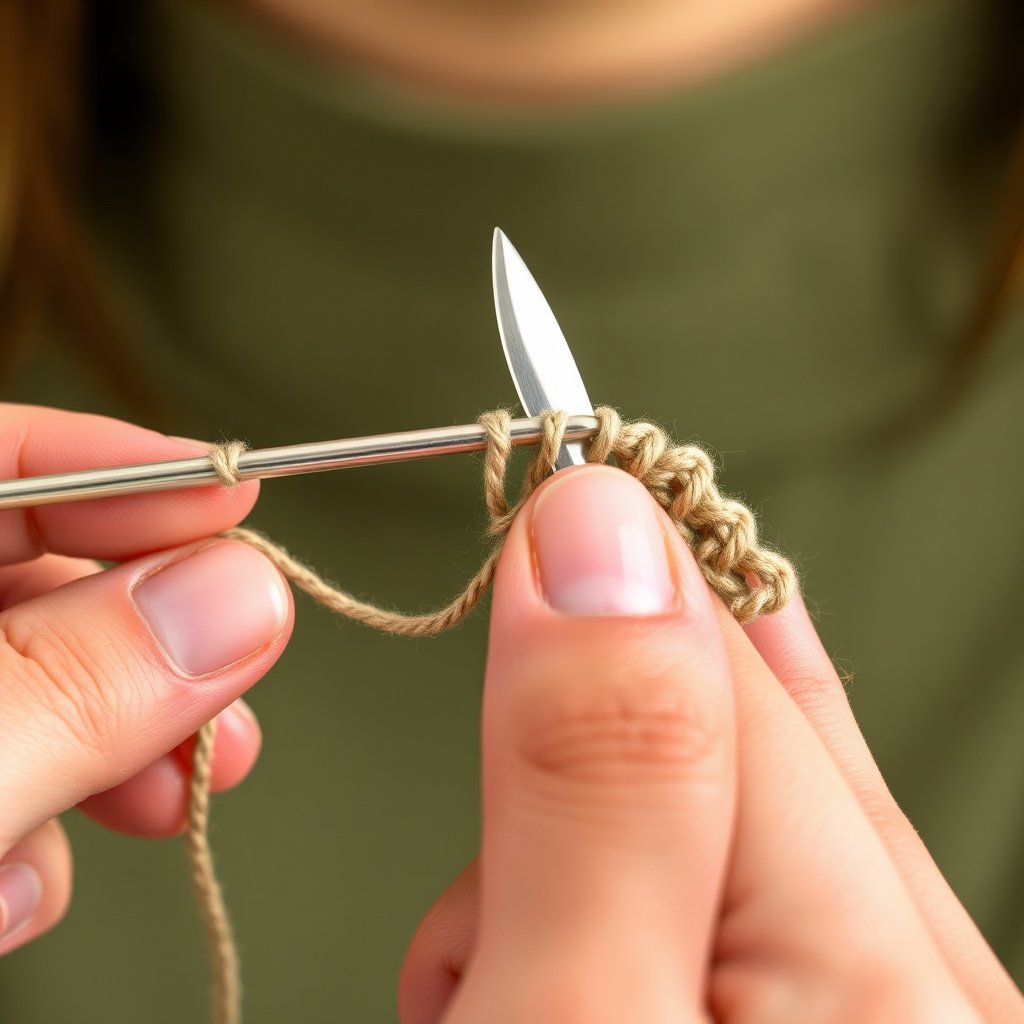
Pencil Grip Technique
In the pencil grip, you hold the crochet needle similarly to how you would hold a pencil. This grip offers precise control and is often preferred by beginners. Position your thumb and index finger near the base of the hook with other fingers supporting the shaft. This grip helps in smoothly maneuvering the hook for creating neat stitches.
Many find the pencil grip comfortable for fine work like amigurumi or detailed patterns where delicate movements are needed. If you experience hand fatigue, you can try shifting the pressure points between fingers to relieve strain without changing your grip style.
- Good for beginner control
- Enables delicate stitch manipulation
- Reduces accidental loops slipping
Knife Grip Technique
The knife grip involves holding the crochet needle like a knife, resting the shaft against the side of your hand. This allows for a firmer grasp and often results in faster stitching once practiced. Your thumb rests on one side of the needle shaft, while your fingers wrap around the other side for secure control.
While some find the knife grip less precise initially, it can reduce wrist movement by using arm muscles. This method is favored among experienced crocheters who work on large projects or prefer quicker rhythm in their crocheting.
- Allows faster stitching speed
- Uses arm muscles, not just fingers
- Can reduce wrist strain during long sessions
Forming Basic Crochet Stitches
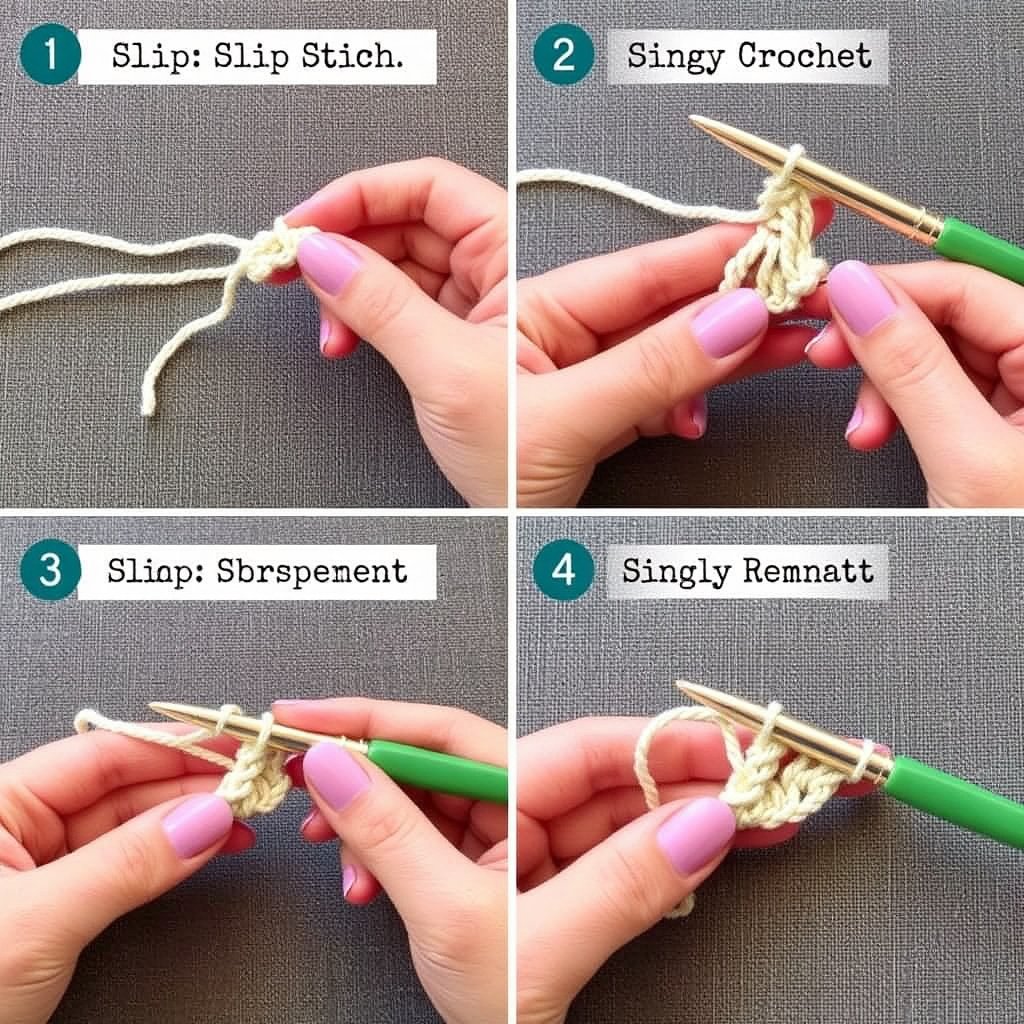
Making a Slip Knot and Chain Stitch
To begin crocheting, start with a slip knot on the needle. Create a loop in the yarn, pull the yarn through the loop with the hook, and tighten onto the needle. This secures your starting point without tension. Next, yarn over the hook and pull through the slip knot loop to make the first chain stitch. Repeat this process to form a foundation chain of your desired length.
Mastery of the chain stitch is essential because it forms the base for many patterns. Keep tension even but not too tight—if the chains are too tight, it will be difficult to work into them later. Practice making uniform-sized loops for a smooth row.
- Start with a slip knot
- Yarn over and pull through for chains
- Maintain even tension for consistent loops
Creating Single and Double Crochet Stitches
Single crochet is the fundamental stitch after chains. Insert the hook into the chain, yarn over, pull up a loop, yarn over again, and pull through both loops on the hook. Double crochet builds on this, where you yarn over first, insert the hook, yarn over, pull up a loop, then yarn over and pull through two loops twice. These stitches create different textures and heights in fabric.
Practicing these stitches helps you gain control over the crochet needle and yarn tension. It’s normal for stitches to appear loose or uneven at first; consistent practice leads to smoother fabric and clearer patterns.
- Single crochet: simple and dense
- Double crochet: taller and airier
- Practice switching smoothly between stitches
Managing Yarn Tension and Flow

Controlling Yarn Tension
Maintaining consistent yarn tension is crucial when using a crochet needle, as it affects stitch size and fabric uniformity. Typically, you’ll wrap the yarn around your fingers, often the pinky and index, to create gentle resistance. Adjust the tension by how tightly you hold the yarn between your fingers and palm.
Too tight tension makes it hard to insert the hook and can result in small, stiff stitches. Loose tension causes uneven stitches and holes. Experiment with finger positioning to find a comfortable hold that produces even loops.
- Wrap yarn around fingers for control
- Keep tension consistent throughout work
- Adjust if stitches become too tight or loose
For more on this, see our related guide: Crochet Braids vs. Sew in: Which Is Better?.
Feeding Yarn Smoothly Through the Needle
The crochet needle’s hook catches the yarn smoothly to pull loops through stitches. Ensuring the yarn flows without snagging involves smooth yarn movement from the skein or ball to your fingers. Avoid tangles or knots that interrupt the flow or pull abruptly on the yarn.
Using a yarn bowl or keeping yarn in a loosely wound center-pull ball can improve feeding. A light, steady pull avoids sudden jerks that can disrupt tension or cause dropped stitches.
- Keep yarn untangled and smooth
- Use tools like yarn bowls if needed
- Pull yarn gently to avoid breaks
Common Challenges and Troubleshooting

Fixing Dropped Stitches
Dropped stitches happen when loops slip off the hook unintentionally, creating gaps or holes. To fix them, carefully pull the loop back onto the hook from the dropped stitch. Use a smaller needle or a crochet hook to pick up the loose loops going back down the row if multiple are dropped.
Check your grip on the crochet needle and yarn tension if dropped stitches occur frequently. Adjusting hand positions can prevent accidental slips in the future.
- Reinsert hook through dropped loop
- Use a smaller hook for tight stitches
- Maintain firm but relaxed grip to avoid slips
Correcting Uneven or Tight Stitches
Stitches that are too tight make it difficult to insert the hook in the next row and result in stiff fabric. Loosen your yarn tension slightly and lengthen your finger wrap around the yarn. Practice making loops with consistent size to produce even rows.
If stitches are too loose, the fabric can appear sloppy. Tighten your finger hold or slow down to improve control. Regular practice with basic crochet stitches is the best way to develop balanced tension.
- Adjust yarn wrap for tension
- Practice consistent loop sizes
- Slow down to maintain control
Advanced Tips for Using Crochet Needles
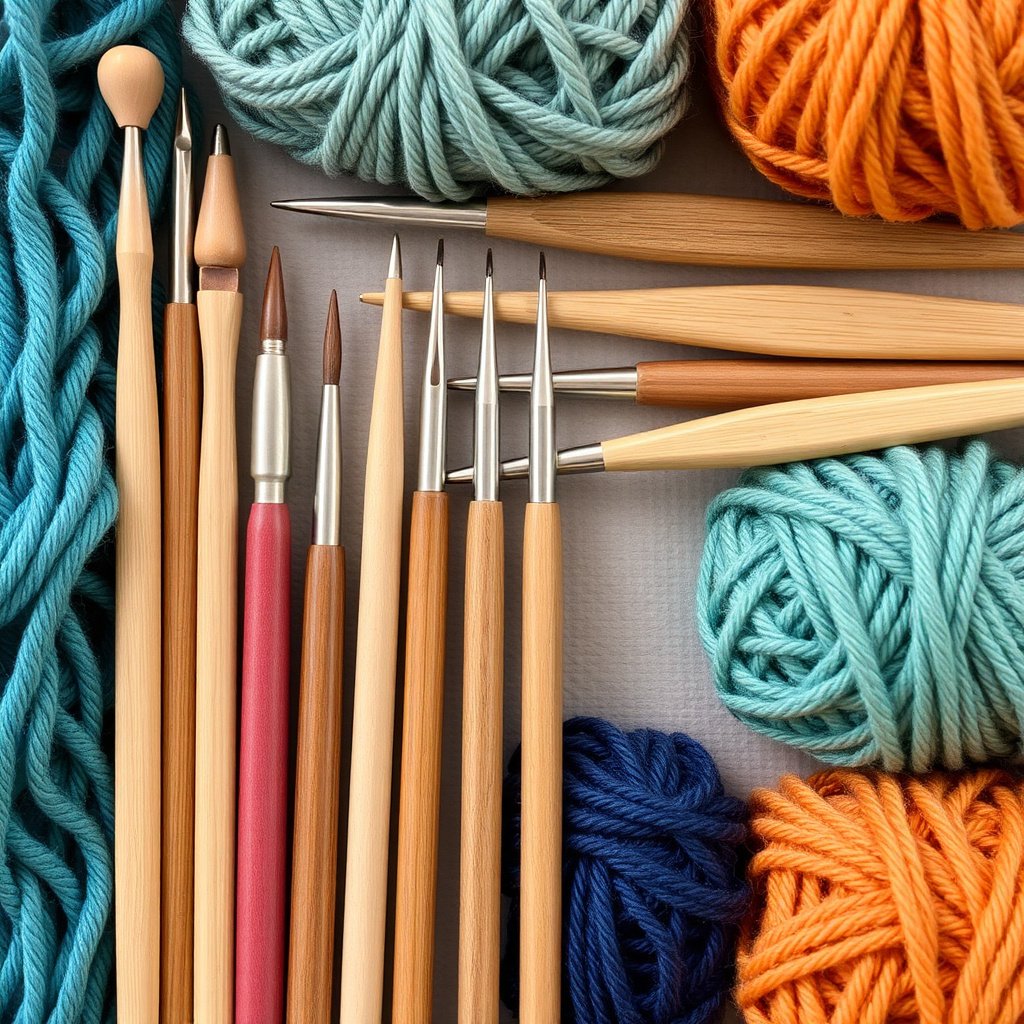
Choosing the Right Crochet Needle Size
Crochet needles come in various sizes indicated in millimeters. The needle size affects stitch size and fabric density. Larger needles produce looser, softer fabric, while smaller needles create tighter, sturdier stitches. Always check the yarn label recommendations as a starting point.
Using the right needle size with corresponding yarn prevents frustrating results like fabric that’s too stiff or too floppy. Testing swatches with different needle sizes helps you find the best match for your project.
- Needle size influences fabric texture
- Match needle size to yarn weight
- Test swatches to confirm stitch size
For more on this, see our related guide: Best Crochet Hair: Top Picks and Buying Tips.
Maintaining Your Crochet Needles
Proper care of crochet needles extends their lifespan and ensures smooth stitching. For metal needles, wipe clean and store dry to prevent rust. Bamboo or wooden needles benefit from occasional polishing with a wax stick or smooth cloth to avoid splinters.
Inspect the hook tip regularly for dents or burrs that could snag yarn. Replace or repair damaged needles promptly to maintain even stitching and prevent fabric damage.
- Wipe metal needles dry
- Polish wood needles occasionally
- Check for and fix hook damage
Popular Crochet Projects for Beginners

Simple Scarf Patterns
Scarves are among the easiest crochet projects because they involve repeating a single stitch across rows. Beginners often start with single crochet or double crochet stitches over a foundation chain, making a rectangular panel. Scarves provide good practice for consistent stitches and tension.
You can customize scarves with different yarns and colors, allowing creativity without complex shaping or pattern changes. This makes them ideal for learning the mechanics of using a crochet needle.
- Uses basic stitches
- Teaches tension and rhythm
- Customizable with yarn choices
To expand your understanding of crochet techniques and history, visit Crochet basics on Wikipedia. Crochet basics on Wikipedia.
Granny Squares and Small Motifs
Granny squares are small, square motifs worked in the round, popular among beginners for practicing turning and joining stitches. They use basic crochet stitches like chains and double crochets, helping to develop stitch control and speed.
Once comfortable with granny squares, you can combine them into blankets, bags, or other projects. This modular approach is a useful skill for using a crochet needle effectively.
- Work in rounds to build shapes
- Practice stitch changes and joins
- Foundation for patchwork projects
Crochet Needle Types Comparison
Different crochet needles cater to various preferences and projects. Here's how the most common types compare.
| Needle Type | Material | Best For | Advantages | Drawbacks |
|---|---|---|---|---|
| Aluminum | Metal | General projects | Smooth hook for fast stitching, durable | Can be slippery, cold to touch |
| Bamboo | Wood | Beginners, textured yarns | Warm grip, good control, less slippery | Less durable, can split or splinter |
| Plastic | Plastic | Lightweight projects, travel | Light, inexpensive, flexible | Less smooth hook, less durable |
| Steel | Metal | Fine thread, lace work | Very small sizes, precise | Can be uncomfortable for large projects |
| Ergonomic | Mixed materials | Extended crocheting sessions | Comfort grip handles reduce hand strain | Bulkier, higher cost |
Frequently Asked Questions
Can I use any crochet needle for all yarn types?
No. Needle size and material should match yarn weight and project type. Using the right needle ensures proper stitch size and comfort.
How tight should my crochet stitches be?
Stitches should be firm enough to hold shape but loose enough to insert the needle easily. Balanced tension makes stitches even and fabric flexible.
Is the pencil grip better than the knife grip?
Neither grip is universally better; it depends on personal comfort and project type. Try both grips to see which suits your style.
How do I fix a dropped stitch in crochet?
Carefully pull the loop back onto the hook and work backward through the dropped stitch loops. Using a smaller hook can help with tight stitches.
What is the easiest stitch to start with on a crochet needle?
The chain stitch is the foundational beginner stitch, followed by single crochet. Both are simple and essential for building crochet skills.
Key Takeaways
- Hold the crochet needle using pencil or knife grip based on your comfort
- Start with slip knot and chain stitch to form your foundation
- Maintain consistent yarn tension for even stitches
- Practice basic crochet stitches to build confidence
Conclusion
Deciding how to use a crochet needle effectively involves learning proper handling techniques, creating foundational stitches, and controlling yarn tension. These skills enable a smooth crochet experience and produce even, attractive fabric. Mastering these core abilities sets the stage for exploring a wide range of crochet projects.
For beginners, starting with basic projects like scarves or granny squares using a medium-sized aluminum or bamboo needle is ideal. These tools and patterns help reinforce the basic crochet stitches, including the chain, single, and double crochet stitches, providing practical experience in managing tension and stitch consistency.
Your next step could be to choose a crochet needle that feels comfortable, practice making a foundation chain with balanced tension, and experiment with basic stitches. Gradually, you can explore more advanced patterns and needle types to suit your growing skills and project preferences.