How to Seal Twist Ends Effectively for Secure Packaging
Sealing twist ends securely involves tightening and twisting the excess material around itself or using auxiliary tools such as twist ties or heat sealers. The process prevents contents from spilling and keeps the package fresh, especially for bags or plastic wraps.
Properly sealed twist ends are essential for food packaging, cable management, and even craft projects. The method you choose depends on the material you're sealing and the desired durability of the closure.
This article explains various ways to seal twist ends, including manual twisting techniques, using twist ties, heat sealing, and specialized clips. You’ll also find tips on selecting the right method depending on your packaging needs.
Techniques for Sealing Twist Ends

Manual Twisting and Knotting
The simplest approach to seal twist ends is manually twisting the excess material tightly around itself and then tying a knot if the material allows. This is most effective for plastic bags or soft materials where knotting won't tear the packaging.
This method provides a quick, tool-free seal for everyday uses like snack bags or small storage items. However, it may not withstand pressure or moisture over long periods without additional support.
- Works best on flexible plastic bags
- Inexpensive and requires no tools
- Not ideal for heavy or moist contents
Using Twist Ties for a Secure Hold
Twist ties are thin, flexible wires coated in plastic or paper that wrap around the twist end to create a strong seal. They are reusable and provide a more reliable closure than simple twisting, making them popular for bread bags and garden use.
Applying twist ties involves twisting them tightly around the sealed end, which compresses the opening and blocks air flow effectively. Their versatility allows for use with various materials and sizes.
- Reusable and adjustable
- Available in different lengths and colors
- Good for moderate-term sealing
Heat Sealing Twist Ends

Heat Sealers for Plastic Packaging
Heat sealers use controlled heat to melt the plastic twist ends together, forming an airtight and tamper-evident seal. This method is common in commercial packaging for food, pharmaceuticals, and electronics.
Heat sealing requires a compatible plastic material and the right temperature settings. The process creates a strong seal that prevents leaks and extends shelf life but requires specific equipment.
- Creates an airtight, permanent seal
- Requires compatible thermoplastic materials
- Needs electricity and equipment investment
Using Homemade Heat Methods
If you don't have access to professional heat sealers, you can carefully use household items like an iron or a warm spoon to slightly melt the twist end edges, fusing them. This DIY approach demands caution to avoid burns or melting too much plastic.
Consistency and thoroughness are key. This method offers a semi-permanent solution for smaller quantities or occasional needs but is less reliable than commercial sealing equipment.
- Economical but requires caution
- Best for small plastic bags
- Less consistent than machine heat sealing
Specialized Clips and Fasteners
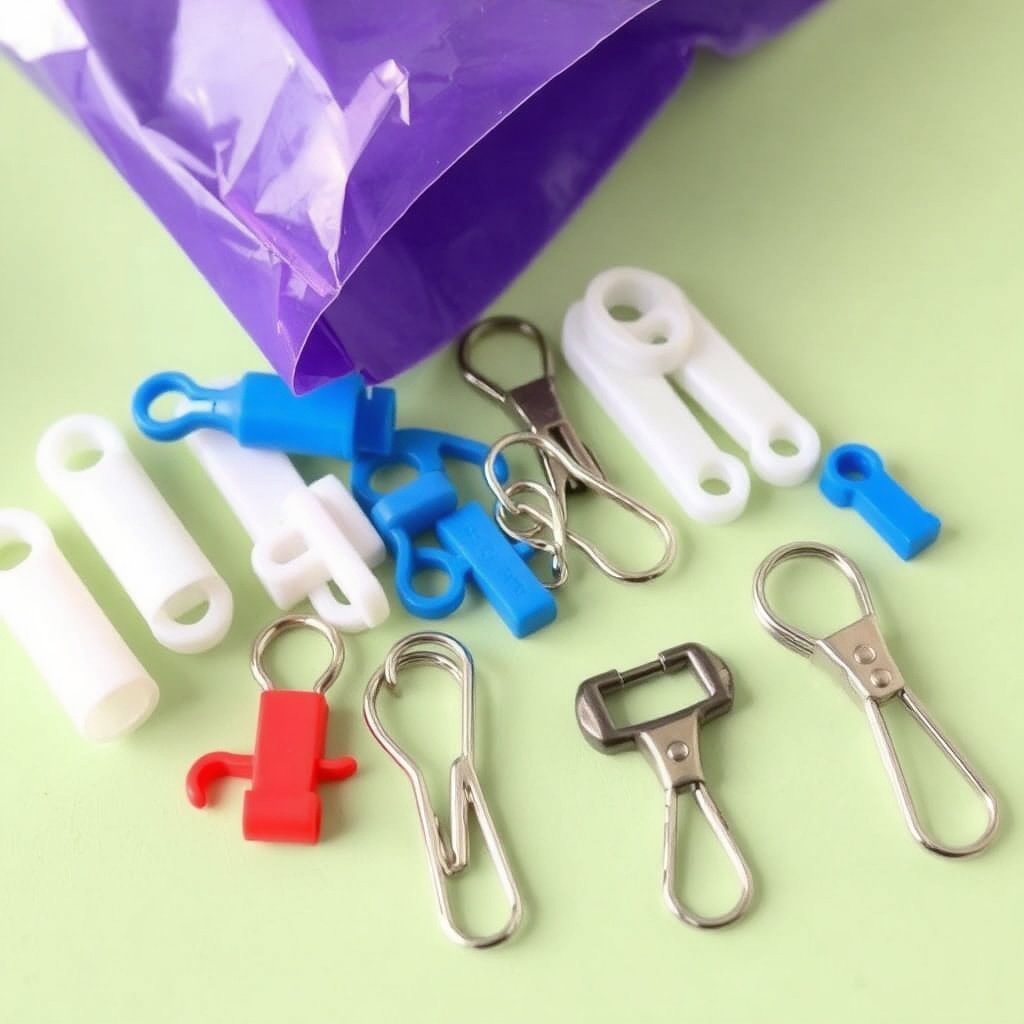
Plastic and Metal Clips
Clips designed for sealing twist ends come in various shapes and sizes, including clamp-style or hinged clips that grip tightly without damaging the bag. These are reusable and often quick to apply, suitable for snacks, gardening supplies, and more.
Their advantage lies in ease of use and reusability, making them a sustainable choice for households and businesses alike. However, they can be lost or broken more easily than twist ties.
- Reusable and easy to handle
- Gentle on packaging material
- Available in many sizes
For more on this, see our related guide: Island Twist Hair: A Complete Buying Guide.
Spring-Loaded and Hinged Sealers
Spring-loaded models provide consistent pressure on twist ends to keep packages sealed firmly. Hinged designs clamp around the twisted section with minimal effort, ideal for everyday sealing tasks.
These clips often feature ergonomic designs for quick application and removal. They work well when quick resealing is needed multiple times, such as with snacks or frozen goods.
- Provides reliable, adjustable pressure
- Quick to apply and release
- Ideal for frequent access packages
Material Considerations When Sealing Twist Ends

Sealing Plastic vs. Foil Twist Ends
Plastic twist ends typically require twisting combined with ties or clips due to their flexibility, whereas foil ends can be folded tight and sometimes crimped to hold. Foil’s rigidity demands less auxiliary sealing but is prone to tearing if overtwisted.
Choosing the method depends on the package contents and desired shelf life. Plastic's moisture resistance pairs well with heat sealing, while foil's barrier properties work best with folding and clips.
Paper and Compostable Material Twist Ends
Eco-friendly packaging with paper or compostable twist ends often uses biodegradable twist ties or adhesive strips for sealing. Because these materials lack elasticity, overtwisting can cause tears.
Sealing methods focusing on gentle clamping or tying without sharp bends protect material integrity while maintaining closure, supporting sustainable packaging goals.
Common Mistakes and How to Avoid Them When Sealing Twist Ends

Over-Twisting and Material Damage
Twisting too tightly can create weak points that cause the material to tear or break. This error is common with thin plastics or delicate paper bags and leads to compromised seals and possible spills.
To avoid damage, apply firm but controlled twists, and use additional sealing methods like twist ties or clips to reduce tension on the packaging material.
For more on this, see our related guide: Kinky Twist Hair Guide: What to Know Before You Buy.
Ignoring Package Contents and Seal Type
Using the wrong sealing method for the contents—such as relying solely on twisting dry goods bags without moisture barriers—can result in spoilage or contamination. Not all twist end seals are equal in protection.
Evaluate the contents carefully. Items needing airtight protection benefit from heat sealing or clips, while non-perishable materials might only require manual twisting or ties.
Tools and Accessories to Improve Twist End Sealing

Handheld Twist Tie Dispensers
Handheld dispensers improve efficiency when sealing many bags with twist ties, allowing quick cutting and wrapping with minimal waste. They are essential in commercial or bulk-sealing situations.
These tools combine wire and plastic coating rolls with easy tension control, ensuring consistent twist tie application and saving time over manual tying.
For more information on the materials commonly used to seal twist ends, see the twist tie Wikipedia article. twist tie Wikipedia article.
Portable Heat Sealers
Portable heat sealers are compact devices designed for sealing plastic twist ends on the go. They offer the precision of larger heat sealing machines but in handheld form, suitable for events or remote packing.
Battery-powered or small plug-in models are available, making them suitable for small-scale packaging businesses or personal use where professional-grade seals are needed.
Comparison of Twist End Sealing Methods
The following table compares popular twist end sealing methods based on cost, effectiveness, reusability, and best use cases.
| Sealing Method | Cost | Effectiveness | Reusability | Best For |
|---|---|---|---|---|
| Manual Twisting | Free | Low to Medium | No | Small, lightweight bags |
| Twist Ties | $ | Medium | Yes | Bread bags, light to medium contents |
| Heat Sealing | $$$ | High | No | Food packaging, moisture-sensitive items |
| Plastic/Metal Clips | $$ | Medium to High | Yes | Reusable snack bags, garden supplies |
| Portable Heat Sealers | $$ | High | No | Small businesses, on-the-go sealing |
Frequently Asked Questions
Can I seal twist ends without any tools?
Yes, you can seal twist ends simply by twisting the excess material tightly around itself or tying a knot, but this provides a less secure and less durable seal than using twist ties or clips.
Are twist ties reusable for sealing twist ends?
Most twist ties are reusable and can be twisted and untwisted multiple times, making them a practical option for resealing bags and reducing waste.
Is heat sealing suitable for all plastic bags?
Heat sealing works best with thermoplastic materials specifically designed for heat sealing. Some plastics may melt or deform if the temperature is too high or if the material is incompatible.
What is the best method for sealing moist or perishable food in twist-ended bags?
Heat sealing or using airtight clips provides the most reliable protection against moisture and contamination, extending the freshness and shelf life of perishable food items.
Can I use a household iron for heat sealing twist ends?
A household iron can be used with caution to seal plastic edges by applying gentle, consistent heat, but it requires care to avoid burns or melting too much plastic, and may not produce professional-grade seals.
Key Takeaways
- Manual twisting is a quick but less secure way to seal twist ends.
- Twist ties offer reusable, affordable sealing for moderate-term use.
- Heat sealing provides airtight, durable seals but requires equipment.
- Clips and fasteners offer easy, reusable options for frequent resealing.
Conclusion
Choosing the right approach to sealing twist ends depends on factors like the material type, contents, desired seal durability, and frequency of opening. Manual twisting offers a fast fix, while twist ties and clips balance convenience with moderate security. For sensitive or perishable items, heat sealing delivers the strongest protection, preserving freshness and preventing contamination. Evaluating your specific packaging requirements will guide you in selecting a sealing method that balances cost, effectiveness, and convenience.
For everyday household use, plastic or metal clips and twist ties are excellent options because they combine ease of use with reusability. Bulk packaging or commercial operations that need airtight seals will benefit more from heat sealing devices, including portable heat sealers for flexibility. If your packaging involves fragile materials like paper or foil, gentle folding or the right clip prevents tears while maintaining closure. Considering these scenarios, match your sealing tools and techniques to your product needs and handling habits.
To start sealing twist ends efficiently, gather the right tools such as twist ties or clips appropriate for your packaging size. For premium sealing durability, investing in a heat sealer can enhance product protection in home or business contexts. Applying the methods and tips covered here will help you achieve secure, long-lasting twist end seals that keep contents safe, fresh, and intact.