How to Make Braids Less Itchy: Simple Tips for Comfortable Hair
Braids can often cause an itchy scalp due to tight tension, buildup of dirt, or dry skin. To make braids less itchy, focus on gentle scalp care, proper washing techniques, and using soothing, moisturizing products specifically designed for braided hair.
An itchy scalp during braids is common because the scalp is more sensitive and can easily become irritated from the style itself or product residue trapped under the braid. Reducing itchiness improves comfort and helps maintain scalp health, preventing potential damage or infections caused by scratching.
This article will cover why braids cause itchiness, practical ways to relieve the discomfort, recommended products, proper maintenance routines, and tips for preventing itchy scalp both during and after wearing braids.
Understanding Why Braids Cause Itchy Scalp
Causes of Itchiness with Braided Hair
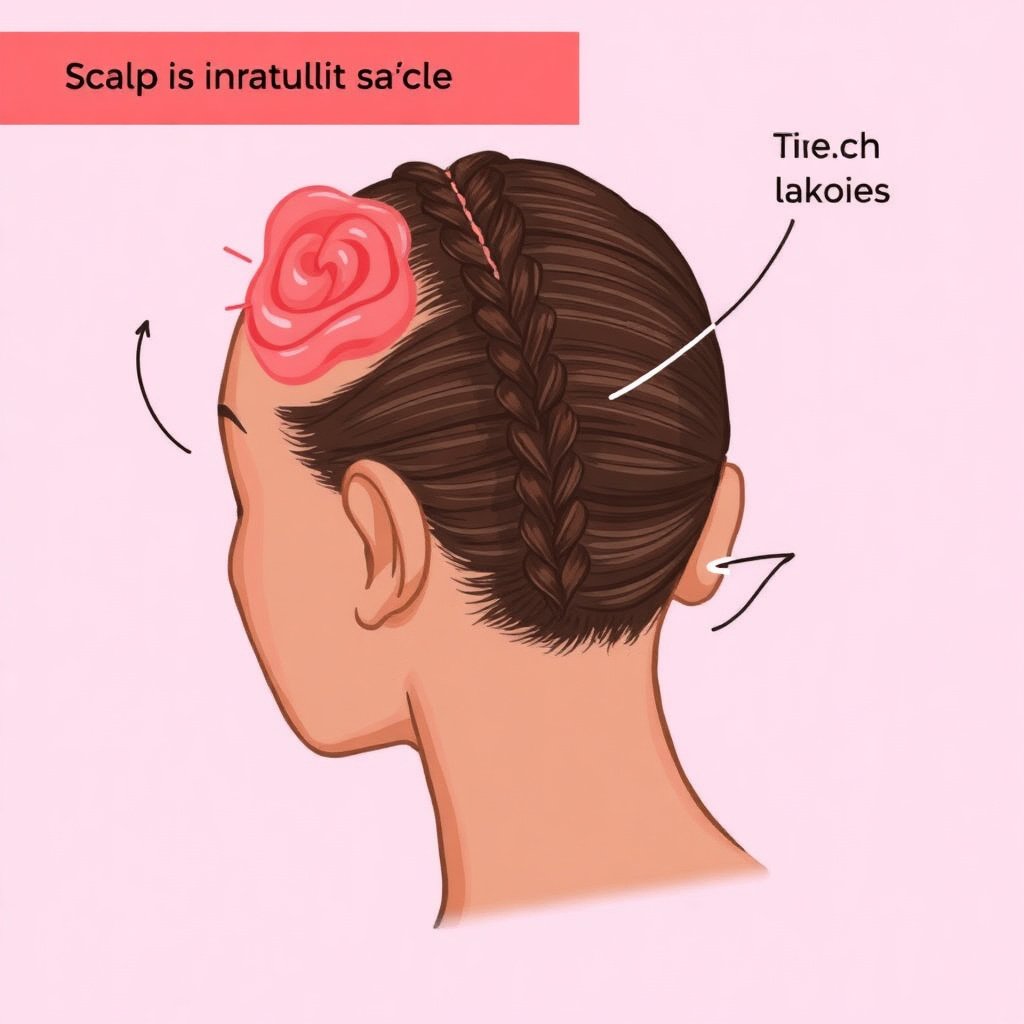
Tight braiding creates tension on the scalp which can lead to irritation and an itchy sensation. Additionally, when dirt, sweat, and product buildup accumulate under braids, they trap debris that can worsen itchiness.
Dry scalp is another major factor since braids can prevent natural oils from spreading evenly. This dryness combined with less frequent washing can cause flakes and itching as the skin struggles to stay hydrated.
How Scalp Sensitivity Impacts Braided Styles
Some people naturally have more sensitive scalps that react strongly to tight styles or unfamiliar hair care products, resulting in itchiness. Allergic reactions to certain hair gels or extensions used for braids can also spark irritation.
Understanding your scalp type and any sensitivities can help in selecting gentler products and avoiding overly tight braids, which is crucial for reducing discomfort during the entire braid-wearing period.
Effective Scalp Care for Itch Relief with Braids
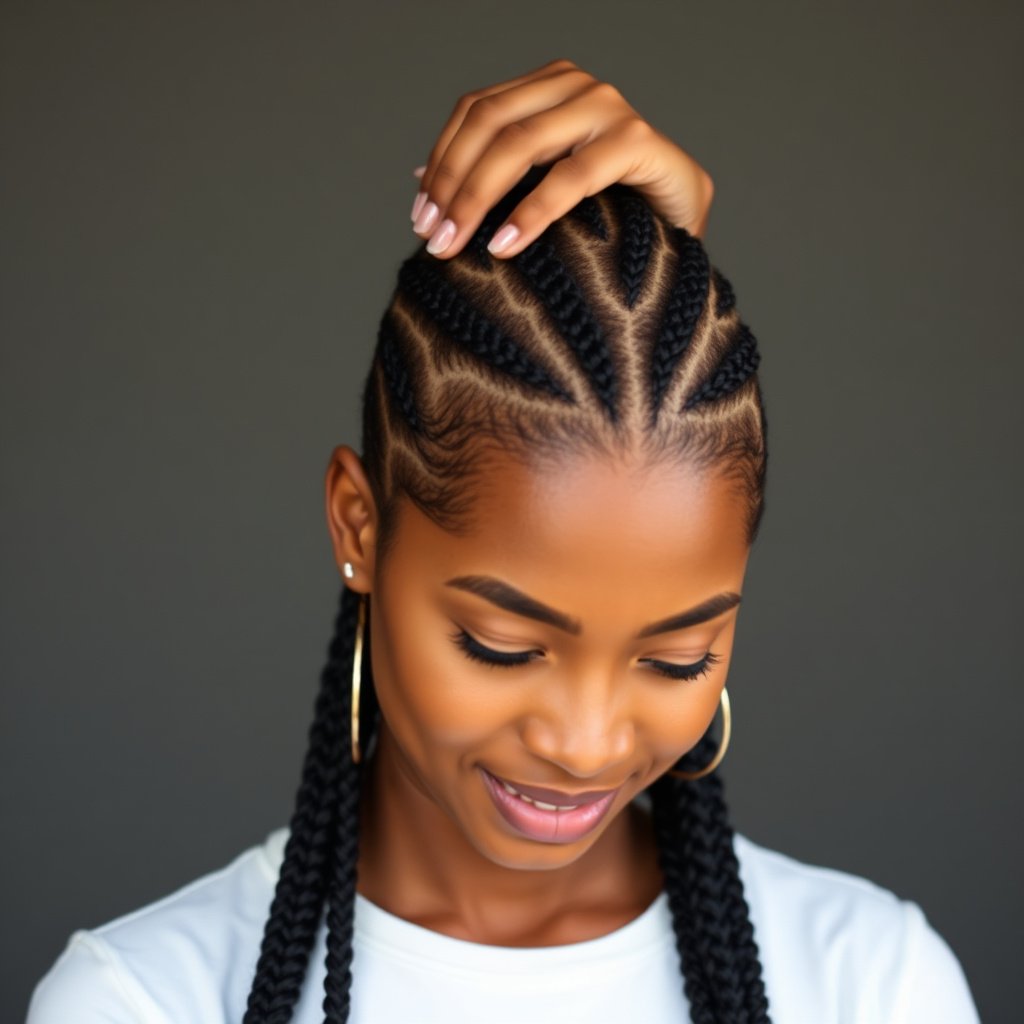
Cleansing Techniques to Reduce Itchiness
Regularly washing your scalp helps remove sweat, dirt, and product residue that can trigger itching. Use diluted shampoo solutions applied directly to the scalp with your fingertips and rinse thoroughly to avoid buildup.
Dry shampoo or scalp sprays designed for braids can refresh the scalp between washes without disturbing the braid structure, offering relief when a full wash isn't feasible.
- Dilute shampoo to avoid excessive residue
- Focus product application on scalp, not hair length
- Rinse thoroughly to prevent buildup
For more on this, see our related guide: Crochet Braids vs. Sew in: Which Is Better?.
Moisturizing and Soothing the Scalp
Keeping the scalp moisturized is essential to ease itching. Natural oils like jojoba, tea tree oil, or aloe vera gel can calm irritation and reduce dryness. Apply sparingly to avoid greasiness under braids.
Cool compresses or scalp massages with soothing products stimulate circulation and provide immediate relief from itching, helping the scalp feel nourished and less tight after braiding.
- Use natural oils with anti-inflammatory properties
- Avoid heavy creams that can cause buildup
- Apply products gently to avoid disturbing braid tension
Product Recommendations for Itchy Scalp Relief

Choosing the Best Products for Itchy Braids
Select shampoos and scalp treatments formulated for sensitive or dry scalps. Sulfate-free shampoos, leave-in scalp sprays with tea tree or peppermint, and lightweight moisturizing oils are ideal to reduce itch and maintain scalp health.
Avoid products with heavy fragrances, alcohol, or harsh chemicals that can worsen irritation when wearing braids for extended periods.
- Sulfate-free shampoos
- Tea tree or peppermint scalp sprays
- Lightweight natural oils (jojoba, argan)
Homemade Remedies for Scalp Soothing
Simple remedies like rinsing with diluted apple cider vinegar or applying aloe vera gel can soothe itchiness caused by braids. These natural options balance scalp pH and reduce inflammation without harsh chemicals.
Using chamomile or green tea rinses serves as an anti-inflammatory wash that refreshes the scalp and helps prevent itching during long braid wear.
Preventing Itchy Scalp While Wearing Braids

Proper Braiding Techniques to Minimize Discomfort
Having braids installed with moderate tension is important to prevent excessive scalp pulling that causes itching. Communication with your stylist about avoiding overly tight sections helps maintain scalp comfort.
Spacing braids evenly and avoiding too many small, tight braids also reduces scalp stress and the chance of itchiness during wear.
For more on this, see our related guide: Your Guide to Crochet Braids With Curls: Choosing With Confidence.
Routine Maintenance Tips for Preventing Itch
Covering braids while sleeping using silk or satin scarves reduces friction that aggravates the scalp. Regularly spritzing the scalp with moisturizing sprays and avoiding heavy product buildup helps maintain a balanced scalp environment.
Gently detangling edges and scalp around braids nightly can also prevent flakes and itch caused by dry skin or trapped dirt.
- Use silk or satin bonnet/scarf during sleep
- Avoid heavy greasy products
- Keep scalp hydrated with light sprays
Post-Braid Scalp Recovery and Care

Scalp Care Immediately After Removing Braids
After removing braids, give your scalp a gentle cleanse with a mild shampoo to remove buildup that accumulated under the braids. Follow with a deep conditioning treatment to soothe sensitivity and restore moisture.
Use gentle, hydrating products to calm any lingering inflammation and avoid scratching or harsh rubbing during this vulnerable phase.
For detailed insights on scalp health and hair care science, refer to this trichology information on scalp health. trichology information on scalp health.
Restoring Scalp Health for Future Braid Wear
Allow time between braid installations for the scalp to recover fully. Incorporate regular scalp massages with natural oils to enhance circulation and rebuild strength in hair follicles.
Monitoring scalp health during breaks helps prevent chronic itchiness during future braided styling and maintains overall hair wellness.
- Schedule breaks between braid styles
- Massage scalp with oils regularly
- Use gentle, hydrating hair care products
Comparison of Scalp Care Methods for Itchy Braids
The following table compares different scalp care methods commonly used to reduce itchiness when wearing braids, highlighting their key benefits and limitations.
| Method | Ease of Use | Effectiveness for Itch Relief | Recommended Product Types |
|---|---|---|---|
| Regular Washing | Moderate | High | Sulfate-free shampoo, diluted scalp cleansers |
| Moisturizing Oils | Easy | Moderate | Jojoba oil, tea tree oil, aloe vera |
| Scalp Sprays | Easy | Moderate to High | Peppermint sprays, tea tree scalp mists |
| Home Remedies | Easy | Moderate | Apple cider vinegar rinse, chamomile tea |
| Professional Braiding Technique | Dependent on stylist | High | Gentle tension, proper braid spacing |
| Silk/Satin Protection | Very Easy | Moderate | Silk scarves, satin bonnets |
Frequently Asked Questions
Why do braids make my scalp itchy?
Braids can cause itching due to tension on the scalp, dryness, or buildup of dirt and products trapped under the braids, leading to irritation.
How often should I wash my scalp when I have braids?
Washing every 1-2 weeks helps keep the scalp clean without loosening braids. Use diluted shampoo and focus on the scalp rather than hair length.
Can natural oils help reduce braid itching?
Yes, applying light natural oils like jojoba or tea tree oil can moisturize and soothe the scalp, reducing dryness and irritation.
Is tight braiding always bad for scalp health?
Excessively tight braids increase scalp tension and can cause irritation or hair breakage; moderate tension is better for comfort and scalp health.
What are signs I should remove my braids due to scalp problems?
Persistent severe itching, redness, sores, or hair loss around braids are signs you should remove them and care for your scalp.
Key Takeaways
- Tension and buildup cause most braid-related scalp itchiness.
- Regular gentle cleansing and moisturizing ease irritation.
- Choose scalp-friendly products free of harsh chemicals.
- Proper braiding technique reduces scalp discomfort.
Conclusion
Finding how to make braids less itchy involves addressing both scalp sensitivity and the physical effects of braiding. Consistent scalp care routines with gentle cleansing, moisturizing, and avoiding overly tight braiding provide the foundation for lasting comfort. Listening to your scalp and adjusting care accordingly supports healthy hair growth alongside your braided style.
If you frequently experience discomfort, products such as sulfate-free shampoos, tea tree oil sprays, and jojoba oils can help soothe irritation, while opting for looser braid styles and spacing protects your scalp from excess tension. Maintaining a scalp-friendly routine during braid wear and after removal supports scalp restoration and reduces recurring itchiness. These practical steps offer solutions whether you wear box braids, cornrows, or twists.
To begin easing your itchy scalp now, try incorporating diluted shampoo washes and light natural oils into your routine while communicating braid tension needs with your stylist. Simple changes like using silk scarves at night can also keep your scalp comfortable. Your next braid experience can be itch-free by combining attentive care with scalp-safe products and styling.