How to Do the LOC Method for Effective Skincare
The LOC method is a simple but effective skincare routine designed to lock in moisture by layering products in a specific order: Liquid, Oil, and Cream. To do the LOC method, start by applying a water-based product like a toner or essence (Liquid), followed by an oil to seal in hydration, and finish with a cream or moisturizer to lock everything in.
This method is widely used by people with dry or curly hair and those with dry skin types because it maximizes hydration retention throughout the day. The layering order is important because each product acts as a sealant to the previous one, preventing moisture loss and enhancing skin health.
This article explains each step of the LOC method in detail, how to choose suitable products for each layer, tips for different skin types, and some common mistakes to avoid to get the most out of your skincare routine.
Understanding the LOC Method and Its Benefits
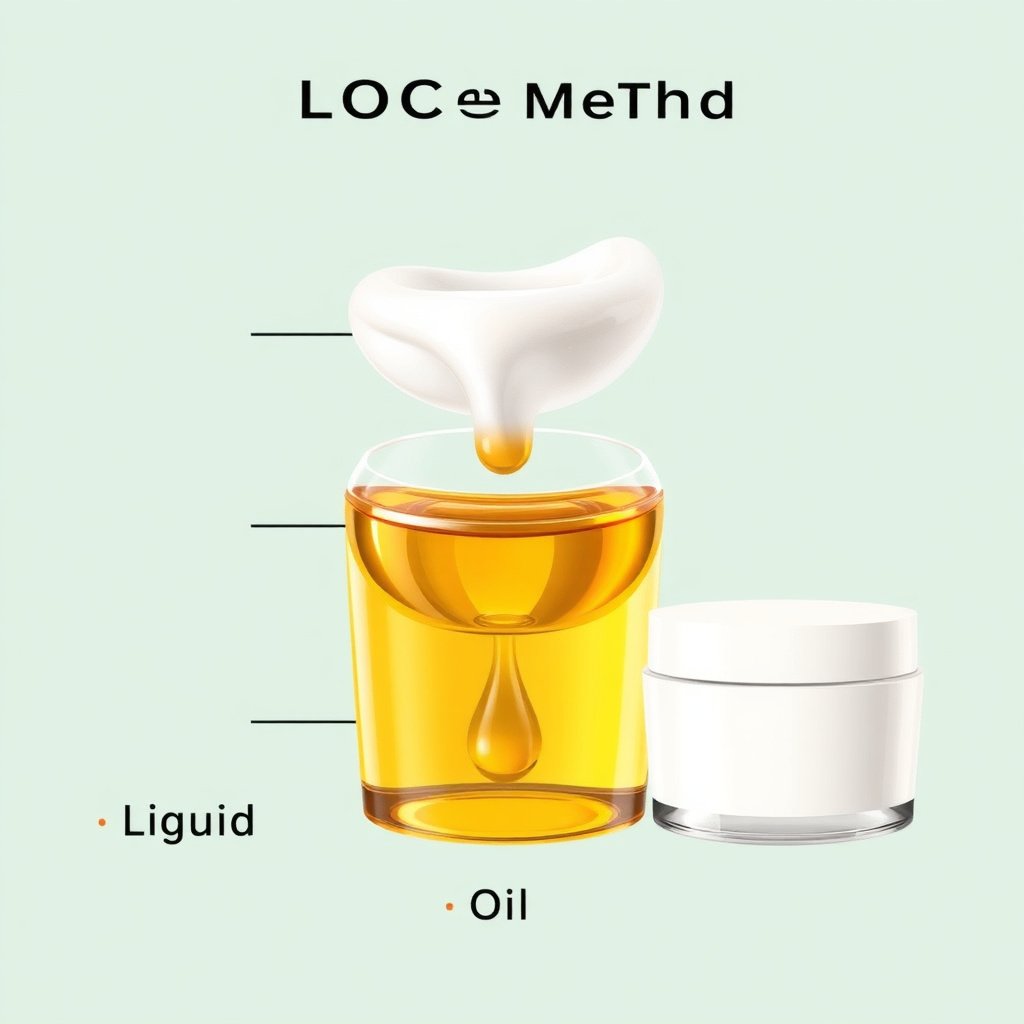
What the LOC Method Stands For
The LOC method stands for Liquid, Oil, and Cream—a technique focused on layering moisturizing products in that exact order to maximize skin hydration. The liquid step replenishes moisture, the oil step locks it in, and the cream forms a protective barrier to keep everything sealed.
By following this sequence, you reduce transepidermal water loss which keeps skin plump and smooth. The method works well for dry and dehydrated skin but can be adapted for other types by adjusting products.
Benefits of Using the LOC Method
This layering technique helps maintain moisture balance throughout the day, preventing dryness and flaky skin. It can improve the skin’s texture, reduce irritation caused by lack of hydration, and boost overall radiance.
Additionally, the LOC method’s oil layer acts as a sealant, making skincare ingredients more effective by preventing them from evaporating and enhancing penetration.
- Long-lasting hydration
- Improved skin barrier
- Enhanced product absorption
- Smoother texture and radiance
Step 1: Selecting and Applying the Liquid Layer
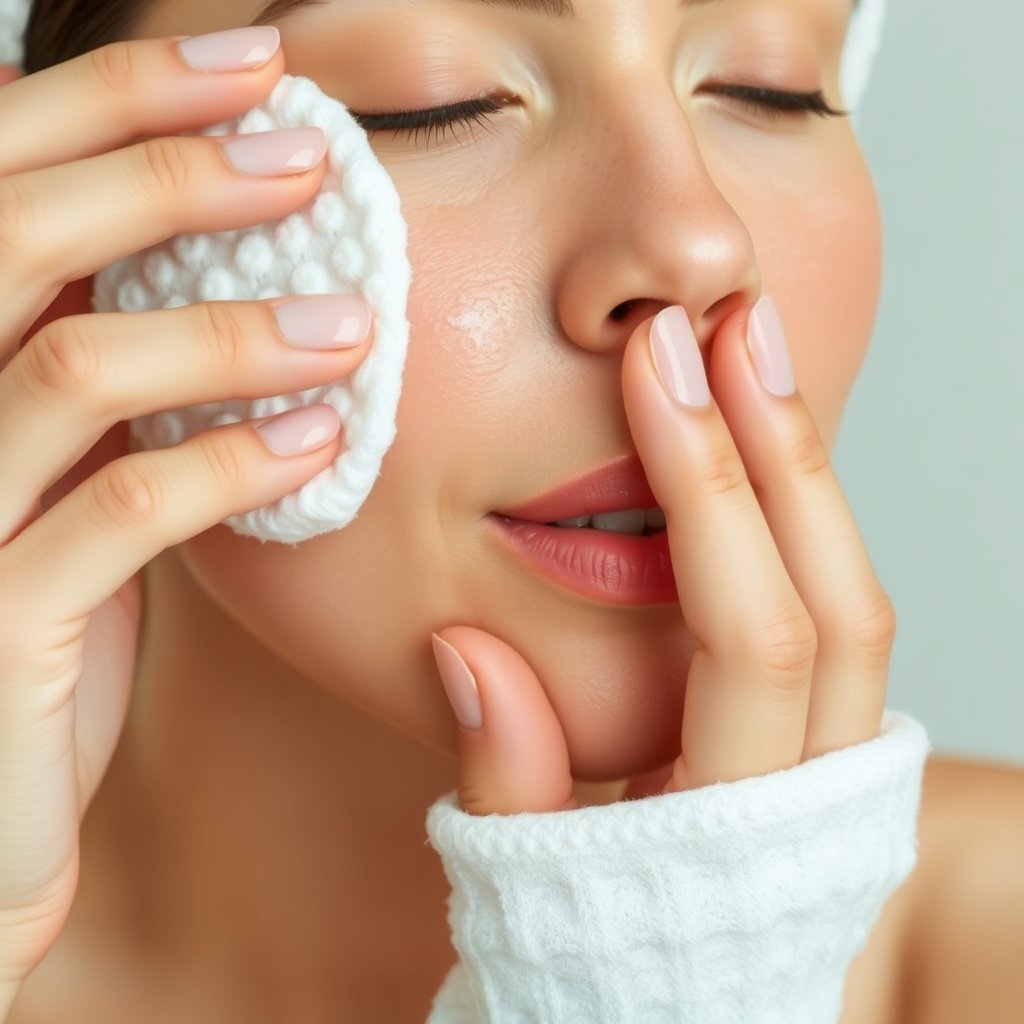
What to Use for the Liquid Step
The liquid step is the foundation of the LOC method. Choose a water-based toner, essence, or hydrating serum that’s lightweight and quickly absorbed. These products deliver moisture directly to the skin and prepare it for subsequent layers.
Look for ingredients like glycerin, hyaluronic acid, or aloe vera that attract and hold water in the skin. Avoid heavy or drying toners with alcohol that can strip moisture away.
- Hydrating toner
- Hyaluronic acid serum
- Aloe-based essence
How to Apply the Liquid Layer
After cleansing, apply your chosen liquid product evenly over your face and neck using your hands or a cotton pad. Gently pat the product in to aid absorption but avoid rubbing which can irritate skin.
Wait a minute or so for the liquid layer to absorb fully before moving on to the oil step to ensure the next layer seals in the moisture properly.
Step 2: Choosing and Using the Oil Layer in the LOC Method
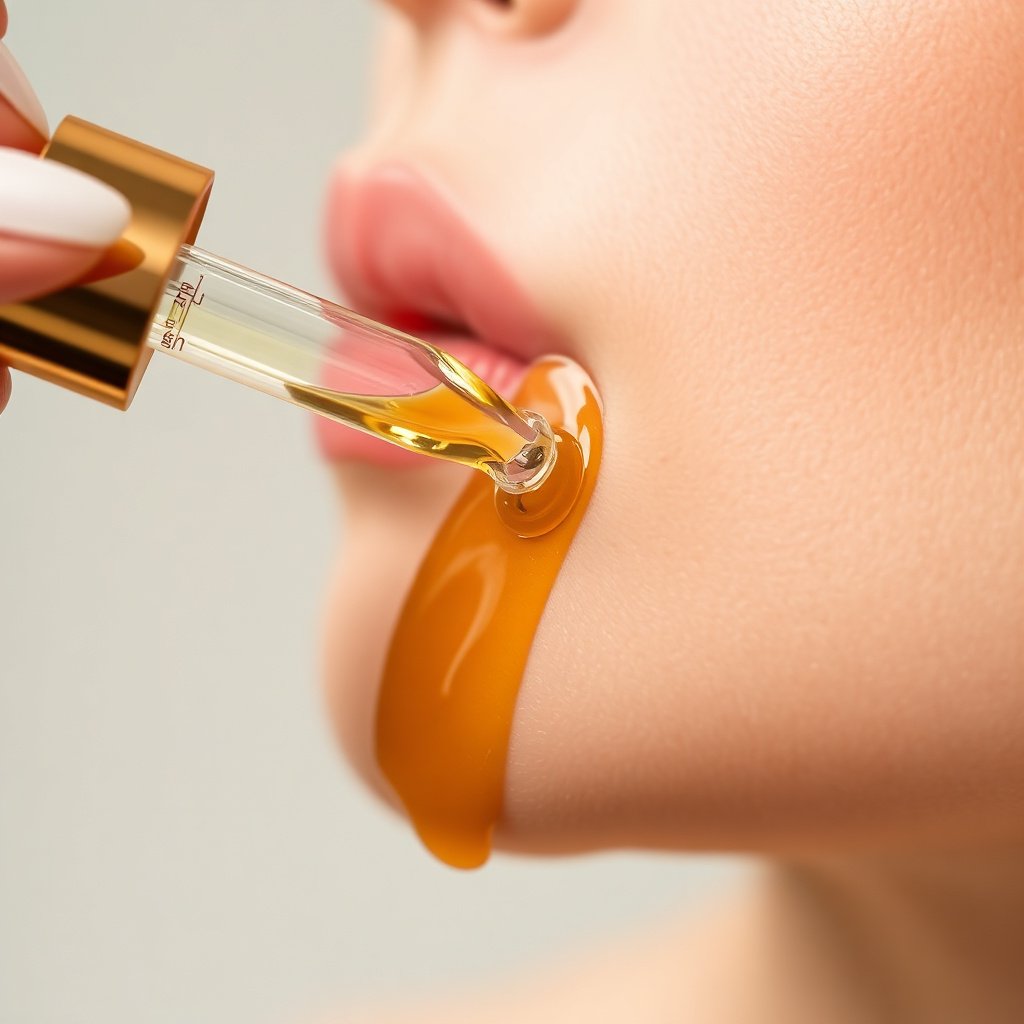
Best Oils for the LOC Method
For the oil layer, select a lightweight facial oil that complements your skin type. Oils like jojoba, argan, rosehip, or squalane are popular choices because they moisturize without clogging pores.
If you have oily or acne-prone skin, go for oils that are non-comedogenic and absorb quickly. For dry skin, richer oils like marula or avocado can provide extra nourishment.
- Jojoba oil
- Argan oil
- Rosehip seed oil
- Squalane oil
For more on this, see our related guide: Services Offered by Douglas J Salon: A Complete Guide.
Techniques for Applying Oil
Apply 2-3 drops of your chosen facial oil onto slightly damp skin to lock in the liquid layer’s hydration. Warm the oil between your palms first to improve absorption, then press it onto your face and neck.
Avoid rubbing vigorously; instead use a gentle patting motion for better penetration and to prevent disrupting the liquid layer beneath.
Step 3: Selecting and Applying the Cream Layer

Choosing the Right Cream for Your Skin
The cream is the final layer in the LOC method and forms a protective barrier. Pick a moisturizer suitable for your skin type—lighter lotions for oily skin and richer creams or butters like shea butter for dry skin.
Ingredients like ceramides and fatty acids help strengthen the skin barrier, locking in the benefits of the previous liquid and oil layers.
- Light moisturizing lotion for oily skin
- Cream with ceramides for normal skin
- Shea butter-rich cream for dry skin
Proper Application of the Cream Layer
Use a pea-sized amount and apply the cream gently over the oil layer using upward strokes. Don’t over-apply, as too much cream can feel heavy and clog pores.
Let the cream settle into the skin for a few minutes before applying makeup or sunscreen to maximize moisture retention.
Adjusting the LOC Method for Different Skin Types
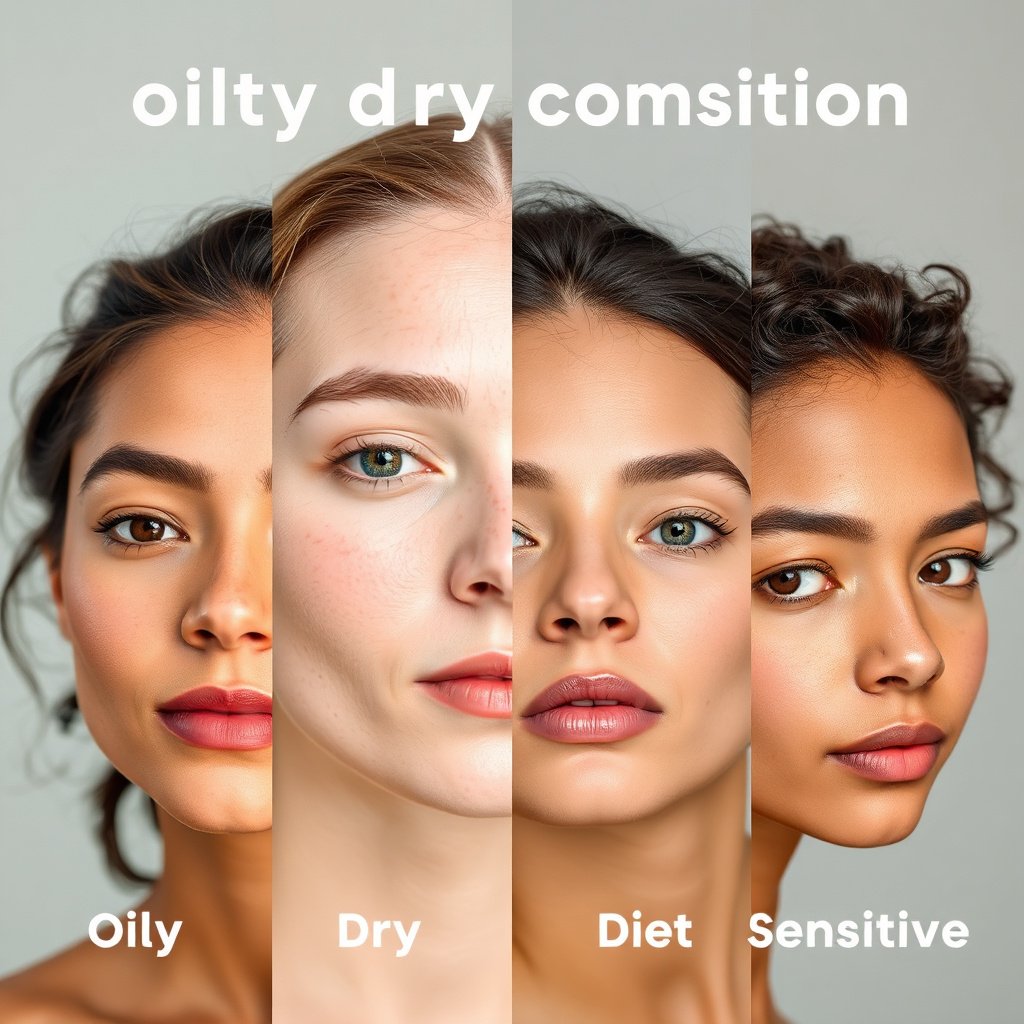
Tailoring for Dry and Dehydrated Skin
Dry and dehydrated skin benefits most from the full LOC method with richer oils and heavier creams to combat water loss. Layer products generously but monitor skin for any irritation from occlusive ingredients.
Introducing humectants like hyaluronic acid in the liquid step greatly boosts hydration before the sealing oil and cream layers.
For more on this, see our related guide: Salon Services Hair Clips: Which Ones Do Stylists Use?.
Tips for Oily and Combination Skin
People with oily or combination skin should use lightweight, non-comedogenic products for each step to avoid clogged pores. Use lighter oils such as squalane and gel-based moisturizers.
Focus on hydration without overloading skin and adjust product amounts depending on seasonal changes.
Common Mistakes When Doing the LOC Method

Applying Products in the Wrong Order
One common error is not following the specific order of Liquid, Oil, then Cream. Reversing this can block absorption, prevent hydration, and lead to skin feeling greasy or dry.
Stick to the LOC sequence to gain maximum benefits from each product layer.
More information on the LOC method can be found in the detailed Wikipedia article covering its origins and use. LOC method on Wikipedia.
Using Products That Don’t Suit Your Skin Type
Choosing overly heavy oils or creams can cause breakouts or irritation, especially for oily or sensitive skin. Avoid products with harsh alcohols or fragrances that may disrupt the skin’s barrier.
Test products individually before layering and stop any that cause adverse reactions.
LOC Method Product Types Comparison
Here’s a comparison of common product options for each step in the LOC method to help you pick suitable ones.
| Product Type | Hydration Level | Suitable Skin Types | Typical Ingredients | Price Range |
|---|---|---|---|---|
| Liquid – Toner | High | All except very dry with alcohol | Hyaluronic acid, Glycerin, Aloe | $5-$30 |
| Oil – Facial Oil | Medium | Dry, Normal, Oily (depending on oil) | Jojoba, Argan, Rosehip | $10-$50 |
| Cream – Moisturizer | High | Dry, Normal, Combination | Ceramides, Shea Butter, Fatty Acids | $10-$60 |
| Essence | Moderate | All skin types | Hyaluronic acid, Niacinamide | $15-$40 |
| Gel Moisturizer | Medium | Oily, Combination | Water-based gels, Squalane | $10-$35 |
Frequently Asked Questions
Can the LOC method be used on oily skin?
Yes, but you should use lightweight, non-comedogenic oils and gel-based creams to avoid clogging pores and excess shine when applying the LOC method to oily skin.
How often should I do the LOC method?
The LOC method can be done daily, ideally twice a day—morning and night—to maintain consistent hydration and skin barrier protection.
Is it okay to skip the oil layer in the LOC method?
Skipping the oil layer reduces moisture locking, which may decrease the method’s effectiveness, particularly for dry skin. However, those with very oily skin can reduce the quantity or choose lighter oils.
What if my skin feels greasy after doing the LOC method?
Feeling greasy can mean you’re using too much product or heavier oils unsuitable for your skin type. Adjust product amounts or swap for lighter options.
Can I layer other serums within the LOC method?
Yes, you can apply active serums during the liquid step before the oil layer, but be sure the serums absorb fully and are compatible with your other products.
Key Takeaways
- The LOC method layers Liquid, Oil, and Cream to maximize skin hydration.
- Choosing products suited to your skin type is essential for success.
- Applying products in the correct order locks in moisture effectively.
- Adjust product textures and amounts depending on your skin’s needs.
Conclusion
Deciding how to do the LOC method involves more than just following steps; it’s about understanding your skin’s unique hydration needs and choosing the right kinds of products for each layer. Your goal is to hydrate, seal, and protect your skin barrier effectively by applying a liquid moisturizer first, followed by an oil layer, and finally a cream to lock everything in. This layered approach reduces moisture loss and can improve skin texture and glow over time.
For dry or dehydrated skin, richer oils like rosehip or argan combined with heavier creams provide deep nourishment. If you have oily or combination skin, using lightweight oils like squalane and gel-based moisturizers will hydrate without heaviness. Experimenting with different toners or essences that contain key hydrating agents such as hyaluronic acid can also enhance the liquid layer. These adjustments help fine-tune the method to your specific complexion and environmental conditions.
To put the LOC method into practice, start by cleansing your face, then apply your chosen liquid product, wait for absorption, gently press on an appropriate oil, and finish with a cream suited to your skin type. Regular use will help maintain hydration and a healthy skin barrier. If needed, consult with a dermatologist or skincare specialist to tailor the LOC method effectively for your skin's concerns.