How to Do Invisible Locs: A Step-by-Step Guide for a Sleek Look
Invisible locs are created by wrapping synthetic or natural hair around your own in a way that blends seamlessly, making the locs look natural and lightweight. To do invisible locs, you start by sectioning your hair into thin parts, then wrap the extensions tightly from root to tip, ensuring the ends are tucked or sealed with heat or glue. This technique results in a fuller, less bulky loc style that mimics natural hair growth and movement.
This hairstyle became popular because it offers a neat, low-maintenance alternative to traditional loc styles, while also protecting your natural hair. Many people prefer invisible locs for their natural appearance and versatility, as they blend well with various hair textures and lengths. The method helps reduce tension on your scalp, limiting breakage and discomfort.
In this article, you'll discover everything you need to create invisible locs yourself, from prepping your natural hair, choosing the right materials, to wrapping techniques and aftercare tips. We will also compare invisible locs with other loc styles to help you decide if this option suits your lifestyle and aesthetic.
Preparing Your Hair for Invisible Locs
Hair Washing and Conditioning
Start with clean, well-moisturized hair to protect your scalp and help the locs stay fresh. Use a gentle shampoo to remove dirt and oils without stripping essential moisture, followed by a deep conditioner to hydrate your strands. Avoid heavy oils or leave-in conditioners that might cause the extensions to slip.
Allow your hair to dry completely before beginning the installation to prevent mold or mildew beneath the locs. Dry hair also helps the wrapping process since wet strands can cause slippage, making the invisible locs less durable.
Sectioning and Parting Your Hair
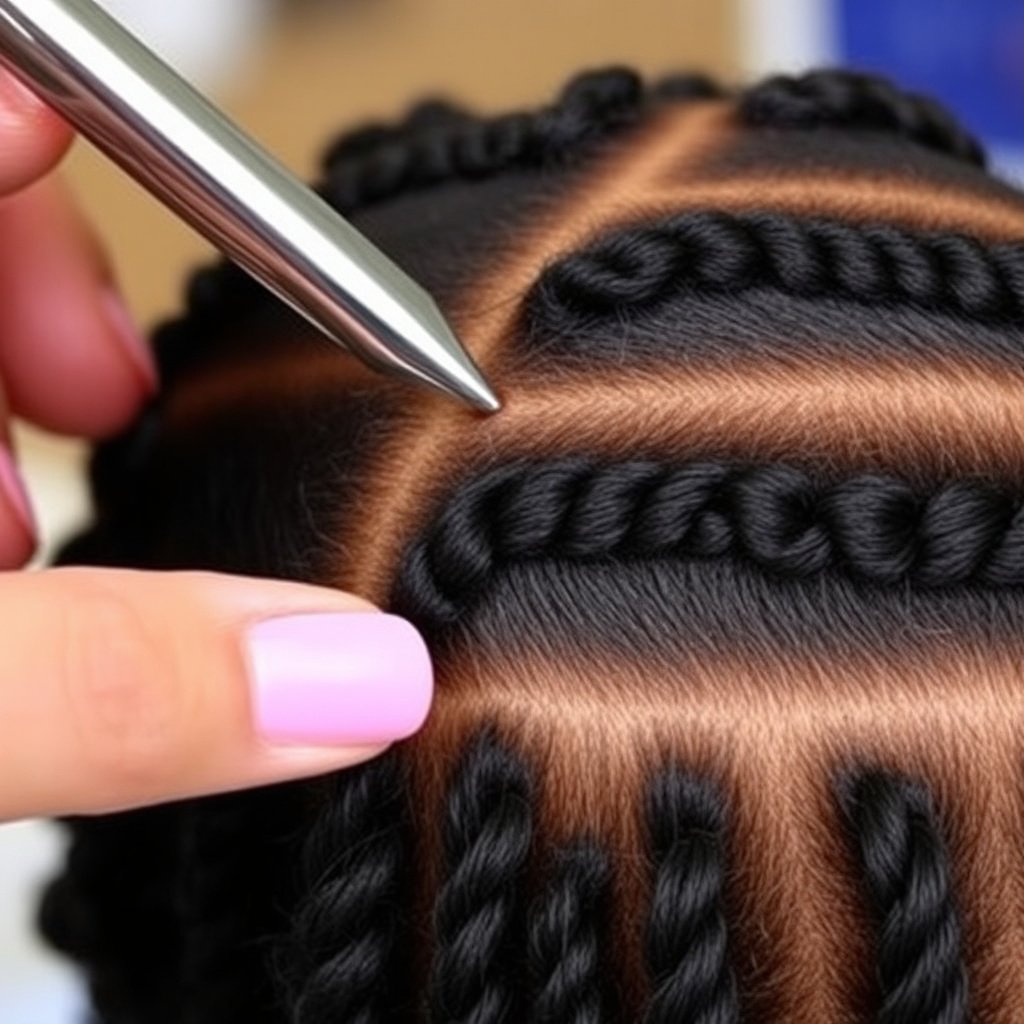
Divide your hair into small, precise sections using a rat-tail comb. The size of the sections will determine the thickness of each invisible loc, so decide based on your desired finish. Smaller sections yield thinner, more natural-looking locs, while larger sections create chunkier locs.
Use clips to hold each section apart and maintain clean part lines. Consistent sectioning is key to attaining a uniform hairstyle and better styling results.
Materials Needed for Invisible Locs Installation

Choosing the Right Hair Extensions
Select synthetic hair that matches your natural hair texture and color, or opt for pre-twisted synthetic loc hair designed specifically for invisible locs. Kanekalon or Marley hair is commonly used due to its natural look and durability.
Length and thickness of extension hair also affect the final appearance. For a softer look, choose lighter weight hair, while thicker hair adds volume and boldness.
- Kanekalon synthetic hair
- Marley hair extensions
- Pre-twisted loc hair packs
Tools to Aid the Process
A crochet needle or latch hook helps to pull hair through tight sections when starting the loc base. Hair clips keep sections separated during installation. Additionally, small scissors are useful to trim excess hair and shape the locs.
Some prefer to use heat tools or glue to seal the ends, but these are optional depending on your desired finish and hair type.
- Latch hook or crochet needle
- Hair clips
- Small scissors
Step-by-Step Technique to Create Invisible Locs
Starting the Loc: Root Wrapping
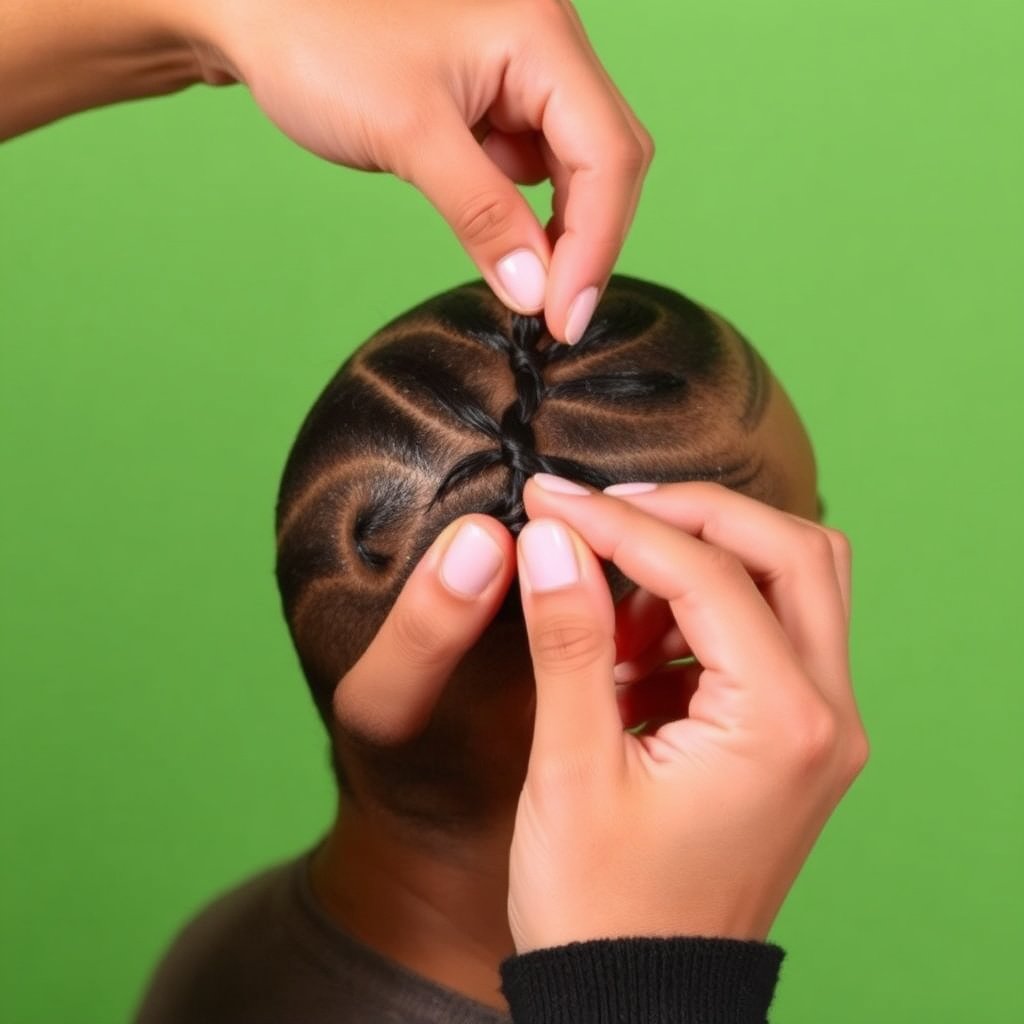
Begin by taking a small piece of extension hair and folding it in half. Wrap this around the base of the natural hair section close to the scalp, leaving a small loop at the top. This loop secures the extension to the natural hair without using rubber bands or glue, preserving scalp health.
Hold the loop steady while wrapping the extension tightly downwards around the natural hair. Keeping consistent tension is important to achieve a smooth, even loc that blends well.
- Fold extension hair in half
- Wrap base around natural hair close to scalp
- Maintain even tension
Wrapping Down to the End
Continue wrapping the extension hair smoothly and tightly down the length of the natural hair. Avoid overlapping sections too thickly to maintain the invisible effect. For added hold, you can twist the natural hair lightly as you wrap, helping the loc stay firm.
Once you reach the end of the hair, tuck the extension tip under the last wrap, or carefully seal with heat or glue for durability, depending on your preference.
- Wrap extension hair straight down
- Avoid thick overlaps
- Secure ends by tucking or sealing
Styling and Maintenance of Invisible Locs

Daily Care and Moisturizing
Moisturize your scalp and locs regularly using a light oil or water-based spray to prevent dryness and itching. Avoid heavy products that might cause buildup and weighing down the locs. Gently massage your scalp to enhance circulation without disturbing the locs.
Wrap your hair with a satin scarf or bonnet at night to reduce frizz and prolong the style's neatness.
- Use light moisturizing sprays
- Avoid heavy oils
- Protect locs with satin scarf during sleep
Longevity and Retouching
Invisible locs typically last 6 to 8 weeks depending on hair care and growth. As your natural hair grows, new roots might require re-wrapping to maintain the fresh look. Professional touch-ups can also smooth any frizz or loosening parts.
Avoid excessive pulling or styling styles that strain the loc bases to keep your scalp healthy and your invisible locs intact.
- Lasts 6-8 weeks
- Retouch roots as hair grows
- Minimize tension on the scalp
Comparing Invisible Locs to Other Loc Styles

Invisible Locs vs Traditional Locs
Traditional locs form naturally by allowing hair to mat over time or by twisting and palm rolling, creating visible roots and thicker, more textured strands. Invisible locs use a precise wrapping technique producing smoother, less bulky locs with concealed roots, offering a sleeker appearance.
Traditional locs require patience and time to mature, whereas invisible locs provide an immediate polished look. Maintenance differs as traditional locs may need retwisting, while invisible locs mainly involve wrapping touch-ups.
Invisible Locs vs Faux Locs
Faux locs are extensions wrapped loosely around natural hair, often thicker and bulkier with a temporary nature. Invisible locs are thinner and more natural-looking due to tighter, more precise wrapping.
While faux locs often last shorter and are easier to install, invisible locs offer a longer-lasting style that blends better with natural hair textures.
Troubleshooting Common Issues with Invisible Locs

Dealing with Slippage and Unraveling
Slippage happens when the hair wrapping loosens or the extension slips off the natural hair. To avoid this, ensure the initial loops at the root are tight and secure before wrapping. Using slightly textured or pre-twisted hair can also improve grip.
If a loc begins to unravel, you can re-wrap the section or secure it with a small dab of hair glue designed for locs.
For more detailed background about different locs hairstyles and their cultural significance, see this resource on locs hairstyles. Locs hairstyle information.
Scalp Irritation and Sensitivity
Tension from overly tight wraps or allergic reactions to synthetic hair can cause scalp discomfort. When installing invisible locs, wrap with moderate tension and choose hypoallergenic synthetic hair options.
Regular moisturizing and massaging the scalp promotes blood flow and reduces irritation.
Invisible Locs Style Comparison
Here’s a comparison of common loc styles, highlighting features to help you decide which fits your look and lifestyle best.
| Loc Style | Appearance | Installation Time | Maintenance Level | Longevity |
|---|---|---|---|---|
| Invisible Locs | Sleek and natural | 4-6 hours | Medium | 6-8 weeks |
| Traditional Locs | Thicker with visible roots | Variable, weeks to months naturally | High | Long-term (maintenance ongoing) |
| Faux Locs | Chunky and decorative | 2-4 hours | Low | 4-6 weeks |
| Sisterlocks | Very thin, uniform | 8-12 hours initial | High | Long-term |
| Box Braids | Uniform braids, not locs | 4-8 hours | Low | 4-6 weeks |
Frequently Asked Questions
Can I do invisible locs on short hair?
Invisible locs work best on hair that is at least 3-4 inches long to provide enough natural hair for wrapping and secure attachment of the extensions.
How long does it take to install invisible locs?
Installation typically takes 4 to 6 hours, depending on hair length, thickness, and the size of sections.
Are invisible locs damaging to natural hair?
If done properly with moderate tension and good hair care, invisible locs protect natural hair and minimize damage compared to some tighter or heavier styles.
How do I wash invisible locs without loosening them?
Dilute shampoo with water and apply directly to the scalp, gently massaging without excessive rubbing. Rinse thoroughly and avoid soaking the locs to maintain their integrity.
Can I style invisible locs in updos or ponytails?
Yes, invisible locs are flexible and can be styled into various updos, ponytails, or buns, depending on their length and thickness.
Key Takeaways
- Invisible locs provide a sleek, natural-looking loc style through tight hair wrapping.
- Proper hair preparation and sectioning are essential for a neat installation.
- Synthetic hair choice and wrapping technique impact the durability and appearance.
- Regular moisturizing and gentle care prolong the style and maintain scalp health.
Conclusion
Choosing the invisible locs hairstyle involves evaluating your hair length, texture, and how much maintenance you’re willing to commit to. This method blends synthetic hair with your natural strands to create a lightweight, smooth loc that contrasts with traditional, bulkier loc styles. The key is to maintain healthy hair and scalp throughout installation and wear by selecting quality materials and following correct wrapping techniques.
If you prefer a neat and contemporary loc style with moderate upkeep, invisible locs might be ideal. They suit those who want immediate, polished results without waiting months for traditional loc formation. For thicker, expressive locs, faux locs or traditional locs might be better, whereas invisible locs fit those looking for subtlety and versatility. The step-by-step wrapping approach also makes invisible locs a popular DIY choice.
Before starting, gather all necessary materials including appropriately textured synthetic hair and tools like a crochet needle. Begin with clean, moisturized hair and pay attention to sectioning and wrapping tension for the best effect. With proper care, invisible locs can be an excellent protective style that enhances your look while preserving your natural hair health.