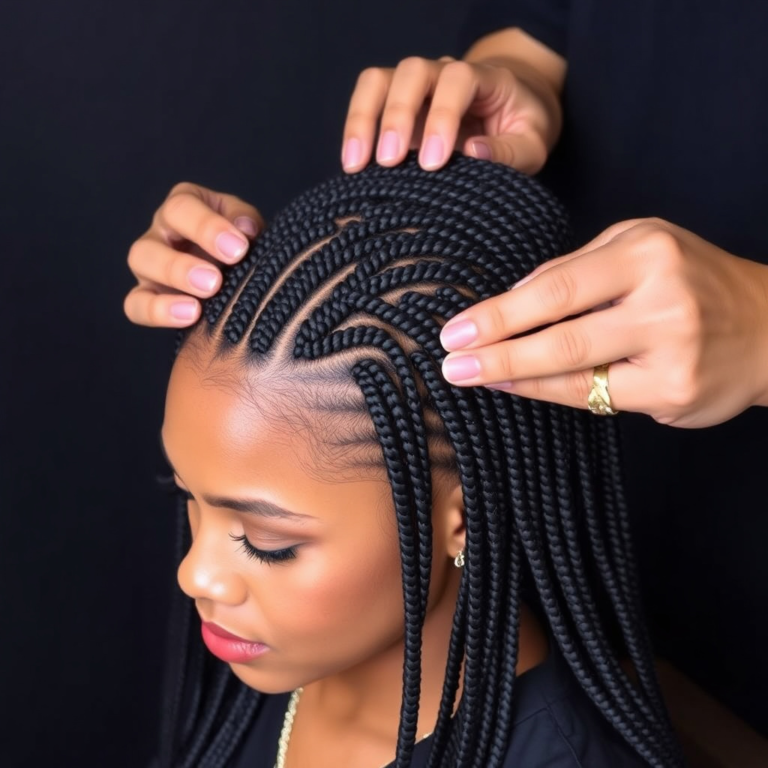
How to Braid Kids Hair: Simple Techniques for Cute and Tangle-Free Styles
Braiding kids hair is a straightforward process that anyone can master with a little practice. The basic three-strand braid is the foundation, involving dividing the hair into three sections and crossing them over each other alternately. This creates a neat and secure hairstyle that keeps hair tidy and reduces tangling throughout the day.
Understanding how to braid kids hair matters because children's hair can be more delicate and prone to breakage. Well-executed braids protect hair by minimizing friction and pulling, while also offering versatility in appearance. Braids can suit active kids who need hair out of their faces or for special occasions requiring a polished look.
This article will explain various braiding basics for beginners including step-by-step instructions for classic braids and variations. You'll also find advice on tools and products that help with braiding kids hair neatly, along with tips to make the experience comfortable and enjoyable for both the child and the person styling.
Basic Braiding Techniques for Kids Hair

The Classic Three-Strand Braid
The classic three-strand braid is the simplest and most common technique for braiding kids hair. Start by dividing the hair into three equal sections near the scalp, then alternately cross the right section over the middle, followed by the left over the middle, repeating the pattern to the ends. Secure with an elastic band.
This method keeps hair gathered together neatly, preventing tangles and breakage. It works well on almost any hair length longer than a few inches and can be dressed up or down. The key is to maintain consistent tension and smooth sections as you braid.
- Divide hair into three equal parts
- Cross right section over middle
- Cross left section over middle
- Continue to ends and tie
French Braiding Basics
French braiding builds on the classic braid by incorporating small sections of hair into the braid as you move down the scalp. Begin with three small sections at the crown, cross them over like a regular braid, but add additional hair from the sides into each section before crossing over the middle.
This creates a braid that lies flat against the head, blending in more hair for a secure hold and elegant look. French braiding can take some practice but is excellent for keeping kids' hair firmly in place all day.
- Start with three small sections at the top
- Add small hair pieces to each strand before crossing
- Keep braid tight and close to scalp
- Finish and tie at the ends
Preparing Kids Hair for Braiding
Detangling and Moisturizing
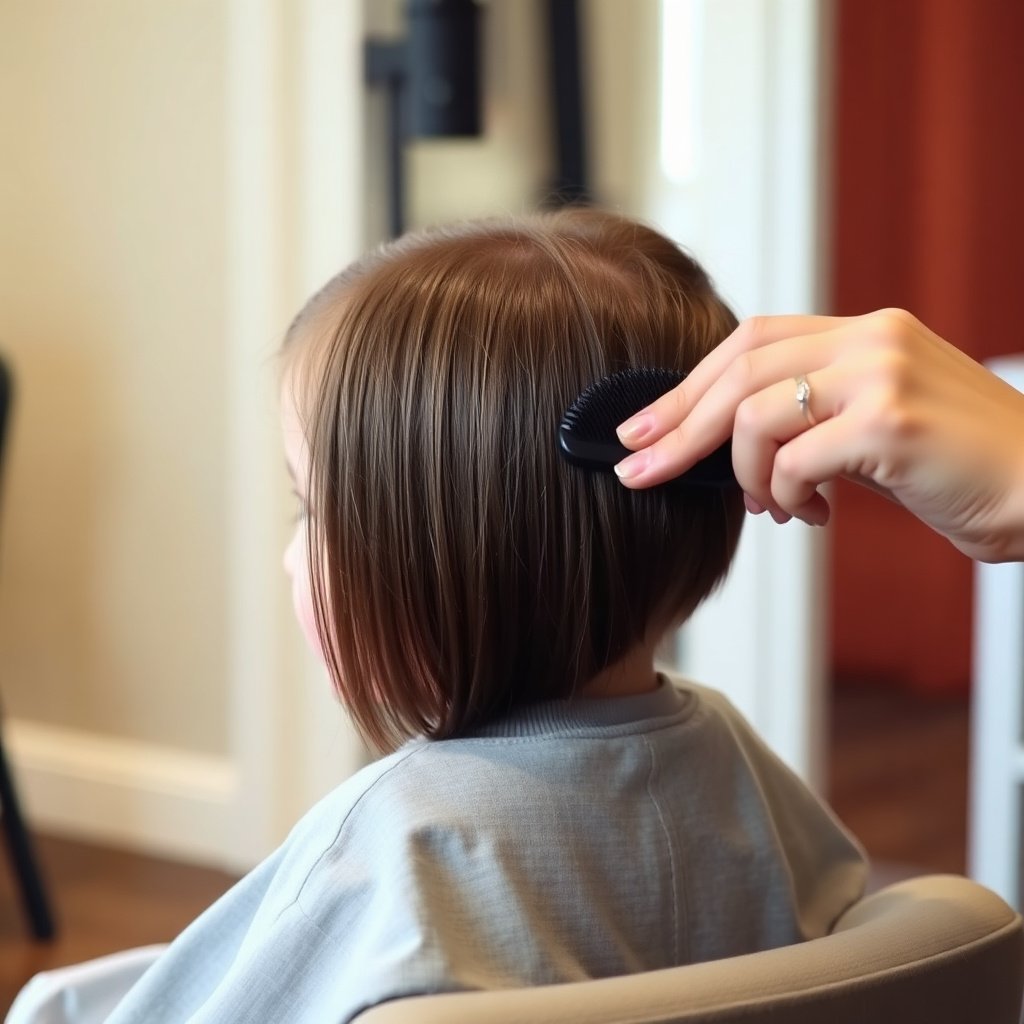
Before braiding kids hair, thoroughly detangle to prevent pain and breakage. Use a wide-tooth comb or detangling brush starting from the ends and working gently toward the roots. Applying a light leave-in conditioner or detangling spray can soften the hair and make the process smoother.
Moisturized hair is less prone to snagging or suffering elastic damage. If hair is very dry or curly, a bit of styling cream for children can help maintain hold without stiffness, making braiding easier and more comfortable for the child.
- Use wide-tooth comb
- Start detangling at ends
- Apply leave-in conditioner if needed
- Avoid harsh pulling
For more on this, see our related guide: Braiding Hair for Kids Guide: What to Know Before You Buy.
Choosing the Right Tools and Accessories
Selecting gentle tools is essential when braiding kids hair. Avoid fine-tooth combs that tug on delicate strands; instead, pick soft-bristled brushes and no-slip elastics designed specifically for children. These reduce breakage and discomfort during styling.
Decorative accessories like colorful scrunchies, ribbons, or small clips can make braiding styles more fun and appealing to kids. Consider their age and hair texture to pick accessories that hold the braid without causing tightness.
- Soft-bristle or wide-tooth combs
- No-slip, gentle elastics
- Child-friendly decorative clips
- Avoid metal hair ties
Common Braiding Styles for Children

Fishtail Braid for Fun Variations
The fishtail braid offers a stylish alternative to the basic braid, making it a popular braiding style for children. It uses two sections of hair rather than three, with a small piece from one side crossed over to the opposite side repeatedly. This creates an intricate-looking pattern that’s easier to master than it appears.
Fishtail braids take longer to create but hold well and can be dressed up or left casual. They work best on medium to long hair lengths and can be loose or tight depending on the child’s preference.
- Divide hair into two sections
- Take a small piece from one side and cross over
- Repeat on alternate sides
- Secure with elastic
Pigtail Braids for Everyday Wear
Pigtail braids split the hair into two sections, each braided separately. This style is quick, simple, and keeps hair out of the face, making it a practical choice for school or play. You can choose three-strand or fishtail braids for each pigtail.
Pigtails provide excellent control for fine or slippery hair types and allow for playful accessorizing. This style suits short to medium-length hair and is a great introduction to braiding for younger children.
Maintaining Braids and Hair Health
Nighttime Protection for Braids
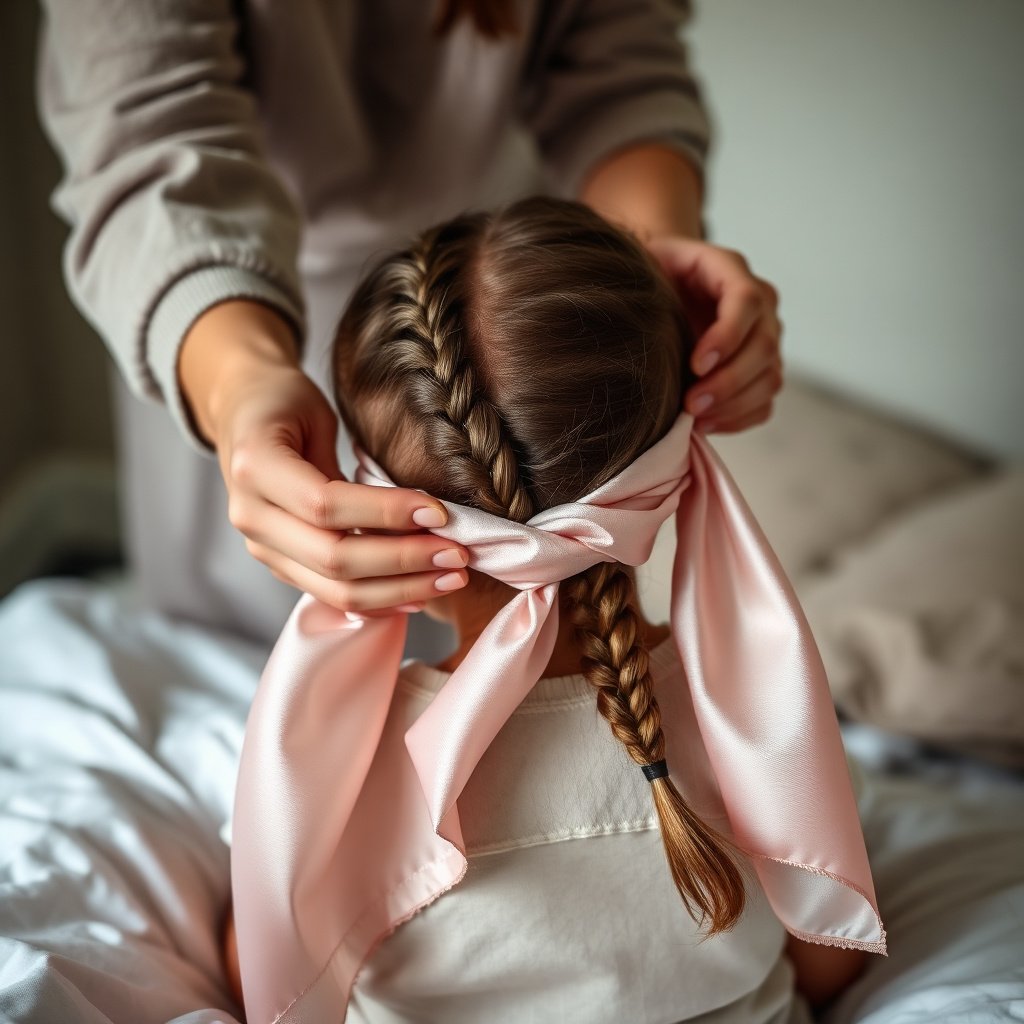
Protecting braids at night helps keep them neat and preserves hair health. Using a silk or satin scarf or pillowcase reduces friction that can cause frizz and breakage. Gently wrapping the hair or loosely sleeping on a smooth surface prevents the braid from loosening prematurely.
For kids who dislike head coverings during sleep, sleeping with loose braids or soft ponytails helps minimize tangling. Regularly checking braids for tightness can also avoid discomfort.
- Use silk or satin scarves
- Sleep on silk pillowcases
- Avoid overly tight braids
- Loosen braids gently in the morning
For more on this, see our related guide: Hair Salon Service Menu: What to Include.
Regular Maintenance and Washing
Braids should not be kept in for longer than a week to avoid buildup and hair stress. Washing hair regularly with mild shampoos prevents scalp irritation under the braids. Moisturizing the scalp during braid wear can also reduce dryness and itching.
When removing braids, take your time to avoid tangles or breakage. Detangle carefully after washing to maintain hair health between braid sessions.
- Wash braids weekly
- Use mild kid-friendly shampoo
- Moisturize scalp lightly
- Remove braids carefully
Tips for Braiding Children’s Hair Comfortably
Engaging Kids During Braiding
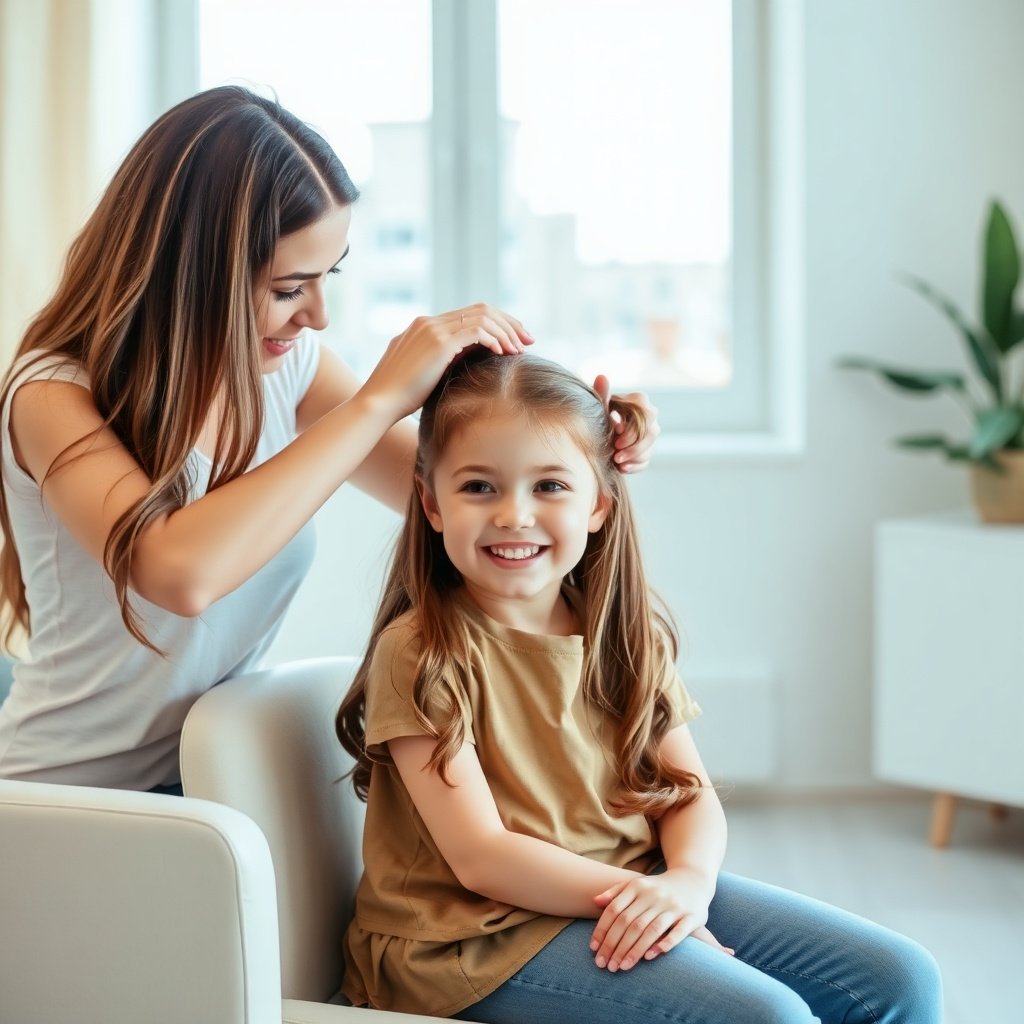
Keeping children engaged while braiding helps reduce fussiness. Distract with stories, games, or music to make styling time enjoyable. Taking breaks during longer braids also helps children stay still without discomfort.
Comfortable seating and positioning also make a difference. Braiding in a relaxed, well-lit environment helps avoid rushed or rough handling, which children easily notice.
- Use distractions like games or songs
- Take short breaks if needed
- Ensure comfortable seating
- Be patient and gentle
For more detailed information on various hair braiding techniques, see the comprehensive overview available on Wikipedia. Hair braiding techniques on Wikipedia.
Adjusting Techniques for Hair Texture
Different hair textures require varying approaches when braiding kids hair. Fine hair benefits from lighter tension and products that add grip, while thick or curly hair may need sectioning sprays or detanglers for easier control.
Understanding your child’s hair type allows for more effective braiding without pulling or breakage. Experimenting with styles that complement their natural hair texture supports healthier maintenance.
- Use gripping products for fine hair
- Apply detangler on curly hair
- Avoid too-tight braids
- Section hair carefully
Braiding Styles for Children: Category Comparison
This table compares popular braiding styles based on complexity, suitability, and hold duration for children's hair.
| Braiding Style | Skill Level | Best Hair Type | Hold Duration | Occasion |
|---|---|---|---|---|
| Three-Strand Braid | Beginner | Most hair types | 1-3 days | Daily wear, school |
| French Braid | Intermediate | Straight and wavy | 3-5 days | School, casual events |
| Fishtail Braid | Advanced | Medium to long hair | 2-4 days | Special occasions |
| Pigtail Braids | Beginner | Short to medium length | 1-2 days | Play, sports |
Frequently Asked Questions
How often should I redo my child's braids?
It's best to redo your child's braids every few days to avoid tangles and scalp buildup. Generally, braids last 2-5 days depending on style and hair type, but checking for looseness and discomfort daily helps determine the right timing.
What products are safe for braiding kids hair?
Use gentle, kid-specific leave-in conditioners, detangling sprays, and styling creams free from harsh chemicals. Avoid heavy oils that weigh down hair or cause buildup under braids.
Can braiding damage kids' hair?
Braiding done too tightly or infrequently changed can cause breakage or scalp discomfort. Using gentle techniques with moderate tension and giving hair rest between braids protects hair health.
How can I make braiding faster for busy mornings?
Prepare by detangling hair the night before and practicing simple styles like three-strand or pigtail braids. Using lightweight styling products helps control flyaways for quicker finishing.
Is it okay to braid very curly or textured hair?
Yes, braiding textured hair can protect curls and reduce tangling. Use moisturizing products and detangle gently. Techniques like cornrows or twists may work better depending on curl tightness.
Key Takeaways
- Master the basic three-strand braid as a foundation for kids hair braiding.
- Prepare hair well by detangling and using gentle products for easier braiding.
- Select styles suited to your child’s hair texture and holding needs.
- Protect braids overnight and maintain scalp health through regular washing.
Conclusion
Knowing how to braid kids hair well combines understanding the child’s hair texture, picking the right tools, and mastering basic techniques such as the three-strand and French braids. This ensures the hairstyle is both comfortable and durable. Attention to detangling and using soft elastics reduces breakage, making braiding a protective styling method that benefits hair health over time. You can build confidence and speed by practicing simpler styles before advancing to more complex ones, keeping the experience pleasant for both you and the child.
For everyday use, the classic three-strand or pigtail braids are excellent choices for their simplicity, suitability across hair types, and quick execution. French braids offer a polished look that holds well for longer periods, perfect if your child is active during the day. For special occasions or when experimenting, fishtail braids add visual interest and texture, especially on medium-length hair. Selecting styles that match the child’s lifestyle and hair type provides the best results and helps maintain healthy hair growth.
Start by gathering the necessary tools—wide-tooth combs, gentle elastics, and mild styling products—and setting aside quiet time for braiding sessions when children can relax. Practice the fundamental techniques described here, adjusting tension and style based on comfort and hair texture. Frequent practice paired with patience will make braiding kids hair an enjoyable routine rather than a chore.